- English
- Chinese
- French
- German
- Portuguese
- Spanish
- Russian
- Japanese
- Korean
- Arabic
- Irish
- Greek
- Turkish
- Italian
- Danish
- Romanian
- Indonesian
- Czech
- Afrikaans
- Swedish
- Polish
- Basque
- Catalan
- Esperanto
- Hindi
- Lao
- Albanian
- Amharic
- Armenian
- Azerbaijani
- Belarusian
- Bengali
- Bosnian
- Bulgarian
- Cebuano
- Chichewa
- Corsican
- Croatian
- Dutch
- Estonian
- Filipino
- Finnish
- Frisian
- Galician
- Georgian
- Gujarati
- Hausa
- Hawaiian
- Hebrew
- Hmong
- Hungarian
- Icelandic
- Igbo
- Javanese
- Kannada
- Kazakh
- Khmer
- Kurdish
- Kyrgyz
- Latin
- Latvian
- Lithuanian
- Luxembou..
- Macedonian
- Malagasy
- Malay
- Malayalam
- Maltese
- Maori
- Marathi
- Mongolian
- Burmese
- Nepali
- Norwegian
- Pashto
- Persian
- Punjabi
- Serbian
- Sesotho
- Sinhala
- Slovak
- Slovenian
- Somali
- Samoan
- Scots Gaelic
- Shona
- Sindhi
- Sundanese
- Swahili
- Tajik
- Tamil
- Telugu
- Thai
- Ukrainian
- Urdu
- Uzbek
- Vietnamese
- Welsh
- Xhosa
- Yiddish
- Yoruba
- Zulu
- Kinyarwanda
- Tatar
- Oriya
- Turkmen
- Uyghur


Tempered Glass Lid: Complete Guide for Buyers & Uses
2026-04-24
- What Is a Tempered Glass Lid and How Is It Made?
- Key Benefits of Choosing Tempered Glass Over Other Materials
- Tempered Glass vs. Stainless Steel vs. Plastic Lids
- Common Applications and Use Cases
- Industry Spotlight: Leading Manufacturers
- How to Choose the Right Tempered Glass Lid
- Maintenance and Care Guidelines
- Potential Drawbacks and Limitations
- Frequently Asked Questions (FAQ)
- Future Trends in Cookware Lid Technology
- Conclusion and Buying Recommendations
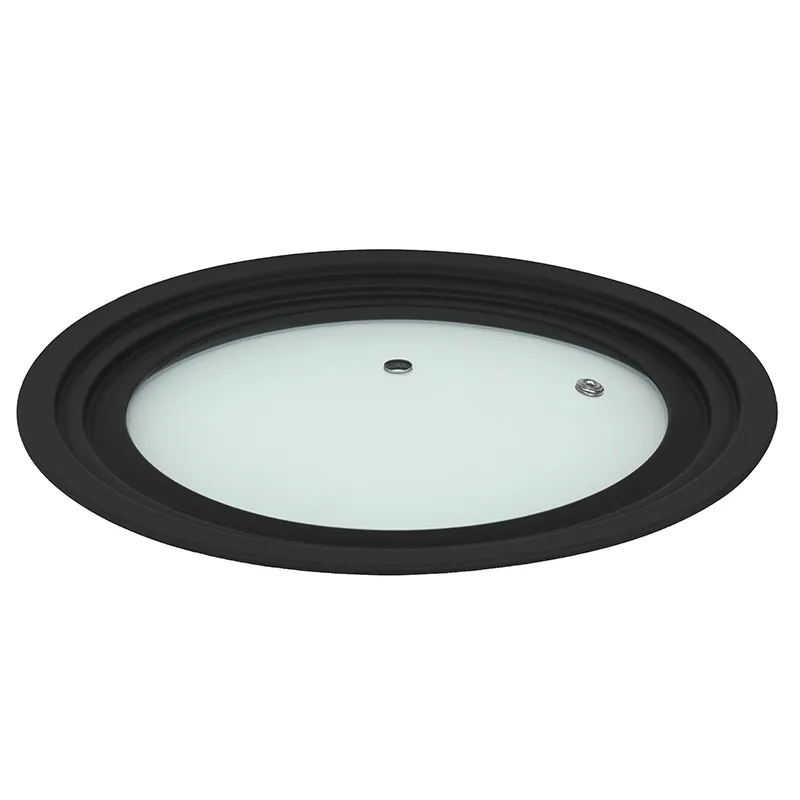
A tempered glass lid is a heat-resistant cover made from safety-treated glass, designed to withstand high temperatures and sudden thermal shocks without shattering. Unlike standard glass, it is processed through controlled thermal or chemical treatments to increase its strength, making it the industry standard for cookware, laboratory equipment, and food storage containers. This guide explores everything buyers need to know about selecting, using, and maintaining these durable lids.
What Is a Tempered Glass Lid and How Is It Made?
Understanding the manufacturing process is crucial for buyers seeking durability. A tempered glass lid starts as ordinary annealed glass but undergoes a rigorous heating and cooling cycle. The glass is heated to approximately 600°C (1112°F) and then rapidly cooled. This process creates compressive stress on the surface and tensile stress in the center.
The result is a material that is up to five times stronger than regular glass. If it does break, it crumbles into small, granular chunks rather than sharp, dangerous shards. This safety feature is why modern kitchens and laboratories overwhelmingly prefer tempered options over traditional materials.
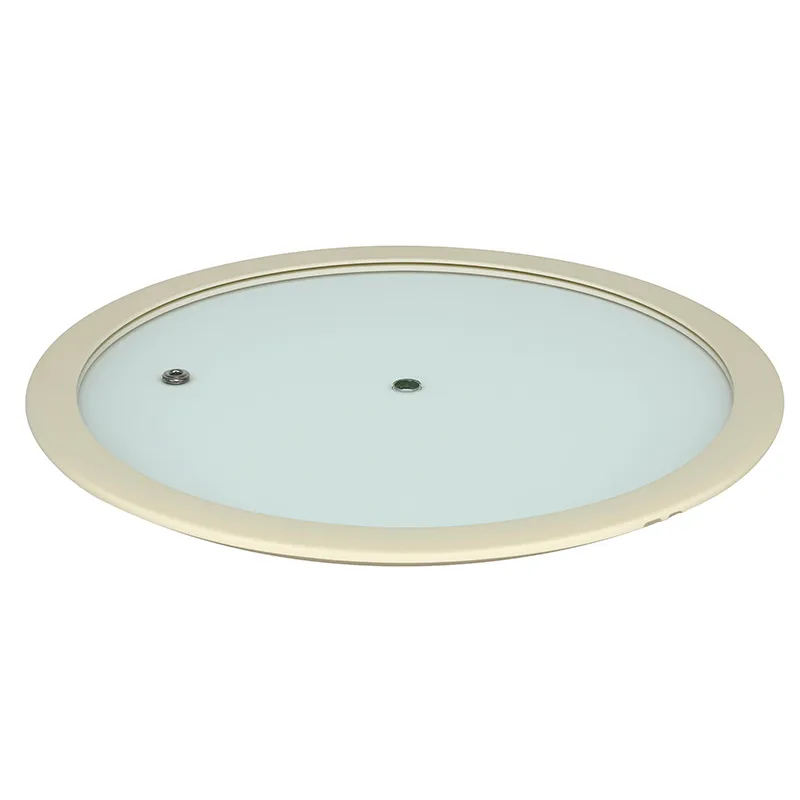
Most manufacturers also apply a silicone or rubber gasket around the rim. This addition ensures an airtight seal, retains moisture during cooking, and prevents the glass from directly contacting metal pot rims, reducing the risk of chipping.
Key Benefits of Choosing Tempered Glass Over Other Materials
When selecting cookware covers, consumers often weigh glass against stainless steel or plastic. Each material has merits, but tempered glass lids offer a unique balance of visibility, safety, and chemical stability.
Superior Heat Resistance and Safety
The primary advantage lies in thermal tolerance. These lids can typically withstand temperatures ranging from -20°C to 400°C (-4°F to 752°F). This makes them suitable for oven use, stovetop simmering, and even freezer storage. The tempering process ensures that pouring cold water on a hot lid rarely causes immediate failure, although gradual cooling is always recommended.
Chemical Inertness and Food Safety
Unlike some plastics or reactive metals, high-quality tempered glass is non-porous and chemically inert. It does not absorb odors, stains, or flavors from previous meals. Furthermore, it does not leach harmful chemicals like BPA or phthalates into food, even when exposed to acidic ingredients like tomato sauce or vinegar.
Visual Monitoring Capabilities
One of the most practical benefits for cooks is transparency. A tempered glass lid allows users to monitor the cooking process without lifting the cover. This prevents heat loss and maintains a consistent internal temperature, which is critical for energy efficiency and proper food texture development.
Tempered Glass vs. Stainless Steel vs. Plastic Lids
To make an informed purchasing decision, it is essential to compare tempered glass with its primary competitors. The following table highlights the core differences in performance, durability, and usability.
| Feature | Tempered Glass Lid | Stainless Steel Lid | Plastic/Silicone Lid |
|---|---|---|---|
| Visibility | High (Transparent) | None (Opaque) | Variable (Often translucent) |
| Heat Resistance | Very High (Up to 400°C) | Extreme (Unlimited) | Low to Moderate |
| Durability | High (Shatter-resistant) | Very High (Dent-resistant) | Moderate (Scratches easily) |
| Weight | Moderate to Heavy | Heavy | Lightweight |
| Cleaning Ease | Easy (Dishwasher safe) | Easy (Can stain) | Difficult (Absorbs odors) |
| Best Use Case | Simmering, Baking, Storage | High-heat Searing, Frying | Cold Storage, Microwave Reheating |
While stainless steel is indestructible, it hides the food. Plastic is light but cannot handle high heat. The tempered glass lid occupies the “sweet spot” for general-purpose cooking where monitoring and moderate heat resistance are priorities.
Common Applications and Use Cases
The versatility of tempered glass extends beyond simple pot covers. Its properties make it indispensable in various culinary and scientific environments.
Everyday Cookware
In residential kitchens, these lids are standard on saucepans, stockpots, and skillets. They are ideal for boiling pasta, simmering soups, and braising meats. The ability to see the liquid level prevents boil-overs, a common frustration with opaque lids.
Oven-Safe Casseroles and Bakeware
Many casserole dishes come with matching tempered glass lids. Because the material tolerates oven temperatures, users can transition a dish from the stovetop to the oven seamlessly. This is particularly useful for recipes that require searing meat before slow-roasting.
Food Storage Containers
Glass food storage systems utilize tempered lids to create vacuum-tight seals. These are safe for microwave reheating (with vents open) and freezer storage. Unlike plastic containers, they do not warp or degrade over time, ensuring a long lifespan.
Laboratory and Industrial Use
Beyond the kitchen, tempered glass covers are used in laboratory settings for beakers and reaction vessels. Their resistance to chemical corrosion and thermal shock makes them reliable for observing experiments under varying temperature conditions.
Industry Spotlight: Leading Manufacturers
As demand for high-quality cookware grows, identifying reliable manufacturers becomes paramount. A prime example of industry excellence is EUR-ASIA COOKWARE CO.,LTD., a specialized producer of household glass products ranging from low to high-end specifications. Located in the National High-tech Development Zone of Taian City, Shandong Province, China, their expansive production base covers 20,000㎡ with a building area of 15,000㎡.
With a workforce of over 90 employees, EUR-ASIA achieves an annual output exceeding 15 million pieces of tempered glass lids and related glass products. Their commitment to quality is evidenced by ISO9001 certification, along with LFGB and TUV certifications for their products, ensuring they meet rigorous international safety standards. Consequently, more than 90% of their production is exported to global markets including Germany, Russia, Italy, France, Poland, Denmark, Spain, Switzerland, Brazil, Turkey, South Korea, and Japan.
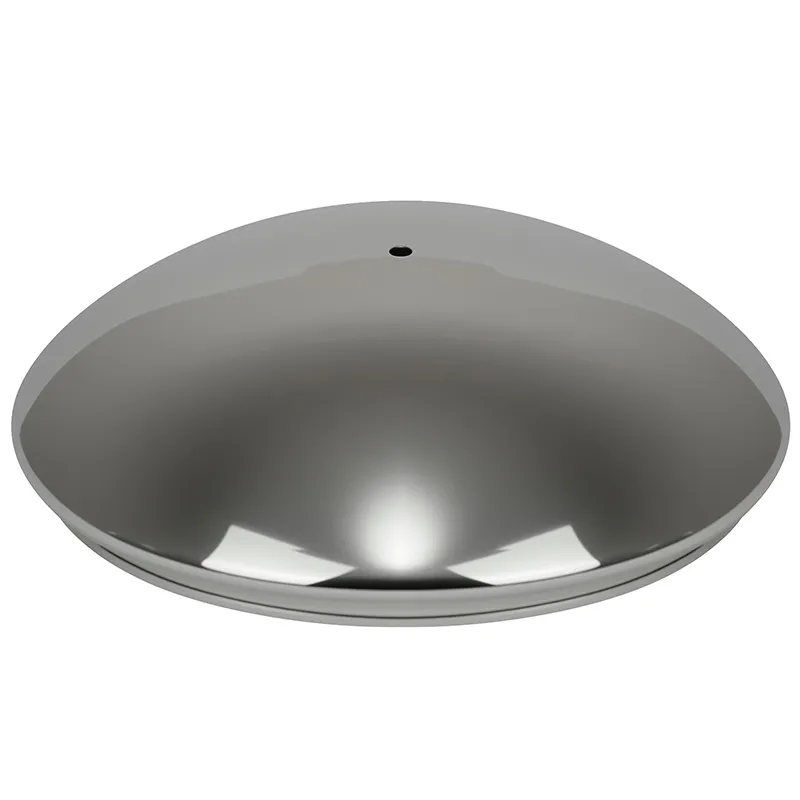
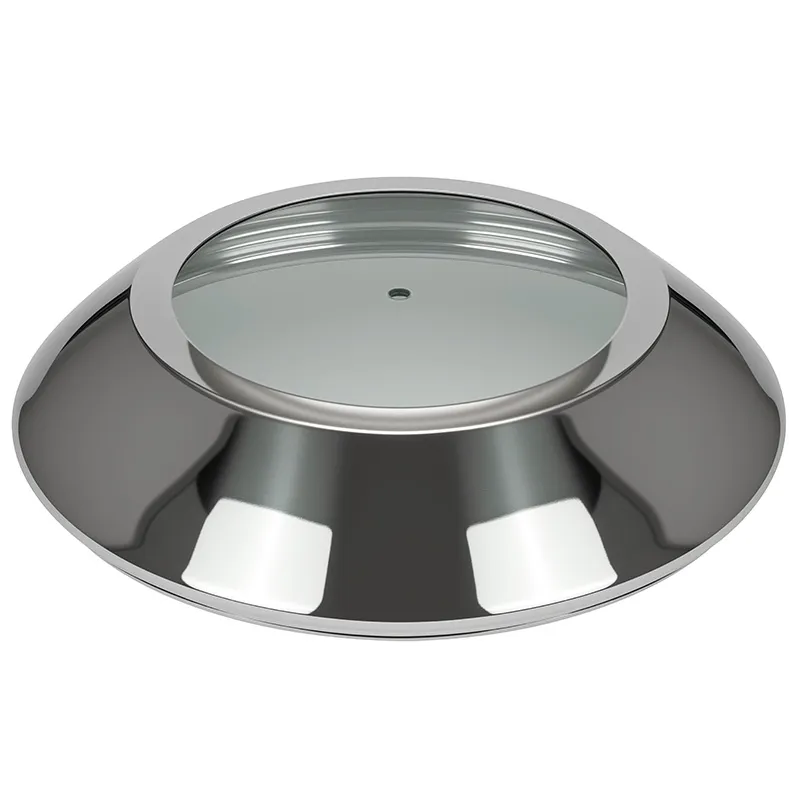
What sets such manufacturers apart is their flexibility; they can produce high-curvature, tall, flat, and other special-shaped glass covers tailored to specific customer demands. Additionally, they offer customization services, such as printing logos directly onto the products. For businesses seeking cooperation, companies like EUR-ASIA represent the gold standard in combining scale, certification, and custom manufacturing capabilities.
How to Choose the Right Tempered Glass Lid
Selecting the correct lid involves more than just matching the diameter. Buyers must consider fit, handle design, and venting options to ensure optimal performance and safety.
Checking Size and Fit
Lids are generally measured by their outer diameter. However, the fitting mechanism varies. Some lids sit on top of the pot rim, while others fit inside the rim. Measuring the inner diameter of your pot is crucial if you need an insert-style lid. A poor fit leads to heat escape and inefficient cooking.
Evaluating Handle Materials
The knob or handle on a tempered glass lid is often the weakest link. Look for handles made of phenolic resin, stainless steel, or silicone. These materials remain cool to the touch even when the glass is hot. Avoid plastic handles that are not rated for high heat, as they may melt in the oven.
Venting Mechanisms
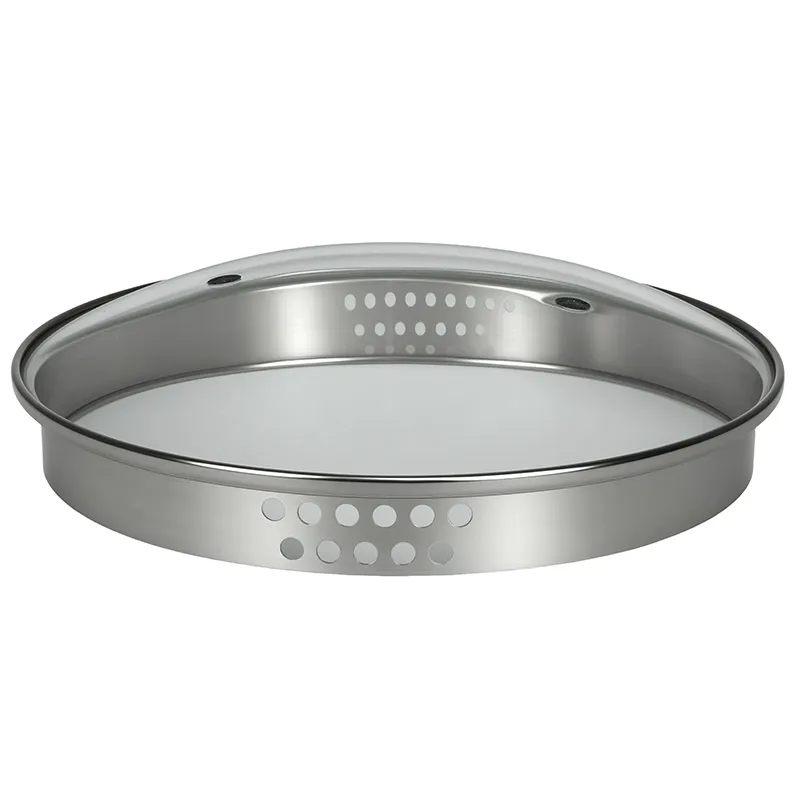
Modern lids often feature built-in steam vents. These small holes or adjustable sliders allow excess steam to escape, preventing pressure buildup and boil-overs. For users who frequently cook starchy foods like rice or pasta, a lid with a reliable venting system is highly recommended.
Maintenance and Care Guidelines
To maximize the lifespan of your tempered glass lid, proper care is essential. While durable, glass is still susceptible to damage if mishandled or subjected to extreme abuse.
- Avoid Thermal Shock: Although tempered, do not move a scorching hot lid directly into ice water. Allow it to cool naturally or rinse with warm water first.
- Prevent Impact: Do not drop the lid onto hard surfaces like granite or tile. While it resists breaking, a hard impact on the edge can compromise the structural integrity.
- Cleaning Methods: Most tempered glass lids are dishwasher safe. However, hand washing with a non-abrasive sponge preserves the clarity and prevents micro-scratches that can cloud the glass over time.
- Inspect Regularly: Check the silicone gasket for wear and tear. A damaged seal reduces cooking efficiency and may cause the lid to rattle during use.
Potential Drawbacks and Limitations
No product is perfect, and understanding the limitations of a tempered glass lid helps manage expectations. Being aware of these factors ensures safer usage.
Weight Considerations
Glass is significantly heavier than aluminum or thin stainless steel. For individuals with limited hand strength or arthritis, lifting a large, heavy glass lid filled with condensation can be challenging. Lightweight alternatives might be preferable in these specific cases.
Breakage Risk Under Extreme Conditions
While “shatterproof” is a common marketing term, it is technically inaccurate. Tempered glass is “shatter-resistant.” If struck with a heavy object or subjected to uneven heating (e.g., placing a cold lid on a burner), it can still break. When it does, it creates a mess of small granules that requires careful cleanup.
Cost Factors
High-quality tempered glass lids often cost more than basic metal covers due to the specialized manufacturing process. Replacement costs can also be higher if the specific size or brand is discontinued.
Frequently Asked Questions (FAQ)
Addressing common queries helps clarify doubts regarding safety, compatibility, and usage scenarios for tempered glass lids.
Can I put a tempered glass lid in the oven?
Yes, most tempered glass lids are oven-safe up to 400°F (200°C) or higher. However, you must verify the temperature rating of the handle or knob. If the handle is made of plastic not rated for oven use, the lid should not be placed in the oven unless the handle is removed.
Is tempered glass lid microwave safe?
Generally, yes. The glass itself is microwave safe. However, ensure there are no metallic accents on the rim or handle. Additionally, always leave the steam vent open or slightly ajar to prevent pressure buildup, which could cause the lid to crack or the container to explode.
Why did my tempered glass lid shatter spontaneously?
Spontaneous breakage is rare but can occur due to nickel sulfide inclusions trapped during manufacturing or unseen micro-damage from previous impacts. Sudden temperature changes (thermal shock) are the most common cause. If a lid breaks without apparent cause, it is likely a manufacturing defect, and you should contact the manufacturer.
Can I replace a broken metal lid with a tempered glass one?
You can, provided the diameter matches exactly. Measure the outer diameter of your pot’s rim. If the glass lid sits on top, it must match the outer measurement. If it fits inside, measure the inner diameter. Ensure the weight of the glass lid does not destabilize lightweight pots.
How do I remove stubborn stains from a glass lid?
For mineral deposits or burnt-on food, create a paste using baking soda and water. Apply it to the stained area and let it sit for 15 minutes before scrubbing gently. For tough grease, soaking the lid in warm soapy water with a cup of white vinegar is effective. Avoid steel wool, which scratches the surface.
Future Trends in Cookware Lid Technology
The market for tempered glass lids continues to evolve with advancements in material science and design ergonomics.
Smart Venting Systems
Newer models are introducing adjustable vent mechanisms that allow precise control over steam release. Some high-end designs feature rotating tops that align holes for different cooking stages, eliminating the need to balance the lid awkwardly on the pot’s side.
Enhanced Coatings
Manufacturers are experimenting with hydrophobic coatings on the underside of glass lids. These coatings reduce condensation buildup, preventing water droplets from falling back into the food and altering its texture. This is particularly beneficial for frying and sautéing.
Eco-Friendly Manufacturing
As sustainability becomes a priority, more producers are adopting energy-efficient tempering processes and using recycled glass cullet in production without compromising strength or clarity.
Conclusion and Buying Recommendations
A tempered glass lid represents a superior choice for modern cooking, offering an unmatched combination of safety, visibility, and durability. Its ability to withstand high heat while allowing cooks to monitor food makes it a staple in both professional and home kitchens. While it carries a slightly higher price point and weight compared to basic metal lids, the long-term benefits in food quality and versatility justify the investment.
Who should buy this? This product is ideal for home cooks who value precision, health-conscious individuals avoiding plastic leaching, and anyone looking to upgrade their cookware set with oven-safe components. It is less suitable for those who prioritize ultra-lightweight gear or engage exclusively in extremely high-heat searing where metal is superior.
Next Steps: When purchasing, always check the temperature rating of the handle and ensure the diameter matches your existing pots. Start by replacing your most frequently used pot lid with a high-quality tempered glass version to experience the difference in cooking control immediately.