- English
- Chinese
- French
- German
- Portuguese
- Spanish
- Russian
- Japanese
- Korean
- Arabic
- Irish
- Greek
- Turkish
- Italian
- Danish
- Romanian
- Indonesian
- Czech
- Afrikaans
- Swedish
- Polish
- Basque
- Catalan
- Esperanto
- Hindi
- Lao
- Albanian
- Amharic
- Armenian
- Azerbaijani
- Belarusian
- Bengali
- Bosnian
- Bulgarian
- Cebuano
- Chichewa
- Corsican
- Croatian
- Dutch
- Estonian
- Filipino
- Finnish
- Frisian
- Galician
- Georgian
- Gujarati
- Hausa
- Hawaiian
- Hebrew
- Hmong
- Hungarian
- Icelandic
- Igbo
- Javanese
- Kannada
- Kazakh
- Khmer
- Kurdish
- Kyrgyz
- Latin
- Latvian
- Lithuanian
- Luxembou..
- Macedonian
- Malagasy
- Malay
- Malayalam
- Maltese
- Maori
- Marathi
- Mongolian
- Burmese
- Nepali
- Norwegian
- Pashto
- Persian
- Punjabi
- Serbian
- Sesotho
- Sinhala
- Slovak
- Slovenian
- Somali
- Samoan
- Scots Gaelic
- Shona
- Sindhi
- Sundanese
- Swahili
- Tajik
- Tamil
- Telugu
- Thai
- Ukrainian
- Urdu
- Uzbek
- Vietnamese
- Welsh
- Xhosa
- Yiddish
- Yoruba
- Zulu
- Kinyarwanda
- Tatar
- Oriya
- Turkmen
- Uyghur

Wholesale Glass Decanter with Lid | Factory Price
2026-08-21
- What Is a Glass Decanter with Lid and Why Does It Matter?
- Material Science: Choosing the Right Glass Type
- Lid Mechanisms and Seal Technologies
- Manufacturing Processes: From Molten Glass to Finished Product
- Design Trends and Customization Options for 2026
- Industry Spotlight: Manufacturing Excellence in Practice
- Applications Across Industries
- How to Choose the Right Wholesale Supplier
- Procurement Strategy: Optimizing Cost and Quality
- Maintenance and Care Guidelines for End Users
- Common Mistakes in Decanter Sourcing
- FAQ: Frequently Asked Questions About Glass Decanters
- Technical Specifications Checklist for Buyers
- The Future of Glass Decanter Manufacturing
- Conclusion: Securing Value in Your Decanter Supply Chain
A glass decanter with lid is a specialized vessel designed for the storage, preservation, and elegant presentation of liquids, primarily spirits, wines, and artisanal beverages. Unlike open pourers, a lidded decanter creates an airtight or semi-airtight seal that significantly slows oxidation, preserving aroma and flavor profiles for extended periods. For B2B buyers, wholesalers, and hospitality procurement managers, sourcing high-quality glass decanters directly from manufacturers offers critical advantages in cost efficiency, customization flexibility, and supply chain reliability. This comprehensive guide details the engineering standards, material specifications, and procurement strategies for acquiring premium glass decanters at factory-direct prices in 2026.
What Is a Glass Decanter with Lid and Why Does It Matter?
A glass decanter with lid serves a dual purpose: functional preservation and aesthetic enhancement. In the context of commercial hospitality and retail distribution, the “lid” is not merely an accessory but a critical component of the product’s value proposition. It transforms a simple pouring vessel into a storage solution that maintains the integrity of high-value liquids.
The Functional Role of the Lid
The primary function of the lid is to control the exchange of gases between the liquid and the external environment. For spirits such as whiskey, bourbon, and brandy, excessive exposure to oxygen can lead to rapid evaporation of alcohol content and the degradation of volatile aromatic compounds. A well-fitted lid minimizes this exposure, ensuring that the product remains consistent from the first pour to the last.
- Oxidation Control: Limits oxygen intake to prevent flavor flattening.
- Evaporation Prevention: Reduces the “angel’s share” loss in stored spirits.
- Contaminant Barrier: Protects contents from dust, insects, and ambient odors.
- Pouring Precision: Many lidded designs incorporate restricted flow mechanisms for controlled serving.
Aesthetic and Branding Value
In luxury retail and high-end hospitality, the visual appeal of the decanter contributes directly to perceived product value. A heavy-bottomed, crystal-clear glass decanter with a precisely fitted stopper or screw cap signals quality. For private label brands, the decanter acts as a silent salesman, enhancing shelf presence and customer unboxing experiences.
Material Science: Choosing the Right Glass Type
Not all glass is created equal. For wholesale buyers, understanding the distinction between soda-lime glass, crystal, and borosilicate is essential for matching product quality to price points and end-user expectations. The material choice impacts durability, clarity, weight, and manufacturing cost.
Soda-Lime Glass: The Industry Standard
Soda-lime glass constitutes approximately 90% of all manufactured glass containers. It is composed of silica sand, soda ash, and limestone. This material is highly suitable for standard whiskey and wine decanters due to its balance of cost-effectiveness and durability.
- Cost Efficiency: Lowest production cost, ideal for high-volume wholesale orders.
- Durability: Resistant to minor impacts and thermal shock within normal ranges.
- Clarity: Modern refining processes allow for high transparency, though it may have a slight greenish tint in thick sections compared to crystal.
- Recyclability: Fully recyclable, aligning with sustainable sourcing goals.
Lead-Free Crystal: Premium Clarity and Weight
Crystal glass contains mineral additives such as zinc oxide or magnesium oxide instead of lead. This composition increases the refractive index, resulting in superior brilliance and sparkle. Crystal decanters are heavier and produce a distinctive “ring” when tapped, attributes associated with luxury products.
For B2B buyers targeting the premium segment, lead-free crystal is the preferred material. It allows for intricate cutting and engraving, which enhances light refraction and visual appeal. However, it is more brittle than soda-lime glass and requires careful handling during logistics.
Borosilicate Glass: Thermal Resistance
While less common for traditional spirit decanters, borosilicate glass is increasingly used for modern, multi-functional decanters that may handle hot beverages or require extreme thermal stability. Its coefficient of thermal expansion is low, making it resistant to cracking under temperature changes. This material is typically reserved for specialized technical or contemporary design niches.
| Material Type | Clarity | Weight | Durability | Cost Tier | Best Application |
|---|---|---|---|---|---|
| Soda-Lime Glass | High | Medium | High | Economy | Standard retail, bars, promotional items |
| Lead-Free Crystal | Superior | Heavy | Medium | Premium | Luxury gifts, high-end spirits, collectibles |
| Borosilicate | Very High | Light | High (Thermal) | Specialty | Modern designs, multi-temperature use |
Lid Mechanisms and Seal Technologies
The effectiveness of a glass decanter with lid depends largely on the sealing mechanism. In wholesale manufacturing, several standard lid types are available, each offering different levels of airtightness and user experience.
Ground Glass Stoppers
Traditional ground glass stoppers are crafted by grinding the neck of the decanter and the stopper itself to create a precise, friction-based fit. This method provides an elegant, seamless look with no external hardware.
- Aesthetics: Clean, minimalist, and classic.
- Seal Quality: Good for short-term storage; may stick if liquids evaporate and leave residue.
- Maintenance: Requires regular cleaning to prevent seizing.
Screw Cap with Liner
Modern wholesale decanters often feature metal or plastic screw caps equipped with food-grade silicone or cork liners. This design ensures a consistent, airtight seal regardless of minor variations in glass molding.
- Airtightness: Superior to ground stoppers; ideal for long-term storage.
- User Convenience: Easy to open and close; no risk of sticking.
- Customization: Caps can be branded with logos via printing or embossing.
Cork Stoppers
Natural or synthetic corks provide a traditional rustic appeal. While visually appealing for certain brand identities, corks are porous and do not provide a completely airtight seal. They are best suited for decanters intended for immediate consumption rather than long-term aging.
Vacuum-Sealed Lids
An emerging trend in 2026 is the integration of vacuum-sealing technology into decanter lids. These mechanisms pump out air to create a near-vacuum environment, drastically slowing oxidation. While more complex and costly to manufacture, they offer a unique selling proposition for premium tech-forward beverage brands.
Manufacturing Processes: From Molten Glass to Finished Product
Understanding the manufacturing process helps B2B buyers assess quality control standards and potential defects. Most wholesale glass decanters are produced using either blow-and-blow or press-and-blow methods.
Automatic Blowing Machine (ABM) Process
The ABM process is the most common for high-volume production. Molten glass is gathered into a gob, dropped into a blank mold, and blown into a parison. This parison is then transferred to a finish mold where final blowing shapes the decanter. This method ensures uniform wall thickness and consistent dimensions, which is crucial for automated bottling lines and lid fitting.
Press-and-Blow Technique
For decanters with complex shapes or heavy bases, the press-and-blow method is preferred. A metal plunger presses the molten glass into the initial shape before blowing completes the form. This technique allows for greater design flexibility and thicker base construction, enhancing the perceived value of the product.
Annealing and Quality Control
After forming, decanters pass through an annealing lehr, a controlled cooling oven that relieves internal stresses in the glass. Proper annealing is critical to prevent breakage during transport. Post-production, each unit undergoes rigorous inspection for:
- Cracks and Chips: Structural integrity checks.
- Bubbles and Inclusions: Visual clarity assessment.
- Dimensional Accuracy: Ensuring lid compatibility.
- Wall Thickness Consistency: Preventing weak points.
Design Trends and Customization Options for 2026
The global market for glassware is shifting towards personalized and sustainable designs. Wholesalers and distributors must stay ahead of these trends to meet retailer demands.
Minimalist and Geometric Shapes
Contemporary interior design favors clean lines and geometric forms. Decanters with square, rectangular, or faceted bodies are gaining popularity over traditional rounded shapes. These designs stack efficiently for shipping and display well in modern retail environments.
Eco-Friendly Packaging and Production
Sustainability is no longer optional. Buyers are increasingly requesting decanters made from cullet (recycled glass) and packaged in biodegradable or minimal plastic materials. Manufacturers who can certify recycled content percentages gain a competitive edge in European and North American markets.
Customization Techniques
For private label clients, customization is key to brand differentiation. Common techniques include:
- Sandblasting: Creates a frosted effect for logos or patterns.
- Screen Printing: Allows for full-color branding on the glass or lid.
- Hot Stamping: Applies metallic foil finishes for a luxury look.
- Embossing: Raises the brand logo directly into the glass mold for a permanent, tactile feature.
Industry Spotlight: Manufacturing Excellence in Practice
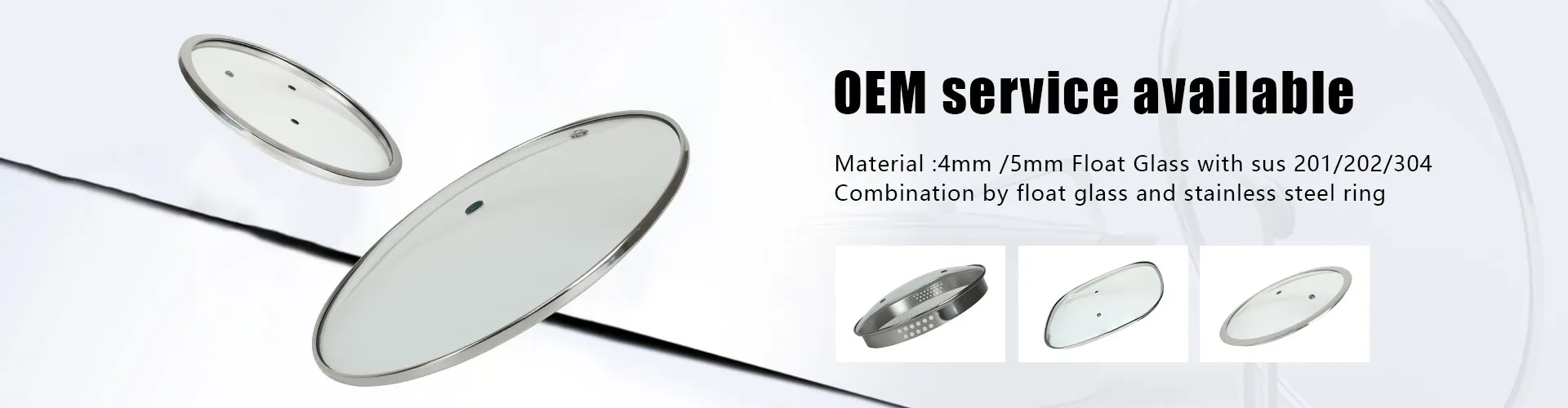
To illustrate how theoretical manufacturing standards translate into real-world supply chain advantages, it is helpful to look at established industry leaders. EUR-ASIA COOKWARE CO., LTD. serves as a prime example of a manufacturer that bridges the gap between high-volume production and customized quality.
Located in the China National High-tech Development Zone in Taian City, Shandong Province, EUR-ASIA operates a substantial production base covering 20,000㎡ with a building area of 15,000㎡. With over 90 employees and an annual output exceeding 15 million pieces of tempered glass lids and other glass products, the company demonstrates the scale required to meet global demand. Notably, more than 90% of their products are exported to stringent markets including Germany, Russia, Italy, France, Poland, Denmark, Spain, Switzerland, Brazil, Turkey, South Korea, and Japan.
For B2B buyers, EUR-ASIA’s capabilities highlight two critical sourcing factors: customization flexibility and regulatory compliance. The company specializes in producing high-curvature, tall, flat, and other special-shaped glass covers according to specific customer demands, including logo printing. Furthermore, their adherence to international standards is verified by ISO9001 certification, with products passing LFGB and TUV certifications. This level of certification is vital for buyers targeting European and North American markets, ensuring that the glass decanters sourced are not only aesthetically pleasing but also safe and compliant with food contact regulations.
Applications Across Industries
A glass decanter with lid is not limited to residential use. Its applications span multiple B2B sectors, each with specific requirements.
Hospitality and HORECA Sector
Hotels, restaurants, and cafes use decanters for table service and bar displays. Durability and ease of cleaning are paramount in this sector. Screw-cap decanters are preferred for their speed of service and resistance to breakage during high-volume washing cycles.
Retail and Private Label Spirits
Boutique distilleries and wine producers use custom decanters for limited-edition releases. The decanter becomes part of the product identity, justifying a higher price point. Here, aesthetic uniqueness and premium materials like crystal are critical.
Corporate Gifting and Promotions
Decanters are popular corporate gifts due to their perceived value and longevity. Companies often order bulk quantities with laser-engraved logos for events, anniversaries, or client appreciation. Standardized shapes with customizable lids offer a cost-effective solution for large orders.
Home Fragrance and Essential Oils
Beyond beverages, glass decanters are used in the home fragrance industry for storing essential oils and diffuser blends. The airtight lid prevents volatile oils from evaporating, preserving potency. Amber or cobalt blue glass is often requested in this niche to protect light-sensitive compounds.
How to Choose the Right Wholesale Supplier
Selecting the right manufacturer is the most critical step in securing a profitable supply chain. In 2026, the landscape of glass manufacturing is competitive, with key hubs in Asia, Europe, and North America. Evaluating suppliers requires a structured approach.
Key Evaluation Criteria
- Production Capacity: Can the factory meet your volume requirements within your timeline? Look for facilities with multiple furnace lines.
- Quality Certifications: Verify ISO 9001 certification and compliance with FDA (USA) or LFGB (Europe) food contact standards.
- MOQ Flexibility: Minimum Order Quantities vary. Large factories may require 10,000+ units, while specialized workshops may accept 500-1,000 units for custom designs.
- Sample Policy: Always request physical samples before placing bulk orders. Check for weight, clarity, and lid fit.
- Logistics Support: Does the supplier offer DDP (Delivered Duty Paid) shipping? Glass is fragile; experienced exporters know how to pack for international transit.
Red Flags to Avoid
Be cautious of suppliers who cannot provide detailed material specifications, refuse third-party inspections, or offer prices significantly below market average. Low prices often indicate inferior glass quality, poor annealing, or hidden costs in shipping and breakage rates.
Procurement Strategy: Optimizing Cost and Quality
To maximize ROI when buying glass decanter with lid units in bulk, consider the following strategic approaches.
Consolidated Shipping
Glass is heavy and bulky. Shipping costs can exceed product costs if not managed correctly. Consolidating orders to fill full container loads (FCL) rather than less than container loads (LCL) significantly reduces per-unit freight costs. Additionally, optimizing palletization to maximize container space is essential.
Seasonal Timing
Glass production energy costs fluctuate, and factory schedules fill up quickly before peak seasons (Q4 for holidays). Placing orders during off-peak periods (Q1-Q2) can result in better pricing and faster production times. Planning 3-4 months in advance is recommended for custom molds.
Mold Investment vs. Stock Designs
Creating a custom mold involves an upfront investment (typically $1,000-$3,000). If your budget allows, a unique mold creates a proprietary product that competitors cannot replicate. However, for testing markets, starting with stock designs and customizing only the lid or packaging is a lower-risk strategy.
Maintenance and Care Guidelines for End Users
Providing care instructions to your customers adds value and reduces return rates due to misuse. Include these guidelines in your product documentation.
Cleaning Protocols
- Hand Wash Recommended: While many soda-lime decanters are dishwasher safe, hand washing preserves the clarity and prevents clouding over time.
- Avoid Thermal Shock: Do not pour boiling water into a cold decanter or place a hot decanter in cold water.
- Drying: Air dry upside down on a rack to prevent water spots. Use lint-free cloths for polishing crystal.
Preventing Stuck Stoppers
For ground glass stoppers, sugar residues from spirits can cause the stopper to seize. Advise users to rinse the neck and stopper thoroughly after each use. If a stopper gets stuck, applying warm water to the neck (not the stopper) can expand the glass slightly, allowing removal.
Common Mistakes in Decanter Sourcing
Even experienced buyers can make errors that impact profitability. Awareness of these pitfalls is crucial.
Ignoring Lid Tolerance
Buying decanters and lids from different suppliers often results in poor fit. Always source the complete unit from a single manufacturer who controls the tolerances of both components. A loose lid defeats the purpose of preservation; a tight lid frustrates users.
Underestimating Breakage Rates
International shipping of glass carries an inherent breakage risk. Standard industry allowance is 2-5%. Ensure your contract specifies compensation or replacement policies for breakage exceeding this threshold. Request photos of packing methods before shipment.
Overlooking Regulatory Compliance
Different markets have strict regulations regarding lead content and food safety. Selling non-compliant products can lead to recalls and legal issues. Always request test reports from accredited laboratories (e.g., SGS, Intertek) verifying compliance with target market standards.
FAQ: Frequently Asked Questions About Glass Decanters
Does a glass decanter with lid really preserve alcohol?
Yes, a properly sealed decanter significantly slows down oxidation and evaporation. While it does not stop the process entirely, it extends the freshness of spirits from a few days to several months, depending on the seal quality and storage conditions.
What is the difference between a decanter and a carafe?
A decanter is typically designed for aerating and serving spirits or wine, often featuring a wider base and a stopper. A carafe is generally used for serving water, juice, or coffee and usually lacks a tight-sealing lid. Decanters are more ornamental and focused on preservation.
Can I put whiskey in a crystal decanter for long-term storage?
If the crystal is lead-free, yes. However, if the crystal contains lead, long-term storage of acidic or alcoholic beverages can cause lead leaching, which is hazardous. Always verify that your supplier provides lead-free crystal certification for food-safe use.
How do I clean the inside of a narrow-neck decanter?
Use uncooked rice or specialized glass cleaning beads. Add a small amount of warm soapy water and the rice/beads, then swirl vigorously. The abrasion removes internal stains without requiring brushes that cannot reach the bottom. Rinse thoroughly.
What is the typical MOQ for custom glass decanters?
For standard stock designs with custom lids, MOQs can be as low as 500-1,000 units. For fully custom shapes requiring new molds, MOQs typically range from 3,000 to 10,000 units, depending on the manufacturer’s capacity.
Are glass decanters eco-friendly?
Glass is 100% recyclable and infinitely reusable without loss of quality. Compared to plastic alternatives, glass has a higher initial carbon footprint in production but a lower long-term environmental impact due to its recyclability and lack of microplastic shedding.
Technical Specifications Checklist for Buyers
When requesting quotes, use this checklist to ensure you receive accurate and comparable bids.
| Specification | Details to Confirm |
|---|---|
| Material Composition | Soda-lime, Lead-free Crystal, or Borosilicate? |
| Capacity | Exact volume in ml/oz (e.g., 750ml, 1000ml). |
| Dimensions | Height, diameter, neck width (critical for lid fit). |
| Lid Type | Ground glass, screw cap, cork, or vacuum seal? |
| Weight | Net weight per unit (impacts shipping cost). |
| Packaging | Individual box type, insert material, master carton quantity. |
| Compliance | FDA, LFGB, Prop 65 (if applicable). |
| Lead Time | Production days + shipping time. |
The Future of Glass Decanter Manufacturing
As we progress through 2026, technology continues to reshape glass manufacturing. Smart molds with real-time monitoring ensure higher consistency. Automation in inspection processes reduces human error, leading to lower defect rates. Furthermore, advancements in lightweighting technology allow manufacturers to reduce glass usage without compromising strength, lowering both material costs and carbon emissions.
For buyers, this means access to higher quality products at more competitive prices. However, it also requires staying informed about these technological shifts to leverage them in negotiations and product development.
Conclusion: Securing Value in Your Decanter Supply Chain
Sourcing a glass decanter with lid at factory price is a strategic decision that impacts your brand’s perceived value and operational efficiency. By understanding the nuances of glass materials, lid mechanisms, and manufacturing processes, you can make informed decisions that balance cost, quality, and functionality. Whether you are supplying the HORECA sector, launching a private label spirit brand, or distributing home goods, the right decanter enhances the user experience and protects the product within.
Key takeaways for successful procurement include:
- Prioritize lead-free materials for safety and premium positioning.
- Ensure lid compatibility and seal quality through rigorous sampling.
- Leverage customization options to differentiate your brand.
- Partner with certified manufacturers who offer transparent quality control.
- Optimize logistics through consolidated shipping and robust packaging.
Ready to elevate your product lineup with premium glass solutions? Our team specializes in connecting businesses with top-tier manufacturing capabilities tailored to your specific needs. From standard wholesale volumes to bespoke custom designs, we ensure quality, compliance, and competitive factory pricing.
Take the next step in your sourcing journey. Contact our specialists today to request samples, discuss custom mold options, or receive a detailed quote for your next order. Let us help you deliver excellence in every pour.
Explore our full range of glassware solutions and technical specifications