- English
- Chinese
- French
- German
- Portuguese
- Spanish
- Russian
- Japanese
- Korean
- Arabic
- Irish
- Greek
- Turkish
- Italian
- Danish
- Romanian
- Indonesian
- Czech
- Afrikaans
- Swedish
- Polish
- Basque
- Catalan
- Esperanto
- Hindi
- Lao
- Albanian
- Amharic
- Armenian
- Azerbaijani
- Belarusian
- Bengali
- Bosnian
- Bulgarian
- Cebuano
- Chichewa
- Corsican
- Croatian
- Dutch
- Estonian
- Filipino
- Finnish
- Frisian
- Galician
- Georgian
- Gujarati
- Hausa
- Hawaiian
- Hebrew
- Hmong
- Hungarian
- Icelandic
- Igbo
- Javanese
- Kannada
- Kazakh
- Khmer
- Kurdish
- Kyrgyz
- Latin
- Latvian
- Lithuanian
- Luxembou..
- Macedonian
- Malagasy
- Malay
- Malayalam
- Maltese
- Maori
- Marathi
- Mongolian
- Burmese
- Nepali
- Norwegian
- Pashto
- Persian
- Punjabi
- Serbian
- Sesotho
- Sinhala
- Slovak
- Slovenian
- Somali
- Samoan
- Scots Gaelic
- Shona
- Sindhi
- Sundanese
- Swahili
- Tajik
- Tamil
- Telugu
- Thai
- Ukrainian
- Urdu
- Uzbek
- Vietnamese
- Welsh
- Xhosa
- Yiddish
- Yoruba
- Zulu
- Kinyarwanda
- Tatar
- Oriya
- Turkmen
- Uyghur


Wholesale Stainless Steel Cookware with Glass lids Factory Price
2026-10-31
- Why Choose Stainless Steel Cookware with Glass Lids?
- Technical Specifications and Material Standards
- Manufacturing Capabilities and Quality Assurance
- Customization and OEM Services
- Comparison: Standard vs. Premium Cookware Sets
- How to Source Stainless Steel Cookware: A Step-by-Step Guide
- Common Challenges in Cookware Sourcing
- FAQ: Sourcing Stainless Steel Cookware with Glass Lids
- Maintenance and Care Instructions for End Users
- Strategic Sourcing for Global Markets
- Conclusion and Next Steps
Sourcing stainless steel cookware with glass lids at factory prices requires a strategic balance between material quality, manufacturing precision, and supply chain reliability. For B2B buyers, importers, and retail brands, securing direct access to a certified manufacturer ensures competitive margins without compromising on safety standards like LFGB or TUV. This guide details the technical specifications, production capabilities, and procurement strategies necessary to identify high-quality OEM partners. By understanding the nuances of tempered glass compatibility and stainless steel grades, businesses can optimize their product lines for durability and consumer appeal in global markets.
Why Choose Stainless Steel Cookware with Glass Lids?
The combination of stainless steel bodies and tempered glass lids represents a dominant segment in the modern kitchenware market. This pairing offers functional superiority over all-metal or all-glass alternatives. Stainless steel provides exceptional heat distribution, corrosion resistance, and structural integrity, while glass lids allow for visual monitoring of the cooking process without releasing heat or steam.
For retailers and distributors, this product category appeals to a broad demographic. Home cooks value the ability to check food progress, which enhances culinary control. From a manufacturing perspective, the integration of these two materials requires precise engineering to ensure thermal shock resistance and secure fitting. Understanding these dynamics is crucial for buyers aiming to source products that minimize return rates and maximize customer satisfaction.
Key Advantages for End Users
- Visual Monitoring: Transparent lids enable users to observe simmering, boiling, or frying without lifting the lid, preserving internal temperature and moisture levels.
- Durability: High-grade stainless steel (such as 304 or 316) resists rust, staining, and warping, ensuring a long product lifecycle.
- Versatility: Suitable for various heat sources, including gas, electric, induction, and ceramic stovetops, depending on the base construction.
- Aesthetic Appeal: The sleek combination of polished steel and clear glass fits modern kitchen designs, enhancing shelf appeal for retail brands.
Technical Specifications and Material Standards
When evaluating suppliers for stainless steel cookware with glass lids, technical specifications are the primary indicator of quality. Buyers must look beyond surface appearance and assess the underlying material composition and manufacturing certifications. Substandard materials can lead to premature failure, safety hazards, and brand reputation damage.
Stainless Steel Grades: 201 vs. 304 vs. 316
The body of the cookware is typically constructed from stainless steel. The grade of steel used directly impacts cost, performance, and longevity.
- 201 Stainless Steel: A cost-effective option with lower nickel content. It is suitable for budget-friendly lines but offers reduced corrosion resistance compared to higher grades. It may require additional polishing to maintain shine.
- 304 Stainless Steel (18/8): The industry standard for premium cookware. Contains 18% chromium and 8% nickel, providing excellent resistance to rust and oxidation. It is non-reactive with food acids, ensuring safety and flavor preservation.
- 316 Stainless Steel (18/10): Often used in medical and marine applications, this grade offers superior corrosion resistance. It is ideal for high-end luxury cookware lines targeting discerning consumers.
Tempered Glass Lid Requirements
The glass lid is not merely an accessory; it is a critical safety component. Manufacturers must use tempered glass that undergoes rigorous thermal testing. Key specifications include:
- Thermal Shock Resistance: The glass must withstand rapid temperature changes without shattering. Standard testing involves heating the glass to specific temperatures and immersing it in cold water.
- Thickness: Typical thickness ranges from 4mm to 6mm. Thicker glass offers better durability and heat retention but adds weight.
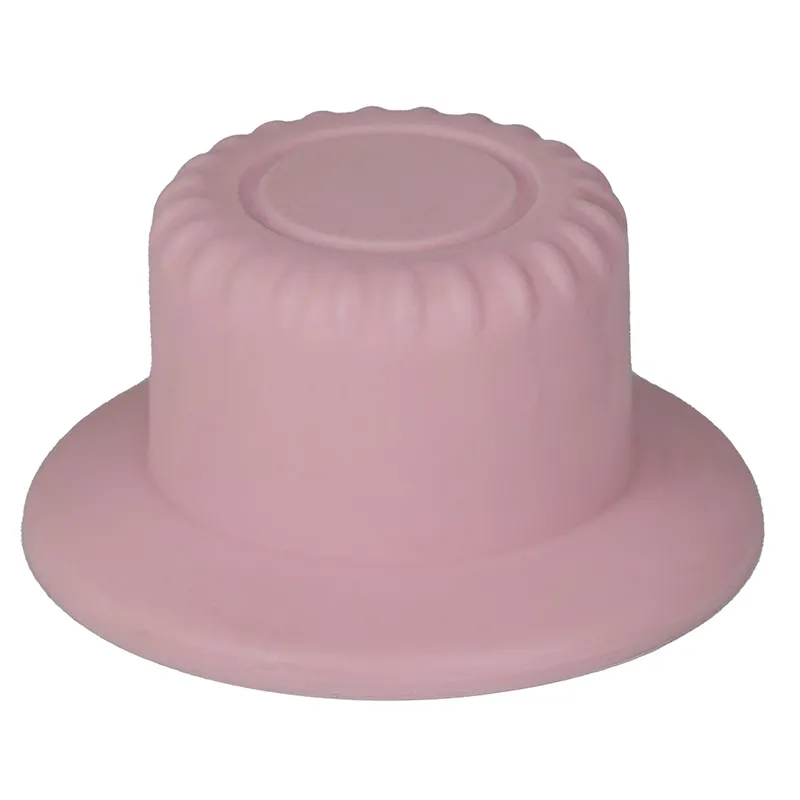
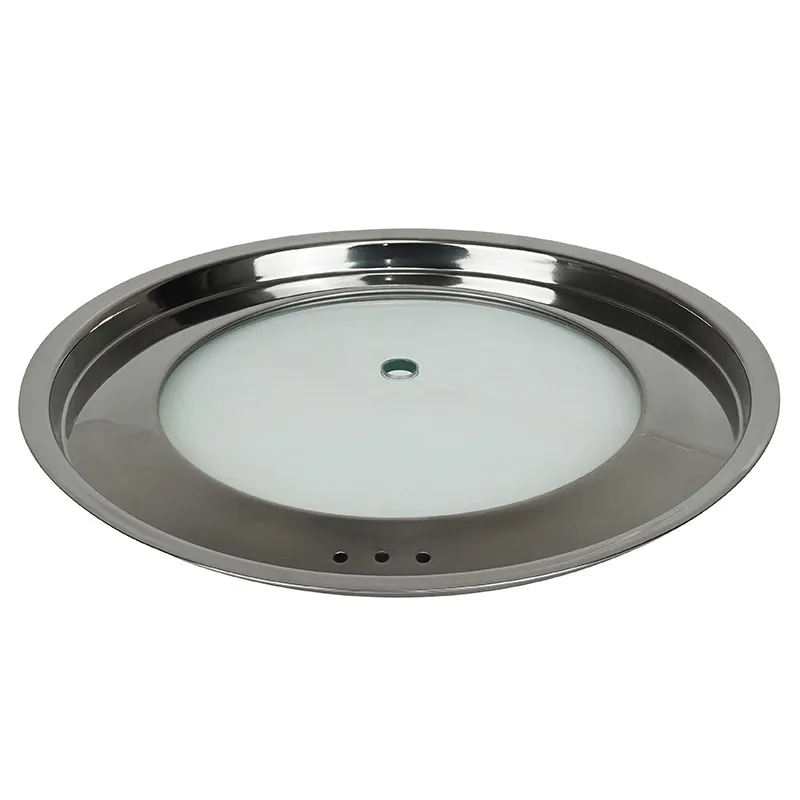
- Rim Construction: Stainless steel rims around the glass edge prevent chipping and provide a secure seal against the pot body. Silicone gaskets are often integrated to enhance the seal and reduce noise.
- Steam Vents: Properly designed steam vents prevent pressure buildup and boil-overs, enhancing user safety.
Manufacturing Capabilities and Quality Assurance
Selecting the right manufacturing partner involves assessing their production capacity, technological infrastructure, and compliance with international standards. A reliable factory ensures consistent quality across large orders and adapts to custom design requirements.
EUR-ASIA COOKWARE CO.,LTD. exemplifies the type of specialized manufacturer capable of meeting these demands. Located in the Taian City Shandong Province China National High-tech Development Zone, the company operates a substantial production base covering 20,000 square meters, with a building area of 15,000 square meters. This scale allows for efficient mass production while maintaining strict quality control protocols.
With over 90 employees and an annual output exceeding 15 million pieces of tempered glass lids and related glass products, EUR-ASIA demonstrates significant industrial capacity. More than 90 percent of their products are exported to demanding markets including Germany, Russia, Italy, France, Poland, Denmark, Spain, Switzerland, Brazil, Turkey, South Korea, and Japan. This extensive export history indicates a deep understanding of diverse regulatory requirements and consumer preferences across different regions.
Certifications and Compliance
International trade in kitchenware requires adherence to strict safety and quality standards. Buyers should prioritize manufacturers with verified certifications.
- ISO9001 Certification: Ensures that the manufacturer follows standardized quality management systems, leading to consistent product quality and continuous improvement.
- LFGB Certification: A German standard for food and feed codes. Compliance indicates that materials do not transfer harmful substances to food, a critical requirement for European markets.
- TUV Certification: A globally recognized mark of safety and quality, particularly important for glass components subjected to thermal stress.
EUR-ASIA COOKWARE CO.,LTD. holds ISO9001 certification, and its products have passed LFGB and TUV certifications. These credentials provide assurance that their stainless steel cookware with glass lids meets rigorous international safety and quality benchmarks.
Customization and OEM Services
In the competitive B2B landscape, differentiation is key. Many buyers require customized products to align with their brand identity. A flexible manufacturer can accommodate various design specifications, from unique shapes to branded logos.
Design Flexibility
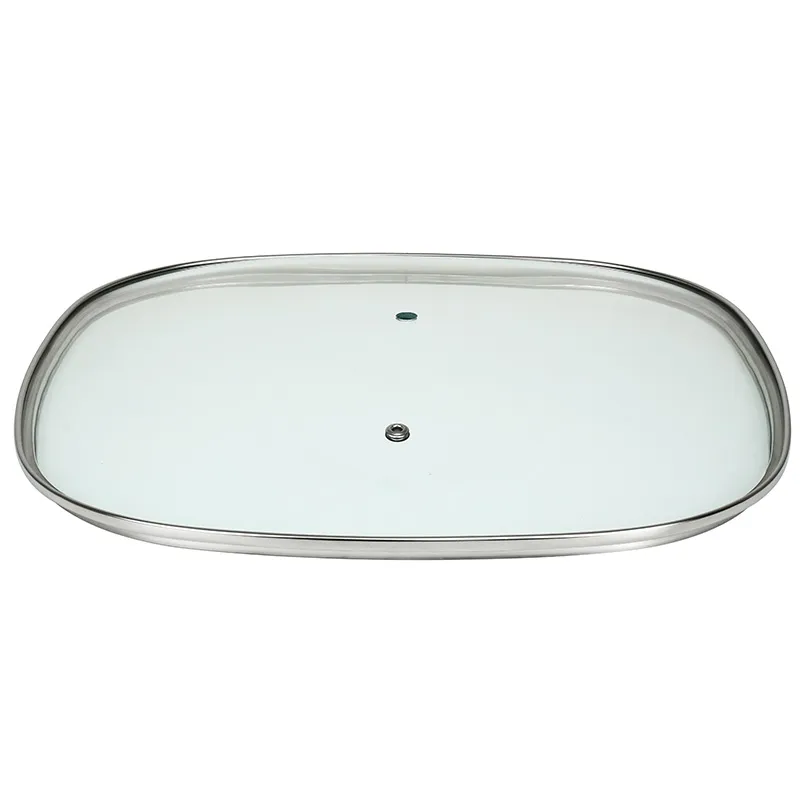
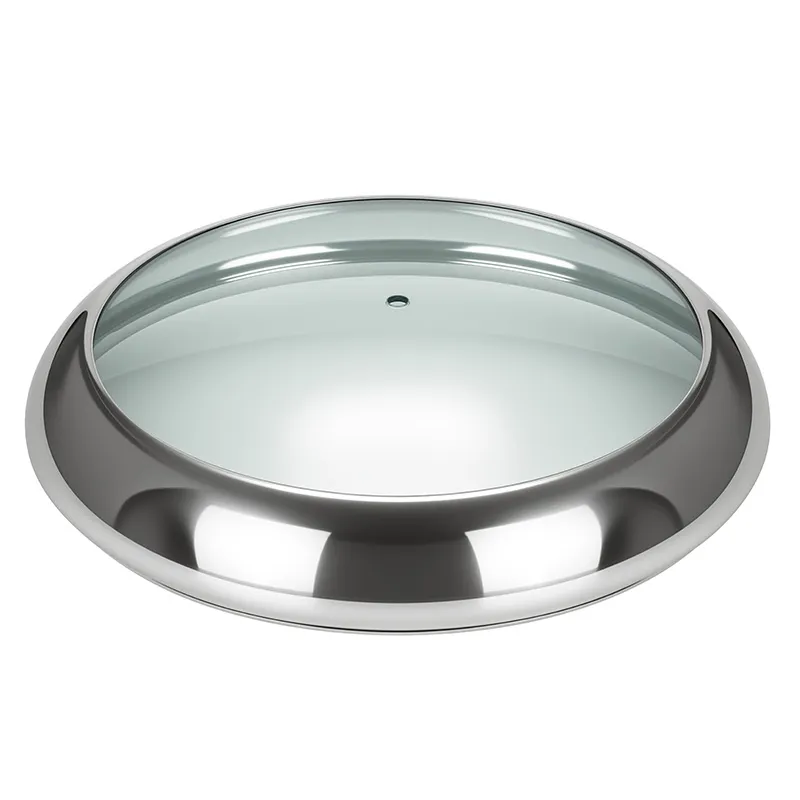
Advanced manufacturing facilities can produce a wide variety of glass cover shapes based on customer demand. This includes:
- High Curvature Lids: Ideal for woks and deep pots, allowing ample space for stirring and preventing spillage.
- Tall Lids: Designed for stockpots and pasta cookers, accommodating larger volumes of food.
- Flat Lids: Suitable for frying pans and sauté pans, providing a sleek profile and efficient heat retention.
- Special-Shaped Covers: Custom geometries for niche cookware designs, enabling brands to launch unique product lines.
Branding and Logo Integration
Brand visibility is crucial for retail success. Manufacturers should offer reliable logo printing services on both the glass lids and stainless steel bodies. Techniques may include silk screening, laser etching, or metal badge attachment. EUR-ASIA COOKWARE CO.,LTD. supports logo printing according to customer requirements, allowing brands to establish a distinct market presence. This capability enables buyers to create cohesive product lines that reflect their brand aesthetics.
Comparison: Standard vs. Premium Cookware Sets
Understanding the differences between standard and premium offerings helps buyers position their products effectively in the market. The following table outlines typical distinctions in materials, features, and target audiences.
| Feature | Standard Grade | Premium Grade |
|---|---|---|
| Steel Grade | 201 Stainless Steel | 304 or 316 Stainless Steel |
| Base Construction | Single Layer or Encapsulated Bottom | Tri-ply or Five-ply Clad Bottom |
| Glass Thickness | 4mm Tempered Glass | 5-6mm Tempered Glass with Steel Rim |
| Handle Material | Bakelite or Basic Stainless | Cool-touch Stainless with Silicone Inserts |
| Target Market | Budget-conscious Consumers, Promotional Gifts | Professional Chefs, High-end Retail, Specialty Stores |
| Price Point | Low to Medium | Medium to High |
This comparison illustrates that while standard grades offer affordability, premium grades provide enhanced performance and durability. Buyers should select the grade that aligns with their target audience’s expectations and price sensitivity.
How to Source Stainless Steel Cookware: A Step-by-Step Guide
Sourcing cookware involves several critical steps to ensure product quality and supply chain efficiency. Following a structured approach minimizes risks and maximizes value.
Step 1: Define Product Specifications
Clearly outline the required materials, dimensions, and features. Determine the stainless steel grade, glass thickness, and handle design. Specify any customization needs, such as logo placement or unique lid shapes.
Step 2: Identify Potential Manufacturers
Research manufacturers with proven expertise in glass and stainless steel production. Look for companies with relevant certifications (ISO9001, LFGB, TUV) and a strong export track record. EUR-ASIA COOKWARE CO.,LTD. is a notable example, with extensive experience serving markets in Europe, Asia, and South America.
Step 3: Request Samples and Quotes
Obtain samples to evaluate build quality, finish, and functionality. Test the glass lids for fit and thermal resistance. Compare quotes from multiple suppliers, considering factors beyond price, such as lead times, minimum order quantities (MOQs), and payment terms.
Step 4: Conduct Factory Audits
If feasible, visit the manufacturing facility to assess production capabilities, quality control processes, and working conditions. Virtual audits can also provide valuable insights. Verify the manufacturer’s capacity to handle your order volume within the desired timeframe.
Step 5: Negotiate Terms and Place Order
Finalize contract details, including pricing, delivery schedules, and warranty provisions. Ensure that all specifications are documented to avoid misunderstandings. Establish clear communication channels for order tracking and issue resolution.
Common Challenges in Cookware Sourcing
Buyers often encounter specific challenges when importing cookware. Being aware of these issues allows for proactive mitigation.
- Quality Consistency: Variations in material thickness or finish can occur between batches. Implementing strict quality control inspections before shipment is essential.
- Breakage During Transit: Glass lids are fragile. Ensure that packaging meets international shipping standards, using adequate cushioning and sturdy cartons.
- Regulatory Compliance: Different countries have varying safety standards. Verify that the manufacturer’s certifications are valid and recognized in your target market.
- Lead Time Delays: Production delays can impact inventory planning. Build buffer time into your schedule and maintain open communication with the supplier.
FAQ: Sourcing Stainless Steel Cookware with Glass Lids
What is the minimum order quantity (MOQ) for custom cookware?
MOQs vary by manufacturer and customization level. Standard items may have lower MOQs, while custom designs or logo printing often require higher volumes to justify setup costs. It is advisable to discuss specific requirements with the supplier to determine feasible order sizes.
Can glass lids be used on induction cooktops?
The glass lid itself is compatible with all cooktops, but the cookware body must have a magnetic base for induction compatibility. Stainless steel cookware with an encapsulated iron or magnetic stainless steel base works effectively on induction stoves.
How do I ensure the glass lids are safe?
Source from manufacturers who provide TUV or LFGB certifications. These certifications confirm that the glass is tempered and tested for thermal shock resistance. Additionally, request test reports for each batch to verify compliance.
What is the lead time for production?
Lead times depend on order volume and customization complexity. Typically, production takes 30 to 60 days after order confirmation. Custom molds or unique designs may extend this timeline. Confirm specific lead times with the manufacturer during the quotation phase.
Does EUR-ASIA COOKWARE CO.,LTD. offer private labeling?
Yes, EUR-ASIA COOKWARE CO.,LTD. supports private labeling. They can print logos on glass lids and stainless steel bodies according to customer requirements. This service enables brands to create distinctive product lines tailored to their market positioning.
Maintenance and Care Instructions for End Users
Providing care instructions to end users enhances product longevity and customer satisfaction. Including these guidelines in product packaging or marketing materials adds value.
- Cleaning: Use warm soapy water and a non-abrasive sponge. Avoid steel wool or harsh cleaners that can scratch the stainless steel surface.
- Stain Removal: For rainbow-colored stains or white spots, use a vinegar solution or specialized stainless steel cleaner.
- Glass Lid Care: Allow the glass lid to cool before washing. Avoid placing hot glass lids on cold, wet surfaces to prevent thermal shock.
- Storage: Store cookware in a dry place. Use protective liners between stacked pots and pans to prevent scratches.
Strategic Sourcing for Global Markets
The global demand for high-quality kitchenware continues to grow, driven by increasing interest in home cooking and culinary arts. Buyers who prioritize quality, compliance, and reliable manufacturing partnerships are well-positioned to succeed in this competitive landscape.
By partnering with established manufacturers like EUR-ASIA COOKWARE CO.,LTD., businesses can access advanced production capabilities, certified products, and customizable solutions. The company’s extensive export experience to markets such as Germany, Italy, Japan, and Brazil underscores its ability to meet diverse international standards. Their commitment to ISO9001, LFGB, and TUV certifications further reinforces their reliability as a sourcing partner.
Investing in thorough due diligence, clear specification definition, and strong supplier relationships ensures a smooth procurement process. This approach not only secures high-quality stainless steel cookware with glass lids but also builds a foundation for long-term business growth and brand loyalty.
Conclusion and Next Steps
Sourcing stainless steel cookware with glass lids at factory prices is a strategic decision that impacts product quality, brand reputation, and profitability. By focusing on material standards, manufacturing certifications, and customization capabilities, buyers can secure superior products that meet global market demands. Manufacturers like EUR-ASIA COOKWARE CO.,LTD. offer the technical expertise, production capacity, and compliance credentials necessary for successful international trade.
For businesses looking to expand their kitchenware offerings, the next step is to engage with qualified suppliers. Evaluate your specific needs regarding volume, design, and target market. Request samples to verify quality and discuss customization options to align with your brand identity.
To explore product catalogs, request quotes, or discuss custom manufacturing solutions, contact our team today. We are ready to support your sourcing needs with professional guidance and competitive factory pricing.