- Chinese
- French
- German
- Portuguese
- Spanish
- Russian
- Japanese
- Korean
- Arabic
- Irish
- Greek
- Turkish
- Italian
- Danish
- Romanian
- Indonesian
- Czech
- Afrikaans
- Swedish
- Polish
- Basque
- Catalan
- Esperanto
- Hindi
- Lao
- Albanian
- Amharic
- Armenian
- Azerbaijani
- Belarusian
- Bengali
- Bosnian
- Bulgarian
- Cebuano
- Chichewa
- Corsican
- Croatian
- Dutch
- Estonian
- Filipino
- Finnish
- Frisian
- Galician
- Georgian
- Gujarati
- Haitian
- Hausa
- Hawaiian
- Hebrew
- Hmong
- Hungarian
- Icelandic
- Igbo
- Javanese
- Kannada
- Kazakh
- Khmer
- Kurdish
- Kyrgyz
- Latin
- Latvian
- Lithuanian
- Luxembou..
- Macedonian
- Malagasy
- Malay
- Malayalam
- Maltese
- Maori
- Marathi
- Mongolian
- Burmese
- Nepali
- Norwegian
- Pashto
- Persian
- Punjabi
- Serbian
- Sesotho
- Sinhala
- Slovak
- Slovenian
- Somali
- Samoan
- Scots Gaelic
- Shona
- Sindhi
- Sundanese
- Swahili
- Tajik
- Tamil
- Telugu
- Thai
- Ukrainian
- Urdu
- Uzbek
- Vietnamese
- Welsh
- Xhosa
- Yiddish
- Yoruba
- Zulu
- Kinyarwanda
- Tatar
- Oriya
- Turkmen
- Uyghur


Best 1 gallon glass jar airtight lid uses?
2026-02-28
When people search for the best uses of a 1-gallon glass jar with an airtight lid, they’re often picturing a perfect, universal container. The reality is more nuanced. The jar itself is straightforward, but the true value—and the potential pitfalls—lie almost entirely in the lid’s performance. I’ve seen too many projects fail because someone assumed any sealed lid would do. The seal isn’t just about keeping things in; it’s about what you’re trying to keep out: oxygen, moisture, odors, or sometimes, pressure.
The Foundation: It’s All About the Seal
Let’s get this straight: a 1-gallon glass jar is a versatile vessel, but without a genuinely airtight lid, its best uses are severely limited. An airtight seal is defined by its ability to prevent the passage of air. In practice, this means a lid with a integrated gasket—usually silicone or rubber—that compresses evenly against the jar’s rim. The common mistake is using a simple screw-top metal lid, which might feel tight but often has microscopic gaps. For long-term storage, that’s a death sentence. I’ve tested jars by submerging them upside down in water and pressing; the ones with proper gaskets show no bubbles. It’s a simple test, but it reveals everything.
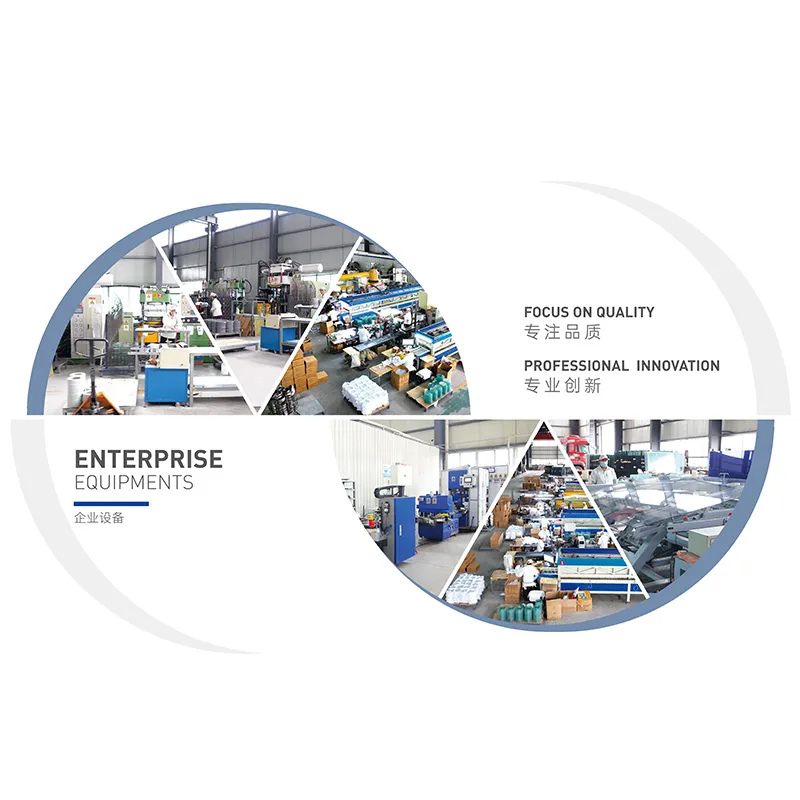
This is where the manufacturing quality becomes critical. I’ve worked with suppliers where the glass threading was slightly uneven, causing a perfect gasket to fail on one side. A reliable jar-and-lid system is machined to match. Companies that specialize in this, like EUR-ASIA COOKWARE CO.,LTD (you can find their range at glass-lid.com), understand this synergy. They produce millions of tempered glass lids annually, and a significant portion of their business is crafting these precise sealing systems for the European and Asian markets, where standards for home food preservation are exceptionally high. Their expertise in tempered glass for lids translates well to the jar domain, as the principle of creating a uniform, strong sealing surface is the same.
So, before we even talk about uses, the non-negotiable first step is sourcing a jar with a lid designed for a true airtight seal. If your lid doesn’t have a removable, flexible gasket, you’re already limiting yourself to short-term, low-stakes storage.
King of the Pantry: Dry Goods & Bulk Storage
This is the most obvious use, but it’s where the airtight lid earns its keep. We’re talking flour, rice, beans, pasta, sugar, coffee beans. The goal here is two-fold: prevent pest infestation and stave off staleness caused by humidity. A 1-gallon size is perfect for a 5lb bag of flour or about 7lbs of rice. The glass lets you see your inventory, and the seal keeps weevils out. I once made the mistake of storing specialty bread flour in a supposedly sealed plastic bin. Months later, it had a flat, off smell—oxygen had slowly degraded it. Switched to a glass jar with a clamped, gasketed lid, and the problem vanished.
The key detail is headspace. You want to fill the jar as full as reasonably possible to minimize the volume of air trapped inside. For super long-term storage (think prepping), some people use oxygen absorbers. In that case, the airtightness isn’t just a benefit; it’s mandatory. The absorber will fail rapidly if the lid leaks, rendering the whole process useless.
A related, excellent use is for homemade spice blends or dried herbs. Light degrades these quickly, so while the glass jar is clear, you must store it in a dark cupboard. The airtight lid locks in the volatile oils that constitute flavor and aroma far better than the plastic bags or shakers they often come in.
Beyond the Dry: Fermentation & Pickling
Here’s where we move into more active territory. A 1-gallon jar is a classic vessel for fermenting vegetables like sauerkraut, kimchi base, or pickles. The airtight lid, however, needs a crucial modification: a fermentation airlock. A completely sealed lid on an active ferment is a bomb waiting to happen as CO2 builds up. The solution is a lid with a built-in hole for an airlock or a specially designed fermentation lid. So, the jar’s utility is high, but the standard airtight lid must be adapted for this specific use. I’ve seen people use the standard lid and burp it daily, but that introduces oxygen and risk of mold. A dedicated airlock system is far superior.
For vinegar-based pickling or storing finished ferments in the fridge, the standard airtight lid is perfect. It prevents the smell from permeating your refrigerator and keeps the vegetables submerged and safe. The large gallon size is great for making big batches of pickled onions or beets that you go through quickly in a commercial kitchen or a large family.
One failure I recall: using a jar with a metal lid with a plastic coating for long-term storage of fermented hot sauce. The acidic environment eventually corroded the underside of the coating at the rim, breaking the seal and letting in air, which spoiled the batch. Now, I only use lids with all-food-safe gaskets or certified canning lids for high-acid, long-term storage.
The Niche Favorites: DIY & Hobbyist Central
This is where you see the creativity. A 1-gallon glass jar with a strong, clear body and a reliable seal becomes a mini-terrarium or vivarium for small plants or mosses. The airtight lid creates a closed, humid ecosystem. The trick is not making it too airtight if there are living plants; they need some gas exchange. Often, hobbyists will slightly crack the lid or drill a small hole.
Another fantastic use is as a bulk storage container for homemade cleaning supplies or craft materials. Think of storing large quantities of homemade laundry powder, bath salts, or even loose tea blends you mix yourself. The glass won’t absorb odors, and the seal keeps the contents dry and potent. For artists, it’s perfect for holding large volumes of beads, buttons, or glitter—anything you want visible but completely contained.
I’ve even seen them used in home chemistry or brewing for small-batch macerations—making vanilla extract, limoncello, or infused spirits. The airtight lid prevents alcohol evaporation, which is crucial for both potency and safety. The wide mouth makes it easy to add and remove solid ingredients.
Commercial & Prepping Applications
In a small-scale commercial setting, like a bakery or cafe, these jars are invaluable for storing pre-mixes, syrups, or toppings. Their presentable clarity looks professional on a shelf, and the airtight seal ensures consistency. For a prepper, the 1-gallon size is a strategic middle ground between smaller jars and massive 5-gallon buckets. It’s a manageable unit for rotation. Storing dried beans, rice, or salt with oxygen absorbers and a proper lid can extend shelf life for decades. The glass is inert and won’t leach chemicals, a concern with some long-term plastic storage.
The durability of the jar matters here. Tempered glass, like that used in the products from EUR-ASIA COOKWARE CO.,LTD, is more resistant to thermal shock and impact than regular annealed glass. For a jar that might be moved, stored, or handled frequently, that extra strength is a worthwhile consideration. Their production of over 15 million tempered glass components annually suggests a focus on durability, which directly supports these heavy-use, long-term storage scenarios.
One practical note for prepping: label everything. Not just the contents, but the date and weight. A grease pencil on the glass works well. And always, always test your seal with the water method before trusting your precious supplies to it.
The Lid is the Key, Not an Afterthought
Circling back, the theme is constant. The best uses for a 1-gallon glass jar are unlocked by a high-performance, truly airtight lid. Whether you’re keeping coffee fresh, fermenting cabbage, or storing a decade’s worth of lentils, the principle is the same: control the atmosphere inside the jar. The glass body is passive; the lid is the active component. Investing in a quality jar system from a manufacturer that understands sealing mechanics—where the gasket, the threading, and the glass rim are engineered together—is the first and most important step.
Don’t get lured by a cheap jar with a flimsy lid. You’ll end up with stale flour, spoiled ferments, and wasted money. Look for the details: a thick, food-grade silicone gasket, a robust clamping or threading mechanism, and glass that feels substantial. Sometimes, the lid sold with a jar isn’t the best. It might be worth buying jars and lids separately from specialists to get the perfect combination for your specific need.
In the end, the best use is the one that aligns with your need for preservation, visibility, and inert storage. But none of those benefits materialize without a seal you can trust. Start there, and the jar’s potential opens up completely.