- Chinese
- French
- German
- Portuguese
- Spanish
- Russian
- Japanese
- Korean
- Arabic
- Irish
- Greek
- Turkish
- Italian
- Danish
- Romanian
- Indonesian
- Czech
- Afrikaans
- Swedish
- Polish
- Basque
- Catalan
- Esperanto
- Hindi
- Lao
- Albanian
- Amharic
- Armenian
- Azerbaijani
- Belarusian
- Bengali
- Bosnian
- Bulgarian
- Cebuano
- Chichewa
- Corsican
- Croatian
- Dutch
- Estonian
- Filipino
- Finnish
- Frisian
- Galician
- Georgian
- Gujarati
- Haitian
- Hausa
- Hawaiian
- Hebrew
- Hmong
- Hungarian
- Icelandic
- Igbo
- Javanese
- Kannada
- Kazakh
- Khmer
- Kurdish
- Kyrgyz
- Latin
- Latvian
- Lithuanian
- Luxembou..
- Macedonian
- Malagasy
- Malay
- Malayalam
- Maltese
- Maori
- Marathi
- Mongolian
- Burmese
- Nepali
- Norwegian
- Pashto
- Persian
- Punjabi
- Serbian
- Sesotho
- Sinhala
- Slovak
- Slovenian
- Somali
- Samoan
- Scots Gaelic
- Shona
- Sindhi
- Sundanese
- Swahili
- Tajik
- Tamil
- Telugu
- Thai
- Ukrainian
- Urdu
- Uzbek
- Vietnamese
- Welsh
- Xhosa
- Yiddish
- Yoruba
- Zulu
- Kinyarwanda
- Tatar
- Oriya
- Turkmen
- Uyghur


Innovative uses for glass jar with cork lid?
2026-02-28
When you hear glass jar with cork lid, most people instantly think of pantry storage or maybe a rustic candle holder. That’s the common trap—viewing it as a single-purpose container. In reality, that combination of inert glass and a breathable, natural cork stopper opens up a world of applications far beyond jam. The key is understanding the material properties: glass is non-porous and easy to sterilize, while cork provides a semi-permeable seal that allows for minimal gas exchange. This isn’t just theory; I’ve seen projects fail because someone used a completely airtight metal lid for fermenting and ended up with a small explosion. The cork-and-glass duo, handled right, avoids that.
Beyond the Kitchen: Fermentation & Infusion Labs
This is where the glass jar with cork lid truly shines. For small-batch fermenting—think kimchi, sauerkraut, or hot sauces—the cork acts as a safety valve. It’s not meant to be airtight like a fermentation lock, but for short-term, active ferments, it allows excess CO2 to bleed off slowly, preventing jar bombs. I’ve used 1-liter jars from suppliers like EUR-ASIA COOKWARE CO.,LTD. for testing herb-infused vinegars. Their tempered glass lids can take the acidic environment, but swapping for a cork top during the infusion phase lets any residual fermentation gases escape while keeping dust out.
Where it gets tricky is in alcohol infusions, like limoncello or bourbon cherries. You need a tight seal for the spirit, but also a way to burp the jar if fruit sugars start fermenting. A cork is perfect here. You can push it in firmly, yet it’s easily removed to check progress. I recall a batch of cherry-infused brandy where a client used a screw-top jar; the pressure buildup from forgotten fermenting fruit cracked the glass at the shoulder. A cork lid would have just lifted slightly, a clear visual cue to intervene.
The nuance is in cork quality. A cheap, composite cork won’t last long in a high-alcohol environment—it can degrade and crumble. You need a solid, natural cork. It’s a detail often overlooked in DIY guides, but it makes all the difference between a successful infusion and a contaminated one.
The Mini Terrarium & Ecosystem Vessel
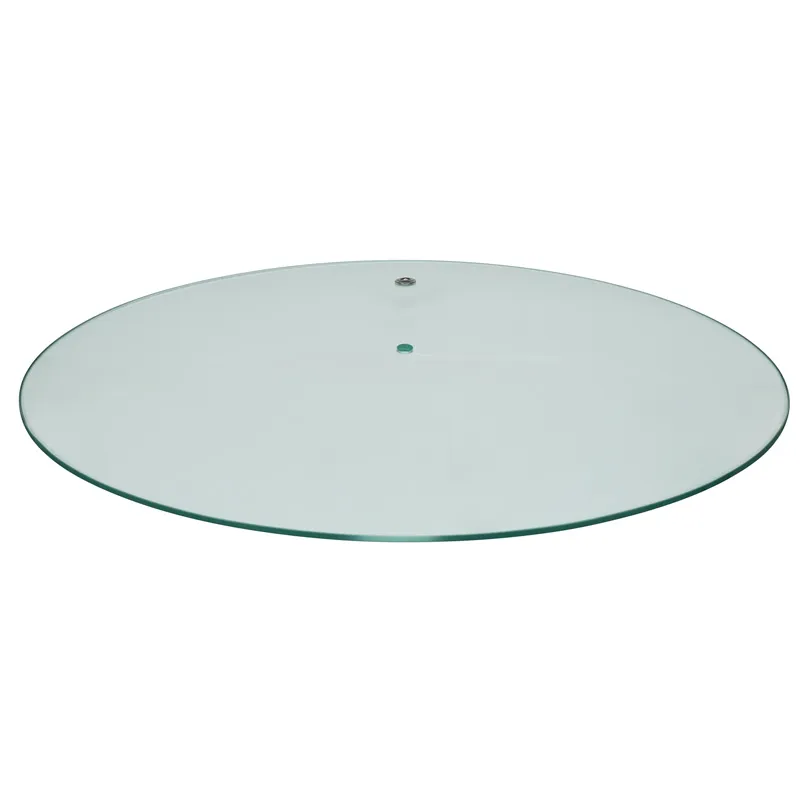
Here’s a use that seems trendy but has real scientific merit: creating sealed or semi-sealed ecosystems. A large glass jar with a cork lid can become a self-sustaining terrarium. The cork allows for the minuscule gas and moisture exchange that these micro-environments need, unlike a hermetically sealed lid which often leads to mold overgrowth. I’ve set up several with moss, springtails, and fern propagules.
The process isn’t as simple as just piling dirt and plants in. You need a false drainage layer at the bottom—I use activated charcoal chips from aquarium supplies topped with a landscape fabric mesh. The glass must be perfectly clear, without distortions, to monitor root health and condensation cycles. Jars from professional kitchenware producers often have the clarity and uniform thickness needed. I’ve had good results with jars that originally housed products from EUR-ASIA COOKWARE, repurposed after their initial use. Their production focus on tempered glass for lids translates to robust jars suitable for the constant humidity.
The biggest failure point is overwatering. A cork lid will hold in more moisture than an open dish. You learn to judge condensation: droplets covering more than a third of the glass mean it’s too wet, and you should pop the cork for a few hours. It’s a living system, not a decoration.
Specialized Dry Goods Storage: The Coffee & Tea Test
Storing coffee beans or loose-leaf tea in a glass jar with cork lid is a divisive topic among enthusiasts. The argument against is that cork isn’t perfectly airtight, allowing staleness. However, for daily-use beans at room temperature, that minor breathability can be beneficial, preventing the buildup of off-gasses from freshly roasted beans. It’s about short-term, active storage, not long-term archiving.
I conducted an informal two-week test comparing beans in an airtight stainless canister versus a cork-topped glass jar, both kept in a dark cupboard. The cork-stored beans had a marginally brighter aroma when ground on day 10, likely because any residual CO2 from roasting could dissipate. For tea, the cork is excellent for delicate greens or whites that you consume within a month, as it doesn’t trap odors. But for pu-erh or long-term aging, you’d want a different setup entirely.
The takeaway? It’s a perfect countertop solution. The glass lets you see your stock level, and the cork is easier to handle quickly than a threaded metal lid when you’re half-awake. Just don’t use it next to strong-smelling spices.
Studio & Workshop Organization: A Clear Advantage
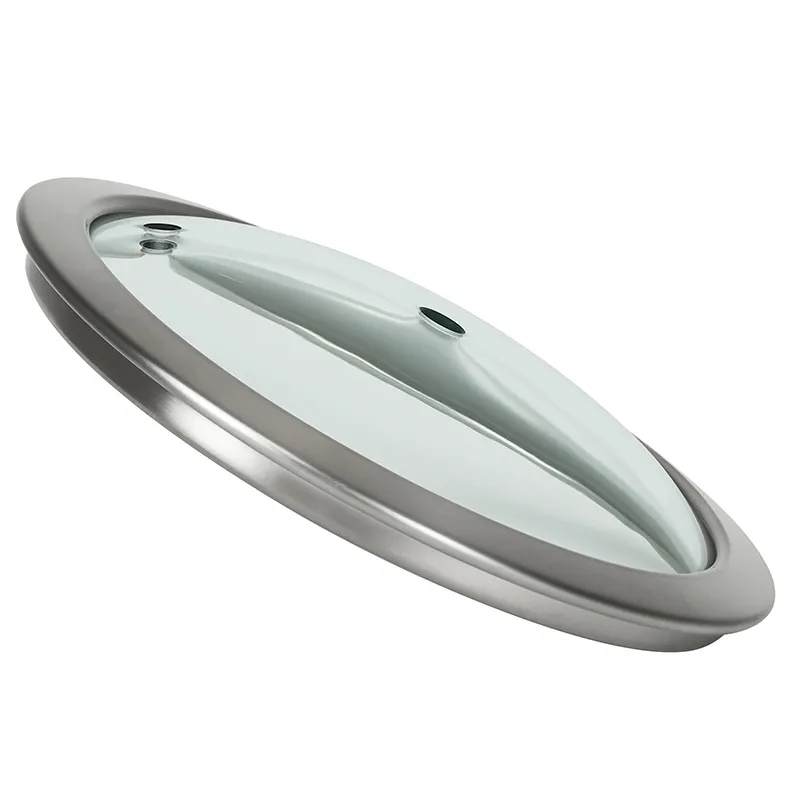
Move out of the kitchen and into the workshop. For organizing small hardware—watch gears, specialty screws, beads, or electronic resistors—a wall of identical glass jars with cork lids is unbeatable. The visual clarity is the primary asset. You can locate the M3 x 10mm black oxide screw instantly without opening ten containers.
Cork lids offer practical benefits here too. They can be easily drilled through to mount the jar upside down on a shelf underside, creating gravity-fed storage. You can also hot-glue a small magnet to the cork’s top, allowing it to stick to a metal strip. I’ve set this up in a jewelry studio using jars sourced from kitchen suppliers; the uniformity in size from a bulk producer like EUR-ASIA COOKWARE CO.,LTD. makes for a clean, professional look. Their focus on export-quality standards means the jars are consistently sized, which matters when you’re lining up fifty of them.
The downside? Dust. Cork isn’t a dust-proof seal. For workshops with a lot of sawdust or metal filings, you might need to occasionally blow out the rim. It’s a trade-off for the convenience and aesthetics.
The Unconventional: Culture & Specimen Jars
This ventures into niche territory. In small-scale mycology or amateur mycology, a sterilized glass jar with a modified cork lid is a classic piece of equipment for grain spawning. You drill a hole in the cork, insert a filter patch for gas exchange, and inject spores through it. The glass allows you to monitor mycelial growth for contamination without opening the sterile environment.
Similarly, in field biology or for hobbyist entomologists, these jars make excellent temporary observation chambers. The cork allows for airflow, preventing condensation from drowning a delicate insect, while the glass provides full visibility. You can even use a fine needle to pass a tiny humidity sensor through the cork for monitoring.
It’s in these applications that the industrial quality of the jar matters. Thin, brittle glass can fail under pressure sterilization (like in an autoclave for mycology work). The tempered glass products from dedicated manufacturers, as you’d find at a site like https://www.glass-lid.com, are more reliable for such demanding repurposing. Their business in producing millions of tempered glass lids annually for the international market suggests a baseline of thermal and physical shock resistance that is crucial.
So, the next time you see a glass jar with cork lid, don’t just see a finished product. See a versatile platform. Its utility is bounded not by its design, but by your understanding of how glass contains and cork interacts. Start with a quality vessel—it defines your ceiling—and experiment from there. Just keep a notebook; your failures will teach you more than any perfect guide.