- English
- Chinese
- French
- German
- Portuguese
- Spanish
- Russian
- Japanese
- Korean
- Arabic
- Irish
- Greek
- Turkish
- Italian
- Danish
- Romanian
- Indonesian
- Czech
- Afrikaans
- Swedish
- Polish
- Basque
- Catalan
- Esperanto
- Hindi
- Lao
- Albanian
- Amharic
- Armenian
- Azerbaijani
- Belarusian
- Bengali
- Bosnian
- Bulgarian
- Cebuano
- Chichewa
- Corsican
- Croatian
- Dutch
- Estonian
- Filipino
- Finnish
- Frisian
- Galician
- Georgian
- Gujarati
- Haitian
- Hausa
- Hawaiian
- Hebrew
- Hmong
- Hungarian
- Icelandic
- Igbo
- Javanese
- Kannada
- Kazakh
- Khmer
- Kurdish
- Kyrgyz
- Latin
- Latvian
- Lithuanian
- Luxembou..
- Macedonian
- Malagasy
- Malay
- Malayalam
- Maltese
- Maori
- Marathi
- Mongolian
- Burmese
- Nepali
- Norwegian
- Pashto
- Persian
- Punjabi
- Serbian
- Sesotho
- Sinhala
- Slovak
- Slovenian
- Somali
- Scots Gaelic
- Shona
- Sindhi
- Sundanese
- Swahili
- Tajik
- Tamil
- Telugu
- Thai
- Ukrainian
- Urdu
- Uzbek
- Vietnamese
- Welsh
- Xhosa
- Yiddish
- Yoruba
- Zulu
- Kinyarwanda
- Tatar
- Oriya
- Turkmen
- Uyghur

Buy 12 Inch Frying Pan with Glass Lid | Wholesale Price
2026-09-16
- Why Choose a 12 Inch Frying Pan for Commercial and Wholesale Needs?
- Technical Specifications and Material Engineering
- Manufacturing Excellence: Partnering with EUR-ASIA COOKWARE CO.,LTD.
- Applications and Market Segments
- How to Choose the Right 12 Inch Frying Pan for Your Business
- Common Mistakes to Avoid When Sourcing Frying Pans
- Maintenance and Care Instructions for End Users
- FAQ: Frequently Asked Questions About 12 Inch Frying Pans
- Comparing 12 Inch Frying Pans: Feature Analysis
- Trends in Cookware Manufacturing for 2026
- Logistics and Supply Chain Considerations
- Conclusion: Securing Your Wholesale Supply
A 12 inch frying pan with glass lid is the industry-standard cookware solution for high-volume commercial kitchens, hospitality sectors, and bulk retail distribution. Designed for superior heat retention and versatile cooking applications, this size offers the optimal balance between surface area and maneuverability. Our wholesale offerings feature reinforced non-stick coatings, induction-compatible bases, and tempered safety glass lids. Sourcing directly from certified manufacturers ensures competitive pricing, consistent quality control, and compliance with international food safety standards for B2B buyers in 2026.
Why Choose a 12 Inch Frying Pan for Commercial and Wholesale Needs?
The 12-inch diameter represents a critical threshold in professional cookware. It provides approximately 113 square inches of cooking surface, allowing chefs to sear multiple protein portions simultaneously or sauté large volumes of vegetables without overcrowding. For wholesalers and distributors, this specific SKU drives significant revenue due to its universal appeal across residential and light-commercial segments.
Optimal Surface Area for High-Volume Cooking
In professional culinary environments, efficiency is paramount. A 10-inch pan often restricts batch sizes, leading to longer prep times. Conversely, 14-inch skillets can be unwieldy for line cooks during rapid service. The 12-inch variant strikes the perfect engineering balance. It accommodates four standard chicken breasts, two large steaks, or a full family-sized portion of stir-fry ingredients. This capacity reduces the number of batches required, directly impacting energy consumption and labor hours in busy kitchens.
Versatility Across Heat Sources
Modern commercial kitchens utilize diverse heating technologies. Our 12 inch frying pans are engineered with multi-ply encapsulated bases. This design ensures compatibility with:
- Induction Cooktops: Rapid heating through magnetic resonance requires a ferrous magnetic base layer.
- Gas Ranges: Even heat distribution prevents hot spots that cause uneven searing.
- Electric Coils: Flat bottom stability maximizes contact area for efficient energy transfer.
- Ceramic Glass: Smooth bottoms prevent scratching while maintaining thermal conductivity.
This universal compatibility makes the 12 inch frying pan with glass lid a safe inventory choice for retailers targeting diverse consumer demographics or hospitality suppliers equipping mixed-appliance kitchens.
The Strategic Value of the Glass Lid
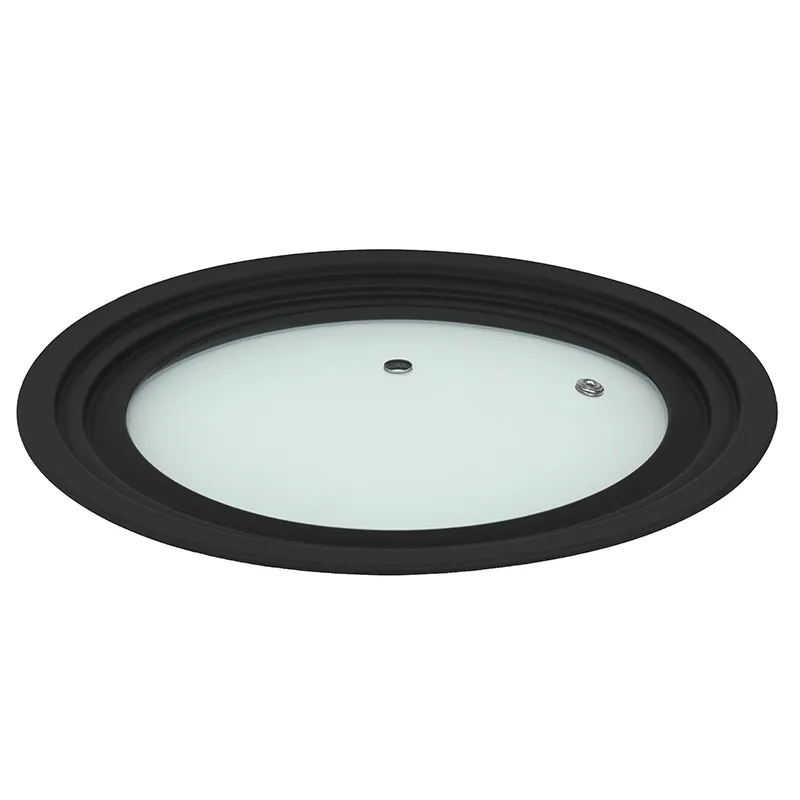
While open skillet cooking is common, the inclusion of a tempered glass lid transforms the utility of the pan. It allows for moisture retention, essential for braising, steaming, and melting cheeses. From a retail perspective, a pan sold with a lid offers higher perceived value. The transparency of the glass enables users to monitor cooking progress without lifting the lid, preserving internal temperature and reducing cooking time by up to 20% in simmering applications.
Technical Specifications and Material Engineering
Understanding the material composition is crucial for B2B buyers assessing product longevity and performance. In 2026, manufacturing standards have evolved to prioritize durability, health safety, and thermal efficiency. Below is a detailed breakdown of the core components found in high-quality wholesale 12 inch frying pans.
Base Construction: Aluminum vs. Stainless Steel
The core material dictates heat conductivity. Aluminum is the preferred choice for non-stick frying pans due to its exceptional thermal conductivity, which is roughly 16 times greater than stainless steel. However, raw aluminum reacts with acidic foods. Therefore, premium wholesale units utilize anodized aluminum or clad constructions.
| Material Component | Function | Benefit for End-User |
|---|---|---|
| Aluminum Core | Heat Distribution | Eliminates hot spots; ensures even cooking across the 12-inch surface. |
| Stainless Steel Exterior | Durability & Compatibility | Provides magnetic properties for induction use; resists corrosion and warping. |
| Non-Stick Coating | Food Release | Reduces oil usage; simplifies cleaning; prevents food adhesion. |
| Tempered Glass Lid | Moisture Retention | Withstands thermal shock; allows visual monitoring; traps steam for tenderizing. |
| Riveted Handles | Structural Integrity | Ensures handle stability under heavy loads; withstands high oven temperatures. |
Coating Technology: PFOA-Free and Durability
Health consciousness drives modern consumer choices. All wholesale units supplied adhere to strict international safety standards, being 100% PFOA, PFOS, and lead-free. Advanced coating technologies now incorporate mineral-reinforced layers or diamond-infused surfaces. These enhancements increase abrasion resistance, allowing the use of metal utensils with caution, although silicone or wood is recommended for maximum lifespan. The coating thickness typically ranges from 25 to 35 microns in premium grades, ensuring consistent performance over thousands of cooking cycles.
Glass Lid Safety Standards
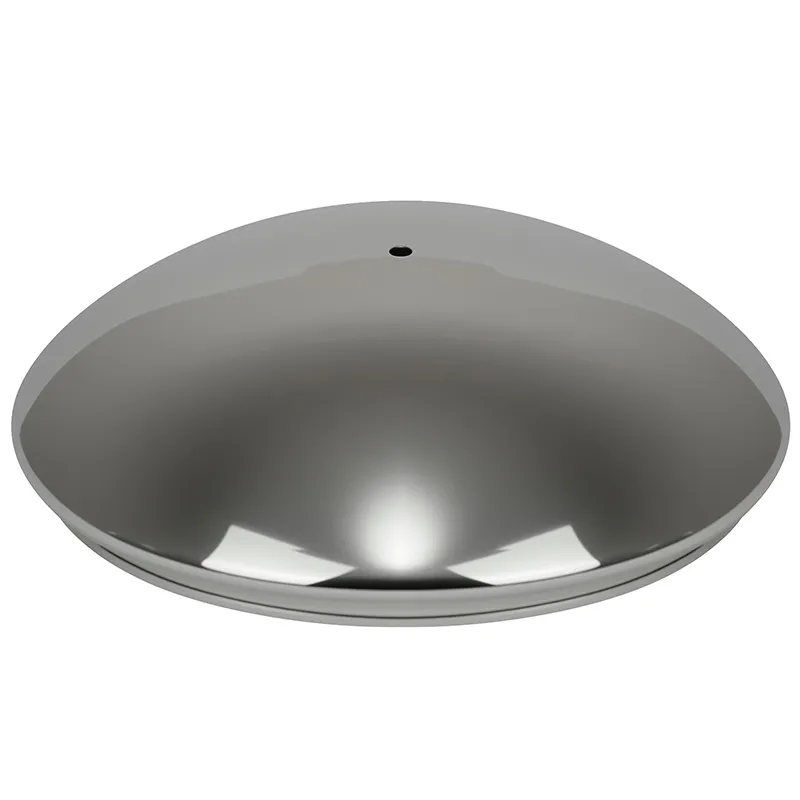
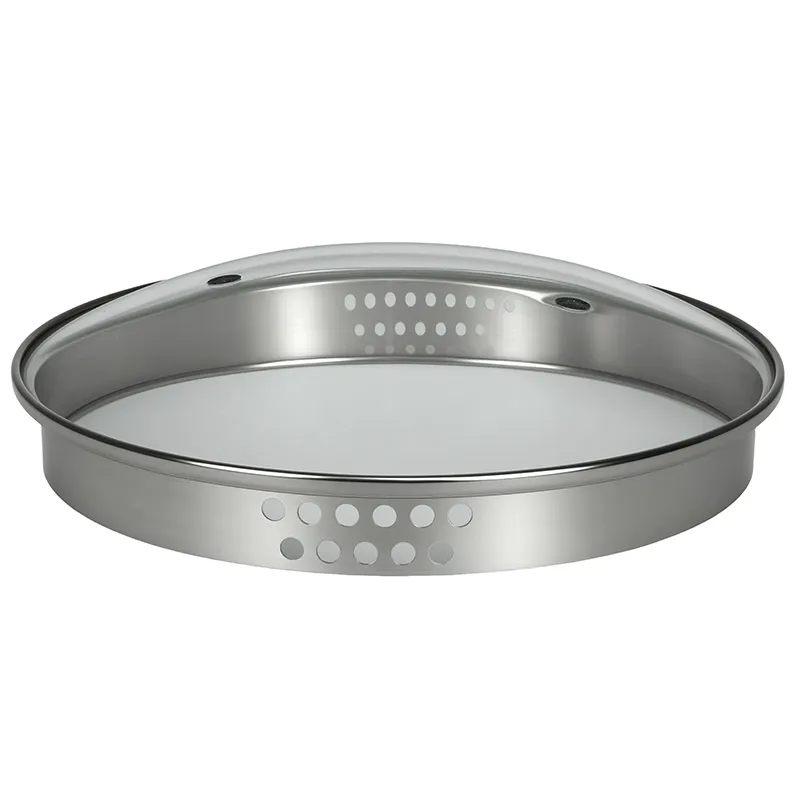
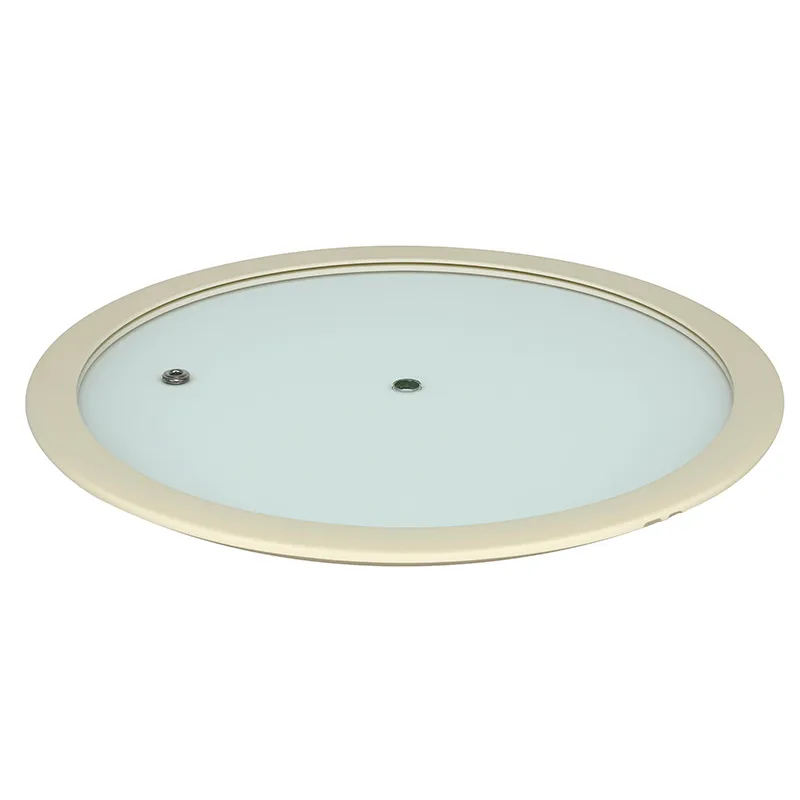
The lid is not merely an accessory but a critical safety component. We utilize tempered borosilicate glass, capable of withstanding temperature differentials of up to 120°C without shattering. The rim is often reinforced with stainless steel or silicone to prevent chipping. Steam vents are strategically positioned to release excess pressure, preventing boil-overs and maintaining safe internal pressures during high-heat cooking.
Manufacturing Excellence: Partnering with EUR-ASIA COOKWARE CO.,LTD.
For wholesale buyers, consistency is key. To ensure every 12 inch frying pan meets rigorous quality benchmarks, we partner with leading manufacturers who specialize in precision engineering. A prime example of this manufacturing prowess is EUR-ASIA COOKWARE CO.,LTD., a specialized producer of household glass products and kitchen accessories located in the China National High-tech Development Zone in Taian City, Shandong Province.
With a production base covering 20,000㎡ and a building area of 15,000㎡, EUR-ASIA employs over 90 skilled workers and boasts an annual output of more than 15 million tempered glass lids and related glass products. This scale of production ensures that supply chain demands for high-volume wholesale orders are met without compromising on quality. More than 90% of their products are exported to major markets including Germany, Russia, Italy, France, Poland, Denmark, Spain, Switzerland, Brazil, Turkey, South Korea, and Japan, reflecting a deep understanding of international quality expectations.
Customization and Versatility in Production
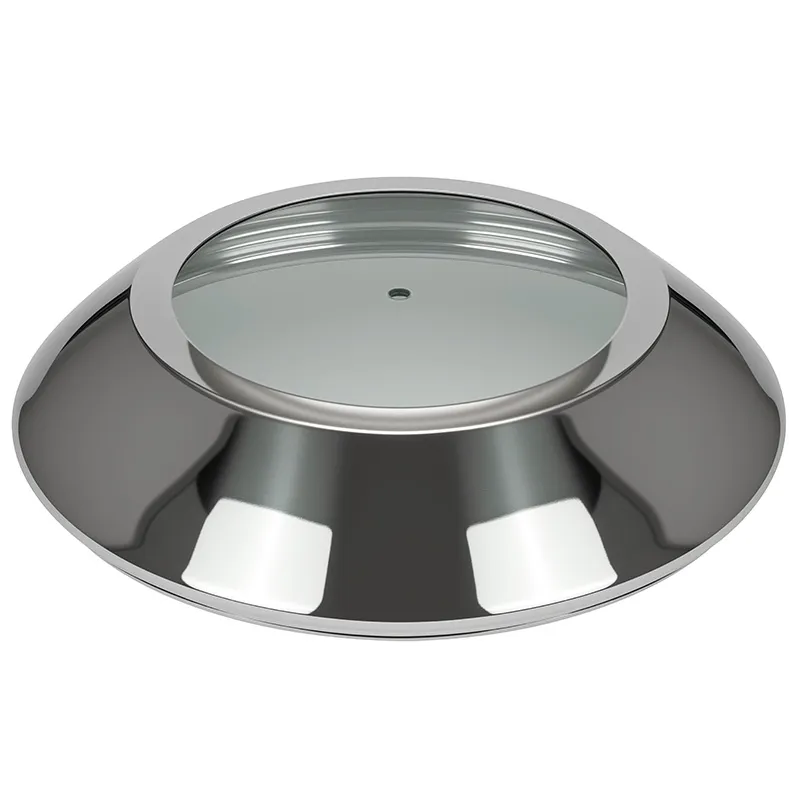
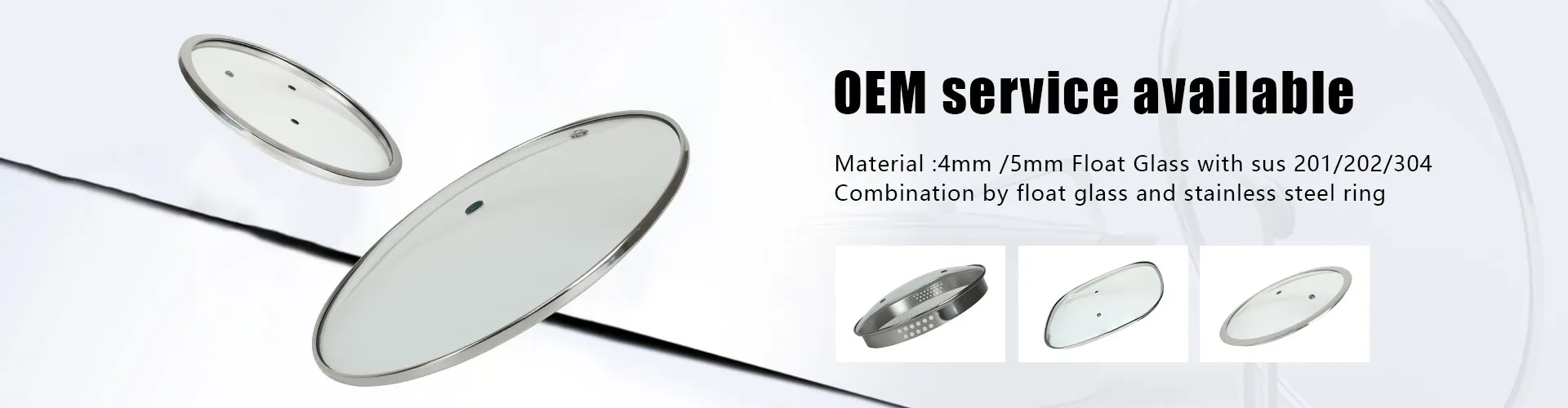
One of the distinct advantages of working with established manufacturers like EUR-ASIA is the ability to customize products according to specific market needs. The company is capable of producing high-curvature, tall, flat, and other special-shaped glass covers tailored to customer designs. Additionally, logo printing services are available, allowing brands to enhance their visibility directly on the product. This flexibility is crucial for B2B buyers looking to differentiate their offerings in competitive retail and hospitality sectors.
Certifications and Quality Assurance
Trust is built on verification. EUR-ASIA COOKWARE CO.,LTD. has passed ISO9001 certification, ensuring standardized management and production processes. Furthermore, their products have successfully passed rigorous LFGB (Germany) and TUV certifications, aligning with the strict safety requirements discussed earlier in this guide. These credentials provide peace of mind for buyers importing into regulated markets, ensuring that every glass lid meets global safety standards for food contact and thermal resistance.
Step-by-Step Production Overview
Our manufacturing process employs automated precision engineering to ensure every 12 inch frying pan meets rigorous quality benchmarks. Understanding this process helps buyers appreciate the value proposition and justify pricing structures to their own clients.
- Raw Material Selection: High-grade aluminum alloys (3003 or 3004 series) are sourced for their formability and thermal properties.
- Impact Spinning: Hydraulic presses shape the aluminum discs into pan forms. This cold-forming technique strengthens the metal structure, reducing the likelihood of warping under heat.
- Base Encapsulation: For induction-ready models, a stainless steel disc is bonded to the aluminum base using high-pressure rolling techniques. This ensures a seamless bond that does not delaminate over time.
- Surface Preparation: The interior undergoes sandblasting and cleaning to remove oils and oxides, creating a micro-rough surface for optimal coating adhesion.
- Coating Application: Non-stick layers are sprayed in controlled clean-room environments. Each layer is cured at specific temperatures to achieve chemical bonding.
- Handle Attachment: Handles are either riveted using high-temperature resistant rivets or welded via friction welding for a seamless look. Riveted handles are preferred for heavy-duty commercial use due to superior mechanical strength.
- Lid Fitting: Glass lids, such as those produced by our partners at EUR-ASIA, are manufactured separately and tested for thermal shock resistance before being paired with the pans.
- Quality Inspection: Every unit undergoes visual inspection, flatness testing, and adhesion tests. Random samples are subjected to accelerated life-cycle testing.
Quality Assurance Metrics
In 2026, leading manufacturers implement Six Sigma methodologies to minimize defects. Key metrics monitored include coating thickness uniformity, handle pull-force resistance, and base flatness tolerance (typically within 0.5mm). For wholesale orders, third-party inspections such as SGS or Bureau Veritas can be arranged to verify compliance with destination market regulations, including FDA (USA), LFGB (Germany), and GB (China) standards.
Applications and Market Segments
The 12 inch frying pan with glass lid serves a broad spectrum of market segments. Identifying the target application helps wholesalers tailor their marketing and packaging strategies effectively.
Hospitality and Food Service
Hotels, bed-and-breakfasts, and casual dining restaurants require durable, versatile cookware. The 12-inch size is ideal for preparing individual guest meals or small family-style dishes. The glass lid allows kitchen staff to monitor sauces and reductions without lifting the lid, maintaining kitchen hygiene and temperature control. Durability against frequent washing in commercial dishwashers is a critical factor here, necessitating robust handle attachments and corrosion-resistant exteriors.
Retail and E-commerce
For big-box retailers and online marketplaces, visual appeal and packaging integrity are vital. The 12 inch frying pan is a flagship item in cookware sets or a standalone premium product. Consumers in this segment value aesthetic design, ease of cleaning, and health-safe materials. Packaging must protect the glass lid during shipping, often requiring molded pulp inserts or foam protection. Marketing focuses on lifestyle benefits: healthy low-oil cooking, quick meal preparation, and modern kitchen aesthetics.
Corporate Gifts and Promotional Items
High-end corporate gifts often include premium cookware. A branded 12 inch frying pan with a sleek design serves as a practical and memorable gift. Customization options, such as laser engraving on the handle or lid knob, add value. The universal utility of the product ensures it remains in use, providing long-term brand visibility in the recipient’s home.
Educational and Institutional Kitchens
Culinary schools and institutional cafeterias benefit from standardized cookware sizes. The 12-inch pan is a teaching staple for learning sautéing, pan-frying, and sauce-making techniques. Bulk purchasing allows institutions to maintain uniformity in their kitchens, simplifying inventory management and replacement protocols.
How to Choose the Right 12 Inch Frying Pan for Your Business
Selecting the right supplier and product specification requires careful consideration of several factors. B2B buyers must balance cost, quality, and market demand.
Evaluating Coating Durability
Not all non-stick coatings are created equal. Ask suppliers for abrasion test reports. Standard coatings may last 5,000 cycles, while premium reinforced coatings can exceed 20,000 cycles. For budget retail lines, standard coatings suffice. For premium or commercial lines, invest in reinforced or ceramic-titanium blends. Clarify whether the coating is solvent-based or water-based, as water-based options are increasingly preferred for their environmental profile.
Handle Design and Ergonomics
The handle is the primary point of interaction. It must remain cool during stovetop use. Hollow stainless steel handles or bakelite handles with soft-touch coatings are popular choices. Check the angle of the handle; a slight upward tilt improves ergonomics and prevents knuckle scraping against the stove. For oven-safe claims, ensure the handle material can withstand temperatures up to 180°C or 200°C.
Lid Fit and Venting
A poor-fitting lid renders the feature useless. Ensure the lid sits snugly without wobbling. The steam vent should be sized appropriately to prevent clogging from food particles. Some designs feature adjustable vents, offering greater control over moisture levels. Verify that the glass is truly tempered by requesting certification documents.
Packaging and Logistics
Wholesale profitability often hinges on logistics efficiency. Flat-pack packaging reduces shipping volume and costs. However, glass lids require robust protection. Evaluate the supplier’s packaging design for drop-test compliance. Consider the environmental impact of packaging materials, as many markets now impose taxes on non-recyclable plastics. Recyclable cardboard and molded pulp are sustainable alternatives that appeal to eco-conscious consumers.
Common Mistakes to Avoid When Sourcing Frying Pans
Even experienced buyers can fall prey to common pitfalls in the cookware sourcing process. Avoiding these errors protects your brand reputation and profit margins.
- Ignoring Base Thickness: Thin bases warp quickly on high heat, causing the pan to spin on glass cooktops. Ensure a minimum base thickness of 2.5mm to 3mm for aluminum cores.
- Overlooking Induction Compatibility: With the rise of induction cooking, non-inductive pans are becoming obsolete in many markets. Always verify magnetic permeability if targeting European or modern Asian markets.
- Underestimating Lead Times: Custom coatings or packaging can extend production times. Plan orders well in advance, especially before peak seasons like Q4 holidays.
- Neglecting Regulatory Compliance: Selling non-compliant cookware can lead to recalls and legal issues. Ensure the supplier provides up-to-date test reports for all target markets.
- Focusing Solely on Price: The cheapest option often compromises on coating quality or handle durability, leading to higher return rates and customer complaints. Balance cost with verified quality metrics.
Maintenance and Care Instructions for End Users
Providing clear care instructions adds value to your product and reduces customer complaints. Include these guidelines in your product manuals or packaging.
Initial Cleaning
Before first use, wash the pan with warm soapy water to remove any manufacturing residues. Dry thoroughly. Applying a thin layer of cooking oil can help condition the non-stick surface, although modern coatings rarely require this step.
Cooking Best Practices
Use low to medium heat settings. High heat is unnecessary for non-stick pans and can degrade the coating over time. Avoid using aerosol cooking sprays, which contain lecithin that builds up on the surface and becomes difficult to clean. Use wooden, silicone, or nylon utensils to prevent scratching.
Cleaning and Storage
Allow the pan to cool before washing. Sudden temperature changes can warp the base or crack the glass lid. Hand washing is recommended to prolong the life of the non-stick coating, although many premium pans are dishwasher safe. If stacking pans, use protective liners to prevent scratching the interior surface.
FAQ: Frequently Asked Questions About 12 Inch Frying Pans
Addressing common queries helps capture long-tail search traffic and assists buyers in making informed decisions.
Is a 12 inch frying pan too big for home use?
No, a 12 inch frying pan is highly versatile for home use. It is ideal for families of four or more, allowing for the preparation of complete meals in one go. While it requires slightly more storage space than smaller pans, its utility outweighs the size constraint for most households.
Can I put the glass lid in the oven?
Most tempered glass lids are oven-safe up to 180°C (350°F). However, the knob material may have lower heat resistance. Always check the specific manufacturer’s guidelines. If the knob is plastic or bakelite, it may need to be removed or has a lower temperature limit than the glass itself.
What is the difference between hard-anodized and standard aluminum?
Hard-anodized aluminum undergoes an electrochemical process that thickens the natural oxide layer, making it harder than stainless steel. It is more durable, scratch-resistant, and non-reactive compared to standard aluminum. Standard aluminum is lighter and less expensive but requires a non-stick coating to prevent reaction with foods.
How do I know if the pan is induction compatible?
Check for an induction symbol on the packaging or the bottom of the pan. Alternatively, use a magnet. If a magnet sticks firmly to the base of the pan, it is compatible with induction cooktops. Our wholesale range includes specific induction-ready models with stainless steel bases.
Why does my non-stick pan start sticking after a few months?
Sticking usually results from overheating, using abrasive cleaners, or scratching the surface with metal utensils. Residue buildup from cooking sprays can also reduce effectiveness. Proper care, including gentle cleaning and avoiding high heat, extends the non-stick lifespan significantly.
Comparing 12 Inch Frying Pans: Feature Analysis
To assist in procurement decisions, here is a comparison of typical configurations available in the wholesale market.
| Feature | Standard Economy Model | Premium Commercial Model |
|---|---|---|
| Core Material | Thin Aluminum (1.5mm) | Thick Aluminum/Stainless Clad (3mm+) |
| Coating Type | Standard PTFE (2 layers) | Reinforced Titanium/Diamond (3-4 layers) |
| Handle Material | Bakelite (Fixed) | Stainless Steel with Silicone Grip (Riveted) |
| Induction Ready | No (unless plated) | Yes (Encapsulated Base) |
| Lid Type | Basic Tempered Glass | Reinforced Rim with Steam Vent |
| Target Market | Budget Retail/Promotional | Specialty Retail/Hospitality |
Trends in Cookware Manufacturing for 2026
Staying ahead of market trends ensures your product lineup remains relevant. In 2026, several key trends are shaping the frying pan industry.
Sustainability and Eco-Friendly Materials
Consumers are increasingly demanding environmentally responsible products. Manufacturers are shifting towards water-based non-stick coatings, which eliminate volatile organic compounds (VOCs) during production. Packaging is moving away from single-use plastics toward recycled cardboard and biodegradable materials. Highlighting these eco-friendly attributes can be a strong selling point for retailers.
Smart Kitchen Integration
While still niche, smart cookware with embedded temperature sensors is gaining traction. While our standard 12 inch frying pan does not include electronics, the design is evolving to accommodate future tech integrations, such as heat-indicating coatings that change color when the optimal cooking temperature is reached. This aids users in preventing overheating and preserving food nutrients.
Aesthetic Minimalism
Design trends favor sleek, minimalist aesthetics. Matte black exteriors, brushed stainless steel finishes, and streamlined handle designs are popular. The visual appeal of the cookware is as important as its function, especially for open-kitchen living spaces where cookware is often displayed.
Logistics and Supply Chain Considerations
Efficient logistics are crucial for maintaining profitability in wholesale trade. When importing 12 inch frying pans, consider the following:
Container Optimization
Frying pans are bulky items. Optimizing packaging dimensions to maximize container load is essential. Nesting pans with protective interleaving paper allows for higher density loading. Work with your supplier to calculate the exact number of units per 20ft and 40ft containers to minimize shipping costs per unit.
Damage Prevention
Glass lids are fragile. Ensure that the supplier uses adequate cushioning materials. Drop tests should simulate real-world shipping conditions. Insurance coverage for breakage during transit is recommended. Clear labeling of “Fragile” and “This Side Up” on cartons helps handlers treat the goods with care.
Customs and Duties
Be aware of import duties and tariffs applicable to cookware in your destination country. Harmonized System (HS) codes for aluminum cookware vary by region. Accurate classification prevents delays and unexpected costs. Consult with a customs broker to ensure compliance with local regulations.
Conclusion: Securing Your Wholesale Supply
The 12 inch frying pan with glass lid remains a cornerstone product in the global cookware market. Its versatility, combined with the practicality of the glass lid, makes it indispensable for both home cooks and professional chefs. For wholesalers, retailers, and hospitality suppliers, sourcing high-quality units from a reliable manufacturer is critical to business success.
By focusing on material integrity, coating durability, and ergonomic design, you can offer a product that meets the demanding standards of 2026 consumers. Understanding the technical nuances, from base construction to lid safety, empowers you to make informed purchasing decisions that enhance your brand’s reputation.
Whether you are equipping a hotel chain, stocking a retail shelf, or launching an e-commerce brand, our wholesale solutions provide the quality and consistency you need. We prioritize transparent manufacturing processes, rigorous quality control, and competitive pricing to support your growth. Partnering with certified experts like EUR-ASIA COOKWARE CO.,LTD. ensures that your supply chain is backed by proven expertise and international compliance.
Ready to elevate your cookware inventory? Contact our sales team today to request samples, discuss customization options, or receive a detailed quote for your next order. Let us help you deliver superior cooking experiences to your customers.
Explore our full range of wholesale cookware solutions and technical specifications