- English
- Chinese
- French
- German
- Portuguese
- Spanish
- Russian
- Japanese
- Korean
- Arabic
- Irish
- Greek
- Turkish
- Italian
- Danish
- Romanian
- Indonesian
- Czech
- Afrikaans
- Swedish
- Polish
- Basque
- Catalan
- Esperanto
- Hindi
- Lao
- Albanian
- Amharic
- Armenian
- Azerbaijani
- Belarusian
- Bengali
- Bosnian
- Bulgarian
- Cebuano
- Chichewa
- Corsican
- Croatian
- Dutch
- Estonian
- Filipino
- Finnish
- Frisian
- Galician
- Georgian
- Gujarati
- Haitian
- Hausa
- Hawaiian
- Hebrew
- Hmong
- Hungarian
- Icelandic
- Igbo
- Javanese
- Kannada
- Kazakh
- Khmer
- Kurdish
- Kyrgyz
- Latin
- Latvian
- Lithuanian
- Luxembou..
- Macedonian
- Malagasy
- Malay
- Malayalam
- Maltese
- Maori
- Marathi
- Mongolian
- Burmese
- Nepali
- Norwegian
- Pashto
- Persian
- Punjabi
- Serbian
- Sesotho
- Sinhala
- Slovak
- Slovenian
- Somali
- Scots Gaelic
- Shona
- Sindhi
- Sundanese
- Swahili
- Tajik
- Tamil
- Telugu
- Thai
- Ukrainian
- Urdu
- Uzbek
- Vietnamese
- Welsh
- Xhosa
- Yiddish
- Yoruba
- Zulu
- Kinyarwanda
- Tatar
- Oriya
- Turkmen
- Uyghur


Buy Frying Pan with Glass Lid | Wholesale Price & Factory Direct
2026-09-25
- Why Choose a Frying Pan with a Glass Lid for Wholesale?
- Technical Specifications and Material Analysis
- Manufacturing Processes and Quality Control
- Partnering with Specialized Manufacturers: A Case Study
- Comparison: Different Types of Frying Pans with Glass Lids
- OEM and ODM Customization Services
- How to Choose the Right Supplier
- Common Mistakes to Avoid When Sourcing
- Maintenance and Care Instructions for End Users
- Market Trends in 2026: What Buyers Are Looking For
- Frequently Asked Questions (FAQ)
- Strategic Sourcing for Maximum Profitability
- Conclusion: Elevate Your Cookware Line with Factory-Direct Quality
Looking for a reliable frying pan with glass lid for your retail chain, hotel supply business, or culinary brand? Sourcing directly from the factory ensures you secure competitive wholesale pricing without compromising on material quality or manufacturing standards. A frying pan equipped with a tempered glass lid offers superior visibility during cooking, allowing chefs and home users to monitor food progress without releasing heat or steam. This comprehensive guide details everything B2B buyers need to know about specifications, material grades, OEM customization, and bulk procurement strategies in 2026. By understanding the technical nuances of non-stick coatings, base construction, and lid durability, you can make informed decisions that enhance your product lineup and drive customer satisfaction.
Why Choose a Frying Pan with a Glass Lid for Wholesale?
The demand for cookware that combines functionality with aesthetic appeal has grown significantly in recent years. For retailers and distributors, the frying pan with glass lid represents a high-turnover SKU that appeals to a broad demographic. Unlike solid metal lids, glass lids provide immediate visual feedback, which is crucial for modern cooking techniques that require precise temperature control.
From a manufacturing perspective, integrating a glass lid adds perceived value to the product. It transforms a basic skillet into a versatile cooking vessel suitable for sautéing, simmering, and steaming. For B2B buyers, this versatility translates into higher sell-through rates. Customers appreciate the convenience of checking their food without lifting the lid, which maintains consistent internal temperatures and reduces cooking time.
Furthermore, glass lids are generally easier to clean and maintain than their metal counterparts, provided they are made from high-quality tempered glass. This feature reduces post-purchase complaints and returns, a critical metric for any wholesale operation. When sourcing these products, understanding the balance between cost-efficiency and durability is key to maximizing profit margins while delivering a product that meets international safety standards.
Key Benefits for Retailers and Distributors
- Enhanced User Experience: The transparency of the glass lid allows users to monitor browning and simmering without interrupting the cooking process.
- Versatility: These pans are suitable for various cooking methods, including frying, sautéing, and low-heat steaming, making them an all-in-one solution for consumers.
- Aesthetic Appeal: Glass lids add a modern, professional look to the cookware, which performs well in e-commerce listings and retail displays.
- Heat Retention: A well-fitted glass lid traps heat and moisture effectively, improving energy efficiency during cooking.
- Lower Return Rates: High-quality tempered glass is resistant to thermal shock, reducing the likelihood of breakage during normal use.
Technical Specifications and Material Analysis
To establish Topical Authority and ensure you are sourcing premium products, it is essential to understand the materials used in both the pan body and the glass lid. Not all frying pans are created equal, and subtle differences in material composition can significantly impact performance, longevity, and safety.
Pan Body Materials: Aluminum vs. Stainless Steel
The core of any frying pan is its body. In the wholesale market, two primary materials dominate: aluminum and stainless steel. Each has distinct advantages depending on the target market segment.
Aluminum Bodies: Aluminum is the most common material for mid-range to premium non-stick frying pans. It offers excellent thermal conductivity, ensuring even heat distribution across the cooking surface. To prevent warping and improve durability, manufacturers often use pressed aluminum or cast aluminum. Cast aluminum is thicker and retains heat better, making it ideal for professional-grade cookware. Pressed aluminum is lighter and more cost-effective, suitable for mass-market retail.
Stainless Steel Bodies: For high-end commercial kitchens and luxury retail segments, stainless steel is the preferred choice. It is incredibly durable, resistant to corrosion, and does not react with acidic foods. However, stainless steel has poor thermal conductivity on its own. Therefore, high-quality stainless steel pans feature an aluminum or copper core clad between layers of steel (tri-ply construction). This combination offers the durability of steel with the heat distribution of aluminum.
Non-Stick Coating Technologies
The performance of a frying pan is largely defined by its coating. In 2026, environmental regulations and consumer health concerns have shifted the industry away from traditional PFOA-based coatings. Modern wholesale buyers must prioritize coatings that are safe, durable, and compliant with international standards such as FDA (USA) and LFGB (Europe).
- PTFE-Based Coatings: These remain the gold standard for non-stick performance. Modern formulations are PFOA-free and offer superior release properties. Look for multi-layer systems (e.g., 3-layer or 5-layer) which enhance scratch resistance and longevity.
- Ceramic Coatings: Made from sand-derived silica, ceramic coatings are marketed as a natural alternative. They are free from PTFE and PFOA but generally have a shorter lifespan than high-quality PTFE coatings. They are ideal for eco-conscious consumer segments.
- Marble or Granite Coatings: These are typically PTFE-based coatings with mineral particles added for aesthetic appeal and increased hardness. They are highly popular in current market trends due to their stylish appearance and improved durability.
Glass Lid Composition and Safety
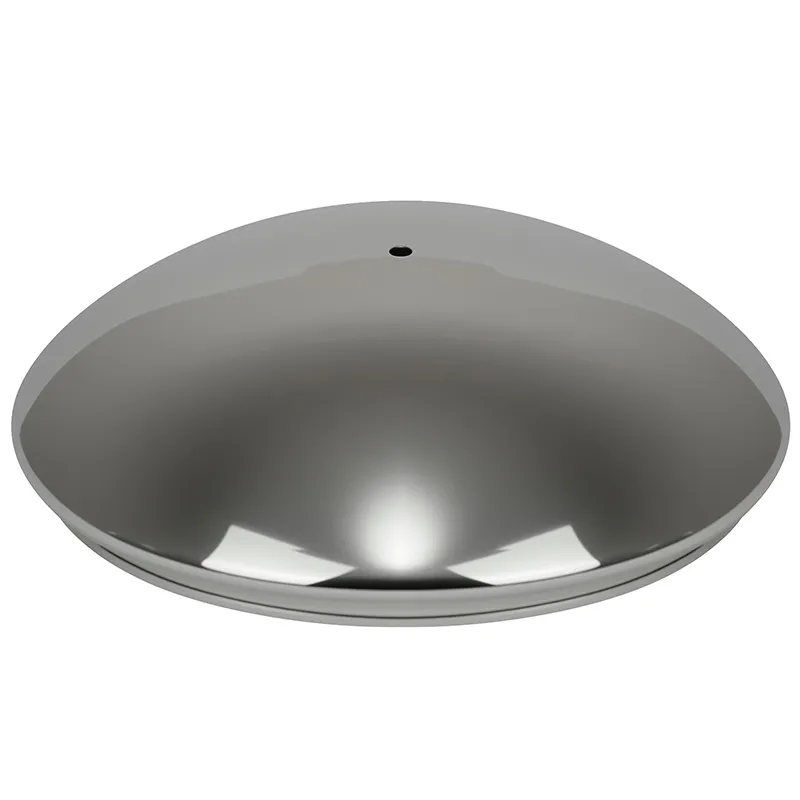
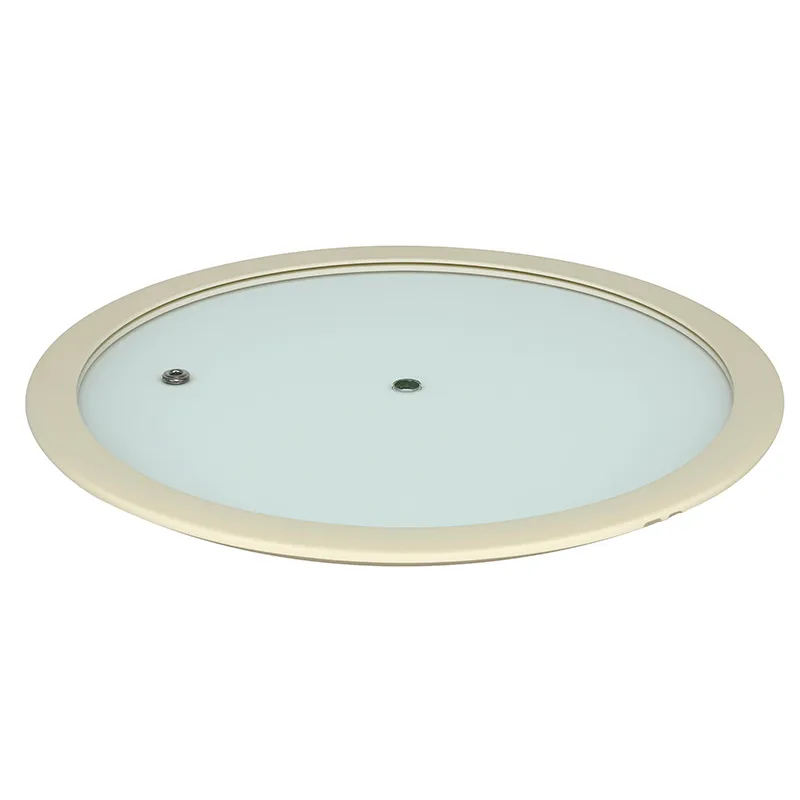
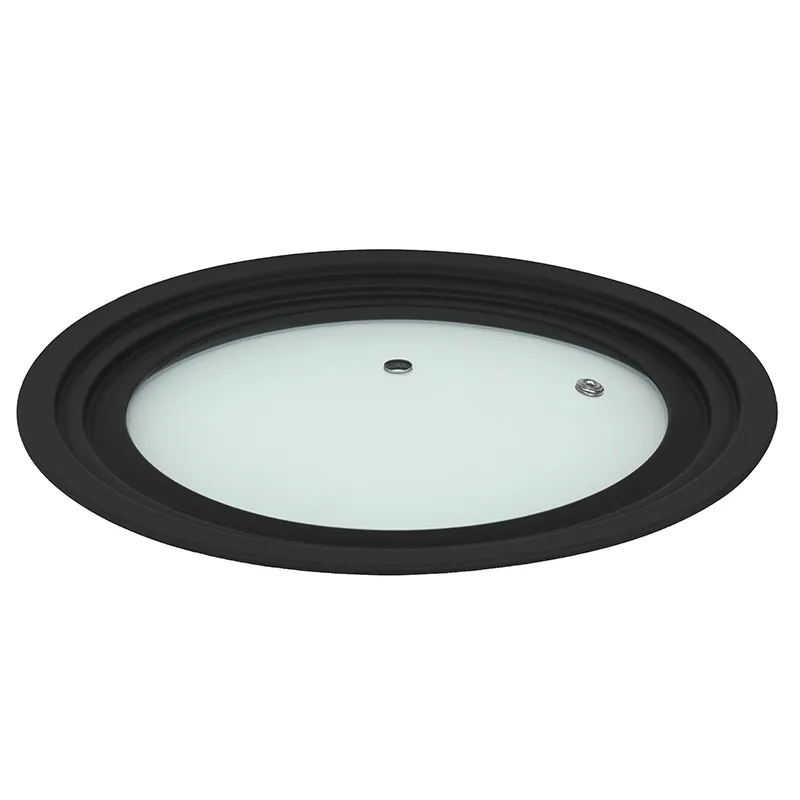
The lid is not merely an accessory; it is a critical safety component. Wholesale buyers must ensure that the glass lids supplied are made from tempered glass. Tempered glass is processed by controlled thermal or chemical treatments to increase its strength compared to normal glass. If it breaks, it shatters into small, blunt pieces rather than sharp shards, significantly reducing the risk of injury.
Key features to inspect in glass lids include:
- Thickness: Standard tempered glass lids should be at least 4mm thick to withstand thermal stress.
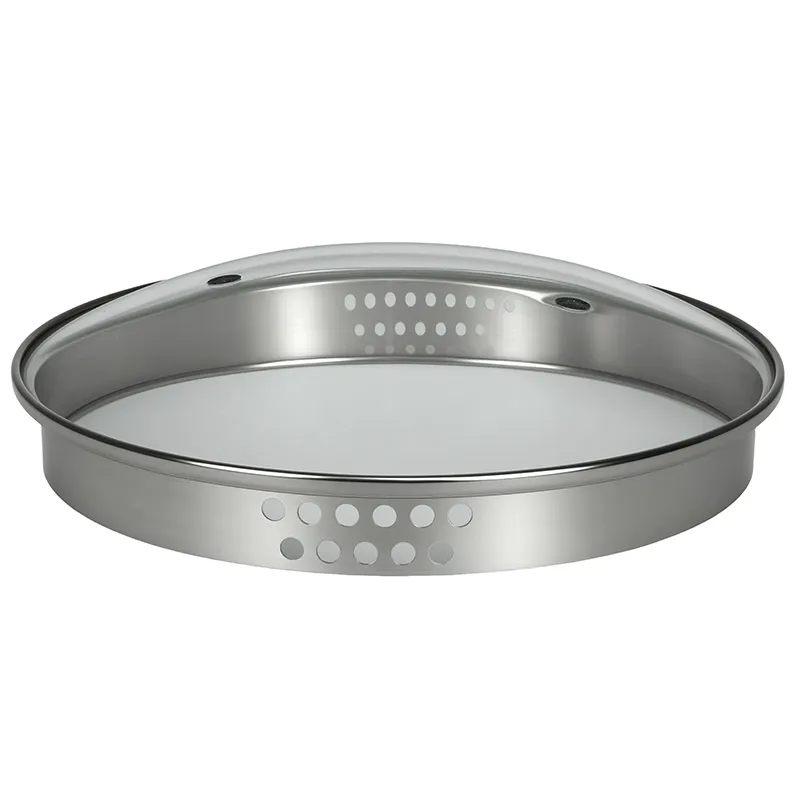
- Rim Protection: Many high-quality lids feature a stainless steel or silicone rim. This protects the glass edge from chipping and provides a better seal against the pan.
- Steam Vent: A small vent hole allows excess steam to escape, preventing pressure buildup and boil-overs.
- Handle Material: The knob on the lid should be made from heat-resistant materials like Bakelite or silicone-wrapped stainless steel to ensure safe handling during cooking.
Manufacturing Processes and Quality Control
Understanding the manufacturing process helps B2B buyers assess the reliability of their suppliers. Factory-direct sourcing allows you to verify these processes personally or through third-party audits.
Base Construction and Induction Compatibility
In 2026, induction compatibility is no longer a premium feature but a standard requirement in many markets, particularly in Europe and increasingly in North America and Asia. An aluminum pan will not work on an induction cooktop unless it has a magnetic base.
Manufacturers achieve this by bonding a stainless steel disc to the bottom of the aluminum pan. This process, known as “disc bonding,” must be done precisely to ensure there are no air gaps between the aluminum and the steel. Poor bonding can lead to delamination over time, causing the base to bulge or detach. High-frequency welding or impact bonding are the preferred methods for creating durable, induction-ready bases.
For buyers targeting global markets, ensuring that your frying pan with glass lid is induction-compatible expands your potential customer base significantly. Always request test reports confirming compatibility with induction hobs.
Quality Control Standards
Reliable factories implement rigorous QC protocols at every stage of production. Key checkpoints include:
- Raw Material Inspection: Verifying the grade of aluminum or steel and the certification of the non-stick coating supplier.
- Coating Adhesion Test: Ensuring the non-stick layer bonds securely to the metal substrate to prevent peeling.
- Thermal Shock Test for Glass Lids: Subjecting glass lids to rapid temperature changes to verify they do not crack under stress.
- Handle Pull Test: Applying significant force to handles to ensure they remain securely attached under heavy loads.
- Flatness Check: Ensuring the base of the pan is perfectly flat to guarantee full contact with electric and induction cooktops.
Partnering with Specialized Manufacturers: A Case Study
While general cookware factories exist, partnering with a manufacturer that specializes in glass components can provide a distinct advantage in lid quality and customization. For instance, EUR-ASIA COOKWARE CO., LTD., located in the National High-tech Development Zone of Taian City, Shandong Province, exemplifies this specialized approach. With a production base covering 20,000㎡ and an annual output exceeding 15 million tempered glass lids and related products, they have established themselves as a key supplier for the global market.
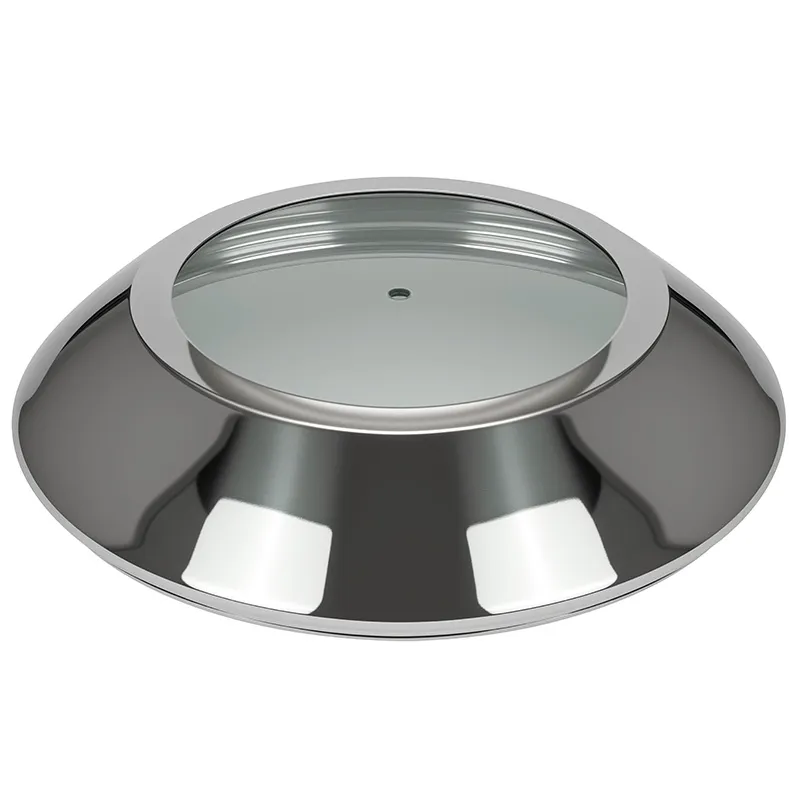
What sets such specialized manufacturers apart is their ability to handle complex design requirements. EUR-ASIA, for example, produces high-curvature, tall, flat, and other special-shaped glass covers tailored to specific customer demands. This level of flexibility is crucial for brands looking to differentiate their frying pan with glass lid offerings. Furthermore, their commitment to quality is evidenced by ISO9001 certification, along with LFGB and TUV certifications for their products. With over 90% of their exports going to stringent markets like Germany, France, Italy, Japan, and South Korea, they demonstrate a proven track record of meeting international safety and quality standards. Collaborating with suppliers who possess this depth of expertise ensures that the glass component of your cookware line is not just an afterthought, but a premium feature.
Comparison: Different Types of Frying Pans with Glass Lids
To help you decide which product line best suits your inventory, here is a detailed comparison of the most common types of frying pans available for wholesale.
| Feature | Aluminum Non-Stick Pan | Stainless Steel Tri-Ply Pan | Cast Iron Skillet | Ceramic Coated Pan |
|---|---|---|---|---|
| Primary Material | Pressed or Cast Aluminum | 18/10 Stainless Steel + Aluminum Core | Cast Iron | Aluminum with Ceramic Layer |
| Heat Conductivity | Excellent | Very Good | Moderate (Slow to heat, retains well) | Good |
| Weight | Light to Medium | Heavy | Very Heavy | Light |
| Non-Stick Performance | Excellent | Poor (Requires oil/fat) | Moderate (When seasoned) | Very Good (Initially) |
| Durability | Moderate (Coating wears over time) | High (Lasts decades) | Very High (Indestructible if cared for) | Low to Moderate |
| Induction Compatible | Only with Steel Disc Base | Yes (Naturally Magnetic) | Yes | Only with Steel Disc Base |
| Price Point (Wholesale) | Low to Medium | High | Medium | Low to Medium |
| Best For | Everyday home cooking, Eggs, Fish | Searing, Deglazing, Professional Kitchens | Steaks, Cornbread, Slow Cooking | Health-conscious consumers, Low-fat cooking |
OEM and ODM Customization Services
For brands looking to differentiate themselves in a crowded market, OEM (Original Equipment Manufacturer) and ODM (Original Design Manufacturer) services are invaluable. Factory-direct suppliers offer extensive customization options that allow you to create a unique product identity.
Branding and Packaging Options
Customization goes beyond just slapping a logo on the product. It involves creating a cohesive brand experience from the moment the customer sees the packaging.
- Laser Etching: Permanent branding on the handle or the bottom of the pan. This is more durable than stickers or printed logos.
- Custom Handle Designs: Choose from various handle shapes, colors, and materials. Soft-touch Bakelite handles offer a premium feel and ergonomic grip.
- Color Customization: Match the exterior color of the pan or the lid knob to your brand’s color palette. Powder coating technologies allow for a wide range of durable, heat-resistant colors.
- Bespoke Packaging: Design custom color boxes, blister packs, or gift sets. Including recipe booklets or care instructions in multiple languages adds value and reduces customer support queries.
Design Modifications
If you have specific engineering requirements, ODM services allow for structural modifications. For example, you might request a deeper pan body for stir-frying applications or a specialized spout design for drip-free pouring. Collaborating with the factory’s R&D team ensures that these modifications do not compromise the structural integrity or performance of the frying pan with glass lid.
How to Choose the Right Supplier
Selecting the right manufacturing partner is critical to the success of your wholesale business. In 2026, supply chain transparency and ethical manufacturing practices are as important as price and quality.
Key Criteria for Supplier Evaluation
- Certifications: Ensure the factory holds relevant certifications such as ISO 9001 (Quality Management), BSCI (Social Compliance), and food-safe certifications like FDA, LFGB, or DGCCF. These documents prove that the products meet international safety and quality standards.
- Production Capacity: Assess whether the factory can handle your order volume within your required timeframe. Ask about their monthly output and lead times for peak seasons.
- R&D Capability: A supplier with strong R&D capabilities can help you innovate and stay ahead of market trends. They should be able to provide samples of new designs and coatings quickly.
- Communication: Effective communication is vital. Look for suppliers who respond promptly, provide clear updates, and are transparent about any potential delays or issues.
- Sample Quality: Always request samples before placing a bulk order. Test the samples rigorously for heat distribution, non-stick performance, and lid fit. Do not rely solely on photos or specifications sheets.
Common Mistakes to Avoid When Sourcing
Even experienced buyers can make mistakes when sourcing cookware. Being aware of these pitfalls can save you time, money, and reputation damage.
Ignoring Coating Thickness
One of the most common errors is focusing solely on the type of coating without considering its thickness. A high-quality PTFE coating should be applied in multiple layers, with a total thickness of at least 20-30 microns. Thin coatings wear out quickly, leading to customer dissatisfaction and negative reviews. Always ask for cross-section analysis reports of the coating layers.
Overlooking Lid Fit
A poorly fitting glass lid can ruin the cooking experience. If the lid is too loose, steam escapes, and heat is lost. If it is too tight, it may be difficult to remove or could create excessive pressure. Ensure that the supplier tests the lid fit on every batch. A slight gap is sometimes intentional for steam ventilation, but it should be consistent and controlled.
Neglecting Handle Durability
Handles are high-stress points. Cheap rivets or poor-quality adhesives can cause handles to loosen or detach after repeated use. Verify that the handles are tested for thermal resistance and mechanical strength. Riveted handles are generally more durable than screwed ones, especially for heavier pans.
Maintenance and Care Instructions for End Users
Providing clear care instructions to your customers can extend the life of the product and reduce warranty claims. Include these guidelines in your packaging or product manual.
Cleaning the Frying Pan
- Hand Wash Recommended: Although many non-stick pans are labeled dishwasher safe, hand washing with warm soapy water and a soft sponge is recommended to preserve the coating.
- Avoid Abrasives: Never use steel wool or abrasive scouring pads, as they can scratch the non-stick surface.
- Cool Before Washing: Allow the pan to cool down before washing. Sudden temperature changes can warp the base or crack the glass lid.
Caring for the Glass Lid
- Check for Chips: Regularly inspect the glass lid for chips or cracks. If any damage is found, discontinue use immediately to prevent injury.
- Clean the Rim: Food particles can accumulate around the rim of the lid. Clean this area thoroughly to ensure a proper seal.
- Avoid Extreme Heat: Do not place the glass lid directly on a burner or in a hot oven unless it is explicitly rated for such use.
Market Trends in 2026: What Buyers Are Looking For
The cookware market is dynamic, with consumer preferences shifting towards sustainability, health, and multifunctionality. Staying abreast of these trends can help you stock products that sell.
Eco-Friendly Materials
There is a growing demand for cookware made from recycled materials or featuring bio-based non-stick coatings. Suppliers who can offer eco-certified products have a competitive edge. Highlighting the recyclability of aluminum and the durability of the product can appeal to environmentally conscious consumers.
Health-Conscious Cooking
Consumers are increasingly interested in low-fat cooking options. Non-stick pans that allow cooking with little to no oil are highly sought after. Marketing your frying pan with glass lid as a tool for healthy meal preparation can resonate well with this demographic.
Aesthetic Integration
Cookware is no longer hidden away in cabinets; it is often displayed in open kitchens. Sleek designs, neutral colors, and minimalist aesthetics are trending. Glass lids contribute to this modern look, offering a clean and professional appearance that complements contemporary kitchen decor.
Frequently Asked Questions (FAQ)
Addressing common questions helps build trust and assists potential buyers in making informed decisions. Here are some of the most frequently asked questions regarding wholesale frying pans with glass lids.
Is the glass lid safe for oven use?
Most tempered glass lids are oven-safe up to a certain temperature, typically around 175°C to 200°C (350°F to 400°F). However, the handle material (often Bakelite or plastic) may have a lower heat tolerance. Always check the specific temperature ratings provided by the manufacturer. It is generally safer to assume the lid is not oven-safe unless explicitly stated otherwise.
Can I use metal utensils with these pans?
While some premium non-stick coatings are marketed as metal-utensil safe, it is best practice to recommend wooden, silicone, or nylon utensils to your customers. Metal utensils can eventually scratch or degrade the coating, reducing its non-stick properties and lifespan. Providing a set of compatible utensils as a bundle can enhance the perceived value of your product.
What is the minimum order quantity (MOQ) for wholesale?
MOQs vary by manufacturer and customization level. For standard stock items, MOQs can be as low as 500-1000 units. For customized OEM orders involving specific colors, logos, or packaging, MOQs typically range from 2000 to 5000 units per SKU. It is advisable to discuss your specific needs with the supplier to negotiate flexible terms.
How long does shipping take?
Shipping times depend on the destination, mode of transport, and current logistics conditions. Sea freight typically takes 20-40 days, while air freight is faster but more expensive, taking 5-10 days. Production lead times usually range from 30 to 60 days after order confirmation and sample approval. Planning your inventory well in advance is crucial to avoid stockouts.
Are the non-stick coatings PFOA-free?
Yes, reputable manufacturers in 2026 strictly adhere to international regulations that ban PFOA (Perfluorooctanoic acid). All non-stick coatings used in our supply chain are PFOA-free and comply with FDA and European safety standards. Requesting a Declaration of Compliance from the supplier is a standard procedure to verify this.
Strategic Sourcing for Maximum Profitability
Successfully importing and selling frying pan with glass lid units requires more than just finding a low price. It involves strategic planning around logistics, marketing, and customer service.
Optimizing Logistics Costs
Cookware is bulky and heavy, which can drive up shipping costs. Optimizing packaging design to maximize container utilization is essential. Nesting pans efficiently and using compact, protective packaging can reduce the volume per unit, lowering freight costs. Work with your supplier to design packaging that balances protection with space efficiency.
Building a Strong Brand Narrative
In a saturated market, your brand story differentiates you. Highlight the quality of the materials, the precision of the manufacturing process, and the benefits of the glass lid. Use high-quality images and videos to demonstrate the product in use. Customer testimonials and reviews can also build social proof and drive sales.
After-Sales Support
Providing excellent after-sales support builds customer loyalty. Offer clear warranty terms and responsive customer service. Addressing issues promptly and professionally can turn a potentially negative experience into a positive one, encouraging repeat business and referrals.
Conclusion: Elevate Your Cookware Line with Factory-Direct Quality
Sourcing a frying pan with glass lid directly from a reputable factory offers a significant competitive advantage. It allows you to control quality, customize branding, and optimize costs, ensuring that you deliver a product that meets the high expectations of today’s consumers. By focusing on material integrity, manufacturing precision, and customer-centric design, you can build a successful and sustainable business in the cookware industry.
Whether you are equipping a hotel chain, stocking a retail outlet, or launching an e-commerce brand, the right partnership with a manufacturer can make all the difference. Prioritize suppliers who demonstrate transparency, adhere to international standards, and share your commitment to quality.
Ready to upgrade your product lineup?
Contact our team today to discuss your specific requirements, request samples, and receive a customized quote. Let us help you source the perfect frying pan with glass lid for your market needs.