- English
- Chinese
- French
- German
- Portuguese
- Spanish
- Russian
- Japanese
- Korean
- Arabic
- Irish
- Greek
- Turkish
- Italian
- Danish
- Romanian
- Indonesian
- Czech
- Afrikaans
- Swedish
- Polish
- Basque
- Catalan
- Esperanto
- Hindi
- Lao
- Albanian
- Amharic
- Armenian
- Azerbaijani
- Belarusian
- Bengali
- Bosnian
- Bulgarian
- Cebuano
- Chichewa
- Corsican
- Croatian
- Dutch
- Estonian
- Filipino
- Finnish
- Frisian
- Galician
- Georgian
- Gujarati
- Haitian
- Hausa
- Hawaiian
- Hebrew
- Hmong
- Hungarian
- Icelandic
- Igbo
- Javanese
- Kannada
- Kazakh
- Khmer
- Kurdish
- Kyrgyz
- Latin
- Latvian
- Lithuanian
- Luxembou..
- Macedonian
- Malagasy
- Malay
- Malayalam
- Maltese
- Maori
- Marathi
- Mongolian
- Burmese
- Nepali
- Norwegian
- Pashto
- Persian
- Punjabi
- Serbian
- Sesotho
- Sinhala
- Slovak
- Slovenian
- Somali
- Scots Gaelic
- Shona
- Sindhi
- Sundanese
- Swahili
- Tajik
- Tamil
- Telugu
- Thai
- Ukrainian
- Urdu
- Uzbek
- Vietnamese
- Welsh
- Xhosa
- Yiddish
- Yoruba
- Zulu
- Kinyarwanda
- Tatar
- Oriya
- Turkmen
- Uyghur

Glass with Lid Guide: Types, Uses & Buyer Tips
2026-05-28
- What Defines a High-Quality Glass with Lid?
- Types of Glass Materials Used in Lidded Containers
- Lid Mechanisms and Sealing Technologies
- Comparative Analysis of Lid Styles
- Key Benefits of Using Glass Over Plastic
- Practical Applications and Usage Scenarios
- Step-by-Step Guide to Maintaining Your Glass Containers
- Buyer Tips: How to Choose the Right Set
- Industry Insight: Manufacturing Excellence and Global Standards
- Frequently Asked Questions (FAQ)
- Common Mistakes to Avoid
- The Future of Sustainable Storage
- Conclusion and Final Recommendations
A glass with lid is a versatile storage solution designed to preserve food freshness, prevent spills, and organize kitchens efficiently. Unlike plastic alternatives, glass containers offer superior durability, chemical stability, and microwave safety. This guide explores the various types of lidded glassware, their specific applications, material advantages, and essential buyer tips to help you select the right product for your culinary and storage needs.
What Defines a High-Quality Glass with Lid?
The core definition of a premium glass with lid extends beyond simple containment. It represents a synergy between inert borosilicate or tempered soda-lime glass and a sealing mechanism engineered for airtight performance. Industry standards dictate that high-quality units must withstand thermal shock, resist staining, and maintain structural integrity under repeated washing cycles.
When evaluating these products, the focus shifts to the interface between the vessel and its cover. A superior design ensures that the lid creates a vacuum-like seal without requiring excessive force. This engineering prevents liquid leakage and locks in aromas, which is critical for meal prepping and long-term pantry storage. The material composition directly influences the product’s lifespan and safety profile.
Modern manufacturing techniques have elevated the standard for glass with lid assemblies. Producers now prioritize non-toxic materials, ensuring that no harmful chemicals like BPA leach into food, even when heated. The transparency of the glass allows for immediate content identification, reducing food waste by making leftovers visible and appealing. This clarity is a distinct advantage over opaque storage solutions.
Types of Glass Materials Used in Lidded Containers
Understanding the glass type is fundamental to choosing the right container. The market primarily features two distinct categories: borosilicate glass and tempered soda-lime glass. Each offers unique properties suited for different usage scenarios, ranging from laboratory precision to everyday kitchen utility.
Borosilicate Glass: The Thermal Champion
Borosilicate glass is renowned for its exceptional resistance to thermal shock. This material contains boron trioxide, which allows it to expand minimally when heated. Consequently, a glass with lid made from borosilicate can transition directly from a freezer to a boiling water bath or a hot oven without cracking.
This type of glass is often lighter than its tempered counterpart while maintaining significant strength. It is the preferred choice for users who frequently reheat meals directly in the container or engage in canning processes. The chemical durability of borosilicate also makes it highly resistant to corrosion from acidic foods like tomato sauces or citrus marinades.
Tempered Soda-Lime Glass: The Impact Resistant Option
Tempered soda-lime glass is the most common material found in household storage sets. Through a process of extreme heating and rapid cooling, the glass surface is compressed, making it significantly stronger against impacts and drops compared to untreated glass. While it handles temperature changes well, it is generally less resistant to sudden extreme shifts than borosilicate.
These containers are typically heavier and more affordable, making them ideal for general pantry storage, refrigerator organization, and transporting lunches. When selecting a glass with lid for daily commute use where drop risk is higher, tempered glass often provides the best balance of safety and cost-effectiveness.
Lid Mechanisms and Sealing Technologies
The functionality of any glass with lid system relies heavily on the sealing mechanism. The lid is not merely a cover; it is an active component that determines leak-proof capabilities and freshness retention. Several locking mechanisms dominate the current market, each serving specific user preferences.
Four-Side Locking Clips
The four-side locking mechanism is widely regarded as the gold standard for leak prevention. These lids feature clips on all four corners that snap down securely, pressing a silicone gasket against the glass rim. This creates a uniform pressure distribution, ensuring an airtight and watertight seal.
- Superior Leak Protection: Ideal for soups, sauces, and marinated meats.
- Vacuum Effect: Often creates a slight vacuum upon cooling, making the lid difficult to open until the seal is released.
- Stackability: The flat profile of locked clips allows for stable stacking in refrigerators.
While highly effective, these mechanisms require manual engagement of all four clips, which can be slightly time-consuming for quick access. However, for transport and long-term storage, the security they provide is unmatched in the industry.
Snap-On and Friction Fit Lids
Snap-on lids rely on a tight friction fit around the rim of the glass container. They usually incorporate a continuous silicone ring that grips the glass edge. These are designed for convenience and speed, allowing users to open and close the container with a single motion.
These lids are excellent for dry goods, snacks, and items stored in the refrigerator that do not involve liquids. While many modern designs claim leak-resistant properties, they generally do not offer the same level of submersion safety as four-side locking systems. They are best suited for static storage rather than dynamic transport in bags.
Screw-Top and Cork Options
For specific aesthetic or functional needs, screw-top lids and natural cork stoppers remain popular. Screw-tops provide a robust seal suitable for liquids and are commonly found in jar-style glass with lid configurations. Cork lids offer a rustic appeal and moderate sealing capabilities, primarily used for serving dishes or dry storage where an absolute hermetic seal is not critical.
Comparative Analysis of Lid Styles
To assist in decision-making, the following table compares the primary lid styles available for glass containers. This analysis highlights the trade-offs between security, convenience, and intended use cases.
| Feature | Four-Side Locking | Snap-On / Friction Fit | Screw-Top | Cork / Wood |
|---|---|---|---|---|
| Leak Proof Rating | Excellent (Submersible) | Good (Splash Resistant) | Excellent | Fair (Not Liquid Tight) |
| Ease of Access | Moderate (4 clips) | High (One motion) | Moderate (Twisting) | High (Lift off) |
| Ideal Use Case | Soups, Travel, Marinating | Dry Goods, Fridge Leftovers | Liquids, Jars, Bulk | Serving, Dry Pantry |
| Dishwasher Safety | Yes (Check gasket) | Yes | Yes | Hand Wash Only |
| Microwave Safe | Lid Off Only | Lid Off / Vented | Lid Off Only | No |
This comparison illustrates that no single style fits every scenario. A comprehensive kitchen setup often includes a mix of these types to address diverse storage requirements effectively.
Key Benefits of Using Glass Over Plastic
The shift from plastic to a glass with lid system is driven by health, environmental, and performance factors. Glass remains the inert standard for food contact, offering benefits that synthetic materials struggle to replicate over time.
Chemical Stability and Health Safety
Unlike many plastics, glass does not contain bisphenols (BPA/BPS) or phthalates. When heated, plastic containers can degrade and release microplastics or chemical compounds into food. Glass maintains its molecular structure regardless of temperature, ensuring that the taste and safety of the food remain uncompromised. This is particularly important when reheating fatty or acidic foods, which accelerate chemical leaching in lower-quality plastics.
Stain and Odor Resistance
One of the most frustrating aspects of plastic storage is the retention of odors and stains. Tomato-based sauces, turmeric, and coffee can permanently discolor plastic and leave lingering smells. Glass is non-porous, meaning it does not absorb pigments or aromatic compounds. A glass with lid will look and smell new even after years of storing potent ingredients, provided it is cleaned regularly.
Environmental Sustainability
Glass is made from natural raw materials like sand, soda ash, and limestone. It is 100% recyclable indefinitely without loss of quality or purity. In contrast, plastic recycling rates are low, and the material degrades each time it is processed. By investing in durable glass containers, consumers reduce the frequency of replacement and minimize single-use plastic waste in the landfill stream.
Practical Applications and Usage Scenarios
The versatility of a glass with lid allows it to serve multiple roles within a modern household. Understanding these applications helps maximize the utility of your storage investment.
Meal Prepping and Portion Control
For individuals managing dietary goals, glass containers are indispensable. Their uniform shapes facilitate neat stacking in refrigerators, while their transparency allows for quick inventory checks. Users can prepare weekly meals, seal them in airtight glass, and reheat them directly without transferring to a plate. This reduces cleanup time and encourages healthier eating habits by making prepared meals readily accessible.
Pantry Organization for Dry Goods
Transferring bulk items like flour, sugar, rice, and pasta into uniform glass jars transforms pantry aesthetics and functionality. A glass with lid protects these staples from pests, moisture, and humidity, extending their shelf life. The ability to see the quantity remaining at a glance simplifies grocery shopping lists and prevents overbuying. Square and rectangular models optimize shelf space better than round cylindrical jars.
Marinating and Fermentation
The chemical inertness of glass makes it the safest vessel for marinating meats in acidic solutions or fermenting vegetables like sauerkraut and kimchi. Plastic can react with acids, altering the flavor profile, while metal bowls may corrode. Glass ensures the marinade penetrates the food without unwanted interactions. The airtight seal of a quality lid is crucial for controlling the fermentation environment and preventing cross-contamination of odors in the fridge.
Step-by-Step Guide to Maintaining Your Glass Containers
Proper maintenance extends the lifecycle of your glass with lid set. Following these steps ensures the seals remain effective and the glass stays clear and chip-free.
- Disassemble Before Washing: Always remove the silicone gasket from the lid before placing it in the dishwasher. Food particles can get trapped underneath, leading to mold growth and compromised sealing.
- Use Mild Detergents: Avoid abrasive scrubbers or harsh chemicals that could scratch the glass surface or degrade the silicone rubber. Soft sponges and mild dish soap are sufficient for daily cleaning.
- Dry Thoroughly: Ensure both the glass rim and the silicone gasket are completely dry before reassembling. Moisture trapped between the seal and the lid can cause mildew and unpleasant odors over time.
- Inspect for Damage: Regularly check the glass rims for chips or cracks. Even a small imperfection can break the airtight seal, rendering the container ineffective for liquid storage.
- Replace Worn Gaskets: Silicone rings lose elasticity over years of use. If the lid no longer snaps shut tightly, purchase a replacement gasket rather than discarding the entire unit.
Buyer Tips: How to Choose the Right Set
Selecting the appropriate glass with lid set requires evaluating your specific lifestyle needs. Not all sets are created equal, and a strategic approach ensures you get the best value and functionality.
Assess Shape and Stackability
Consider the geometry of your storage space. Rectangular and square containers utilize refrigerator and cupboard space more efficiently than round ones, which leave unused gaps. If space optimization is a priority, look for nested sets where smaller units fit inside larger ones. Verify that the lids stack neatly when not in use to prevent cabinet clutter.
Verify Temperature Ratings
Check the manufacturer’s specifications regarding temperature limits. If you intend to use the containers for oven baking or freezing, ensure the glass is rated for those extremes. Some lids are oven-safe up to a certain temperature, while others must be removed. Clear labeling on the product packaging usually indicates these limits, preventing accidental breakage due to thermal shock.
Evaluate Lid Durability
The lid is often the first component to fail. Inspect the quality of the plastic clips and the thickness of the silicone gasket. Flimsy clips may snap off after repeated use, cheaping the entire system. High-quality hinges and robust locking mechanisms are indicators of a long-lasting product. Reading user reviews regarding lid longevity can provide real-world insights beyond marketing claims.
Industry Insight: Manufacturing Excellence and Global Standards
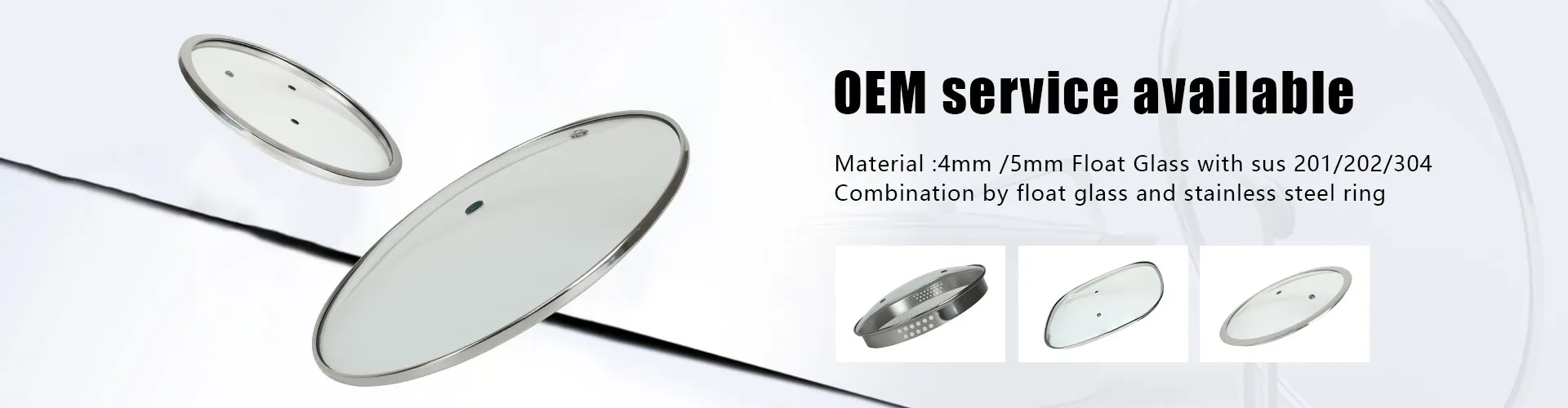
Behind every reliable glass with lid product lies a commitment to rigorous manufacturing standards and technological capability. Leading manufacturers, such as EUR-ASIA COOKWARE CO.,LTD., exemplify this dedication by specializing in the production of household glass products across low, medium, and high-level categories. Located in the National High-tech Development Zone of Taian City, Shandong Province, their expansive 20,000㎡ production base facilitates an annual output exceeding 15 million pieces of tempered glass lids and related accessories.
The global reach of such manufacturers underscores the universal demand for quality. With over 90% of products exported to major markets including Germany, Russia, Italy, France, Poland, Denmark, Spain, Switzerland, Brazil, Turkey, South Korea, and Japan, these companies adhere to strict international certifications like ISO9001, LFGB, and TUV. This ensures that whether you are purchasing for personal use or commercial distribution, the products meet stringent safety and durability benchmarks.
Furthermore, modern production facilities offer significant customization to meet diverse consumer needs. Capabilities now extend to producing high-curvature, tall, flat, and other special-shaped glass covers tailored to specific design requirements. Additionally, branding options allow for logo printing directly on the products, enabling businesses to create cohesive kitchen lines. This blend of scale, certification, and flexibility ensures that the glass with lid solutions available today are not only safe and durable but also perfectly aligned with specific market demands.
Frequently Asked Questions (FAQ)
Can I put a glass with lid in the microwave?
Yes, the glass body of most containers is microwave safe. However, you should generally remove the lid or vent it by opening one clip to allow steam to escape. Trapped steam can build up pressure and potentially shatter the glass or warp the lid. Always verify the specific manufacturer guidelines for your model.
Are glass containers safe for the freezer?
Absolutely. Glass is an excellent choice for freezer storage. To prevent breakage, ensure the food is cooled to room temperature before freezing and leave some headspace in the container to allow for expansion as liquids freeze. Sudden temperature changes from boiling to freezing should be avoided.
How do I remove stubborn stains from glass?
For tough stains like turmeric or tomato sauce, create a paste using baking soda and water. Apply it to the stained area and let it sit for an hour before washing. Alternatively, soaking the container in a mixture of warm water and vinegar can effectively lift residues without damaging the glass surface.
Do the lids go in the dishwasher?
Most modern plastic lids and silicone gaskets are top-rack dishwasher safe. However, the high heat of the bottom rack or drying cycle can sometimes warp plastic or degrade silicone over time. Hand washing lids is recommended to maximize their lifespan and maintain the integrity of the seal.
What is the difference between airtight and leak-proof?
Airtight means no air can pass through, preserving freshness and preventing odor transfer. Leak-proof implies the container can hold liquids without spilling even when inverted or shaken. While most airtight containers are also leak-proof, it is essential to check the specific rating if you plan to transport soups or sauces.
Common Mistakes to Avoid
Even with high-quality products, user error can lead to dissatisfaction. Being aware of common pitfalls ensures a smoother experience with your glass with lid collection.
One frequent mistake is forcing a lid onto a misaligned container. If the clips do not snap easily, the rim may be obstructed by food debris, or the lid might be oriented incorrectly. Forcing it can crack the glass rim or break the plastic hinge. Always inspect the rim for cleanliness before sealing.
Another error involves exposing cold glass to direct high heat. Taking a container straight from the freezer and placing it on a hot stovetop or under a broiler can cause immediate thermal shock failure. Always allow the glass to come closer to room temperature or introduce heat gradually. Similarly, avoid placing hot glass directly on a wet or cold countertop.
The Future of Sustainable Storage
The trend towards sustainable living continues to drive innovation in the storage sector. Manufacturers are increasingly focusing on eco-friendly production methods and durable designs that discourage disposability. The glass with lid category is evolving to include modular systems where lids are interchangeable across different sizes, reducing plastic waste further.
Advancements in silicone technology are also improving the longevity of seals, with antimicrobial treatments becoming more prevalent to inhibit bacterial growth naturally. As consumer awareness grows, the demand for transparent supply chains and recyclable packaging for these products is shaping the future market landscape.
Conclusion and Final Recommendations
Investing in a high-quality glass with lid system is a decision that pays dividends in food safety, organization, and environmental impact. The superiority of glass over plastic lies in its chemical inertness, durability, and ability to maintain food integrity over time. Whether you choose borosilicate for its thermal resilience or tempered glass for its impact resistance, the key lies in matching the product features to your specific lifestyle needs.
For those who prioritize meal prepping and transporting liquids, a set with four-side locking mechanisms and borosilicate construction is the optimal choice. Conversely, households focused on pantry organization and dry storage may find tempered glass with snap-on lids to be a cost-effective and efficient solution. Remember to maintain your containers by regularly cleaning gaskets and inspecting for damage to ensure they serve you for years.
Who is this for? This solution is ideal for health-conscious individuals, eco-friendly families, professional chefs, and anyone seeking to declutter their kitchen with uniform, aesthetically pleasing storage. By transitioning to glass, you eliminate the risks associated with plastic degradation and contribute to a reduction in single-use waste.
Ready to upgrade your kitchen storage? Evaluate your current needs, consider the shape and seal type that fits your routine, and select a reputable set that aligns with these criteria. Making the switch to glass is a small step that leads to a healthier, more organized, and sustainable home environment.