- English
- Chinese
- French
- German
- Portuguese
- Spanish
- Russian
- Japanese
- Korean
- Arabic
- Irish
- Greek
- Turkish
- Italian
- Danish
- Romanian
- Indonesian
- Czech
- Afrikaans
- Swedish
- Polish
- Basque
- Catalan
- Esperanto
- Hindi
- Lao
- Albanian
- Amharic
- Armenian
- Azerbaijani
- Belarusian
- Bengali
- Bosnian
- Bulgarian
- Cebuano
- Chichewa
- Corsican
- Croatian
- Dutch
- Estonian
- Filipino
- Finnish
- Frisian
- Galician
- Georgian
- Gujarati
- Haitian
- Hausa
- Hawaiian
- Hebrew
- Hmong
- Hungarian
- Icelandic
- Igbo
- Javanese
- Kannada
- Kazakh
- Khmer
- Kurdish
- Kyrgyz
- Latin
- Latvian
- Lithuanian
- Luxembou..
- Macedonian
- Malagasy
- Malay
- Malayalam
- Maltese
- Maori
- Marathi
- Mongolian
- Burmese
- Nepali
- Norwegian
- Pashto
- Persian
- Punjabi
- Serbian
- Sesotho
- Sinhala
- Slovak
- Slovenian
- Somali
- Scots Gaelic
- Shona
- Sindhi
- Sundanese
- Swahili
- Tajik
- Tamil
- Telugu
- Thai
- Ukrainian
- Urdu
- Uzbek
- Vietnamese
- Welsh
- Xhosa
- Yiddish
- Yoruba
- Zulu
- Kinyarwanda
- Tatar
- Oriya
- Turkmen
- Uyghur


Wholesale Glass Lid Replacement: OEM Factory Price
2026-10-21
- Why Choose Wholesale Glass Lid Replacement from an OEM Factory?
- Technical Specifications of Tempered Glass Lids
- How to Select the Right Glass Lid Replacement
- Manufacturing Process and Quality Control
- Common Issues with Glass Lids and Solutions
- Global Export Capabilities and Logistics
- Frequently Asked Questions (FAQ)
- Conclusion: Partnering for Quality and Growth
Wholesale glass lid replacement solutions provide cost-effective, high-quality tempered glass covers for cookware manufacturers and retailers. Sourcing directly from an OEM factory ensures custom sizing, logo printing, and compliance with international safety standards like LFGB and TUV. EUR-ASIA COOKWARE CO.,LTD. specializes in producing over 15 million tempered glass lids annually, offering precise replacements for various pot diameters and shapes. This guide details how to select the right replacement lids, understand manufacturing specifications, and secure competitive factory pricing for bulk orders.
Why Choose Wholesale Glass Lid Replacement from an OEM Factory?
Sourcing replacement glass lids through wholesale channels is a strategic decision for businesses aiming to optimize supply chain efficiency and product quality. Unlike retail purchases, wholesale OEM (Original Equipment Manufacturer) partnerships allow for direct customization and significant cost reductions. When you engage with a specialized manufacturer, you gain access to production lines dedicated to high-volume output, ensuring consistency across large batches.
The primary advantage lies in the ability to tailor specifications. Standard retail lids often fail to meet the unique curvature or diameter requirements of specific cookware lines. An OEM factory can adjust molds to produce high-curvature, tall, or flat lids that fit perfectly. This precision reduces return rates and enhances brand reputation. Furthermore, buying directly from the source eliminates intermediary markups, providing a competitive edge in pricing.
Cost Efficiency and Scalability
For distributors and cookware brands, scalability is crucial. A reliable supplier must handle large orders without compromising quality. EUR-ASIA COOKWARE CO.,LTD., located in the China National High-tech Development Zone in Taian City, operates a 15,000㎡ facility with an annual output exceeding 15 million pieces. This capacity ensures that even during peak demand seasons, lead times remain stable. Bulk purchasing not only lowers the unit cost but also stabilizes inventory management, allowing businesses to plan long-term sales strategies with confidence.
Customization and Branding Opportunities
In the competitive kitchenware market, brand visibility is key. Wholesale replacement lids offer an excellent opportunity for branding. Manufacturers can print logos directly onto the glass or the stainless steel rim. This customization transforms a generic component into a branded asset. Whether you need simple screen printing or complex laser etching, an experienced factory can accommodate these requests. This level of personalization is rarely available through standard retail channels, making OEM partnerships essential for brand building.
Technical Specifications of Tempered Glass Lids
Understanding the technical aspects of glass lid production is vital for making informed procurement decisions. Not all glass lids are created equal. The material composition, tempering process, and rim construction significantly impact durability and safety. High-quality replacement lids must withstand thermal shock and mechanical stress, ensuring they perform reliably in diverse cooking environments.
Tempered glass is the industry standard for cookware lids due to its enhanced strength. During the tempering process, glass is heated to extreme temperatures and then rapidly cooled. This creates surface compression and internal tension, making the glass up to five times stronger than annealed glass. If breakage occurs, tempered glass shatters into small, blunt pieces rather than sharp shards, minimizing injury risk. This safety feature is non-negotiable for consumer goods, especially in markets with strict regulations like Europe and North America.
Material Composition and Safety Standards
Premium glass lids are typically made from high-borosilicate or soda-lime glass, depending on the required thermal resistance. For general cookware, high-quality tempered soda-lime glass is common. It offers excellent clarity and durability. However, for high-end applications requiring extreme thermal shock resistance, borosilicate glass may be preferred. Regardless of the base material, compliance with international safety standards is mandatory.
EUR-ASIA COOKWARE CO.,LTD. ensures all products pass rigorous testing, including LFGB (Germany) and TUV certifications. These certifications verify that the materials are free from harmful substances and safe for food contact. ISO9001 certification further guarantees that the manufacturing process adheres to consistent quality management systems. For buyers targeting markets in Germany, France, Italy, and other European countries, these certifications are not just beneficial—they are essential for market entry.
Rim Construction and Steam Vent Design
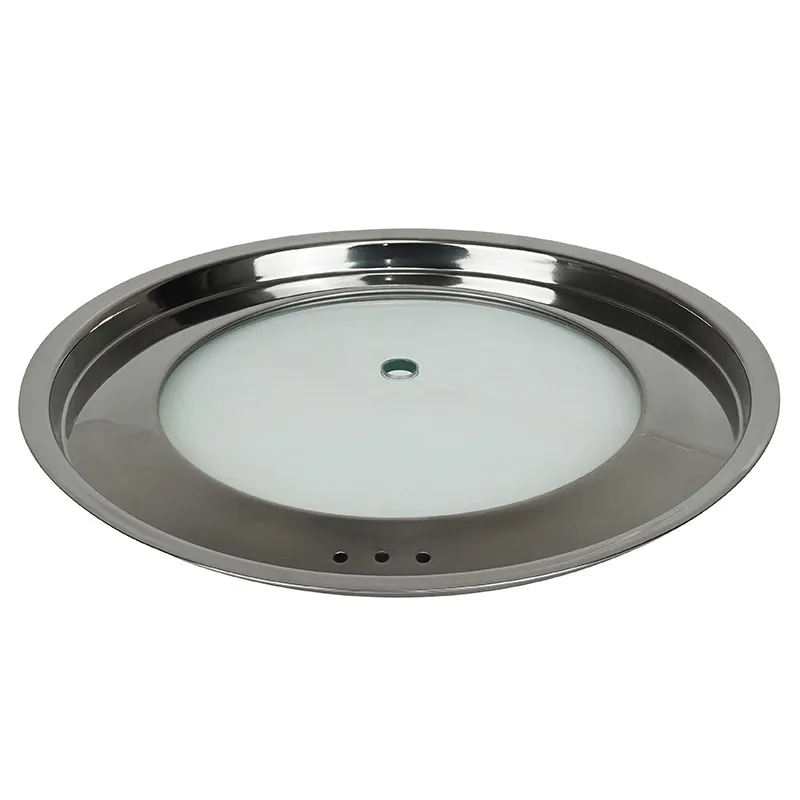
The rim of a glass lid plays a critical role in its functionality and longevity. Most high-quality lids feature a stainless steel rim that encases the glass edge. This design protects the glass from chipping and provides a secure fit on the pot. The rim can be constructed using different methods, such as rolled edges or welded seams. A well-constructed rim prevents steam leakage while allowing controlled ventilation.
Steam vents are another crucial feature. They prevent pressure buildup inside the pot, reducing the risk of boil-overs. The size and placement of the steam vent affect cooking performance. A properly designed vent allows excess steam to escape while retaining heat and moisture. When sourcing replacement lids, ensure the vent alignment matches your cookware design. Custom molds can adjust vent positioning to suit specific pot geometries, ensuring optimal performance.
| Feature | Standard Retail Lid | OEM Wholesale Lid |
|---|---|---|
| Customization | Limited to stock sizes | Full custom sizing and shape |
| Branding | Generic or no logo | Custom logo printing/etching |
| Price Point | Higher (Retail markup) | Lower (Factory direct) |
| Material Certification | Varies, often unclear | LFGB, TUV, ISO9001 verified |
| Lead Time | Immediate (Stock dependent) | Production schedule based |
How to Select the Right Glass Lid Replacement
Choosing the correct replacement lid involves more than just matching the diameter. Factors such as curvature, height, and rim type must align with the existing cookware. Mismatched lids can lead to poor heat retention, steam leakage, or even safety hazards. A systematic approach to selection ensures compatibility and customer satisfaction.
Measuring Diameter and Curvature
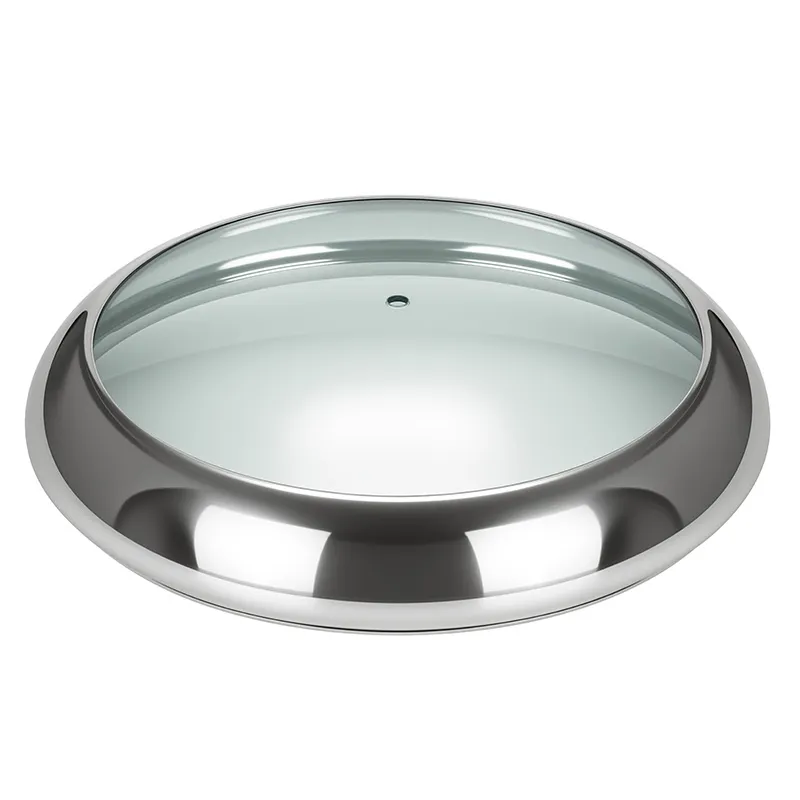
The first step is accurate measurement. Use a caliper to measure the inner diameter of the pot’s rim. Glass lids are typically sized to fit snugly inside or rest securely on top of the pot. Common diameters range from 16cm to 28cm, but custom sizes are available. Next, assess the curvature. Lids come in various profiles: flat, low dome, high dome, and extra-high dome. The curvature affects the internal volume of the pot. For example, a high-domed lid is ideal for roasting or cooking large items, while a flat lid is suitable for simmering sauces.
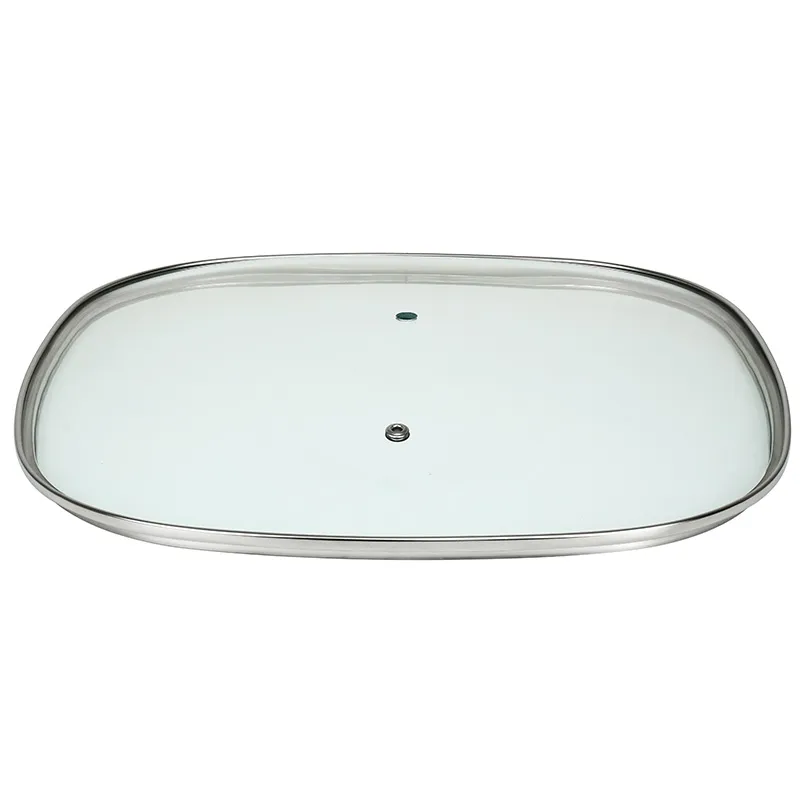
EUR-ASIA COOKWARE CO.,LTD. produces high-curvature, tall, flat, and other special-shaped glass covers according to customer demand. This flexibility allows buyers to replace obsolete designs or introduce new cookware lines with unique aesthetic profiles. Providing detailed drawings or samples to the manufacturer ensures precise replication of the desired shape.
Matching Rim Types
The rim type must match the pot’s design. Common rim types include:
- Stainless Steel Rim: Durable and aesthetically pleasing. Suitable for most modern cookware.
- Plastic Rim: Cost-effective but less durable. Often used in budget-friendly lines.
- Silicone Edge: Provides a tight seal and noise reduction. Ideal for premium cookware sets.
Ensure the replacement lid’s rim material complements the pot’s handle and body material. Consistency in design enhances the overall look and feel of the cookware set. If you are replacing lids for an existing line, match the original specifications exactly. For new products, consider upgrading to stainless steel rims for added perceived value.
Manufacturing Process and Quality Control
Understanding the manufacturing process helps buyers appreciate the value of professional production. From raw material selection to final packaging, each step influences the final product’s quality. A transparent and rigorous quality control system is the hallmark of a trustworthy supplier.
Tempering and Strengthening
The tempering process is the core of glass lid production. Raw glass sheets are cut to size and edges are polished to remove micro-cracks. The glass is then heated in a tempering furnace to approximately 600-700°C. Rapid cooling with air jets creates the necessary stress profile. This process requires precise temperature control. Any deviation can result in uneven stress distribution, leading to spontaneous breakage. Advanced factories use automated tempering lines to ensure uniformity across every piece.
Inspection and Testing
Quality control involves multiple stages. Visual inspection checks for bubbles, scratches, and distortions. Dimensional inspection ensures the lid fits the specified tolerance. Impact testing verifies the glass’s resistance to mechanical shock. Thermal shock testing involves subjecting the lid to rapid temperature changes to ensure it does not crack. EUR-ASIA COOKWARE CO.,LTD. employs over 90 employees, including dedicated quality control specialists, to monitor these processes. With more than 90% of products exported to demanding markets like Germany, Japan, and South Korea, the company maintains strict adherence to international quality benchmarks.
Common Issues with Glass Lids and Solutions
Even high-quality glass lids can encounter issues if not handled or manufactured correctly. Understanding common problems helps in troubleshooting and preventing future defects. This knowledge is particularly useful for customer service teams handling warranty claims or user inquiries.
Thermal Shock Breakage
Thermal shock occurs when glass is subjected to sudden temperature changes. For example, placing a hot lid on a cold surface or adding cold water to a hot pot can cause breakage. While tempered glass is resistant to thermal shock, it has limits. To mitigate this, educate users on proper handling. From a manufacturing perspective, ensuring the glass is fully tempered and free from surface defects minimizes this risk. Using high-quality raw materials with low impurity levels also enhances thermal stability.
Rim Detachment
Rim detachment happens when the bond between the glass and the metal rim fails. This can be due to poor adhesive quality or improper assembly. High-quality manufacturers use heat-resistant adhesives and mechanical locking mechanisms to secure the rim. Regular testing of the bond strength ensures long-term durability. If you experience rim detachment issues, review the assembly process and adhesive specifications with your supplier.
Condensation and Dripping
Excessive condensation dripping back into the pot can affect cooking results. This is often a design issue related to the lid’s curvature and steam vent placement. A flatter lid tends to accumulate more condensation than a domed one. Adjusting the dome height or optimizing the steam vent size can resolve this. Custom mold design allows for fine-tuning these parameters to achieve the desired cooking performance.
Global Export Capabilities and Logistics
For international buyers, logistics and export compliance are critical considerations. A reliable supplier must have experience in handling international shipments, customs documentation, and packaging requirements. EUR-ASIA COOKWARE CO.,LTD. exports more than 90 percent of its products to countries including Russia, Italy, France, Poland, Denmark, Spain, Switzerland, Brazil, Turkey, South Korea, and Japan. This extensive export experience ensures smooth transactions and timely deliveries.
Packaging for Safe Transit
Glass products are fragile and require robust packaging. Standard export packaging includes individual boxes, inner dividers, and master cartons with sufficient cushioning. Palletization and shrink-wrapping protect the cargo during ocean or air freight. Custom packaging options are available to meet retailer-specific requirements. Proper packaging reduces breakage rates and ensures that products arrive in pristine condition.
Compliance and Documentation
Exporting to different regions requires specific documentation and compliance certifications. For Europe, CE marking and LFGB test reports are essential. For the US, FDA compliance may be required. A professional supplier provides all necessary documentation to facilitate customs clearance. EUR-ASIA COOKWARE CO.,LTD.’s ISO9001 certification and product-specific LFGB and TUV certifications simplify this process, reducing administrative burdens for buyers.
Frequently Asked Questions (FAQ)
Can I get custom logos printed on the glass lids?
Yes, custom logo printing is a standard service offered by OEM manufacturers. Logos can be screen-printed, laser-etched, or applied using decals. The method depends on the design complexity and volume. EUR-ASIA COOKWARE CO.,LTD. accommodates logo printing according to customer requirements, enhancing brand visibility.
What is the minimum order quantity (MOQ) for wholesale glass lids?
MOQ varies depending on the customization level. Standard sizes may have lower MOQs, while custom shapes and logos typically require higher volumes to justify mold setup and production runs. Contact the supplier directly for specific MOQ details based on your needs.
Are the glass lids compatible with induction cooktops?
Glass lids themselves are compatible with all cooktop types, including induction, as they do not interact with the magnetic field. However, the knob or handle material must be heat-resistant and non-metallic if it protrudes significantly. Most modern glass lids use stainless steel knobs that are safe for induction use.
How long does production take for a bulk order?
Production lead time depends on order volume and customization. Standard orders may take 2-4 weeks, while custom molds and large volumes may require 4-6 weeks. EUR-ASIA COOKWARE CO.,LTD. has a large production capacity, enabling efficient handling of urgent orders.
What certifications do your glass lids hold?
Our products pass LFGB and TUV certifications, ensuring compliance with European safety and food contact standards. The company also holds ISO9001 certification for quality management. These certifications validate the safety and quality of our glass lids for global markets.
Conclusion: Partnering for Quality and Growth
Securing a reliable source for wholesale glass lid replacement is a pivotal step for cookware businesses aiming for growth and customer satisfaction. By partnering with an experienced OEM manufacturer like EUR-ASIA COOKWARE CO.,LTD., you gain access to high-quality, certified products tailored to your specific needs. The combination of advanced production capabilities, strict quality control, and global export experience ensures that your supply chain remains robust and efficient.
Whether you need standard replacements or custom-designed lids with unique branding, a professional factory provides the flexibility and expertise to deliver. Focus on building a long-term partnership with a supplier who values quality, compliance, and customer service. This approach not only reduces costs but also enhances your brand’s reputation in the competitive kitchenware market.
Ready to upgrade your cookware components? Contact us today to discuss your specific requirements, request samples, or obtain a customized quote. Let us help you find the perfect glass lid replacement solutions for your business.