- English
- Chinese
- French
- German
- Portuguese
- Spanish
- Russian
- Japanese
- Korean
- Arabic
- Irish
- Greek
- Turkish
- Italian
- Danish
- Romanian
- Indonesian
- Czech
- Afrikaans
- Swedish
- Polish
- Catalan
- Esperanto
- Hindi
- Lao
- Albanian
- Amharic
- Armenian
- Azerbaijani
- Belarusian
- Bengali
- Bosnian
- Bulgarian
- Cebuano
- Chichewa
- Corsican
- Croatian
- Dutch
- Estonian
- Filipino
- Finnish
- Frisian
- Galician
- Georgian
- Gujarati
- Haitian
- Hausa
- Hawaiian
- Hebrew
- Hmong
- Hungarian
- Icelandic
- Igbo
- Javanese
- Kannada
- Kazakh
- Khmer
- Kurdish
- Kyrgyz
- Latin
- Latvian
- Lithuanian
- Luxembou..
- Macedonian
- Malagasy
- Malay
- Malayalam
- Maltese
- Maori
- Marathi
- Mongolian
- Burmese
- Nepali
- Norwegian
- Pashto
- Persian
- Punjabi
- Serbian
- Sesotho
- Sinhala
- Slovak
- Slovenian
- Somali
- Samoan
- Scots Gaelic
- Shona
- Sindhi
- Sundanese
- Swahili
- Tajik
- Tamil
- Telugu
- Thai
- Ukrainian
- Urdu
- Uzbek
- Vietnamese
- Welsh
- Xhosa
- Yiddish
- Yoruba
- Zulu
- Kinyarwanda
- Tatar
- Oriya
- Turkmen
- Uyghur


2 Gallon Glass Jar with Lid: Complete Guide for Buyers & Uses
2026-05-22
- What Defines a High-Quality 2 Gallon Glass Jar?
- Primary Applications and Use Cases
- Comparative Analysis: Glass vs. Alternative Materials
- Step-by-Step Guide: Using Your Jar for Fermentation
- Advantages and Limitations
- Selecting the Right Lid Mechanism
- Maintenance and Care Instructions
- Frequently Asked Questions (FAQ)
- Industry Trends and Future Outlook
- Conclusion and Buying Recommendations
A 2 gallon glass jar with lid is a large-capacity storage vessel designed for preserving food, fermenting beverages, and organizing bulk dry goods. Constructed from durable, non-porous glass, these jars offer an airtight seal to maintain freshness while preventing chemical leaching. Whether used for homemade kombucha, pickling vegetables, or storing emergency supplies, this container size bridges the gap between small kitchen canisters and industrial drums, providing versatility for both home enthusiasts and small businesses.
What Defines a High-Quality 2 Gallon Glass Jar?
Understanding the construction of a 2 gallon glass jar with lid is essential for buyers seeking longevity and safety. Unlike plastic alternatives, high-grade glass containers are inert, meaning they do not react with acidic foods or alcoholic beverages. The defining characteristic of a premium unit lies in its material composition and sealing mechanism.
Most professional-grade jars utilize soda-lime glass or borosilicate glass. Soda-lime is the industry standard for general storage due to its cost-effectiveness and durability against thermal shock in normal kitchen environments. Borosilicate, often reserved for laboratory use, offers superior resistance to extreme temperature changes, making it ideal for hot-fill canning processes.
The lid system is equally critical. A true airtight seal typically involves a gasket made from food-grade silicone or rubber, paired with a locking mechanism. This could be a swing-top bail wire, a screw-top band, or a clamp-style closure. The integrity of this seal determines the jar’s ability to facilitate anaerobic fermentation or long-term dry storage without moisture intrusion.
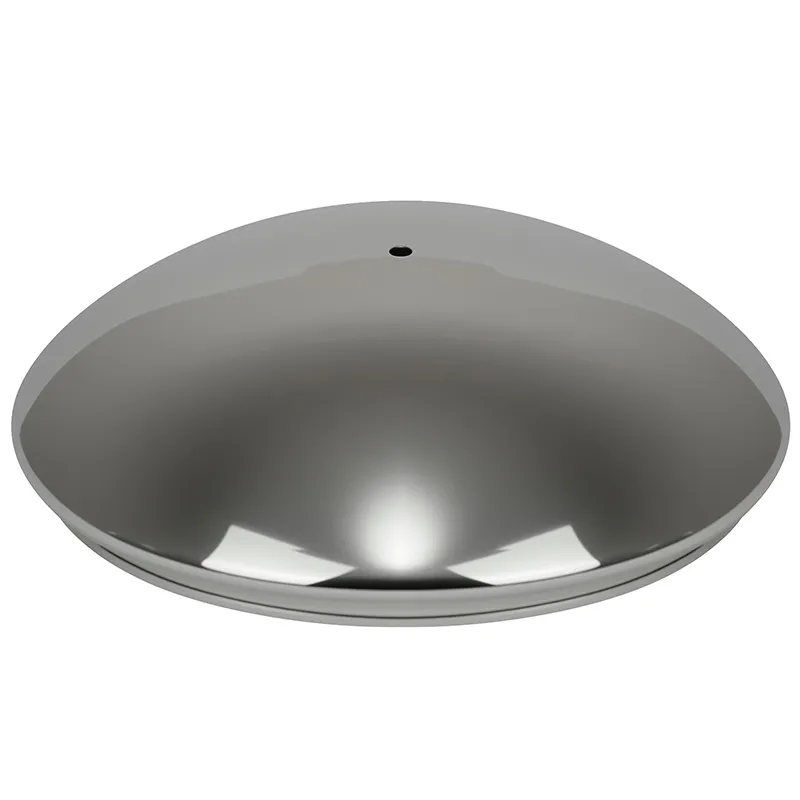
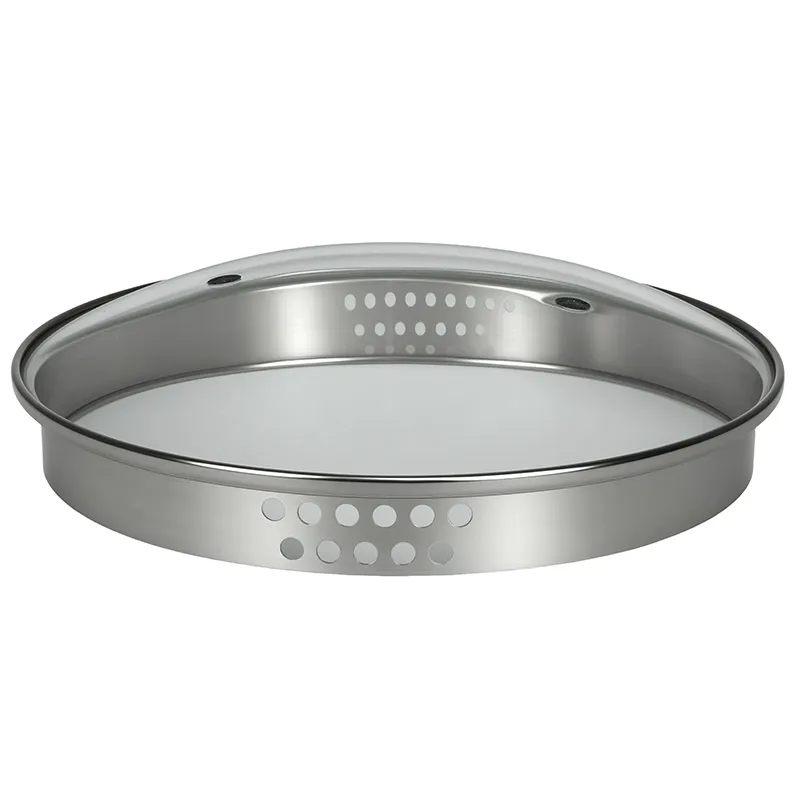
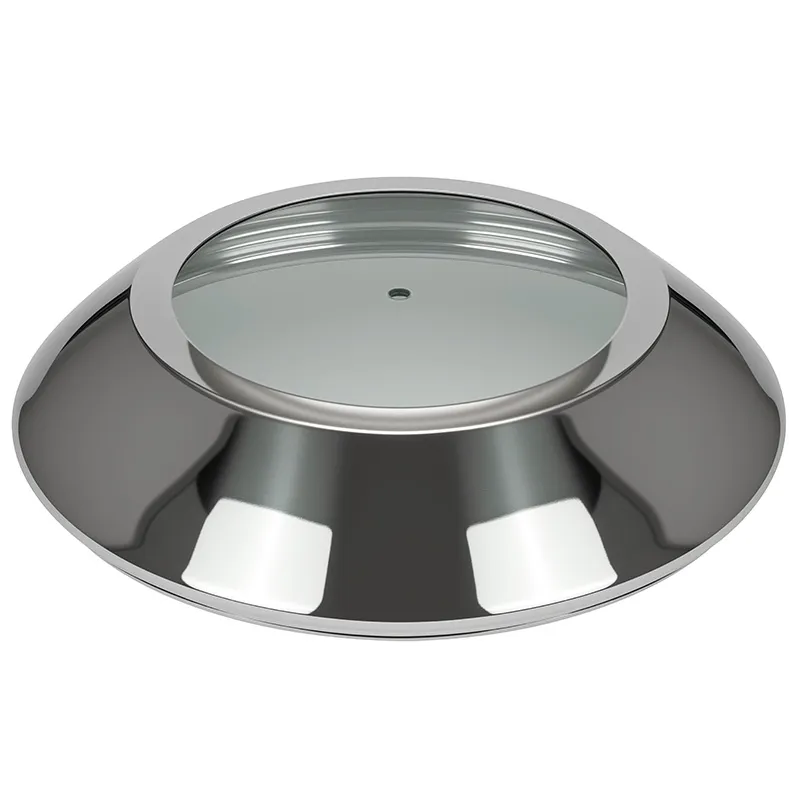
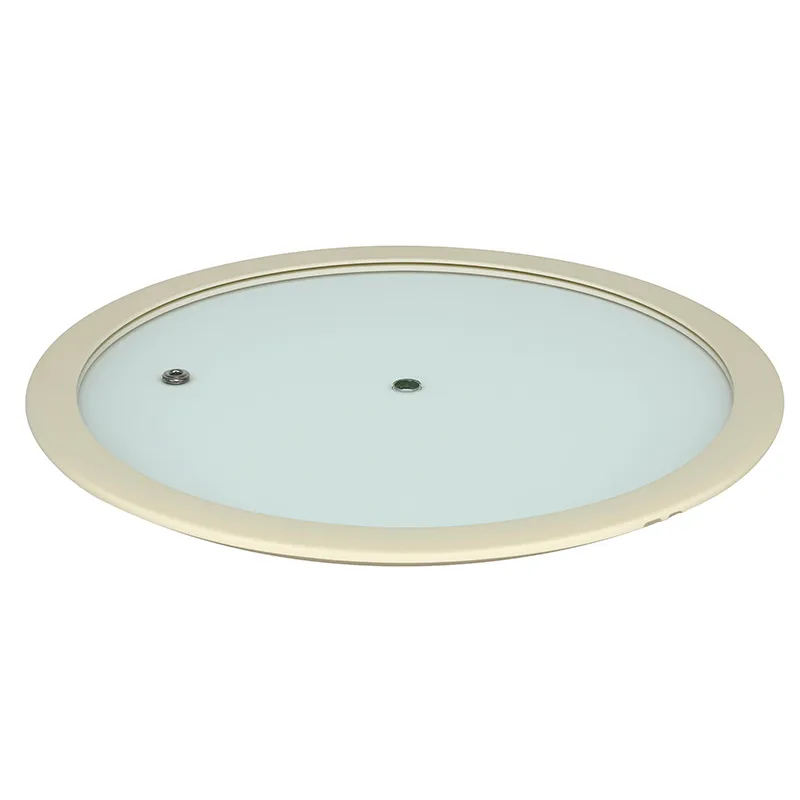
Manufacturing such precise and reliable components requires advanced capabilities and strict quality control. EUR-ASIA COOKWARE CO.,LTD., a specialized producer of household glass products ranging from low to high-level specifications, exemplifies this industrial expertise. Located in the Taian City National High-tech Development Zone in Shandong Province, China, their 20,000㎡ production base employs over 90 skilled workers to achieve an annual output of more than 15 million tempered glass lids and related glass products. With ISO9001 certification and products meeting rigorous LFGB and TUV standards, EUR-ASIA serves a global clientele across Germany, Russia, Italy, France, and beyond. Their ability to customize high-curvature, tall, flat, and special-shaped glass covers, along with logo printing services, ensures that the lids fitting your 2 gallon glass jar are not only functional but tailored to specific aesthetic and technical requirements.
Key Material Specifications
When evaluating products within this category, several technical specifications distinguish superior models from basic ones. These factors directly impact the jar’s performance in specific applications like brewing or archival storage.
- Glass Thickness: Thicker walls provide better insulation and resistance to breakage during handling or stacking.
- Clarity: High-transparency glass allows users to monitor fermentation progress or inventory levels without opening the container.
- Lid Composition: Stainless steel or BPA-free plastic lids prevent rust and chemical degradation over time.
- Gasket Quality: Silicone gaskets generally outlast rubber, maintaining elasticity through hundreds of open-close cycles.
Primary Applications and Use Cases
The versatility of a 2 gallon glass jar with lid makes it a staple in various sectors, ranging from culinary arts to emergency preparedness. Its 2-gallon capacity (approximately 7.5 liters) is uniquely suited for batches that are too large for quart jars but too small for five-gallon buckets.
Fermentation and Brewing
In the world of home brewing and fermentation, volume consistency is key. A 2-gallon vessel is the sweet spot for producing small-batch kombucha, wine, mead, or cider. The wide mouth design found in many models facilitates easy cleaning and the addition of ingredients like fruit or spices.
During fermentation, gases are produced. While these jars are not pressure vessels like beer kegs, the airlock-compatible lids available for many models allow CO2 to escape while preventing oxygen and contaminants from entering. This creates the perfect anaerobic environment required for successful lacto-fermentation of vegetables like sauerkraut and kimchi.
Bulk Food Storage and Pantry Organization
For households aiming to reduce packaging waste or buy in bulk, these jars serve as excellent pantry organizers. They protect dry goods such as rice, beans, flour, and pasta from pests, moisture, and oxidation. The transparent nature of glass allows for immediate visual inventory checks, streamlining meal planning and grocery shopping.
Furthermore, glass does not absorb odors or flavors. Storing strong-smelling items like coffee beans, spices, or dried herbs in a 2 gallon glass jar with lid ensures that the contents remain pure and do not contaminate other stored items, a common issue with porous plastic containers.
Emergency Preparedness and Water Storage
In disaster preparedness scenarios, reliable water storage is paramount. Glass jars provide a safe medium for storing potable water, as they do not leach chemicals into the liquid over long periods. When stored in a cool, dark place, water sealed in these jars can remain viable for years.
Beyond water, these containers are ideal for rotating emergency food supplies. The ability to see the condition of the food without breaking the seal helps preppers manage their rotation schedules effectively, ensuring that supplies are consumed before expiration dates.
Comparative Analysis: Glass vs. Alternative Materials
Choosing the right storage solution often involves weighing the pros and cons of different materials. Below is a detailed comparison highlighting why a 2 gallon glass jar with lid often outperforms plastic and metal alternatives for specific uses.
| Feature | 2 Gallon Glass Jar | Plastic Container (HDPE/PET) | Metal Drum/Tin |
|---|---|---|---|
| Chemical Safety | Inert; no leaching even with acids or alcohol. | Risk of microplastic shedding and chemical leaching over time. | Potential for metallic taste or reaction with acidic contents if unlined. |
| Permeability | Zero permeability to gases and odors. | Semi-permeable; can allow oxygen transfer over long periods. | Impermeable, but prone to corrosion if the lining fails. |
| Cleanability | Dishwasher safe; does not retain stains or odors. | Can stain and retain strong odors; difficult to sanitize completely. | Generally not dishwasher safe; hard to inspect interior cleanliness. |
| Visibility | 100% transparent for easy content monitoring. | Often translucent or opaque, hiding contents. | Opaque; requires opening to check contents. |
| Environmental Impact | Infinitely recyclable without loss of quality. | Recyclable but degrades in quality; derived from fossil fuels. | Recyclable but energy-intensive to produce. |
| Durability | High impact resistance if thick; brittle under sharp shock. | High impact resistance; flexible. | Very high structural integrity; dent-resistant. |
This table illustrates that while plastic offers shatter resistance, glass remains the superior choice for purity, long-term storage integrity, and environmental sustainability. For applications involving food safety and flavor preservation, the inert properties of glass are unmatched.
Step-by-Step Guide: Using Your Jar for Fermentation
One of the most popular uses for a 2 gallon glass jar with lid is fermentation. Proper technique ensures safety and optimal flavor development. Follow this guide to start your first batch of fermented vegetables or beverages.
Preparation and Sanitization
Before introducing any ingredients, thorough cleaning is mandatory. Residual soap or bacteria can spoil the batch. Wash the jar and lid components in hot, soapy water. For sterilization, submerge the glass jar in boiling water for 10 minutes or run it through a sanitizing cycle in a dishwasher.
Ensure all parts, especially the gasket and lid crevices, are free of debris. Allow the jar to air dry completely on a clean rack. Avoid using cloth towels that may leave lint or introduce contaminants.
Ingredient Loading
Prepare your vegetables by washing and chopping them into uniform sizes to ensure even fermentation. Pack the vegetables tightly into the 2 gallon glass jar with lid. Tightly packing reduces air pockets where mold could grow.
Prepare your brine solution, typically a ratio of salt to water (e.g., 2-3% salinity by weight). Pour the brine over the vegetables until they are completely submerged. It is crucial that no vegetable matter is exposed to air, as this invites mold growth.
Sealing and Monitoring
Attach the lid securely. If using a standard airtight lid, remember to “burp” the jar daily by briefly opening it to release built-up carbon dioxide pressure. If using an airlock lid, this step is unnecessary as the valve releases gas automatically.
Place the jar in a location with a stable temperature, ideally between 65°F and 75°F (18°C – 24°C), away from direct sunlight. Sunlight can degrade nutrients and affect the culture. Monitor the jar visually for signs of active fermentation, such as bubbling.
Completion and Storage
After the fermentation period (usually 1 to 4 weeks depending on the recipe and temperature), taste the product. Once the desired flavor profile is achieved, move the jar to cold storage (refrigerator or cellar) to slow down the fermentation process.
The 2 gallon glass jar with lid now serves as both the fermentation vessel and the long-term storage container, minimizing the need for transferring food and reducing contamination risks.
Advantages and Limitations
While the 2 gallon glass jar with lid is a robust tool, understanding its limitations helps users manage expectations and handle the product safely. A balanced view ensures optimal utilization.
Core Advantages
The primary benefit is chemical inertness. Glass does not interact with its contents, ensuring that the taste of wine, the acidity of pickles, or the potency of medicinal tinctures remains unaltered. This is a critical factor for purists and health-conscious consumers.
Another significant advantage is reusability. Unlike single-use plastics, these jars are designed for decades of use. They can be boiled, frozen (with precautions), and washed repeatedly without degrading. This makes them a cost-effective solution over the long term.
Aesthetic appeal also plays a role. In retail settings or modern kitchens, the clear, classic look of a large glass jar displays products attractively. It conveys a sense of quality and transparency that opaque containers cannot match.
Potential Limitations
The most notable drawback is weight and fragility. A 2-gallon glass jar is heavy even when empty. When filled with liquid, it becomes significantly cumbersome, posing challenges for users with limited mobility. Care must be taken to avoid dropping or striking the jar against hard surfaces.
Additionally, thermal shock is a risk for standard soda-lime glass. Pouring boiling liquid into a cold jar can cause it to crack. Users must acclimate the glass to temperature changes gradually or choose borosilicate models if extreme heat is involved.
Finally, the cost upfront is higher than plastic equivalents. However, when amortized over the product’s lifespan, the value proposition shifts heavily in favor of glass.
Selecting the Right Lid Mechanism
The functionality of a 2 gallon glass jar with lid is largely dictated by the type of closure it employs. Different mechanisms suit different tasks, and selecting the wrong one can lead to spoilage or inconvenience.
Screw-Top Lids
Screw-top lids are the most common and user-friendly option. They rely on threading to create a seal, often enhanced by a liner. These are excellent for dry storage and liquids that do not produce gas. They are easy to open and close, making them suitable for frequent access items like pantry staples.
Swing-Top (Bail Wire) Lids
Swing-top mechanisms feature a wire bail that clamps the lid down onto a rubber gasket. This design provides a very strong seal and is traditional for fermentation and beverage storage. The lever action makes opening and closing quick, though the wire mechanism can eventually wear out or rust if not maintained.
Airlock-Compatible Lids
For serious brewers and fermenters, lids designed to accept an airlock are indispensable. These lids have a pre-drilled hole fitted with a grommet. They allow carbon dioxide to vent while strictly preventing outside air from entering. This is the gold standard for wine making and long-term vegetable fermentation.
Maintenance and Care Instructions
To maximize the lifespan of your 2 gallon glass jar with lid, proper maintenance is essential. Glass itself is low maintenance, but the sealing components require attention.
Regular Inspection: Periodically check the glass for chips or cracks, especially around the rim. Even a microscopic chip can compromise the seal or cause the jar to shatter under pressure. Discard any damaged units immediately.
Gasket Care: The rubber or silicone gasket is the weak point in the system. Remove it periodically to clean underneath, preventing mold buildup. If the gasket becomes stiff, cracked, or loses its elasticity, replace it promptly to maintain airtight integrity.
Lid Preservation: If using metal lids with plastic coatings, avoid soaking them for extended periods, as this can lead to corrosion or coating delamination. Hand washing metal components is often recommended over dishwashers to preserve their finish and structural integrity.
Storage Conditions: Store empty jars with the lid slightly loose to prevent the gasket from taking a permanent set or developing odors. Keep jars in a temperate environment to avoid unnecessary stress on the glass.
Frequently Asked Questions (FAQ)
Addressing common queries helps buyers make informed decisions and use their 2 gallon glass jar with lid effectively.
Is a 2 gallon glass jar safe for freezing?
Yes, but with strict precautions. Glass expands when water freezes. To prevent breakage, leave at least 2 inches of headspace at the top of the jar. Do not fill the jar to the brim with liquids. Additionally, allow the jar to cool completely before freezing if it previously held warm contents. Straight-sided jars are safer for freezing than those with shoulders, as expansion is more uniform.
Can I use this jar for carbonated beverages?
Standard 2 gallon glass jars with lid are not designed to hold high pressure like soda bottles or kegs. While they can handle the low pressure of natural fermentation (kombucha, wine), they are not suitable for force-carbonating beverages. Attempting to store highly carbonated drinks under pressure could result in the lid blowing off or the glass shattering.
How do I remove stubborn odors or stains?
Glass is non-porous, so stains are usually surface-level. For tough odors like garlic or onion, fill the jar with a mixture of warm water and baking soda, letting it sit overnight. For mineral deposits or cloudiness, a rinse with white vinegar is effective. Avoid abrasive scrubbers that could scratch the glass surface.
What is the actual weight of a filled 2 gallon jar?
Water weighs approximately 8.34 pounds per gallon. Therefore, 2 gallons of water weigh about 16.7 pounds. Adding the weight of the glass jar itself (typically 4 to 6 pounds depending on thickness), a fully filled unit will weigh over 20 pounds. Users should lift with care, using two hands and supporting the base.
Are these jars microwave safe?
While the glass itself may withstand microwave heat, the lid components (metal wires, plastic seals, metal bands) are generally not microwave safe. Always remove the lid before microwaving. Furthermore, rapid heating of viscous liquids in large glass containers can create hot spots and lead to cracking; moderate power settings and stirring are recommended.
Industry Trends and Future Outlook
The demand for 2 gallon glass jar with lid units has seen a steady increase in recent years, driven by broader consumer shifts towards sustainability and home self-sufficiency. As awareness of microplastics grows, households are actively replacing plastic storage solutions with glass alternatives.
In the commercial sector, small-batch producers of artisanal foods, craft beverages, and organic cosmetics increasingly favor glass packaging for its premium perception and protective qualities. This trend suggests that the manufacturing focus will continue to shift towards heavier-duty, reusable designs with improved sealing technologies. Companies like EUR-ASIA COOKWARE CO.,LTD. are at the forefront of this evolution, leveraging their extensive export experience to markets in Europe, Asia, and South America to drive innovation in lid design. We are seeing more hybrid systems that combine the ease of screw-tops with the sealing reliability of gaskets, as well as modular lids that can accept various accessories like pumps or spigots. These developments enhance the utility of the standard 2-gallon format, cementing its place as a versatile tool in modern living.
Conclusion and Buying Recommendations
A 2 gallon glass jar with lid represents a fundamental investment in safe, sustainable, and efficient storage. Its ability to preserve flavor, prevent contamination, and endure repeated use makes it superior to disposable or reactive alternatives. Whether for fermenting probiotic-rich foods, organizing a zero-waste pantry, or preparing for emergencies, this container offers unmatched reliability.
This product is ideally suited for:
- Home brewers and fermentation enthusiasts requiring anaerobic environments.
- Families buying bulk dry goods to reduce packaging waste.
- Small business owners needing attractive, safe packaging for retail products.
- Individuals focused on emergency preparedness and long-term food security.
When selecting your unit, prioritize glass thickness and the quality of the gasket material. Consider your specific use case—whether you need an airlock for brewing or a simple screw-top for pantry storage—to choose the appropriate lid mechanism. By investing in a high-quality 2 gallon glass jar with lid, potentially sourced from certified manufacturers like EUR-ASIA who adhere to international safety standards, you secure a durable solution that supports healthier living and sustainable practices for years to come.