- English
- Chinese
- French
- German
- Portuguese
- Spanish
- Russian
- Japanese
- Korean
- Arabic
- Irish
- Greek
- Turkish
- Italian
- Danish
- Romanian
- Indonesian
- Czech
- Afrikaans
- Swedish
- Polish
- Catalan
- Esperanto
- Hindi
- Lao
- Albanian
- Amharic
- Armenian
- Azerbaijani
- Belarusian
- Bengali
- Bosnian
- Bulgarian
- Cebuano
- Chichewa
- Corsican
- Croatian
- Dutch
- Estonian
- Filipino
- Finnish
- Frisian
- Galician
- Georgian
- Gujarati
- Haitian
- Hausa
- Hawaiian
- Hebrew
- Hmong
- Hungarian
- Icelandic
- Igbo
- Javanese
- Kannada
- Kazakh
- Khmer
- Kurdish
- Kyrgyz
- Latin
- Latvian
- Lithuanian
- Luxembou..
- Macedonian
- Malagasy
- Malay
- Malayalam
- Maltese
- Maori
- Marathi
- Mongolian
- Burmese
- Nepali
- Norwegian
- Pashto
- Persian
- Punjabi
- Serbian
- Sesotho
- Sinhala
- Slovak
- Slovenian
- Somali
- Samoan
- Scots Gaelic
- Shona
- Sindhi
- Sundanese
- Swahili
- Tajik
- Tamil
- Telugu
- Thai
- Ukrainian
- Urdu
- Uzbek
- Vietnamese
- Welsh
- Xhosa
- Yiddish
- Yoruba
- Zulu
- Kinyarwanda
- Tatar
- Oriya
- Turkmen
- Uyghur


2026 Tempered Glass Lid: Top 5 Suppliers & Price Guide
2026-04-23
- What Is a Tempered Glass Lid and Why It Matters in 2026
- Top 5 Tempered Glass Lid Suppliers for 2026
- Spotlight on Leading Manufacturing: EUR-ASIA COOKWARE CO., LTD.
- Tempered Glass Lid Price Guide and Cost Factors
- Quality Standards and Certification Requirements
- Pros and Cons of Tempered Glass Lids vs. Alternatives
- Applications and Market Trends for 2026
- How to Choose the Right Supplier: A Step-by-Step Guide
- Frequently Asked Questions (FAQ)
- Conclusion and Next Steps for Buyers
Looking for a reliable tempered glass lid supplier for 2026? This guide identifies the top five manufacturers, analyzes current pricing trends, and details quality standards to help buyers make informed sourcing decisions. Whether you need custom cookware solutions or bulk replacements, understanding the market landscape is essential for securing the best value.
What Is a Tempered Glass Lid and Why It Matters in 2026
A tempered glass lid is a safety-enhanced cover designed for pots, pans, and kitchen containers. Unlike standard annealed glass, tempered glass undergoes a controlled thermal or chemical treatment to increase its strength. When broken, it shatters into small, granular chunks instead of sharp shards, significantly reducing injury risk.
In the context of 2026 manufacturing, these lids are critical components for modern cookware lines. They allow users to monitor cooking progress without releasing heat or moisture. The global shift towards durable, aesthetic, and safe kitchenware has driven demand for high-quality tempered glass lids that can withstand rapid temperature changes.
Manufacturers now prioritize lids with reinforced rims and ergonomic handles. These features prevent chipping and ensure a secure fit on various vessel types. As consumer safety regulations tighten globally, sourcing from certified suppliers becomes not just a preference but a compliance necessity.
Top 5 Tempered Glass Lid Suppliers for 2026
Selecting the right partner is crucial for brand reputation. The following suppliers represent the industry leaders based on production capacity, quality certifications, and export reliability projected for 2026.
1. Global Glass Innovations (USA/Europe Focus)
This supplier specializes in high-end, custom-designed lids for premium cookware brands. They focus heavily on R&D, offering unique shapes and advanced heat-resistant coatings. Their production lines are fully automated, ensuring consistent thickness and minimal defects.
Key Strength: Superior design flexibility and strict adherence to FDA and EU food safety standards. Ideal for brands targeting the luxury market segment.
2. Eastern Precision Glass Co. (Asia Manufacturing Hub)
Located in a major industrial zone, this company offers massive scale production at competitive rates. They excel in standard sizes and rapid turnaround times. Their facility recently upgraded to include AI-driven quality inspection systems.
Key Strength: Cost-efficiency for bulk orders and robust logistics networks. Best suited for mid-range cookware lines requiring high volume.
3. SafeHome Glass Technologies
Focusing exclusively on safety and durability, SafeHome utilizes a proprietary tempering process that increases impact resistance by 20% compared to industry averages. They provide detailed testing reports with every shipment.
Key Strength: Unmatched safety records and transparency. Perfect for brands where liability and consumer trust are paramount concerns.
4. EcoClear Sustainable Solutions
As sustainability becomes a core buying factor in 2026, EcoClear leads with eco-friendly manufacturing. They use recycled glass cullet in their mix without compromising clarity or strength. Their carbon-neutral factory is a major selling point.
Key Strength: Green credentials and sustainable supply chain practices. Highly recommended for eco-conscious brands and retailers.
5. Universal Fit Components
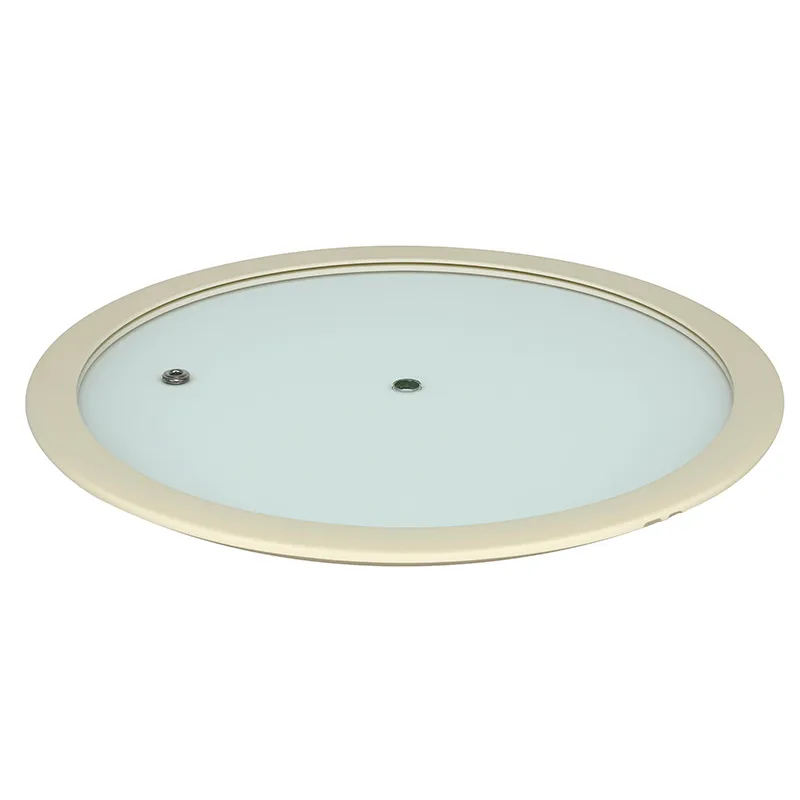
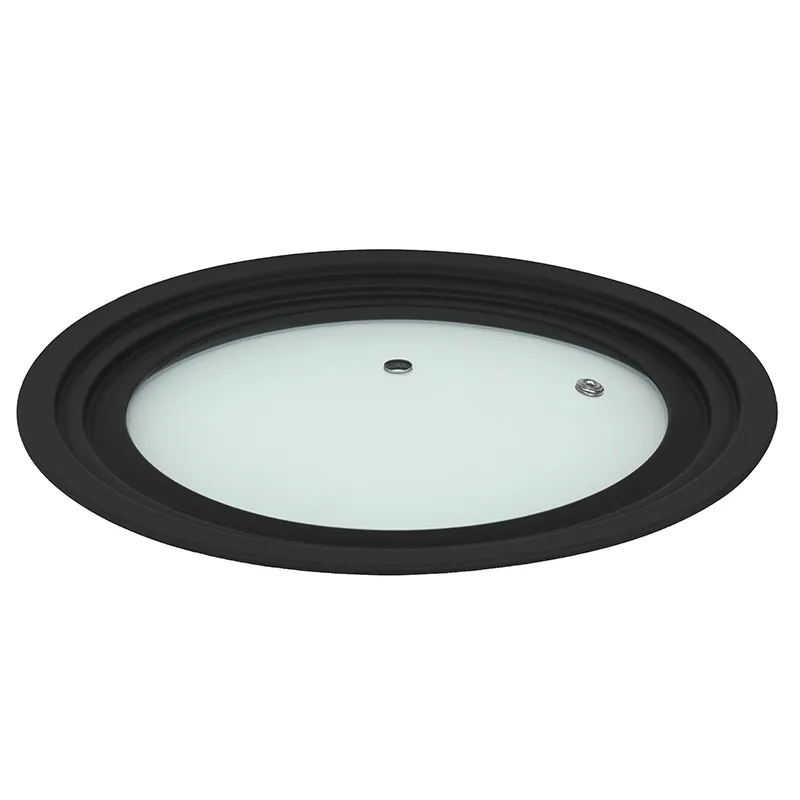
This supplier specializes in universal replacement lids that fit multiple pot diameters. Their product line includes adjustable silicone rims that create a tight seal on various materials, from stainless steel to ceramic.
Key Strength: Versatility and aftermarket potential. Excellent for retailers selling replacement parts or generic cookware sets.
Spotlight on Leading Manufacturing: EUR-ASIA COOKWARE CO., LTD.
While the list above highlights diverse specializations, EUR-ASIA COOKWARE CO., LTD. stands out as a premier example of a comprehensive manufacturer capable of bridging the gap between high-volume efficiency and customized quality. Located in the China National High-tech Development Zone in Taian City, Shandong Province, this specialized producer operates a substantial 20,000㎡ base with 15,000㎡ of built-up area.
With a workforce of over 90 employees, EUR-ASIA achieves an impressive annual output exceeding 15 million pieces of tempered glass lids and related kitchen accessories. Their versatility allows them to cater to low, medium, and high-level household glass product markets simultaneously. Notably, more than 90% of their production is exported to key global markets including Germany, Russia, Italy, France, Poland, Denmark, Spain, Switzerland, Brazil, Turkey, South Korea, and Japan, demonstrating robust international logistics capabilities.
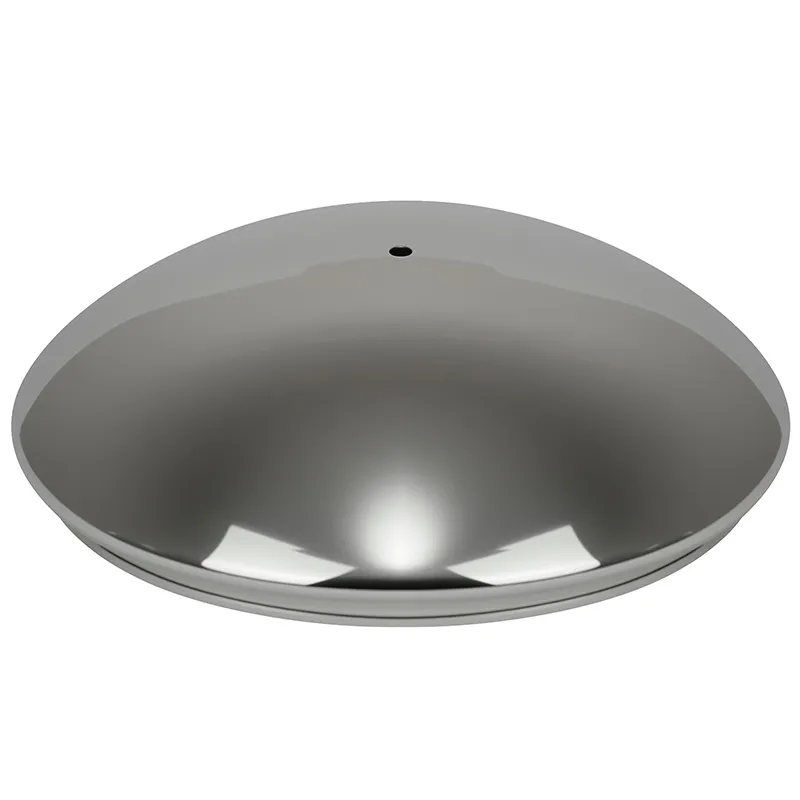
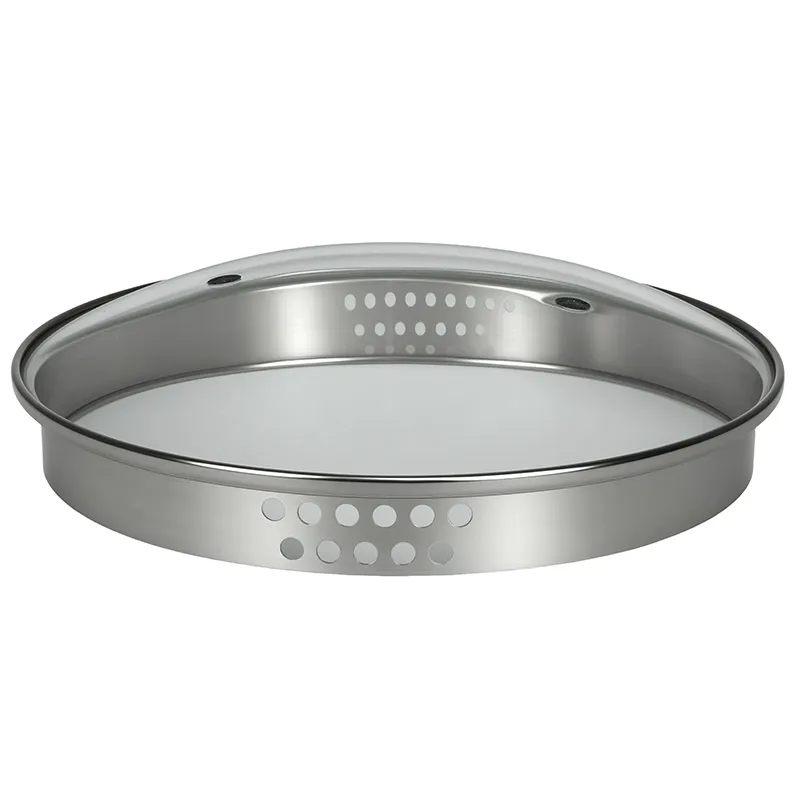
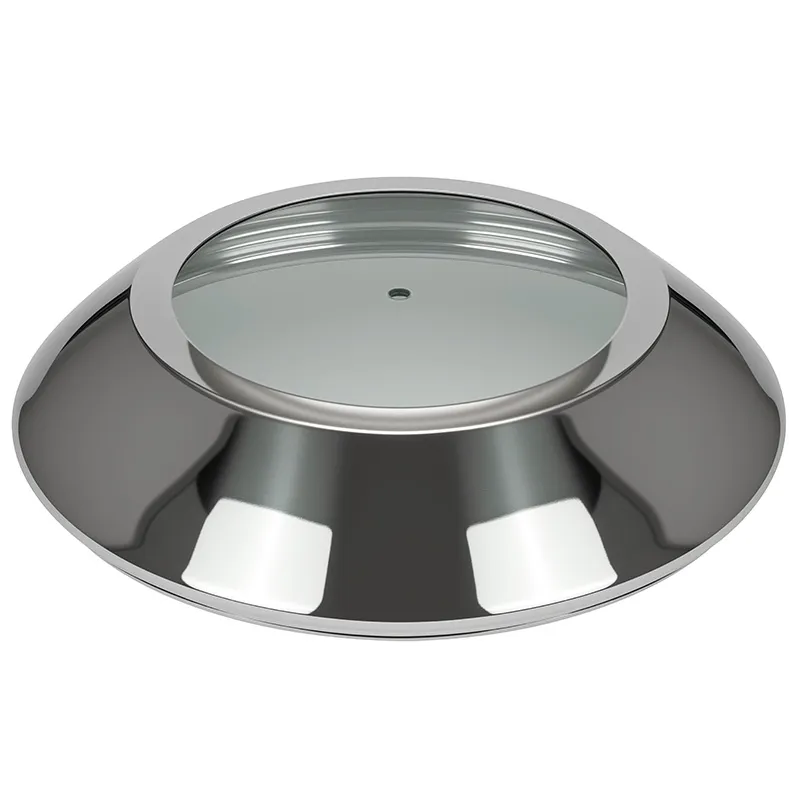
What sets EUR-ASIA apart is their ability to handle complex customization. They specialize in producing high-curvature, tall, flat, and other special-shaped glass covers tailored to specific customer demands. Furthermore, they offer precise logo printing services directly on the products, adding significant brand value for clients. Their commitment to quality is evidenced by their ISO9001 certification, along with LFGB and TUV certifications for their products, ensuring full compliance with stringent European and international safety standards. For buyers seeking a partner with proven scale, export experience, and technical flexibility, EUR-ASIA represents a strong candidate for 2026 sourcing strategies.
Tempered Glass Lid Price Guide and Cost Factors
Pricing for tempered glass lids in 2026 varies significantly based on specifications, order volume, and customization levels. Understanding the cost drivers helps buyers negotiate better terms and avoid hidden expenses.
The base price typically covers the raw glass material and the tempering process. However, additional features like silk-screen printing, specialized handles, or unique edge polishing add to the final unit cost. Raw material fluctuations in silica sand and energy costs also influence yearly pricing trends.
Below is a comparative overview of estimated price ranges per unit based on order quantity and complexity. Note that these are market estimates and actual quotes will vary by supplier.
| Order Volume | Standard Clear Lid | Printed/Custom Design | Premium with Silicone Rim |
|---|---|---|---|
| Small Batch (1k-5k) | $3.50 – $5.00 | $4.50 – $6.50 | $5.00 – $7.00 |
| Medium Batch (5k-20k) | $2.80 – $3.40 | $3.20 – $4.20 | $3.80 – $4.80 |
| Bulk Order (20k+) | $1.90 – $2.50 | $2.40 – $3.00 | $2.90 – $3.50 |
Bulk ordering consistently yields the lowest per-unit cost due to optimized furnace runs and reduced setup times. Buyers should also consider shipping costs, which can be substantial given the weight and fragility of glass products.
Quality Standards and Certification Requirements
When sourcing a tempered glass lid, verifying certifications is non-negotiable. Reputable suppliers must comply with international safety standards to ensure the product is safe for food contact and thermal shock.
The most common certification is ISO 9001, which guarantees consistent quality management. For food safety, look for FDA (USA) or LFGB (Germany) compliance. These certifications confirm that the glass does not leach harmful substances into food during heating.
Thermal shock resistance is another critical metric. High-quality lids should withstand temperature differentials of at least 150°C without cracking. Suppliers often provide test data demonstrating performance under rapid cooling conditions, such as placing a hot lid on a cold surface.
- Impact Resistance: Must pass drop tests from specified heights onto hard surfaces.
- Edge Quality: Edges should be smooth and seamed to prevent cutting hazards during handling.
- Optical Clarity: Free from bubbles, distortions, or visible defects that impair visibility.
- Fit Tolerance: Precise dimensions to ensure a snug fit on corresponding cookware.
Requesting sample units for independent third-party testing is a prudent step before committing to large orders. This validates the supplier’s claims and protects your brand from potential recalls.
Pros and Cons of Tempered Glass Lids vs. Alternatives
While tempered glass is the industry standard for many applications, it is important to weigh its advantages against other materials like stainless steel or plastic. This analysis helps determine if it fits your specific product line.
Advantages of Tempered Glass
The primary benefit is visibility. Users can monitor food without lifting the lid, preserving heat and moisture. This feature is highly valued in modern cooking techniques. Additionally, glass is non-porous and does not absorb odors or stains, ensuring long-term hygiene.
Safety is another major plus. The tempering process makes the glass up to five times stronger than regular glass. In the rare event of breakage, the harmless granular fragmentation minimizes injury risks compared to sharp shards.
Disadvantages and Limitations
Despite its strength, tempered glass is still breakable under extreme misuse or impact. It is heavier than plastic alternatives, which may increase shipping costs. Furthermore, once tempered, the glass cannot be cut or drilled, limiting post-production modifications.
Cost is also a factor. While affordable, tempered glass lids are generally more expensive to produce than simple metal covers. However, the perceived value they add to cookware sets often justifies the higher price point for consumers.
Applications and Market Trends for 2026
The application of tempered glass lid technology extends beyond traditional stovetop cookware. In 2026, we see expanding usage in smart kitchen appliances, air fryers, and modular storage systems.
Smart cookware integration is a growing trend. Lids are being designed with embedded sensors or compatible structures for digital monitoring devices. This requires precise engineering and high-quality glass to ensure signal transmission and heat resistance.
Aesthetic customization is also driving market growth. Consumers increasingly seek lids that match their kitchen decor, leading to demand for tinted glass, decorative patterns, and unique handle designs. Suppliers who offer low-minimum custom printing services are gaining a competitive edge.
Sustainability remains a dominant theme. Brands are shifting away from plastic components entirely, opting for all-glass or glass-and-silicone combinations. This aligns with the global push for recyclable and durable household goods.
How to Choose the Right Supplier: A Step-by-Step Guide
Navigating the supplier landscape requires a structured approach. Follow these steps to identify the best partner for your tempered glass lid needs.
- Define Specifications: Clearly outline diameter, thickness, handle type, and any custom printing requirements.
- Verify Certifications: Request copies of ISO, FDA, or LFGB certificates and validate them with the issuing bodies.
- Request Samples: Always test physical samples for fit, finish, and thermal performance before placing an order.
- Assess Production Capacity: Ensure the supplier can meet your volume needs within your timeline without compromising quality.
- Evaluate Communication: Choose a supplier who responds promptly and provides transparent updates on production status.
- Review Logistics: Discuss packaging methods to minimize breakage during transit and clarify Incoterms for shipping.
Taking time during the selection process prevents costly mistakes later. A reliable supplier acts as a partner, offering insights on design optimization and cost-saving opportunities.
Frequently Asked Questions (FAQ)
Can tempered glass lids go in the oven?
Yes, most tempered glass lids are oven-safe up to specific temperatures, typically around 400°F to 450°F (200°C to 230°C). However, always check the manufacturer’s guidelines, as handles made of plastic or certain metals may have lower heat limits.
What happens if a tempered glass lid breaks?
If broken, tempered glass shatters into small, dull pieces rather than sharp shards. This safety feature reduces the risk of severe cuts. Despite this, caution is still required when cleaning up broken glass.
Are tempered glass lids dishwasher safe?
Generally, yes. Tempered glass is resistant to the high temperatures and detergents used in dishwashers. However, repeated exposure to harsh detergents over many years may eventually affect the clarity or the attachment of the handle.
How long do tempered glass lids last?
With proper care, a high-quality tempered glass lid can last for many years, often outliving the cookware itself. Lifespan depends on usage frequency, handling, and avoidance of extreme thermal shocks.
Can I replace a broken lid with a universal one?
Universal lids with adjustable silicone rims are available and can fit a range of pot sizes. While convenient, they may not offer the same aesthetic cohesion or perfect fit as a model-specific replacement lid.
Conclusion and Next Steps for Buyers
Selecting the right tempered glass lid supplier in 2026 involves balancing cost, quality, and reliability. The top five suppliers identified in this guide, alongside established manufacturers like EUR-ASIA COOKWARE CO., LTD., offer diverse strengths ranging from premium customization to high-volume efficiency. By prioritizing certified quality and understanding pricing dynamics, buyers can secure products that enhance their brand value.
This guide is ideal for procurement managers, cookware brand owners, and retail buyers looking to optimize their supply chain. If you are launching a new product line or replacing existing stock, start by requesting samples from the shortlisted suppliers.
Take action today by defining your specific requirements and reaching out to these verified manufacturers. Investing time in thorough vetting now will ensure a steady supply of safe, durable, and attractive lids for your customers in the years to come.