- English
- Chinese
- French
- German
- Portuguese
- Spanish
- Russian
- Japanese
- Korean
- Arabic
- Irish
- Greek
- Turkish
- Italian
- Danish
- Romanian
- Indonesian
- Czech
- Afrikaans
- Swedish
- Polish
- Catalan
- Esperanto
- Hindi
- Lao
- Albanian
- Amharic
- Armenian
- Azerbaijani
- Belarusian
- Bengali
- Bosnian
- Bulgarian
- Cebuano
- Chichewa
- Corsican
- Croatian
- Dutch
- Estonian
- Filipino
- Finnish
- Frisian
- Galician
- Georgian
- Gujarati
- Haitian
- Hausa
- Hawaiian
- Hebrew
- Hmong
- Hungarian
- Icelandic
- Igbo
- Javanese
- Kannada
- Kazakh
- Khmer
- Kurdish
- Kyrgyz
- Latin
- Latvian
- Lithuanian
- Luxembou..
- Macedonian
- Malagasy
- Malay
- Malayalam
- Maltese
- Maori
- Marathi
- Mongolian
- Burmese
- Nepali
- Norwegian
- Pashto
- Persian
- Punjabi
- Serbian
- Sesotho
- Sinhala
- Slovak
- Slovenian
- Somali
- Samoan
- Scots Gaelic
- Shona
- Sindhi
- Sundanese
- Swahili
- Tajik
- Tamil
- Telugu
- Thai
- Ukrainian
- Urdu
- Uzbek
- Vietnamese
- Welsh
- Xhosa
- Yiddish
- Yoruba
- Zulu
- Kinyarwanda
- Tatar
- Oriya
- Turkmen
- Uyghur


Best Stainless Steel Cookware with Glass Lids: 2026 Top Picks
2026-10-31
- Why Glass Lids Define Modern Stainless Steel Cookware Performance
- Key Features to Evaluate in 2026 Cookware Sets
- Technical Comparison: Standard vs. Premium Glass Lids
- Manufacturing Excellence: The Role of Specialized Producers
- How to Choose the Right Cookware Set for Your Needs
- Common Mistakes to Avoid When Buying Cookware
- Maintenance and Care for Longevity
- Frequently Asked Questions (FAQ)
- Conclusion: Investing in Quality and Visibility
Best stainless steel cookware with glass lids combines the durability of tri-ply metal construction with the visual convenience of tempered glass. For 2026, the optimal choice prioritizes LFGB-certified safety, thermal shock resistance, and ergonomic steam venting. High-quality sets feature 18/10 stainless steel bodies paired with precision-fitted lids that maintain moisture while allowing real-time monitoring of cooking progress. This guide details technical specifications, material standards, and selection criteria for professional and home kitchens.
Why Glass Lids Define Modern Stainless Steel Cookware Performance
The integration of glass lids into stainless steel cookware sets is not merely an aesthetic choice; it is a functional upgrade that enhances cooking precision. Unlike solid metal lids, transparent covers allow chefs to monitor reduction, boiling intensity, and food color without lifting the lid. This minimizes heat loss and maintains consistent internal temperatures, which is critical for energy efficiency and recipe accuracy.
In 2026, the demand for best stainless steel cookware with glass lids has shifted toward hybrid designs that balance visibility with structural integrity. The primary challenge in manufacturing these lids lies in the bonding process between the glass and the stainless steel rim. A superior product uses high-grade tempered glass that can withstand rapid temperature changes, paired with a polished steel rim that ensures an airtight seal.
The Engineering Behind Tempered Glass Lids
Tempered glass used in premium cookware undergoes a thermal treatment process that increases its strength compared to standard annealed glass. This process involves heating the glass to over 600°C and then rapidly cooling it. The resulting surface compression makes the glass resistant to impacts and thermal shock.
- Thermal Stability: High-quality lids resist cracking when moved from a hot stove to a cool counter.
- Safety Fragmentation: If breakage occurs, tempered glass shatters into small, blunt cubes rather than sharp shards, reducing injury risk.
- Chemical Inertness: Glass does not react with acidic foods, ensuring no metallic taste transfers during long simmering sessions.
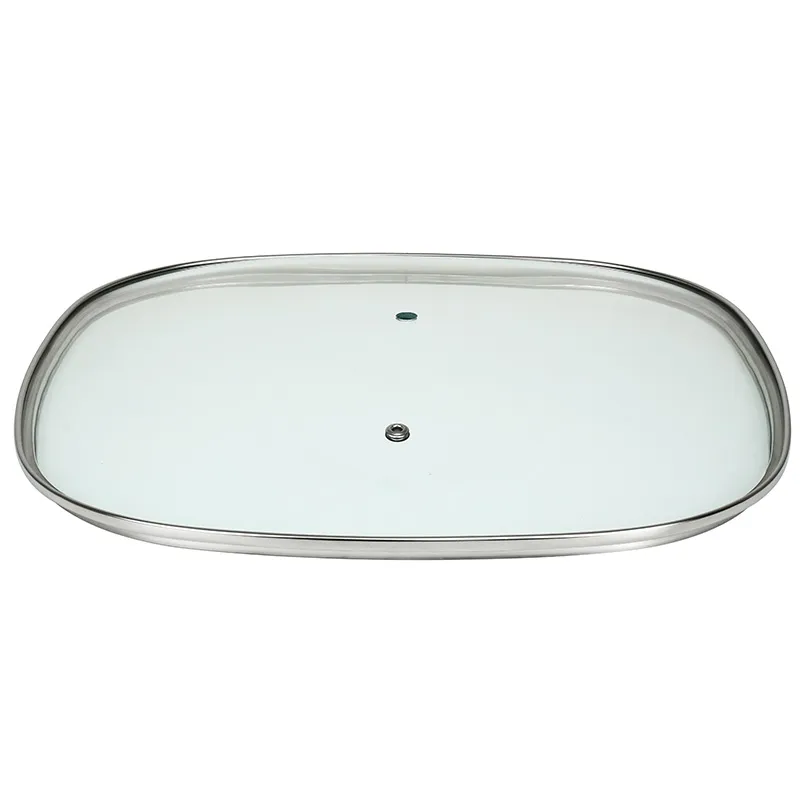
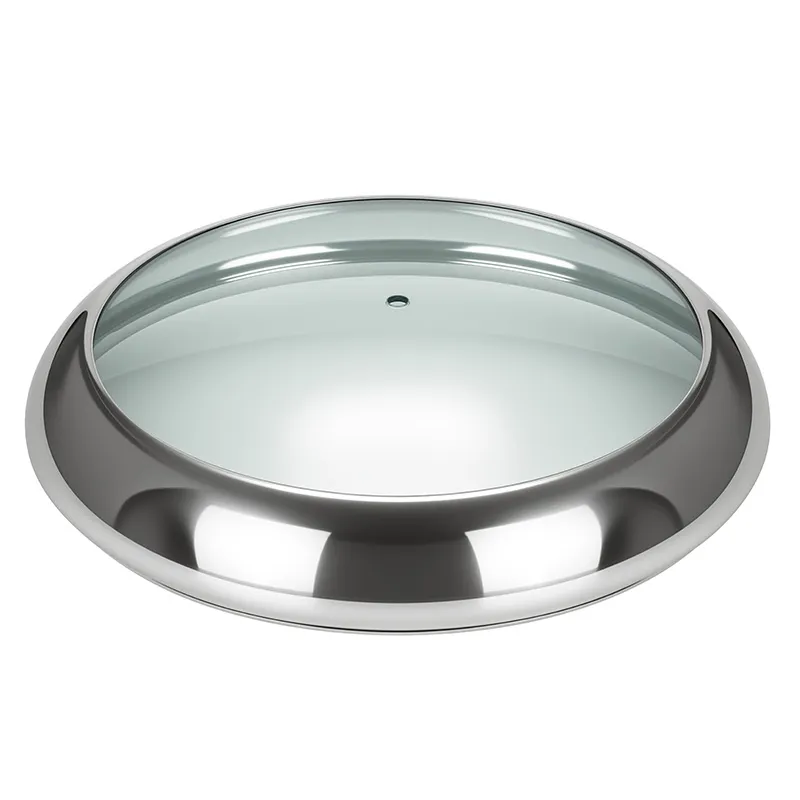
Manufacturers like EUR-ASIA COOKWARE CO.,LTD. have refined this process by producing over 15 million tempered glass lids annually. Their production base in Taian City, Shandong Province, utilizes advanced curvature technologies to create high-curvature and flat lids that fit diverse pot geometries. This scale of production ensures consistent quality control, adhering to strict international standards such as LFGB and TUV certifications.
Key Features to Evaluate in 2026 Cookware Sets
When selecting the best stainless steel cookware with glass lids, buyers must look beyond brand names and focus on material composition and manufacturing precision. The following technical attributes determine the longevity and performance of the set.
1. Stainless Steel Grade and Construction
The body of the cookware should be constructed from 18/10 or 18/8 stainless steel. The “18/10” designation indicates 18% chromium and 10% nickel content. Chromium provides corrosion resistance, while nickel enhances luster and durability. Lower grades, such as 18/0, are magnetic but prone to rusting and lack the premium finish expected in high-end kitchens.
Tri-ply construction is the industry standard for even heat distribution. This involves an aluminum or copper core sandwiched between two layers of stainless steel. The aluminum core conducts heat rapidly across the base and up the sides, eliminating hot spots that cause food to burn. The outer stainless steel layer provides durability, while the inner layer ensures food safety.
2. Lid Fit and Steam Venting
A critical yet often overlooked feature is the fit of the glass lid. The stainless steel rim surrounding the glass must be precisely welded and polished to sit flush against the pot’s rim. A poor fit allows excessive steam escape, leading to dried-out dishes.
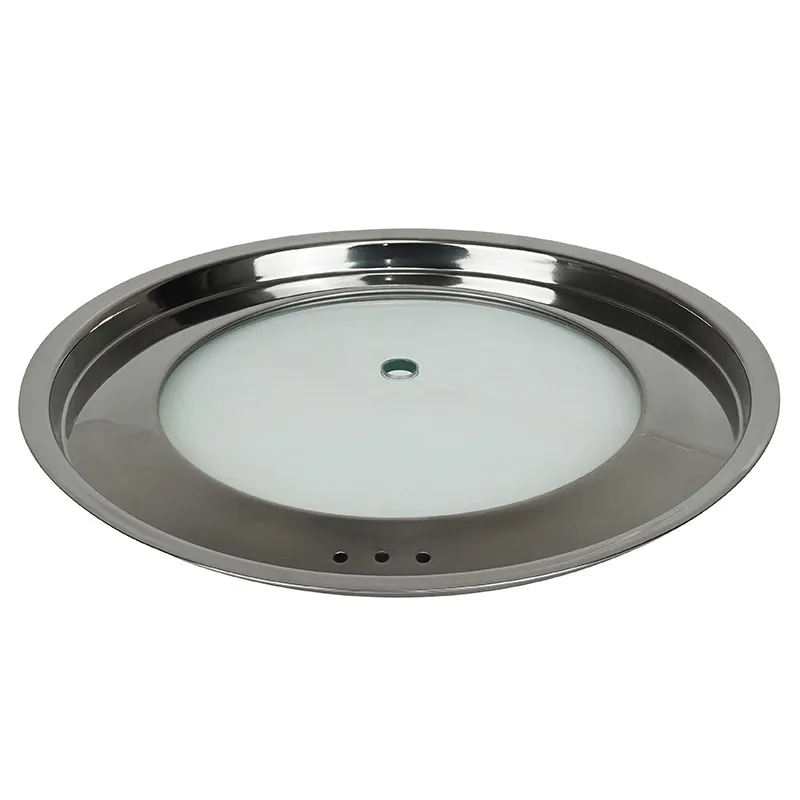
Additionally, modern glass lids incorporate self-basting systems or adjustable steam vents. These features allow controlled release of pressure, preventing boil-overs while retaining enough moisture to keep meats tender. EUR-ASIA COOKWARE specializes in customizing these venting mechanisms, offering solutions that range from simple holes to complex adjustable valves, depending on client requirements.
3. Handle Ergonomics and Heat Resistance
Glass lids require sturdy handles that remain cool to the touch. Stainless steel handles are durable but can conduct heat if not properly designed. Hollow-core handles or those with silicone inserts provide better insulation. The attachment point between the handle and the glass lid is a stress point; reinforced riveting or high-temperature adhesive bonding is essential to prevent detachment during heavy use.
Technical Comparison: Standard vs. Premium Glass Lids
Understanding the difference between entry-level and premium glass lids helps in making an informed purchasing decision. The table below outlines the key distinctions in materials, safety standards, and performance.
| Feature | Standard Glass Lid | Premium Tempered Glass Lid |
|---|---|---|
| Material Thickness | 3mm – 4mm | 5mm – 7mm |
| Thermal Shock Resistance | Limited (Risk of cracking) | High (Withstands rapid temp changes) |
| Rim Construction | Thin, stamped steel | Thick, polished, seamless weld |
| Safety Certification | Basic Food Grade | LFGB, TUV, ISO9001 |
| Steam Vent Design | Simple hole | Adjustable or self-basting |
| Clarity Over Time | May cloud with hard water | High-transparency, easy clean |
Premium manufacturers, such as EUR-ASIA COOKWARE CO.,LTD., prioritize the thicker, 5mm+ tempered glass options that pass rigorous LFGB tests. These certifications are particularly important for exports to stringent markets like Germany, France, and Japan, where chemical migration limits are strictly enforced. With over 90% of their products exported to Europe and Asia, their adherence to these standards ensures global compatibility and safety.
Manufacturing Excellence: The Role of Specialized Producers
The quality of stainless steel cookware with glass lids is heavily dependent on the manufacturing capabilities of the supplier. Not all factories possess the technology to produce high-curvature or special-shaped glass covers that fit modern, ergonomic pot designs.
EUR-ASIA COOKWARE CO.,LTD. exemplifies the specialized expertise required in this niche. Located in the China National High-tech Development Zone in Taian City, their 20,000㎡ production facility is equipped to handle complex customization. Unlike generic suppliers, they offer tailored solutions for high-curvature, tall, and flat glass covers. This flexibility is crucial for brands looking to differentiate their product lines in a crowded market.
Customization and Branding Capabilities
For B2B buyers and private label brands, the ability to customize the product is a significant advantage. EUR-ASIA supports logo printing directly on the glass or metal components, allowing for seamless brand integration. Their annual output of over 15 million pieces demonstrates a capacity to meet large-scale demands without compromising on lead times or quality consistency.
The company’s ISO9001 certification further validates their commitment to quality management systems. This ensures that every batch of glass lids meets uniform standards for thickness, transparency, and structural integrity. For businesses importing from China, partnering with a certified manufacturer reduces the risk of defective shipments and ensures compliance with international trade regulations.
How to Choose the Right Cookware Set for Your Needs
Selecting the best stainless steel cookware with glass lids depends on your cooking habits, kitchen setup, and maintenance preferences. Use the following criteria to narrow down your options.
1. Assess Your Cooking Style
If you frequently braise meats or simmer sauces, a tight-fitting glass lid with a self-basting design is ideal. For quick boiling tasks like pasta or vegetables, a lid with a larger steam vent prevents pressure buildup. Consider the weight of the lid as well; heavier glass lids provide better sealing but may be cumbersome for daily use.
2. Check Compatibility with Induction Cooktops
While the glass lid itself is not magnetic, the stainless steel pot must be induction-compatible. Ensure the base of the cookware contains a magnetic stainless steel layer (18/0 grade) or an aluminum core encapsulated in magnetic steel. Most high-quality tri-ply sets are compatible with all heat sources, including induction, gas, and electric.
3. Evaluate Maintenance Requirements
Glass lids are generally dishwasher safe, but hand washing is recommended to preserve the clarity of the glass and the polish of the steel rim. Avoid using abrasive scrubbers on the glass surface, as micro-scratches can weaken the structural integrity over time. Look for lids with smooth, crevice-free rims where food particles are less likely to accumulate.
Common Mistakes to Avoid When Buying Cookware
Even experienced buyers can fall prey to marketing hype. Here are common pitfalls to avoid when purchasing stainless steel cookware with glass lids.
- Ignoring Rim Quality: A poorly finished steel rim can chip or rust, compromising the seal. Always inspect the weld joint between the glass and the metal.
- Overlooking Weight Balance: A lid that is too heavy for the pot can make handling difficult, especially when the pot is full. Ensure the handle and lid weight are balanced.
- Assuming All Tempered Glass is Equal: Not all tempered glass offers the same level of thermal shock resistance. Verify certifications like TUV or LFGB to ensure safety standards are met.
- Neglecting Steam Vent Functionality: A lid without adequate venting can cause dangerous pressure buildup or messy boil-overs. Check for well-designed vent holes or adjustable mechanisms.
Maintenance and Care for Longevity
To maximize the lifespan of your stainless steel cookware and glass lids, proper care is essential. While stainless steel is durable, it is not indestructible. Glass lids, though tempered, require careful handling to prevent accidental breakage.
Cleaning Best Practices
Allow cookware to cool before washing. Sudden temperature changes, such as placing a hot pot under cold water, can warp the metal base and stress the glass lid. Use mild dish soap and a soft sponge for routine cleaning. For stubborn stains or discoloration on the stainless steel, a mixture of vinegar and water or a specialized stainless steel cleaner can restore shine.
Storage Tips
Stacking pots and pans can scratch the interior surface and chip the glass lids. Use protective liners or felt pads between stacked items. If space allows, store glass lids separately or upright to reduce the risk of impact damage. Avoid hanging glass lids by their handles if the hooks are too tight, as this can create stress points on the glass.
Frequently Asked Questions (FAQ)
Are glass lids safe for high-heat cooking?
Yes, tempered glass lids are designed to withstand high temperatures typically encountered in home cooking. However, they should not be exposed to direct open flames or broiler elements. Always use them on stovetops or in ovens within the manufacturer’s specified temperature limits, usually up to 200°C – 250°C.
Can I put stainless steel cookware with glass lids in the oven?
Most stainless steel pots are oven-safe, but the glass lid’s suitability depends on its construction. Check the specific product guidelines. Generally, tempered glass lids with stainless steel rims are oven-safe up to a certain temperature. Ensure any plastic or silicone components on the handle are also heat-resistant.
Why does my glass lid cloud over time?
Cloudiness is often caused by mineral deposits from hard water or residue from food oils. To remove this, soak the lid in a solution of equal parts white vinegar and water, then scrub gently with a non-abrasive pad. Regular drying immediately after washing can also prevent water spots.
What is the benefit of LFGB certification for cookware?
LFGB (German Food and Feed Code) certification ensures that materials in contact with food do not release harmful substances in quantities that could endanger human health. It is one of the strictest food safety standards globally. Choosing cookware with LFGB certification guarantees higher safety levels, particularly for glass and metal components.
How do I know if the glass lid fits my pot correctly?
A correct fit means the lid sits snugly on the rim without wobbling. There should be minimal gap between the glass rim and the pot edge. If steam escapes excessively from the sides rather than the vent, the fit may be improper. Custom manufacturers like EUR-ASIA COOKWARE can produce lids to exact dimensions to ensure a perfect fit for specific pot models.
Conclusion: Investing in Quality and Visibility
The search for the best stainless steel cookware with glass lids in 2026 leads to products that marry robust engineering with user-centric design. The combination of tri-ply stainless steel bodies and high-grade tempered glass lids offers the ultimate cooking experience: even heat distribution, durability, and visual control. By prioritizing certifications like LFGB and TUV, and choosing manufacturers with proven expertise in glass processing, buyers ensure both safety and performance.
For businesses and distributors, partnering with a specialized producer like EUR-ASIA COOKWARE CO.,LTD. provides a competitive edge. Their ability to customize shapes, curvatures, and branding, backed by a massive annual output and ISO9001 certification, makes them a reliable source for high-quality kitchen accessories. Whether for home use or commercial distribution, investing in premium glass-lidded cookware is a decision that pays off in longevity and culinary results.
To explore customized solutions or request detailed specifications for tempered glass lids and stainless steel cookware accessories, visit our product page for direct inquiries and cooperation opportunities.