- English
- Chinese
- French
- German
- Portuguese
- Spanish
- Russian
- Japanese
- Korean
- Arabic
- Irish
- Greek
- Turkish
- Italian
- Danish
- Romanian
- Indonesian
- Czech
- Afrikaans
- Swedish
- Polish
- Catalan
- Esperanto
- Hindi
- Lao
- Albanian
- Amharic
- Armenian
- Azerbaijani
- Belarusian
- Bengali
- Bosnian
- Bulgarian
- Cebuano
- Chichewa
- Corsican
- Croatian
- Dutch
- Estonian
- Filipino
- Finnish
- Frisian
- Galician
- Georgian
- Gujarati
- Haitian
- Hausa
- Hawaiian
- Hebrew
- Hmong
- Hungarian
- Icelandic
- Igbo
- Javanese
- Kannada
- Kazakh
- Khmer
- Kurdish
- Kyrgyz
- Latin
- Latvian
- Lithuanian
- Luxembou..
- Macedonian
- Malagasy
- Malay
- Malayalam
- Maltese
- Maori
- Marathi
- Mongolian
- Burmese
- Nepali
- Norwegian
- Pashto
- Persian
- Punjabi
- Serbian
- Sesotho
- Sinhala
- Slovak
- Slovenian
- Somali
- Samoan
- Scots Gaelic
- Shona
- Sindhi
- Sundanese
- Swahili
- Tajik
- Tamil
- Telugu
- Thai
- Ukrainian
- Urdu
- Uzbek
- Vietnamese
- Welsh
- Xhosa
- Yiddish
- Yoruba
- Zulu
- Kinyarwanda
- Tatar
- Oriya
- Turkmen
- Uyghur

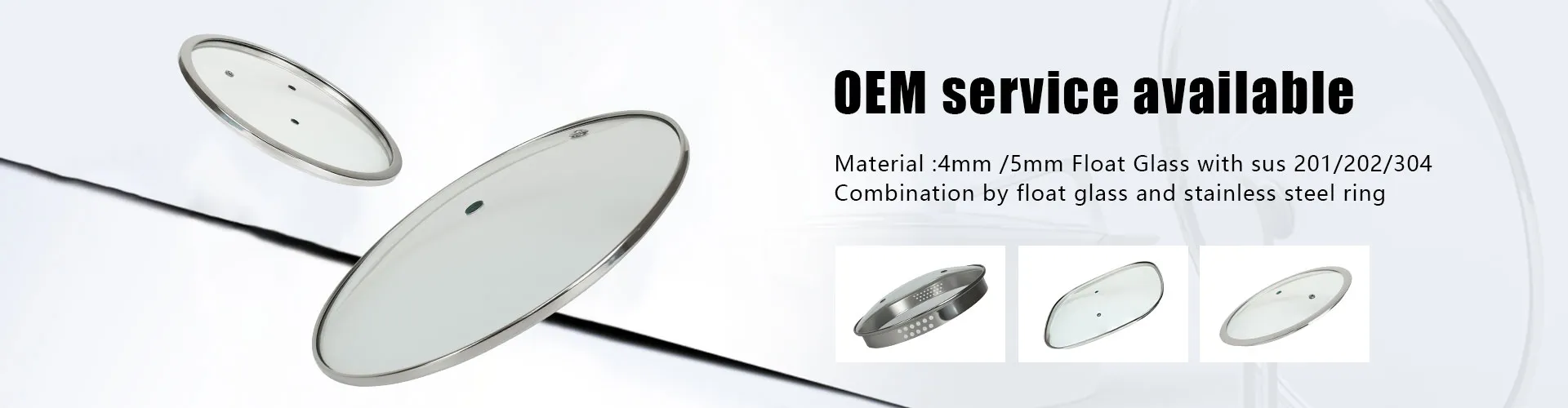
Buy 12 Inch Glass Lid – Wholesale Price from Manufacturer
2026-10-17
- Why Choose a 12 Inch Tempered Glass Lid for Commercial Cookware?
- Technical Specifications and Manufacturing Standards
- Customization Options for Brand Differentiation
- Procurement Strategy: Sourcing from the Manufacturer
- Common Applications and Market Trends
- FAQ: Frequently Asked Questions About 12 Inch Glass Lids
- Maintenance and Care Instructions for End Users
- Conclusion: Partnering for Quality and Growth
A 12 inch glass lid is a premium cookware component designed to fit pots and pans with a 30-32cm diameter, offering superior heat retention, shatter resistance, and visual monitoring capabilities. For B2B buyers, sourcing these lids directly from a certified manufacturer ensures compliance with international safety standards like LFGB and TUV, while providing customization options for branding and specific curvature requirements. This guide details technical specifications, manufacturing quality controls, and wholesale procurement strategies for high-volume orders.
Why Choose a 12 Inch Tempered Glass Lid for Commercial Cookware?
The 12-inch size represents a critical junction in cookware design, bridging the gap between standard household saucepans and larger family-sized stockpots. In the professional and retail sectors, the demand for this specific dimension has grown due to its versatility in multi-purpose cooking applications. Unlike metal lids, which trap steam completely and obscure the cooking process, a tempered glass lid allows chefs and home cooks to monitor food without lifting the cover, thereby maintaining consistent internal temperatures.
From a manufacturing perspective, producing a 12 inch glass lid requires precise engineering. The thermal expansion coefficient of the glass must be carefully controlled to prevent breakage during rapid temperature changes. High-quality lids undergo tempering processes that increase their mechanical strength by four to five times compared to ordinary annealed glass. This durability is non-negotiable for exporters targeting markets in Germany, France, and Japan, where consumer safety regulations are stringent.
Key Advantages of Tempered Glass Over Standard Materials
- Thermal Stability: Tempered glass withstands temperature differences of up to 120°C, making it suitable for both stovetop cooking and oven use (excluding direct flame contact on the glass).
- Chemical Inertness: Unlike some plastic or low-grade metal components, high-quality glass does not react with acidic foods, ensuring no alteration in taste or safety hazards.
- Aesthetic Appeal: The transparency and sleek finish of a 12 inch glass lid enhance the visual appeal of the cookware set, a key selling point for retail packaging.
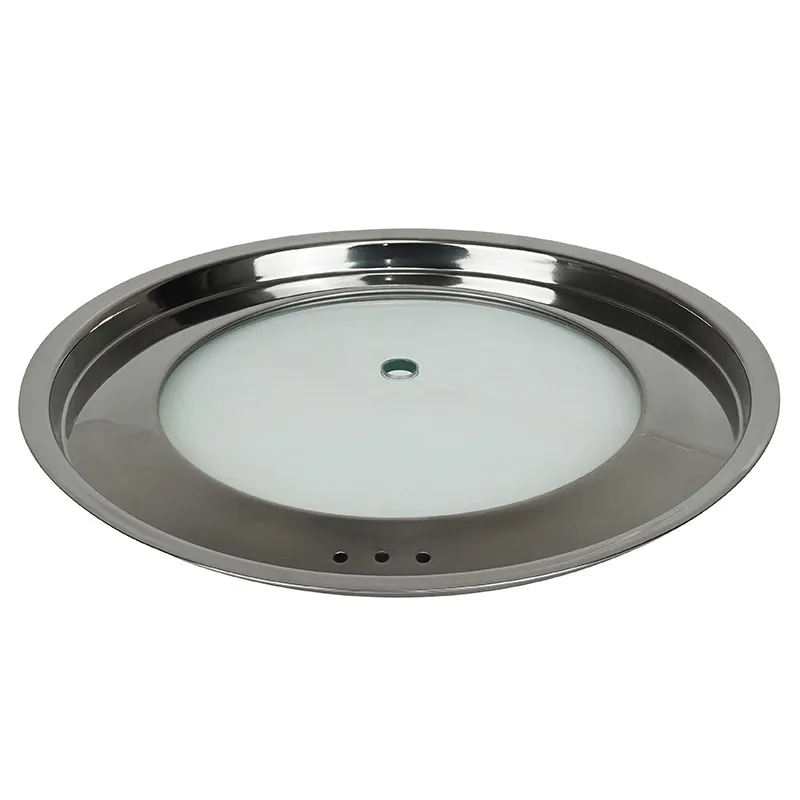
- Steam Ventilation Control: Most 12-inch lids feature a precisely engineered steam vent hole, allowing excess pressure to escape while retaining moisture, crucial for braising and simmering.
Technical Specifications and Manufacturing Standards
When evaluating suppliers for a 12 inch glass lid, technical parameters are the primary indicator of quality. A lid that looks identical to the naked eye may fail under stress if the raw material composition or tempering duration is substandard. Buyers must verify that the manufacturer adheres to ISO9001 quality management systems, ensuring consistency across large production batches.
At EUR-ASIA COOKWARE CO.,LTD., located in the Taian City National High-tech Development Zone, production protocols are designed to meet these rigorous demands. With an annual output exceeding 15 million pieces, the facility utilizes advanced tempering furnaces that ensure uniform stress distribution across the glass surface. This capability is essential for producing lids that pass drop tests and thermal shock tests required by European and North American retailers.
Critical Dimensions and Tolerances
| Parameter | Standard Specification | Importance for B2B Buyers |
|---|---|---|
| Diameter | 300mm – 320mm (12 inches) | Must match pot rim tolerance within ±1mm to ensure a snug fit. |
| Thickness | 4mm – 6mm | Thicker glass (5-6mm) offers better insulation and durability for premium lines. |
| Handle Material | Stainless Steel, Bakelite, or Silicone | Heat resistance up to 220°C is required for oven-safe certifications. |
| Edge Polishing | Seamed or Flat Polish | Smooth edges prevent chipping during shipping and handling. |
| Certification | LFGB, TUV, ISO9001 | Mandatory for export to EU and highly regulated markets. |
The Role of Certifications in Global Trade
Exporting kitchenware to countries like Italy, Spain, Switzerland, and South Korea requires more than just competitive pricing; it demands documented safety compliance. The LFGB (Food and Feed Code) certification is particularly critical for the German market, testing for heavy metal migration and overall food safety. Similarly, TUV certification provides an independent verification of product safety and quality.
EUR-ASIA COOKWARE CO.,LTD. has successfully passed these certifications, enabling over 90% of its products to be exported globally. For buyers, partnering with a certified manufacturer reduces the risk of customs rejection and liability issues. It also signals to end-consumers that the product meets high international safety standards, enhancing brand trust.
Customization Options for Brand Differentiation
In the competitive cookware market, generic products often struggle to maintain margin levels. Customization allows brands to differentiate their offerings. A 12 inch glass lid is not a one-size-fits-all component; it can be tailored to match specific brand aesthetics and functional requirements.
Logo Printing and Branding
One of the most effective ways to build brand recognition is through logo printing on the glass lid or the handle. Modern screen printing and laser engraving technologies allow for high-resolution, durable branding that withstands repeated washing and heating cycles. Manufacturers can apply logos to the glass surface using high-temperature resistant inks, ensuring the design remains intact throughout the product’s lifecycle.
Shape and Curvature Variations
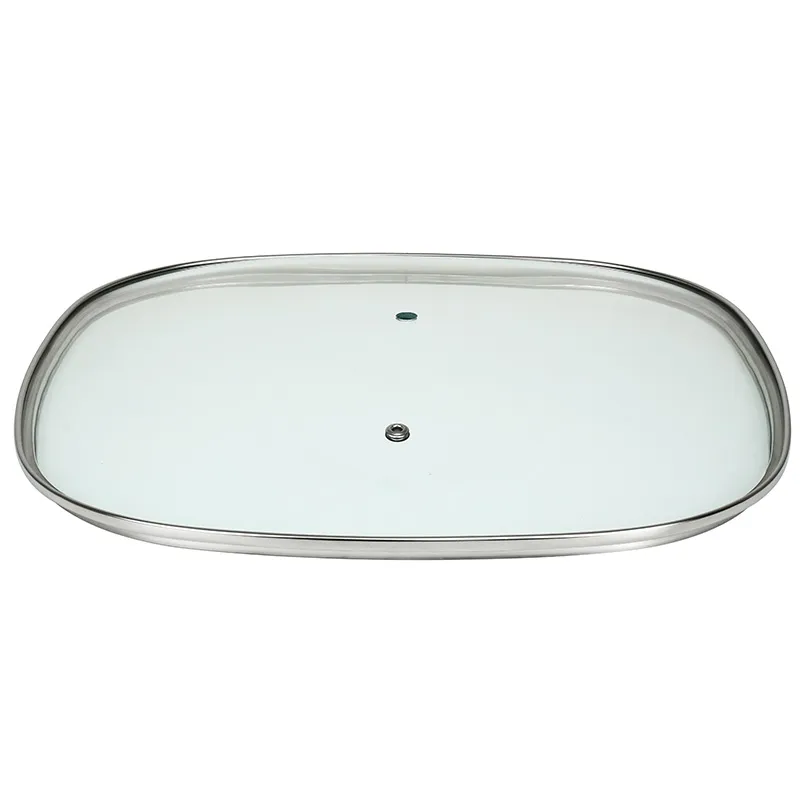
Not all 12-inch pots are flat. Some designs require high-curvature lids for woks or deep stockpots, while others need flat lids for modern induction-compatible pans. EUR-ASIA COOKWARE CO.,LTD. specializes in producing high curvature, tall, flat, and other special-shaped glass covers according to customer demand. This flexibility is supported by a dedicated R&D team and flexible production lines capable of adjusting molds quickly.
- Flat Lids: Ideal for contemporary, minimalist cookware sets. They stack easily and fit flush with the pot rim.
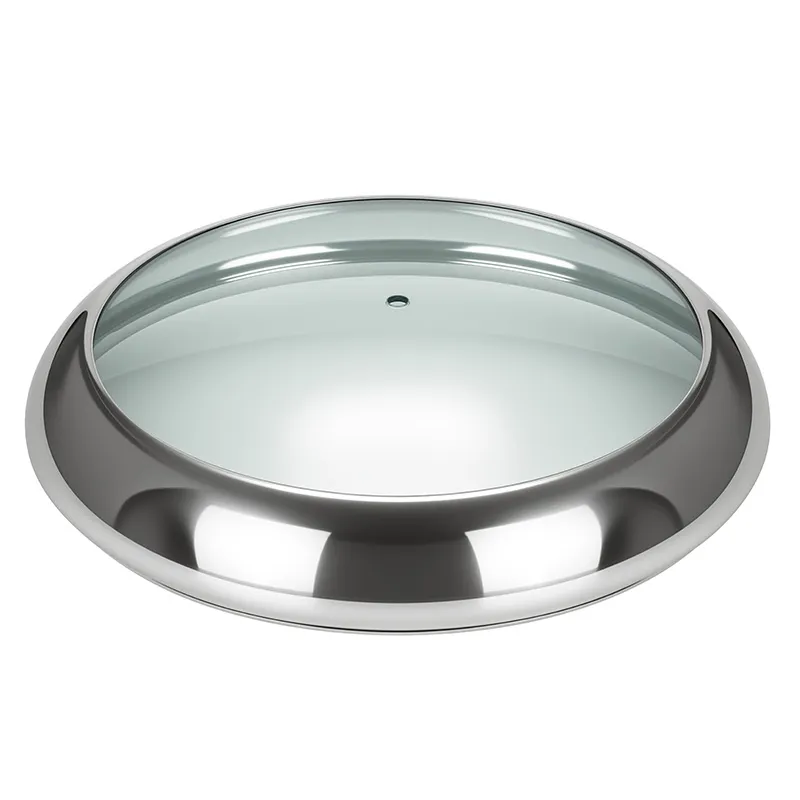
- High Curvature/Dome Lids: Provide additional internal volume, useful for roasting whole chickens or large cuts of meat without touching the lid.
- Special Shapes: Custom molds can be created for unique pot designs, ensuring a perfect seal and aesthetic harmony.
Procurement Strategy: Sourcing from the Manufacturer
Buying wholesale directly from a manufacturer offers significant advantages over trading companies, including lower costs, better communication regarding technical specs, and faster response times for custom orders. However, selecting the right partner requires due diligence.
Evaluating Production Capacity and Lead Times
For large retailers or distributors, supply chain reliability is paramount. A manufacturer with a substantial production base, such as the 20,000㎡ facility operated by EUR-ASIA COOKWARE CO.,LTD., demonstrates the capacity to handle bulk orders without compromising quality. With more than 90 employees and an annual output of over 15 million pieces, the company can scale production to meet seasonal demands, such as the pre-holiday rush in Western markets.
Quality Control Processes
Effective quality control (QC) involves multiple stages:
- Raw Material Inspection: Ensuring the glass sheets are free from bubbles, impurities, and internal stresses before tempering.
- Tempering Monitoring: Real-time monitoring of furnace temperatures to ensure proper hardening.
- Visual Inspection: Checking for scratches, edge chips, and print quality.
- Functional Testing: Random sampling for drop tests, thermal shock tests, and handle adhesion strength.
This multi-layered QC approach minimizes defect rates, reducing the cost of returns and replacements for buyers. It also ensures that every 12 inch glass lid shipped meets the agreed-upon specifications.
Common Applications and Market Trends
The 12 inch glass lid is versatile, fitting into various market segments. Understanding these applications helps buyers target the right customer base.
Residential Cookware Sets
This is the largest segment. Consumers prefer glass lids for their ability to monitor cooking progress. The trend towards healthy cooking, where users want to see the texture and color of food without adding extra oil or lifting the lid, drives demand. Markets in Brazil, Turkey, and Poland have shown increasing interest in mid-to-high-end glass lid sets.
Commercial and Hospitality Sector
Restaurants and catering services value durability and ease of cleaning. Tempered glass lids are dishwasher safe and resistant to staining, making them ideal for high-volume kitchens. The ability to customize logos also appeals to hotel chains looking for branded kitchenware.
OEM and Private Label Opportunities
Many successful kitchenware brands do not manufacture their own products. Instead, they partner with specialized manufacturers like EUR-ASIA COOKWARE CO.,LTD. to produce private label goods. This model allows brands to focus on marketing and distribution while leveraging the manufacturer’s expertise in production and compliance.
FAQ: Frequently Asked Questions About 12 Inch Glass Lids
What is the difference between tempered and non-tempered glass lids?
Tempered glass is heat-treated to increase its strength and resistance to thermal shock. Non-tempered (annealed) glass is weaker and can shatter easily when exposed to sudden temperature changes. For cookware, tempered glass is the industry standard due to safety reasons.
Can a 12 inch glass lid be used in the oven?
Yes, most tempered glass lids are oven-safe up to certain temperatures (typically around 200-220°C). However, the handle material must also be oven-safe. Stainless steel handles are generally safe, while some plastic or bakelite handles may have lower heat resistance limits. Always check the specific product specifications.
How do I ensure the lid fits my pot?
Measure the inner diameter of the pot’s rim. A 12 inch lid is designed for pots with a rim diameter of approximately 30-32cm. If the pot has a rolled rim, the lid should sit securely on the outer edge. For precise OEM fitting, provide the manufacturer with detailed drawings or physical samples.
Is it possible to order custom shapes?
Yes, manufacturers with advanced molding capabilities can produce custom shapes, including high curvature, flat, or irregular designs. This usually requires a minimum order quantity (MOQ) to cover the cost of mold creation. EUR-ASIA COOKWARE CO.,LTD. offers this service based on customer demand.
What certifications are needed for exporting to Europe?
For Europe, LFGB (Germany) and general EU food contact material regulations are essential. TUV certification adds an extra layer of trust. ISO9001 certification indicates that the manufacturer has a robust quality management system in place.
Maintenance and Care Instructions for End Users
Providing care instructions to end-users can reduce warranty claims and improve customer satisfaction. Including these tips in product packaging or marketing materials adds value.
- Avoid Thermal Shock: Do not place a hot glass lid on a cold, wet surface or under cold water immediately after cooking. Allow it to cool naturally.
- Handle with Care: While tempered glass is strong, it can break if dropped on a hard surface. Avoid striking the edges against metal pots.
- Cleaning: Use non-abrasive sponges to prevent scratching the glass surface. Dishwashers are generally safe, but hand washing extends the life of the handle and print.
- Inspection: Regularly check for chips or cracks. If any damage is found, replace the lid immediately to prevent potential breakage during use.
Conclusion: Partnering for Quality and Growth
Sourcing a 12 inch glass lid is more than a transaction; it is a strategic decision that impacts product quality, brand reputation, and customer safety. By choosing a manufacturer with proven expertise, robust certifications, and flexible customization capabilities, buyers can secure a competitive edge in the global cookware market.
EUR-ASIA COOKWARE CO.,LTD. stands out as a reliable partner, combining large-scale production capacity with strict adherence to international standards like LFGB and TUV. With a track record of exporting to diverse markets including Germany, Japan, and Brazil, the company offers the stability and quality assurance needed for long-term business relationships.
Whether you are launching a new private label line or replenishing stock for existing products, prioritizing quality and compliance is key. Explore our range of tempered glass solutions and discover how our customized manufacturing services can meet your specific needs.
→ Ready to optimize your supply chain? Contact us today to request a quote, discuss custom mold options, or schedule a virtual tour of our Taian production facility. Let us help you deliver superior cookware experiences to your customers.