- English
- Chinese
- French
- German
- Portuguese
- Spanish
- Russian
- Japanese
- Korean
- Arabic
- Irish
- Greek
- Turkish
- Italian
- Danish
- Romanian
- Indonesian
- Czech
- Afrikaans
- Swedish
- Polish
- Catalan
- Esperanto
- Hindi
- Lao
- Albanian
- Amharic
- Armenian
- Azerbaijani
- Belarusian
- Bengali
- Bosnian
- Bulgarian
- Cebuano
- Chichewa
- Corsican
- Croatian
- Dutch
- Estonian
- Filipino
- Finnish
- Frisian
- Galician
- Georgian
- Gujarati
- Haitian
- Hausa
- Hawaiian
- Hebrew
- Hmong
- Hungarian
- Icelandic
- Igbo
- Javanese
- Kannada
- Kazakh
- Khmer
- Kurdish
- Kyrgyz
- Latin
- Latvian
- Lithuanian
- Luxembou..
- Macedonian
- Malagasy
- Malay
- Malayalam
- Maltese
- Maori
- Marathi
- Mongolian
- Burmese
- Nepali
- Norwegian
- Pashto
- Persian
- Punjabi
- Serbian
- Sesotho
- Sinhala
- Slovak
- Slovenian
- Somali
- Samoan
- Scots Gaelic
- Shona
- Sindhi
- Sundanese
- Swahili
- Tajik
- Tamil
- Telugu
- Thai
- Ukrainian
- Urdu
- Uzbek
- Vietnamese
- Welsh
- Xhosa
- Yiddish
- Yoruba
- Zulu
- Kinyarwanda
- Tatar
- Oriya
- Turkmen
- Uyghur


Buy Staub Cocotte Glass Lid Replacement | Official Parts
2026-10-16
- Why Replace Your Staub Cocotte Lid with Glass?
- Understanding Sizing and Compatibility for Staub Cocottes
- Material Standards: Tempered vs. Borosilicate Glass
- Manufacturing Excellence: How EUR-ASIA COOKWARE Ensures Quality
- Step-by-Step Guide to Selecting the Right Replacement
- Common Mistakes to Avoid When Buying Glass Lids
- Maintenance and Care for Your Glass Lid
- FAQ: Frequently Asked Questions About Staub Cocotte Glass Lids
- Application Scenarios for Glass Lids in Professional Kitchens
- Why Choose EUR-ASIA COOKWARE for Your Replacement Needs?
- Conclusion: Secure the Perfect Fit for Your Cookware
Looking for a high-quality Staub cocotte glass lid replacement? Whether your original lid has cracked, chipped, or you simply prefer the visibility of glass for monitoring cooking progress, finding the right fit is critical. A proper replacement ensures heat retention, safety, and seamless compatibility with your enameled cast iron cookware. This guide details sizing standards, material specifications, and sourcing strategies to help you secure a durable, heat-resistant glass lid that matches your Staub cocotte perfectly.
Why Replace Your Staub Cocotte Lid with Glass?
The traditional Staub cocotte comes with a heavy, enameled cast iron lid featuring self-basting spikes. While excellent for moisture retention, many home cooks and professional chefs prefer a glass lid for specific culinary tasks. The primary advantage is visibility. With a transparent lid, you can monitor simmering sauces, melting cheeses, or rising doughs without lifting the lid and releasing precious heat and steam.
However, not all glass lids are created equal. When seeking a Staub cocotte glass lid, you must prioritize thermal shock resistance and precise dimensional fit. Standard household glass cannot withstand the high temperatures of cast iron cooking. Therefore, replacements must be manufactured from high-borosilicate or tempered glass, capable of enduring rapid temperature changes without shattering.
The Functional Benefits of Glass Lids in Cast Iron Cooking
- Visual Monitoring: Observe reduction levels in sauces or the browning of meats without interrupting the cooking process.
- Lightweight Handling: Glass lids are significantly lighter than cast iron lids, making them easier to handle when checking food frequently.
- Versatility: Ideal for tasks like steaming vegetables, melting chocolate, or keeping food warm on the stovetop where constant visual checks are beneficial.
Understanding Sizing and Compatibility for Staub Cocottes
The most common challenge when buying a Staub cocotte glass lid replacement is ensuring the correct size. Staub cocottes are measured by their diameter in centimeters (e.g., 20cm, 24cm, 28cm). However, the lid’s fit depends on both the outer diameter and the inner rim structure.
Unlike the original cast iron lids which sit snugly inside the rim, glass lids often rest on top of the pot’s edge or have a specific silicone or metal rim to create a seal. It is crucial to measure your cocotte accurately before purchasing. Measure the outer diameter of the pot’s opening, not the bottom. For example, a “24cm” Staub cocotte typically has an outer rim diameter of approximately 24-25cm. A replacement glass lid should match this dimension closely to prevent steam escape.
| Staub Cocotte Size (cm) | Approx. Outer Rim Diameter (mm) | Recommended Glass Lid Diameter | Common Use Cases |
|---|---|---|---|
| 16 cm | ~160-165 mm | 16-17 cm | Individual servings, side dishes |
| 20 cm | ~200-205 mm | 20-21 cm | Small roasts, soups for 2-3 people |
| 24 cm | ~240-245 mm | 24-25 cm | Standard family meals, whole chicken |
| 28 cm | ~280-285 mm | 28-29 cm | Large roasts, batch cooking |
| 32 cm | ~320-325 mm | 32-33 cm | Large gatherings, big cuts of meat |
Key Dimensions to Verify
When evaluating a potential replacement, do not rely solely on the labeled size. Check the following:
- Inner vs. Outer Fit: Does the lid sit inside the rim or on top? Most universal glass lids sit on top. Ensure the lip is wide enough to stay stable but not so wide that it interferes with handles.
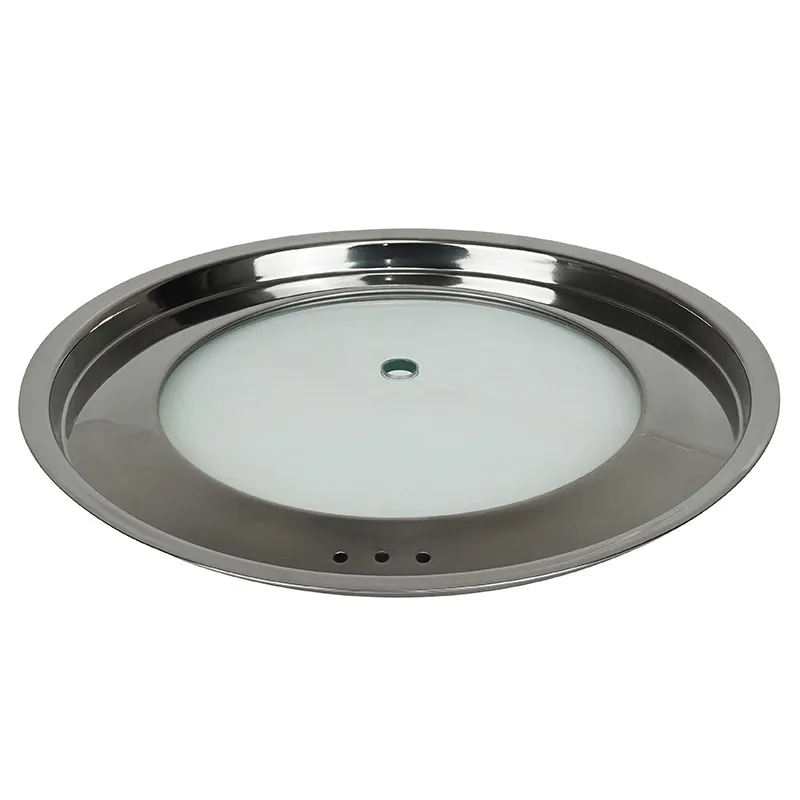
- Steam Vent Presence: Some glass lids come with a small steam vent hole. This can be beneficial for preventing boil-overs but may reduce moisture retention compared to a sealed lid.
- Handle Clearance: Ensure the glass lid’s knob or handle does not clash with the cocotte’s side handles when placed or removed.
Material Standards: Tempered vs. Borosilicate Glass
Safety is paramount when replacing a lid for cookware used on stovetops and in ovens. The material composition of the Staub cocotte glass lid determines its durability and thermal performance. Two primary types of glass are used in high-end kitchenware:
Tempered Soda-Lime Glass
Tempered glass is treated with rapid heating and cooling to increase its strength. It is shatter-resistant and can withstand moderate thermal changes. However, it is generally less resistant to extreme thermal shock than borosilicate glass. If you plan to move the cocotte from the freezer directly to the oven, tempered glass may pose a risk of cracking.
High-Borosilicate Glass
Borosilicate glass contains boron trioxide, which gives it a very low coefficient of thermal expansion. This means it expands and contracts very little when heated or cooled, making it highly resistant to thermal shock. For a Staub cocotte glass lid replacement, borosilicate is the superior choice. It can safely transition from refrigerator temperatures to high oven heat (up to 450°F/230°C or higher, depending on the manufacturer) without breaking.
Expert Tip: Always verify the maximum temperature rating of the glass lid. While the glass itself may withstand high heat, the silicone gasket or plastic components on the handle may have lower limits.
Manufacturing Excellence: How EUR-ASIA COOKWARE Ensures Quality
Finding a reliable supplier for replacement parts requires understanding the manufacturing capabilities behind the product. EUR-ASIA COOKWARE CO.,LTD. stands out as a specialized manufacturer in the production of household glass products and kitchen accessories. Located in the Taian City, Shandong Province China National High-tech Development Zone, our facility spans 20,000㎡ with a building area of 15,000㎡.
With over 90 employees and an annual output exceeding 15 million pieces of tempered glass lids and related products, we have established a robust supply chain serving global markets. More than 90% of our products are exported to demanding markets including Germany, Russia, Italy, France, Poland, Denmark, Spain, Switzerland, Brazil, Turkey, South Korea, and Japan. This extensive export experience ensures that our Staub cocotte glass lid replacements meet stringent international quality standards.
Certifications and Safety Compliance
Trustworthiness in cookware components is non-negotiable. Our production processes are ISO9001 certified, ensuring consistent quality management. Furthermore, our glass products have passed LFGB (German Food and Feed Code) and TUV certifications. These certifications confirm that our glass lids are free from harmful substances like lead and cadmium, making them safe for direct contact with food during high-temperature cooking.
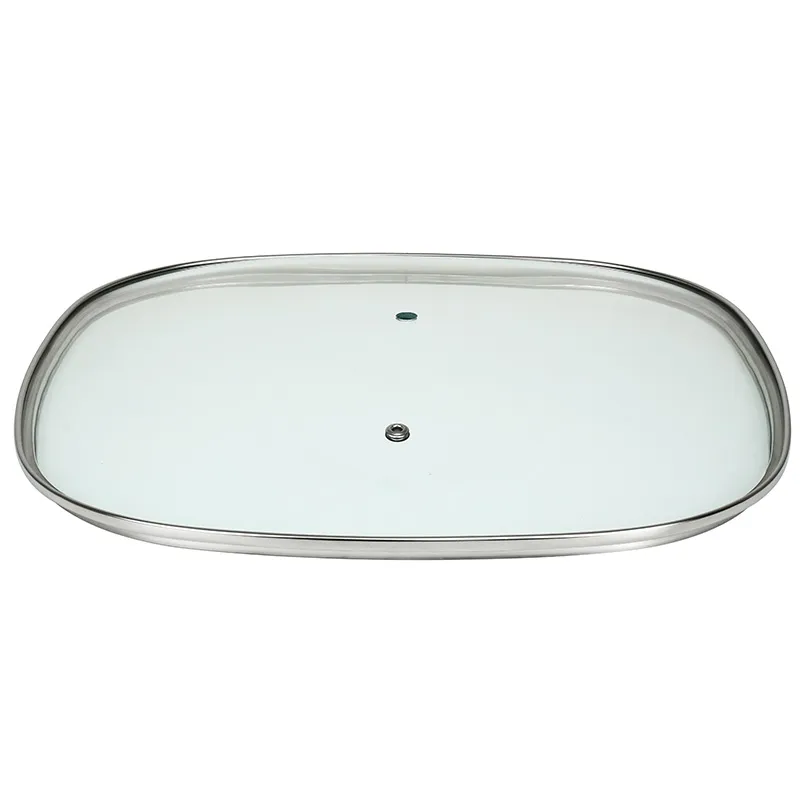
We specialize in producing various shapes, including high curvature, tall, flat, and special-shaped glass covers. This flexibility allows us to manufacture lids that precisely match the unique contours of premium cookware brands like Staub. Whether you need a standard flat lid or a domed design for better steam circulation, our engineering team can adapt to specific customer demands.
Step-by-Step Guide to Selecting the Right Replacement
Choosing the correct Staub cocotte glass lid involves more than just picking a size. Follow this logical process to ensure compatibility and longevity.
Step 1: Measure Your Cocotte Accurately
Use a tape measure to determine the outer diameter of your cocotte’s rim. Measure across the center at the widest point. Record this measurement in millimeters for greater precision. Compare this number with the specifications provided by the lid manufacturer.
Step 2: Determine the Lid Profile
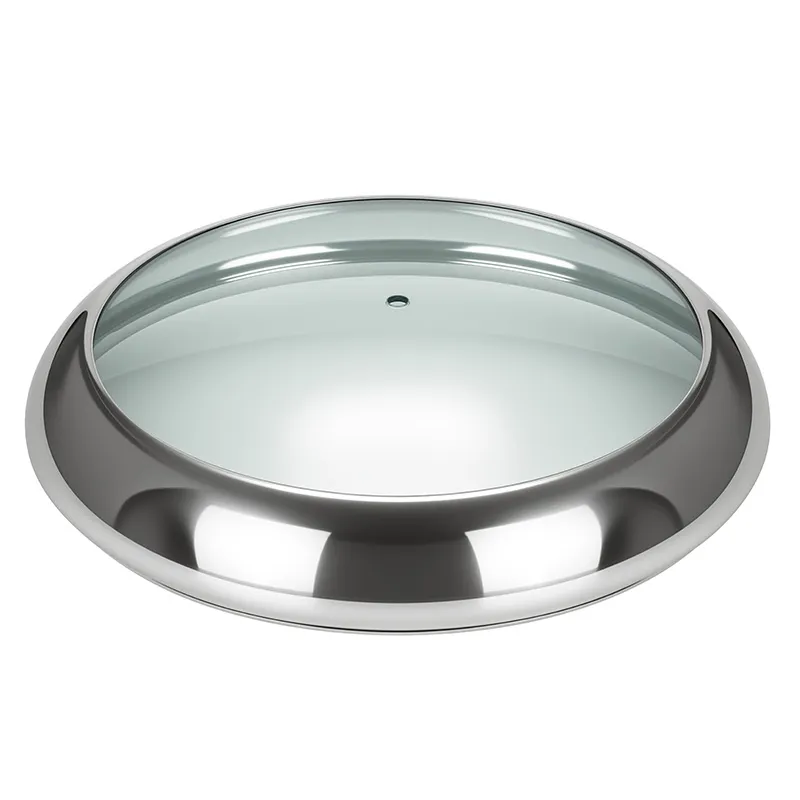
Decide whether you prefer a flat lid or a domed lid. Domed lids offer more internal vertical space, which is useful for roasting larger items or allowing steam to circulate without condensing directly onto the food. Flat lids are more compact for storage and provide a modern aesthetic.
Step 3: Check Handle and Knob Compatibility
Examine the handle design of the replacement lid. Ensure the knob is heat-resistant and ergonomically designed for easy gripping. If the original Staub lid had a specific knob style, you might prefer a replacement with a similar aesthetic, such as a stainless steel or silicone-wrapped handle.
Step 4: Verify Oven Safety Ratings
Confirm the maximum oven-safe temperature of the glass lid. If you frequently use your cocotte for braising in the oven at 400°F (200°C) or higher, ensure the lid is rated for at least 450°F (230°C) to provide a safety margin.
Common Mistakes to Avoid When Buying Glass Lids
Even experienced cooks can make errors when sourcing replacement parts. Avoid these common pitfalls to ensure satisfaction with your purchase.
- Ignoring the Rim Width: Some glass lids have a narrow rim that may slip into the pot too deeply or sit unevenly. Ensure the rim width is sufficient to rest securely on the cocotte’s edge.
- Assuming Universal Fit: “Universal” lids often fit a range of sizes, but they may not seal well on premium cookware like Staub. A dedicated size-specific lid provides better performance.
- Overlooking Thermal Shock Limits: Never assume all glass is oven-safe. Using a non-tempered glass lid in a hot oven can result in immediate shattering, posing a safety hazard.
- Neglecting Cleaning Requirements: Some glass lids have crevices around the handle where food particles can accumulate. Choose a design that is easy to clean, preferably dishwasher safe.
Maintenance and Care for Your Glass Lid
To extend the life of your Staub cocotte glass lid replacement, proper care is essential. Glass is durable but can be damaged by improper handling or cleaning methods.
Cleaning Best Practices
While most tempered glass lids are dishwasher safe, hand washing is recommended to preserve the clarity of the glass and the integrity of any silicone seals. Use a non-abrasive sponge and mild dish soap. Avoid steel wool or harsh scouring pads, which can scratch the glass surface and weaken its structural integrity over time.
Thermal Safety Guidelines
Although borosilicate glass is resistant to thermal shock, sudden extreme changes can still cause stress. Avoid placing a hot glass lid directly on a cold, wet surface or under cold running water immediately after removing it from the oven. Allow it to cool slightly on a heat-resistant mat or trivet.
Inspection for Damage
Regularly inspect your glass lid for chips, cracks, or deep scratches. Even small imperfections can compromise the glass’s strength and lead to breakage during heating. If you notice any damage, replace the lid immediately to ensure safety.
FAQ: Frequently Asked Questions About Staub Cocotte Glass Lids
Can I use a generic glass lid on my Staub cocotte?
Yes, you can use a generic glass lid as long as the diameter matches your cocotte’s outer rim. However, ensure the glass is tempered or borosilicate and oven-safe. Generic lids may not have the same aesthetic finish or precise fit as OEM parts, but they function well for monitoring cooking.
Is a glass lid as effective as the original cast iron lid?
For moisture retention, the original cast iron lid is superior due to its weight and self-basting spikes. However, a glass lid is more effective for tasks requiring visual monitoring. Many users keep both: the cast iron lid for slow braising and the glass lid for simmering, steaming, or melting.
What is the maximum temperature a replacement glass lid can withstand?
High-quality borosilicate glass lids can typically withstand temperatures up to 450°F (230°C) or even 500°F (260°C). Always check the specific manufacturer’s rating. Note that plastic or silicone components on the handle may have lower heat resistance limits.
Does EUR-ASIA COOKWARE offer custom branding for bulk orders?
Yes, EUR-ASIA COOKWARE CO.,LTD. offers customization services. We can print logos on the product according to customer requirements. This is ideal for retailers, private label brands, or corporate gifts looking for high-quality, certified glass cookware accessories.
How do I know if the glass lid is lead-free?
Look for certifications such as LFGB, TUV, or FDA compliance. EUR-ASIA COOKWARE’s products pass LFGB and TUV certifications, guaranteeing that our glass is free from lead, cadmium, and other harmful heavy metals, ensuring safe food contact.
Application Scenarios for Glass Lids in Professional Kitchens
In professional culinary environments, the versatility of a Staub cocotte glass lid is highly valued. Chefs utilize glass lids for specific techniques where visibility is crucial.
Sauce Reduction and Consistency Checks
When reducing sauces, chefs need to monitor viscosity and volume constantly. Lifting a heavy cast iron lid repeatedly disrupts the temperature stability. A glass lid allows for continuous observation, ensuring the sauce reduces evenly without burning.
Steaming Vegetables and Seafood
Steaming requires precise timing to maintain texture and color. A glass lid enables chefs to check the doneness of delicate vegetables or seafood without releasing steam, preserving the cooking environment and ensuring perfect results.
Proofing Dough
Cast iron cocottes are excellent for baking bread, but they are also used for proofing dough. A glass lid allows bakers to monitor the rise of the dough without disturbing the humid environment inside the pot, which is critical for optimal fermentation.
Why Choose EUR-ASIA COOKWARE for Your Replacement Needs?
As a leading manufacturer in the industry, EUR-ASIA COOKWARE CO.,LTD. combines technical expertise with large-scale production capabilities. Our specialization in low, medium, and high-level household glass products ensures that we can meet diverse quality and price point requirements.
Our production base in Taian City is equipped with advanced manufacturing technology, allowing us to produce high-curvature, tall, flat, and special-shaped glass covers. This versatility means we can create replacements that not only fit functionally but also align with the aesthetic standards of premium cookware brands.
With over 15 million pieces produced annually and a strong export presence in Europe, Asia, and South America, we have proven our reliability and consistency. Our ISO9001 certification reflects our commitment to quality management, while LFGB and TUV certifications assure end-users of product safety.
Customization and Partnership Opportunities
For businesses looking to source high-quality glass lids, we offer flexible cooperation models. Whether you need standard replacements or custom-designed lids with specific logos and shapes, our team is ready to negotiate and collaborate. We welcome partners to visit our company to see our production capabilities firsthand.
Conclusion: Secure the Perfect Fit for Your Cookware
Replacing a lost or broken lid doesn’t mean compromising on quality. By choosing a high-grade Staub cocotte glass lid replacement, you enhance the functionality of your cookware, gaining the ability to monitor your cooking without sacrificing heat retention. Prioritize materials like borosilicate glass, verify your dimensions carefully, and source from reputable manufacturers who adhere to strict safety standards.
Whether you are a home cook seeking convenience or a business looking for reliable supply chain partners, understanding the technical aspects of glass lid manufacturing ensures you make an informed decision. EUR-ASIA COOKWARE CO.,LTD. remains committed to delivering safe, durable, and aesthetically pleasing glass solutions for global kitchens.
Ready to source high-quality glass lids or need a custom solution? Contact our team today to discuss your specific requirements, request samples, or learn more about our manufacturing capabilities. Visit our product page for detailed specifications and catalog options.