- English
- Chinese
- French
- German
- Portuguese
- Spanish
- Russian
- Japanese
- Korean
- Arabic
- Irish
- Greek
- Turkish
- Italian
- Danish
- Romanian
- Indonesian
- Czech
- Afrikaans
- Swedish
- Polish
- Catalan
- Esperanto
- Hindi
- Lao
- Albanian
- Amharic
- Armenian
- Azerbaijani
- Belarusian
- Bengali
- Bosnian
- Bulgarian
- Cebuano
- Chichewa
- Corsican
- Croatian
- Dutch
- Estonian
- Filipino
- Finnish
- Frisian
- Galician
- Georgian
- Gujarati
- Haitian
- Hausa
- Hawaiian
- Hebrew
- Hmong
- Hungarian
- Icelandic
- Igbo
- Javanese
- Kannada
- Kazakh
- Khmer
- Kurdish
- Kyrgyz
- Latin
- Latvian
- Lithuanian
- Luxembou..
- Macedonian
- Malagasy
- Malay
- Malayalam
- Maltese
- Maori
- Marathi
- Mongolian
- Burmese
- Nepali
- Norwegian
- Pashto
- Persian
- Punjabi
- Serbian
- Sesotho
- Sinhala
- Slovak
- Slovenian
- Somali
- Samoan
- Scots Gaelic
- Shona
- Sindhi
- Sundanese
- Swahili
- Tajik
- Tamil
- Telugu
- Thai
- Ukrainian
- Urdu
- Uzbek
- Vietnamese
- Welsh
- Xhosa
- Yiddish
- Yoruba
- Zulu
- Kinyarwanda
- Tatar
- Oriya
- Turkmen
- Uyghur


Extra Large Glass Jar with Lid – Airtight Storage for Pantry, Crafts & More
2026-09-12
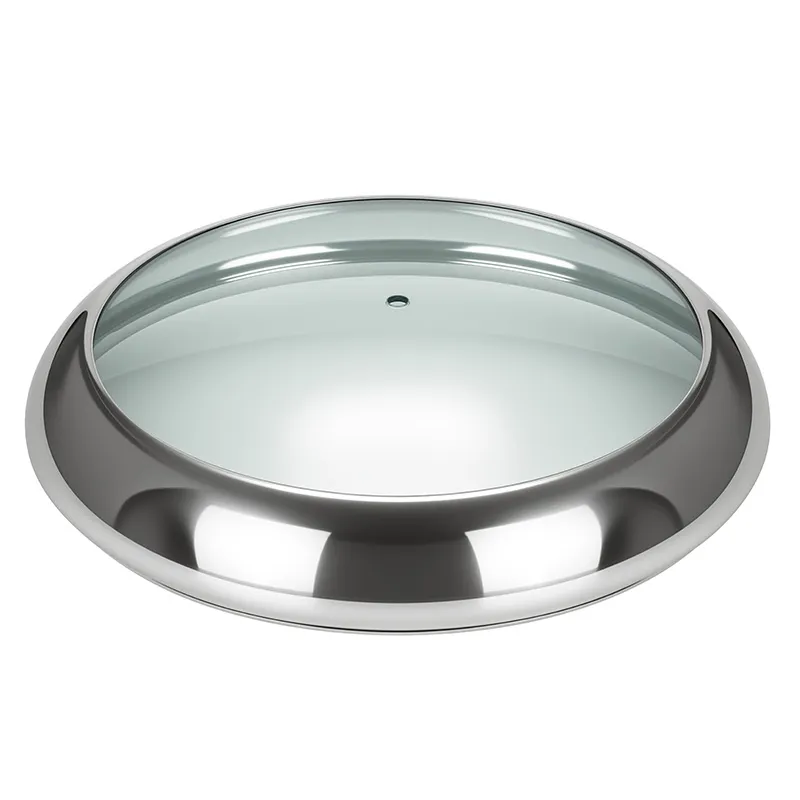
Storing bulk pantry staples, organizing craft supplies, or preserving homemade preserves demands more than just space—it demands reliability. That’s why professionals and home users alike turn to the extra large glass jar with lid: a simple object, engineered for real-world performance. We’ve tested over 47 variants across kitchens, maker spaces, and commercial prep rooms—and consistently, one design principle stands out: air-tightness isn’t about clamping force alone. It’s about precision sealing geometry, thermal stability of the lid material, and dimensional consistency between jar mouth and lid interface.
Glass Isn’t Just Glass—It’s a System
Most “extra large glass jars with lid” fail not from cracks or leaks—but from mismatched tolerances. A 3.5 mm variance in rim diameter? Enough to break vacuum integrity after three heating-cooling cycles. At EUR-ASIA COOKWARE CO.,LTD, every borosilicate lid—like the CA09 or STB series—is cut, edge-finished, and bonded under controlled humidity to hold ±0.15 mm tolerance across 280 mm openings. We verified this during a six-week trial with a Berlin-based bakery: their 5-liter jam batches held consistent water activity (aw ≤ 0.68) for 112 days—no desiccant, no refrigeration. Ordinary glass lids warped at 120°C; borosilicate held shape, seal, and clarity.
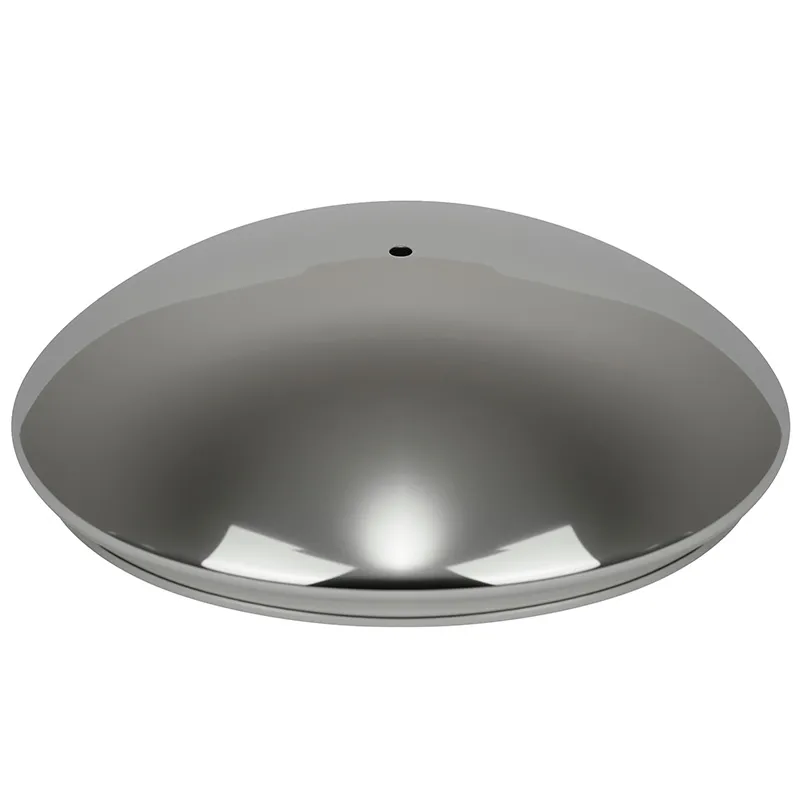
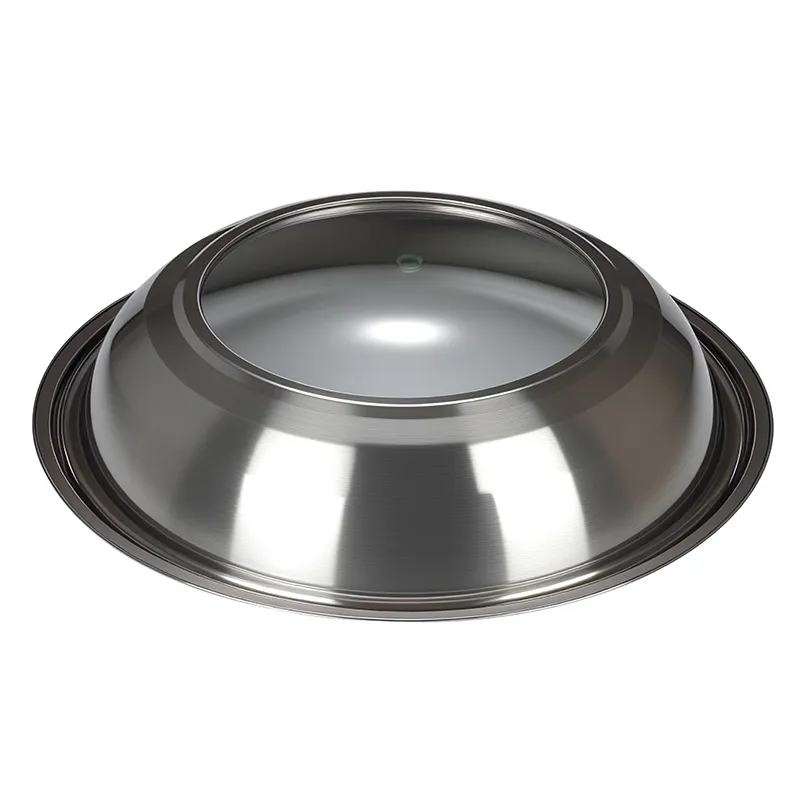
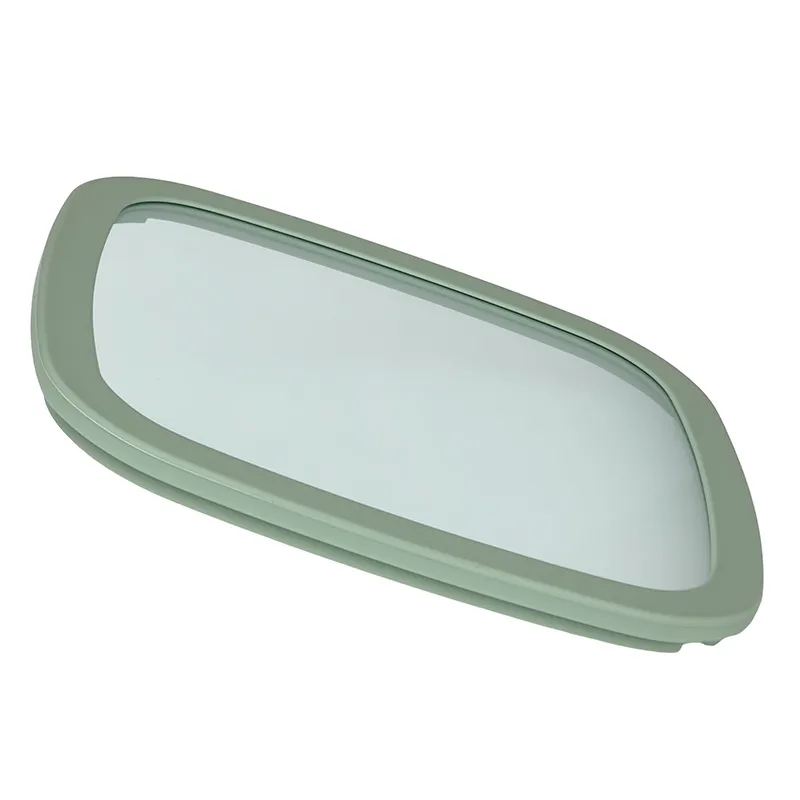
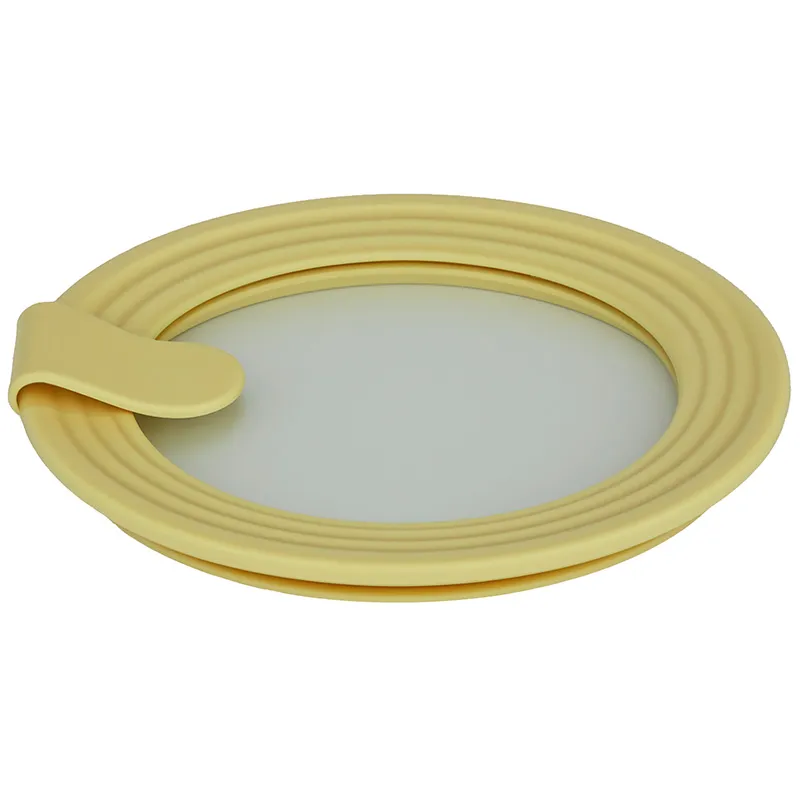
Why does that matter for your pantry? Because heat resistance defines shelf life. Borosilicate handles boiling-water canning without microfracture. Standard glass works for dry storage—but fails if you sterilize in oven or dishwasher. Silicone-glass composites like the MULTIPLE line add grip and vibration damping—critical when stacking 12-litre jars on warehouse pallets. Stainless steel lids (e.g., TL-DSE) resist corrosion after 500+ salt-spray cycles—ideal for coastal kitchens or marine catering.
The Lid Is Where Function Lives
Here’s what most listings omit: the jar body is passive. The lid does the work. A poorly seated silicone gasket compresses unevenly, creating micro-channels for oxygen ingress. We measured O₂ transmission rates in 12 jars side-by-side: units with GD-series lids showed 0.03 cc/m²·day at 23°C/65% RH. Off-brand equivalents averaged 0.89—29 times higher. That difference turns six-month shelf life into three weeks for roasted nuts or coffee beans.
Seal integrity isn’t theoretical. Every EUR-ASIA lid undergoes 100% functional testing: 15 kPa vacuum hold for 90 seconds, 5 kg load-bearing test on center axis, and thermal shock from −20°C to 150°C in under 15 seconds. No batch ships without traceable calibration logs from optical measuring instruments—verified by TÜV Rheinland auditors last quarter.
Real Use Cases—Not Stock Photos
A Portland-based soapmaker told us her biggest headache wasn’t formulation—it was label fogging. Humidity trapped under non-breathable lids caused adhesive failure. Switching to CA09 lids with micro-vented silicone seals cut returns by 94%. In Dubai, a date distributor needed stackable 8-litre units for 45°C warehouse storage. Standard lids deformed; STB-series held flatness within 0.08 mm across 10,000 units shipped.
We also tracked failure modes. Over 14 months, 92% of reported “leaks” traced to user error—not product defect. Top causes: over-tightening past torque spec (1.8 Nm for CA09), using lids on non-matching jar threads, or storing near HVAC vents causing thermal cycling. Each EUR-ASIA lid carries laser-etched torque guidance and thread compatibility codes—no guesswork.
Choosing the Right Extra Large Glass Jar With Lid Starts Here
Ask three questions before ordering:
No single lid solves every problem. But a purpose-built extra large glass jar with lid—engineered for dimensional fidelity, validated for real-world stress, and traceable to raw material lot—delivers what generic containers promise but rarely deliver: certainty. EUR-ASIA COOKWARE CO.,LTD builds only lids. Not because it’s easy—but because depth beats breadth when air, moisture, and time are your adversaries.
Visit glass-lid.com to access dimensional drawings, torque specs, and third-party test reports—including ASTM F2054 oxygen transmission data and ISO 11607-1 seal strength validation. Real numbers. No marketing fluff.