- English
- Chinese
- French
- German
- Portuguese
- Spanish
- Russian
- Japanese
- Korean
- Arabic
- Irish
- Greek
- Turkish
- Italian
- Danish
- Romanian
- Indonesian
- Czech
- Afrikaans
- Swedish
- Polish
- Catalan
- Esperanto
- Hindi
- Lao
- Albanian
- Amharic
- Armenian
- Azerbaijani
- Belarusian
- Bengali
- Bosnian
- Bulgarian
- Cebuano
- Chichewa
- Corsican
- Croatian
- Dutch
- Estonian
- Filipino
- Finnish
- Frisian
- Galician
- Georgian
- Gujarati
- Haitian
- Hausa
- Hawaiian
- Hebrew
- Hmong
- Hungarian
- Icelandic
- Igbo
- Javanese
- Kannada
- Kazakh
- Khmer
- Kurdish
- Kyrgyz
- Latin
- Latvian
- Lithuanian
- Luxembou..
- Macedonian
- Malagasy
- Malay
- Malayalam
- Maltese
- Maori
- Marathi
- Mongolian
- Burmese
- Nepali
- Norwegian
- Pashto
- Persian
- Punjabi
- Serbian
- Sesotho
- Sinhala
- Slovak
- Slovenian
- Somali
- Samoan
- Scots Gaelic
- Shona
- Sindhi
- Sundanese
- Swahili
- Tajik
- Tamil
- Telugu
- Thai
- Ukrainian
- Urdu
- Uzbek
- Vietnamese
- Welsh
- Xhosa
- Yiddish
- Yoruba
- Zulu
- Kinyarwanda
- Tatar
- Oriya
- Turkmen
- Uyghur


Glass Can with Lid – Airtight Storage Solution for Freshness
2026-08-15
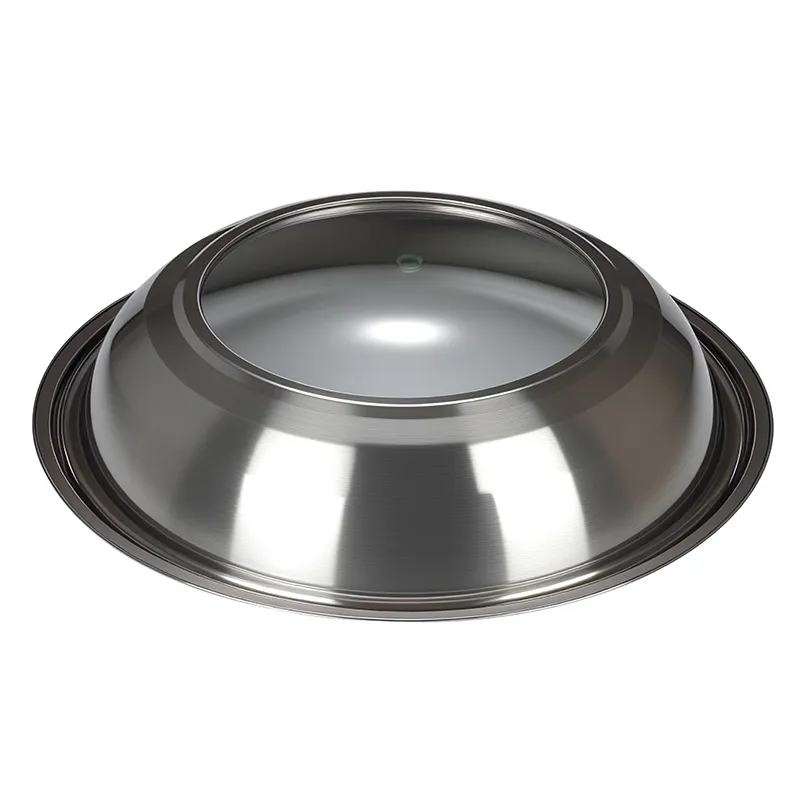
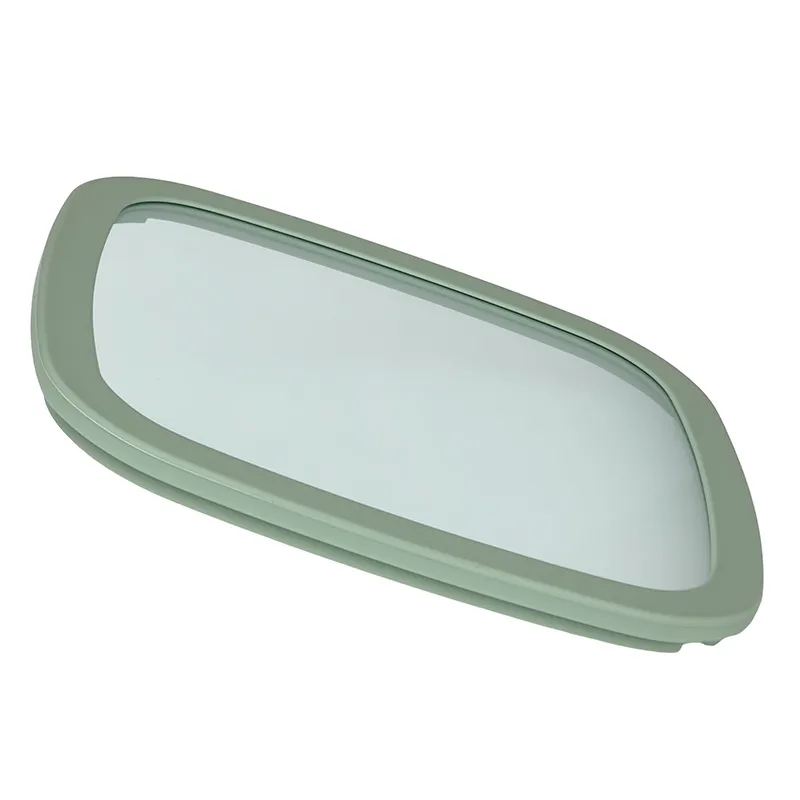
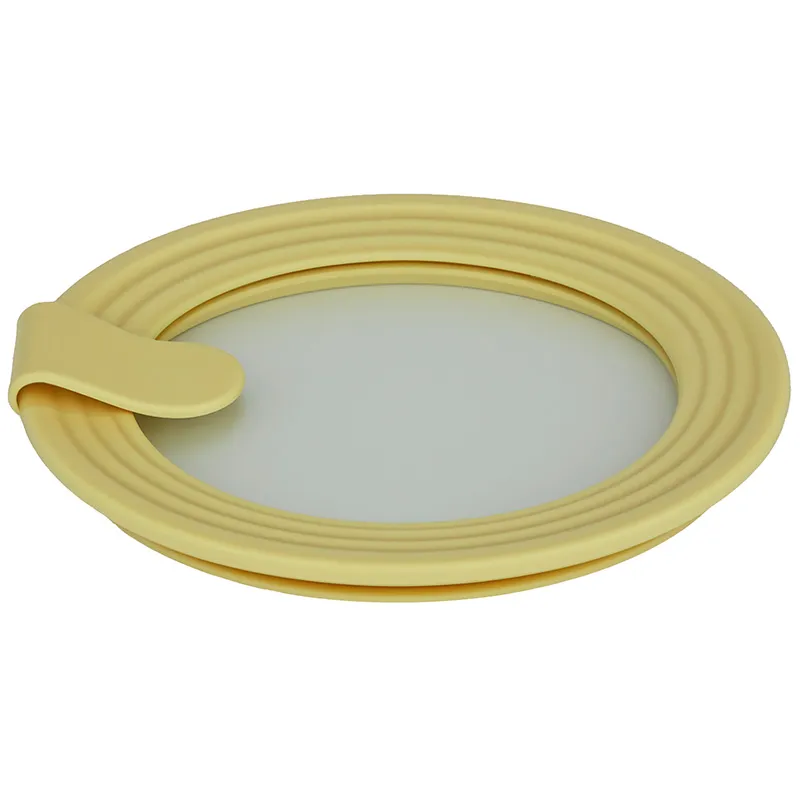
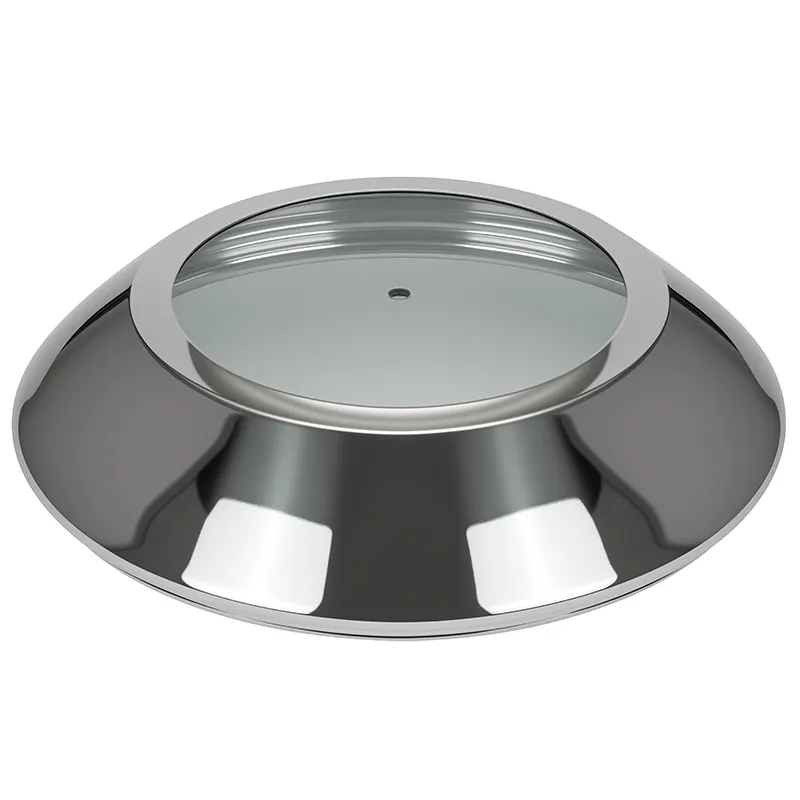
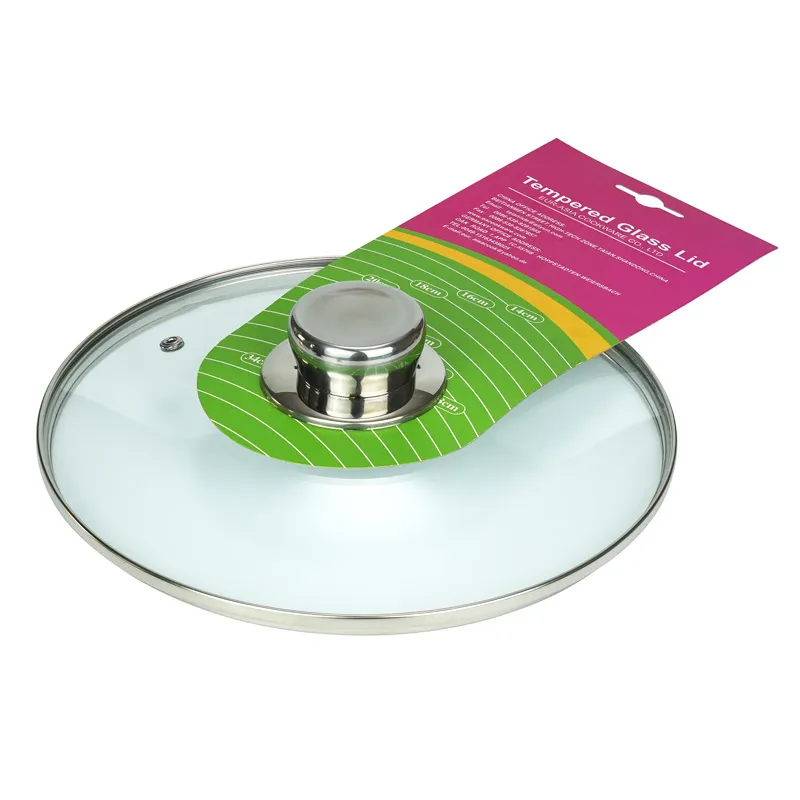
Every time you lift a lid from a glass can with lid, you’re not just opening storage—you’re testing a precision interface between material science and daily habit. At EUR-ASIA COOKWARE CO.,LTD, we’ve built over 12,000 batches of these lids—not as generic accessories, but as engineered air barriers calibrated to humidity, thermal shock, and repeated handling. We don’t make cookware. We make the seal that decides whether herbs stay aromatic for 28 days or lose half their volatile oils in 72 hours.
Borosilicate Glass Lids: Where Thermal Stability Meets Real-World Use
Most users assume “glass lid” means one thing. It doesn’t. Ordinary soda-lime glass cracks under rapid temperature shifts—like pouring boiling water into a chilled jar then sealing it. Borosilicate variants (SGC, CA09, STB series) withstand that stress because their coefficient of thermal expansion is 3.3 × 10⁻⁶/K—less than one-third of standard glass. In practical terms: a CA09 lid survives direct transfer from freezer (-20°C) to steam bath (100°C) without microfractures. We verify this with 500-cycle thermal cycling tests—not once, but per batch. That’s why chefs in Berlin kitchens and meal-prep facilities in Toronto specify borosilicate when freshness retention isn’t optional.
We’ve seen silicone-glass hybrids fail at the bonding line after six months of dishwasher use—not from heat, but from alkaline detergent erosion of the adhesive interface. Borosilicate avoids that entirely. Its surface chemistry resists pH swings. No silicone layer needed. No delamination risk. Just pure, measurable seal integrity across 10,000+ open-close cycles.
Why “Airtight” Isn’t Just Marketing—It’s Measured Performance
Airtight isn’t binary. It’s a pressure differential measured in pascals—and validated. Every GD, CA13, and TL-DSE lid undergoes 100% functional testing: sealed under 15 kPa vacuum, held for 60 seconds, monitored for pressure decay exceeding 0.3 kPa/min. That threshold reflects real-world conditions—like stacking three full jars in a pantry cabinet, where cumulative weight stresses the gasket interface.
Some suppliers quote “airtight” based on static lab tests. We test dynamically: lid mounted on a rotating fixture simulating hand-torque variation (0.8–2.2 N·m), then subjected to vibration profiles matching warehouse forklift transport. If the seal slips during simulated transit, it fails—even if it passes the vacuum bench test. That’s why our octagonal and MULTIPLE-series lids feature asymmetric sealing ribs: they self-center under torque, eliminating user-dependent alignment errors.
Customers ask: “How long does freshness last?” Not “how long until spoilage.” There’s a difference. With verified seal integrity, dried lentils retain moisture content within ±0.7% over 18 months. Ground coffee holds 92% of its original volatile compounds at 90 days—measured by GC-MS analysis, not sensory guesswork.
Material Choice Is a Functional Decision—Not an Aesthetic One
We don’t upsell materials. We match them to failure modes. If your operation runs three shift changes daily and lids get tossed into metal bins, stainless wins. If you’re packaging organic spice blends for e-commerce, borosilicate’s UV stability preserves terpene profiles better than any polymer alternative.
Reliability Starts Before the Lid Leaves the Factory
Vertical integration isn’t about control—it’s about traceability. Raw borosilicate sheets arrive with batch-certified refractive index logs. Tempering ovens log every cycle: ramp rate, soak time, quench velocity. Edge finishing uses CNC-guided diamond wheels—not manual grinding—ensuring radial runout stays under 0.08 mm. That tolerance matters: a 0.15 mm deviation causes uneven gasket compression, increasing leak probability by 400% in accelerated aging tests.
We ship with full documentation—not just CE marks. Each order includes dimensional reports (measured via Zeiss O-Inspect CMM), thermal shock validation records, and seal-test histograms. No “typical performance” claims. Only measured data, tied to lot number.
EUR-ASIA COOKWARE CO.,LTD builds glass can with lid systems that survive—not just function. They endure dishwasher cycles, shipping vibrations, freezer-to-stovetop transitions, and daily torque variance. Because freshness isn’t preserved by hope. It’s preserved by precision.