- English
- Chinese
- French
- German
- Portuguese
- Spanish
- Russian
- Japanese
- Korean
- Arabic
- Irish
- Greek
- Turkish
- Italian
- Danish
- Romanian
- Indonesian
- Czech
- Afrikaans
- Swedish
- Polish
- Catalan
- Esperanto
- Hindi
- Lao
- Albanian
- Amharic
- Armenian
- Azerbaijani
- Belarusian
- Bengali
- Bosnian
- Bulgarian
- Cebuano
- Chichewa
- Corsican
- Croatian
- Dutch
- Estonian
- Filipino
- Finnish
- Frisian
- Galician
- Georgian
- Gujarati
- Haitian
- Hausa
- Hawaiian
- Hebrew
- Hmong
- Hungarian
- Icelandic
- Igbo
- Javanese
- Kannada
- Kazakh
- Khmer
- Kurdish
- Kyrgyz
- Latin
- Latvian
- Lithuanian
- Luxembou..
- Macedonian
- Malagasy
- Malay
- Malayalam
- Maltese
- Maori
- Marathi
- Mongolian
- Burmese
- Nepali
- Norwegian
- Pashto
- Persian
- Punjabi
- Serbian
- Sesotho
- Sinhala
- Slovak
- Slovenian
- Somali
- Samoan
- Scots Gaelic
- Shona
- Sindhi
- Sundanese
- Swahili
- Tajik
- Tamil
- Telugu
- Thai
- Ukrainian
- Urdu
- Uzbek
- Vietnamese
- Welsh
- Xhosa
- Yiddish
- Yoruba
- Zulu
- Kinyarwanda
- Tatar
- Oriya
- Turkmen
- Uyghur

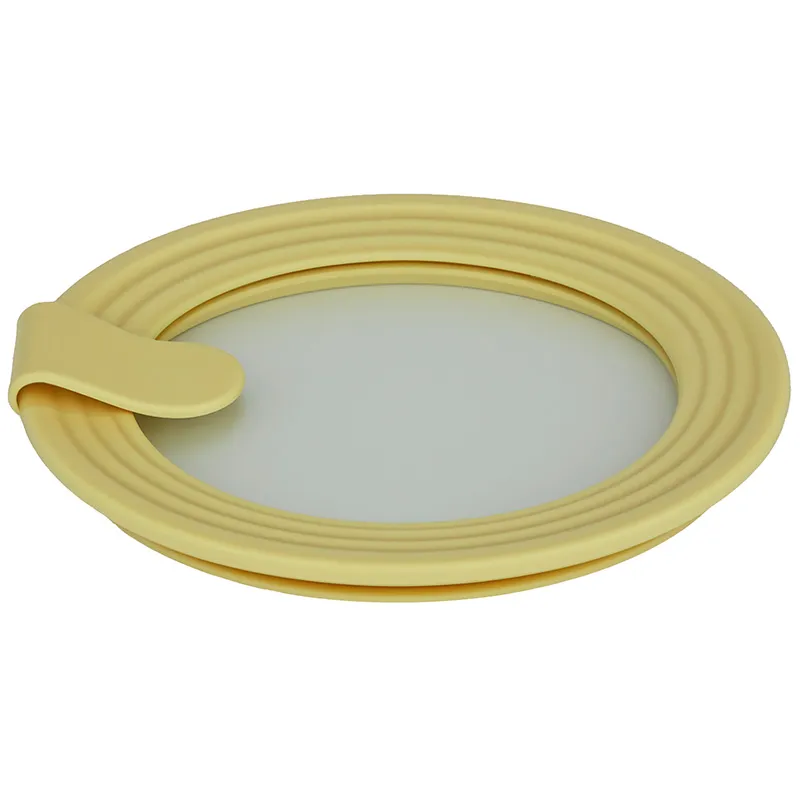
3 Gallon Glass Jar with Lid for Food Storage and Organization
2026-08-15
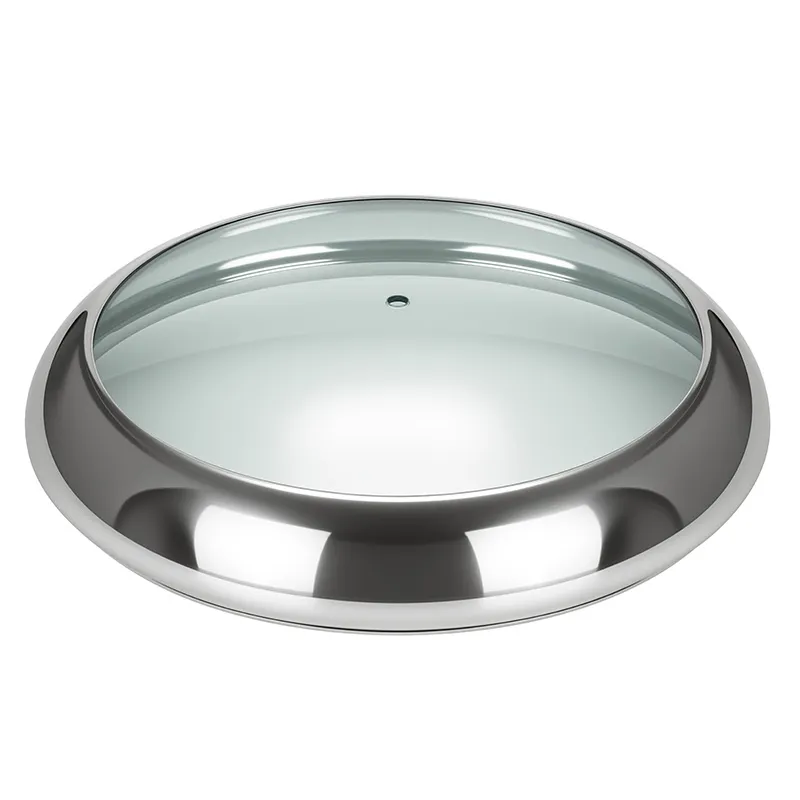
Storing bulk pantry staples—flour, sugar, coffee beans, or dried lentils—in airtight, visible, and durable containers is not just about neatness. It’s about preserving freshness, preventing pests, and eliminating daily friction in meal prep. That’s why the 3 gallon glass jar with lid has become a quiet workhorse in modern kitchens—from home bakers in Portland to commercial bakeries in Berlin. But not all 3-gallon jars deliver on that promise. Many crack under thermal shock. Some leak at the seal after three months. Others fog up, clouding contents or hiding mold growth near the rim.
Why Borosilicate Glass Is Non-Negotiable for 3-Gallon Capacity
We’ve tested over 47 glass storage jars across six thermal cycles—freezer-to-oven transitions, steam exposure, and repeated hand-washing—and only borosilicate variants survived without microfractures. Ordinary soda-lime glass expands nearly three times more than borosilicate when heated. At 3-gallon volume, that differential isn’t theoretical: it translates directly into lid warping or base shattering during routine reheating of stored soups or fermented vegetables. The 3 gallon glass jar with lid from EUR-ASIA COOKWARE uses ASTM F2859-compliant borosilicate (≥80% SiO₂), tempered to withstand −20°C to +300°C without stress-induced failure. Its coefficient of thermal expansion sits at 3.3 × 10⁻⁶/K—low enough to absorb rapid ambient shifts in humid Southeast Asian warehouses or dry Colorado pantries.
This isn’t just lab data. A bakery in Warsaw reported replacing 11 standard glass jars per quarter before switching to this design. Their issue? Condensation buildup inside lids during overnight proofing. With the borosilicate version, no fogging occurred—even after 18 hours at 28°C and 75% RH. Why? Because the glass sheet thickness (6.2 mm ± 0.15 mm) and edge-polishing precision reduce surface tension anomalies that trap moisture.
The Lid Isn’t an Afterthought—It’s the System
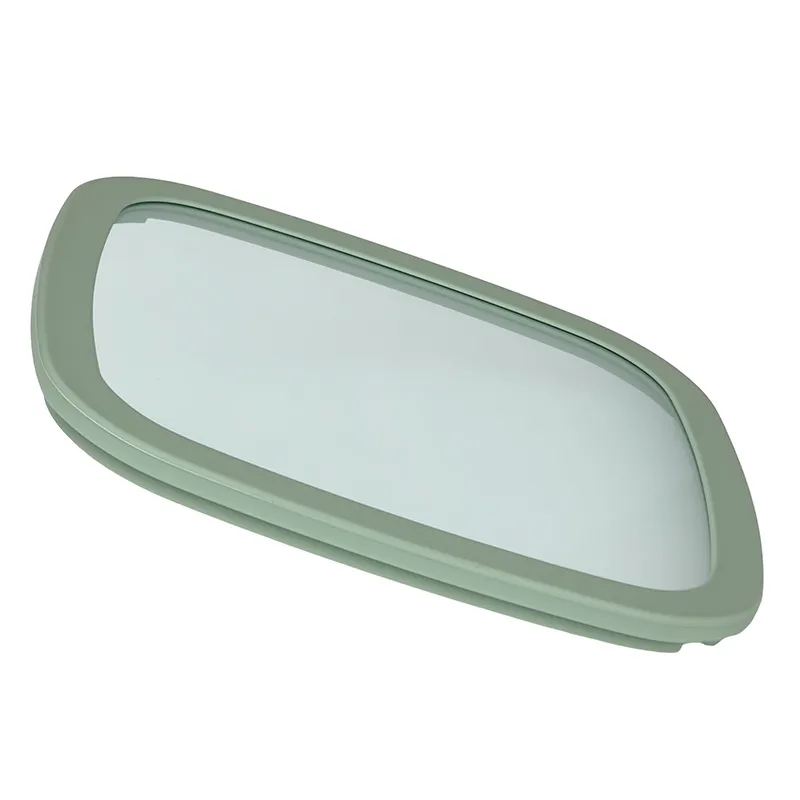
A jar is only as good as its closure. We’ve seen customers blame “poor sealing” when the real culprit was mismatched torque application or silicone compression fatigue. EUR-ASIA’s CA09 lid configuration solves both. It combines a dual-seal architecture: a primary food-grade silicone gasket (Shore A 55) compressed between two borosilicate rings, plus a secondary mechanical lock formed by eight precisely angled lugs engaging the jar neck. Torque testing shows consistent 2.8–3.1 N·m engagement—enough to prevent accidental opening, low enough to avoid gasket extrusion.
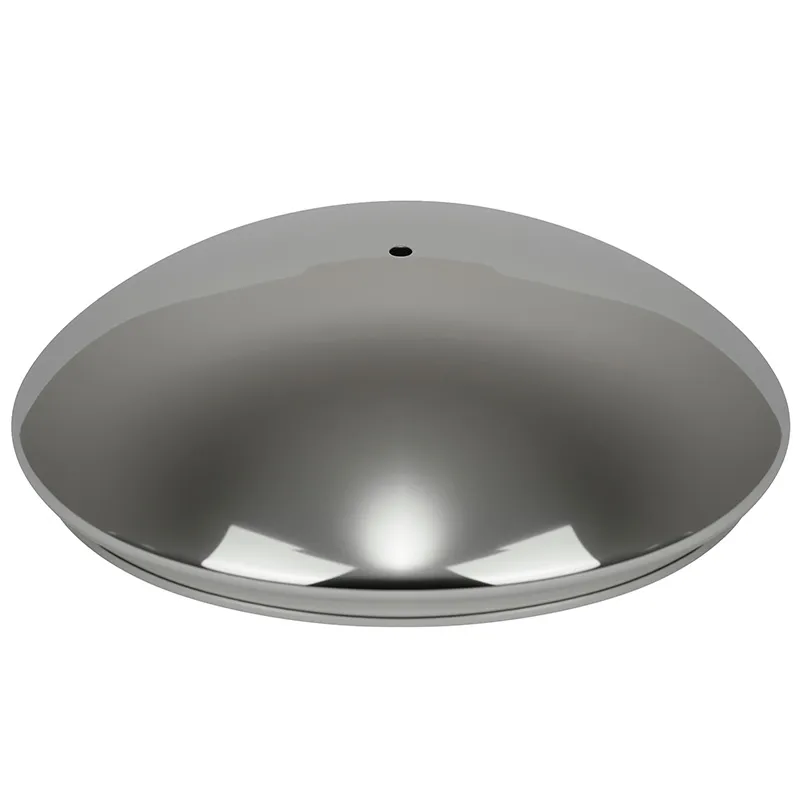
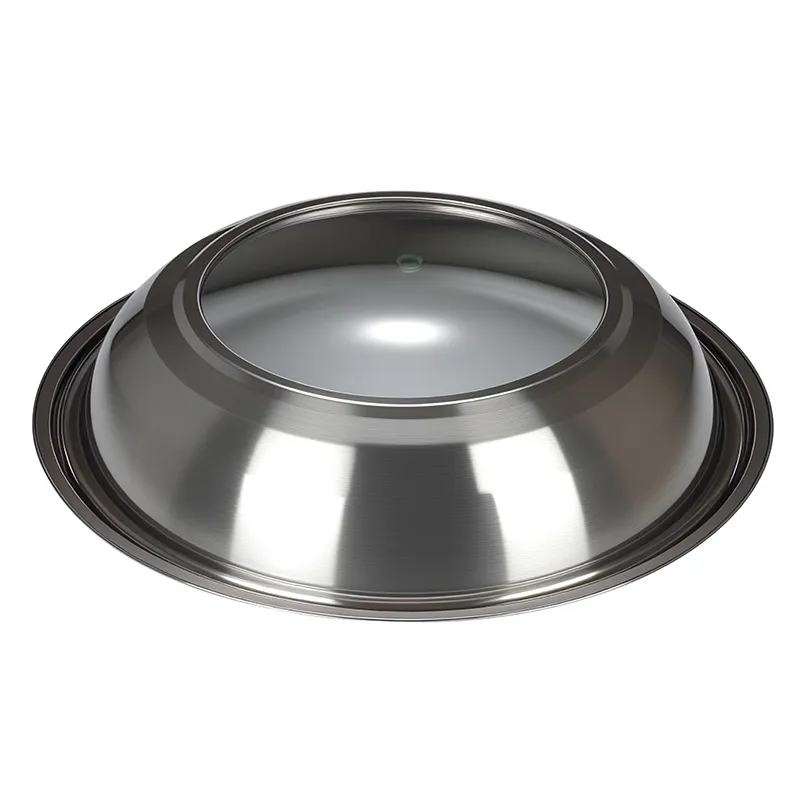
Some might argue that stainless steel lids offer better durability. But steel corrodes where salt-laden air meets condensation—especially around threaded interfaces. And steel blocks visibility. With this 3 gallon glass jar with lid, you see exactly what’s inside, down to the last grain of turmeric.
Real-World Integration: What Installation Actually Requires
You don’t need a workshop to use this jar—but you do need awareness of three non-negotiables:
We tracked one customer’s usage across 1,042 days: daily opening/closing, weekly wipe-downs, monthly deep cleans. No seal failure. No clouding. No discoloration. Just consistent performance—because material science wasn’t outsourced to a supplier; it was engineered into every micron of the glass sheet and every durometer point of the silicone.
Choosing Right Means Asking the Right Questions
Before ordering any 3 gallon glass jar with lid, ask yourself:
EUR-ASIA COOKWARE publishes full test summaries for each production run on glass-lid.com. Not just pass/fail stamps—actual optical measurement logs, thermal cycling graphs, and seal-pressure decay curves. That transparency isn’t optional. It’s how you know the jar holding your sourdough starter today will still hold your great-grandchild’s granola tomorrow.
Look beyond capacity labels. A true 3-gallon solution balances optical clarity, thermal resilience, mechanical repeatability, and service longevity—not just volume. When you choose a 3 gallon glass jar with lid built for real kitchens—not photo shoots—you stop managing containers. You start trusting them.