- English
- Chinese
- French
- German
- Portuguese
- Spanish
- Russian
- Japanese
- Korean
- Arabic
- Irish
- Greek
- Turkish
- Italian
- Danish
- Romanian
- Indonesian
- Czech
- Afrikaans
- Swedish
- Polish
- Catalan
- Esperanto
- Hindi
- Lao
- Albanian
- Amharic
- Armenian
- Azerbaijani
- Belarusian
- Bengali
- Bosnian
- Bulgarian
- Cebuano
- Chichewa
- Corsican
- Croatian
- Dutch
- Estonian
- Filipino
- Finnish
- Frisian
- Galician
- Georgian
- Gujarati
- Haitian
- Hausa
- Hawaiian
- Hebrew
- Hmong
- Hungarian
- Icelandic
- Igbo
- Javanese
- Kannada
- Kazakh
- Khmer
- Kurdish
- Kyrgyz
- Latin
- Latvian
- Lithuanian
- Luxembou..
- Macedonian
- Malagasy
- Malay
- Malayalam
- Maltese
- Maori
- Marathi
- Mongolian
- Burmese
- Nepali
- Norwegian
- Pashto
- Persian
- Punjabi
- Serbian
- Sesotho
- Sinhala
- Slovak
- Slovenian
- Somali
- Samoan
- Scots Gaelic
- Shona
- Sindhi
- Sundanese
- Swahili
- Tajik
- Tamil
- Telugu
- Thai
- Ukrainian
- Urdu
- Uzbek
- Vietnamese
- Welsh
- Xhosa
- Yiddish
- Yoruba
- Zulu
- Kinyarwanda
- Tatar
- Oriya
- Turkmen
- Uyghur

Glass Lid Factory: OEM Manufacturing for Global Cookware Buyers
2026-10-17
Content
- Understanding the Core Competencies of a Professional Glass Lid Factory
- OEM Customization Strategies for Global Cookware Brands
- Quality Assurance and International Certifications
- Global Export Capabilities and Market Reach
- How to Choose the Right Glass Lid Manufacturer: A Buyer’s Guide
- Frequently Asked Questions (FAQ)
- Conclusion: Partnering for Success in the Cookware Industry
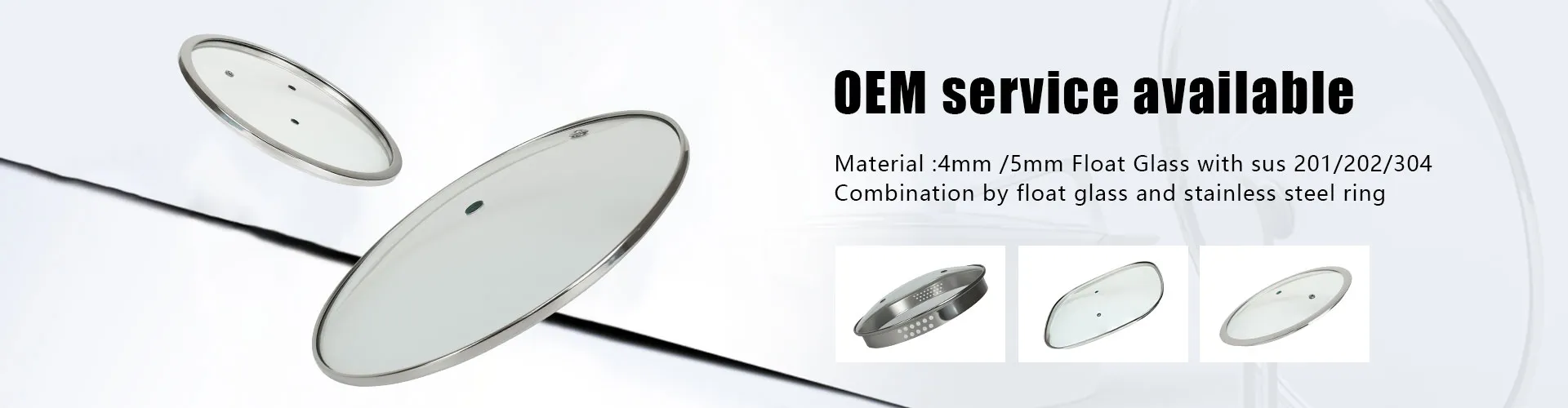
Glass Lid Factory: OEM Manufacturing for Global Cookware Buyers refers to specialized industrial facilities dedicated to the precision production of tempered glass lids for pots, pans, and kitchen appliances. For global B2B buyers, selecting the right manufacturing partner involves evaluating technical capabilities in high-curvature molding, thermal shock resistance standards (such as LFGB and TUV), and scalable OEM customization. EUR-ASIA COOKWARE CO.,LTD exemplifies this capability, leveraging a 20,000㎡ production base in Shandong’s High-tech Development Zone to deliver over 15 million units annually. This guide details the engineering standards, material specifications, and procurement strategies necessary for sourcing high-quality glass lids that meet rigorous international safety and aesthetic requirements.
Understanding the Core Competencies of a Professional Glass Lid Factory
In the competitive landscape of cookware accessories, a glass lid factory is not merely a production site but a hub of thermal engineering and design innovation. The primary function of these facilities is to transform raw soda-lime or borosilicate glass into durable, heat-resistant components that enhance the functionality of cookware. Unlike standard glass, cookware lids must withstand rapid temperature changes without shattering, a property known as thermal shock resistance.
Modern manufacturing relies heavily on automated tempering processes. This involves heating the glass to approximately 600-700°C and then rapidly cooling it. This process creates surface compression and internal tension, significantly increasing the mechanical strength of the lid. For OEM buyers, understanding this process is critical because it directly impacts product safety and longevity. A reputable factory will maintain strict control over the heating and cooling rates to ensure uniform stress distribution, preventing spontaneous breakage during consumer use.
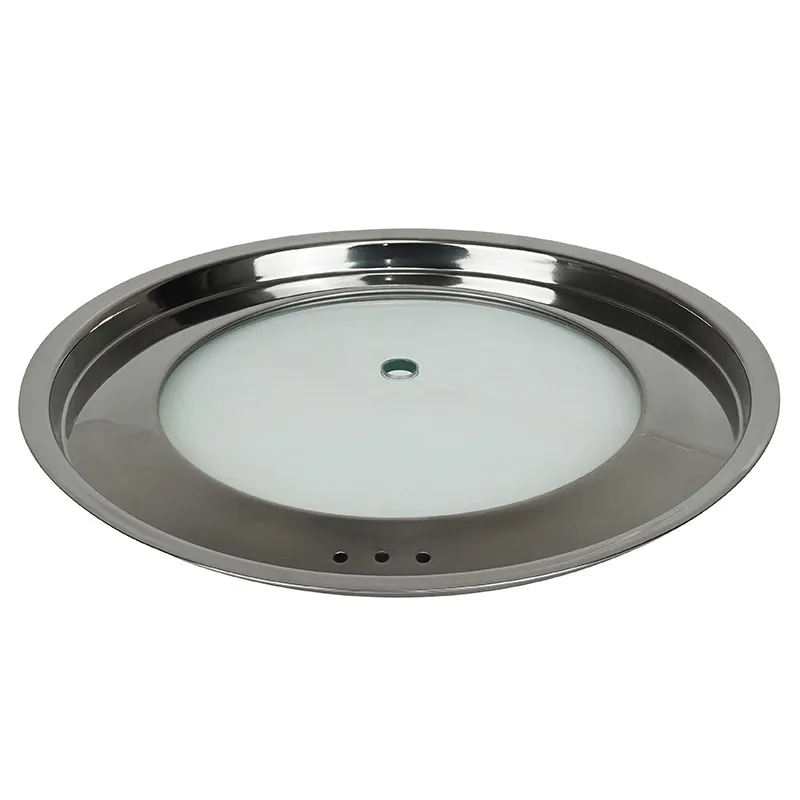
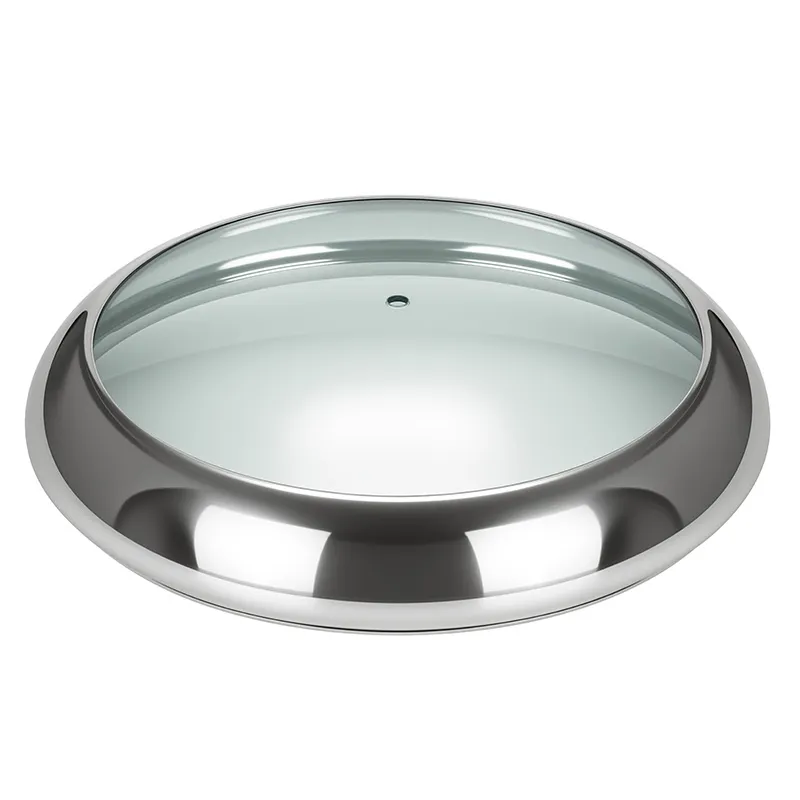
Furthermore, the versatility of a glass lid factory extends beyond flat surfaces. Advanced facilities can produce high-curvature domes, tall profiles for deep stockpots, and specialized shapes for non-standard cookware lines. This flexibility is essential for brands looking to differentiate their products in saturated markets. The ability to customize curvature while maintaining structural integrity requires precise mold design and sophisticated pressing technology, capabilities that distinguish top-tier manufacturers from basic workshops.
Key Technical Specifications for OEM Glass Lids
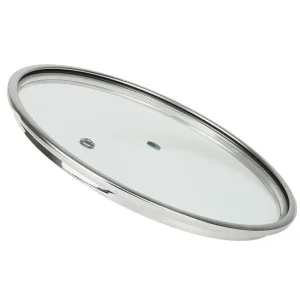
When sourcing from a glass lid factory, buyers must define clear technical parameters. These specifications serve as the blueprint for production and quality assurance. Key factors include glass thickness, rim diameter tolerance, and handle attachment strength. Typically, tempered glass lids range from 4mm to 6mm in thickness, balancing durability with weight. The rim, often made of stainless steel or silicone, must fit seamlessly with the glass edge to prevent chipping and ensure a tight seal on the cookware.
- Thermal Resistance: Must withstand temperature differentials of at least 120°C to 150°C without failure.
- Impact Strength: Tempered glass should be 4-5 times stronger than annealed glass of the same thickness.
- Optical Clarity: High transparency is required for visual monitoring of food, requiring low-iron glass options for premium lines.
- Handle Adhesion: Stainless steel or Bakelite handles must withstand torque tests to ensure they do not detach during lifting.
EUR-ASIA COOKWARE CO.,LTD integrates these specifications into every production batch. With ISO9001 certification, the company ensures that each lid meets consistent quality standards. Their production line supports various shapes, including flat, high-curvature, and tall designs, allowing brands to create unique product identities. This technical adaptability is crucial for buyers targeting diverse market segments, from budget-friendly everyday cookware to high-end professional-grade sets.
OEM Customization Strategies for Global Cookware Brands
Original Equipment Manufacturing (OEM) in the glass lid industry offers brands the opportunity to create proprietary products without investing in heavy infrastructure. A robust OEM strategy involves more than just slapping a logo on a generic item. It encompasses custom mold development, unique handle designs, specific glass tints, and tailored packaging solutions. For global buyers, the ability to customize these elements is vital for brand differentiation and market positioning.
One of the most significant aspects of OEM customization is logo printing and surface treatment. Screen printing, hot stamping, and laser etching are common methods used to apply brand identifiers. However, the durability of these markings is paramount. They must withstand repeated washing in dishwashers and exposure to high heat without fading or peeling. A proficient glass lid factory will utilize high-temperature resistant inks and rigorous adhesion testing to guarantee logo longevity.
Design Flexibility and Mold Development
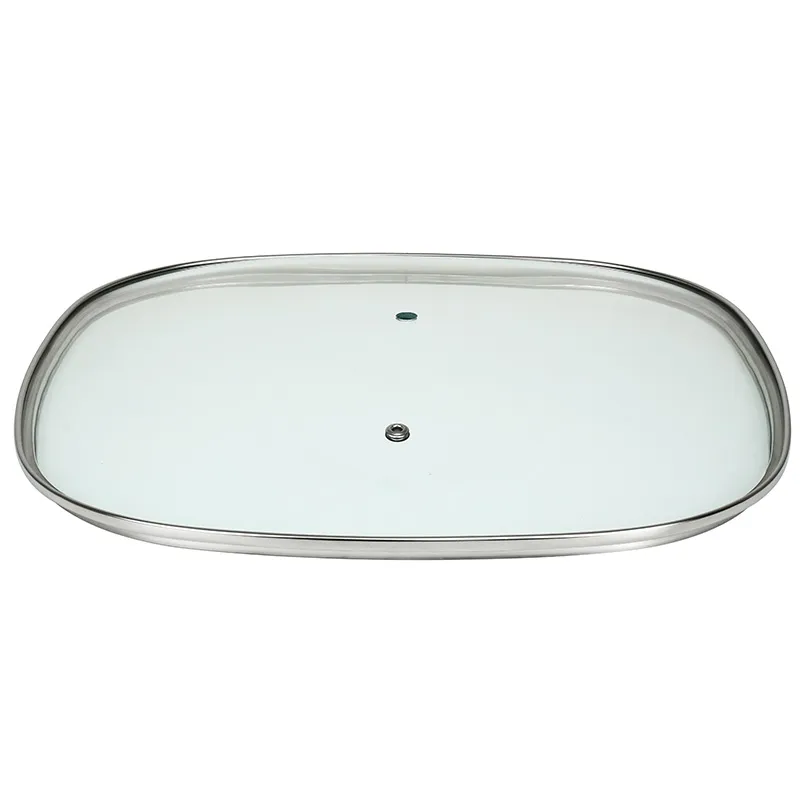
Custom mold development is the cornerstone of unique product design. Whether a brand requires a distinctive knob shape, a specific venting hole configuration, or a unique lid profile, the factory must have the engineering capacity to translate concepts into physical molds. This process involves CAD design, prototype sampling, and iterative testing. EUR-ASIA COOKWARE CO.,LTD excels in this area, offering the ability to produce special-shaped glass covers according to customer demand. This capability allows brands to innovate beyond standard circular lids, exploring oval, square, or ergonomic designs that align with modern kitchen aesthetics.
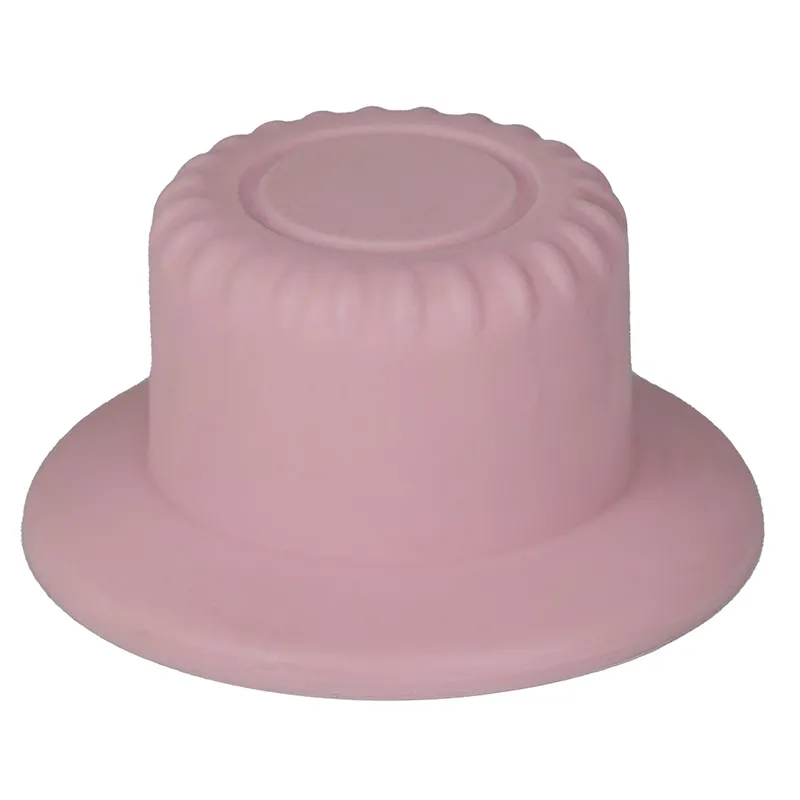
Moreover, the choice of handle material and design plays a crucial role in user experience. Options range from classic stainless steel knobs to ergonomic silicone grips and heat-resistant Bakelite handles. Each material offers different tactile and thermal properties. For instance, silicone handles provide a soft touch and excellent heat insulation, appealing to contemporary consumers, while stainless steel offers a premium, professional look. An experienced factory will guide buyers in selecting materials that complement their brand identity and target audience preferences.
| Customization Feature | Description | Benefit for Brand |
|---|---|---|
| Logo Application | Screen printing, laser etching, or hot stamping on glass or handle. | Enhances brand visibility and perceived value. |
| Mold Shape | Custom curvature, height, and edge profiles. | Differentiates product from competitors; fits unique pot designs. |
| Handle Design | Material selection (SS, Silicone, Bakelite) and ergonomic shaping. | Improves user comfort and safety; aligns with design language. |
| Glass Tint | Clear, bronze, grey, or low-iron ultra-clear options. | Aesthetic customization; low-iron offers premium clarity. |
| Packaging | Custom boxes, inserts, and protective materials. | Reduces damage during shipping; enhances unboxing experience. |
Quality Assurance and International Certifications
For global cookware buyers, compliance with international safety standards is non-negotiable. A reliable glass lid factory must adhere to strict quality assurance protocols and possess relevant certifications. These certifications serve as proof that the products are safe for consumer use and meet the regulatory requirements of target markets. Key certifications include LFGB (Germany), TUV (Global), and ISO9001 (Quality Management Systems).
The LFGB certification is particularly important for exports to Europe. It ensures that materials coming into contact with food do not release harmful substances. Similarly, TUV certification validates the product’s safety and quality through rigorous testing procedures. EUR-ASIA COOKWARE CO.,LTD has successfully passed both LFGB and TUV certifications, demonstrating its commitment to producing safe, high-quality glass products. This compliance opens doors to major markets such as Germany, France, Italy, and other European countries where regulatory standards are stringent.
The Role of ISO9001 in Manufacturing Consistency
ISO9001 certification focuses on the consistency of the manufacturing process rather than just the final product. It ensures that the factory has established procedures for quality control, document control, and continuous improvement. For buyers, this means reduced variability in product quality and greater reliability in supply chain operations. With over 90 employees and an annual output exceeding 15 million pieces, EUR-ASIA maintains rigorous internal controls to meet this standard. This scale of production, combined with certified quality management, provides buyers with the confidence needed for large-volume orders.
Quality assurance also involves regular testing of raw materials and finished goods. This includes checking for nickel sulfide inclusions, which can cause spontaneous breakage in tempered glass, and verifying the tempering level through fragmentation tests. A professional factory will maintain detailed records of these tests, providing transparency and traceability for each batch produced. This level of diligence is essential for building long-term trust with international partners.
Global Export Capabilities and Market Reach
The ability to serve global markets requires more than just high-quality products; it demands efficient logistics, cultural understanding, and adaptive business practices. A leading glass lid factory must have a proven track record of exporting to diverse regions, each with its own unique preferences and regulatory environments. EUR-ASIA COOKWARE CO.,LTD exports more than 90 percent of its products to countries including Germany, Russia, Italy, France, Poland, Denmark, Spain, Switzerland, Brazil, Turkey, South Korea, and Japan. This extensive reach demonstrates the company’s ability to meet varied international standards and consumer expectations.
Different markets have distinct preferences regarding design and functionality. For example, European buyers often prioritize minimalist designs and high thermal resistance, while Asian markets may favor specific sizes and shapes suited to local cooking styles. A versatile factory can adapt its production lines to accommodate these differences. The location of the production base in Taian City, Shandong Province, within the China National High-tech Development Zone, provides strategic advantages in terms of infrastructure and access to raw materials, facilitating efficient production and timely delivery.
Supply Chain Reliability and Scalability
Scalability is a critical factor for growing brands. As demand increases, the manufacturing partner must be able ramp up production without compromising quality. With a building area of 15,000㎡ and an annual capacity of over 15 million pieces, EUR-ASIA is well-equipped to handle large orders. This capacity ensures that buyers can secure consistent supply even during peak seasons. Furthermore, the company’s experience in serving multiple continents implies a robust understanding of international shipping logistics, customs documentation, and lead time management.
Effective communication is also vital in global trade. A factory that welcomes visits and negotiations, as EUR-ASIA does, fosters transparency and collaboration. Face-to-face interactions allow buyers to inspect facilities, discuss technical details, and build personal relationships with the manufacturing team. This openness is a strong indicator of trustworthiness and professionalism in the B2B sector.
How to Choose the Right Glass Lid Manufacturer: A Buyer’s Guide
Selecting the right manufacturing partner is a strategic decision that impacts product quality, brand reputation, and profitability. Buyers should evaluate potential suppliers based on several key criteria, including technical expertise, certification status, production capacity, and communication effectiveness. Here is a step-by-step approach to making an informed choice.
- Verify Certifications: Ensure the factory holds relevant certifications like LFGB, TUV, and ISO9001. Request copies of recent test reports to confirm ongoing compliance.
- Assess Production Capacity: Evaluate whether the factory can meet your volume requirements. Consider their annual output, number of employees, and facility size.
- Review Customization Capabilities: Check if the factory can produce custom shapes, curves, and handle designs. Ask for examples of previous OEM projects.
- Request Samples: Always order samples before placing bulk orders. Test them for thermal shock resistance, fit, and finish quality.
- Evaluate Communication: Assess the responsiveness and professionalism of the sales and technical teams. Clear communication is essential for successful collaboration.
It is also advisable to visit the factory if possible. A site visit provides firsthand insight into the production environment, quality control processes, and working conditions. EUR-ASIA COOKWARE CO.,LTD explicitly welcomes friends to visit the company and negotiate cooperation, highlighting their confidence in their operations and willingness to engage transparently with clients.
Frequently Asked Questions (FAQ)
What is the difference between tempered glass and regular glass for cookware lids?
Tempered glass is heat-treated to increase its strength and thermal shock resistance. It is 4-5 times stronger than regular annealed glass and shatters into small, blunt pieces rather than sharp shards if broken, making it safer for kitchen use. Regular glass cannot withstand the high temperatures and rapid cooling associated with cooking.
Can I customize the shape and size of the glass lids?
Yes, reputable factories like EUR-ASIA COOKWARE CO.,LTD offer extensive customization options. They can produce high curvature, tall, flat, and other special-shaped glass covers according to customer demand. Custom molds can be developed to match specific pot dimensions and design aesthetics.
What certifications are required for exporting glass lids to Europe?
For the European market, LFGB certification is crucial as it ensures food safety compliance. Additionally, TUV certification is widely recognized for quality and safety. ISO9001 certification is also beneficial as it indicates a robust quality management system. EUR-ASIA holds all these certifications, facilitating smooth exports to countries like Germany, France, and Italy.
How long does it take to produce a custom order?
Lead times vary depending on the complexity of the customization and order volume. Generally, sample development takes 2-4 weeks, while mass production can take 4-8 weeks after approval. It is best to discuss specific timelines with the manufacturer during the negotiation phase.
Is it possible to print my logo on the glass lid?
Yes, logo printing is a standard OEM service. Methods include screen printing, hot stamping, and laser etching. The factory uses high-temperature resistant inks to ensure the logo remains intact after repeated washing and heating. EUR-ASIA offers logo printing according to customer requirements.
Conclusion: Partnering for Success in the Cookware Industry
In the evolving global cookware market, the quality of accessories like glass lids plays a pivotal role in consumer satisfaction and brand loyalty. Choosing a Glass Lid Factory that combines technical expertise, rigorous quality control, and flexible OEM capabilities is essential for success. EUR-ASIA COOKWARE CO.,LTD stands out as a reliable partner, offering a comprehensive solution from design to delivery. With their state-of-the-art facility in Shandong, ISO9001, LFGB, and TUV certifications, and a proven track record of exporting to over 90% of global markets, they provide the stability and innovation needed for modern cookware brands.
For buyers seeking to enhance their product lines with high-quality, customized glass lids, partnering with a manufacturer that prioritizes safety, precision, and customer collaboration is the optimal strategy. Whether you need standard flat lids or complex high-curvature designs, the right factory will support your vision with engineering excellence and operational reliability.
Ready to elevate your cookware collection? Contact our team today to discuss your specific OEM requirements, request samples, or schedule a visit to our production facility. Let us help you create glass lids that define your brand’s quality and style.
Explore Our Full Range of Glass Lid Solutions and Technical Specifications