- English
- Chinese
- French
- German
- Portuguese
- Spanish
- Russian
- Japanese
- Korean
- Arabic
- Irish
- Greek
- Turkish
- Italian
- Danish
- Romanian
- Indonesian
- Czech
- Afrikaans
- Swedish
- Polish
- Catalan
- Esperanto
- Hindi
- Lao
- Albanian
- Amharic
- Armenian
- Azerbaijani
- Belarusian
- Bengali
- Bosnian
- Bulgarian
- Cebuano
- Chichewa
- Corsican
- Croatian
- Dutch
- Estonian
- Filipino
- Finnish
- Frisian
- Galician
- Georgian
- Gujarati
- Haitian
- Hausa
- Hawaiian
- Hebrew
- Hmong
- Hungarian
- Icelandic
- Igbo
- Javanese
- Kannada
- Kazakh
- Khmer
- Kurdish
- Kyrgyz
- Latin
- Latvian
- Lithuanian
- Luxembou..
- Macedonian
- Malagasy
- Malay
- Malayalam
- Maltese
- Maori
- Marathi
- Mongolian
- Burmese
- Nepali
- Norwegian
- Pashto
- Persian
- Punjabi
- Serbian
- Sesotho
- Sinhala
- Slovak
- Slovenian
- Somali
- Samoan
- Scots Gaelic
- Shona
- Sindhi
- Sundanese
- Swahili
- Tajik
- Tamil
- Telugu
- Thai
- Ukrainian
- Urdu
- Uzbek
- Vietnamese
- Welsh
- Xhosa
- Yiddish
- Yoruba
- Zulu
- Kinyarwanda
- Tatar
- Oriya
- Turkmen
- Uyghur

Silicone Glass Lid for Cookware: Benefits, Materials & Safety Standard
2026-10-24
Summary: This guide explains silicone glass lids for cookware, covering benefits, food-grade silicone specs, global safety standards, limitations and a practical sourcing checklist for OEM buyers.
A silicone glass lid for cookware combines tempered glass and food-grade silicone to deliver better sealing and heat resistance.
This guide covers its core advantages, material specifications, global food-contact safety standards and key drawbacks for OEM cookware developers.
What Is a Silicone Glass Lid for Cookware?
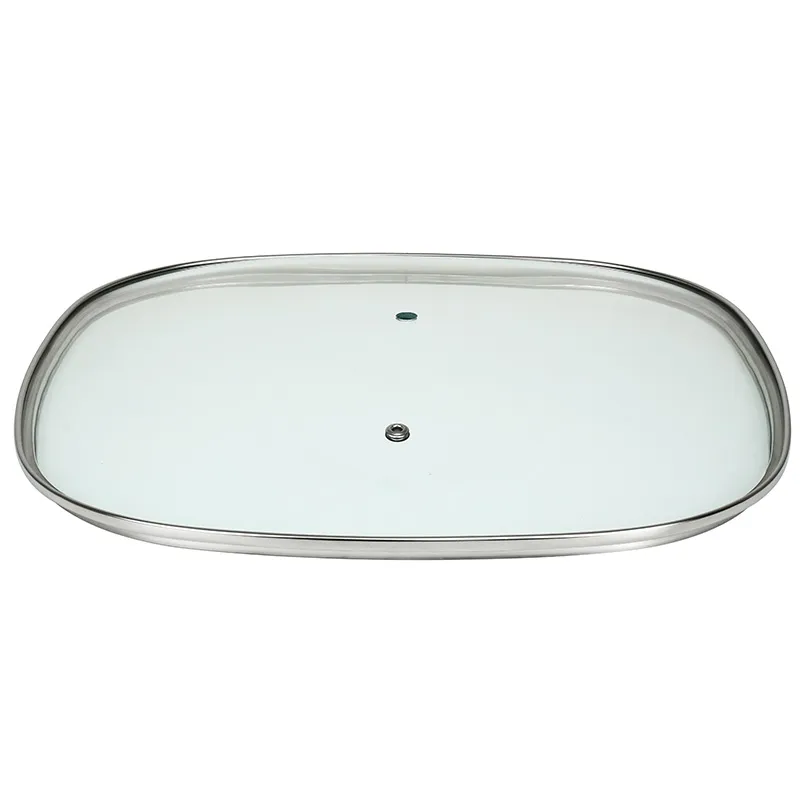
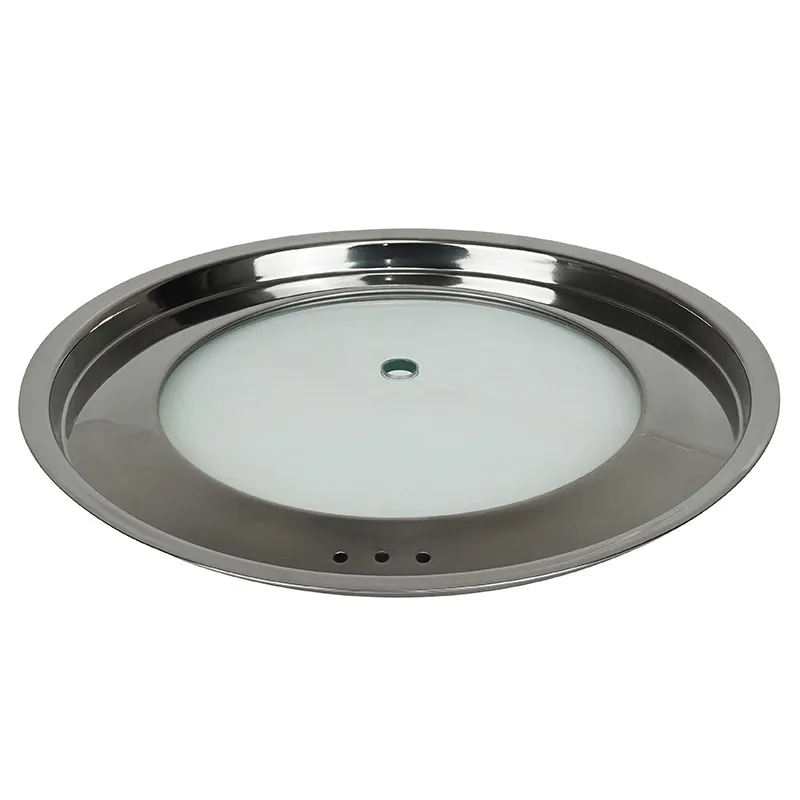
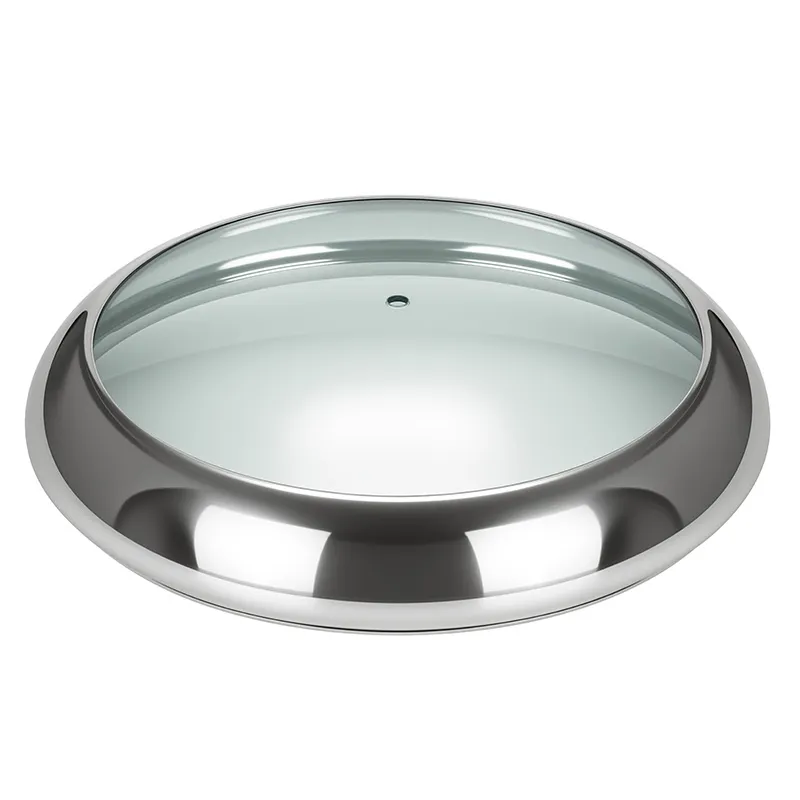
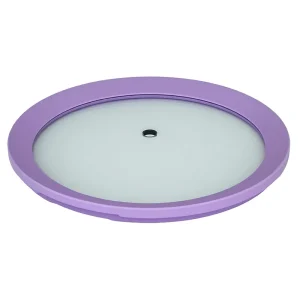
A silicone glass lid for cookware is a cookware cover built around a tempered glass panel with integrated silicone components.
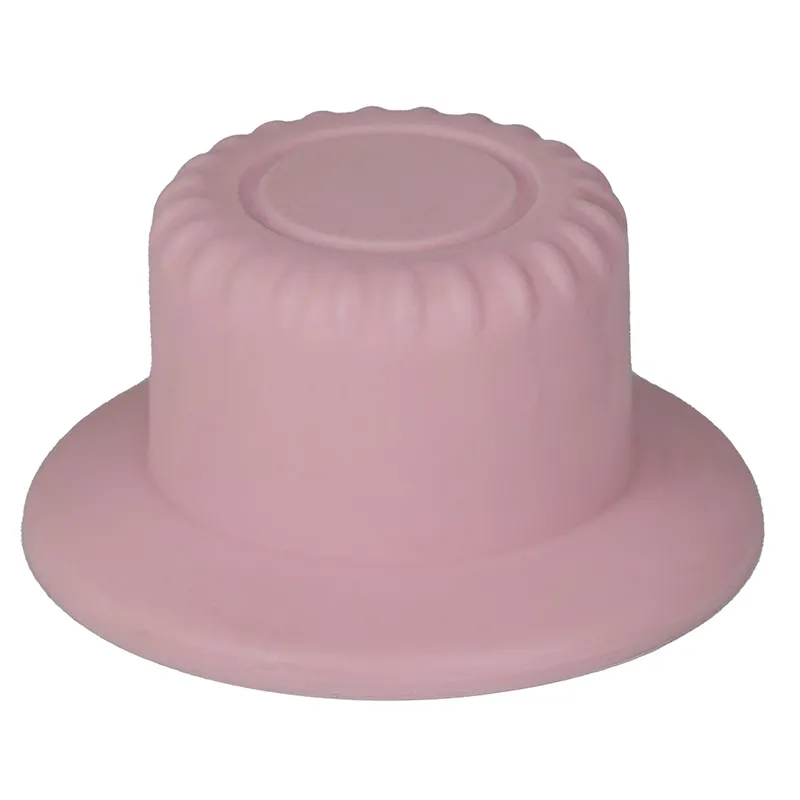
It differs from conventional tempered glass lids fitted with stainless steel rims in two common structural forms: silicone wrapped edge, where silicone encloses the sharp glass perimeter, and separate silicone sealing gaskets fitted between glass and the pot opening.
These lids are widely matched with stock pots, frying pans, casseroles and multi-purpose cookware.
The silicone component acts as both a seal and a protective buffer, while the transparent tempered glass lets users monitor cooking progress without lifting the lid.
You can view more product options on our silicone glass lid product category page.
Key Benefits of Silicone Glass Lid for Cookware
Silicone glass lids have grown popular for OEM cookware lines because they solve several pain points that metal-rim glass lids cannot address.
Improved Sealing Performance
Silicone is an elastic material that tolerates minor dimensional variations on pot rims.
Tighter sealing also lowers the chance of liquid boil-over for many home cooking scenarios.
Shock Resistance & Edge Protection
Glass edges are fragile and prone to chipping during transit or daily handling.
The silicone outer wrap absorbs impact, cutting down breakage rates for bulk wholesale shipments.
This is a meaningful advantage for importers managing long-distance ocean freight and retail return costs.
Food-Safe & Flexible Design
Unlike metal rims, food-grade silicone will not rust and carries no risk of surface coating peeling off into food.
It can also accommodate a small range of rim diameter tolerances, which simplifies inventory and compatibility planning for multi-size cookware sets.
Easy Cleaning & Compatibility
Smooth, non-porous food-grade silicone resists burnt food buildup when formulated correctly.
Most qualified silicone glass lids are dishwasher safe, as long as the manufacturer specifies dishwasher compatibility in product documentation.
Food-Grade Silicone Material Requirements for Silicone Glass Lids
Not all silicone is suitable for cookware lids.
Buyers need clear criteria to distinguish compliant food-grade silicone from inferior alternatives.
Raw Silicone Grade & Composition
For food-contact cookware accessories, platinum-cured silicone is the preferred material.
Peroxide-cured silicone costs less, yet it often retains strong chemical odors.
It also presents a higher risk of unwanted volatile substances migrating into food after repeated heating.
Recycled silicone blends are generally unacceptable for food-contact applications, even when mixed with virgin silicone.
Temperature Resistance Range
Standard food-grade platinum silicone for glass lids usually withstands continuous temperatures between -40°C and 200°C, with short peak exposure up to roughly 230°C.
Sustained exposure above the rated maximum will accelerate thermal degradation.
Note: Exact temperature ratings depend on the silicone formulation; sourcing teams should request material datasheets from suppliers for formal validation.
Visual & Tactile Quality Checks for Raw Silicone
Simple incoming quality checks help catch defective silicone batches before assembly:
- No sharp chemical, rubbery or solvent odor after heating
- No oily surface bloom or sticky residue
- Consistent texture, without visible pores, cracks or embedded impurities
Global Safety Standards for Silicone Glass Lids for Cookware
Different export markets enforce separate food-contact regulations.
Compliance applies primarily to silicone sealing parts, while tempered glass must also meet relevant food-contact requirements.
FDA 21 CFR (US Market)
FDA 21 CFR Part 177.2600 governs rubber articles intended for repeated food contact.
It sets limits on extractable substances that may transfer from silicone into food.
US-market shipments require test evidence showing the silicone formulation passes extraction testing under FDA conditions.
LFGB (EU & German Market)
LFGB is stricter than many general EU food contact rules, especially for products used at high temperatures.
It focuses on sensory properties such as odor and taste transfer, alongside substance migration testing.
Many premium European cookware brands require LFGB certification for silicone components.
Other Common Food Contact Regulations
Other widely referenced frameworks include EU Regulation 1935/2004 and French DGCCRF requirements.
Each territory has unique test conditions, so one certification rarely satisfies all target markets.
What Test Reports OEM Buyers Should Request
Sourcing managers should ask suppliers for reports covering:
- Global migration testing under relevant food simulants
- Volatile organic compound testing
- Thermal aging and cycling test results
- Material composition confirmation
A static certificate does not guarantee every production batch is compliant.
Periodic batch sampling remains necessary for quality control.
Limitations & Failure Risks of Silicone Glass Lids
Silicone glass lids deliver strong performance within their operating window, but they also carry inherent limitations that product teams must factor into design and user instructions.
Silicone Aging Over Long-Term Heat Cycles
Repeated heating and cooling cycles slowly break down silicone polymer structures.
Over time, the material hardens, loses elasticity, develops microcracks and fails to seal reliably.
Service life depends on silicone grade, operating temperature and usage frequency.
Oil & Stain Absorption Risk
Silicone can absorb pigments and oil from heavily pigmented sauces.
Staining does not automatically mean the silicone is unsafe, but visible discoloration creates negative user perceptions and increases customer support complaints.
Incompatible High-Heat Scenarios
Direct open-flame contact with silicone sections will rapidly degrade or melt the material.
Product manuals must clearly warn end users against placing silicone parts directly over burners.
Mold Contamination Risk with Poor Maintenance
Trapped moisture between silicone and glass can encourage mold growth if the lid is stored wet.
This risk is managed through design (drain gaps) and user guidance to fully air-dry before storage.
Sourcing Checklist for OEM Buyers
This checklist helps sourcing and QC teams standardize inspections before mass production:
- Confirm silicone is platinum-cured virgin food-grade silicone
- Match test certificates to target market requirements (FDA / LFGB etc.)
- Verify stated temperature limits and cross-check with material datasheets
- Inspect bonding between silicone and glass for gaps or weak adhesion
- Test seal fit on representative pot rim samples
- Review aging and thermal cycle test records
- Validate labeling and warning text for end-user instructions
Frequently Asked Questions
Can silicone glass lids go in the oven?
Most qualified silicone glass lids are oven safe only within the silicone manufacturer’s stated temperature limit.
Buyers should also assess thermal shock limits of the tempered glass panel, as rapid temperature shifts may cause glass breakage, even if the silicone remains stable.
Confirm oven suitability before marketing the lid as oven-compatible.
Is silicone on glass lids BPA-free by default?
Silicone as a base material does not contain BPA.
However, buyers should confirm that adhesives and auxiliary materials used during assembly are also BPA-free and food-contact approved.
Can I replace only the silicone rim without changing the whole glass lid?
This depends on the construction.
Removable gasket-style silicone seals can often be replaced separately, while permanently wrapped silicone edges cannot be serviced independently.
| Standard | Primary Target Market | Key Evaluation Points |
|---|---|---|
| FDA 21 CFR 177.2600 | United States | Chemical extraction limits |
| LFGB | Germany / Premium EU | Migration, odor & taste transfer |
| EU 1935/2004 | European Union | General food contact framework |