- English
- Chinese
- French
- German
- Portuguese
- Spanish
- Russian
- Japanese
- Korean
- Arabic
- Irish
- Greek
- Turkish
- Italian
- Danish
- Romanian
- Indonesian
- Czech
- Afrikaans
- Swedish
- Polish
- Catalan
- Esperanto
- Hindi
- Lao
- Albanian
- Amharic
- Armenian
- Azerbaijani
- Belarusian
- Bengali
- Bosnian
- Bulgarian
- Cebuano
- Chichewa
- Corsican
- Croatian
- Dutch
- Estonian
- Filipino
- Finnish
- Frisian
- Galician
- Georgian
- Gujarati
- Haitian
- Hausa
- Hawaiian
- Hebrew
- Hmong
- Hungarian
- Icelandic
- Igbo
- Javanese
- Kannada
- Kazakh
- Khmer
- Kurdish
- Kyrgyz
- Latin
- Latvian
- Lithuanian
- Luxembou..
- Macedonian
- Malagasy
- Malay
- Malayalam
- Maltese
- Maori
- Marathi
- Mongolian
- Burmese
- Nepali
- Norwegian
- Pashto
- Persian
- Punjabi
- Serbian
- Sesotho
- Sinhala
- Slovak
- Slovenian
- Somali
- Samoan
- Scots Gaelic
- Shona
- Sindhi
- Sundanese
- Swahili
- Tajik
- Tamil
- Telugu
- Thai
- Ukrainian
- Urdu
- Uzbek
- Vietnamese
- Welsh
- Xhosa
- Yiddish
- Yoruba
- Zulu
- Kinyarwanda
- Tatar
- Oriya
- Turkmen
- Uyghur


Innovations in Tempered Glass Lid Production: Durability, Heat Resistance, and Custom Designs
2026-05-11
- Understanding the Core Advances in Tempered Glass Lid Manufacturing
- Enhancing Durability Through Advanced Material Engineering
- Mastering Heat Resistance for Modern Cooking Methods
- The Rise of Custom Designs in Glass Lid Production
- Production Technologies Driving Quality and Efficiency
- Comparative Analysis: Traditional vs. Innovative Glass Lids
- Practical Applications and Usage Scenarios
- Frequently Asked Questions (FAQ)
- Conclusion and Strategic Recommendations
Innovations in tempered glass lid production have revolutionized cookware safety and performance, focusing on enhanced durability, superior heat resistance, and versatile custom designs. Modern manufacturing utilizes advanced thermal tempering and precision molding to create lids that withstand extreme temperature shocks while offering aesthetic flexibility. This evolution ensures that kitchen tools meet rigorous safety standards without compromising on style or functionality for diverse culinary needs.
Understanding the Core Advances in Tempered Glass Lid Manufacturing
The landscape of cookware accessories has shifted dramatically due to innovations in tempered glass lid production. Historically, glass lids were prone to shattering under sudden temperature changes. Today, the industry leverages sophisticated chemical and physical processes to alter the internal stress structure of the glass. This transformation turns a fragile material into a robust component capable of enduring the rigors of professional and home kitchens.
Current mainstream production lines integrate automated optical inspection systems. These systems detect micro-fractures invisible to the naked eye before the product leaves the factory. By eliminating weak points early in the process, manufacturers ensure a higher success rate in real-world applications. The result is a product that not only covers pots effectively but also contributes to energy efficiency by retaining heat better than traditional alternatives.
Furthermore, the drive for customization has pushed engineering boundaries. It is no longer sufficient to produce standard circular lids. Consumers and commercial buyers demand specific shapes, sizes, and handle configurations. Advanced molding techniques now allow for complex geometries without sacrificing the structural integrity required for high-heat environments. This adaptability marks a significant leap forward in the sector.
The Evolution from Annealed to Fully Tempered Glass
To appreciate current innovations, one must understand the transition from annealed to fully tempered glass. Annealed glass cools slowly, leaving it susceptible to breakage from thermal shock. In contrast, the modern tempering process involves heating the glass to over 600 degrees Celsius followed by rapid cooling. This quenching process creates compressive stress on the surface and tensile stress in the center.
- Surface Compression: Makes the exterior highly resistant to scratches and impacts.
- Internal Tension: Ensures that if breakage occurs, the glass crumbles into small, dull granules rather than sharp shards.
- Thermal Stability: Allows the lid to move directly from a freezer to a hot stove without cracking.
This fundamental shift in material science is the backbone of today’s durable cookware lids. It addresses the primary concern of safety while extending the product lifecycle. Industry experts consider this tempering method the gold standard for any glass component exposed to fluctuating temperatures.
Enhancing Durability Through Advanced Material Engineering
Durability remains the paramount metric in evaluating tempered glass lids. Recent years have seen the introduction of hybrid materials and reinforced edge technologies. While the central pane offers clarity and heat resistance, the edges are often the most vulnerable points during handling and cleaning. Innovations here focus on reinforcing these perimeters to prevent chipping.
Manufacturers are increasingly adopting chemically strengthened glass for premium lines. Unlike thermal tempering, chemical strengthening involves ion exchange, where smaller sodium ions on the surface are replaced by larger potassium ions. This creates a deeper layer of compression, offering superior resistance against point impacts. This is particularly useful for lids with metal rims or complex handle attachments.
Another critical aspect of durability is the bonding between the glass and the handle or rim. Traditional adhesives can degrade over time when exposed to steam and detergent. Newer production methods utilize mechanical locking systems or high-temperature resistant silicone gaskets that fuse with the glass edge. This eliminates the risk of the handle detaching during use, a common failure point in older designs.
Impact Resistance and Safety Standards
Safety standards globally have become more stringent, driving producers to exceed minimum requirements. The goal is to create a lid that can survive accidental drops onto tile or stone countertops. While no glass is unbreakable, the innovation lies in how it fails. The “safe-break” characteristic is rigorously tested to ensure user protection.
Testing protocols now simulate years of usage in accelerated environments. Lids undergo thousands of thermal cycles, moving from boiling water to cold air repeatedly. Only those maintaining structural integrity pass the quality control gates. This rigorous testing regime builds trust with consumers who rely on these products daily for cooking various dishes.
- Drop Testing: Simulates accidental falls from counter height.
- Thermal Shock Testing: Exposes the glass to extreme temperature differentials instantly.
- Load Bearing: Ensures the lid can support weight, such as a heavy spoon or another pot, without fracturing.
These measures ensure that the final product delivered to the market represents the pinnacle of current safety engineering. The focus is not just on preventing breakage but on mitigating consequences should an incident occur.
Mastering Heat Resistance for Modern Cooking Methods
Heat resistance is the defining feature that separates tempered glass lids from other materials. As cooking methods evolve to include higher temperatures and faster heating elements, the demands on lid performance increase. Modern innovations ensure that these lids can withstand direct flame, electric coils, and induction fields without degrading.
The coefficient of thermal expansion is a critical factor managed during production. By carefully controlling the composition of the raw glass batch, manufacturers minimize expansion when heated. This stability prevents the internal stresses that lead to cracking. High-borosilicate content is often integrated into the mix to enhance this property, although pure tempered soda-lime glass has also reached impressive performance levels through processing tweaks.
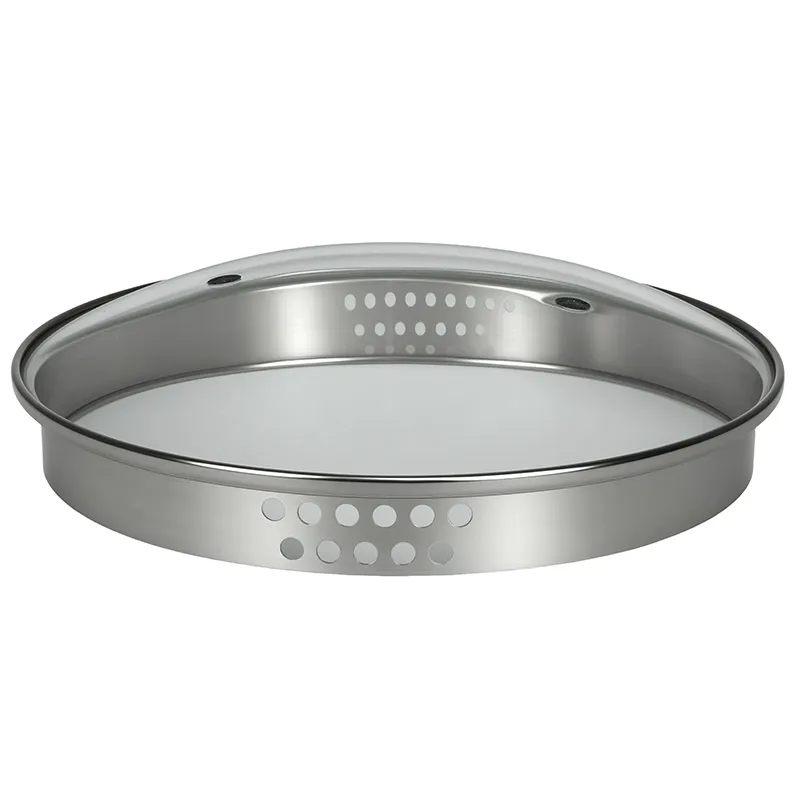
Ventilation design plays a crucial role in heat management. A sealed lid can build up excessive pressure, leading to potential failure or dangerous steam releases. Contemporary designs incorporate precision-molded steam vents. These vents are sized to release excess pressure while retaining enough heat and moisture to cook food efficiently. The placement of these vents is calculated using fluid dynamics simulations to optimize airflow.
Compatibility with Induction and Open Flame
The rise of induction cooking presented a unique challenge for glass lids. While the glass itself does not interact with magnetic fields, the rapid heating of the pot base can transfer intense heat to the lid quickly. Innovations in production have addressed this by ensuring uniform thickness distribution. Uneven glass can create hot spots that compromise integrity.
For open flame applications, the focus shifts to soot resistance and cleanability. High-temperature coatings are sometimes applied to the exterior surface. These coatings prevent carbon buildup from sticking to the glass, making maintenance easier. They also add an extra layer of thermal insulation, protecting the user’s hand from radiant heat when lifting the lid.
| Heating Source | Key Challenge | Innovation Solution |
|---|---|---|
| Induction | Rapid heat transfer from base | Uniform thickness control and high-stress tolerance |
| Gas Flame | Soot accumulation and uneven heating | Hydrophobic coatings and optimized vent placement |
| Electric Coil | Direct contact hot spots | Reinforced edge structures and thermal shock resistance |
| Ceramic/Glass Top | Scratching during sliding | Smoothed edges and scratch-resistant surface treatments |
This comprehensive approach ensures that a single lid design can perform reliably across various kitchen setups. Whether used in a residential kitchen with mixed appliances or a commercial setting with specialized equipment, the heat resistance capabilities remain consistent.
The Rise of Custom Designs in Glass Lid Production
Beyond functionality, aesthetics and customization have become major drivers in the industry. Chefs and home cooks alike seek cookware that reflects their personal style or brand identity. Innovations in production technology have made custom designs more accessible and cost-effective than ever before. This shift allows for a wide array of shapes, colors, and finishes.
Digital printing and ceramic frit application are at the forefront of this trend. These technologies allow for intricate patterns, logos, or color gradients to be fused directly onto the glass surface. Unlike stickers or paints that peel off, these designs become part of the glass matrix during the tempering process. They are permanent, food-safe, and resistant to dishwasher cycles.
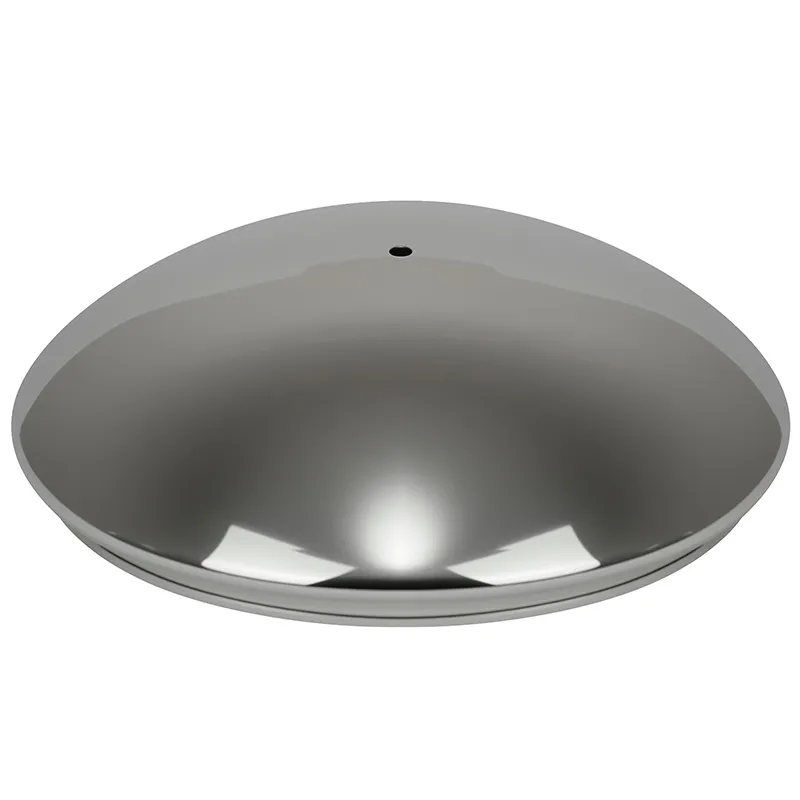
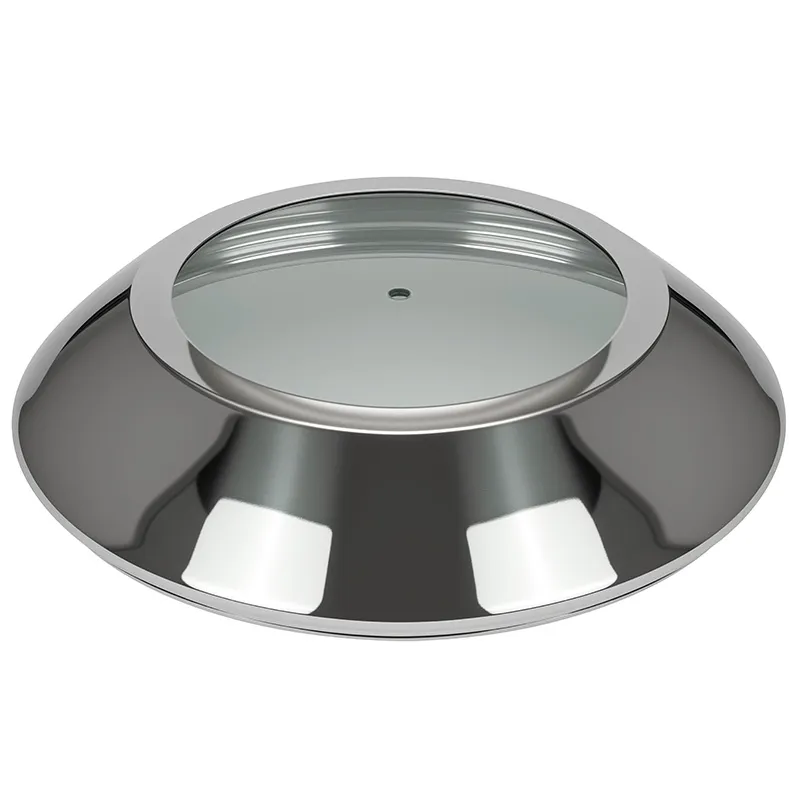
Shape customization is another area seeing significant growth. While round lids dominate the market, there is increasing demand for oval, square, and rectangular options to fit specific casserole dishes or roasting pans. Advanced CNC machining and precision molding enable the creation of these non-standard shapes without weakening the glass structure. This flexibility supports niche cookware brands looking to differentiate their offerings.
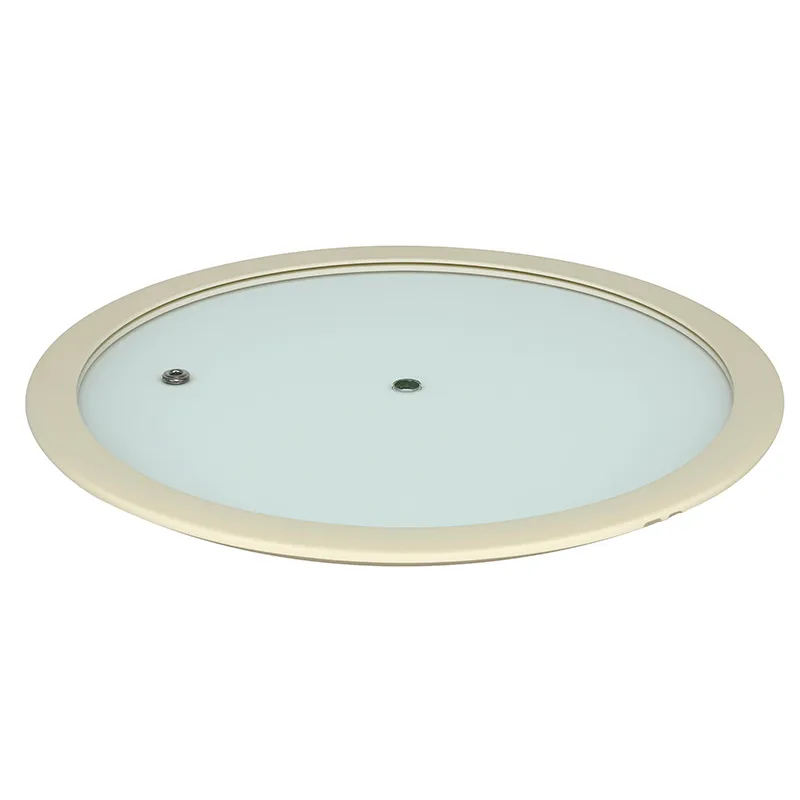
Leading this charge in flexible manufacturing is EUR-ASIA COOKWARE CO.,LTD., a specialist in producing household glass products ranging from low to high-level specifications. Located in the China National High-tech Development Zone in Taian City, Shandong Province, the company operates a substantial 20,000㎡ production base. With a workforce of over 90 employees and an annual output exceeding 15 million pieces, EUR-ASIA exemplifies the capacity to meet global demand. Their expertise lies in crafting high-curvature, tall, flat, and other special-shaped glass covers tailored precisely to customer demands, including custom logo printing. Having passed ISO9001 certification, with products meeting rigorous LFGB and TUV standards, they serve as a prime example of how modern facilities bridge the gap between mass production and bespoke design requirements.
Handle Ergonomics and Aesthetic Integration
The handle is not merely a functional grip; it is a central design element. Modern production allows for seamless integration of handles made from various materials, including stainless steel, silicone, and wood composites. The attachment points are engineered to distribute weight evenly, reducing strain on the glass.
Ergonomic studies influence the curvature and texture of handles. Designs now feature cool-touch technologies where the handle remains safe to touch even after prolonged cooking. Customization extends to the handle shape as well, offering options that suit different hand sizes and grip preferences. This attention to detail enhances the overall user experience and perceived value of the product.
- Color Matching: Ability to match lid handles to pot bodies or kitchen decor.
- Branding Opportunities: Direct printing of logos for corporate gifts or restaurant supply.
- Textured Finishes: Adding grip patterns to the glass surface for safer handling.
These custom capabilities empower brands to create cohesive cookware sets. Instead of settling for generic components, companies can commission lids that perfectly align with their design language. This level of personalization was previously reserved for luxury items but is now becoming standard in mid-to-high-range production.
Production Technologies Driving Quality and Efficiency
The backbone of these innovations lies in the manufacturing technologies themselves. Automation has reduced human error and increased consistency. Robotic arms now handle the glass throughout the tempering furnace, ensuring precise positioning and timing. This level of control is impossible to achieve manually and is essential for maintaining high-quality standards at scale.
Laser cutting and edging technologies have replaced traditional grinding methods in many facilities. Lasers provide cleaner cuts with fewer micro-cracks along the edges. Subsequent fire polishing smooths these edges further, enhancing both safety and aesthetics. This reduction in edge defects directly correlates to improved durability and lower return rates.
Quality assurance has also been transformed by artificial intelligence. Camera systems equipped with machine learning algorithms scan every inch of the glass. They identify distortions, bubbles, or inclusions that could compromise performance. Defective units are automatically rejected before packaging. This data-driven approach ensures that only products meeting strict criteria reach the consumer.
Sustainable Manufacturing Practices
Sustainability is increasingly influencing production choices. Glass is inherently recyclable, but the energy consumption of tempering furnaces is significant. Newer facilities are adopting regenerative burners and improved insulation to reduce energy usage. Some producers are exploring the use of recycled glass cullet in their batches without compromising the clarity or strength of the final product.
Packaging innovations also play a role. Reduced plastic usage and biodegradable protective materials are becoming common. The goal is to minimize the environmental footprint from the factory floor to the customer’s kitchen. These efforts resonate with environmentally conscious consumers and align with global sustainability goals.
Water conservation in the cooling and cleaning stages is another focus area. Closed-loop water systems recycle process water, significantly reducing waste. By integrating these eco-friendly practices, the industry demonstrates a commitment to responsible manufacturing alongside product innovation.
Comparative Analysis: Traditional vs. Innovative Glass Lids
To fully grasp the impact of recent advancements, it is helpful to compare traditional production methods with modern innovative approaches. This comparison highlights the tangible benefits gained through technological adoption. It clarifies why upgrading to newer models or sourcing from advanced manufacturers is a strategic choice.
Traditional methods often relied on manual inspection and basic tempering cycles. While adequate for low-stress environments, they struggled with consistency and complex designs. Modern innovations address these limitations head-on, offering superior performance metrics across the board. The difference is evident in longevity, safety features, and design versatility.
| Feature | Traditional Production | Innovative Production |
|---|---|---|
| Tempering Process | Basic thermal cycling | Precise computer-controlled quenching |
| Edge Quality | Ground edges, potential micro-cracks | Laser cut and fire-polished, smooth finish |
| Design Flexibility | Limited to standard shapes | Custom shapes, sizes, and printed graphics |
| Inspection Method | Manual visual check | AI-driven optical scanning |
| Thermal Shock Resistance | Moderate | High (withstands extreme deltas) |
| Handle Attachment | Adhesive or simple rivets | Mechanical locks and high-temp silicone |
This table illustrates the clear trajectory of the industry. The shift towards innovation is not merely about marketing but about delivering fundamentally better products. Users benefit from increased safety, longer product life, and greater aesthetic satisfaction. For businesses, it means reduced liability and enhanced brand reputation.
Practical Applications and Usage Scenarios
The versatility of modern tempered glass lids makes them suitable for a wide range of applications. From everyday home cooking to specialized culinary tasks, these innovations enhance the cooking experience. Understanding these scenarios helps users maximize the utility of their cookware.
In residential kitchens, the ability to monitor food without lifting the lid is a key advantage. The clarity of the glass allows cooks to check simmering sauces or boiling pasta instantly. This reduces heat loss and maintains consistent cooking temperatures. The durability ensures that accidental bumps against cabinet doors do not result in breakage.
Commercial kitchens benefit from the standardized sizing and robust construction. High-volume cooking requires equipment that can withstand constant use and frequent washing. The enhanced heat resistance allows chefs to use these lids in ovens as well as on stovetops, adding versatility to their toolkit. Custom branding also helps restaurants maintain a professional appearance in open-kitchen concepts.
- Slow Cooking: Retains moisture effectively for braises and stews.
- Steaming: Clear visibility allows monitoring of water levels and food doneness.
- Oven Roasting: Safe for high oven temperatures, locking in flavors.
- Storage: Many designs double as storage covers, transitioning seamlessly from stove to fridge.
These applications demonstrate that the innovations are not theoretical but practical improvements that solve real-world cooking challenges. The adaptability of the product ensures it remains relevant regardless of cooking style or cuisine type.
Frequently Asked Questions (FAQ)
Addressing common queries helps clarify misconceptions and provides additional value to readers. These questions reflect genuine user concerns regarding safety, maintenance, and compatibility.
Can tempered glass lids go in the oven?
Yes, most modern tempered glass lids are oven-safe up to specific temperatures, typically around 400°F to 500°F (200°C to 260°C). However, it is essential to check the manufacturer’s guidelines for the specific model. Avoid placing a cold lid directly into a preheated oven to prevent thermal shock.
How do I clean a tempered glass lid effectively?
These lids are generally dishwasher safe. For stubborn stains or mineral deposits, soaking in a mixture of warm water and vinegar works well. Avoid using abrasive scrubbers that could scratch the surface, although modern coatings are quite resilient. Hand washing with mild detergent is recommended for preserving printed designs.
What happens if the lid breaks?
If a properly tempered glass lid breaks, it shatters into small, granular pieces rather than sharp shards. This design minimizes the risk of injury. Despite this safety feature, caution should be exercised during cleanup. Sweep up large pieces and use a damp paper towel to pick up tiny fragments.
Are custom-designed lids more expensive?
Customization can increase costs depending on the complexity of the design, order volume, and specific requirements like unique molds or special printing. However, mass production techniques have made basic customizations, such as logo printing, relatively affordable for bulk orders.
Do these lids fit all pots?
While many lids are designed to be universal within a certain size range, a perfect fit is best achieved with matching sets. Custom production allows for exact sizing to fit specific pot diameters. Always measure the inner or outer rim of your pot as specified by the lid manufacturer to ensure a proper seal.
Conclusion and Strategic Recommendations
The innovations in tempered glass lid production represent a significant milestone in cookware technology. By prioritizing durability, heat resistance, and custom designs, the industry has delivered products that are safer, longer-lasting, and more aesthetically pleasing. The integration of advanced manufacturing techniques ensures consistent quality, while sustainable practices align with modern environmental values.
For consumers, selecting a lid produced with these innovations means investing in kitchen safety and convenience. Look for products that specify thermal tempering standards and offer warranty coverage. For businesses, partnering with manufacturers who utilize AI inspection and custom molding capabilities provides a competitive edge. The ability to offer branded, high-performance lids can distinguish a cookware line in a crowded market.
Who should consider upgrading? Home cooks seeking reliability, professional chefs needing versatile tools, and brands aiming for differentiation will all find value in these advanced solutions. The next step is to evaluate current cookware setups and identify opportunities where a high-quality tempered glass lid can enhance performance. Whether replacing a broken unit or outfitting a new kitchen, prioritizing these innovative features ensures a superior cooking experience for years to come.