- English
- Chinese
- French
- German
- Portuguese
- Spanish
- Russian
- Japanese
- Korean
- Arabic
- Irish
- Greek
- Turkish
- Italian
- Danish
- Romanian
- Indonesian
- Czech
- Afrikaans
- Swedish
- Polish
- Catalan
- Esperanto
- Hindi
- Lao
- Albanian
- Amharic
- Armenian
- Azerbaijani
- Belarusian
- Bengali
- Bosnian
- Bulgarian
- Cebuano
- Chichewa
- Corsican
- Croatian
- Dutch
- Estonian
- Filipino
- Finnish
- Frisian
- Galician
- Georgian
- Gujarati
- Haitian
- Hausa
- Hawaiian
- Hebrew
- Hmong
- Hungarian
- Icelandic
- Igbo
- Javanese
- Kannada
- Kazakh
- Khmer
- Kurdish
- Kyrgyz
- Latin
- Latvian
- Lithuanian
- Luxembou..
- Macedonian
- Malagasy
- Malay
- Malayalam
- Maltese
- Maori
- Marathi
- Mongolian
- Burmese
- Nepali
- Norwegian
- Pashto
- Persian
- Punjabi
- Serbian
- Sesotho
- Sinhala
- Slovak
- Slovenian
- Somali
- Samoan
- Scots Gaelic
- Shona
- Sindhi
- Sundanese
- Swahili
- Tajik
- Tamil
- Telugu
- Thai
- Ukrainian
- Urdu
- Uzbek
- Vietnamese
- Welsh
- Xhosa
- Yiddish
- Yoruba
- Zulu
- Kinyarwanda
- Tatar
- Oriya
- Turkmen
- Uyghur

Tempered Glass Lid Market Trends 2026: Innovations, Safety Standards, and Global Demand Growth
2026-04-29
- Understanding the Core Dynamics of the Tempered Glass Lid Industry
- Safety Standards and Regulatory Compliance Driving Market Evolution
- Innovations Shaping the Future of Glass Lid Technology
- Global Demand Growth and Regional Market Insights
- Comparative Analysis: Tempered Glass vs. Alternative Materials
- Application Scenarios Across Residential and Commercial Sectors
- Challenges and Future Outlook for the Industry
- Frequently Asked Questions (FAQ)
- Conclusion and Strategic Recommendations
The Tempered Glass Lid Market Trends 2026 forecast highlights a decisive shift toward enhanced safety standards, aesthetic innovations, and surging global demand. As the cookware industry evolves, manufacturers are prioritizing heat-resistant materials that comply with rigorous international regulations while meeting consumer desires for transparent, durable cooking solutions. This analysis explores the technological advancements driving the sector, the critical role of safety compliance, and the expanding applications across residential and commercial kitchens worldwide.
Understanding the Core Dynamics of the Tempered Glass Lid Industry
The trajectory of the tempered glass lid market is defined by a convergence of material science breakthroughs and shifting consumer behaviors. Unlike traditional materials, tempered glass offers a unique combination of thermal stability and visual clarity, allowing users to monitor cooking progress without releasing heat or steam. The industry is currently navigating a period of significant transformation, driven by the need for higher performance standards and sustainable manufacturing practices.
Market observers note that the demand is not merely increasing in volume but also in sophistication. Consumers are no longer satisfied with basic functionality; they seek products that integrate seamlessly into modern kitchen aesthetics while providing superior safety features. This dual demand for form and function is reshaping product development strategies across the globe.
Furthermore, the supply chain dynamics have adapted to support this growth. Manufacturers are investing heavily in advanced tempering processes that enhance the structural integrity of the glass. These improvements ensure that lids can withstand rapid temperature changes, a common occurrence in high-heat cooking environments, thereby reducing the risk of breakage and enhancing user confidence.
Defining Tempered Glass in Modern Cookware
Tempered glass, often referred to as toughened glass, is processed by controlled thermal or chemical treatments to increase its strength compared with normal glass. In the context of cookware lids, this process is critical. It ensures that if the glass does break, it shatters into small, granular chunks instead of jagged shards, significantly minimizing the risk of injury.
The production involves heating the glass to over 600 degrees Celsius followed by rapid cooling. This creates surface compression and internal tension, resulting in a material that is several times stronger than annealed glass. For lid manufacturers, mastering this thermal tempering curve is essential to producing items that meet both durability expectations and safety mandates.
Current industry standards dictate strict tolerances for flatness and edge quality. Any imperfection in the grinding or polishing stages can become a stress point, compromising the entire unit. Therefore, quality control has become a cornerstone of reputable production lines, ensuring every unit leaving the factory meets high-performance benchmarks.
Safety Standards and Regulatory Compliance Driving Market Evolution
Safety remains the paramount concern in the tempered glass lid sector. As global trade expands, manufacturers must navigate a complex landscape of international regulations. Compliance with standards such as FDA requirements in the United States, LFGB in Germany, and other regional food safety protocols is non-negotiable for market entry.
These regulations govern not only the physical strength of the glass but also the materials used in accompanying components, such as handles and rims. The industry has seen a tightening of these rules in recent years, prompting a wave of innovation aimed at exceeding minimum requirements rather than just meeting them.
Manufacturers are increasingly adopting third-party testing protocols to validate their claims. This proactive approach builds trust with distributors and end-users alike. By demonstrating a commitment to safety that goes beyond legal obligations, brands establish themselves as authoritative leaders in the marketplace. A prime example of this commitment is seen in established producers like EUR-ASIA COOKWARE CO.,LTD., which has successfully secured both LFGB and TUV certifications, ensuring their products meet the stringent safety demands of European and global markets.
Thermal Shock Resistance and Durability Protocols
One of the most critical performance metrics for a tempered glass lid is its resistance to thermal shock. This refers to the ability of the material to withstand sudden changes in temperature without fracturing. In a typical kitchen scenario, a hot lid might be placed on a cool counter or exposed to cold water, creating immense internal stress.
Advanced manufacturing techniques now allow for higher coefficients of thermal expansion management. This means the glass can absorb more energy before failing. Industry testing often involves subjecting samples to extreme temperature differentials repeatedly to ensure long-term reliability under real-world conditions.
- Impact Resistance: Modern lids are designed to endure accidental drops and bumps common in busy kitchens.
- Edge Strength: Reinforced edging prevents chipping, which is a primary failure point in lower-quality products.
- Chemical Stability: The glass must remain inert when exposed to acidic foods, salts, and cleaning agents over prolonged periods.
Failure to meet these durability protocols can result in costly recalls and reputational damage. Consequently, leading producers invest significantly in R&D to refine their tempering formulas, ensuring their products stand up to the rigors of daily use.
The Role of Handle Design in Overall Safety
While the glass itself is crucial, the interface between the lid and the user—the handle—is equally vital for safety. A poorly designed handle can lead to burns or drops, negating the benefits of a shatter-resistant lid. Current trends show a move towards ergonomic designs that stay cool to the touch even when the glass is hot.
Materials used for handles are undergoing scrutiny as well. Silicone overlays, stainless steel cores, and heat-resistant polymers are being engineered to provide a secure grip. The attachment method is also evolving, with many manufacturers moving away from simple adhesives to mechanical locking systems that offer greater longevity.
Safety standards now often include specific tests for handle adhesion and heat transfer. These tests simulate extended cooking times to ensure that the handle remains safe to touch. This holistic approach to safety, considering the entire assembly rather than just the glass pane, defines the current premium segment of the market.
Innovations Shaping the Future of Glass Lid Technology
Innovation is the engine propelling the tempered glass lid market toward its 2026 projections. The sector is witnessing a surge in creative solutions that address both functional limitations and aesthetic desires. From smart features to eco-friendly production methods, the landscape is becoming increasingly competitive and dynamic.
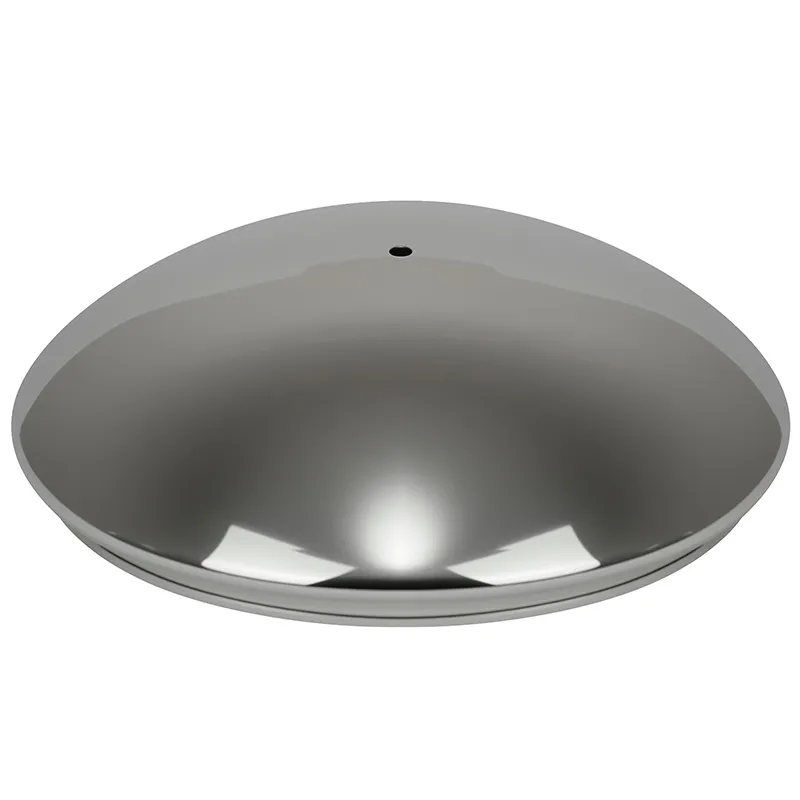
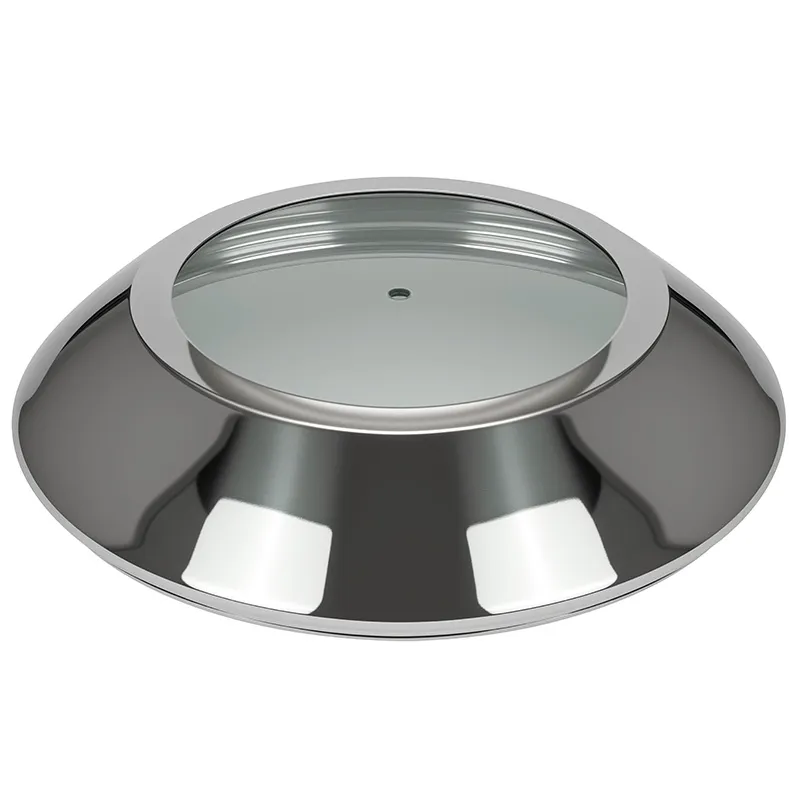
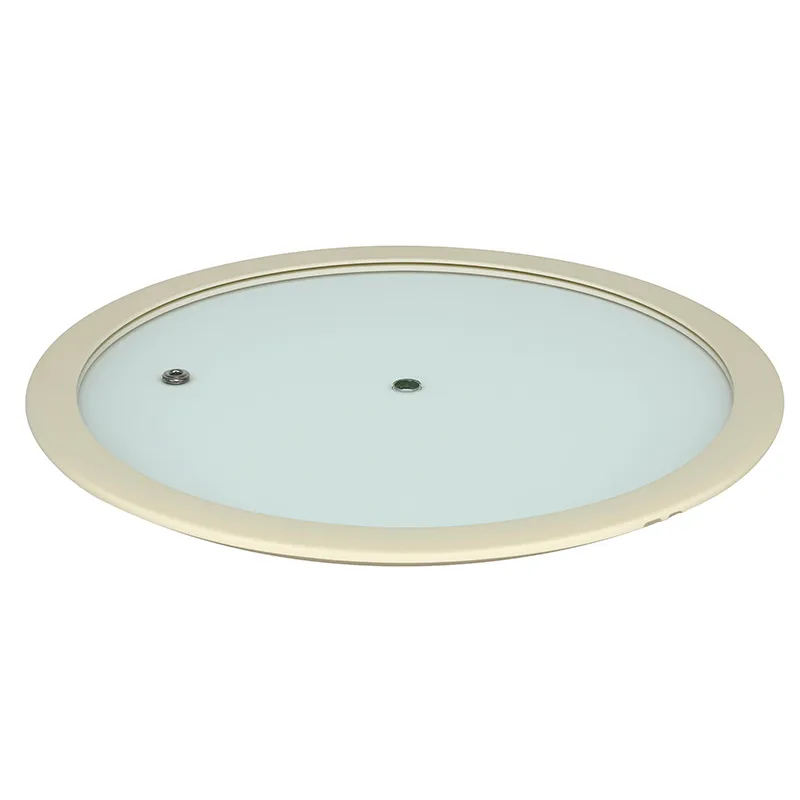
Design flexibility has expanded remarkably. Manufacturers can now produce lids in various shapes and tints without compromising structural integrity. This allows for greater customization to match specific cookware lines, fostering brand loyalty through cohesive kitchen sets. The ability to print durable, heat-resistant patterns directly onto the glass surface is another notable advancement. Companies like EUR-ASIA COOKWARE CO.,LTD. exemplify this adaptability, offering customized solutions that range from high-curvature and tall domes to flat and special-shaped covers, complete with customer-specific logo printing to strengthen brand identity.
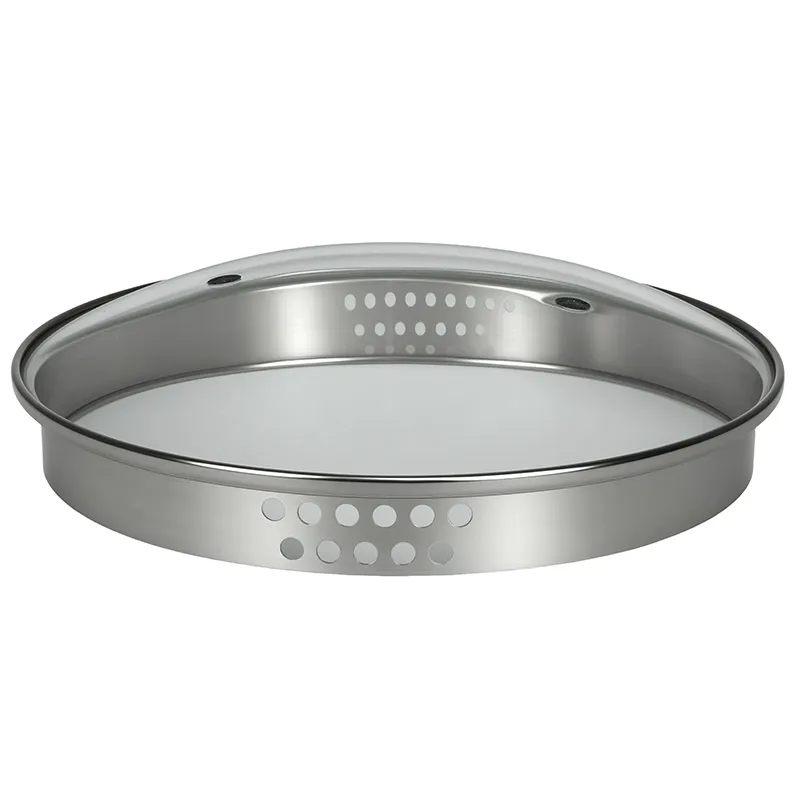
Moreover, the integration of multi-functional elements is gaining traction. Lids are being designed with built-in strainers, steam vents with adjustable settings, and compatibility with induction cooktops. These features add value for the consumer, transforming a simple cover into a versatile cooking tool.
Aesthetic Enhancements and Customization Trends
The visual appeal of cookware has become a significant purchasing driver. Tempered glass lids offer a sleek, modern look that complements contemporary kitchen decor. Innovations in tinting technologies allow for bronze, grey, and even colored glass options that maintain high light transmission while adding a touch of elegance.
Customization extends beyond color. Laser etching and ceramic printing techniques enable intricate designs and branding directly on the glass surface. These decorations are fused into the material, ensuring they do not wear off with washing or exposure to heat. This permanence is crucial for maintaining the premium feel of the product over its lifecycle.
Transparency levels are also being fine-tuned. While clear glass remains popular for visibility, slightly frosted or textured finishes are emerging to hide condensation buildup while still allowing users to gauge cooking progress. This balance between visibility and practicality is a key focus area for product designers.
Eco-Friendly Manufacturing and Sustainability
Sustainability is no longer a niche concern but a central pillar of industry strategy. The production of tempered glass is energy-intensive, prompting manufacturers to seek more efficient furnaces and recycling programs. The use of recycled glass cullet in the raw material mix is becoming more prevalent, reducing the carbon footprint of new products.
Packaging innovations are also part of this green shift. Companies are transitioning to biodegradable or recyclable packaging materials to minimize waste. This aligns with the growing consumer preference for environmentally responsible brands, influencing purchasing decisions in major markets.
Furthermore, the longevity of tempered glass lids contributes to sustainability. Their durability means fewer replacements are needed compared to plastic or lower-quality alternatives. This extended product life cycle reduces overall consumption and waste, a point increasingly highlighted in marketing communications to eco-conscious consumers.
Global Demand Growth and Regional Market Insights
The global demand for tempered glass lids is experiencing robust growth, fueled by urbanization, rising disposable incomes, and a burgeoning interest in home cooking. Different regions exhibit unique drivers and preferences, shaping a diverse global marketplace that requires nuanced strategies from manufacturers.
In North America and Europe, the market is mature but continues to grow through replacement cycles and premiumization. Consumers in these regions are willing to pay more for high-quality, safe, and aesthetically pleasing products. The trend towards open-plan kitchens has also increased the visibility of cookware, making the design of lids more important than ever. This demand is reflected in the export portfolios of major manufacturers; for instance, EUR-ASIA COOKWARE CO.,LTD. directs over 90% of its annual output of 15 million pieces to key markets including Germany, Italy, France, Spain, Switzerland, Denmark, Poland, Russia, Turkey, Brazil, South Korea, and Japan, catering specifically to the high standards of these regions.
Conversely, the Asia-Pacific region represents the fastest-growing segment. Rapid urbanization and a expanding middle class are driving the adoption of modern cookware. Here, the focus is often on versatility and value, with a strong preference for multi-purpose lids that fit various pot sizes. The rise of e-commerce in this region has also democratized access to premium brands.
Emerging Markets and Urbanization Effects
Emerging economies in Latin America and parts of Africa are beginning to show significant potential. As urban populations grow, so does the demand for convenient and safe cooking solutions. The shift from traditional clay or metal pots to modern glass-lidded cookware is accelerating in these areas.
Urban lifestyles often demand quicker cooking methods and easier cleanup, both of which tempered glass lids facilitate. The ability to see food cooking reduces the need to lift the lid, preserving heat and moisture, which speeds up the process. This efficiency resonates strongly with busy urban dwellers.
Distribution channels in these markets are evolving rapidly. While traditional retail remains important, online platforms are becoming crucial for reaching younger consumers. Manufacturers who can effectively leverage digital marketing and e-commerce logistics are poised to capture significant market share in these developing regions.
The Impact of Food Culture on Product Preferences
Food culture plays a pivotal role in shaping product specifications. In regions where steaming is a primary cooking method, such as East Asia, lids with tight seals and specific venting mechanisms are highly prized. In contrast, Western markets may prioritize lids suitable for braising and slow-cooking, requiring different heat retention properties.
The popularity of specific cuisines also influences design. The global rise of Asian cooking in Western homes has led to increased demand for woks and stir-fry pans equipped with compatible glass lids. Manufacturers are responding by creating universal lids or specialized sets that cater to these cross-cultural culinary trends.
Understanding these cultural nuances is essential for success. A one-size-fits-all approach is less effective than tailored product lines that respect local cooking habits. This localization strategy helps brands build deeper connections with consumers and fosters long-term loyalty.
Comparative Analysis: Tempered Glass vs. Alternative Materials
To understand the market position of tempered glass lids, it is essential to compare them with alternative materials commonly used in the industry. Each material has its strengths and weaknesses, but tempered glass has carved out a dominant niche due to its balanced performance profile.
The following table outlines the key differences between tempered glass, standard annealed glass, and plastic lids, highlighting why tempered glass is the preferred choice for modern cookware.
| Feature | Tempered Glass | Annealed Glass | Plastic/Silicone |
|---|---|---|---|
| Safety upon Breakage | Shatters into dull granules | Breaks into sharp shards | Does not break, but can melt |
| Thermal Shock Resistance | Very High | Low | Moderate to Low |
| Heat Resistance Limit | Up to 400°C+ | Limited, prone to cracking | Usually below 200°C |
| Visibility | Excellent, clear | Good, but less durable | Often opaque or cloudy |
| Durability | High impact resistance | Fragile | Prone to staining and warping |
| Cleaning Ease | Non-porous, dishwasher safe | Non-porous but fragile | Can retain odors and stains |
As illustrated, tempered glass offers a superior balance of safety, durability, and functionality. While plastic lids may be cheaper, they lack the heat resistance and clarity required for serious cooking. Annealed glass, while clear, poses significant safety risks and cannot withstand the thermal stresses of modern stovetops.
This comparative advantage explains the sustained growth of the tempered glass sector. Consumers and professional chefs alike recognize the value of a lid that combines the visibility of glass with the resilience of engineered safety features. This perception drives the continued migration away from inferior alternatives.
Application Scenarios Across Residential and Commercial Sectors
The versatility of tempered glass lids allows them to thrive in diverse settings, from humble home kitchens to high-volume commercial establishments. Understanding these application scenarios provides insight into the breadth of the market and the specific needs of different user groups.
In residential settings, the primary drivers are convenience and safety. Home cooks appreciate the ability to monitor meals without interrupting the cooking process. This is particularly valuable for families managing multiple dishes simultaneously. The aesthetic appeal also plays a role, as cookware is often displayed in open shelving or left on stovetops.
The commercial sector presents a different set of requirements. Durability and consistency are paramount in restaurant kitchens where equipment undergoes heavy use. Tempered glass lids in this environment must withstand constant washing, high temperatures, and frequent handling. Their ability to resist scratching and clouding ensures they remain presentable and functional over time.
Residential Use: The Rise of Home Gourmet Cooking
The pandemic era sparked a renaissance in home cooking, a trend that has persisted. Home enthusiasts are investing in higher-quality cookware, including pots and pans with premium tempered glass lids. They seek restaurant-quality results at home, driving demand for products that offer precise temperature control and visibility.
Smart home integration is also beginning to influence residential choices. While the glass itself is passive, the design of lids is adapting to fit cookware that interacts with smart sensors. Clear lids allow optical sensors to monitor food status, bridging the gap between traditional cooking and digital assistance.
Additionally, the trend of “meal prepping” has increased the need for versatile lids that can transition from stovetop to storage. Tempered glass lids that double as covers for storage containers add value for health-conscious consumers who prepare meals in bulk.
Commercial Kitchens: Durability Under Pressure
In professional kitchens, efficiency is currency. Chefs rely on tempered glass lids to manage cooking times accurately without lifting the cover and losing heat. This precision is crucial for maintaining consistent quality across hundreds of servings. The robustness of tempered glass ensures that accidental knocks do not result in catastrophic failures that could halt service.
Hygiene is another critical factor. The non-porous nature of tempered glass makes it easy to sanitize, meeting the strict health codes enforced in the food service industry. Unlike materials that can harbor bacteria in scratches or pores, glass maintains a sterile surface with proper cleaning.
Cost-effectiveness over the long term is also a consideration for commercial buyers. Although the initial investment in high-quality tempered glass lids may be higher, their longevity and reduced replacement frequency make them a financially sound choice for busy establishments.
Challenges and Future Outlook for the Industry
Despite the positive outlook, the tempered glass lid market faces certain challenges. Raw material price volatility, particularly for silica sand and energy costs associated with tempering, can impact profit margins. Manufacturers must navigate these economic fluctuations while maintaining competitive pricing.
Logistics and shipping also present hurdles. Glass is inherently heavy and fragile, requiring robust packaging and careful handling during transport. Optimizing supply chains to reduce breakage rates and shipping costs is an ongoing area of focus for industry players.
Looking ahead to 2026 and beyond, the industry is poised for continued innovation. We can expect to see further integration of smart technologies, even more stringent safety regulations, and a deeper commitment to sustainability. The brands that can adapt to these changing tides while maintaining core quality standards will lead the market.
Navigating Supply Chain Complexities
Global supply chain disruptions have highlighted the need for resilience. Manufacturers are diversifying their sourcing of raw materials and establishing regional production hubs to mitigate risks. This decentralization helps ensure a steady flow of products to key markets regardless of geopolitical or logistical disturbances. Facilities such as the 20,000㎡ production base of EUR-ASIA COOKWARE CO.,LTD. in China’s National High-tech Development Zone demonstrate how scalable infrastructure supports consistent annual outputs of over 15 million units, buffering against market volatility.
Inventory management strategies are also evolving. Just-in-time manufacturing is being balanced with strategic stockpiling of critical components to buffer against unexpected delays. This agility is crucial for maintaining market presence and satisfying customer demand in a volatile environment.
Collaboration across the supply chain is becoming more common. Producers, raw material suppliers, and logistics providers are working closer together to optimize processes and reduce waste. This cooperative approach enhances overall efficiency and strengthens the industry’s ability to weather external shocks.
The Path Forward: Innovation and Adaptation
The future of the tempered glass lid market lies in continuous improvement. Research into new glass compositions that offer even greater strength and lighter weight is underway. Additionally, advancements in coating technologies promise to make lids even easier to clean and more resistant to fogging.
Adaptation to changing consumer lifestyles will also be key. As smaller households and single-person living arrangements become more common, there may be increased demand for smaller, modular lid systems. Flexibility in product offerings will allow manufacturers to capture these emerging niches.
Ultimately, the industry’s success depends on its ability to balance tradition with innovation. By honoring the fundamental principles of safety and quality while embracing new technologies and sustainable practices, the tempered glass lid market is well-positioned for a prosperous future.
Frequently Asked Questions (FAQ)
To address common queries and provide further clarity on the tempered glass lid market, here are answers to frequently asked questions regarding safety, usage, and market trends.
Is tempered glass really safer than regular glass for cookware?
Yes, tempered glass is significantly safer. The tempering process alters the internal structure of the glass, causing it to crumble into small, blunt pieces rather than sharp shards if broken. This drastically reduces the risk of cuts and injuries, making it the standard for modern cookware lids.
Can tempered glass lids be used on all types of stovetops?
Most tempered glass lids are designed to be versatile and can be used on gas, electric, and ceramic stovetops. However, compatibility with induction cooktops depends on the specific design and materials of the rim or handle. It is always advisable to check the manufacturer’s guidelines for induction suitability.
How do I clean a tempered glass lid effectively?
Tempered glass lids are generally dishwasher safe, which is a major convenience. For hand washing, warm soapy water and a non-abrasive sponge are sufficient. Avoid using harsh scouring pads that could scratch the surface, although tempered glass is quite resistant to minor abrasions.
What causes a tempered glass lid to break?
While highly durable, tempered glass can break if subjected to extreme thermal shock beyond its rating, such as moving from a boiling pot directly into ice water. Physical impact on the edges, which are the most vulnerable points, can also cause failure. Proper handling and adherence to usage instructions minimize these risks.
Are there any health concerns with using glass lids?
No, tempered glass is chemically inert and does not leach harmful substances into food, even at high temperatures. Unlike some plastics or coated metals, glass remains stable and safe, making it an excellent choice for health-conscious cooking.
Conclusion and Strategic Recommendations
The Tempered Glass Lid Market Trends 2026 indicate a robust future characterized by technological refinement, heightened safety awareness, and expanding global reach. The industry is moving beyond basic utility to offer products that enhance the cooking experience through superior visibility, durability, and design. Safety standards continue to tighten, serving as both a regulatory requirement and a competitive differentiator for forward-thinking manufacturers.
For stakeholders in this sector, the path forward involves a commitment to quality and innovation. Investing in advanced tempering technologies, adhering to strict international safety protocols, and embracing sustainable practices will be crucial for success. The market rewards those who can deliver reliable, aesthetically pleasing, and safe products that meet the evolving needs of diverse consumer bases. Partnering with experienced entities like EUR-ASIA COOKWARE CO.,LTD.—which specializes in low, medium, and high-level household glass products and boasts ISO9001 certification—can provide the necessary expertise and capacity to navigate this dynamic landscape.
Who should prioritize these insights? Cookware manufacturers, product designers, and retail buyers looking to expand their portfolios should closely monitor these trends. Understanding the nuances of regional preferences and the technical demands of modern kitchens will enable informed decision-making.
As you consider your next steps in the cookware landscape, evaluate your current product lines against these emerging standards. Are your lids optimized for thermal shock? Do they meet the latest safety certifications? Is your supply chain resilient enough to support global demand? Addressing these questions now will position your brand for leadership in the dynamic market of tomorrow.