- English
- Chinese
- French
- German
- Portuguese
- Spanish
- Russian
- Japanese
- Korean
- Arabic
- Irish
- Greek
- Turkish
- Italian
- Danish
- Romanian
- Indonesian
- Czech
- Afrikaans
- Swedish
- Polish
- Catalan
- Esperanto
- Hindi
- Lao
- Albanian
- Amharic
- Armenian
- Azerbaijani
- Belarusian
- Bengali
- Bosnian
- Bulgarian
- Cebuano
- Chichewa
- Corsican
- Croatian
- Dutch
- Estonian
- Filipino
- Finnish
- Frisian
- Galician
- Georgian
- Gujarati
- Haitian
- Hausa
- Hawaiian
- Hebrew
- Hmong
- Hungarian
- Icelandic
- Igbo
- Javanese
- Kannada
- Kazakh
- Khmer
- Kurdish
- Kyrgyz
- Latin
- Latvian
- Lithuanian
- Luxembou..
- Macedonian
- Malagasy
- Malay
- Malayalam
- Maltese
- Maori
- Marathi
- Mongolian
- Burmese
- Nepali
- Norwegian
- Pashto
- Persian
- Punjabi
- Serbian
- Sesotho
- Sinhala
- Slovak
- Slovenian
- Somali
- Samoan
- Scots Gaelic
- Shona
- Sindhi
- Sundanese
- Swahili
- Tajik
- Tamil
- Telugu
- Thai
- Ukrainian
- Urdu
- Uzbek
- Vietnamese
- Welsh
- Xhosa
- Yiddish
- Yoruba
- Zulu
- Kinyarwanda
- Tatar
- Oriya
- Turkmen
- Uyghur

Tempered Glass Lid vs Stainless Steel Lid: Which Is Better for Modern Cookware?
2026-05-07
- Understanding the Core Differences: Tempered Glass vs. Stainless Steel
- Detailed Comparison: Performance and Functionality
- Pros and Cons Analysis
- Optimal Use Cases for Each Lid Type
- Maintenance and Longevity Considerations
- Industry Trends and Modern Innovations
- Manufacturing Excellence: A Case Study in Quality Production
- Frequently Asked Questions (FAQ)
- Final Verdict: Making the Right Choice for Your Kitchen
Choosing between a tempered glass lid vs stainless steel lid depends on your cooking style: glass offers visibility and steam control, while stainless steel provides superior durability and heat retention. For modern cookware, neither is universally “better”; instead, the optimal choice aligns with specific culinary tasks. Glass lids excel in monitoring simmering dishes without lifting, whereas stainless steel lids are ideal for high-heat searing and oven use. Understanding these distinct advantages ensures you select the right component for your kitchen toolkit.
Understanding the Core Differences: Tempered Glass vs. Stainless Steel
The debate surrounding tempered glass lid vs stainless steel lid centers on material properties that directly impact cooking performance. Modern cookware manufacturers utilize these two materials to address different user needs, ranging from visual monitoring to structural resilience.
Tempered glass is created through a process of extreme thermal treatment. This involves heating standard glass to high temperatures and then rapidly cooling it. The result is a material that is significantly stronger than regular glass and capable of withstanding sudden temperature changes, known as thermal shock.
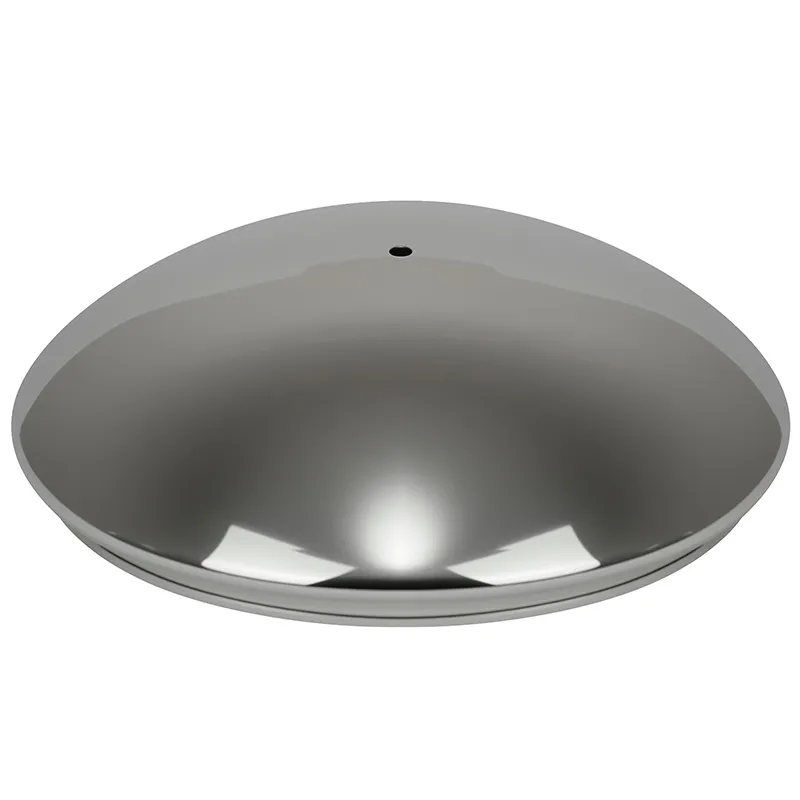
In contrast, stainless steel lids are typically constructed from food-grade alloys, often featuring layers of aluminum or copper cores for even heat distribution. These lids are engineered for robustness, resisting dents, scratches, and the rigors of commercial or heavy-duty home kitchens.
When evaluating tempered glass lid vs stainless steel lid, it is essential to recognize that the choice is not merely aesthetic. It fundamentally alters how heat and moisture interact within the pot. Glass allows energy to escape slightly faster through radiation unless specifically coated, while steel acts as an insulator, trapping heat more efficiently.
The Science of Thermal Shock Resistance
One of the primary concerns for users is whether a lid can survive moving from a hot stove to a cool counter. Tempered glass is designed specifically for this scenario. Industry standards require tempered glass to withstand temperature differentials that would shatter ordinary silica glass.
However, there are limits. While tempered glass is resilient, it is not indestructible. Direct contact with an open flame or placement on a cold surface while piping hot can still cause failure. Stainless steel, being a metal, does not face the risk of shattering due to thermal shock, making it inherently safer in unpredictable environments.
This difference in physical reaction to heat defines the safety profile of each option. For households with children or chaotic cooking environments, the non-shattering nature of steel offers a layer of security that glass cannot match, regardless of its tempering quality.
Detailed Comparison: Performance and Functionality
To make an informed decision in the tempered glass lid vs stainless steel lid discussion, we must analyze specific performance metrics. These include visibility, heat retention, weight, and ease of maintenance.
Cooking is a dynamic process where conditions change rapidly. The ability of a lid to adapt to these changes determines the success of a dish. Below is a comprehensive breakdown of how these two materials compare across critical categories.
| Feature | Tempered Glass Lid | Stainless Steel Lid |
|---|---|---|
| Visibility | High transparency allows monitoring without lifting. | Opaque; requires lifting to check food status. |
| Heat Retention | Moderate; some heat escapes via radiation. | Excellent; traps heat and steam effectively. |
| Durability | Resistant to thermal shock but can shatter on impact. | Highly durable; resistant to dents and drops. |
| Weight | Generally heavier, providing a tight seal. | Varies; often lighter depending on gauge thickness. |
| Oven Safety | Limited by knob material and glass rating (usually up to 400°F). | Typically safe for very high oven temperatures. |
| Cleaning | Easy to clean but shows water spots easily. | Dishwasher safe; hides stains better. |
Visibility and Cooking Control
The most significant advantage of a tempered glass lid is visibility. In modern cooking, the phrase “a watched pot never boils” is technically incorrect; a watched pot prevents burning. Being able to see the reduction of sauces, the bubbling intensity of soups, or the melting of cheese without breaking the seal is invaluable.
Lifting a lid releases a substantial amount of heat and steam, which can alter cooking times and textures. With glass, chefs maintain a consistent internal environment. This is particularly crucial for delicate dishes like risottos or poached eggs where temperature stability is key.
Conversely, a stainless steel lid forces the cook to rely on timing, smell, and sound. While this encourages traditional cooking instincts, it introduces variables. Every time the lid is lifted, the internal temperature drops, potentially extending cooking duration and affecting energy efficiency.
Heat Retention and Energy Efficiency
When comparing tempered glass lid vs stainless steel lid regarding insulation, steel generally holds the advantage. Metal is an opaque barrier that reflects radiant heat back into the pot. This creates a more efficient convection cycle within the cookware.
Glass, while transparent, allows some infrared radiation to pass through. Although modern tempered glass often includes tinting or coatings to mitigate this, it still loses heat faster than a solid metal counterpart. For long-simmering stews or braises where maintaining a low, steady temperature is vital, stainless steel may offer better energy efficiency.
However, the weight of the lid also plays a role. Tempered glass lids are often heavier than their thin steel counterparts. This extra weight can create a tighter seal against the rim of the pot, trapping steam effectively despite the material’s thermal conductivity. A heavy glass lid can sometimes outperform a lightweight steel lid in moisture retention simply due to gravity.
Pros and Cons Analysis
Every material comes with trade-offs. Understanding the specific strengths and weaknesses helps in determining which lid suits your specific cookware set and cooking habits.
Advantages of Tempered Glass Lids
- Real-time Monitoring: Eliminates the need to lift the lid, preserving heat and moisture levels consistently.
- Aesthetic Appeal: Offers a modern, sleek look that showcases colorful ingredients, enhancing the dining experience.
- Versatility: Many tempered glass lids are designed to fit multiple pot sizes within the same brand ecosystem due to universal rim designs.
- Non-reactive Surface: Glass does not react with acidic foods, ensuring no metallic taste transfers, although the interior of the pot is the primary contact point.
Disadvantages of Tempered Glass Lids
- Fragility Risk: Despite tempering, dropping the lid on a hard tile floor can result in shattering, rendering it unusable.
- Temperature Limits: Most glass lids have lower maximum temperature thresholds compared to all-metal constructions, limiting broiler use.
- Knob Durability: The handles or knobs attached to glass lids are often made of plastic or silicone, which may degrade over time or melt if exposed to excessive heat.
- Water Spotting: Glass tends to show mineral deposits and water spots more visibly than brushed steel, requiring frequent polishing for a pristine look.
Advantages of Stainless Steel Lids
- Indestructibility: Highly resistant to physical impact, making them ideal for busy kitchens or outdoor camping scenarios.
- High Heat Tolerance: Can withstand extremely high oven temperatures, making them suitable for finishing dishes under a broiler.
- Lightweight Options: Often easier to handle, especially for individuals with limited grip strength or arthritis.
- Uniform Heating: Helps in creating a uniform oven-like environment inside the pot, excellent for baking bread or roasting meats.
Disadvantages of Stainless Steel Lids
- Lack of Visibility: The inability to see inside necessitates lifting the lid, which disrupts the cooking environment.
- Potential for Warping: Lower quality steel lids may warp over time when exposed to extreme heat cycles, leading to a poor seal and steam leakage.
- Condensation Drip: Without a specialized dome shape or drip edge, condensation on flat steel lids can drip directly onto food, potentially soggifying crispy textures.
- Aesthetic Limitations: While professional-looking, they do not offer the visual engagement of seeing the food cook.
Optimal Use Cases for Each Lid Type
Selecting between a tempered glass lid vs stainless steel lid should be driven by the specific dish being prepared. Different culinary techniques demand different tools.
When to Choose Tempered Glass
Simmering and Braising: When preparing dishes that require long, slow cooking times, such as beef bourguignon or tomato sauce, visibility is key. You can monitor the reduction of liquid without interfering with the process.
Steaming Vegetables: Watching the vibrant color change of vegetables as they steam ensures they are removed at the peak of crisp-tenderness. Glass lids prevent overcooking by allowing immediate visual confirmation.
Boiling Pasta and Grains: Preventing boil-overs is easier with a glass lid. You can see the foam rising and adjust the heat or lift the lid slightly before a mess occurs.
Low-and-Slow Cooking: For recipes where maintaining a specific visual texture is important, such as melting cheese on a casserole or watching dough rise in a warm pot, glass is superior.
When to Choose Stainless Steel
High-Heat Searing: When searing meats at high temperatures, a stainless steel lid can be used to trap intense heat quickly. Its durability ensures it won’t crack from the sudden temperature spike.
Oven Roasting and Baking: If your recipe involves transferring the pot from the stovetop to a hot oven (above 400°F), a stainless steel lid is the safer choice. It eliminates the risk of glass breakage due to dry oven heat.
Outdoor and Camping Cooking: In rugged environments where gear is subject to rough handling, the impact resistance of stainless steel makes it the only logical choice.
Deep Frying: While lids are rarely used during active frying, having a stainless steel lid nearby to smother potential grease fires is a critical safety measure. Glass could shatter if splashed with hot oil and then cooled rapidly.
Maintenance and Longevity Considerations
The lifespan of your cookware components depends heavily on how they are maintained. Both tempered glass and stainless steel have specific care requirements to ensure longevity.
Cleaning Tempered Glass Lids
Glass is generally non-porous, meaning it does not absorb odors or flavors. However, it is prone to showing residue. Hard water can leave cloudy spots that detract from the transparency.
To maintain clarity, it is recommended to wash glass lids with mild detergent and warm water. Avoid abrasive scouring pads, which can scratch the surface over time, making it appear dull. While many tempered glass lids are dishwasher safe, hand washing is often preferred to protect the integrity of the knob attachment and prevent etching from harsh dishwasher detergents.
If mineral buildup occurs, a solution of vinegar and water can effectively restore shine. It is crucial to let the lid cool completely before washing to avoid thermal shock, even though the glass is tempered.
Cleaning Stainless Steel Lids
Stainless steel is renowned for its ease of cleaning. It is highly resistant to staining and corrosion. Most stainless steel lids can be safely placed in the dishwasher without concern for degradation.
For stubborn burnt-on food, stainless steel can tolerate more aggressive cleaning methods, including steel wool or heavy-duty scrubbing pads, without losing its structural integrity. However, to maintain the brushed or polished finish, using a dedicated stainless steel cleaner is advisable.
One common issue with steel lids is discoloration from high heat, known as “rainbowing.” This is a superficial oxide layer that does not affect performance but can be unsightly. Specialized polishes can remove these marks, restoring the lid’s original appearance.
Handle and Knob Care
Regardless of the lid material, the handle is often the weak point. Glass lids frequently feature phenolic or plastic knobs that have temperature limits. Regularly inspect these for cracks or looseness.
Stainless steel lids may have welded handles or riveted ones. Check for stability periodically. If a handle becomes loose, it poses a burn risk. Some high-end models offer replaceable handles, extending the life of the lid significantly.
Industry Trends and Modern Innovations
The cookware industry has evolved to blend the benefits of both materials. In recent years, manufacturers have introduced hybrid solutions to address the limitations of pure glass or pure steel.
Reinforced Glass Composites: Newer iterations of tempered glass incorporate ceramic coatings or reinforced rims to enhance durability and heat retention. These innovations aim to bridge the gap between the visibility of glass and the insulation of metal.
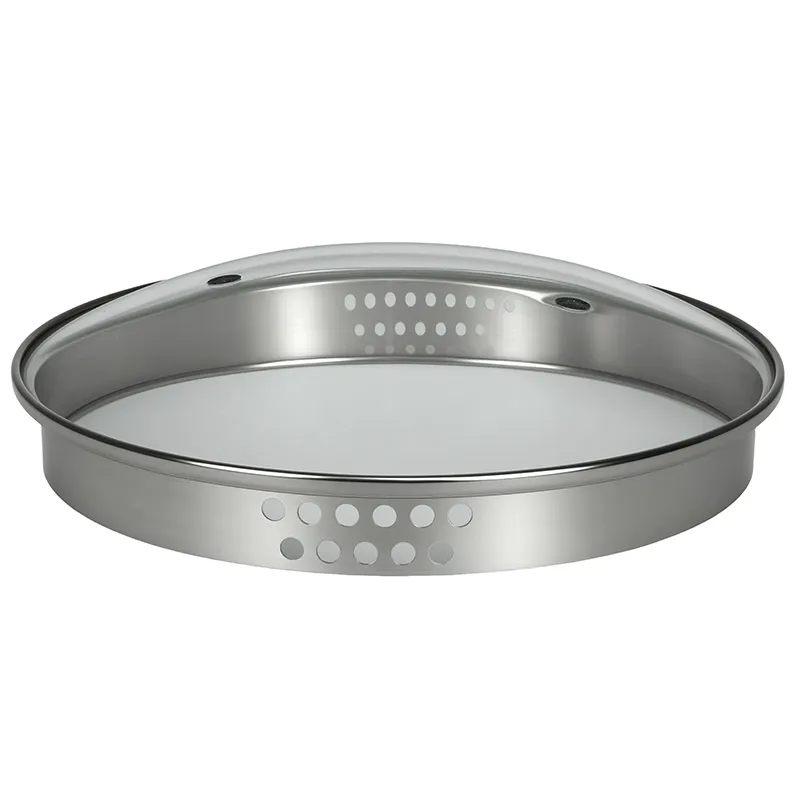
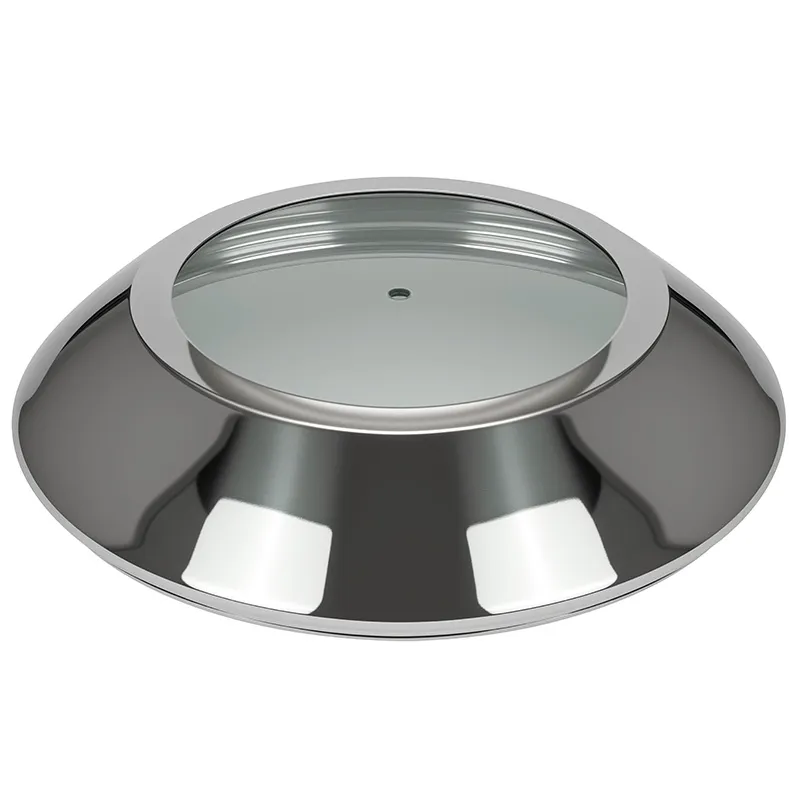
Vented Stainless Steel Lids: To combat the lack of visibility, some modern stainless steel lids now feature small, heat-resistant glass windows. This allows for partial monitoring while retaining the structural benefits of steel. However, these windows are often small and may fog up quickly.
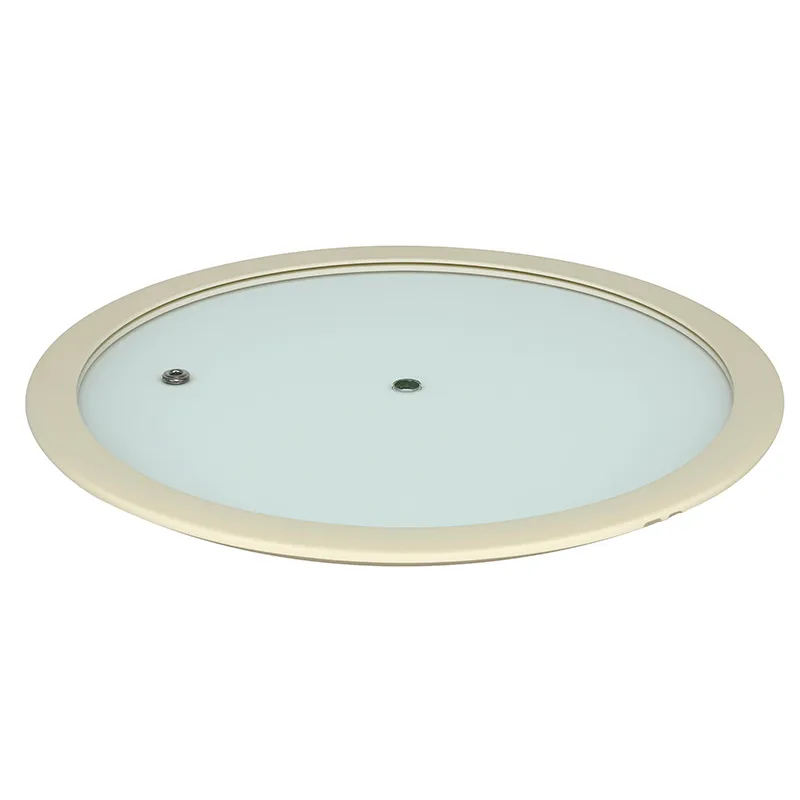
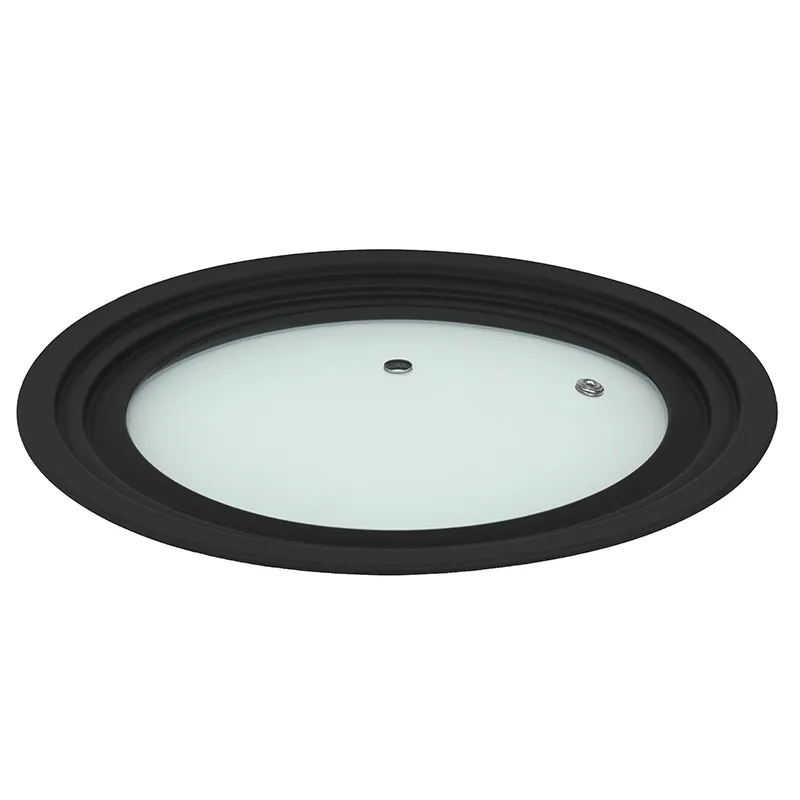
Universal Fit Designs: There is a growing trend towards universal lids that fit multiple pot diameters. These are predominantly made of tempered glass due to the flexibility required in the rim design, often incorporating silicone edges to create a seal across various brands within the same product line.
Current mainstream opinion suggests that while specialization is good, versatility drives consumer preference. Hence, many premium cookware sets now include both types of lids, allowing the user to switch based on the task at hand.
Manufacturing Excellence: A Case Study in Quality Production
Behind every high-quality lid discussed in this article lies a sophisticated manufacturing process. To understand what goes into producing reliable tempered glass lids on a global scale, we can look at industry leaders like EUR-ASIA COOKWARE CO.,LTD.
Specializing in the production and sale of household glass products ranging from low to high-level specifications, EUR-ASIA COOKWARE has established itself as a key player in the kitchen accessories market. Located in the Taian City National High-tech Development Zone in Shandong Province, China, their production base spans 20,000 square meters with a building area of 15,000 square meters. With a workforce of over 90 employees, the company achieves an impressive annual output of more than 15 million pieces of tempered glass lids and other glass products.
Their commitment to quality is reflected in their global reach; over 90% of their products are exported to major markets including Germany, Russia, Italy, France, Poland, Denmark, Spain, Switzerland, Brazil, Turkey, South Korea, and Japan. What sets such manufacturers apart is their adaptability. They can produce high-curvature, tall, flat, and other special-shaped glass covers according to specific customer demands, along with custom logo printing capabilities.
Furthermore, adherence to international safety and quality standards is paramount. Companies like EUR-ASIA have passed ISO9001 certification, and their products meet rigorous LFGB and TUV certifications. This level of certification ensures that the tempered glass lids reaching consumers worldwide are not only functional but also safe for daily use, reinforcing the trust placed in glass cookware components.
Frequently Asked Questions (FAQ)
Is tempered glass safe for high-heat cooking?
Yes, tempered glass is designed to withstand high temperatures typical of stovetop cooking. However, it usually has a lower maximum temperature limit (often around 400°F to 450°F) compared to stainless steel. Always check the manufacturer’s specifications, especially regarding oven use and broiler safety.
Can I put a tempered glass lid in the oven?
Many tempered glass lids are oven-safe, but this depends heavily on the material of the knob or handle. If the knob is plastic or phenolic, it may melt. Stainless steel lids are generally safer for high-temperature oven applications. Always verify the specific temperature rating provided by the brand.
Why does my glass lid keep breaking?
While tempered glass is strong, it can break due to thermal shock (moving from extreme hot to extreme cold instantly) or physical impact (dropping). Ensure the lid cools down before washing and avoid placing it on cold surfaces immediately after cooking. Also, check for any chips or cracks in the rim, which can compromise structural integrity.
Which lid is better for saving energy?
Stainless steel lids generally offer better heat retention, which can lead to slight energy savings by allowing you to cook at lower heat settings once the desired temperature is reached. However, the visibility of a glass lid can prevent overcooking and unnecessary re-heating, indirectly saving energy.
Do stainless steel lids rust?
High-quality food-grade stainless steel is highly resistant to rust and corrosion. However, exposure to salt water or harsh chemicals without proper drying can eventually lead to surface pitting or rust spots. Proper cleaning and drying after use will prevent this issue.
Can I use a glass lid on a stainless steel pot?
Yes, provided the diameter matches and the rim design is compatible. Many modern cookware lines are designed with universal rims to allow interchangeability between glass and steel lids within the same brand ecosystem. Ensure the lid sits flush to trap steam effectively.
Final Verdict: Making the Right Choice for Your Kitchen
The comparison of tempered glass lid vs stainless steel lid reveals that neither option is definitively superior; rather, they serve complementary roles in a well-equipped kitchen. The “best” choice is dictated by your primary cooking methods and lifestyle needs.
If your cooking style emphasizes precision, visual monitoring, and delicate simmering, a tempered glass lid is the superior tool. It empowers you to manage the cooking process actively without disrupting the thermal environment. It is ideal for home cooks who value aesthetics and the ability to see their creations evolve.
Conversely, if you prioritize durability, high-heat performance, and oven versatility, a stainless steel lid is the unmatched choice. It is built to last a lifetime, withstand abuse, and perform flawlessly in extreme conditions. This is the preferred option for serious searing, baking, and rugged use.
Who Should Choose Which?
- Choose Tempered Glass if: You frequently make soups, sauces, and steamed dishes; you dislike lifting lids; and you want a modern aesthetic.
- Choose Stainless Steel if: You often cook at high heats, use the oven frequently, need indestructible gear, or cook in outdoor settings.
For the ultimate culinary flexibility, consider investing in a cookware set that offers both options or purchasing interchangeable lids compatible with your existing pots. This approach ensures you have the right tool for every recipe, maximizing both performance and enjoyment in the kitchen.
As you evaluate your current cookware, assess your most frequent cooking tasks. Let those habits guide your next purchase. Whether you opt for the clarity of glass or the resilience of steel, understanding the mechanics behind tempered glass lid vs stainless steel lid ensures you are making an informed, strategic decision for your culinary future.