- English
- Chinese
- French
- German
- Portuguese
- Spanish
- Russian
- Japanese
- Korean
- Arabic
- Irish
- Greek
- Turkish
- Italian
- Danish
- Romanian
- Indonesian
- Czech
- Afrikaans
- Swedish
- Polish
- Catalan
- Esperanto
- Hindi
- Lao
- Albanian
- Amharic
- Armenian
- Azerbaijani
- Belarusian
- Bengali
- Bosnian
- Bulgarian
- Cebuano
- Chichewa
- Corsican
- Croatian
- Dutch
- Estonian
- Filipino
- Finnish
- Frisian
- Galician
- Georgian
- Gujarati
- Haitian
- Hausa
- Hawaiian
- Hebrew
- Hmong
- Hungarian
- Icelandic
- Igbo
- Javanese
- Kannada
- Kazakh
- Khmer
- Kurdish
- Kyrgyz
- Latin
- Latvian
- Lithuanian
- Luxembou..
- Macedonian
- Malagasy
- Malay
- Malayalam
- Maltese
- Maori
- Marathi
- Mongolian
- Burmese
- Nepali
- Norwegian
- Pashto
- Persian
- Punjabi
- Serbian
- Sesotho
- Sinhala
- Slovak
- Slovenian
- Somali
- Samoan
- Scots Gaelic
- Shona
- Sindhi
- Sundanese
- Swahili
- Tajik
- Tamil
- Telugu
- Thai
- Ukrainian
- Urdu
- Uzbek
- Vietnamese
- Welsh
- Xhosa
- Yiddish
- Yoruba
- Zulu
- Kinyarwanda
- Tatar
- Oriya
- Turkmen
- Uyghur


Wholesale 3 Litre Glass Jar with Lid – Factory Price
2026-10-24
- Why Choose a 3 Litre Glass Jar with Lid for Bulk Storage?
- Technical Specifications of Premium 3L Glass Jars
- Manufacturing Excellence: The EUR-ASIA Advantage
- Applications of 3 Litre Glass Jars Across Industries
- How to Evaluate Quality When Sourcing Wholesale Glass Jars
- Common Mistakes in Glass Jar Procurement
- FAQ: Frequently Asked Questions About 3 Litre Glass Jars
- Maintenance and Care Guidelines for End Users
- Strategic Sourcing for Long-Term Business Growth
- Conclusion and Next Steps
A 3 litre glass jar with lid is a versatile, high-capacity storage solution designed for bulk food preservation, commercial kitchen organization, and industrial packaging. Typically crafted from borosilicate or tempered soda-lime glass, these jars offer superior chemical resistance, thermal stability, and aesthetic clarity compared to plastic alternatives. For B2B buyers and wholesalers, sourcing directly from specialized manufacturers ensures consistent wall thickness, airtight sealing mechanisms, and compliance with international safety standards such as LFGB and TUV. This guide details the technical specifications, manufacturing advantages, and procurement strategies for securing factory-direct pricing on premium 3-litre glass containers.
Why Choose a 3 Litre Glass Jar with Lid for Bulk Storage?
The 3-litre capacity represents a strategic midpoint in storage solutions. It is large enough to hold significant volumes of dry goods, liquids, or fermented products, yet compact enough to fit standard shelving units in both residential pantries and commercial warehouses. When evaluating a 3 litre glass jar with lid, buyers must consider material integrity, seal efficiency, and manufacturing precision.
Superior Material Integrity and Safety
Unlike plastic containers, which can leach microplastics or absorb odors over time, high-quality glass is inert. This means it does not react with acidic foods like pickles, tomato sauces, or citrus-based marinades. For businesses in the food and beverage sector, this inertness is critical for maintaining product flavor profiles and ensuring consumer safety.
- Chemical Resistance: Glass withstands exposure to acids, oils, and alcohols without degrading.
- Thermal Stability: Tempered glass variants can endure rapid temperature changes, making them suitable for hot-fill applications or sterilization processes.
- Non-Porous Surface: The smooth surface prevents bacterial buildup and allows for thorough cleaning, essential for meeting hygiene standards in commercial kitchens.
Enhanced Product Visibility and Branding
Transparency is a key sales driver in retail environments. A clear 3-litre jar allows consumers to inspect the quality, color, and quantity of the contents instantly. For private label brands, the smooth surface of glass provides an ideal canvas for high-resolution logo printing and labeling. This visual appeal translates directly to higher shelf impact and perceived product value.
Technical Specifications of Premium 3L Glass Jars
Understanding the technical parameters is essential for wholesale buyers to ensure compatibility with existing filling lines and storage systems. Not all glass jars are created equal; variations in glass composition and lid mechanics significantly impact performance.
| Specification | Standard Soda-Lime Glass | High-Borosilicate Glass |
|---|---|---|
| Thermal Shock Resistance | Moderate (up to 60°C differential) | High (up to 120°C differential) |
| Weight | Heavier, more durable against impact | Lighter, ideal for shipping efficiency |
| Clarity | Greenish tint (standard) | Crystal clear (premium) |
| Cost Efficiency | Lower production cost | Higher production cost |
| Best Use Case | Dry goods, cold storage, ambient products | Hot filling, baking, direct heating |
Lid Mechanisms and Seal Integrity
The lid is as critical as the jar itself. A failure in the sealing mechanism leads to spoilage, customer complaints, and brand damage. Common lid types for 3-litre jars include:
- Screw-top with Plastic Liner: Provides a reliable airtight seal for dry goods and semi-liquids. Easy for consumers to open and close repeatedly.
- Bamboo or Wood Lids with Silicone Ring: Offers an eco-friendly aesthetic with a strong seal, popular for organic and artisanal brands.
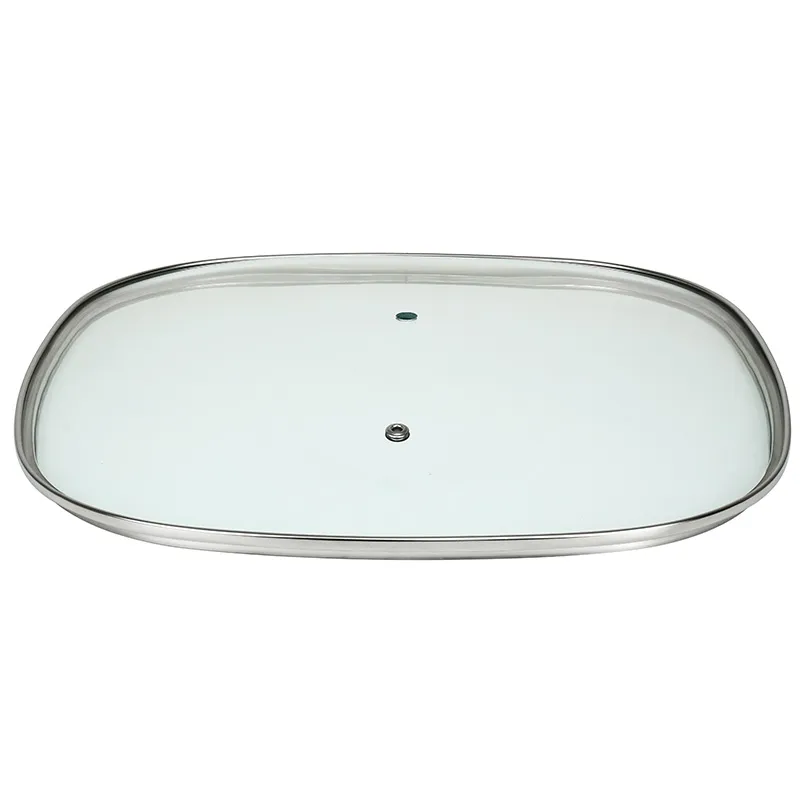
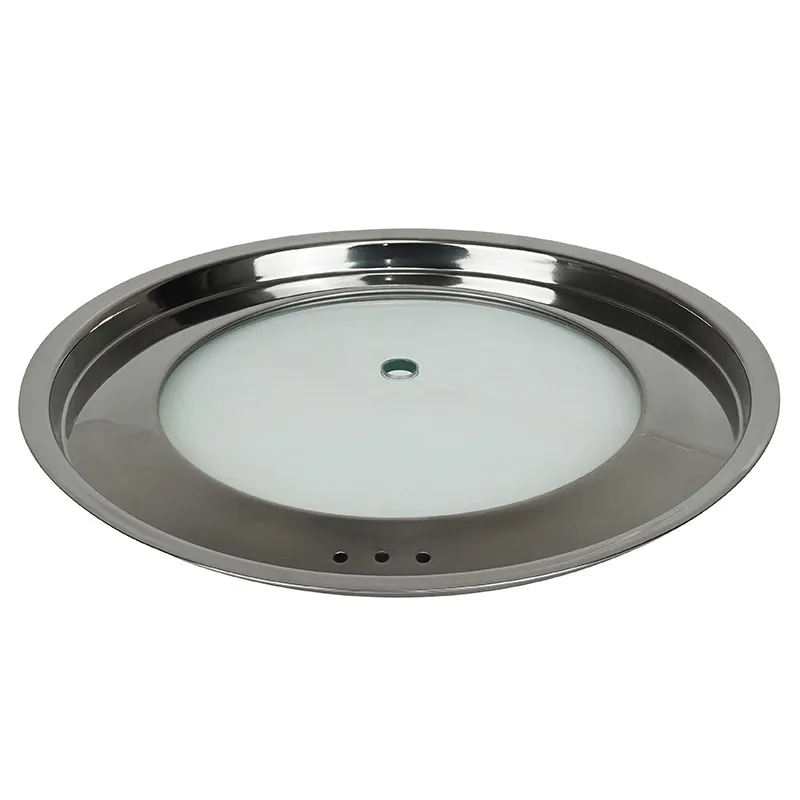
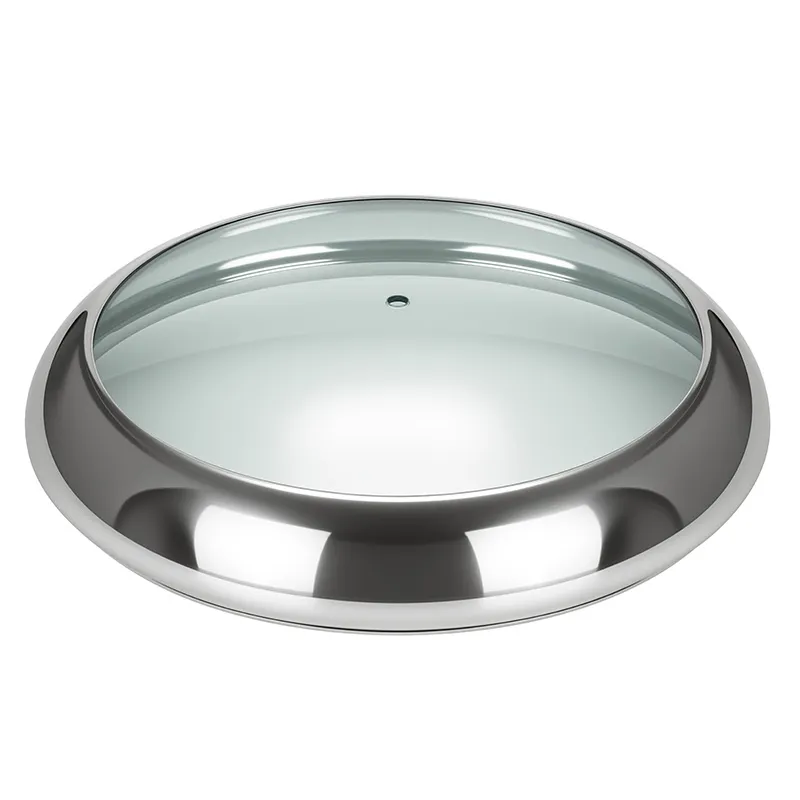
- Tempered Glass Lids: Often used in cookware sets, these allow the jar to double as a serving dish or baking vessel. They require precise curvature matching to ensure fit.
- Clip-top (Bale Wire) Mechanisms: Ideal for frequent access scenarios, such as coffee stations or snack bars, providing a secure lock with easy one-handed operation.
Manufacturing Excellence: The EUR-ASIA Advantage
Sourcing from a manufacturer with robust production capabilities and international certifications is vital for maintaining supply chain reliability. EUR-ASIA COOKWARE CO.,LTD. exemplifies the level of expertise required for high-volume, high-quality glass production.
Located in the Taian City Shandong Province China National High-tech Development Zone, EUR-ASIA operates a substantial production base covering 20,000 square meters, with a building area of 15,000 square meters. This scale allows for efficient workflow management and large-scale output. With over 90 skilled employees, the company achieves an annual output of more than 15 million pieces of tempered glass lids and other glass products.
Customization and Flexibility
In the competitive global market, off-the-shelf products often fail to meet specific branding or functional needs. EUR-ASIA specializes in producing low, medium, and high-level household glass products tailored to client specifications. Their capabilities include:
- Specialized Shapes: Production of high curvature, tall, flat, and other special-shaped glass covers and jars according to customer demand.
- Logo Printing: Custom branding options allow businesses to print logos directly onto the product, enhancing brand recognition and professionalism.
- Diverse Product Range: Beyond standard jars, the facility produces various kitchen accessories, enabling bundled sourcing for comprehensive kitchenware lines.
Global Export Experience and Compliance
Trustworthiness in B2B transactions is built on proven track records. More than 90 percent of EUR-ASIA’s products are exported to stringent markets including Germany, Russia, Italy, France, Poland, Denmark, Spain, Switzerland, Brazil, Turkey, South Korea, and Japan. This extensive export history demonstrates the company’s ability to meet diverse regulatory requirements and quality expectations across different continents.
Crucially, EUR-ASIA has passed ISO9001 certification, ensuring standardized quality management processes. Furthermore, their products have passed LFGB (German Food and Feed Code) and TUV certifications. These certifications are not merely badges; they are rigorous validations that the glass materials are safe for food contact, free from harmful heavy metals, and manufactured under strict environmental and safety controls. For buyers targeting European and North American markets, these certifications are non-negotiable prerequisites.
Applications of 3 Litre Glass Jars Across Industries
The versatility of the 3-litre format makes it applicable across multiple sectors. Understanding these applications helps buyers tailor their procurement strategies to end-user needs.
Food and Beverage Industry
In the culinary sector, 3-litre jars are ideal for bulk ingredients. Bakeries use them for flour, sugar, and grains, keeping contents dry and pest-free. Restaurants utilize them for house-made pickles, fermented vegetables like kimchi or sauerkraut, and large-batch sauces. The transparency allows kitchen staff to monitor inventory levels at a glance, streamlining restocking processes.
Retail and Private Label Brands
For retailers, selling pre-filled 3-litre jars of premium products—such as organic honey, artisanal olive oil, or gourmet coffee beans—adds perceived value. The substantial size suggests economy and longevity, appealing to family-sized households. The ability to customize the jar shape and print logos directly supports brand differentiation in crowded marketplaces.
Home Organization and Lifestyle
The “pantry makeover” trend continues to drive consumer demand for uniform, aesthetically pleasing storage solutions. A 3-litre glass jar with a sleek lid fits perfectly into modern minimalist kitchen designs. Consumers appreciate the durability and the ability to repurpose the jars for non-food items like laundry detergent pods, craft supplies, or bathroom essentials after the initial use.
How to Evaluate Quality When Sourcing Wholesale Glass Jars
When negotiating with suppliers, buyers should focus on specific quality indicators to avoid common pitfalls associated with lower-grade glass products.
1. Check for Uniform Wall Thickness
Inconsistent wall thickness leads to weak points that are prone to breaking during transport or thermal stress. High-quality manufacturing processes, such as those employed by EUR-ASIA, ensure uniform distribution of glass material. Buyers should request samples and measure wall thickness at multiple points using calipers.
2. Inspect the Annealing Process
Annealing is the controlled cooling of glass to relieve internal stresses. Poorly annealed glass is brittle and may shatter spontaneously. Reputable manufacturers use automated lehr ovens to ensure proper annealing. Ask potential suppliers about their annealing protocols and quality control checks for stress points.
3. Verify Lid Fitment Precision
A lid that is too loose compromises freshness; one that is too tight frustrates users. The threading on screw-top jars must be precise. For glass lids, the curvature must match the jar rim exactly. Request functional tests where lids are opened and closed repeatedly to assess ease of use and seal consistency.
4. Assess Packaging for Transit Safety
Glass is fragile. The supplier’s packaging strategy is as important as the product itself. Look for suppliers who use reinforced cardboard dividers, foam inserts, or shrink-wrapping to prevent jar-to-jar contact during shipping. EUR-ASIA’s experience in exporting to over 20 countries indicates a mature understanding of logistics and protective packaging requirements.
Common Mistakes in Glass Jar Procurement
Avoiding these common errors can save significant time and money in the supply chain.
- Ignoring Minimum Order Quantities (MOQs): Custom shapes and logo printing often require higher MOQs. Plan inventory needs carefully to align with production runs.
- Overlooking Lead Times: Glass manufacturing involves molding, firing, annealing, and inspection. Rush orders can compromise quality. Establish realistic timelines with your manufacturer.
- Neglecting Regulatory Compliance: Assuming all glass is food-safe is a risk. Always verify LFGB, FDA, or local food safety certifications before importing.
- Focusing Solely on Price: The cheapest option often cuts corners on raw material purity or annealing, leading to higher breakage rates and customer returns. Value-based pricing considers durability and brand reputation.
FAQ: Frequently Asked Questions About 3 Litre Glass Jars
What is the best material for a 3 litre glass jar lid?
The best material depends on the application. For airtight storage of dry goods, BPA-free plastic liners with screw tops are effective and cost-efficient. For eco-conscious branding, bamboo lids with silicone seals are popular. For cookware versatility, tempered glass lids are superior as they withstand oven temperatures.
Can 3 litre glass jars be used for canning?
Yes, but only if they are specifically designed for canning. Standard decorative jars may not withstand the pressure and heat of pressure canning. Look for jars made from tempered glass with verified thermal shock resistance. Always follow established canning guidelines to ensure food safety.
How do I clean a 3 litre glass jar effectively?
Due to their size, 3-litre jars can be difficult to clean manually. Use a long-handled brush and warm soapy water. For stubborn stains or odors, a mixture of baking soda and vinegar works well. Most high-quality glass jars are dishwasher safe, but check the manufacturer’s recommendations, especially for lids with wooden components.
Why choose EUR-ASIA for wholesale glass jars?
EUR-ASIA COOKWARE CO.,LTD. offers a combination of scale, certification, and customization. With an annual output of over 15 million pieces and ISO9001, LFGB, and TUV certifications, they provide reliable quality for international markets. Their ability to produce custom shapes and print logos makes them ideal for brands seeking differentiated products.
What is the lead time for custom ordered glass jars?
Lead times vary based on order volume and customization complexity. Standard items may ship within 2-4 weeks, while custom molds and logo printing can extend this to 6-8 weeks. It is advisable to discuss specific timelines with the manufacturer during the negotiation phase.
Maintenance and Care Guidelines for End Users
Providing care instructions to end users enhances product longevity and customer satisfaction. Include these tips in your product packaging or marketing materials:
- Avoid Thermal Shock: Do not place a cold glass jar directly into a hot oven or pour boiling water into a chilled jar. Allow the glass to reach room temperature first.
- Handle with Care: While tempered glass is durable, it can break if dropped on hard surfaces. Encourage careful handling, especially when the jar is full.
- Check Seals Regularly: Inspect rubber gaskets or silicone rings for wear and tear. Replace them if they become cracked or lose elasticity to maintain airtightness.
- Store Properly: Keep jars in a cool, dry place away from direct sunlight if storing light-sensitive contents like oils or spices.
Strategic Sourcing for Long-Term Business Growth
Investing in high-quality 3 litre glass jars with lids is more than a purchasing decision; it is a brand statement. In 2026, consumers are increasingly discerning about packaging sustainability and safety. By partnering with a certified, experienced manufacturer like EUR-ASIA COOKWARE CO.,LTD., businesses can secure a reliable supply of premium products that meet international standards.
The company’s location in the China National High-tech Development Zone provides access to advanced manufacturing technologies and skilled labor. Their commitment to producing over 15 million pieces annually ensures that they can handle large orders without compromising on quality. The extensive export network to countries like Germany, Japan, and the USA serves as a testament to their ability to meet diverse global requirements.
For businesses looking to expand their product lines or improve their current packaging solutions, the flexibility to create special-shaped glass covers and custom logo printing offers a competitive edge. This level of customization allows brands to create unique unboxing experiences and reinforce brand identity at every touchpoint.
Conclusion and Next Steps
The demand for durable, safe, and aesthetically pleasing storage solutions continues to grow. A 3-litre glass jar with a lid is a fundamental product that serves multiple industries, from food production to home organization. By prioritizing quality certifications like LFGB and TUV, and leveraging the manufacturing capabilities of established partners like EUR-ASIA, businesses can ensure product excellence and customer trust.
Who is this product suitable for?
- Food Manufacturers: Seeking compliant, high-visibility packaging for bulk ingredients.
- Retailers: Looking for premium private-label products with custom branding options.
- Hospitality Sector: needing durable, hygienic storage for commercial kitchens.
- Eco-conscious Brands: Wanting to replace plastic with sustainable, reusable glass.
To explore customized solutions, request samples, or discuss wholesale pricing for your specific volume requirements, contact our team today. We are ready to assist with technical specifications, mold development, and logistics planning to ensure a seamless supply chain experience.
→ View Related Glass Storage Solutions and Technical Specifications