- English
- Chinese
- French
- German
- Portuguese
- Spanish
- Russian
- Japanese
- Korean
- Arabic
- Irish
- Greek
- Turkish
- Italian
- Danish
- Romanian
- Indonesian
- Czech
- Afrikaans
- Swedish
- Polish
- Catalan
- Esperanto
- Hindi
- Lao
- Albanian
- Amharic
- Armenian
- Azerbaijani
- Belarusian
- Bengali
- Bosnian
- Bulgarian
- Cebuano
- Chichewa
- Corsican
- Croatian
- Dutch
- Estonian
- Filipino
- Finnish
- Frisian
- Galician
- Georgian
- Gujarati
- Haitian
- Hausa
- Hawaiian
- Hebrew
- Hmong
- Hungarian
- Icelandic
- Igbo
- Javanese
- Kannada
- Kazakh
- Khmer
- Kurdish
- Kyrgyz
- Latin
- Latvian
- Lithuanian
- Luxembou..
- Macedonian
- Malagasy
- Malay
- Malayalam
- Maltese
- Maori
- Marathi
- Mongolian
- Burmese
- Nepali
- Norwegian
- Pashto
- Persian
- Punjabi
- Serbian
- Sesotho
- Sinhala
- Slovak
- Slovenian
- Somali
- Samoan
- Scots Gaelic
- Shona
- Sindhi
- Sundanese
- Swahili
- Tajik
- Tamil
- Telugu
- Thai
- Ukrainian
- Urdu
- Uzbek
- Vietnamese
- Welsh
- Xhosa
- Yiddish
- Yoruba
- Zulu
- Kinyarwanda
- Tatar
- Oriya
- Turkmen
- Uyghur

Wholesale Glass with Wooden Lid | Premium Supplier & Factory Price
2026-10-16
- What Is a Glass Lid with Wooden Lid Component?
- Why Choose Wholesale Glass with Wooden Lid for Your Product Line?
- Technical Specifications and Material Standards
- Manufacturing Capabilities: Insights from EUR-ASIA COOKWARE CO.,LTD.
- How to Choose the Right Glass with Wooden Lid Supplier
- Common Applications and Market Trends
- Maintenance and Care Instructions for End Users
- FAQ: Frequently Asked Questions About Glass Lids with Wooden Handles
- Comparing Glass Lids: Wooden Knob vs. Stainless Steel Knob
- Logistics and Packaging Considerations
- Conclusion: Securing Premium Supply for Your Business
Wholesale glass with wooden lid represents a premium category in modern cookware, combining the thermal durability of tempered glass with the aesthetic warmth of natural wood. For B2B buyers, retailers, and brand owners, sourcing these lids requires balancing material safety, manufacturing precision, and cost-efficiency. This guide details technical specifications, production capabilities, and quality standards essential for procuring high-quality glass lids with wooden handles or full wooden covers from verified manufacturers.
What Is a Glass Lid with Wooden Lid Component?
A glass with wooden lid typically refers to a cookware cover made primarily from heat-resistant tempered glass, featuring a knob, handle, or rim crafted from natural wood or bamboo. In some specialized designs, the entire lid structure may integrate wood elements for insulation and style. The glass component allows users to monitor cooking progress without lifting the lid, retaining heat and moisture effectively.
The wooden element serves multiple functional purposes:
- Thermal Insulation: Wood remains cool to the touch, preventing burns when handling hot cookware.
- Aesthetic Appeal: Natural grain patterns provide a rustic, premium look that appeals to modern kitchen trends.
- Ergonomics: Wooden knobs offer a secure, non-slip grip compared to smooth metal or plastic alternatives.
For wholesalers and importers, understanding the construction method is critical. The bond between the glass and wood must withstand repeated thermal cycling without loosening or cracking. High-quality manufacturing ensures that the wooden components are treated for moisture resistance and food safety compliance.
Why Choose Wholesale Glass with Wooden Lid for Your Product Line?
The demand for hybrid-material cookware accessories has surged in European and North American markets. Consumers increasingly seek products that merge functionality with sustainable, natural materials. Sourcing glass with wooden lid products offers several strategic advantages for businesses:
1. Market Differentiation
Standard stainless steel or plastic knobs are ubiquitous. Wooden accents create a distinct visual identity on retail shelves, allowing brands to position their products as “premium,” “eco-friendly,” or “artisanal.”
2. Enhanced User Experience
End-users value the tactile experience of wood. It feels warmer and more organic than metal. Furthermore, wood does not conduct heat rapidly, reducing the risk of accidental burns during active cooking.
3. Versatility Across Cookware Types
These lids are compatible with various pot materials, including stainless steel, cast iron, ceramic, and aluminum. This universality makes them an attractive add-on or replacement part for diverse cookware sets.
Technical Specifications and Material Standards
When evaluating suppliers for wholesale glass with wooden lid solutions, technical parameters define product quality and safety. Below are the critical specifications every buyer should verify.
Glass Component Standards
The primary material must be high-borosilicate or tempered soda-lime glass. Key metrics include:
- Thermal Shock Resistance: Ability to withstand temperature changes from -20°C to 150°C (or higher for borosilicate) without breaking.
- Thickness: Typically ranges from 4mm to 6mm. Thicker glass offers better durability but increases weight.
- Transparency: High clarity with minimal green tint indicates superior raw material quality.
- Edge Processing: Smooth, polished edges prevent chipping and ensure a tight seal with the pot rim.
Wooden Component Requirements
The wood used must be durable, moisture-resistant, and food-safe. Common species include acacia, beech, and bamboo.
- Moisture Content: Must be controlled below 12% to prevent warping or cracking after export shipping.
- Surface Treatment: Finished with food-grade oil or lacquer to resist water absorption and staining.
- Grain Orientation: Proper grain alignment enhances structural integrity and visual appeal.
Assembly and Adhesion
The connection between glass and wood is the most vulnerable point. High-quality manufacturers use high-temperature resistant adhesives or mechanical fixation methods that pass rigorous pull-test and heat-cycle tests.
| Parameter | Standard Requirement | Premium Standard |
|---|---|---|
| Glass Type | Tempered Soda-Lime | High Borosilicate |
| Thermal Resistance | Up to 150°C | Up to 400°C |
| Wood Species | Beech, Rubberwood | Acacia, Olive Wood |
| Adhesive Safety | Food-Grade Epoxy | High-Temp Mechanical Fit |
| Certifications | LFGB, FDA | LFGB, TUV, ISO9001 |
Manufacturing Capabilities: Insights from EUR-ASIA COOKWARE CO.,LTD.
Selecting the right manufacturer is pivotal for consistent quality and supply chain reliability. EUR-ASIA COOKWARE CO.,LTD. exemplifies the capabilities required for large-scale production of glass with wooden lid products. Located in the Taian City National High-tech Development Zone in Shandong Province, China, the company operates a substantial production base covering 20,000 square meters, with a building area of 15,000 square meters.
With over 90 employees and an annual output exceeding 15 million pieces of tempered glass lids and related glass products, EUR-ASIA demonstrates significant scale. This capacity ensures that bulk orders can be fulfilled efficiently, minimizing lead times for international buyers. More than 90 percent of their products are exported to major markets including Germany, Russia, Italy, France, Poland, Denmark, Spain, Switzerland, Brazil, Turkey, South Korea, and Japan. This extensive export experience indicates a deep understanding of diverse regional quality standards and packaging requirements.
Customization and Flexibility
One of the key advantages of partnering with an experienced factory like EUR-ASIA is the ability to customize products according to specific brand needs. The company can produce:
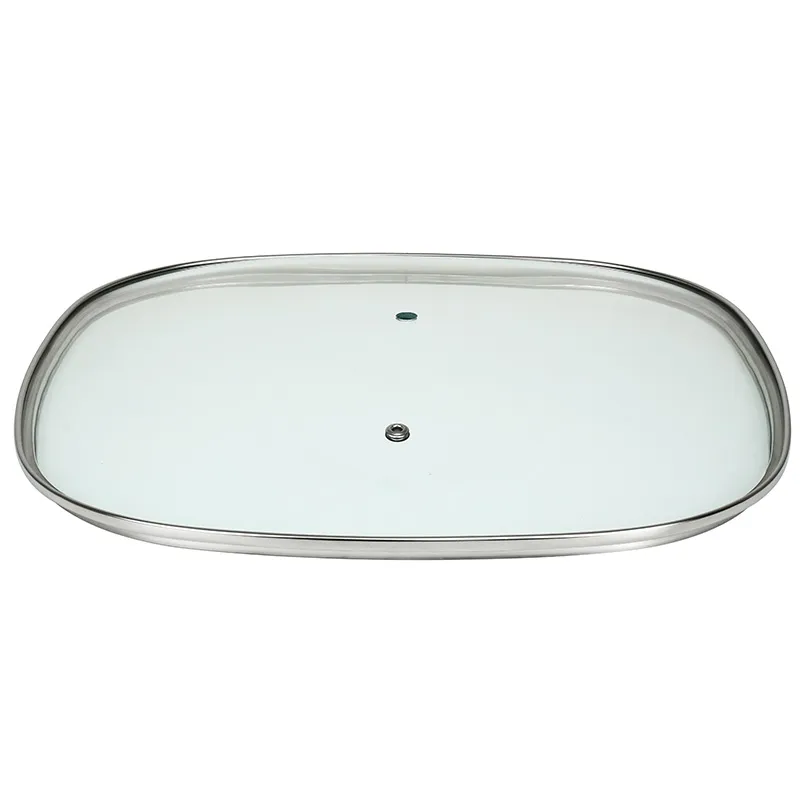
- Special Shapes: High curvature, tall, flat, and other non-standard profiles to match unique pot designs.
- Logo Printing: Custom branding on the glass or wooden components to enhance brand visibility.
- Material Variations: Adjustments in glass thickness or wood type based on client specifications.
Such flexibility is crucial for B2B buyers looking to differentiate their product lines. Whether you need a standard flat lid for a stock pot or a high-curvature lid for a wok, the manufacturing process can be adapted to meet precise dimensional requirements.
Quality Certifications and Compliance
Trustworthiness in the cookware industry is built on certifications. EUR-ASIA COOKWARE CO.,LTD. has passed ISO9001 certification, ensuring standardized quality management systems. Furthermore, their products have passed LFGB and TUV certifications. LFGB (German Food and Feed Code) is one of the strictest food safety standards globally, particularly regarding migration limits for materials in contact with food. TUV certification further validates the safety and quality of the manufacturing process. These credentials are essential for exporting to European and North American markets, where regulatory compliance is non-negotiable.
How to Choose the Right Glass with Wooden Lid Supplier
Navigating the wholesale market requires a systematic approach to vendor selection. Here are the critical factors to evaluate:
1. Verify Production Capacity and Lead Times
Ensure the supplier can handle your order volume without compromising quality. Ask about their monthly output and current order backlog. A supplier with a large facility, like EUR-ASIA’s 15,000 sqm building area, is more likely to maintain consistent lead times even during peak seasons.
2. Assess Quality Control Processes
Inquire about their QC protocols. Do they perform 100% inspection or sampling? How do they test thermal shock resistance? Request detailed reports on their testing methods. Suppliers with ISO9001 certification typically have documented QC procedures that reduce defect rates.
3. Check Certification Validity
Always request up-to-date copies of relevant certifications such as LFGB, FDA, or TUV. Verify that the certifications apply to the specific product line you are purchasing. For wooden components, ensure FSC certification if sustainability is a marketing claim for your brand.
4. Evaluate Customization Support
If you require private labeling or unique designs, assess the supplier’s R&D capabilities. Can they create molds for new shapes? How do they handle logo printing? EUR-ASIA’s ability to produce special-shaped covers and print logos according to customer requirements highlights their adaptability to bespoke demands.
5. Review Export Experience
A supplier with a strong export track record to your target region will understand logistics, packaging standards, and documentation requirements. EUR-ASIA’s extensive exports to countries like Germany, Japan, and the USA suggest familiarity with stringent international trade standards.
Common Applications and Market Trends
The glass with wooden lid is not limited to a single type of cookware. Its applications span various kitchen segments:
- Premium Cookware Sets: Often included in high-end stainless steel or ceramic-coated pot sets to elevate perceived value.
- Replacement Market: Sold as standalone items for consumers replacing broken or lost lids.
- Serving Dishes: Used with glass casserole dishes for oven-to-table presentation, where the wooden handle adds elegance.
- Eco-Friendly Lines: Brands focusing on sustainability prefer wood over plastic for its biodegradable nature and renewable source.
Current trends indicate a shift towards “warm minimalism” in kitchen design. Consumers are moving away from industrial-looking all-metal appliances toward materials that feel natural and inviting. This trend drives the demand for wood-accented accessories, making wholesale glass with wooden lid products a strategic inventory choice for retailers.
Maintenance and Care Instructions for End Users
Providing care instructions adds value to your product and reduces return rates due to misuse. Include these guidelines in your product packaging:
- Hand Wash Recommended: While the glass is dishwasher safe, the wooden component should be hand-washed to preserve its finish and prevent warping.
- Avoid Soaking: Do not soak the wooden knob in water for extended periods.
- Dry Immediately: Wipe the wood dry after washing to prevent moisture absorption.
- Oil Periodically: Apply food-grade mineral oil to the wood every few months to maintain its luster and water resistance.
- Thermal Caution: Avoid placing a hot glass lid directly on a cold, wet surface, as this may cause thermal shock.
FAQ: Frequently Asked Questions About Glass Lids with Wooden Handles
Is the wood treated with chemicals?
Reputable manufacturers use food-grade oils or lacquers that are safe for indirect food contact. Certifications like LFGB ensure that no harmful substances migrate from the wood or adhesive to the food.
Can the wooden knob withstand oven temperatures?
Most wooden knobs are designed for stovetop use. While they can handle ambient heat from the glass, direct exposure to high oven temperatures (above 150°C) may damage the wood or adhesive. Always check the specific product’s temperature rating.
What is the minimum order quantity (MOQ) for wholesale?
MOQs vary by supplier and customization level. Standard items may have lower MOQs, while custom-shaped lids or printed logos may require higher initial orders. Contacting suppliers like EUR-ASIA directly allows for negotiation based on project specifics.
How is the glass attached to the wood?
High-quality lids use a combination of high-temperature resistant adhesive and mechanical fitting. Some designs feature a metal stem embedded in the glass, with the wooden knob screwed onto the stem, providing a robust physical connection.
Are these lids compatible with induction cooktops?
The lid itself does not interact with the induction field. However, it must fit the pot correctly. Ensure the lid diameter matches the pot size regardless of the cooktop type.
Comparing Glass Lids: Wooden Knob vs. Stainless Steel Knob
| Feature | Wooden Knob | Stainless Steel Knob |
|---|---|---|
| Aesthetics | Warm, natural, premium | Industrial, modern, sleek |
| Heat Conductivity | Low (stays cooler) | High (can get hot) |
| Durability | Good (requires care) | Excellent (dishwasher safe) |
| Cost | Slightly higher due to craftsmanship | Lower (mass-produced) |
| Target Market | Premium, eco-conscious, rustic | Commercial, budget, modern |
This comparison highlights why glass with wooden lid products command a higher price point and appeal to a specific demographic willing to pay for enhanced aesthetics and comfort.
Logistics and Packaging Considerations
Glass is fragile, and wood is sensitive to humidity. Proper packaging is essential for international shipping. Look for suppliers who use:
- Individual Box Packaging: Protects each lid from impact.
- Moisture Barriers: Plastic wraps or desiccants to protect wood during sea freight.
- Reinforced Cartons: Double-walled boxes with dividers to prevent movement.
- Drop-Test Certification: Packaging that meets ISTA standards ensures product integrity upon arrival.
EUR-ASIA’s experience in exporting to over 90% of global markets implies a mature logistics framework capable of handling these complexities efficiently.
Conclusion: Securing Premium Supply for Your Business
Sourcing wholesale glass with wooden lid products is a strategic decision that impacts brand perception and customer satisfaction. The fusion of tempered glass durability with wooden elegance meets the evolving demands of modern consumers who value both function and style. By prioritizing suppliers with robust manufacturing capabilities, certified quality standards, and customization flexibility, businesses can secure a competitive edge in the cookware market.
EUR-ASIA COOKWARE CO.,LTD. stands out as a reliable partner, offering extensive production capacity, ISO9001 and LFGB certifications, and a proven track record in global exports. Their ability to produce special-shaped lids and customize branding makes them an ideal choice for brands seeking differentiation.
For businesses ready to enhance their product lineup with high-quality, compliant, and aesthetically pleasing glass lids, engaging with a verified manufacturer is the next logical step. Evaluate your specific needs regarding shape, volume, and branding, and reach out to established suppliers to request samples and detailed quotations.
→ Explore our full range of tempered glass lids and kitchen accessories to find the perfect match for your cookware line.