
- English
- Chinese
- French
- German
- Portuguese
- Spanish
- Russian
- Japanese
- Korean
- Arabic
- Irish
- Greek
- Turkish
- Italian
- Danish
- Romanian
- Indonesian
- Czech
- Afrikaans
- Swedish
- Polish
- Basque
- Catalan
- Esperanto
- Hindi
- Lao
- Albanian
- Amharic
- Armenian
- Azerbaijani
- Belarusian
- Bengali
- Bosnian
- Bulgarian
- Cebuano
- Chichewa
- Corsican
- Croatian
- Dutch
- Estonian
- Filipino
- Finnish
- Frisian
- Galician
- Georgian
- Gujarati
- Hausa
- Hawaiian
- Hebrew
- Hmong
- Hungarian
- Icelandic
- Igbo
- Javanese
- Kannada
- Kazakh
- Khmer
- Kurdish
- Kyrgyz
- Latin
- Latvian
- Lithuanian
- Luxembou..
- Macedonian
- Malagasy
- Malay
- Malayalam
- Maltese
- Maori
- Marathi
- Mongolian
- Burmese
- Nepali
- Norwegian
- Pashto
- Persian
- Punjabi
- Serbian
- Sesotho
- Sinhala
- Slovak
- Slovenian
- Somali
- Samoan
- Scots Gaelic
- Shona
- Sindhi
- Sundanese
- Swahili
- Tajik
- Tamil
- Telugu
- Thai
- Ukrainian
- Urdu
- Uzbek
- Vietnamese
- Welsh
- Xhosa
- Yiddish
- Yoruba
- Zulu
- Kinyarwanda
- Tatar
- Oriya
- Turkmen
- Uyghur


G Type Glass Lid Factory in China: Custom Sizes and OEM Options
2026-10-16
Choosing the right G type glass lid is an important consideration for cookware manufacturers, kitchenware brands, wholesalers, and distributors. A suitable glass lid should match the cookware dimensions, meet the required design specifications, and provide reliable performance throughout its intended service life. For businesses developing new cookware products or sourcing replacement components, finding a capable manufacturing partner is an essential part of the procurement process.
China is an important sourcing destination for kitchenware and cookware components, offering buyers access to a broad manufacturing supply chain. When evaluating a G type glass lid factory in China, however, buyers should look beyond the quoted unit price. Product compatibility, dimensional accuracy, customization options, quality control, packaging, and communication all contribute to the success of an OEM project.
This guide explains what buyers should know about G type glass lids, how to evaluate custom manufacturing options, and which factors to consider before placing a bulk order.
What Is a G Type Glass Lid?
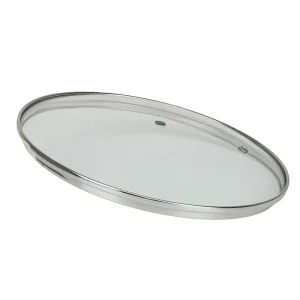
A G type glass lid is a cookware cover identified by its particular profile or edge configuration. The exact geometry should be confirmed through the manufacturer’s product drawings, specifications, or physical samples because product naming conventions can differ between suppliers.
Glass lids are commonly used with compatible cookware to cover food during cooking while allowing users to observe the cooking process without lifting the lid. Their design may include a shaped edge, a handle attachment, and other features determined by the cookware’s intended application.
For B2B buyers, the designation G type is only one part of the product specification. The diameter, edge dimensions, glass thickness, handle configuration, and compatibility with the intended pot or pan should also be confirmed before production.
A G type glass lid may be suitable for a cookware project when its profile matches the corresponding cookware design. Buyers should therefore verify the actual dimensions and construction rather than relying on the product name alone.
Understanding the Main Product Specifications
Before requesting a quotation, buyers should prepare a clear specification sheet. The following details can help a manufacturer understand the required product.
Diameter: The nominal diameter is one of the most important starting points. Common cookware sizes may include 20 cm, 22 cm, 24 cm, 26 cm, 28 cm, and other dimensions, depending on the product range. The required size should be confirmed against the actual cookware or technical drawing.
Glass thickness: Thickness affects the product’s construction and must be selected according to the design requirements. Buyers should ask the manufacturer which thicknesses are available and whether the proposed specification is suitable for the intended application.
Edge profile: The G type profile should correspond to the required cookware rim. Buyers should confirm the shape, dimensions, and tolerances using a drawing or approved sample.
Handle attachment: The lid may require a particular handle design or mounting arrangement. Handle materials, attachment methods, and hardware should be confirmed as part of the complete product specification.
Surface and appearance: Depending on the product design, buyers may need to specify the required finish, appearance, or decorative components. These requirements should be documented before sampling.
Packaging: Individual protection, bulk cartons, labeling, and export packaging may affect both order cost and logistics. Packaging requirements should be discussed early in the procurement process.
A complete specification helps reduce misunderstandings between the buyer and the factory and provides a clearer basis for sample approval and mass production.
Why Choose a G Type Glass Lid Factory in China?
For cookware brands and distributors, sourcing directly from a suitable factory can offer practical advantages. These advantages depend on the supplier’s actual capabilities, production arrangements, quality procedures, and order requirements.
1. OEM Product Development
OEM manufacturing allows buyers to discuss product requirements with a manufacturer before production begins. Instead of choosing only from standard catalogue products, buyers may be able to request specific dimensions, compatible components, packaging arrangements, or other design details.
For example, a cookware brand developing a new product line may need a G type glass lid that matches a particular pan diameter and rim structure. The buyer can provide a technical drawing or reference sample so the manufacturer can evaluate the required specifications.
Before beginning the project, buyers should confirm which customization options the factory can support. Not every supplier offers the same range of sizes, profiles, materials, or handle configurations.
2. Custom Size Options
Cookware products are available in different diameters and designs. A supplier that can evaluate custom dimensions may be useful for brands that need several lid sizes across a product range.
Custom sizing should involve more than changing the nominal diameter. The manufacturer and buyer should also confirm the edge profile, dimensional tolerances, thickness, and other details that influence compatibility.
When ordering multiple sizes, buyers should maintain a separate specification for each model. This helps prevent confusion during sampling, production, inspection, and packaging.
3. Support for Bulk Purchasing
Wholesalers, importers, and cookware manufacturers often need consistent specifications across repeated orders. Working with a suitable factory can make it easier to establish product requirements, agree on inspection criteria, and plan repeat purchasing.
Before placing a large order, buyers should discuss minimum order quantities, sample procedures, production lead times, packaging, and shipping arrangements. These details help establish realistic expectations for the commercial relationship.
4. Direct Communication About Technical Requirements
A direct manufacturing relationship can make it easier to communicate technical questions and resolve specification differences. This is especially relevant when the required glass lid has a non-standard profile or must fit an existing cookware design.
Buyers should ask whether the supplier can review drawings, measure reference samples, document agreed dimensions, and provide confirmation before mass production.
Clear communication is particularly important for OEM projects because a small difference in the rim profile or mounting arrangement may affect the fit of the finished product.
Custom G Type Glass Lid Sizes and Design Considerations
Custom sizing is an important topic for buyers looking for a G type glass lid factory. The correct dimensions depend on the cookware design, the lid profile, and the requirements of the finished product.
Matching the Lid to the Cookware
A lid’s nominal diameter does not provide enough information to confirm compatibility. Two lids with the same stated diameter may have different edge configurations or dimensional characteristics.
For this reason, buyers should provide the actual cookware dimensions whenever possible. A technical drawing showing the required diameter, rim structure, and other relevant measurements can help the factory assess whether the proposed design is suitable.
If a drawing is unavailable, a physical sample may provide a useful reference. The buyer and manufacturer should agree on the measurement method and the critical dimensions before approving production.
Developing Several Sizes for One Product Range
Some cookware brands require multiple sizes of the same general lid design. A consistent specification process can help manage these variations.
For each size, buyers should identify:
- Nominal diameter and relevant measured dimensions.
- G type edge profile and required tolerances.
- Glass thickness and material specification.
- Handle and attachment requirements.
- Appearance and packaging requirements.
- Inspection criteria and product acceptance standards.
Maintaining a specification sheet for every model can reduce errors when ordering different sizes together.
Customizing Handles and Components
Handle design affects the appearance and usability of the finished lid. Depending on the factory’s capabilities and available components, buyers may be able to discuss different handle styles, materials, mounting hardware, or branding requirements.
However, compatibility and safety should remain priorities. The selected handle and attachment system should be suitable for the product’s intended use, and the complete assembly should be evaluated according to the applicable product requirements.
Buyers should confirm the available options with the manufacturer rather than assuming every handle style can be combined with every glass lid design.
Appearance and Branding Requirements
For private-label and OEM cookware projects, visual consistency may be important. Buyers may need coordinated handle finishes, product labels, packaging artwork, or other brand-related details.
These requirements should be discussed during the quotation and sampling stages. Any custom components or packaging may affect the minimum order quantity, project cost, and production schedule.
Material Selection and Quality Requirements
The material specification is an important part of selecting a G type glass lid. Buyers should request clear information about the proposed glass material, its intended application, and the relevant quality requirements.
Selecting the Appropriate Glass
The type of glass should be selected according to the intended cookware application and the manufacturer’s product specification. Buyers should not assume that all glass lids have the same thermal characteristics or suitability for particular cooking conditions.
When evaluating a product, ask the manufacturer to identify the glass type and provide relevant technical documentation where available. If the lid is intended for repeated heating or other demanding conditions, confirm the applicable performance requirements before placing an order.
Confirming Dimensional Accuracy
Dimensional accuracy is essential for a lid that must fit a particular cookware rim. A product may have an appropriate nominal diameter but still fail to fit if its edge profile or other dimensions do not match the cookware.
A practical inspection plan may include checking the nominal diameter, critical edge dimensions, thickness, handle mounting points, and overall appearance. The exact inspection items should be agreed upon according to the product design.
For OEM orders, the approved sample and technical drawing should serve as references for production and inspection.
Establishing Quality Control Procedures
Quality control should be discussed before mass production rather than after the products have been manufactured.
Buyers can ask the factory about its incoming material checks, in-process inspections, final inspection procedures, and handling of nonconforming products. They should also clarify which inspection records or reports can be provided for the order.
Where relevant, buyers should confirm the applicable market regulations and product testing requirements. Any certification or test report should be verified for its scope and relevance to the specific product.
A clear quality agreement helps both parties understand the required product characteristics and acceptance criteria.
How to Evaluate a G Type Glass Lid Manufacturer
Selecting a supplier involves evaluating its ability to meet the project’s technical and commercial requirements. A supplier’s website or quotation may provide an initial introduction, but buyers should verify important claims before making a purchasing decision.
Review the Product Range
Start by checking whether the manufacturer supplies the required G type profile and whether its existing products match the intended application.
Ask for product photographs, dimensional drawings, available sizes, and relevant material specifications. If the project requires a special configuration, confirm whether the factory can develop it and what information is needed for assessment.
A supplier with relevant product experience may be easier to evaluate than one whose catalogue does not clearly cover the required design.
Request Technical Documentation
Technical documentation can help buyers compare suppliers on a consistent basis. Depending on the project, useful documents may include product drawings, specification sheets, material information, sample records, inspection criteria, and packaging details.
The buyer should check whether the documents refer to the exact model being quoted. General product descriptions may not establish that a particular size or profile is available.
Assess Communication and Sampling
A manufacturer’s response to technical questions can provide useful information about its suitability for an OEM project.
Consider whether the supplier can explain the available specifications, identify missing information, review drawings, and clarify the next steps for sampling. A clear sample approval process can reduce the risk of producing a large quantity of incorrectly specified products.
Before approving a sample, record any agreed changes and ensure that the final specification is clear to both parties.
Compare the Complete Quotation
The lowest unit price does not always represent the best purchasing value. Buyers should compare quotations using the same product specifications, order quantities, packaging requirements, and delivery terms.
A quotation should clearly identify the model, dimensions, material specification, included components, packaging, price basis, minimum order quantity, lead time, and payment terms.
If one supplier quotes a different thickness, handle configuration, or packaging arrangement, the prices may not be directly comparable.
OEM and Wholesale Ordering Process
A structured ordering process can help cookware brands and distributors manage the transition from product inquiry to bulk supply.
Step 1: Prepare the Product Requirements
Define the required G type glass lid size, intended application, profile, thickness, handle configuration, and packaging needs.
If several models are required, prepare a separate specification for each size. Include drawings or photographs where they help explain the design.
Step 2: Request a Technical Review
Send the requirements to the factory and ask it to confirm which specifications it can support. Discuss any missing dimensions, manufacturing limitations, or details that need further clarification.
The factory’s feedback should be recorded so the parties can work from the same set of requirements.
Step 3: Confirm Pricing and Order Conditions
Request a quotation based on the agreed specifications and expected quantity. Clarify minimum order quantities, sample charges where applicable, production lead times, packaging, shipping arrangements, and payment terms.
For recurring orders, buyers may also want to discuss how specifications and quality requirements will be maintained between production batches.
Step 4: Approve the Sample
Review the sample against the drawing and agreed requirements. Check the dimensions, edge profile, appearance, handle arrangement, and compatibility with the intended cookware.
If any changes are required, document them and request confirmation of the revised specification before mass production.
Step 5: Confirm Production and Inspection
Before production starts, ensure that the final specification, order quantity, packaging requirements, and inspection criteria are confirmed.
The buyer and supplier should agree on how the finished goods will be inspected and how any deviations will be handled.
Step 6: Arrange Packaging and Delivery
Packaging should provide appropriate protection during handling and transportation. Buyers should confirm carton specifications, labeling, shipping marks, and other requirements before dispatch.
For international orders, the parties should also agree on the applicable delivery terms and required shipping documentation.
What Affects the Price of a G Type Glass Lid?
The price of a G type glass lid depends on several variables. Buyers comparing suppliers should evaluate the complete product specification rather than relying on the nominal diameter alone.
Material and thickness: The selected material and thickness may affect manufacturing costs and product requirements.
Dimensions and profile: Standard models and custom designs may have different tooling, setup, or production considerations.
Handle and additional components: The selected handle, mounting hardware, rim components, and other features may influence the unit cost.
Order quantity: Larger orders may have different unit pricing, depending on production efficiency, material purchasing, and the supplier’s commercial terms.
Packaging requirements: Individual packaging, custom branding, protective inserts, and export cartons may affect the total cost.
Inspection and documentation: Additional testing, inspection, or documentation requirements may influence the final quotation.
Shipping arrangements: Freight costs, delivery terms, destination, and shipment volume all affect the total landed cost.
To obtain a useful quotation, buyers should provide as much information as possible about the product and expected order. Comparing quotations based on identical requirements makes it easier to identify the best overall value.
Common Mistakes to Avoid When Buying G Type Glass Lids
Several sourcing mistakes can create unnecessary costs or delays.
Ordering by Diameter Alone
A stated diameter does not guarantee that a lid will fit the intended cookware. Buyers should confirm the edge profile, critical dimensions, and compatibility before placing a bulk order.
Assuming All G Type Designs Are Identical
Product terminology may vary between manufacturers. The G type designation should be supported by an actual drawing, sample, or agreed dimensional specification.
Skipping Sample Approval
Moving directly to mass production without reviewing a sample can increase the risk of dimensional or appearance issues. Sample approval provides an opportunity to identify problems before they affect the full order.
Overlooking Handle Compatibility
The handle and attachment system should be evaluated as part of the complete lid assembly. Buyers should specify the required configuration and confirm its suitability for the intended application.
Comparing Inconsistent Quotations
A lower price may reflect a different specification, component arrangement, packaging standard, or delivery term. Always compare equivalent products and commercial conditions.
Failing to Document Changes
Changes made during product development should be recorded in the final specification. Clear documentation helps prevent misunderstandings during repeat orders.
Avoiding these mistakes can improve communication and support a more predictable sourcing process.
Who Should Consider Custom G Type Glass Lid Manufacturing?
Custom G type glass lid manufacturing may be relevant to businesses that require specific dimensions or a consistent product specification.
Cookware manufacturers may need lids that match their existing pots, pans, or newly developed cookware designs.
Kitchenware brands may seek OEM components for branded product lines and coordinated packaging.
Wholesalers and importers may need repeatable specifications for bulk purchasing and distribution.
Retail suppliers and distributors may require products that meet their customers’ dimensional, appearance, and packaging requirements.
Product development teams may need a manufacturing partner to review drawings, samples, and design requirements before launching a new cookware range.
The best sourcing arrangement depends on the project scope, expected order quantity, technical requirements, and supplier capabilities.
Frequently Asked Questions
What information should I provide when requesting a G type glass lid quotation?
Provide the required diameter, edge profile, glass thickness, intended application, handle configuration, estimated order quantity, and packaging requirements. A technical drawing or physical sample is particularly helpful when the lid must match existing cookware.
Can I order custom sizes from a G type glass lid factory in China?
Custom sizing depends on the factory’s available production capabilities and the requirements of the design. Ask the supplier to review the required dimensions and confirm whether the requested size and profile can be produced.
How can I confirm that a G type glass lid will fit my cookware?
Do not rely on diameter alone. Compare the lid’s critical dimensions and edge profile with the cookware specifications. A drawing review and sample fitting are useful steps before mass production.
What should I check before placing a wholesale order?
Confirm the product specification, sample approval, unit price, minimum order quantity, lead time, packaging, inspection criteria, payment terms, and shipping arrangements. All important requirements should be documented before production begins.
How can I compare G type glass lid manufacturers?
Compare suppliers based on product compatibility, technical documentation, customization options, quality control, sample procedures, communication, quotation transparency, and delivery arrangements. Verify relevant claims and documentation before committing to a large order.
Is the lowest-priced glass lid always the best option?
Not necessarily. A useful comparison should include the complete specification, packaging, inspection requirements, delivery terms, and expected consistency between batches. The most suitable option is the one that meets the project’s requirements at an acceptable total cost.
Find a Suitable G Type Glass Lid Manufacturing Partner
Selecting a suitable G type glass lid factory in China starts with a clear understanding of the required product. Dimensions, edge geometry, material specifications, handle configuration, quality requirements, and packaging should all be confirmed before production.
For OEM and wholesale buyers, a structured sourcing process helps improve specification accuracy, simplify supplier comparison, and reduce the risk of compatibility issues. Reviewing technical documentation, approving samples, and establishing clear inspection criteria are practical steps toward a successful purchasing relationship.
If you are sourcing G type glass lids for a cookware project, prepare your required sizes, drawings or samples, customization preferences, and estimated order quantity before contacting a manufacturer.
Contact our team to discuss your glass lid requirements, OEM options, and wholesale supply needs.







