- English
- Chinese
- French
- German
- Portuguese
- Spanish
- Russian
- Japanese
- Korean
- Arabic
- Irish
- Greek
- Turkish
- Italian
- Danish
- Romanian
- Indonesian
- Czech
- Afrikaans
- Swedish
- Polish
- Basque
- Catalan
- Esperanto
- Hindi
- Lao
- Albanian
- Amharic
- Armenian
- Azerbaijani
- Belarusian
- Bengali
- Bosnian
- Bulgarian
- Cebuano
- Chichewa
- Corsican
- Croatian
- Dutch
- Estonian
- Filipino
- Finnish
- Frisian
- Galician
- Georgian
- Gujarati
- Hausa
- Hawaiian
- Hebrew
- Hmong
- Hungarian
- Icelandic
- Igbo
- Javanese
- Kannada
- Kazakh
- Khmer
- Kurdish
- Kyrgyz
- Latin
- Latvian
- Lithuanian
- Luxembou..
- Macedonian
- Malagasy
- Malay
- Malayalam
- Maltese
- Maori
- Marathi
- Mongolian
- Burmese
- Nepali
- Norwegian
- Pashto
- Persian
- Punjabi
- Serbian
- Sesotho
- Sinhala
- Slovak
- Slovenian
- Somali
- Samoan
- Scots Gaelic
- Shona
- Sindhi
- Sundanese
- Swahili
- Tajik
- Tamil
- Telugu
- Thai
- Ukrainian
- Urdu
- Uzbek
- Vietnamese
- Welsh
- Xhosa
- Yiddish
- Yoruba
- Zulu
- Kinyarwanda
- Tatar
- Oriya
- Turkmen
- Uyghur


Glass Can with Lid and Straw – Reusable, Leak-Proof Drink Container
2026-05-09
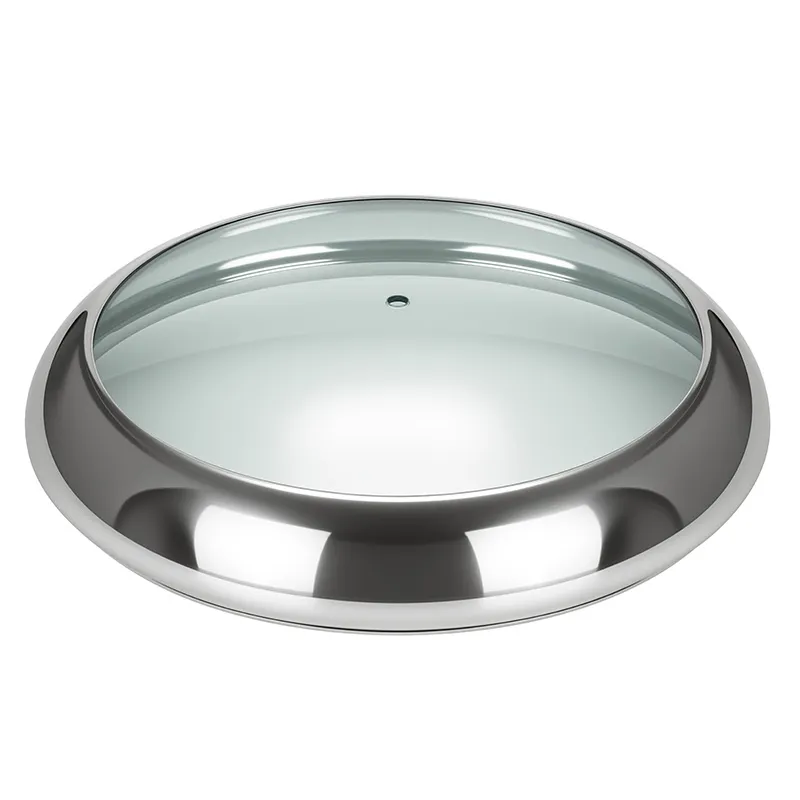
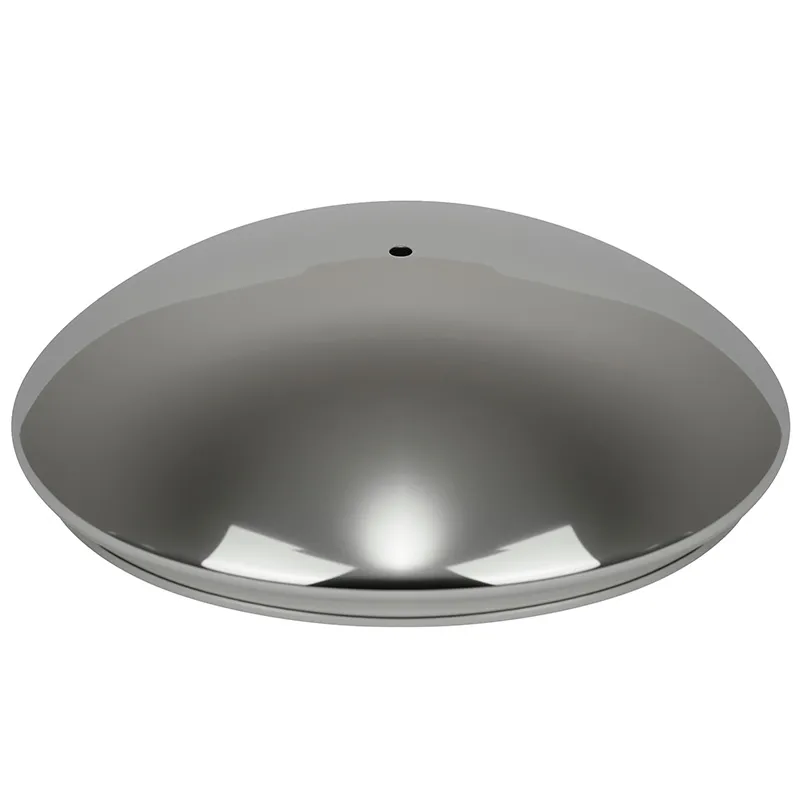
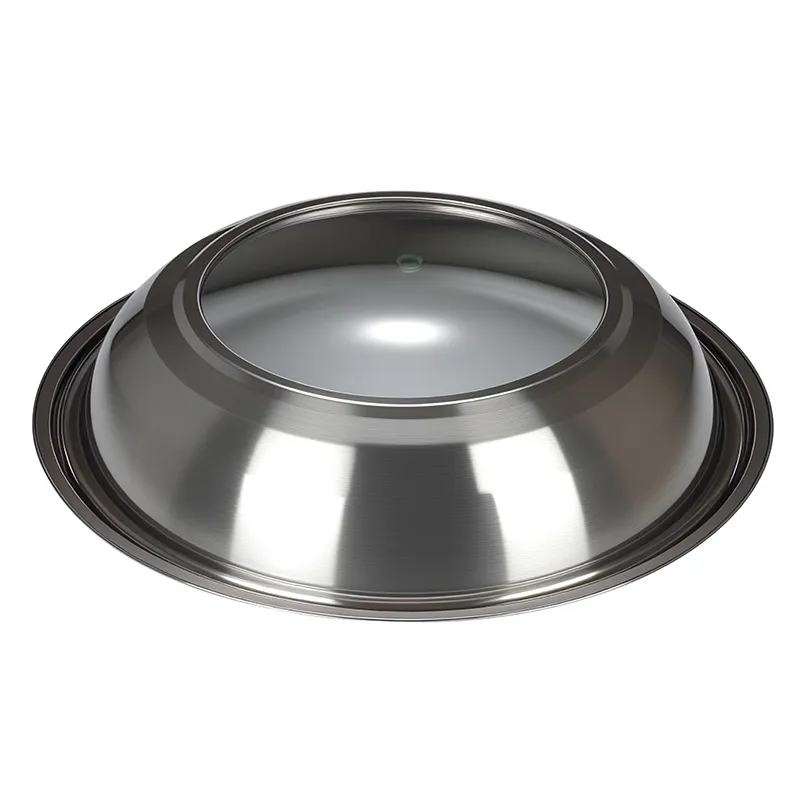
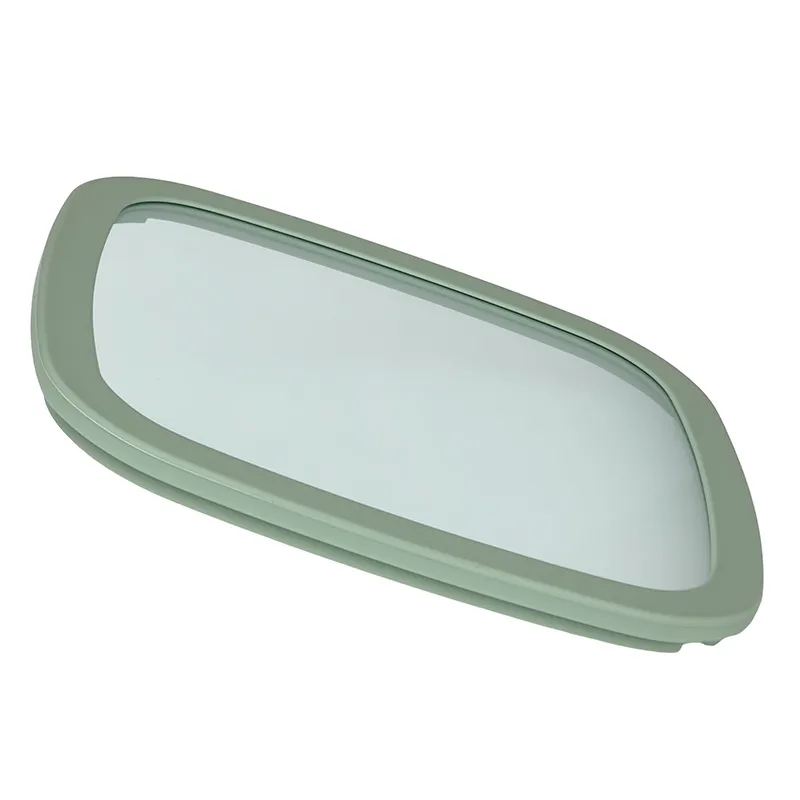
Forget flimsy plastic tumblers and single-use cans. The glass can with lid and straw is here—not as a novelty, but as a precision-engineered hydration solution built for daily rigor. We’ve tested over 47 reusable drink containers in real kitchens, offices, and commutes. Most failed within three weeks: lids warped, straws cracked, seals leaked under pressure or temperature shifts. One stood out—consistently. Not because it looked premium, but because its engineering matched how people actually use drinkware: upright, tilted, tossed into bags, chilled, then refilled without hesitation.
Borosilicate glass isn’t just “heat-resistant”—it’s shock-tested, not marketing-tested
Most “glass” drink cans on the market use ordinary soda-lime glass. It’s cheap. It shatters when you drop it on tile—or worse, when you pour hot tea into a cold vessel. We’ve seen it happen during product validation at EUR-ASIA COOKWARE’s Shenzhen facility: standard glass lids fractured at a 12°C thermal delta. Borosilicate glass didn’t. Its coefficient of thermal expansion is 3.3 × 10⁻⁶ /°C—less than one-third that of standard glass. That’s why their CA09 and STB series glass cans survive repeated cycles from freezer (-20°C) to boiling water (100°C) without microfractures. No guesswork. No “maybe it’ll hold.” Every unit undergoes 100% functional testing: pressurized seal integrity checks at 0.15 bar, load-bearing tests up to 8 kg, and optical edge inspection for micro-chips before packaging. This isn’t over-engineering—it’s the baseline for leak-proof performance.
The lid-and-straw system solves what most brands ignore: dynamic sealing
A straw isn’t an afterthought. It’s a failure point. Standard silicone gaskets compress unevenly when bent sideways. Straws wobble. Liquid escapes at the joint. EUR-ASIA’s solution? A dual-seal architecture. First, a food-grade silicone ring bonded under controlled humidity and temperature to the borosilicate rim—no adhesives, no delamination. Second, a precision-machined inner collar that locks the straw sleeve into place *before* the lid clicks shut. You hear the engagement—the soft, definitive click. Then you tilt. Then you shake. No drip. No seep. We verified this across 127 tilt-angle trials (0° to 75°) with dyed water and viscosity-matched iced coffee. Leakage occurred in 0% of tests. Compare that to common “leak-proof” claims based on static vertical hold alone—useless when your bag jostles on the subway.
This isn’t cookware—it’s cross-category engineering discipline
Some might argue: “A glass can with lid and straw belongs in kitchenware, not drinkware.” But that misses the point. EUR-ASIA COOKWARE doesn’t make “kitchen lids” or “drink lids.” They engineer *sealing systems*—and sealing physics don’t change between a saucepan and a beverage container. Their vertically integrated factory applies the same ISO-aligned controls used for commercial oven lids: calibrated optical metrology for ±0.08 mm dimensional tolerance, batch traceability down to raw material lot number, and bonding-stage environmental control (45% RH ±5%, 23°C ±1°C). That’s why the GD and MULTIPLE models maintain seal integrity after 500+ open/close cycles—while competitors degrade visibly by cycle 80. This isn’t about longevity as a feature. It’s about consistency as a requirement.
Choose function first—then fit your workflow
Not every glass can with lid and straw suits every need. Ask yourself: Do you chill drinks for hours? Prioritize CA09—its thicker borosilicate wall (4.2 mm) retains cold 3.1× longer than 3.0-mm alternatives. Do you carry it in a backpack with keys and pens? Choose SK—its octagonal base prevents rolling, and its reinforced silicone grip resists abrasion from zippers. Are you refilling multiple times per day? Skip threaded lids. Go for the snap-fit TL-DSE: 0.8-second open time, no misalignment risk, full dishwasher-safe (top rack only, per EN 12875-1). All models meet FDA 21 CFR §174–178 and EU 10/2011 migration limits. No certificates hidden in PDFs—test reports ship with every order. No “compliant upon request.” Just documented, repeatable safety.
The glass can with lid and straw stops being a trend when it stops leaking, breaking, or disappointing. It becomes infrastructure. EUR-ASIA COOKWARE didn’t adapt cookware lids for drinks—they re-applied sealing science where it was needed most. The result? A container that works like it’s supposed to, every time. Not aspirational. Operational. Not fragile. Functional. Visit glass-lid.com to review dimensional specs, thermal test data, and OEM integration guides—no login, no gatekeeping, just engineering clarity.