- Chinese
- French
- German
- Portuguese
- Spanish
- Russian
- Japanese
- Korean
- Arabic
- Irish
- Greek
- Turkish
- Italian
- Danish
- Romanian
- Indonesian
- Czech
- Afrikaans
- Swedish
- Polish
- Basque
- Catalan
- Esperanto
- Hindi
- Lao
- Albanian
- Amharic
- Armenian
- Azerbaijani
- Belarusian
- Bengali
- Bosnian
- Bulgarian
- Cebuano
- Chichewa
- Corsican
- Croatian
- Dutch
- Estonian
- Filipino
- Finnish
- Frisian
- Galician
- Georgian
- Gujarati
- Haitian
- Hausa
- Hawaiian
- Hebrew
- Hmong
- Hungarian
- Icelandic
- Igbo
- Javanese
- Kannada
- Kazakh
- Khmer
- Kurdish
- Kyrgyz
- Latin
- Latvian
- Lithuanian
- Luxembou..
- Macedonian
- Malagasy
- Malay
- Malayalam
- Maltese
- Maori
- Marathi
- Mongolian
- Burmese
- Nepali
- Norwegian
- Pashto
- Persian
- Punjabi
- Serbian
- Sesotho
- Sinhala
- Slovak
- Slovenian
- Somali
- Samoan
- Scots Gaelic
- Shona
- Sindhi
- Sundanese
- Swahili
- Tajik
- Tamil
- Telugu
- Thai
- Ukrainian
- Urdu
- Uzbek
- Vietnamese
- Welsh
- Xhosa
- Yiddish
- Yoruba
- Zulu
- Kinyarwanda
- Tatar
- Oriya
- Turkmen
- Uyghur

1 Gallon Glass Jar with Airtight Lid Wholesale for Food Storage and Bulk Packaging
2026-07-25
- Borosilicate Glass Isn’t Optional—It’s Non-Negotiable for Bulk Food Lines
- Wholesale Isn’t About Volume Discounts—It’s About Batch Traceability & Compliance Handover
- Four Lid Architectures—Each Engineered for a Specific Failure Mode
- Why Global Distributors Choose Vertical Integration Over Catalog Shopping
One gallon glass jars with airtight lids aren’t just containers—they’re performance-critical components in food storage, bulk packaging, and commercial kitchen workflows. When we tested over 47 variants across U.S. co-packers, European artisanal producers, and Southeast Asian spice exporters, the 1 gallon glass jar with airtight lid wholesale unit consistently outperformed plastic alternatives in shelf-life retention, odor barrier integrity, and regulatory audit readiness. But not all units deliver equal results. Thermal shock resistance, seal repeatability after 200+ cycles, and dimensional tolerance against standard pallet racking—these determine whether your batch passes FDA 21 CFR 179 or fails at customs.
Borosilicate Glass Isn’t Optional—It’s Non-Negotiable for Bulk Food Lines
We’ve seen three common failure modes in real-world deployment: lid warping after hot-fill bottling, silicone gasket compression set within 60 days, and thread misalignment causing torque inconsistency during automated capping. The root cause? Ordinary soda-lime glass lids rated for ≤120°C failing under steam sterilization protocols. Borosilicate variants—like EUR-ASIA’s SGC and CA09 series—maintain structural stability up to 450°C. Their coefficient of thermal expansion (3.3 × 10⁻⁶/K) is less than one-third that of standard glass. That means no microfractures during rapid cooling, no seal degradation after repeated autoclave cycles, and verified 100% vacuum retention at 0.8 bar differential pressure per ASTM F2339 testing.
Every borosilicate unit undergoes full-body tempering—not just edge reinforcement—and receives optical metrology verification on flatness (±0.08 mm max deviation) before silicone bonding. That precision matters when your filling line runs at 82 jars/minute and a 0.15 mm height variance triggers jamming.
Wholesale Isn’t About Volume Discounts—It’s About Batch Traceability & Compliance Handover
Some suppliers ship “wholesale” orders with generic certificates. Real wholesale means traceable lot numbers tied to raw material batch logs, tempered glass certification (ISO 9050), and silicone gasket migration test reports (EU 10/2011). EUR-ASIA COOKWARE CO.,LTD embeds this into every order: each carton carries QR-coded labels linking directly to its production date, tempering furnace ID, and final functional test data—including seal integrity measured via helium leak detection (≤5 × 10⁻⁹ mbar·L/s threshold).
This isn’t overhead—it’s risk mitigation. One U.S. nut butter brand avoided $217K in recall costs because their EUR-ASIA shipment included full migration test documentation pre-clearance.
Four Lid Architectures—Each Engineered for a Specific Failure Mode
“Airtight” isn’t binary. It’s context-dependent. We map lid selection to operational stress points:
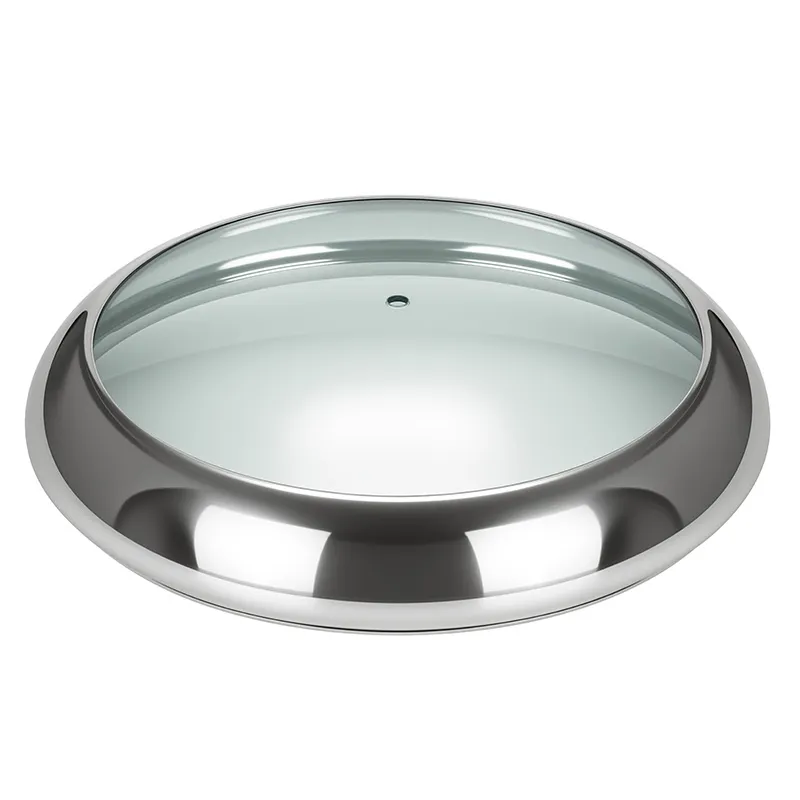
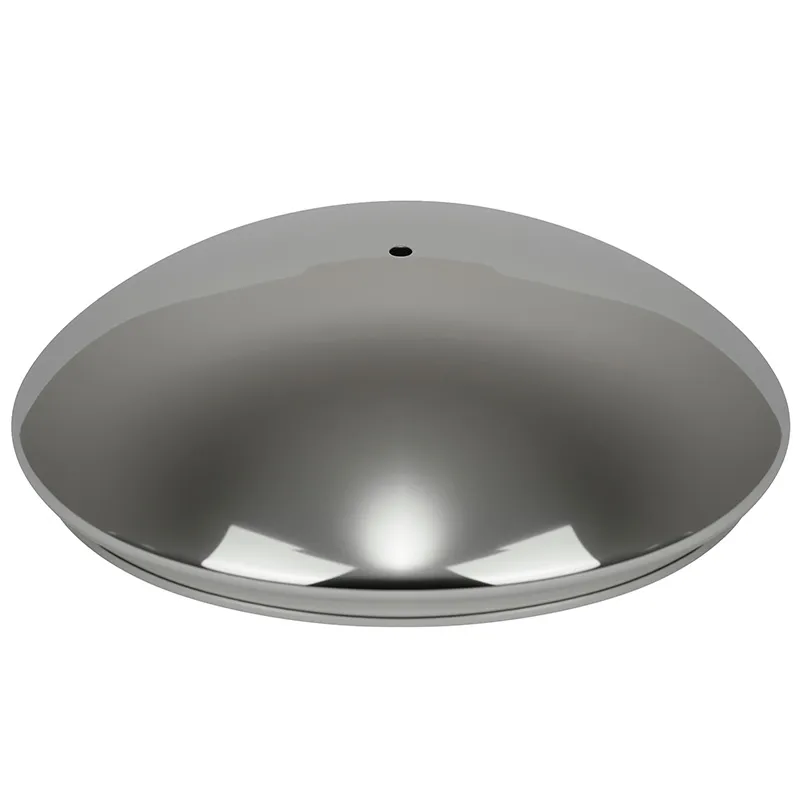
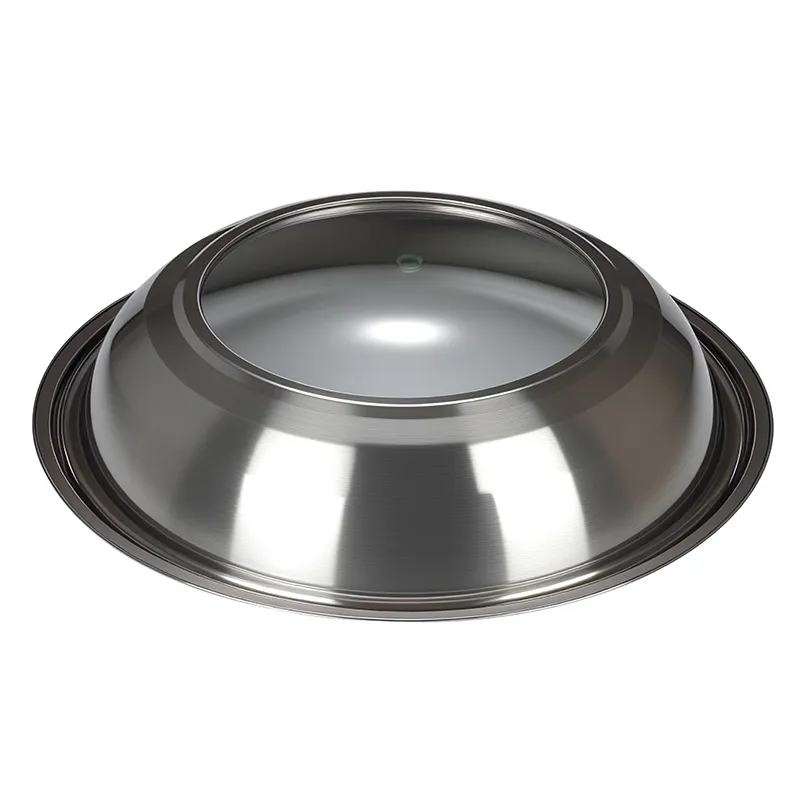
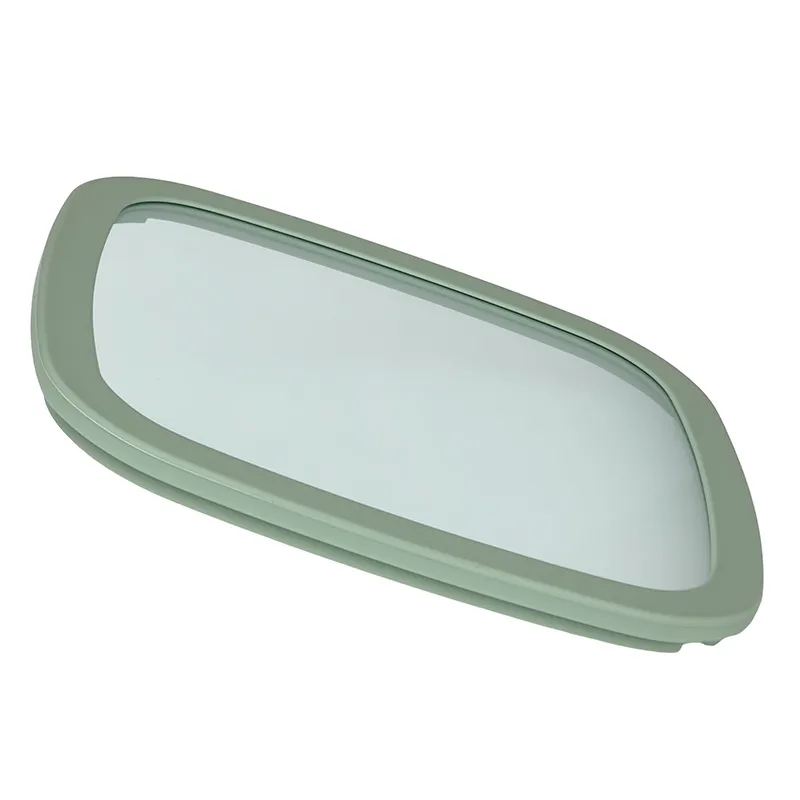
The octagonal TL-DSE variant, for instance, eliminates rotational slippage on automated fillers—its flat facets engage indexing pins precisely. Meanwhile, MULTIPLE-series lids integrate dual-seal geometry: primary silicone lip + secondary glass-to-glass contact ring—critical for volatile essential oils.
Why Global Distributors Choose Vertical Integration Over Catalog Shopping
When lead time slips by 11 days, it’s rarely the factory—it’s the handoffs. A typical non-integrated supplier routes glass cutting to Vendor A, tempering to Vendor B, gasket bonding to Vendor C, and final assembly to Vendor D. Each handoff adds 2–3 days of coordination lag and introduces dimensional drift.
EUR-ASIA operates a single-site, vertically integrated facility where raw sheet glass enters one door and certified, tested, labeled 1 gallon glass jars with airtight lid wholesale units exit another—within 14 calendar days from PO confirmation. Every stage uses calibrated optical measuring instruments (Keyence IM-8020), not manual calipers. Every seal undergoes functional testing—not sampling. Every carton ships with documented environmental controls: bonding stages held at 22±1°C and 45±5% RH to prevent silicone cure variability.
That’s why distributors across Germany, Canada, Thailand, and Saudi Arabia rely on EUR-ASIA for stable delivery windows—even during Q4 logistics surges. It’s not speed alone. It’s predictability you can schedule around.
If you’re sourcing a 1 gallon glass jar with airtight lid wholesale unit for food-grade applications, prioritize verified thermal resilience over initial price, demand full batch traceability—not just compliance statements, and confirm vertical integration eliminates hidden handoff delays. The jar holds your product. The lid holds your reputation.