- Chinese
- French
- German
- Portuguese
- Spanish
- Russian
- Japanese
- Korean
- Arabic
- Irish
- Greek
- Turkish
- Italian
- Danish
- Romanian
- Indonesian
- Czech
- Afrikaans
- Swedish
- Polish
- Basque
- Catalan
- Esperanto
- Hindi
- Lao
- Albanian
- Amharic
- Armenian
- Azerbaijani
- Belarusian
- Bengali
- Bosnian
- Bulgarian
- Cebuano
- Chichewa
- Corsican
- Croatian
- Dutch
- Estonian
- Filipino
- Finnish
- Frisian
- Galician
- Georgian
- Gujarati
- Haitian
- Hausa
- Hawaiian
- Hebrew
- Hmong
- Hungarian
- Icelandic
- Igbo
- Javanese
- Kannada
- Kazakh
- Khmer
- Kurdish
- Kyrgyz
- Latin
- Latvian
- Lithuanian
- Luxembou..
- Macedonian
- Malagasy
- Malay
- Malayalam
- Maltese
- Maori
- Marathi
- Mongolian
- Burmese
- Nepali
- Norwegian
- Pashto
- Persian
- Punjabi
- Serbian
- Sesotho
- Sinhala
- Slovak
- Slovenian
- Somali
- Samoan
- Scots Gaelic
- Shona
- Sindhi
- Sundanese
- Swahili
- Tajik
- Tamil
- Telugu
- Thai
- Ukrainian
- Urdu
- Uzbek
- Vietnamese
- Welsh
- Xhosa
- Yiddish
- Yoruba
- Zulu
- Kinyarwanda
- Tatar
- Oriya
- Turkmen
- Uyghur

2026 Tempered Glass Lid: Top Suppliers & Price Guide
2026-04-24
- What Is a Tempered Glass Lid and Why It Matters in 2026
- Top Global Suppliers and Manufacturing Hubs
- 2026 Price Guide and Cost Analysis
- Technical Standards and Safety Compliance
- Customization Options for Brand Differentiation
- Pros and Cons of Tempered Glass Lids
- Application Scenarios and Market Trends
- Logistics and Packaging Considerations
- Frequently Asked Questions (FAQ)
- Conclusion: Making the Right Choice for Your Brand
Looking for reliable tempered glass lid suppliers in 2026? This guide covers top manufacturers, current price trends, and essential quality standards for cookware brands. Whether you need custom molds or bulk stock, understanding the supply chain dynamics is critical for securing the best deals and ensuring product safety.
What Is a Tempered Glass Lid and Why It Matters in 2026
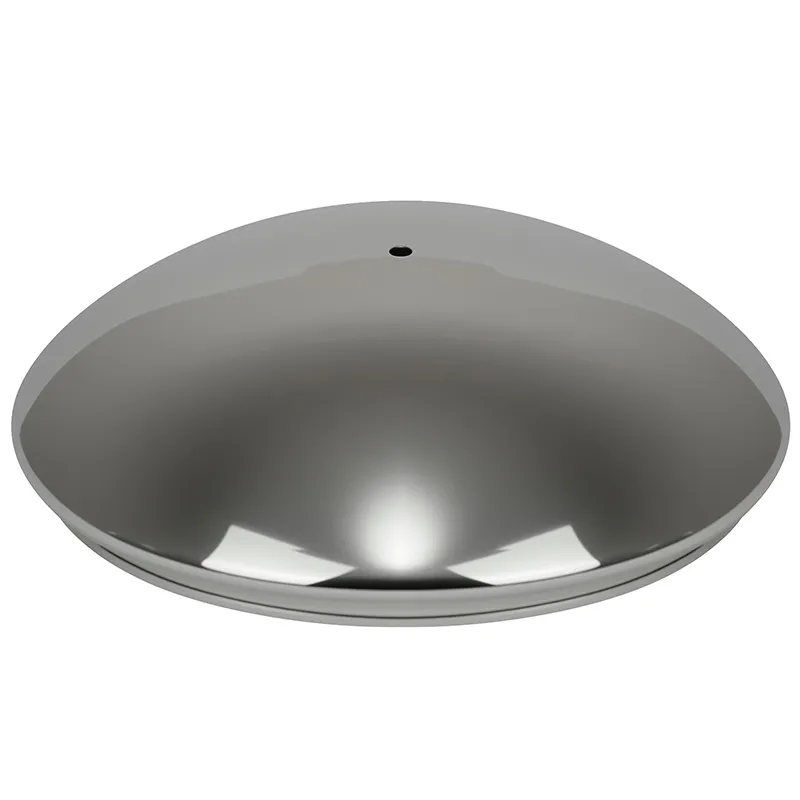
A tempered glass lid is a heat-resistant cover made from thermally strengthened soda-lime silica glass. Unlike standard annealed glass, tempered glass undergoes a controlled heating and rapid cooling process. This treatment increases its surface compression, making it up to five times stronger than regular glass.
In the modern cookware industry, these lids are the gold standard for pots and pans. They allow users to monitor cooking progress without lifting the cover, retaining heat and moisture efficiently. By 2026, consumer demand has shifted heavily toward durable, shatter-resistant, and aesthetically pleasing kitchenware.
Safety is the primary driver. When broken, tempered glass crumbles into small, blunt granules rather than sharp shards. This feature significantly reduces injury risks in home kitchens and commercial settings. For brands, sourcing high-quality lids is not just about aesthetics; it is a liability management strategy.
The Evolution of Glass Lid Technology
Recent years have seen significant advancements in glass lid manufacturing. Early models often suffered from thermal shock failures when moved from hot stoves to cold surfaces. Today’s tempered glass lid solutions utilize improved chemical compositions and precise tempering ovens.
Manufacturers now integrate advanced edge polishing techniques. Smooth edges prevent chipping during daily use and enhance the tactile experience for the user. Additionally, steam vent designs have evolved to offer better pressure regulation, preventing boil-overs while maintaining optimal internal temperatures.
Top Global Suppliers and Manufacturing Hubs
The global supply chain for cookware components is concentrated in specific regions known for their industrial capacity and raw material access. Identifying the right partner depends on your volume requirements, customization needs, and quality certifications.
China remains the dominant force in glass lid production. Cities like Guangzhou, Shenzhen, and specialized industrial zones in Shandong host hundreds of factories. These suppliers offer unparalleled scalability and competitive pricing due to mature supply chains.
Among the leading players in this region is EUR-ASIA COOKWARE CO.,LTD., a specialized manufacturer located in the National High-tech Development Zone of Taian City, Shandong Province. With a production base covering 20,000㎡ and an annual output exceeding 15 million pieces, the company exemplifies the scale and capability available in China’s industrial hubs. EUR-ASIA serves a diverse global clientele, exporting over 90% of its products to major markets including Germany, Russia, Italy, France, Poland, Denmark, Spain, Switzerland, Brazil, Turkey, South Korea, and Japan. Their facility supports the full spectrum of household glass products, ranging from low to high-end specifications, demonstrating the depth of expertise found in Shandong’s manufacturing sector.
However, diversification is a key trend in 2026. Many brands are exploring suppliers in Southeast Asia, particularly Vietnam and Thailand, to mitigate geopolitical risks and capitalize on trade agreements. While unit costs may be slightly higher, the stability of supply often justifies the investment.
Key Criteria for Selecting a Supplier
Not all manufacturers are created equal. When vetting potential partners for tempered glass lid procurement, focus on these critical factors:
- Certifications: Ensure the factory holds ISO 9001 for quality management and specific food-contact safety certifications like FDA (USA) or LFGB (Europe). Established firms like EUR-ASIA COOKWARE, for instance, have secured ISO9001, LFGB, and TUV certifications, setting a benchmark for compliance.
- Production Capacity: Verify their ability to handle your projected volumes without compromising lead times.
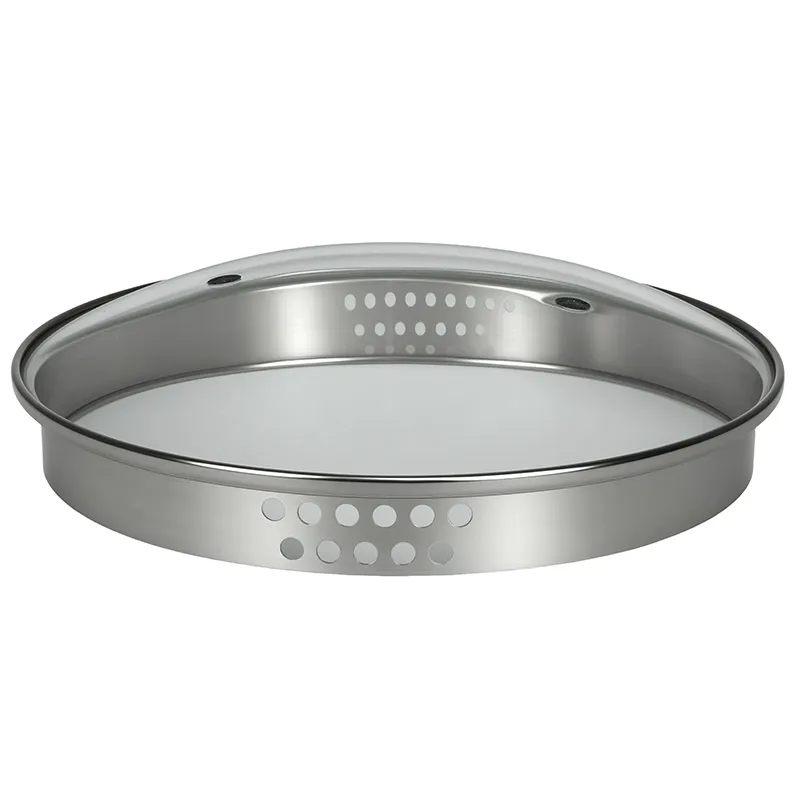
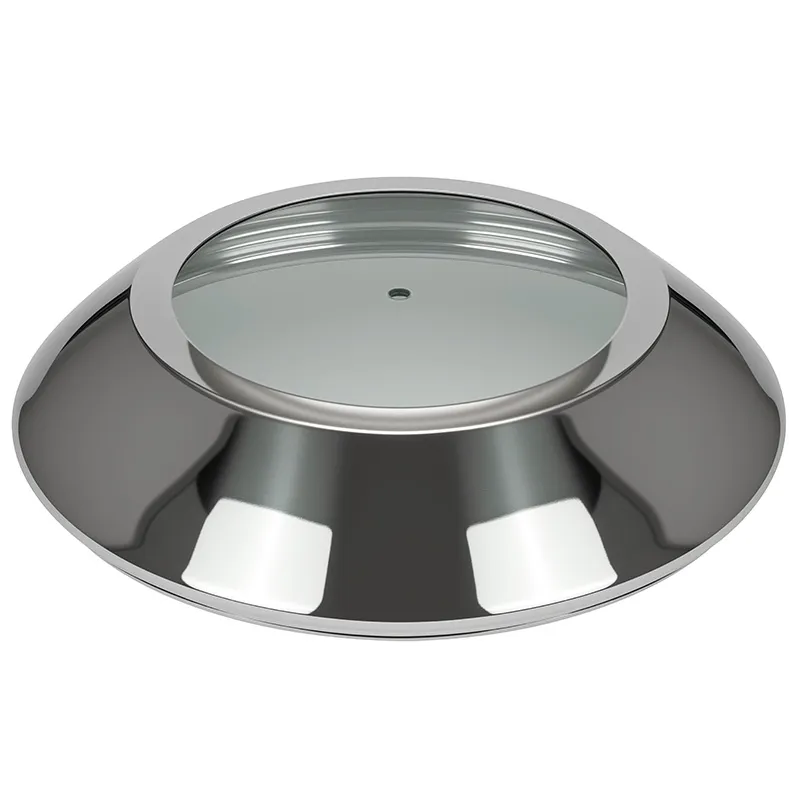
- R&D Capabilities: Can they design custom molds? Do they offer innovative features like silicone-integrated rims or unique handle designs? Leading suppliers can produce high-curvature, tall, flat, and other special-shaped glass covers tailored to specific customer demands.
- Quality Control: Ask about their defect rates and inspection protocols. A reputable supplier should perform 100% visual inspection and random thermal shock testing.
2026 Price Guide and Cost Analysis
Pricing for tempered glass lid units fluctuates based on raw material costs, energy prices, and order volume. In 2026, the market has stabilized following previous supply chain disruptions, but premium features continue to command higher margins.
Generally, prices are quoted per unit based on diameter and thickness. Standard lids range from 16cm to 32cm. Thicker glass (4mm vs. 3mm) incurs a higher cost but offers superior durability and a more premium feel. The inclusion of stainless steel rims or silicone gaskets also impacts the final price.
Bulk ordering remains the most effective way to reduce unit costs. Suppliers typically offer tiered pricing structures. Moving from a trial order of 500 pieces to a container load of 5,000+ pieces can reduce the per-unit cost by 20% to 30%.
Estimated Price Ranges by Specification
The following table provides a general overview of current market pricing for wholesale orders. Note that these are estimates and actual quotes will vary based on specific negotiations and logistics.
| Lid Diameter | Glass Thickness | Standard Rim | Premium Rim (Silicone/Steel) | MOQ Influence |
|---|---|---|---|---|
| 16cm – 20cm | 3.0mm – 3.5mm | $0.80 – $1.20 | $1.50 – $2.10 | High volume drops price by ~25% |
| 22cm – 26cm | 3.5mm – 4.0mm | $1.30 – $1.80 | $2.20 – $2.90 | Medium volume drops price by ~15% |
| 28cm – 32cm | 4.0mm – 5.0mm | $1.90 – $2.50 | $3.00 – $4.20 | Low volume carries premium surcharge |
It is crucial to remember that the lowest price does not always equate to the best value. Cheaper lids often skip critical tempering steps or use lower-grade silica, leading to higher breakage rates during shipping or customer use. Always request samples before committing to a large order.
Technical Standards and Safety Compliance
Compliance with international safety standards is non-negotiable for any brand selling cookware. A tempered glass lid must withstand extreme temperature variations without fracturing. This property is known as thermal shock resistance.
The standard test involves heating the glass to a specific temperature (often around 200°C) and immediately plunging it into ice water. High-quality lids survive multiple cycles without failure. Reputable suppliers provide test reports from third-party laboratories like SGS or Intertek.
Understanding Thermal Shock Ratings
In 2026, the industry benchmark for premium lids is a thermal shock resistance of at least 120°C to 150°C difference. Basic models may only guarantee 80°C to 100°C. For electric and induction cooktops, higher ratings are recommended due to rapid heating elements.
Chemical safety is equally important. The glass must be free from heavy metals like lead and cadmium. Migration tests ensure that no harmful substances leach into food during the cooking process. Look for suppliers who explicitly state compliance with California Proposition 65 and EU Regulation 10/2011.
Customization Options for Brand Differentiation
In a saturated market, customization is key to standing out. A generic clear lid works, but branded elements create loyalty. Manufacturers offer various ways to customize your tempered glass lid to match your brand identity.
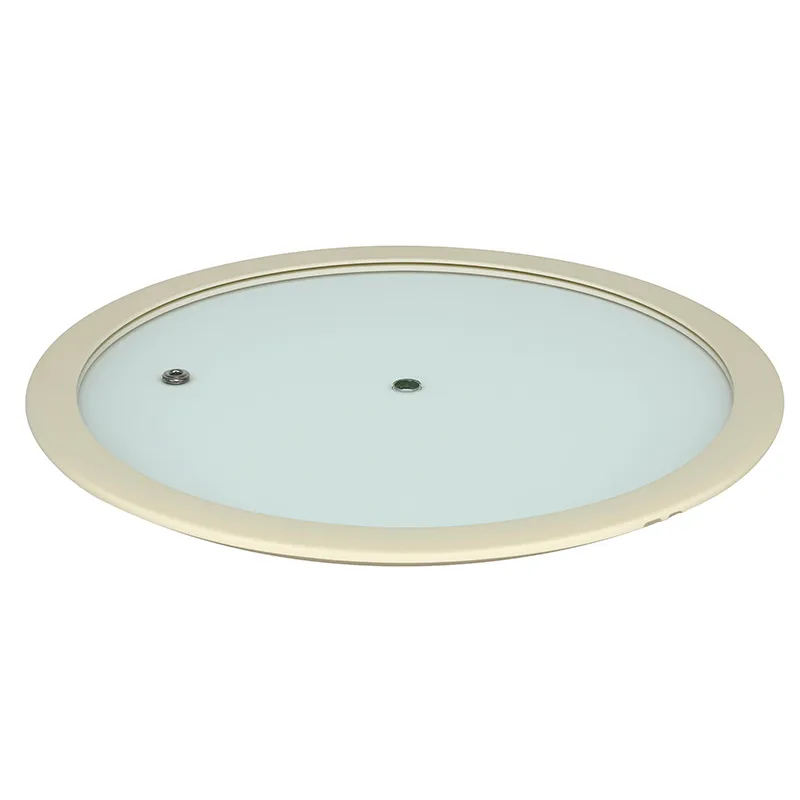
Handle design is the most visible customization point. Options include stainless steel knobs, wood-effect composites, or colorful silicone grips. The shape of the handle can be ergonomic, flat, or arched, influencing both aesthetics and functionality.
Logo Printing and Etching Techniques
Branding can be applied directly to the glass surface. Two main methods dominate the industry:
- Silk-Screen Printing: Ideal for colorful logos. This method uses high-temperature ceramic inks that fuse with the glass during a secondary firing process. It is durable and dishwasher safe.
- Sandblasting/Etching: Creates a frosted, permanent mark on the glass. This offers a sophisticated, subtle look that cannot peel or fade over time.
Mold customization allows for unique rim profiles or steam vent shapes. While creating a new mold requires an upfront investment (NRE), it ensures your product is distinct from competitors using off-the-shelf designs. In 2026, many suppliers offer reduced mold fees for long-term partnership contracts. Experienced manufacturers can accommodate requests for high-curvature, tall, flat, and other special-shaped glass covers, ensuring the final product aligns perfectly with your brand’s unique vision.
Pros and Cons of Tempered Glass Lids
Understanding the inherent advantages and limitations helps in setting realistic customer expectations and crafting accurate marketing materials. No material is perfect, but tempered glass offers a compelling balance for most cookware applications.
Advantages
- Visibility: Users can check food status without releasing heat and steam, improving energy efficiency and cooking consistency.
- Safety: The breakage pattern minimizes injury risk compared to regular glass or ceramic.
- Hygiene: Non-porous surface prevents bacteria buildup and does not absorb odors or stains.
- Versatility: Compatible with gas, electric, and induction stovetops (provided the rim supports it).
Limitations
- Weight: Thick tempered glass can be heavier than metal or plastic alternatives, which might be a concern for lightweight cookware sets.
- Edge Chipping: While the face is strong, the edges remain vulnerable to impact against hard surfaces like granite countertops.
- Cost: Higher production costs compared to simple aluminum or thin plastic lids.
Application Scenarios and Market Trends
The application of tempered glass lid technology extends beyond traditional saucepans. In 2026, we see these lids integrated into diverse kitchen appliances and specialized cookware lines.
Slow cookers and multi-cookers increasingly feature glass lids to appeal to health-conscious consumers who prefer monitoring texture and color. Similarly, the rise of “visible frying” has led to deep skillets with sturdy glass covers, allowing users to fry with less oil while watching the browning process.
Eco-Friendly and Sustainable Trends
Sustainability is a major purchasing driver. Glass is infinitely recyclable, unlike many plastics or composite materials. Brands highlighting the recyclability of their tempered glass lid components resonate well with environmentally aware demographics.
Furthermore, the longevity of tempered glass contributes to sustainability. A durable lid that lasts for decades reduces the need for replacement parts, aligning with the “buy it for life” philosophy gaining traction in the premium kitchenware sector.
Logistics and Packaging Considerations
Glass is fragile, making packaging a critical component of the supply chain equation. Poor packaging leads to breakage rates that can erase profit margins. In 2026, top suppliers utilize advanced protective packaging solutions.
Standard best practices include individual bubble wrap or foam sleeves for each lid. Master cartons should be double-walled corrugated cardboard with internal dividers to prevent unit-to-unit contact. Palletizing must be secure, using stretch wrap and corner protectors.
Reducing Breakage During Transit
When negotiating with suppliers, discuss their historical breakage rates and compensation policies. A reliable partner will often include a percentage of spare units (e.g., 2-3%) in every shipment to cover potential transit damages.
For air freight, weight optimization is vital. Thinner yet stronger glass formulations help reduce shipping costs without sacrificing quality. Sea freight remains the most economical choice for bulk orders, but requires robust moisture protection to prevent mold on packaging materials.
Frequently Asked Questions (FAQ)
Can tempered glass lids go in the oven?
Yes, most tempered glass lid models are oven-safe up to temperatures ranging from 200°C to 250°C (400°F – 480°F). However, always check the specific rating provided by the manufacturer, especially regarding the handle material, which may have a lower heat tolerance than the glass itself.
How do I clean a stained glass lid?
For stubborn stains or mineral deposits, soak the lid in a mixture of warm water and white vinegar. Avoid using abrasive scouring pads, as they can scratch the surface over time. Most high-quality tempered glass lids are dishwasher safe, but hand washing preserves the clarity and handle finish longer.
What is the typical lead time for custom orders?
For existing molds, production usually takes 15 to 25 days after deposit confirmation. If a new mold is required, add an additional 10 to 15 days for tooling development and sample approval. Shipping time varies based on the destination and method (sea vs. air).
Are replacement lids universally compatible?
No, there is no universal standard for pot diameters and rim profiles. A 24cm lid from one brand may not fit a 24cm pot from another due to differences in rim thickness or curvature. It is best to source replacement lids from the original manufacturer or measure the inner rim diameter precisely.
Does tempered glass break spontaneously?
While rare, spontaneous breakage can occur due to nickel sulfide inclusions within the glass matrix. High-end manufacturers implement “heat soak testing” to identify and eliminate panels with these inclusions before they leave the factory, significantly reducing this risk.
Conclusion: Making the Right Choice for Your Brand
Selecting the right tempered glass lid supplier in 2026 requires a balance of cost efficiency, quality assurance, and strategic partnership. The market offers diverse options, from budget-friendly mass producers to high-end specialists capable of intricate customization.
This guide is ideal for procurement managers, product developers, and e-commerce entrepreneurs looking to launch or expand their cookware lines. Prioritize suppliers with transparent testing data and robust quality control systems over those offering the absolute lowest price. Companies that combine large-scale production capabilities with rigorous international certifications (such as ISO9001, LFGB, and TUV) often provide the most reliable foundation for long-term growth.
Next Steps: Begin by requesting samples from at least three shortlisted suppliers. Conduct your own thermal shock and durability tests. Once satisfied, negotiate a trial order to evaluate their logistics and communication before scaling to full container loads. Investing in quality lids today builds the foundation for a trusted brand tomorrow.