- Chinese
- French
- German
- Portuguese
- Spanish
- Russian
- Japanese
- Korean
- Arabic
- Irish
- Greek
- Turkish
- Italian
- Danish
- Romanian
- Indonesian
- Czech
- Afrikaans
- Swedish
- Polish
- Basque
- Catalan
- Esperanto
- Hindi
- Lao
- Albanian
- Amharic
- Armenian
- Azerbaijani
- Belarusian
- Bengali
- Bosnian
- Bulgarian
- Cebuano
- Chichewa
- Corsican
- Croatian
- Dutch
- Estonian
- Filipino
- Finnish
- Frisian
- Galician
- Georgian
- Gujarati
- Haitian
- Hausa
- Hawaiian
- Hebrew
- Hmong
- Hungarian
- Icelandic
- Igbo
- Javanese
- Kannada
- Kazakh
- Khmer
- Kurdish
- Kyrgyz
- Latin
- Latvian
- Lithuanian
- Luxembou..
- Macedonian
- Malagasy
- Malay
- Malayalam
- Maltese
- Maori
- Marathi
- Mongolian
- Burmese
- Nepali
- Norwegian
- Pashto
- Persian
- Punjabi
- Serbian
- Sesotho
- Sinhala
- Slovak
- Slovenian
- Somali
- Samoan
- Scots Gaelic
- Shona
- Sindhi
- Sundanese
- Swahili
- Tajik
- Tamil
- Telugu
- Thai
- Ukrainian
- Urdu
- Uzbek
- Vietnamese
- Welsh
- Xhosa
- Yiddish
- Yoruba
- Zulu
- Kinyarwanda
- Tatar
- Oriya
- Turkmen
- Uyghur

Buy Le Creuset Soup Pot with Glass Lid | Official Store
2026-10-16
- Why Choose a Glass Lid for Your Soup Pot?
- Key Features of High-Quality Tempered Glass Lids
- How to Measure and Select the Right Lid Size
- Material Comparison: Glass vs. Cast Iron Lids
- Manufacturing Excellence: The EUR-ASIA Advantage
- Maintenance and Care for Glass Lids
- Common Issues and Troubleshooting
- Frequently Asked Questions (FAQ)
- Conclusion: Elevate Your Cooking Experience
Looking for a high-quality Le Creuset soup pot with glass lid? Whether you are replacing a lost lid or sourcing compatible tempered glass covers for premium cookware, understanding material specifications is critical. A proper glass lid enhances visibility, retains heat efficiently, and ensures safe cooking operations. At EUR-ASIA COOKWARE CO.,LTD., we specialize in manufacturing precision-engineered tempered glass lids that meet international safety standards, including LFGB and TUV certifications. Our facility in Taian City produces over 15 million units annually, exporting to major markets like Germany, France, and Japan. This guide details how to select, maintain, and source the ideal glass lid for your soup pots, ensuring durability, aesthetic appeal, and functional performance.
Why Choose a Glass Lid for Your Soup Pot?
The choice between metal and glass lids often comes down to functionality and user experience. For heavy-duty cookware like Le Creuset enameled cast iron pots, a glass lid offers distinct advantages that metal counterparts cannot match. The primary benefit is visibility. When simmering soups, stews, or braises, monitoring the liquid level and ingredient texture without lifting the lid is essential. Lifting a heavy cast-iron lid releases significant heat and steam, disrupting the cooking temperature and extending cooking time.
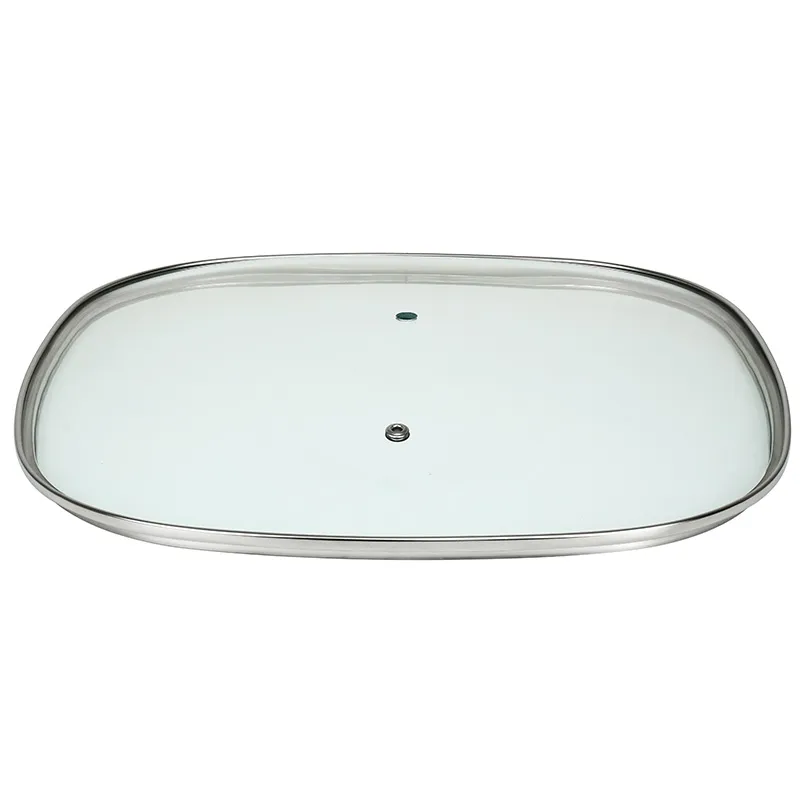
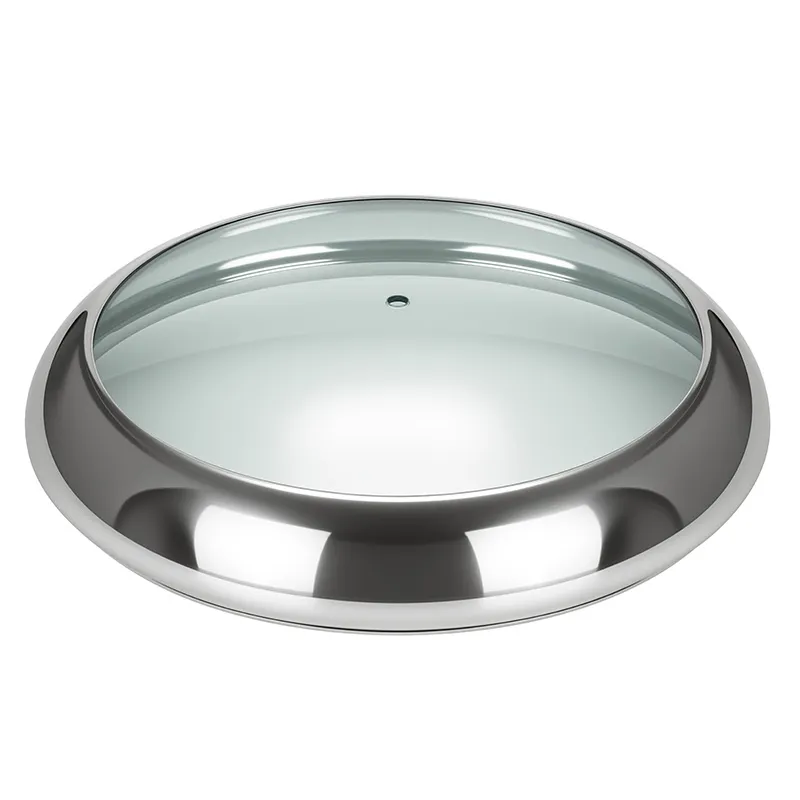
A high-quality tempered glass lid allows chefs and home cooks to observe the reduction process in real-time. This visual control is crucial for achieving the perfect consistency in soups and sauces. Furthermore, modern glass lids are designed with ergonomic knobs and steam vents, providing a secure grip and controlled pressure release. From a manufacturing perspective, producing these lids requires precise curvature matching to ensure an airtight seal while preventing condensation from dripping back into the food excessively.
Thermal Efficiency and Heat Retention
While glass is not as insulating as cast iron, premium tempered glass lids are engineered to minimize heat loss. The thickness of the glass plays a pivotal role. Thicker glass retains heat better and is more resistant to thermal shock. In our production line at EUR-ASIA COOKWARE, we optimize glass thickness to balance weight and thermal performance. This ensures that the lid sits securely on the pot rim, creating a semi-closed environment that circulates moisture effectively. This “self-basting” effect is vital for tenderizing meats in soups and keeping vegetables vibrant.
Aesthetic Appeal and Kitchen Integration
Beyond functionality, a glass lid adds a modern touch to traditional cookware. The transparency complements the colorful enamel exteriors of brands like Le Creuset, allowing the vibrant ingredients inside to become part of the kitchen’s visual appeal. For retail buyers and distributors, offering pots with high-clarity, defect-free glass lids increases perceived value. Consumers associate clear, bubble-free glass with higher quality and safety standards.
Key Features of High-Quality Tempered Glass Lids
Not all glass lids are created equal. When sourcing or buying a replacement lid for a soup pot, several technical factors determine quality and safety. Understanding these features helps in making an informed decision, whether for personal use or bulk procurement.
- Tempered Safety Glass: The glass must be thermally tempered to withstand high cooking temperatures and sudden temperature changes. This process increases the glass’s strength by up to five times compared to regular annealed glass.
- Precision Fit: The curvature of the lid must match the pot’s rim exactly. A poor fit leads to steam escape, energy loss, and potential safety hazards if the lid shifts during boiling.
- Heat-Resistant Knob: The handle or knob must be made from materials like Bakelite or stainless steel that remain cool to the touch or are insulated against heat transfer.
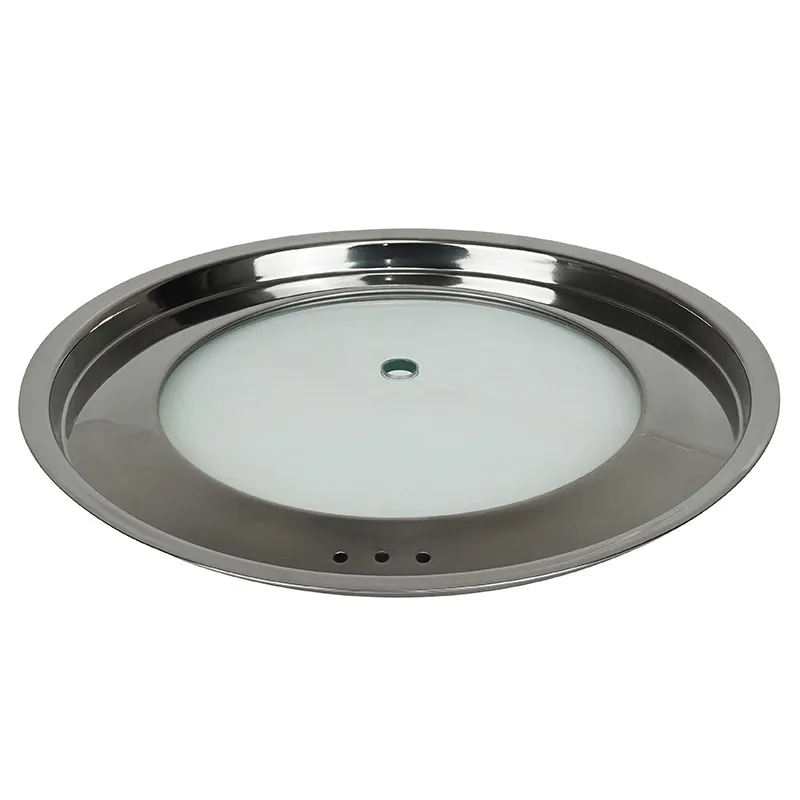
- Steam Vent Design: A well-designed vent allows excess pressure to escape gently, preventing boil-overs while maintaining internal humidity.
- Clarity and Finish: High-transparency glass with polished edges indicates superior manufacturing quality. Avoid lids with visible bubbles, scratches, or uneven edges.
Understanding Tempered Glass Standards
Safety is paramount in kitchenware. Tempered glass is designed to crumble into small, granular chunks instead of shattering into jagged shards when broken. This characteristic significantly reduces the risk of injury. At EUR-ASIA COOKWARE CO.,LTD., every batch of glass lids undergoes rigorous testing to ensure compliance with international safety norms. Our products have passed LFGB (German Food and Feed Code) and TUV certifications, guaranteeing that they are free from harmful substances like lead and cadmium. These certifications are particularly important for exporters targeting European and North American markets, where regulatory scrutiny is strict.
How to Measure and Select the Right Lid Size
One of the most common challenges when buying a replacement Le Creuset soup pot with glass lid is determining the correct size. Cookware sizes can vary slightly between manufacturers and even between different product lines within the same brand. Using a lid that is too small will result in poor heat retention, while a lid that is too large may not sit securely, posing a safety risk.
Step-by-Step Measurement Guide
To ensure a perfect fit, follow these precise measurement steps:
- Clean the Pot Rim: Ensure the rim of your soup pot is clean and dry. Any residue can affect measurement accuracy.
- Measure the Inner Diameter: Use a caliper or a rigid tape measure to measure the inner diameter of the pot’s opening. Place the measuring tool across the center, from one inner edge to the opposite inner edge.
- Measure the Outer Diameter: Some lids sit on the outside of the rim. If your pot has a flared rim, measure the outer diameter as well.
- Check the Curvature: Observe the profile of the pot’s rim. Is it flat, rounded, or angled? The lid’s edge must complement this shape to create a seal.
- Compare with Specifications: Match your measurements with the manufacturer’s specifications. Standard sizes often include 16cm, 18cm, 20cm, 24cm, and 28cm.
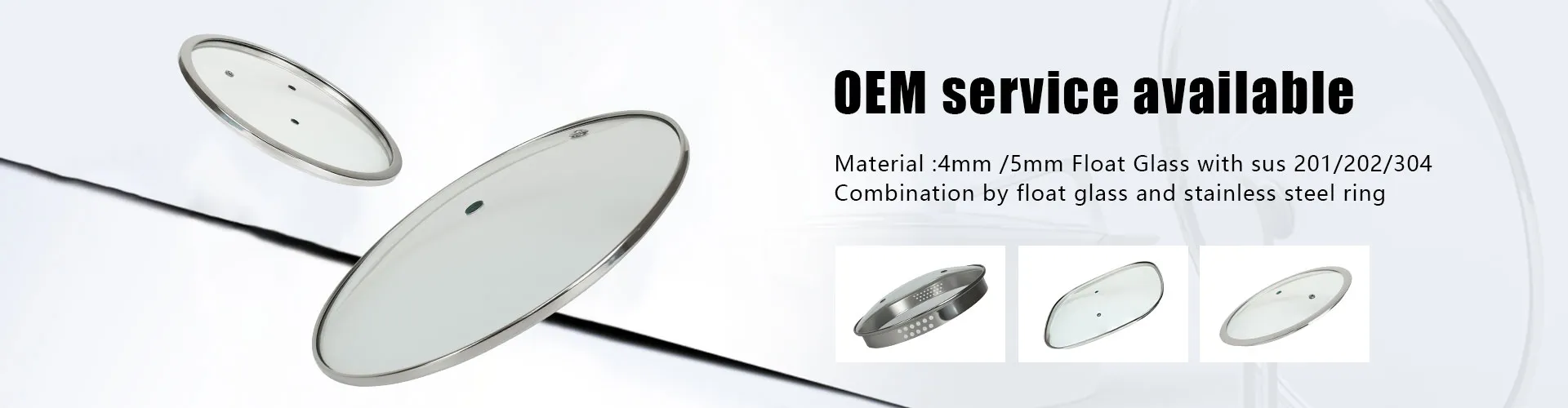
For businesses looking to customize lids, EUR-ASIA COOKWARE offers tailored solutions. We can produce high-curvature, tall, flat, and other special-shaped glass covers according to specific customer demands. This flexibility allows brands to create unique cookware sets that stand out in the market.
Material Comparison: Glass vs. Cast Iron Lids
When deciding on the best lid for your soup pot, it is helpful to compare glass options with traditional cast iron lids. Each material has its strengths and weaknesses, depending on the cooking application.
| Feature | Tempered Glass Lid | Cast Iron Lid |
|---|---|---|
| Visibility | Excellent – Allows full view of cooking progress | None – Requires lifting to check food |
| Weight | Lightweight – Easy to handle and lift | Heavy – Can be cumbersome for some users |
| Heat Retention | Good – Depends on thickness and fit | Superior – Acts as a secondary heat source |
| Durability | High – Resistant to breakage if tempered correctly | Very High – Nearly indestructible |
| Maintenance | Easy – Dishwasher safe, easy to clean | Moderate – Requires seasoning or careful drying |
| Price Point | Cost-effective – Lower manufacturing cost | Premium – Higher material and production cost |
For many users, the convenience of visibility outweighs the slight difference in heat retention. Moreover, modern tempered glass technology has bridged the gap in durability, making glass lids a reliable choice for daily cooking. For manufacturers, offering both options allows consumers to choose based on their specific cooking habits.
Manufacturing Excellence: The EUR-ASIA Advantage
Sourcing high-quality glass lids requires a partner with robust manufacturing capabilities and a commitment to quality assurance. EUR-ASIA COOKWARE CO.,LTD. stands out as a specialized producer of household glass products and kitchen accessories. Located in the Taian City Shandong Province China National High-tech Development Zone, our state-of-the-art facility spans 20,000 square meters, with a building area of 15,000 square meters.
With over 90 skilled employees, we achieve an annual output of more than 15 million tempered glass lids and related glass products. This scale allows us to maintain consistent quality while meeting large-volume demands. Our export network covers over 90% of our production, reaching key markets in Germany, Russia, Italy, France, Poland, Denmark, Spain, Switzerland, Brazil, Turkey, South Korea, and Japan. This global presence is a testament to our adherence to international quality standards.
Customization and OEM Capabilities
We understand that every brand has unique requirements. Our R&D team is equipped to handle complex design requests, including:
- Special Shapes: Production of high-curvature, tall, and flat glass covers tailored to specific pot designs.
- Logo Printing: Custom branding options allow companies to print their logos directly on the glass or knob, enhancing brand recognition.
- Material Variations: Ability to adjust glass thickness and tint to meet aesthetic and functional needs.
Our commitment to quality is validated by our ISO9001 certification, ensuring that our management systems meet international standards for consistency and efficiency. Additionally, our products’ compliance with LFGB and TUV certifications provides peace of mind to distributors and end-users regarding safety and material purity.
Maintenance and Care for Glass Lids
To extend the lifespan of your Le Creuset soup pot with glass lid or any tempered glass cover, proper maintenance is essential. While tempered glass is durable, it is not invincible. Following these care guidelines will prevent damage and keep your cookware looking new.
Cleaning Best Practices
Most tempered glass lids are dishwasher safe, but hand washing is recommended to preserve the clarity and finish of the glass and the knob. Use a soft sponge and mild detergent. Avoid abrasive scrubbers or steel wool, which can scratch the surface and weaken the structural integrity of the glass over time. For stubborn stains or mineral deposits, a mixture of vinegar and water can be effective.
Thermal Shock Prevention
Although tempered glass is designed to resist thermal shock, extreme temperature changes should be avoided. Do not place a hot glass lid directly on a cold, wet surface or under cold running water. Similarly, avoid placing a cold lid directly onto a boiling pot. Allow the glass to adjust gradually to temperature changes. This precaution minimizes the risk of spontaneous breakage, although rare with high-quality tempered products.
Inspection and Replacement
Regularly inspect your glass lid for chips, cracks, or deep scratches. Even minor damage can compromise the strength of tempered glass. If you notice any signs of wear, it is safer to replace the lid immediately. EUR-ASIA COOKWARE provides replacement services and custom manufacturing for businesses needing spare parts or new inventory.
Common Issues and Troubleshooting
Users often encounter specific issues when using glass lids. Understanding these problems can help in preventing them and ensuring a better cooking experience.
Condensation Buildup
Excessive condensation on the inside of the lid is normal, but if it drips heavily into the soup, it may dilute the flavor. This usually indicates that the steam vent is blocked or the lid fit is too tight. Ensure the vent is clear before cooking. If the problem persists, consider lifting the lid slightly for a few seconds to release excess moisture.
Lid Sticking
Sometimes, a glass lid may stick to the pot due to suction created by cooling air inside. If this happens, do not force it open. Gently warm the rim of the pot with a damp hot cloth to expand the metal slightly, which should release the seal. Never use sharp objects to pry the lid off, as this can chip the glass or damage the pot’s enamel.
Knob Loosening
Over time, the knob on a glass lid may become loose due to repeated heating and cooling cycles. Check the screw or attachment mechanism periodically. If the knob is detachable, tighten it according to the manufacturer’s instructions. If it is fixed and becomes loose, it may be time to replace the lid to ensure safe handling.
Frequently Asked Questions (FAQ)
Is it safe to use a glass lid on high heat?
Yes, tempered glass lids are designed to withstand high cooking temperatures. However, it is generally recommended to use medium to low heat for simmering soups and stews. High heat can cause rapid boiling, which may lead to boil-overs and excessive pressure buildup. Always follow the cookware manufacturer’s guidelines for heat settings.
Can I put my glass lid in the oven?
Most tempered glass lids are oven-safe up to a certain temperature, typically around 180°C to 200°C (350°F to 400°F). However, the knob material may have lower heat resistance. Check the specific rating of your lid. If the knob is made of plastic or Bakelite, it may not be suitable for high-temperature oven use. Metal knobs are generally more heat-resistant.
Why did my glass lid break?
Tempered glass is strong but can break due to impact, severe thermal shock, or pre-existing micro-damage. Dropping the lid, hitting it against a hard surface, or exposing it to sudden temperature extremes can cause breakage. If a lid breaks spontaneously, it may indicate a manufacturing defect, though this is rare with certified products like those from EUR-ASIA COOKWARE.
How do I choose a replacement lid for my Le Creuset pot?
Measure the inner diameter of your pot’s opening accurately. Compare this measurement with the specifications of available replacement lids. Ensure the curvature matches the pot’s rim. If you are unsure, contact the manufacturer or a specialized supplier like EUR-ASIA COOKWARE for assistance. We offer custom sizing and can help match existing cookware dimensions.
Are EUR-ASIA glass lids compatible with other brands?
Our glass lids are manufactured to standard industry sizes and custom specifications. While they are designed to be compatible with various premium cookware brands, including Le Creuset, compatibility depends on the exact dimensions and rim profile of the pot. We encourage customers to provide detailed measurements or samples for custom orders to ensure a perfect fit.
Conclusion: Elevate Your Cooking Experience
Choosing the right Le Creuset soup pot with glass lid involves balancing aesthetics, functionality, and safety. A high-quality tempered glass lid enhances the cooking process by providing visibility, retaining heat, and adding a touch of elegance to your kitchen. Whether you are a home cook looking to replace a lost lid or a business seeking a reliable manufacturing partner, understanding the technical aspects of glass lids is crucial.
At EUR-ASIA COOKWARE CO.,LTD., we combine decades of expertise with advanced manufacturing technology to deliver superior glass products. Our ISO9001, LFGB, and TUV certifications reflect our unwavering commitment to quality and safety. With a production capacity of over 15 million units annually and a global export network, we are well-equipped to meet diverse market needs. From standard replacements to custom-designed solutions, we provide the reliability and professionalism that discerning customers expect.
Invest in quality cookware accessories that enhance your culinary creations. For more information on our product range, custom manufacturing options, or to request a quote, please explore our related products and technical solutions. Contact our team today to discuss how we can support your kitchenware needs with precision-engineered glass lids.