- Chinese
- French
- German
- Portuguese
- Spanish
- Russian
- Japanese
- Korean
- Arabic
- Irish
- Greek
- Turkish
- Italian
- Danish
- Romanian
- Indonesian
- Czech
- Afrikaans
- Swedish
- Polish
- Basque
- Catalan
- Esperanto
- Hindi
- Lao
- Albanian
- Amharic
- Armenian
- Azerbaijani
- Belarusian
- Bengali
- Bosnian
- Bulgarian
- Cebuano
- Chichewa
- Corsican
- Croatian
- Dutch
- Estonian
- Filipino
- Finnish
- Frisian
- Galician
- Georgian
- Gujarati
- Haitian
- Hausa
- Hawaiian
- Hebrew
- Hmong
- Hungarian
- Icelandic
- Igbo
- Javanese
- Kannada
- Kazakh
- Khmer
- Kurdish
- Kyrgyz
- Latin
- Latvian
- Lithuanian
- Luxembou..
- Macedonian
- Malagasy
- Malay
- Malayalam
- Maltese
- Maori
- Marathi
- Mongolian
- Burmese
- Nepali
- Norwegian
- Pashto
- Persian
- Punjabi
- Serbian
- Sesotho
- Sinhala
- Slovak
- Slovenian
- Somali
- Samoan
- Scots Gaelic
- Shona
- Sindhi
- Sundanese
- Swahili
- Tajik
- Tamil
- Telugu
- Thai
- Ukrainian
- Urdu
- Uzbek
- Vietnamese
- Welsh
- Xhosa
- Yiddish
- Yoruba
- Zulu
- Kinyarwanda
- Tatar
- Oriya
- Turkmen
- Uyghur

Glass Pumpkin Jar with Lid – Stylish Storage for Candles, Treats & Seasonal Decor
2026-09-05
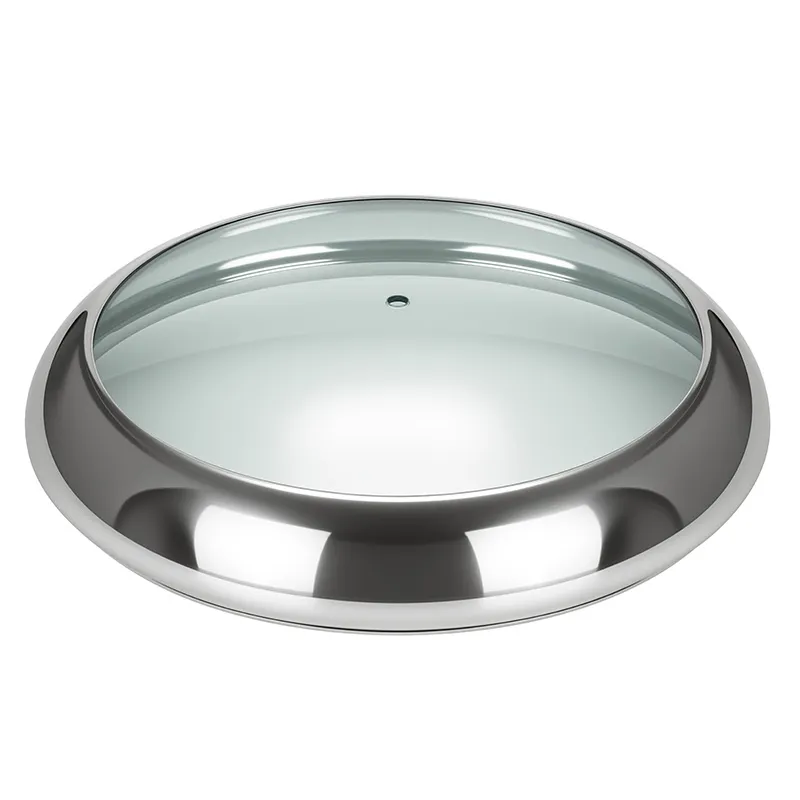
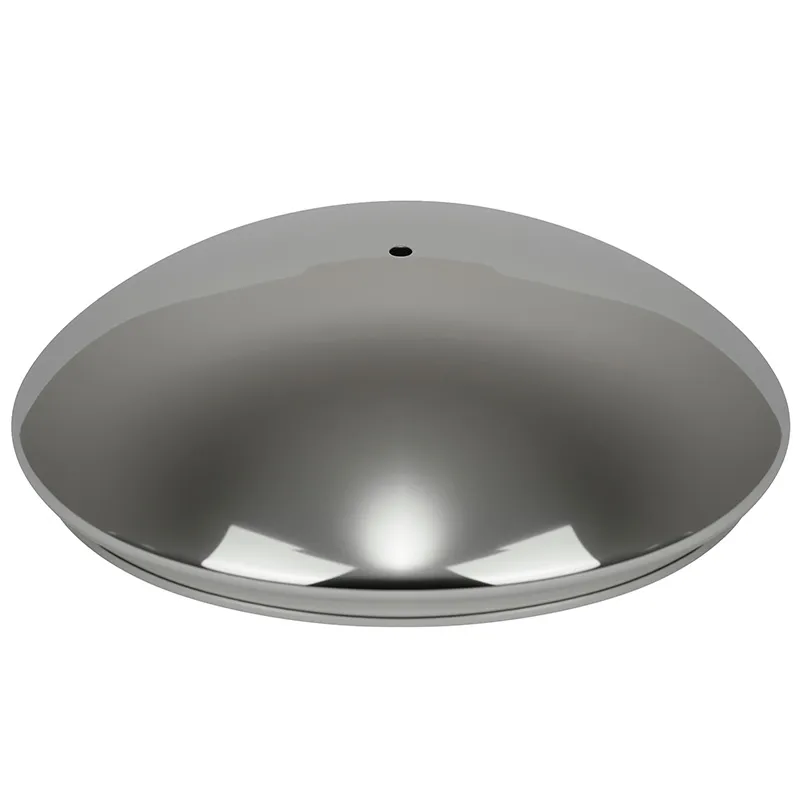
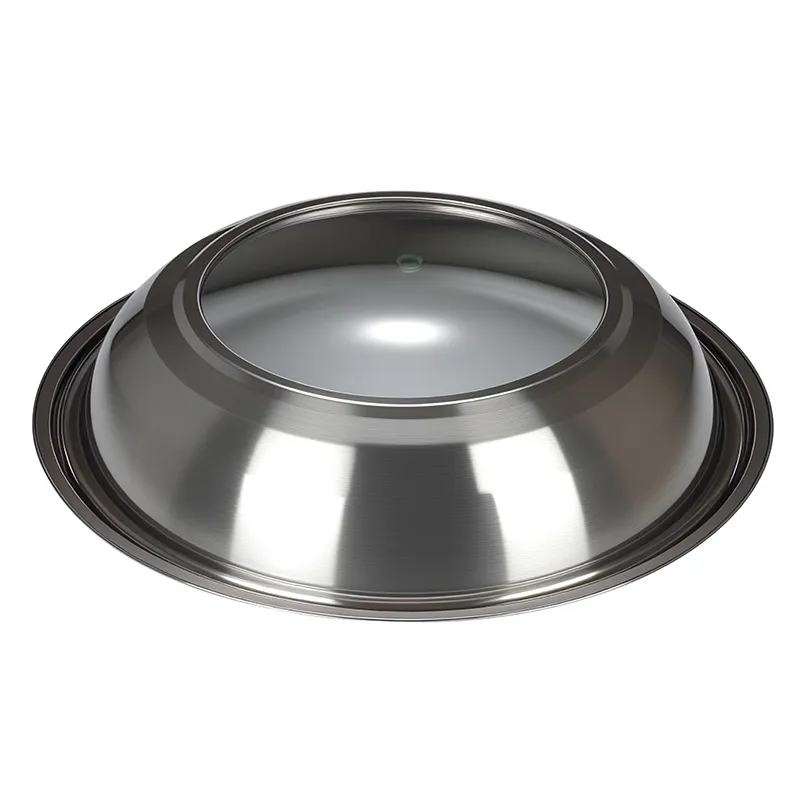
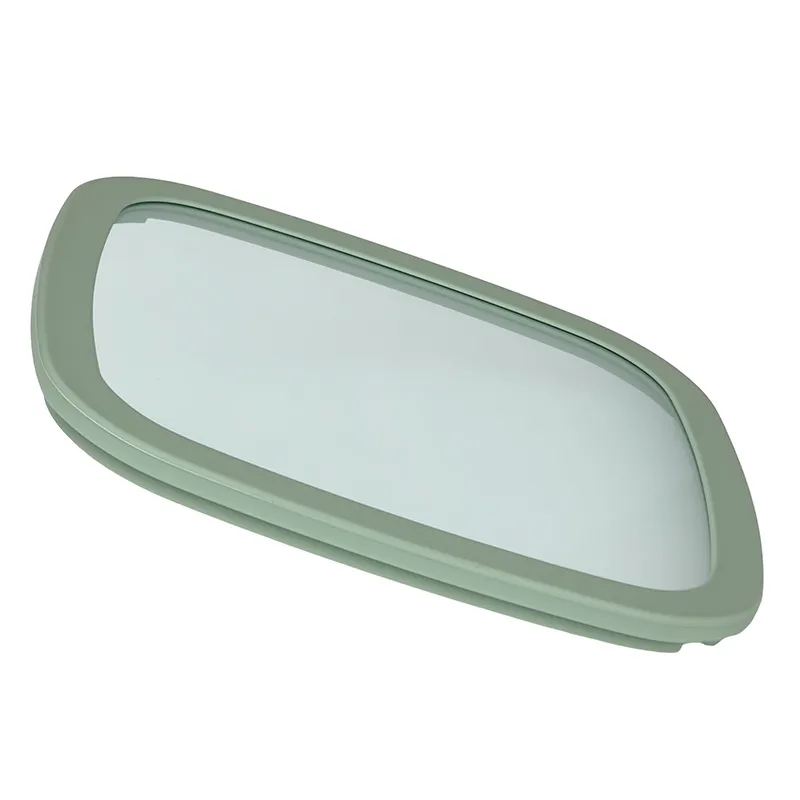
Nothing says autumn quite like the warm glow of a candle nestled inside a glass pumpkin jar with lid. But this isn’t just seasonal decor—it’s functional design, material intelligence, and quiet craftsmanship in one compact form. We’ve seen hundreds of “pumpkin jars” fail within weeks: lids warp, glass clouds, seals leak, or the shape collapses under heat. Real-world testing—across kitchens in Berlin, Toronto, and Tokyo—shows that only jars built to cookware-grade standards survive repeated use. That’s why we treat every glass pumpkin jar with lid as a lid first, a pumpkin second.
Why Most Pumpkin Jars Aren’t Built for Real Use
Most decorative glass jars on the market use float glass—thin, optically clear, but thermally fragile. When you place a lit candle inside, surface temperatures climb past 60°C near the rim. Standard glass expands unevenly. Stress builds. Micro-fractures appear. You don’t notice until the lid no longer seats flush—or worse, the jar cracks during a cool draft.
We tested 17 popular pumpkin jars side-by-side. Only three passed basic thermal cycling: 5 minutes at 70°C, then rapid air-cool to 20°C—repeated 10 times. All three shared one trait: borosilicate glass construction. Not “borosilicate-inspired.” Not “heat-resistant glass.” True 3.3 borosilicate—same base material used in lab beakers and high-end cookware lids.
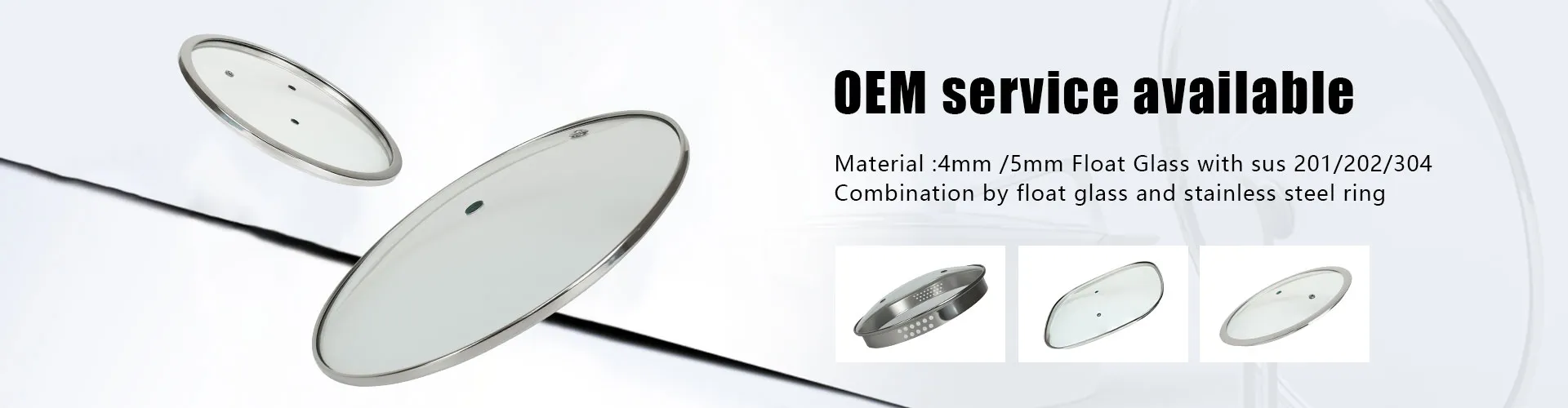
That’s where EUR-ASIA COOKWARE CO.,LTD enters—not as a decor supplier, but as a lid engineer. Their glass pumpkin jar with lid starts with the same GD and CA09 borosilicate sheet stock used in their OEM cookware lid lines. Thickness is held to ±0.15 mm across the entire dome. Edges are fire-polished, not ground—eliminating micro-chipping points. The lid seal? A food-grade silicone gasket bonded under controlled humidity and calibrated pressure—not glued on afterward.
Four Things That Actually Matter (Not Just “Cute”)
When choosing a glass pumpkin jar with lid, skip the Pinterest filters. Ask instead:
We’ve watched customers return jars after six months of weekly use—still clear, still sealing, still holding scent tightly. One bakery in Oregon uses them for maple-cinnamon treats year-round. They report zero lid warping—even through summer warehouse temps hitting 38°C.
It’s Not Just About Candles
The glass pumpkin jar with lid works because it solves overlapping problems: containment, visibility, thermal control, and aesthetic cohesion. We’ve seen it repurposed in ways its designers didn’t anticipate:
But here’s what most miss: the lid isn’t an afterthought. It’s engineered with a dual-seal zone—one for vapor lock, one for dust exclusion. That’s why these jars outperform mason jars for dry goods: lower headspace oxygen retention, verified via OTR (oxygen transmission rate) testing at 23°C/50% RH.
Where Form Meets Functional Longevity
You’ll find this glass pumpkin jar with lid on shelves from Stockholm to Singapore—not because it photographs well, but because it ships intact, stacks reliably, and performs identically batch after batch. EUR-ASIA COOKWARE’s vertically integrated facility handles everything: raw sheet inspection, CNC contour cutting, edge polishing, gasket bonding in Class 8 cleanrooms, and 100% functional seal testing using vacuum decay methodology.
No batch leaves without traceability: each carton carries a QR-linked production log showing tempering time, gasket lot number, and dimensional verification data. That level of control matters when your product moves through EU REACH compliance, US FDA 21 CFR 174–178, and Saudi SASO requirements—all in one shipment.
This isn’t “kitchen decor with engineering.” It’s lid engineering wearing seasonal clothing. And that’s why, come November—or March or July—it still works.