- Chinese
- French
- German
- Portuguese
- Spanish
- Russian
- Japanese
- Korean
- Arabic
- Irish
- Greek
- Turkish
- Italian
- Danish
- Romanian
- Indonesian
- Czech
- Afrikaans
- Swedish
- Polish
- Basque
- Catalan
- Esperanto
- Hindi
- Lao
- Albanian
- Amharic
- Armenian
- Azerbaijani
- Belarusian
- Bengali
- Bosnian
- Bulgarian
- Cebuano
- Chichewa
- Corsican
- Croatian
- Dutch
- Estonian
- Filipino
- Finnish
- Frisian
- Galician
- Georgian
- Gujarati
- Haitian
- Hausa
- Hawaiian
- Hebrew
- Hmong
- Hungarian
- Icelandic
- Igbo
- Javanese
- Kannada
- Kazakh
- Khmer
- Kurdish
- Kyrgyz
- Latin
- Latvian
- Lithuanian
- Luxembou..
- Macedonian
- Malagasy
- Malay
- Malayalam
- Maltese
- Maori
- Marathi
- Mongolian
- Burmese
- Nepali
- Norwegian
- Pashto
- Persian
- Punjabi
- Serbian
- Sesotho
- Sinhala
- Slovak
- Slovenian
- Somali
- Samoan
- Scots Gaelic
- Shona
- Sindhi
- Sundanese
- Swahili
- Tajik
- Tamil
- Telugu
- Thai
- Ukrainian
- Urdu
- Uzbek
- Vietnamese
- Welsh
- Xhosa
- Yiddish
- Yoruba
- Zulu
- Kinyarwanda
- Tatar
- Oriya
- Turkmen
- Uyghur


Staub Glass Lid Guide: Types, Uses & Buyer Tips
2026-06-12
- What Is a Staub Glass Lid and How Does It Differ?
- Types of Staub Glass Lids Available
- Compatibility Guide: Which Pot Fits Which Lid?
- Practical Uses and Cooking Advantages
- Maintenance and Care Instructions
- Troubleshooting Common Issues
- Buying Tips for Replacement Lids
- Industry Insights: Manufacturing Excellence
- Frequently Asked Questions (FAQ)
- Conclusion and Final Recommendations
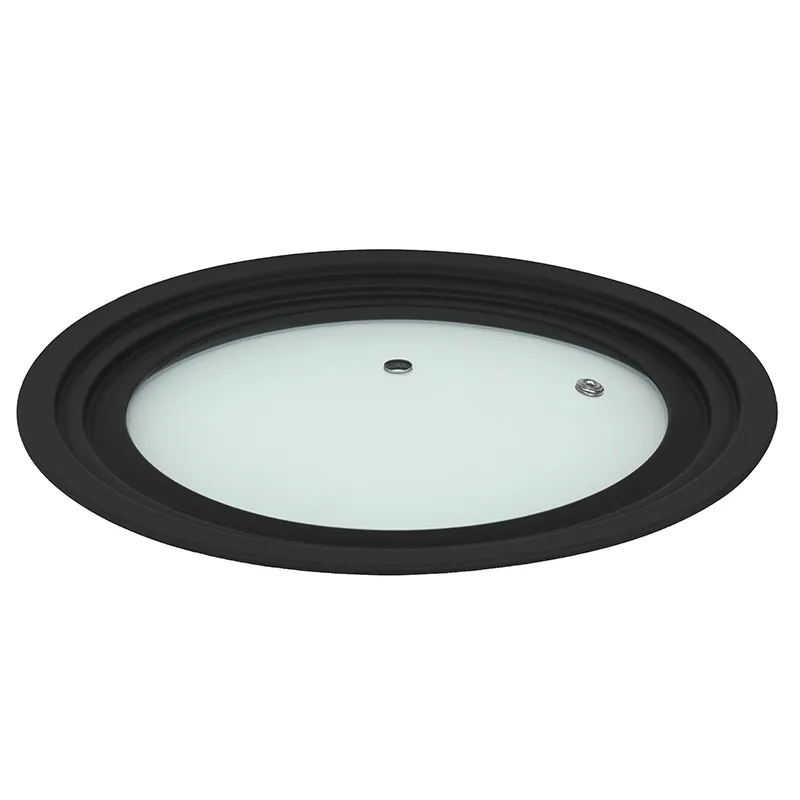
A Staub glass lid is a premium tempered glass cover designed specifically for Staub cast iron cookware, offering visibility while maintaining heat retention. Unlike standard lids, these components feature stainless steel rims and ergonomic knobs that withstand high oven temperatures. This guide details the types, compatibility, and proper care required to maximize the performance of your cookware set without compromising safety or durability.
What Is a Staub Glass Lid and How Does It Differ?
The primary function of a Staub glass lid is to allow cooks to monitor food progress without lifting the cover, which preserves internal temperature and moisture levels. While traditional cast iron lids are excellent for sealing, they obscure the view. The glass variant solves this by utilizing high-grade tempered glass capable of withstanding significant thermal shock.
These lids are not universal accessories; they are engineered with precise dimensions to fit specific pot diameters within the brand’s ecosystem. The construction typically involves a reinforced stainless steel rim that protects the glass edge from chipping and ensures a tight seal against the cast iron rim. This design philosophy aligns with the industry’s shift towards versatile cookware that transitions seamlessly from stovetop to oven.
Understanding the material composition is vital for longevity. The glass used is not ordinary window glass but a specialized culinary grade treated to resist cracking under rapid temperature changes. However, users must still adhere to specific usage guidelines to prevent thermal shock, a common cause of breakage in any glass cookware component.
Key Construction Features
- Tempered Glass Center: Provides clear visibility and resistance to high heat up to specific manufacturer limits.
- Stainless Steel Rim: Encases the glass edge, providing structural integrity and a secure fit on the pot.
- Ergonomic Knob: Usually made of stainless steel or phenolic resin, designed to stay cool enough to touch or withstand oven heat depending on the model.
- Self-Basting Spikes: Some models integrate underside features that mimic the brand’s signature self-basting technology, though less common on glass variants than enameled ones.
Types of Staub Glass Lids Available
When selecting a replacement or upgrade, it is crucial to identify the correct type of Staub glass lid for your specific cookware line. The brand offers variations based on size, knob material, and intended heat tolerance. Misidentifying these types can lead to compatibility issues or safety hazards during high-heat cooking.
The most common distinction lies in the knob material. Stainless steel knobs are generally rated for higher oven temperatures, making them suitable for baking bread or roasting meats at high heats. Conversely, lids with black phenolic knobs may have lower heat thresholds, restricting their use in very hot ovens despite the glass itself being durable.
Size compatibility is another critical factor. These lids are manufactured in standard increments, typically ranging from small saucepan sizes to large braiser dimensions. Each size corresponds to a specific quart or liter capacity of the associated pot. Using a lid that is even slightly too large or small can compromise the seal, leading to excessive evaporation.
Comparison of Knob Materials and Heat Tolerance
| Knob Material | Max Oven Temperature | Best Use Case | Durability Feature |
|---|---|---|---|
| Stainless Steel | Up to 500°F (260°C) | High-heat roasting and baking | Indestructible under normal kitchen conditions |
| Phenolic Resin (Black) | Up to 400°F (200°C) | Sautéing, simmering, and low-heat baking | Heat resistant but can degrade at extreme temps |
| Wood (Vintage/Rare) | Not Oven Safe | Stovetop only serving | Requires hand washing and oiling |
Compatibility Guide: Which Pot Fits Which Lid?
Determining the right fit for a Staub glass lid requires measuring the inner diameter of your cookware rather than the outer rim. The brand’s sizing convention often refers to the volume (quarts/liters) rather than just inches, which can confuse buyers looking for replacements. A 26cm pot, for instance, requires a lid specifically labeled for that diameter.
It is important to note that while many lids share similar aesthetics, the curvature and rim thickness vary between product lines. A lid designed for a round cocotte may not sit flush on a wide braiser, even if the diameter measurement appears identical. The geometry of the pot’s rim dictates the seal quality.
For owners of older vintage pieces, compatibility might be trickier as manufacturing tolerances have evolved over recent decades. Current mainstream production follows stricter metric standards. If you possess a legacy item, consulting the specific model number or measuring the inner rim precisely is the safest approach before purchasing a modern glass replacement.
Standard Sizing Reference
- Small (16-18cm): Ideal for 1.5 to 2.5-quart saucepans and small cocottes.
- Medium (20-22cm): Fits standard 3 to 4-quart round casseroles commonly used for soups and stews.
- Large (24-26cm): Designed for 5 to 7-quart family-sized pots and deep braisers.
- Extra Large (28cm+): Reserved for massive stockpots and oval roasters requiring broad coverage.
Practical Uses and Cooking Advantages
The decision to utilize a Staub glass lid often comes down to the specific cooking technique employed. While enameled cast iron lids are superior for long, slow braises where maximum moisture retention is key, glass lids excel in scenarios requiring visual monitoring. This distinction makes them invaluable for tasks like reducing sauces or checking the rise of dough.
In professional and home kitchens alike, the ability to see the food without breaking the seal is a significant advantage. Lifting a heavy cast iron lid releases a burst of steam and drops the internal temperature, potentially affecting the cooking trajectory. With a transparent lid, chefs can adjust heat settings or add ingredients at the precise moment needed.
Furthermore, these lids are particularly effective for dishes that require a transition from stovetop searing to oven finishing. The transparency allows the cook to verify browning levels through the oven light without opening the door, preserving the oven’s ambient heat. This efficiency contributes to more consistent cooking results across various recipes.
Ideal Cooking Scenarios
- Simmering Sauces: Monitor reduction levels without losing aromatic steam.
- Rice and Grains: Verify water absorption without disturbing the delicate steaming process.
- Baking Bread: Watch the oven spring and crust formation in real-time.
- Poaching Fish: Ensure gentle bubbling without vigorous boiling that could break delicate fillets.
Maintenance and Care Instructions
To ensure the longevity of your Staub glass lid, proper maintenance is non-negotiable. Although tempered glass is robust, it is susceptible to thermal shock if subjected to abrupt temperature changes. Placing a hot lid directly onto a cold countertop or running cold water over it immediately after cooking can cause immediate fracture.
Cleaning should ideally be done by hand using warm soapy water and a soft sponge. While many modern glass lids are labeled dishwasher safe, the harsh detergents and high-pressure jets in dishwashers can eventually cloud the glass or weaken the adhesive securing the knob. Hand washing preserves the clarity and structural bond of the components.
Storage also plays a role in preventing damage. Stacking heavy pots on top of a glass lid stored inside a cabinet can create pressure points that lead to cracks over time. It is advisable to store these lids vertically or with a protective layer between them and other heavy cookware items.
Step-by-Step Cleaning Process
- Cool Down Naturally: Allow the lid to reach room temperature on a dry towel or wooden trivet before cleaning.
- Soak if Necessary: For stuck-on food, soak the lid in warm water for 10-15 minutes to loosen residue.
- Gentle Scrubbing: Use a non-abrasive sponge with mild dish soap to clean both the glass and the metal rim.
- Rinse Thoroughly: Remove all soap traces with warm water to prevent spotting.
- Dry Immediately: Wipe dry with a soft cloth to prevent water spots and mineral buildup on the glass surface.
Troubleshooting Common Issues
Even with high-quality manufacturing, users may encounter occasional issues with their Staub glass lid. Understanding the root causes can help prevent recurrence and determine when a replacement is necessary. Most problems stem from user error regarding temperature management or physical impact rather than material defects.
Cloudiness or white haze on the glass is a frequent complaint. This is typically caused by hard water deposits or detergent residue rather than damage to the glass itself. Using a solution of vinegar and water can usually restore clarity. If the haze persists after acid treatment, it may indicate microscopic surface etching from abrasive cleaners.
Loose knobs are another potential issue. Over time, the screw securing the knob to the glass may loosen due to thermal expansion and contraction cycles. Fortunately, most designs allow for easy tightening with a standard screwdriver. Regular checks of this fastener can prevent the knob from detaching completely during handling.
Addressing Specific Problems
- Cracked Glass: Usually results from thermal shock; the unit must be replaced as repairs are not feasible.
- Cloudy Appearance: Clean with a mixture of equal parts white vinegar and water; avoid abrasive scouring pads.
- Wobbly Knob: Tighten the central screw carefully; do not overtighten as this can stress the glass.
- Poor Fit: Verify the pot rim is clean and free of food debris; check if the lid matches the specific model year.
Buying Tips for Replacement Lids
Purchasing a replacement Staub glass lid requires attention to detail to ensure you receive a genuine and compatible part. The market contains various look-alikes, but only authentic components guarantee the precise fit and heat resistance expected from the brand. Always verify the seller’s authorization and the product’s packaging details.
Before finalizing a purchase, measure the inner diameter of your pot in centimeters. This metric is the industry standard for this brand and provides the most accurate match. Relying solely on quart capacity can be misleading, as different shapes (round vs. oval) hold different volumes despite having similar diameters.
Consider the frequency of your oven use when choosing between knob types. If you regularly bake at temperatures exceeding 400°F, investing in a model with a stainless steel knob is a prudent choice. This small upgrade enhances versatility and eliminates the risk of damaging a plastic-based knob in high-heat environments.
Checklist Before Purchasing
- Verify Diameter: Measure the inner rim of the pot accurately in centimeters.
- Check Model Line: Confirm if your pot is from the round cocotte, braiser, or specialty line.
- Inspect Knob Rating: Ensure the knob material matches your typical cooking temperatures.
- Authenticity Mark: Look for the brand logo etched on the glass or stamped on the metal rim.
Industry Insights: Manufacturing Excellence
While understanding the specific requirements of a Staub glass lid is essential for consumers, appreciating the manufacturing behind such high-quality accessories adds another layer of confidence. Producing tempered glass lids that meet rigorous international safety standards requires specialized expertise and advanced facilities. Companies like EUR-ASIA COOKWARE CO.,LTD. exemplify this dedication to quality in the global kitchenware sector.
Located in the National High-tech Development Zone of Taian City, Shandong Province, EUR-ASIA operates a substantial production base covering 20,000 square meters. With a workforce of over 90 employees, the company achieves an annual output of more than 15 million pieces of tempered glass lids and related kitchen accessories. Their extensive experience allows them to cater to a diverse range of market needs, producing everything from low to high-level household glass products.
The company’s commitment to precision mirrors the exacting standards required for premium cookware lids. They specialize in manufacturing high-curvature, tall, flat, and other special-shaped glass covers tailored to customer demands, including custom logo printing. This flexibility ensures that whether for major European brands or emerging markets, the fit and finish remain impeccable. Notably, over 90% of their production is exported to demanding markets including Germany, France, Italy, Switzerland, Japan, and South Korea, reflecting their adherence to strict quality controls.
Safety and certification are paramount in this industry. EUR-ASIA has successfully passed ISO9001 certification, and their products comply with LFGB and TUV standards—certifications that are often prerequisites for selling in European and North American markets. This level of accreditation assures consumers that the glass lids they purchase, whether OEM replacements or branded accessories, are produced under stringent quality management systems designed to prevent defects like thermal instability or structural weakness.
Frequently Asked Questions (FAQ)
Users often have specific questions regarding the safety and versatility of a Staub glass lid. Addressing these common queries helps clarify misconceptions and promotes safer usage practices. The following answers are based on general product specifications and industry standards for tempered glass cookware.
Can I put a Staub glass lid in the dishwasher?
While many current models are technically dishwasher safe, hand washing is strongly recommended. Dishwasher detergents can be abrasive over time, potentially clouding the glass, and the intense heat of the drying cycle may stress the bond between the knob and the glass.
Is the glass lid oven-safe?
Yes, the tempered glass itself is oven-safe. However, the maximum temperature depends entirely on the knob material. Stainless steel knobs generally withstand up to 500°F, while phenolic knobs are typically limited to 400°F. Always check the specific rating of your knob before placing it in the oven.
Why did my glass lid crack?
Cracking is almost always due to thermal shock. This occurs when a hot lid is exposed to a cold surface, cold water, or a draft of cold air instantly. To prevent this, always place hot lids on dry towels or wooden trivets and allow them to cool gradually.
Can I use a glass lid on an induction cooktop?
The lid itself does not interact with the induction field since it sits on the pot. However, ensure the lid does not slide off and touch the induction surface directly, as this could cause breakage. The compatibility depends on the pot beneath, not the lid.
Are replacement knobs available separately?
In many cases, the brand offers replacement knobs that can be screwed onto existing glass lids if the original is damaged or if you wish to upgrade to a higher heat-resistant material. Check the official parts catalog for compatibility with your specific lid model.
Conclusion and Final Recommendations
Selecting the right Staub glass lid enhances the functionality of your cookware by combining the heat retention of cast iron with the convenience of visual monitoring. By understanding the differences in knob materials, sizing conventions, and care requirements, you can make an informed decision that extends the life of your kitchen tools.
This accessory is best suited for home cooks who frequently prepare dishes requiring precise timing, such as risottos, reductions, and baked goods. It is less ideal for those who exclusively perform long, unattended braises where maximum moisture lock is the sole priority, although it remains a versatile all-rounder for most kitchens.
For your next step, carefully measure your existing cookware and assess your typical oven temperature needs. Prioritize models with stainless steel knobs for maximum versatility and commit to gentle hand-washing routines. Investing in a genuine, well-matched lid—produced by certified manufacturers adhering to global safety standards—ensures that your cooking experience remains safe, efficient, and enjoyable for years to come.