- Chinese
- French
- German
- Portuguese
- Spanish
- Russian
- Japanese
- Korean
- Arabic
- Irish
- Greek
- Turkish
- Italian
- Danish
- Romanian
- Indonesian
- Czech
- Afrikaans
- Swedish
- Polish
- Basque
- Catalan
- Esperanto
- Hindi
- Lao
- Albanian
- Amharic
- Armenian
- Azerbaijani
- Belarusian
- Bengali
- Bosnian
- Bulgarian
- Cebuano
- Chichewa
- Corsican
- Croatian
- Dutch
- Estonian
- Filipino
- Finnish
- Frisian
- Galician
- Georgian
- Gujarati
- Haitian
- Hausa
- Hawaiian
- Hebrew
- Hmong
- Hungarian
- Icelandic
- Igbo
- Javanese
- Kannada
- Kazakh
- Khmer
- Kurdish
- Kyrgyz
- Latin
- Latvian
- Lithuanian
- Luxembou..
- Macedonian
- Malagasy
- Malay
- Malayalam
- Maltese
- Maori
- Marathi
- Mongolian
- Burmese
- Nepali
- Norwegian
- Pashto
- Persian
- Punjabi
- Serbian
- Sesotho
- Sinhala
- Slovak
- Slovenian
- Somali
- Samoan
- Scots Gaelic
- Shona
- Sindhi
- Sundanese
- Swahili
- Tajik
- Tamil
- Telugu
- Thai
- Ukrainian
- Urdu
- Uzbek
- Vietnamese
- Welsh
- Xhosa
- Yiddish
- Yoruba
- Zulu
- Kinyarwanda
- Tatar
- Oriya
- Turkmen
- Uyghur

Wholesale Extra Large Glass Jar with Lid | Factory Price
2026-10-20
- What Defines an Extra Large Glass Jar with Lid?
- Why Choose Glass Over Plastic for Bulk Storage?
- Industrial Applications for Extra Large Glass Jars
- Manufacturing Excellence: The EUR-ASIA Advantage
- How to Select the Right Extra Large Glass Jar for Your Business
- Common Challenges and Solutions in Glass Jar Usage
- Frequently Asked Questions (FAQ)
- Maintenance and Care Guidelines
- Conclusion: Securing Quality Supply for Your Business
An extra large glass jar with lid is a premium storage and packaging solution designed for bulk food preservation, industrial display, and commercial retail use. Typically ranging from 2 to 5 gallons (8 to 20 liters) in capacity, these jars feature thickened borosilicate or tempered glass walls to ensure durability against thermal shock and physical impact. For B2B buyers, sourcing directly from specialized manufacturers like EUR-ASIA COOKWARE CO.,LTD. ensures access to factory-direct pricing, LFGB/TUV certified materials, and customizable OEM options including logo printing and bespoke lid designs.
What Defines an Extra Large Glass Jar with Lid?
In the context of commercial and industrial applications, an “extra large” glass jar is not merely a scaled-up version of a kitchen container. It is an engineered vessel designed to maintain structural integrity under significant weight and volume stress. These jars are primarily characterized by their substantial capacity, robust sealing mechanisms, and material transparency, which serves both functional preservation and aesthetic display purposes.
The core definition revolves around three critical dimensions: volume, material density, and seal integrity. Unlike standard consumer jars, extra-large variants must withstand the hydrostatic pressure of dense contents such as pickled vegetables, fermented liquids, or bulk dry goods. The lid system is equally critical, often employing multi-layer gaskets made from food-grade silicone or rubber to create an airtight environment that prevents oxidation and microbial contamination.
Key Technical Specifications
When evaluating suppliers for wholesale extra large glass jars, buyers should focus on specific technical parameters that define quality and usability. These specifications determine the jar’s suitability for different industrial processes, from high-temperature sterilization to long-term ambient storage.
- Capacity Range: True extra-large jars typically start at 2 gallons (approx. 7.5 liters) and can extend up to 5 gallons (approx. 19 liters) or more for industrial fermentation tanks.
- Material Composition: High-quality units use borosilicate glass for superior thermal resistance or high-strength soda-lime glass for cost-effective bulk storage. Tempered glass options provide enhanced impact resistance.
- Lid Mechanism: Common types include clamp-top (bail wire) with rubber gaskets, screw-top with plastic or metal liners, and vacuum-seal lids for extended shelf life.
- Mouth Diameter: Wide-mouth designs (typically 4-6 inches) are essential for easy filling, cleaning, and retrieval of solid contents, while narrow mouths are preferred for liquid pouring and reduced air exposure.
- Wall Thickness: Industrial-grade jars feature thicker walls (3mm–5mm) to prevent breakage during transport and handling, distinguishing them from fragile decorative glassware.
Why Choose Glass Over Plastic for Bulk Storage?
The decision to utilize glass over plastic for extra-large storage solutions is driven by chemical stability, brand perception, and sustainability mandates. In B2B sectors such as food processing, cosmetics, and pharmaceuticals, the inert nature of glass is non-negotiable for maintaining product purity.
Chemical Inertness and Product Safety
Glass is impermeable and chemically inert, meaning it does not react with acidic, alkaline, or oily substances. This is crucial for products like pickles, kimchi, kombucha, or essential oils, where plastic containers might leach microplastics or absorb odors over time. For businesses prioritizing health safety and regulatory compliance, glass offers a zero-risk barrier against contamination.
Sustainability and Circular Economy
Global regulations are increasingly restricting single-use plastics. Glass is 100% recyclable without loss of quality, aligning with corporate sustainability goals (ESG). For brands marketing eco-friendly values, using extra large glass jars with lid systems enhances brand equity and appeals to environmentally conscious consumers. Unlike plastic, which degrades and becomes brittle, glass maintains its structural integrity indefinitely, allowing for reuse and refilling programs.
Premium Aesthetic and Consumer Trust
Transparency builds trust. Allowing customers to see the product inside the jar verifies quality, color, and texture before purchase. In retail environments, the visual appeal of glass—combined with the ability to print high-resolution logos directly onto the surface—creates a premium shelf presence that plastic cannot replicate. This visual clarity is particularly important for artisanal foods, layered cosmetics, and high-end decorative items.
| Feature | Extra Large Glass Jar | Plastic Container (HDPE/PET) |
|---|---|---|
| Chemical Resistance | High (Inert, no leaching) | Moderate (Can absorb odors/leach) |
| Thermal Stability | High (Withstands sterilization) | Low (Deforms at high temps) |
| Recyclability | 100% Infinitely Recyclable | Limited (Downcycling common) |
| Permeability | Zero (Perfect barrier) | Low (Oxygen/moisture permeation) |
| Brand Perception | Premium, Eco-friendly | Standard, Utility-focused |
Industrial Applications for Extra Large Glass Jars
The versatility of extra large glass jars extends across multiple industries. Understanding these applications helps procurement managers select the right specifications for their specific operational needs.
Food and Beverage Fermentation
One of the primary uses for large-capacity glass jars is fermentation. Products like sauerkraut, kimchi, pickles, and kombucha require anaerobic environments to foster beneficial bacteria while preventing mold growth. The transparency of glass allows producers to monitor the fermentation process visually without opening the jar, which could introduce contaminants. EUR-ASIA COOKWARE CO.,LTD. specializes in producing jars that can withstand the pressure changes associated with active fermentation, ensuring safety and consistency.
Bulk Retail and Zero-Waste Stores
The zero-waste movement has spurred demand for durable, reusable bulk containers. Grocery stores and specialty retailers use extra large glass jars to dispense grains, nuts, spices, and candies. These jars serve as both storage units and display cases. Their durability ensures they can withstand frequent handling by staff and customers. Customizable lids with pour spouts or scoops enhance functionality, making them ideal for high-traffic retail environments.
Cosmetics and Personal Care Manufacturing
In the beauty industry, large glass jars are used for storing base ingredients such as shea butter, essential oils, and mask mixes. The inert nature of glass preserves the potency of active ingredients, which can degrade when exposed to plasticizers. Furthermore, the premium look of glass aligns with the luxury positioning of many skincare brands. Manufacturers often request custom shapes and logo printing to differentiate their bulk ingredients from competitors.
Home Decor and Landscaping
Beyond functional storage, extra large glass jars are popular in interior design and landscaping. They are used as terrariums, vases for large floral arrangements, or decorative storage for seasonal items. The ability to produce special shapes, such as high-curvature or tall cylindrical forms, allows designers to create unique visual statements. EUR-ASIA’s capability to produce custom-shaped glass covers and bodies supports this creative sector effectively.
Manufacturing Excellence: The EUR-ASIA Advantage
Sourcing extra large glass jars requires a partner with robust manufacturing capabilities, strict quality control, and international compliance standards. EUR-ASIA COOKWARE CO.,LTD. stands out as a specialized manufacturer in this domain, combining scale with precision engineering.
Production Capacity and Infrastructure
Located in the Taian City Shandong Province China National High-tech Development Zone, EUR-ASIA operates a substantial production base covering 20,000 square meters, with a building area of 15,000 square meters. This infrastructure supports an annual output of over 15 million pieces of tempered glass lids and other glass products. With more than 90 skilled employees, the company balances high-volume production with the attention to detail required for premium glassware.
Customization and OEM Capabilities
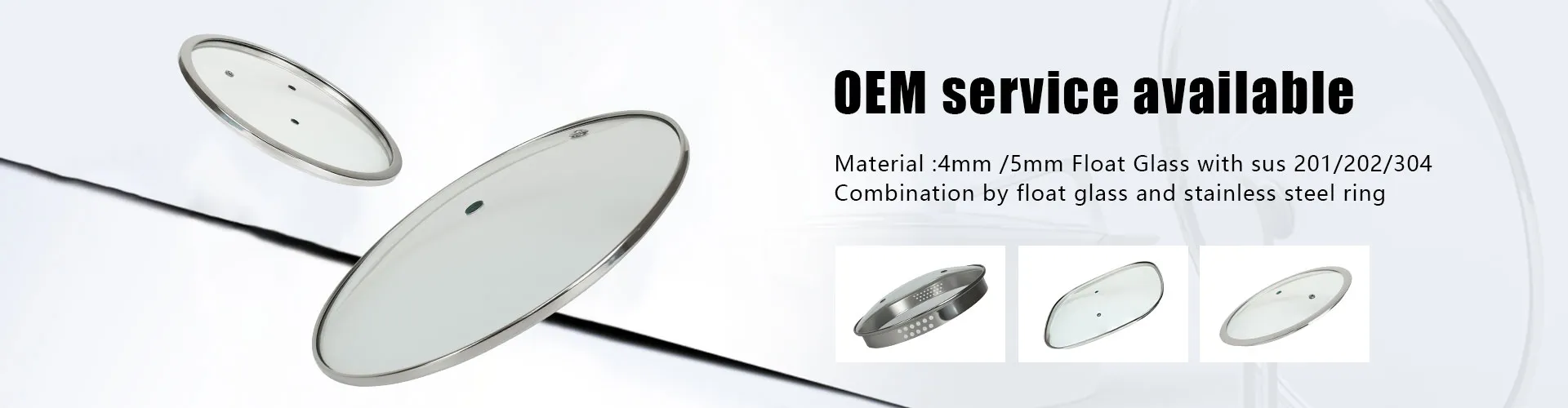
Unlike generic suppliers, EUR-ASIA offers extensive customization options tailored to B2B requirements. The company can produce high-curvature, tall, flat, and other special-shaped glass covers and bodies according to customer demand. This flexibility is crucial for brands seeking unique packaging identities. Additionally, logo printing services allow clients to reinforce brand recognition directly on the product, transforming a simple storage jar into a branded asset.
International Certifications and Export Experience
Trustworthiness in the glass industry is validated through certifications. EUR-ASIA has passed ISO9001 certification for quality management systems, ensuring consistent production standards. More importantly, their products have passed LFGB (German Food and Feed Code) and TUV certifications, which are rigorous standards for food contact materials. These certifications are essential for exporting to regulated markets such as Germany, France, Italy, and other European countries. Currently, more than 90 percent of EUR-ASIA’s products are exported to global markets including Russia, Poland, Denmark, Spain, Switzerland, Brazil, Turkey, South Korea, and Japan, demonstrating their ability to meet diverse international requirements.
How to Select the Right Extra Large Glass Jar for Your Business
Choosing the appropriate jar involves balancing functional needs with logistical constraints. Procurement specialists should consider the following factors to optimize their supply chain and product performance.
1. Determine the Required Volume and Dimensions
Assess the typical batch size or retail unit volume. For fermentation, allow headspace for expansion. For retail, consider shelf dimensions and weight limits. Extra large jars can become heavy when filled; ensure the glass thickness is sufficient to prevent breakage during stacking and transport.
2. Evaluate Lid Sealing Requirements
The lid type dictates the jar’s functionality. Clamp-top lids with silicone gaskets are ideal for fermentation and frequent access. Screw-top lids offer better stackability and shipping efficiency. Vacuum-seal lids are necessary for long-term preservation of dry goods or sensitive liquids. Verify that the lid material is compatible with your product’s pH level and temperature requirements.
3. Assess Thermal and Mechanical Stress
If the jars will undergo hot-fill processes or sterilization, borosilicate glass is the preferred choice due to its low coefficient of thermal expansion. For ambient storage of dry goods, high-quality tempered soda-lime glass is a cost-effective alternative. Consider the logistics chain: if products are shipped internationally, reinforced packaging and thicker glass walls are recommended to mitigate transit risks.
4. Verify Supplier Compliance and Scalability
Ensure the manufacturer holds relevant food-safety certifications (LFGB, FDA, TUV). Request samples to test seal integrity and glass clarity. Evaluate the supplier’s production capacity to ensure they can scale with your business growth. EUR-ASIA’s annual output of 15 million pieces indicates a strong capability to handle large orders without compromising lead times.
Common Challenges and Solutions in Glass Jar Usage
While glass is superior in many aspects, it presents specific challenges in industrial applications. Addressing these proactively ensures smoother operations.
- Breakage During Transit: Glass is brittle. Solution: Use dividers in cartons, shrink-wrap pallets, and opt for tempered glass which shatters into small, less hazardous pieces rather than sharp shards. EUR-ASIA’s experience in exporting to over 20 countries ensures they understand optimal packaging protocols.
- Lid Corrosion: Metal lids can rust in humid environments. Solution: Use stainless steel components or coated metals. Ensure gaskets are made of high-grade silicone that resists degradation.
- Weight Management: Large jars are heavy. Solution: Optimize wall thickness using engineering simulations to reduce weight without sacrificing strength. Educate handlers on proper lifting techniques.
- Seal Failure: Improper sealing leads to spoilage. Solution: Implement quality control checks for gasket alignment. Train staff on proper closure torque for screw-tops.
Frequently Asked Questions (FAQ)
What is the maximum capacity for an extra large glass jar?
While standard large jars range from 1 to 2 gallons, extra large industrial jars can hold up to 5 gallons (approx. 19 liters) or more. Custom molds can be created for even larger capacities, depending on the manufacturer’s capabilities. EUR-ASIA can produce special-shaped and large-volume units based on specific client requests.
Can extra large glass jars be used for hot-fill applications?
Yes, but the type of glass matters. Borosilicate glass is highly resistant to thermal shock and is ideal for hot-filling. Tempered soda-lime glass can also withstand moderate temperature changes but should be pre-heated to avoid cracking. Always verify the thermal rating with the manufacturer before implementing hot-fill processes.
Is it possible to print logos on curved glass surfaces?
Yes, advanced screen printing and decal techniques allow for high-quality logo application on curved and irregular glass surfaces. EUR-ASIA offers logo printing services according to customer requirements, ensuring brand visibility on high-curvature and special-shaped jars.
How do I ensure the lids are airtight for long-term storage?
Airtightness depends on the gasket quality and lid mechanism. Silicone gaskets provide superior seals compared to rubber or cork. Clamp-top mechanisms with wire bail leverage offer consistent pressure. Regularly inspect gaskets for wear and replace them as needed to maintain seal integrity.
What certifications should I look for in a glass jar supplier?
For food and cosmetic applications, look for ISO9001 (Quality Management), LFGB (German Food Safety), TUV (Safety and Quality), and FDA (US Food and Drug Administration) compliance. These certifications ensure the materials are safe for contact with consumables and meet international regulatory standards.
Maintenance and Care Guidelines
To maximize the lifespan of extra large glass jars and maintain hygiene, follow these maintenance protocols:
- Cleaning: Wash with warm soapy water and a non-abrasive sponge. Avoid steel wool, which can scratch the glass surface and create weak points. For stubborn residues, soak in a vinegar solution before washing.
- Gasket Care: Remove silicone gaskets regularly for cleaning to prevent mold buildup. Inspect for cracks or flattening, which indicate the need for replacement.
- Storage: Store jars in a cool, dry place. If stacking, use protective layers between jars to prevent chipping. Do not stack heavy items on top of glass lids.
- Inspection: Before each use, inspect the jar for chips, cracks, or scratches, particularly around the rim. Damaged jars should be recycled immediately to prevent injury or contamination.
Conclusion: Securing Quality Supply for Your Business
Investing in high-quality extra large glass jars with lid systems is a strategic decision that impacts product safety, brand perception, and operational efficiency. Whether for fermentation, bulk retail, or cosmetic storage, the durability and inertness of glass provide unmatched value. However, the key to success lies in partnering with a manufacturer that combines technical expertise with scalable production.
EUR-ASIA COOKWARE CO.,LTD. offers a compelling solution for B2B buyers seeking reliability and customization. With a 15,000 sqm facility, ISO9001/LFGB/TUV certifications, and a proven track record of exporting to over 20 countries, they provide the assurance needed for international trade. Their ability to customize shapes, sizes, and branding ensures that your packaging aligns perfectly with your product requirements.
For businesses looking to enhance their product line with premium, compliant, and durable glass packaging, engaging with a specialized manufacturer is the next logical step. Evaluate your volume needs, consider the specific sealing requirements of your product, and reach out to trusted suppliers who can demonstrate both technical competence and production capacity.
To explore customized solutions, request samples, or discuss wholesale pricing for your specific project requirements, contact our team today. We are ready to support your business with high-standard glass products tailored to your market needs.