- Chinese
- French
- German
- Portuguese
- Spanish
- Russian
- Japanese
- Korean
- Arabic
- Irish
- Greek
- Turkish
- Italian
- Danish
- Romanian
- Indonesian
- Czech
- Afrikaans
- Swedish
- Polish
- Basque
- Catalan
- Esperanto
- Hindi
- Lao
- Albanian
- Amharic
- Armenian
- Azerbaijani
- Belarusian
- Bengali
- Bosnian
- Bulgarian
- Cebuano
- Chichewa
- Corsican
- Croatian
- Dutch
- Estonian
- Filipino
- Finnish
- Frisian
- Galician
- Georgian
- Gujarati
- Haitian
- Hausa
- Hawaiian
- Hebrew
- Hmong
- Hungarian
- Icelandic
- Igbo
- Javanese
- Kannada
- Kazakh
- Khmer
- Kurdish
- Kyrgyz
- Latin
- Latvian
- Lithuanian
- Luxembou..
- Macedonian
- Malagasy
- Malay
- Malayalam
- Maltese
- Maori
- Marathi
- Mongolian
- Burmese
- Nepali
- Norwegian
- Pashto
- Persian
- Punjabi
- Serbian
- Sesotho
- Sinhala
- Slovak
- Slovenian
- Somali
- Samoan
- Scots Gaelic
- Shona
- Sindhi
- Sundanese
- Swahili
- Tajik
- Tamil
- Telugu
- Thai
- Ukrainian
- Urdu
- Uzbek
- Vietnamese
- Welsh
- Xhosa
- Yiddish
- Yoruba
- Zulu
- Kinyarwanda
- Tatar
- Oriya
- Turkmen
- Uyghur


Wholesale Glass Can with Lid | OEM Manufacturer & Factory Price
2026-10-19
- What Is a Glass Can with Lid? Definition and Core Features
- Why Choose Tempered Glass Cans for Wholesale Distribution?
- Manufacturing Excellence: The EUR-ASIA COOKWARE Advantage
- Technical Specifications and Material Standards
- Applications of Wholesale Glass Cans
- How to Choose the Right Glass Can Supplier: A B2B Buyer’s Guide
- Common Mistakes in Sourcing Glass Cans
- Maintenance and Care Instructions for End Users
- FAQ: Frequently Asked Questions About Glass Cans with Lids
- Conclusion: Partnering for Quality and Growth
A glass can with lid is a specialized, cylindrical tempered glass container designed for industrial and commercial food storage, beverage packaging, and culinary presentation. Unlike standard jars, these units feature high-curvature, seamless bodies paired with precision-fitted lids—often stainless steel or BPA-free plastic—to ensure airtight sealing. For B2B buyers, sourcing from an OEM manufacturer like EUR-ASIA COOKWARE CO.,LTD. provides critical advantages: custom curvature options, logo printing capabilities, and compliance with international safety standards such as LFGB and TUV. This guide details technical specifications, manufacturing processes, and procurement strategies for wholesale buyers seeking factory-direct pricing in 2026.
What Is a Glass Can with Lid? Definition and Core Features
In the context of modern packaging and kitchenware, a glass can with lid refers to a robust, transparent vessel typically made from tempered soda-lime glass. The term “can” distinguishes it from traditional narrow-mouth jars, implying a wider mouth diameter and a structural design optimized for stacking, automated filling, and visual product display.
These containers are engineered to withstand thermal shock and mechanical stress. The integration of a high-quality lid is not merely an accessory but a functional component that determines the unit’s utility in preserving freshness, preventing leakage, and maintaining hygiene. In industrial applications, these units serve as primary packaging for sauces, beverages, pickled goods, and ready-to-eat meals.
Key Structural Components
- Tempered Glass Body: Processed through controlled thermal or chemical treatments to increase strength compared to normal glass. It resists breakage and handles temperature fluctuations better than annealed glass.
- Precision Lid Interface: The rim is ground and polished to ensure a perfect seal with the lid mechanism, whether it is a screw-top, snap-on, or press-fit design.
- Customizable Geometry: Manufacturers can produce high-curvature, tall, flat, or special-shaped bodies based on specific client requirements, allowing for unique brand differentiation.
Why Choose Tempered Glass Cans for Wholesale Distribution?
The shift toward glass packaging in the B2B sector is driven by consumer demand for sustainability and product purity. However, not all glass is created equal. Tempered glass cans offer distinct advantages over standard borosilicate or annealed glass alternatives, particularly for high-volume distribution.
Enhanced Durability and Safety
Tempering increases the mechanical strength of the glass by up to five times. In logistics and retail environments, this reduces breakage rates during shipping and handling. When broken, tempered glass shatters into small, granular chunks rather than sharp shards, significantly reducing injury risk—a crucial factor for food service and retail compliance.
Thermal Shock Resistance
High-quality tempered glass cans can withstand rapid temperature changes. This makes them suitable for hot-fill applications, such as packing jams, soups, or sterilized beverages, without the risk of cracking. This versatility expands their application scope beyond cold storage.
Aesthetic and Marketing Value
Transparency is a powerful sales tool. A glass can with lid allows consumers to see the product’s color, texture, and quality instantly. For brands, this visibility builds trust. Furthermore, the smooth surface of tempered glass is ideal for screen printing or label adhesion, enhancing shelf appeal.
Manufacturing Excellence: The EUR-ASIA COOKWARE Advantage
Sourcing high-volume glassware requires a partner with substantial production capacity, technical expertise, and rigorous quality control. EUR-ASIA COOKWARE CO.,LTD. exemplifies the ideal OEM manufacturer for global buyers, combining scale with precision engineering.
Located in the Taian City, Shandong Province China National High-tech Development Zone, our production base spans 20,000 square meters, with a building area of 15,000 square meters. This infrastructure supports an annual output of more than 15 million pieces of tempered glass lids and related glass products. With over 90 skilled employees, we maintain a streamlined production flow that ensures consistent quality across low, medium, and high-level household glass products.
Customization Capabilities for B2B Buyers
One of the primary challenges in wholesale glass procurement is finding a supplier who can accommodate specific design needs without prohibitive minimum order quantities (MOQs). At EUR-ASIA, we specialize in producing:
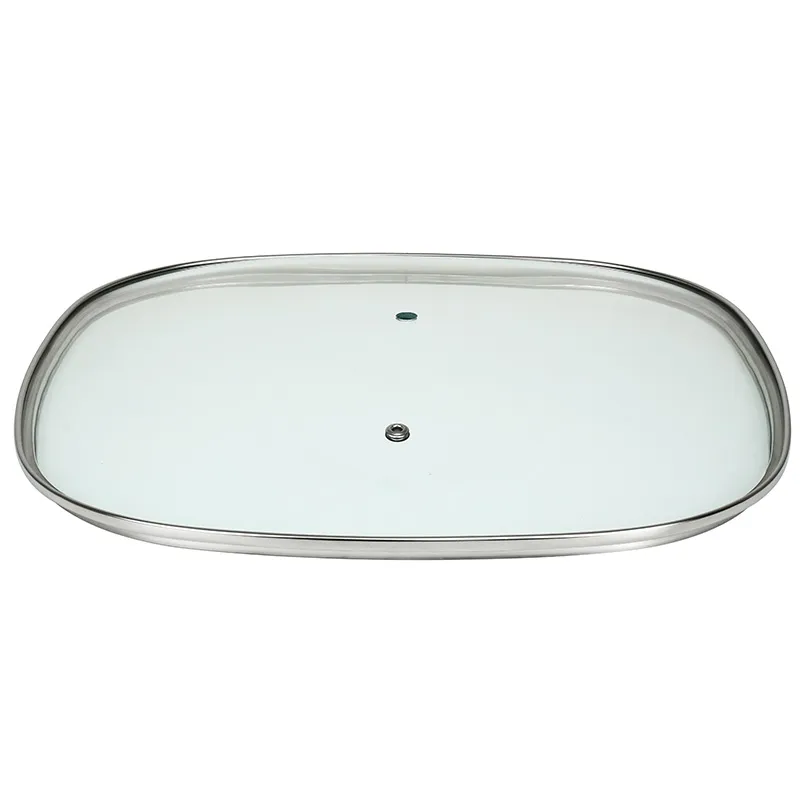
- Special Shapes: High curvature, tall, flat, and other non-standard geometries tailored to customer demands.
- Branding Integration: Logo printing directly on the product or lid, enabling strong brand identity retention.
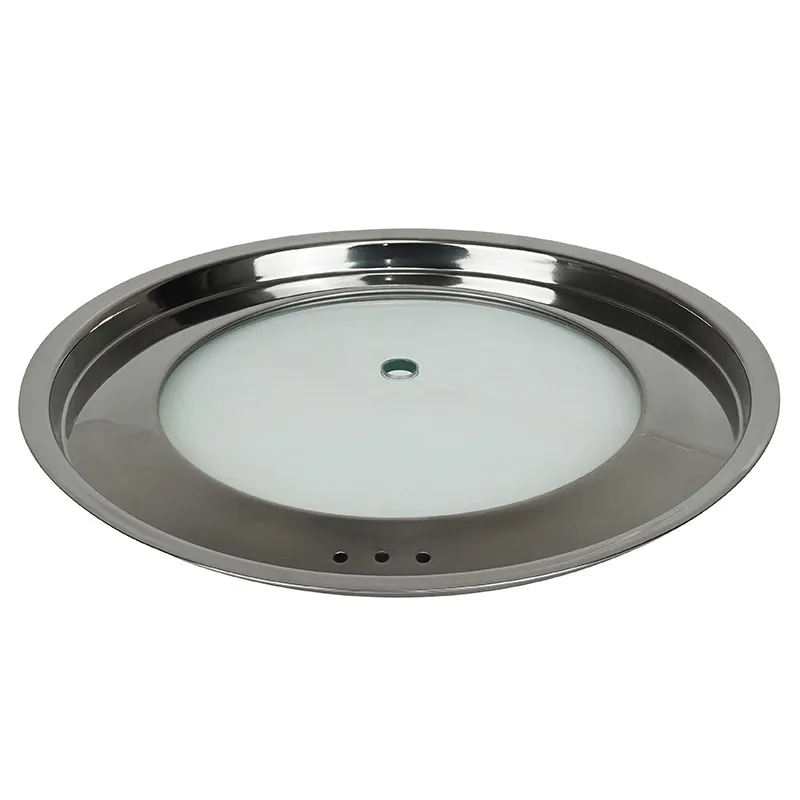
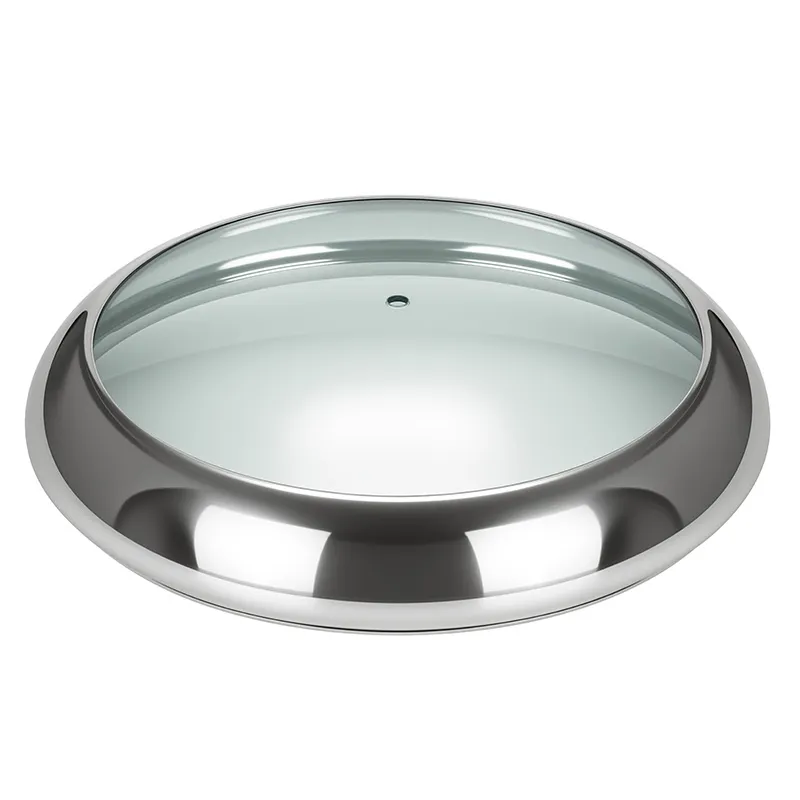
- Lid Compatibility: Ensuring seamless integration with various lid materials, including stainless steel, bamboo, and specialized plastics.
International Certifications and Compliance
Trustworthiness in the glassware industry is validated through certifications. Our company has passed ISO9001 certification, ensuring standardized quality management systems. More importantly, our products have passed LFGB (German Food and Feed Code) and TUV certifications. These credentials are essential for exporting to stringent markets such as Germany, Italy, France, and other European nations, as well as Japan and South Korea. Currently, more than 90 percent of our products are exported to these regions, along with Russia, Poland, Denmark, Spain, Switzerland, Brazil, and Turkey.
Technical Specifications and Material Standards
When evaluating a glass can with lid for wholesale purchase, understanding the technical parameters is vital for matching the product to its intended application. Below is a detailed breakdown of standard specifications offered by leading manufacturers.
| Parameter | Standard Specification | Impact on Performance |
|---|---|---|
| Material Type | Tempered Soda-Lime Glass | High impact resistance; suitable for most food and beverage applications. |
| Thickness | 2.5mm – 4.0mm (Body) | Thicker walls provide better insulation and durability but increase weight. |
| Thermal Resistance | -20°C to 120°C (Typical) | Determines suitability for freezer storage and hot-fill processing. |
| Lid Material Options | Stainless Steel (304/201), PP, Bamboo | Steel offers durability; PP is lightweight; Bamboo provides eco-friendly aesthetics. |
| Sealing Mechanism | Silicone Gasket / Screw Thread | Ensures airtightness; critical for preserving freshness and preventing leaks. |
| Surface Treatment | Affects grip, aesthetic appeal, and branding visibility. |
Understanding Glass Curvature and Shape
The geometry of the glass can influences both its structural integrity and its usability. High-curvature designs distribute stress more evenly, making them less prone to breaking under pressure. Flat-bottomed cans offer stability on shelves and conveyor belts, while tall, slender designs optimize space in vertical storage systems. Our ability to produce these varied shapes according to customer demand allows brands to create unique packaging signatures that stand out in crowded retail environments.
Applications of Wholesale Glass Cans
The versatility of the glass can with lid extends across multiple industries. Understanding these applications helps buyers select the right specifications for their target market.
Food and Beverage Packaging
This is the largest segment for glass can usage. Products include:
- Condiments and Sauces: Chili oils, soy sauces, and dressings benefit from the non-reactive nature of glass.
- Beverages: Cold brew coffee, juices, and craft beers are increasingly packaged in glass cans for premium positioning.
- Preserves: Jams, honey, and pickled vegetables require airtight seals to prevent spoilage.
Retail and Hospitality
Restaurants and hotels use branded glass cans for serving sides, desserts, and drinks. The durability of tempered glass ensures they can withstand repeated washing and handling in commercial dishwashers. The aesthetic appeal enhances the dining experience, allowing establishments to charge a premium for presented items.
DIY and Home Organization
Consumers also purchase glass cans for home storage of dry goods like grains, spices, and nuts. The transparency helps in inventory management, while the airtight lids keep pests out and freshness in. Offering these units in wholesale packs allows retailers to cater to the growing home organization trend.
How to Choose the Right Glass Can Supplier: A B2B Buyer’s Guide
Selecting the right manufacturer is as important as selecting the product itself. In 2026, supply chain reliability and quality consistency are paramount. Here are the critical factors to consider when partnering with a glassware supplier.
1. Production Capacity and Lead Times
Ensure the supplier can meet your volume requirements without compromising quality. A facility with an annual output of over 15 million pieces, like EUR-ASIA COOKWARE, indicates a mature production line capable of handling large orders efficiently. Ask about lead times for both standard and custom molds.
2. Quality Control and Certifications
Never compromise on safety certifications. For exports to Europe and North America, LFGB and TUV certifications are non-negotiable. ISO9001 certification demonstrates a commitment to consistent quality management. Request recent test reports to verify compliance.
3. Customization Flexibility
Does the supplier offer OEM services? Can they produce special shapes like high-curvature or tall profiles? Can they print your logo directly on the glass? Flexibility in design and branding is essential for creating a differentiated product line.
4. Export Experience
A supplier with a strong export track record understands the complexities of international logistics, packaging standards, and documentation. With over 90% of products exported to countries like Germany, Japan, and Brazil, experienced manufacturers are better equipped to handle customs and shipping challenges.
Common Mistakes in Sourcing Glass Cans
Avoid these pitfalls to ensure a smooth procurement process:
- Ignoring Lid Compatibility: Assuming any lid fits any can leads to sealing failures. Always test the lid-can interface for airtightness.
- Overlooking Thermal Limits: Using standard glass for hot-fill applications can result in breakage. Confirm the thermal shock resistance of the specific glass type.
- Neglecting Packaging Details: Glass is fragile. Ensure the supplier uses adequate protective packaging, such as dividers and reinforced cartons, to minimize breakage during transit.
- Focusing Solely on Price: While factory price is important, lower costs often come with compromised quality or inconsistent dimensions. Balance cost with reliability and certification.
Maintenance and Care Instructions for End Users
Providing care instructions to your customers adds value and reduces returns. Include these guidelines in your product documentation:
- Cleaning: Wash with warm soapy water. Avoid abrasive scrubbers that can scratch the glass surface.
- Temperature Changes: Although tempered glass is resistant to thermal shock, avoid extreme sudden changes, such as moving directly from the freezer to a boiling water bath.
- Lid Care: If using stainless steel lids, dry thoroughly to prevent water spots. For plastic components, avoid high-heat dishwasher cycles to prevent warping.
- Inspection: Regularly check for chips or cracks, especially around the rim. Damaged units should be discarded to prevent injury or contamination.
FAQ: Frequently Asked Questions About Glass Cans with Lids
What is the difference between tempered glass and regular glass cans?
Tempered glass is treated to be significantly stronger and more resistant to thermal shock than regular annealed glass. It is safer because it breaks into blunt pieces rather than sharp shards. For commercial and industrial use, tempered glass is the preferred choice due to its durability.
Can I customize the shape of the glass can?
Yes, reputable manufacturers like EUR-ASIA COOKWARE CO.,LTD. can produce high curvature, tall, flat, and other special-shaped glass covers and bodies according to customer demand. Custom molds may require specific MOQs and lead times.
Are the lids airtight?
Most high-quality glass cans come with lids featuring silicone gaskets or precision threads designed to create an airtight seal. This is crucial for preserving the freshness of food and preventing leaks during transport.
What certifications should I look for when importing glass cans?
For international trade, look for ISO9001 for quality management, and LFGB or TUV for food safety compliance. These certifications are particularly important for exporting to European and Asian markets.
How are glass cans packaged for shipping?
To prevent breakage, glass cans are typically packed in divided cartons with protective inserts. Palletizing and shrink-wrapping are used for bulk shipments to ensure stability during transit.
Conclusion: Partnering for Quality and Growth
The demand for high-quality, durable, and aesthetically pleasing glass can with lid solutions continues to grow across the food, beverage, and hospitality sectors. For B2B buyers, the key to success lies in partnering with a manufacturer that combines technical expertise, production scale, and international compliance.
EUR-ASIA COOKWARE CO.,LTD. stands out as a premier OEM manufacturer, offering not just products, but comprehensive solutions. With a 20,000 square meter production base, an annual output exceeding 15 million pieces, and certifications including ISO9001, LFGB, and TUV, we are equipped to meet the diverse needs of global markets. Our ability to customize shapes, print logos, and maintain strict quality control ensures that your brand receives products that reflect its values and standards.
Whether you are targeting the rigorous markets of Germany and Japan or the expanding economies of Brazil and Turkey, our experience in exporting to over 90% of these regions guarantees a smooth and reliable supply chain. We invite you to visit our facility in Taian City, Shandong Province, to witness our operations firsthand and negotiate a cooperation framework tailored to your business goals.
Ready to elevate your product line with premium tempered glass solutions? Contact us today to discuss your specific requirements, request samples, or obtain a customized quote.