- English
- Chinese
- French
- German
- Portuguese
- Spanish
- Russian
- Japanese
- Korean
- Arabic
- Irish
- Greek
- Turkish
- Italian
- Danish
- Romanian
- Indonesian
- Czech
- Afrikaans
- Swedish
- Polish
- Basque
- Catalan
- Esperanto
- Hindi
- Lao
- Albanian
- Amharic
- Armenian
- Azerbaijani
- Belarusian
- Bengali
- Bosnian
- Bulgarian
- Cebuano
- Chichewa
- Corsican
- Croatian
- Dutch
- Estonian
- Filipino
- Finnish
- Frisian
- Galician
- Georgian
- Gujarati
- Haitian
- Hausa
- Hawaiian
- Hebrew
- Hmong
- Hungarian
- Icelandic
- Igbo
- Javanese
- Kannada
- Kazakh
- Khmer
- Kurdish
- Kyrgyz
- Latin
- Latvian
- Lithuanian
- Luxembou..
- Macedonian
- Malagasy
- Malay
- Malayalam
- Maltese
- Maori
- Marathi
- Mongolian
- Burmese
- Nepali
- Norwegian
- Pashto
- Persian
- Punjabi
- Serbian
- Sesotho
- Sinhala
- Slovak
- Slovenian
- Somali
- Scots Gaelic
- Shona
- Sindhi
- Sundanese
- Swahili
- Tajik
- Tamil
- Telugu
- Thai
- Ukrainian
- Urdu
- Uzbek
- Vietnamese
- Welsh
- Xhosa
- Yiddish
- Yoruba
- Zulu
- Kinyarwanda
- Tatar
- Oriya
- Turkmen
- Uyghur

Top Tempered Glass Lid Manufacturers and Suppliers in 2026: A Complete B2B Buying Guide
2026-05-03
- Understanding the Role of Specialized Manufacturers in 2026
- Key Technical Specifications for B2B Procurement
- Evaluating Manufacturing Capabilities and Compliance
- Comparative Analysis of Production Technologies
- Step-by-Step Guide to Vetting Suppliers
- Common Challenges and Risk Mitigation Strategies
- Future Trends Influencing the Glass Lid Industry
- Frequently Asked Questions (FAQ)
- Conclusion and Strategic Recommendations
Looking for the Top Tempered Glass Lid Manufacturers and Suppliers in 2026? This complete B2B buying guide details how to identify reliable partners, evaluate production capabilities, and ensure compliance with international safety standards. We analyze critical factors including thermal shock resistance, edge polishing techniques, and supply chain stability to help procurement professionals make informed sourcing decisions for cookware and industrial applications.
Understanding the Role of Specialized Manufacturers in 2026
The global demand for high-quality cookware components has driven significant evolution in the glass processing industry. In 2026, leading manufacturers are no longer just suppliers of raw materials; they are integrated engineering partners. A tempered glass lid serves as a critical safety component in modern kitchenware, requiring precision that exceeds standard architectural glass specifications.
Professional buyers must distinguish between general glass processors and specialized lid manufacturers. The latter possess unique tooling for handle attachment, specific tempering curves for cookware dynamics, and rigorous quality control protocols for food-contact safety. Understanding these distinctions is the first step in securing a supply chain that minimizes risk and maximizes product longevity.
Industry trends indicate a shift towards automated optical inspection systems and eco-friendly production methods. Top-tier facilities now utilize advanced furnace technologies that ensure uniform compression stress across the entire surface of the lid. This uniformity is vital for preventing spontaneous breakage during rapid temperature changes, a common failure point in lower-quality alternatives.
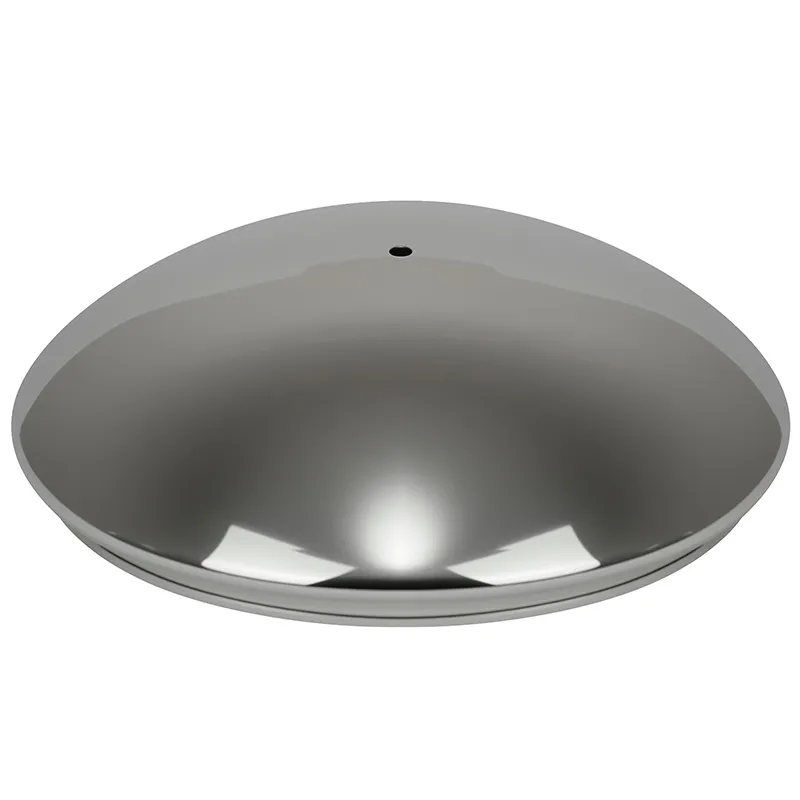
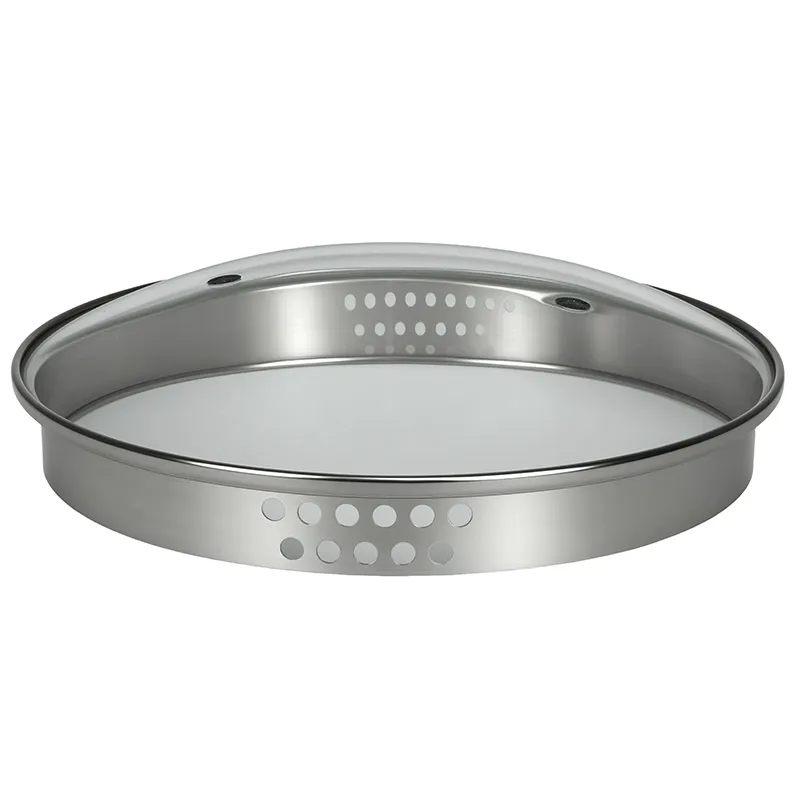
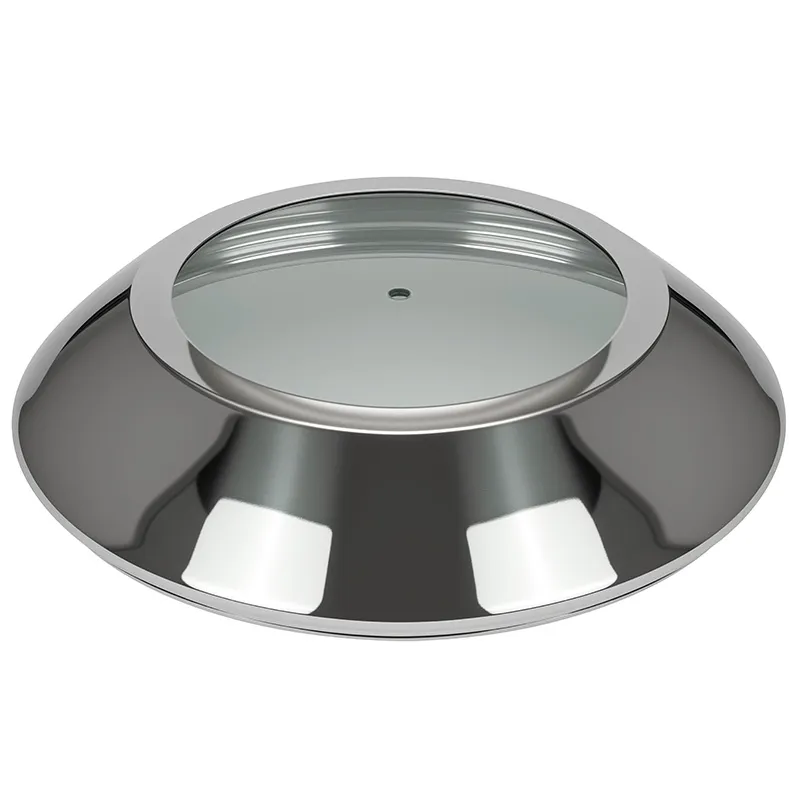
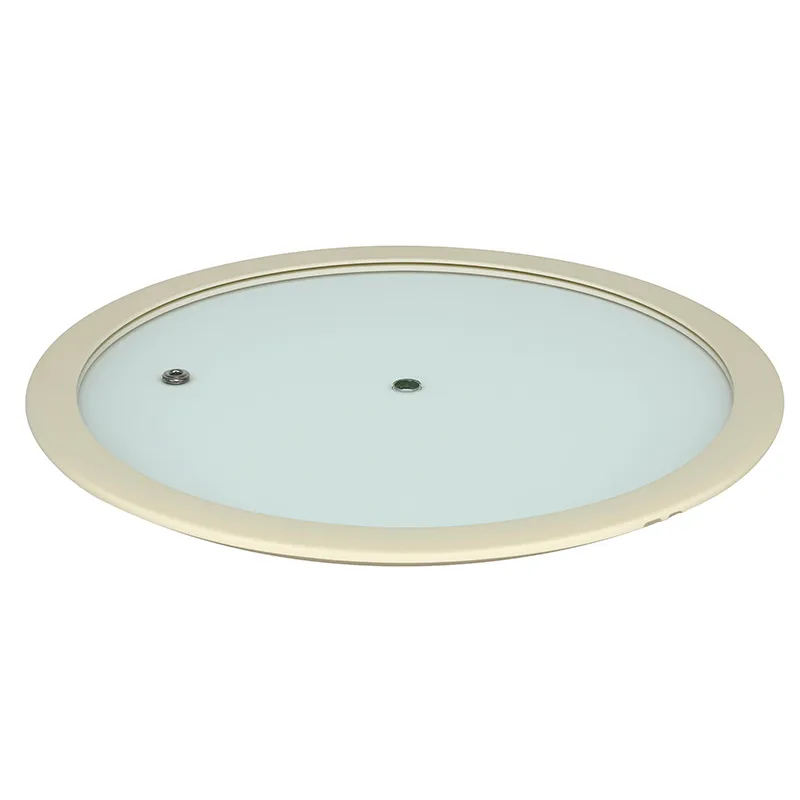
To illustrate what a capable partner looks like in this evolving landscape, consider EUR-ASIA COOKWARE CO.,LTD. Located in the National High-tech Development Zone of Taian City, Shandong Province, this manufacturer exemplifies the scale and specialization required in 2026. Spanning a 20,000㎡ production base with over 90 dedicated employees, the company achieves an annual output exceeding 15 million pieces of tempered glass lids and related kitchen accessories. Their expertise covers a wide spectrum of product levels, from household essentials to premium custom solutions, serving major markets across Germany, Russia, Italy, France, and beyond. By integrating advanced molding capabilities for high-curvature and special-shaped lids with strict adherence to ISO9001, LFGB, and TUV certifications, EUR-ASIA demonstrates how modern manufacturers combine volume capacity with the technical rigor necessary for global export success.
Key Technical Specifications for B2B Procurement
When evaluating potential suppliers, technical specifications serve as the primary filter for capability. Not all tempered glass is created equal, and the requirements for a cooking lid differ vastly from those of a table top or shower enclosure. Procurement teams must focus on specific metrics that define performance and safety.
Thermal Shock Resistance Standards
The ability to withstand sudden temperature fluctuations is the defining characteristic of a premium lid. High-grade manufacturers engineer their products to endure temperature differentials exceeding 200°C without structural failure. This is achieved through precise control of the quenching process during tempering.
- Surface Compression: Must exceed 10,000 psi to ensure fragmentation into small, dull pieces rather than sharp shards upon breakage.
- Edge Strength: Seamed or polished edges reduce stress concentration points, significantly lowering the risk of edge-initiated fractures.
- Annealing Quality: Proper annealing eliminates internal stresses that could lead to delayed failure months after production.
Suppliers who cannot provide detailed test reports regarding thermal shock performance should be approached with caution. In the B2B sector, data transparency is a hallmark of authority and trustworthiness.
Material Composition and Clarity
The base material typically involves low-iron soda-lime glass or borosilicate glass, depending on the application’s heat requirements. Low-iron glass offers superior clarity, allowing users to monitor cooking progress without distortion, while borosilicate provides enhanced thermal durability.
Leading manufacturers in 2026 have refined their melting processes to minimize impurities such as nickel sulfide inclusions, which are a primary cause of spontaneous breakage in tempered glass. The presence of advanced filtering systems in the production line is a strong indicator of a supplier’s commitment to quality.
Handle Attachment Integrity
The interface between the glass lid and the handle represents a critical mechanical stress point. Whether using stainless steel knobs, silicone grips, or phenolic handles, the attachment method must accommodate the expansion and contraction of the glass.
- Mechanical Fixing: Uses screws and washers with heat-resistant gaskets to allow slight movement.
- Adhesive Bonding: Requires high-temperature silicones rated for continuous exposure to steam and heat.
- Over-molding: Integrates the handle material directly around the glass edge for a seamless finish.
A robust supplier will offer various mounting solutions and conduct pull-test validations to ensure the handle remains secure under heavy usage conditions.
Evaluating Manufacturing Capabilities and Compliance
Selecting the right partner involves more than reviewing a product catalog. It requires a deep dive into the manufacturer’s operational infrastructure, certification status, and ability to scale. In the current market environment, supply chain resilience is as important as product quality.
Essential International Certifications
Compliance with international safety standards is non-negotiable for export-oriented businesses. Reputable manufacturers maintain up-to-date certifications that validate their products meet the regulatory requirements of target markets such as North America, Europe, and Asia.
| Certification Body | Region | Focus Area | Significance for Buyers |
|---|---|---|---|
| FDA / LFGB | USA / EU | Food Contact Safety | Ensures no harmful substances leach into food during cooking. |
| ISO 9001 | Global | Quality Management | Verifies consistent processes and continuous improvement protocols. |
| SGS / TUV | Global | Product Testing | Provides third-party validation of thermal and mechanical strength claims. |
| BSCI / SMETA | Global | Social Compliance | Confirms ethical labor practices and safe working conditions. |
Buyers should request current copies of these certificates and verify their validity directly with the issuing bodies. A legitimate manufacturer will readily provide this documentation without hesitation.
Production Capacity and Lead Times
In 2026, market volatility demands suppliers with flexible production capacities. Evaluate whether the manufacturer operates single or multiple production lines and their ability to ramp up output during peak seasons. Just-in-time delivery capabilities are increasingly valued by retailers looking to minimize inventory costs.
Ask specific questions about raw material sourcing. Manufacturers with long-term contracts for high-quality sand and additives are less likely to face production halts due to supply shortages. Furthermore, inquire about their contingency plans for energy disruptions, as glass tempering is an energy-intensive process.
Customization and OEM/ODM Services
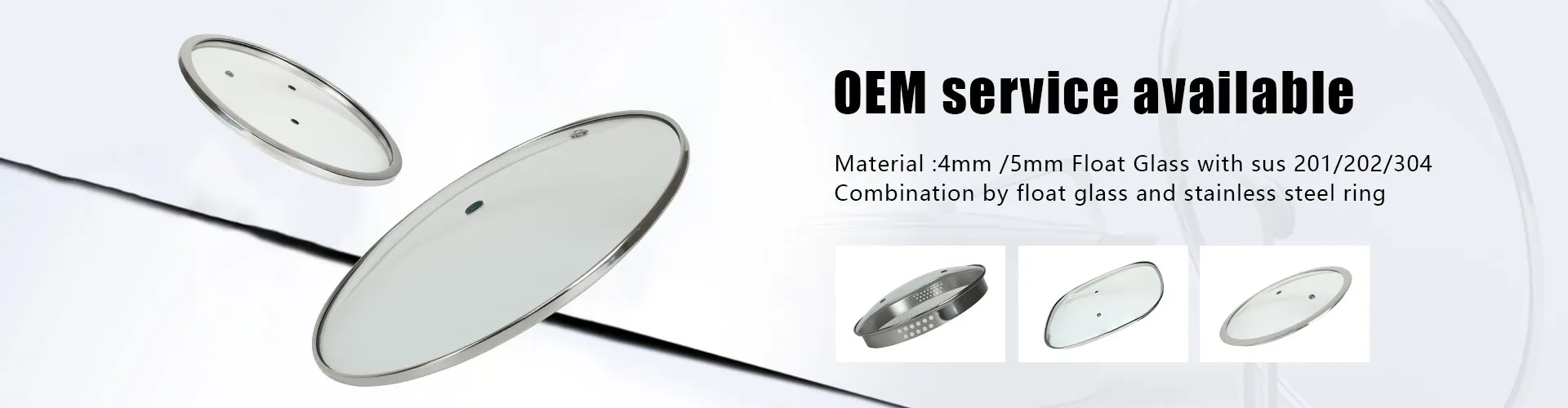
Differentiation in the marketplace often comes from unique lid designs. Top manufacturers offer comprehensive OEM (Original Equipment Manufacturer) and ODM (Original Design Manufacturer) services. This includes custom cutting shapes, varying thicknesses, and bespoke handle designs.
- Mold Development: Ability to create custom molds for unique curvature or rim profiles.
- Surface Treatments: Options for anti-fog coatings, easy-clean surfaces, or decorative printing.
- Packaging Solutions: Customized packaging that ensures safe transit and enhances brand presentation.
The ability to collaborate on design iterations and rapidly prototype new concepts is a key differentiator between a basic vendor and a strategic manufacturing partner. For instance, forward-thinking facilities can produce high-curvature, tall, flat, and other special-shaped glass covers tailored to specific customer demands, including custom logo printing to enhance brand identity.
Comparative Analysis of Production Technologies
Not all tempering processes yield the same results. Understanding the technological differences between physical tempering and chemical strengthening helps buyers specify the right product for their specific application. While both methods increase strength, their failure modes and cost structures differ significantly.
Physical Tempering vs. Chemical Strengthening
Physical tempering involves heating the glass to near its softening point and then rapidly cooling it. This creates a balance of compressive stress on the surface and tensile stress in the center. It is the industry standard for cookware lids due to its cost-effectiveness and safety profile upon breakage.
Chemical strengthening, conversely, involves ion exchange where smaller sodium ions are replaced by larger potassium ions. While this method allows for thinner glass and higher strength, it does not shatter into harmless granules like physically tempered glass. Therefore, it is less common for standard cookware lids but may be used in specialized high-end applications where thinness is paramount.
| Feature | Physical Tempering | Chemical Strengthening |
|---|---|---|
| Process Method | Thermal heating and rapid quenching | Ion exchange bath immersion |
| Safety on Breakage | Crumbles into small, dull cubes (Safe) | Can form sharp shards (Less Safe) |
| Typical Thickness | 3mm to 8mm | Can be <1mm |
| Cost Efficiency | High (Standard for mass production) | Lower (Premium niche applications) |
| Post-Processing | Cannot be cut or drilled after tempering | Can be modified after treatment |
For the majority of B2B cookware applications, physical tempering remains the preferred choice due to its superior safety characteristics and established regulatory acceptance. Buyers should verify that their supplier utilizes state-of-the-art horizontal tempering furnaces for optimal flatness and optical quality.
Step-by-Step Guide to Vetting Suppliers
Navigating the landscape of glass lid manufacturers requires a structured approach to due diligence. Following a systematic vetting process ensures that you partner with a facility capable of meeting your quality, volume, and ethical standards.
Phase 1: Initial Screening and Documentation
Begin by compiling a list of potential suppliers through industry directories and trade shows. Request comprehensive company profiles, including years in operation, main export markets, and client references. At this stage, verify their business licenses and basic certifications.
- Request a copy of their latest third-party audit report.
- Ask for a detailed product specification sheet for their standard lid range.
- Inquire about their minimum order quantities (MOQ) and sample policies.
Eliminate any candidates who are unwilling to share basic documentation or whose communication lacks professionalism. Transparency at this early stage is a strong predictor of future relationship success.
Phase 2: Sample Evaluation and Testing
Never commit to a large order without physically testing samples. Order units from your shortlisted suppliers and subject them to rigorous in-house or third-party testing. Focus on visual defects, dimensional accuracy, and performance under stress.
Conduct a simple thermal shock test by heating the lid in an oven and plunging it into cold water. Observe the breakage pattern; it should fragment into small, relatively harmless pieces. Check the handle attachment by applying torque and pulling force to simulate real-world usage.
Phase 3: Factory Audit and On-Site Verification
If feasible, conduct an on-site factory audit. If travel is not possible, hire a reputable third-party inspection agency to visit the facility. During the audit, focus on the cleanliness of the production floor, the calibration of testing equipment, and the organization of the warehouse.
- Raw Material Storage: Are glass sheets stored vertically and protected from dust?
- Quality Control Stations: Are there dedicated areas for inspecting every piece before packing?
- Packaging Line: Is the packaging robust enough to prevent damage during ocean freight?
Observing the workforce’s adherence to safety protocols also provides insight into the company’s management culture. A well-managed factory typically produces higher quality goods with greater consistency.
Common Challenges and Risk Mitigation Strategies
Even with careful selection, challenges can arise in the glass manufacturing supply chain. Being aware of common pitfalls allows procurement officers to implement proactive mitigation strategies, ensuring smooth operations and protecting brand reputation.
Breakage During Transit
Glass lids are inherently fragile, and shipping damage is a frequent concern. The root cause often lies in inadequate packaging design rather than product weakness. Work with your supplier to optimize carton strength, internal dividers, and cushioning materials.
Require suppliers to perform drop tests and vibration tests on packaged units prior to shipment. Implementing a “damage-free” guarantee clause in your contract can also incentivize the supplier to invest in better packaging solutions. Regularly review breakage rates upon arrival and address trends immediately.
Quality Consistency Across Batches
Maintaining consistent quality over thousands of units is a challenge for many manufacturers. Variations in raw material batches or furnace temperatures can lead to subtle differences in clarity or stress patterns. To mitigate this, establish clear Acceptable Quality Limits (AQL) in your purchase agreements.
- Define strict tolerances for dimensions, thickness, and optical distortion.
- Mandate pre-shipment inspections for every production batch.
- Retain reference samples from approved production runs for future comparison.
Open communication channels with the supplier’s quality manager can help resolve minor deviations before they become major issues. Building a partnership based on mutual quality goals is more effective than a purely transactional relationship.
Supply Chain Disruptions
Global events can impact the availability of raw materials and energy supplies. Diversifying your supplier base is a prudent strategy. Consider qualifying a secondary supplier in a different geographic region to ensure continuity of supply in case of regional disruptions.
Maintain open dialogue with your primary supplier regarding their inventory levels of raw materials. Suppliers who keep strategic stockpiles of critical inputs are better positioned to weather market fluctuations and maintain stable lead times.
Future Trends Influencing the Glass Lid Industry
The landscape of tempered glass manufacturing is dynamic, with emerging technologies and shifting consumer preferences shaping the future. Staying ahead of these trends enables B2B buyers to source innovative products that meet evolving market demands.
Sustainability and Eco-Friendly Production
Environmental responsibility is becoming a central criterion for B2B purchasing decisions. Leading manufacturers are investing in energy-efficient furnaces, recycling scrap glass back into the melt, and reducing water consumption in the polishing process.
Buyers are increasingly requesting carbon footprint data and sustainability certifications. Partnering with manufacturers who prioritize green initiatives not only aligns with corporate social responsibility goals but also appeals to environmentally conscious end consumers.
Smart Integration and Functional Coatings
The integration of smart technology into cookware is gaining traction. While fully smart lids are still niche, there is growing demand for lids compatible with temperature sensors or steam release mechanisms. Additionally, functional coatings that prevent fogging or reduce sticking are becoming standard expectations in premium segments.
Manufacturers who invest in R&D for these advanced features will likely lead the market in 2026 and beyond. Engaging with suppliers who have a clear innovation roadmap ensures access to cutting-edge products that differentiate your brand.
Frequently Asked Questions (FAQ)
Addressing common queries helps clarify complex aspects of sourcing tempered glass lids and aids in faster decision-making for procurement professionals.
What is the typical lead time for custom tempered glass lids?
Lead times vary depending on the complexity of the customization and the supplier’s current capacity. Generally, sample production takes 7 to 15 days, while mass production orders range from 30 to 45 days after mold approval. Complex designs or large volumes may require additional time.
Can tempered glass lids be recycled?
Yes, tempered glass is 100% recyclable. However, it must be separated from other types of glass and contaminants like handles or gaskets before entering the recycling stream. Many manufacturers now offer take-back programs or guidance on proper disposal methods to support circular economy initiatives.
What is the difference between clear and tinted tempered glass lids?
The primary difference lies in the aesthetic appeal and light transmission. Tinted glass, often bronze or grey, reduces glare and can hide food residue better than clear glass. Technically, the tempering process and strength remain similar, provided the tint is added during the melting phase rather than as a surface coating.
How do I verify the authenticity of a supplier’s certifications?
Always check the certificate number against the issuing body’s online database. Reputable organizations like SGS, TUV, and Intertek provide public verification tools. Additionally, request the original test reports associated with the certification to ensure they cover the specific products you intend to purchase.
Is it possible to drill holes in tempered glass lids after production?
No, drilling or cutting tempered glass after the tempering process will cause it to shatter immediately. All hole drilling, notching, or shaping must be completed before the glass undergoes thermal tempering. This underscores the importance of finalizing design specifications before production begins.
Conclusion and Strategic Recommendations
Selecting the Top Tempered Glass Lid Manufacturers and Suppliers in 2026 is a strategic decision that impacts product safety, brand reputation, and operational efficiency. The ideal partner combines advanced manufacturing technology, rigorous quality control, and a commitment to sustainable practices.
This guide highlights that successful procurement goes beyond price comparison. It requires a thorough evaluation of technical capabilities, certification validity, and supply chain resilience. By prioritizing suppliers who demonstrate transparency and engineering expertise—such as those with proven export records to Europe and Asia and comprehensive ISO/LFGB/TUV certifications—businesses can secure a competitive advantage in the global cookware market.
Who is this guide for? This resource is designed for procurement managers, product developers, and business owners in the cookware and hospitality industries seeking reliable B2B partnerships. Whether you are launching a new product line or optimizing an existing supply chain, the insights provided here offer a roadmap to success.
Next Steps: Begin your supplier search by requesting detailed quotations and sample kits from certified manufacturers. Schedule virtual or on-site audits to verify their capabilities firsthand. Remember, a strong partnership is built on mutual trust, clear communication, and a shared commitment to quality excellence.