
- English
- Chinese
- French
- German
- Portuguese
- Spanish
- Russian
- Japanese
- Korean
- Arabic
- Irish
- Greek
- Turkish
- Italian
- Danish
- Romanian
- Indonesian
- Czech
- Afrikaans
- Swedish
- Polish
- Basque
- Catalan
- Esperanto
- Hindi
- Lao
- Albanian
- Amharic
- Armenian
- Azerbaijani
- Belarusian
- Bengali
- Bosnian
- Bulgarian
- Cebuano
- Chichewa
- Corsican
- Croatian
- Dutch
- Estonian
- Filipino
- Finnish
- Frisian
- Galician
- Georgian
- Gujarati
- Haitian
- Hausa
- Hawaiian
- Hebrew
- Hmong
- Hungarian
- Icelandic
- Igbo
- Javanese
- Kannada
- Kazakh
- Khmer
- Kurdish
- Kyrgyz
- Latin
- Latvian
- Lithuanian
- Luxembou..
- Macedonian
- Malagasy
- Malay
- Malayalam
- Maltese
- Maori
- Marathi
- Mongolian
- Burmese
- Nepali
- Norwegian
- Pashto
- Persian
- Punjabi
- Serbian
- Sesotho
- Sinhala
- Slovak
- Slovenian
- Somali
- Scots Gaelic
- Shona
- Sindhi
- Sundanese
- Swahili
- Tajik
- Tamil
- Telugu
- Thai
- Ukrainian
- Urdu
- Uzbek
- Vietnamese
- Welsh
- Xhosa
- Yiddish
- Yoruba
- Zulu
- Kinyarwanda
- Tatar
- Oriya
- Turkmen
- Uyghur


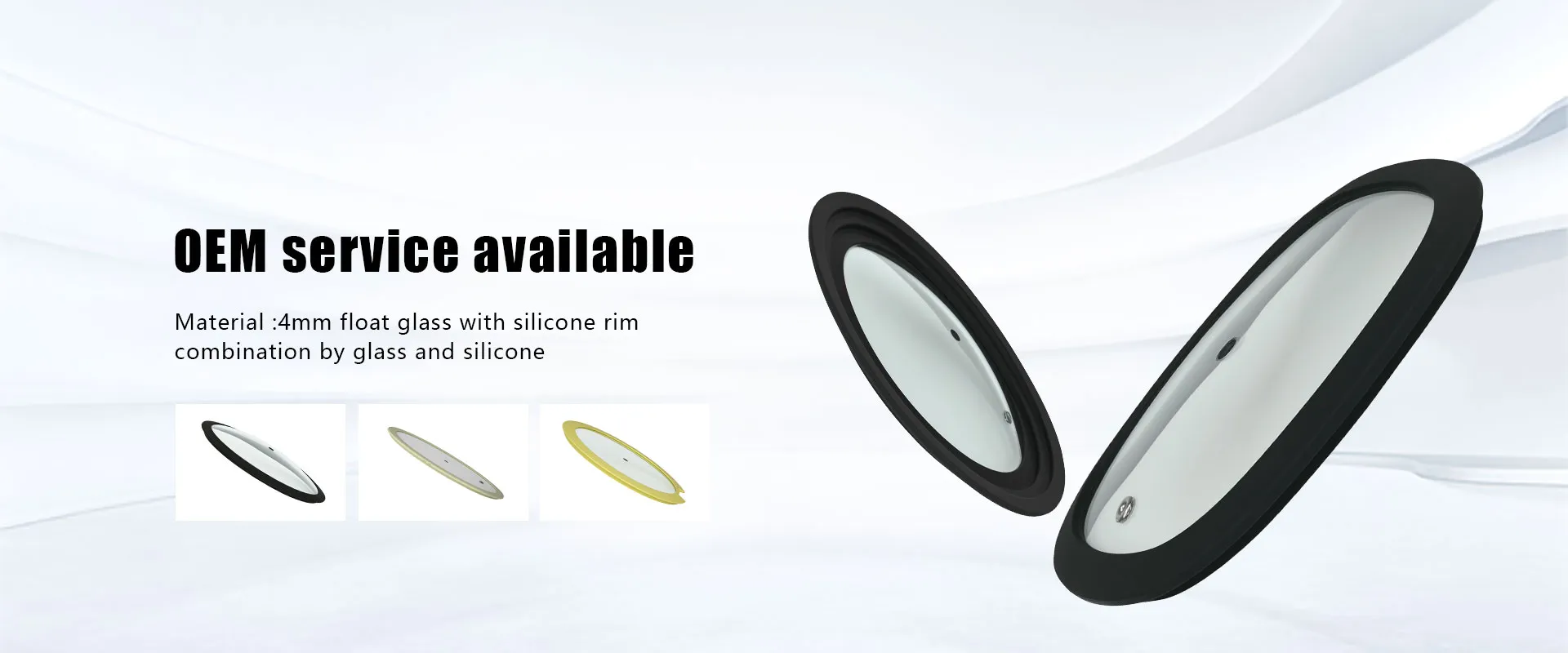
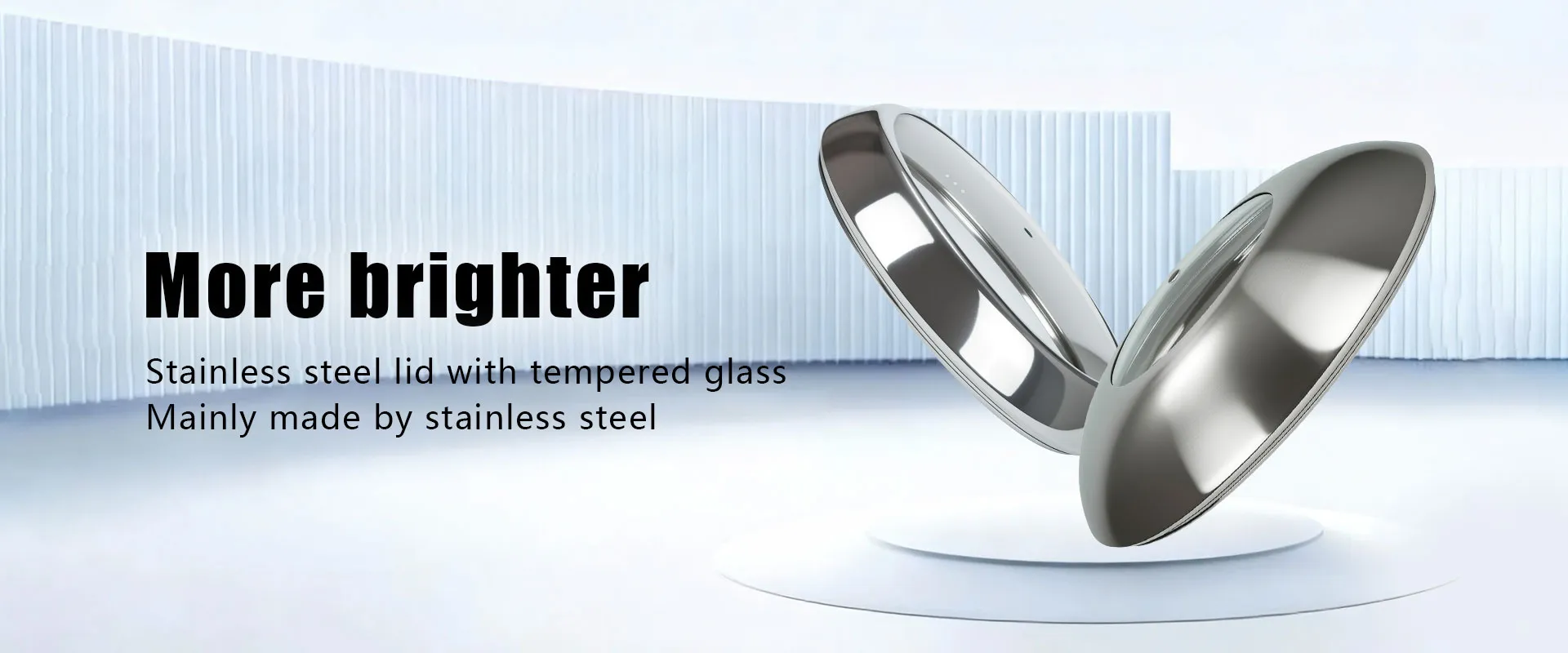
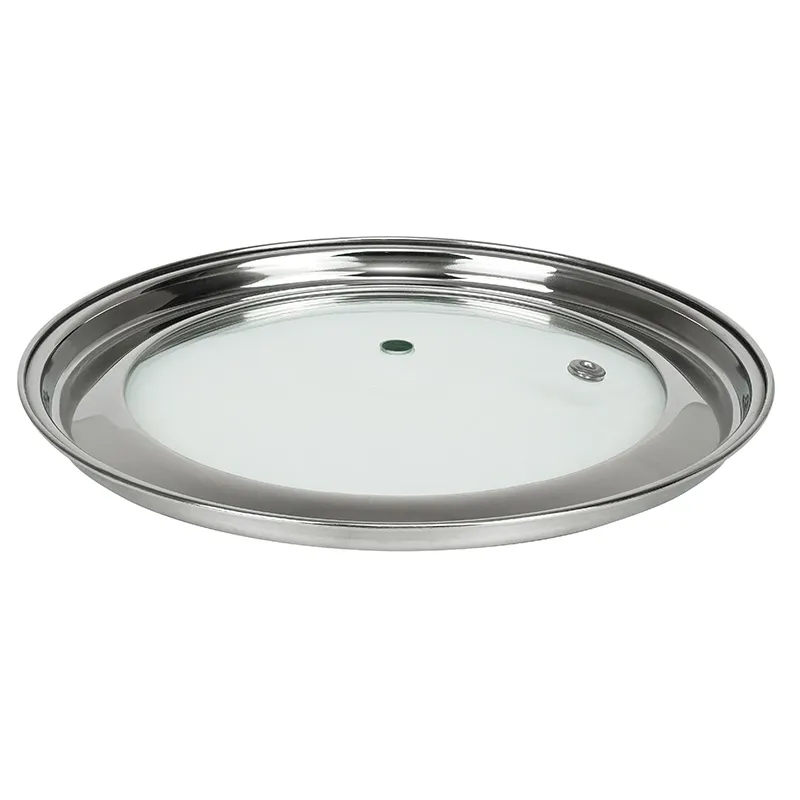
Products
Projects you can't miss
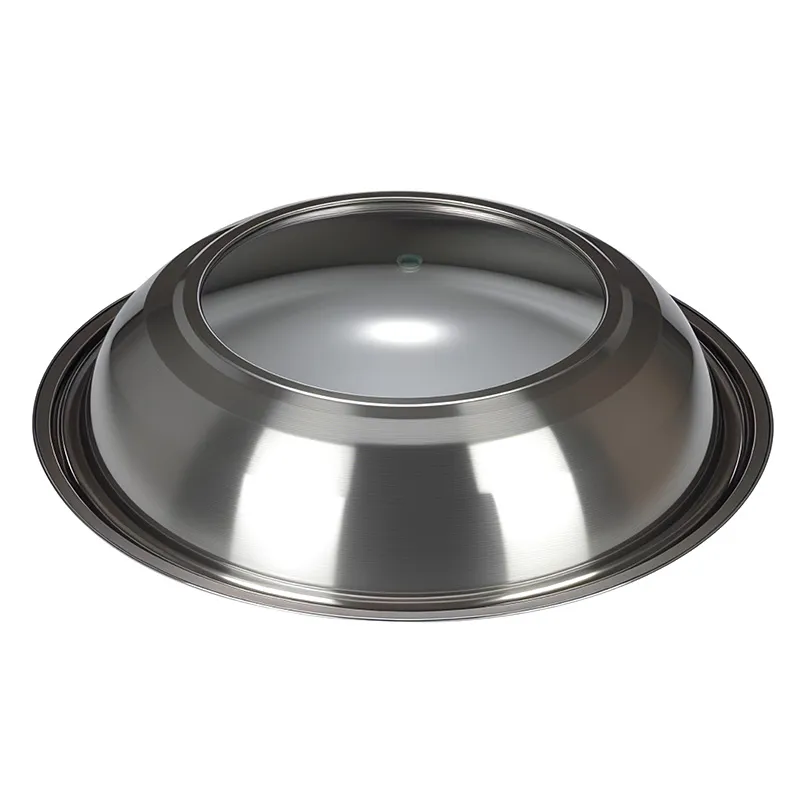
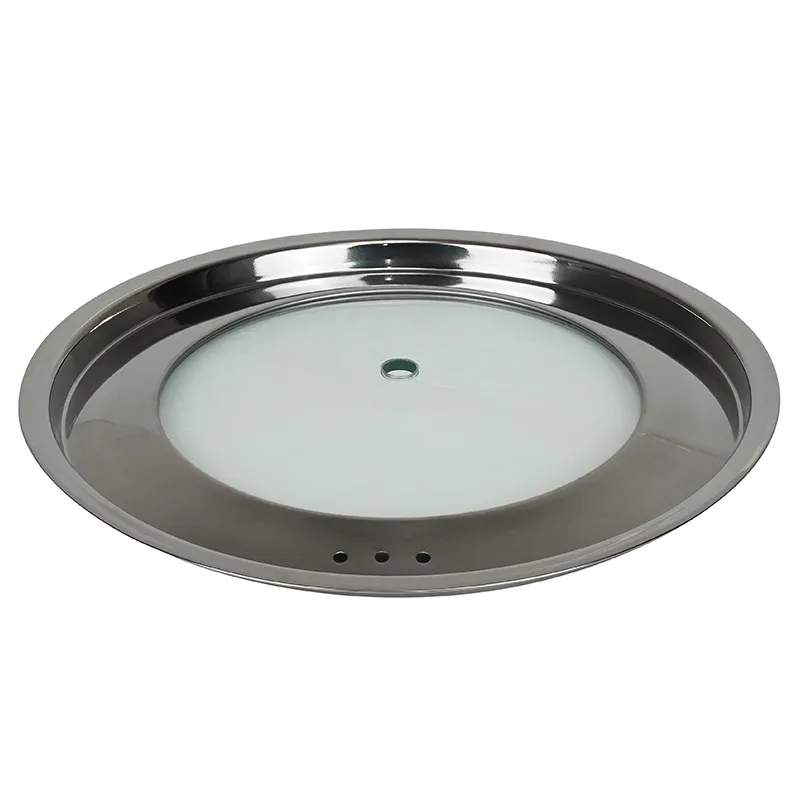
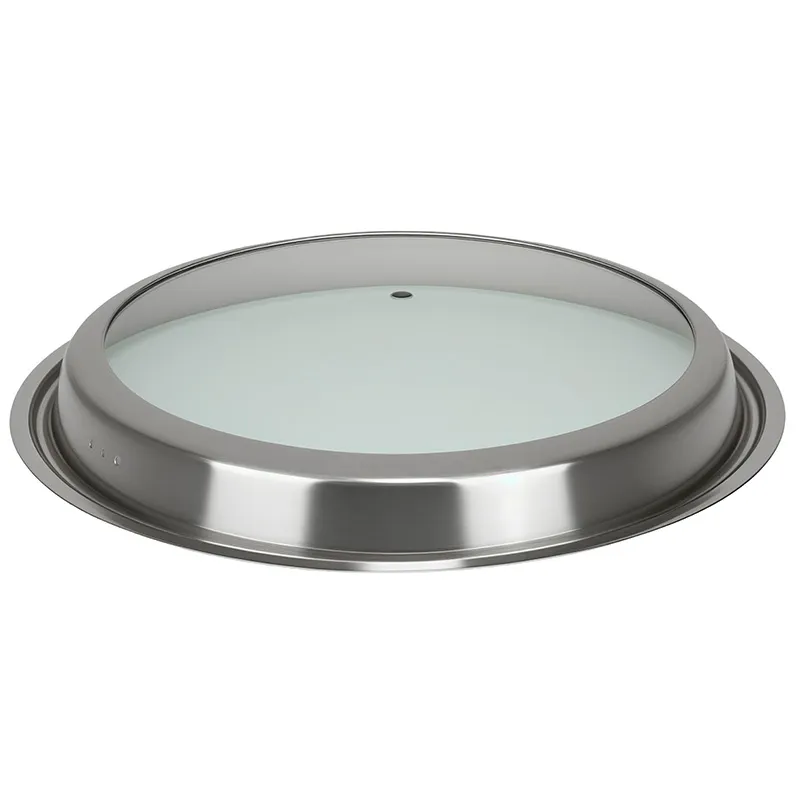
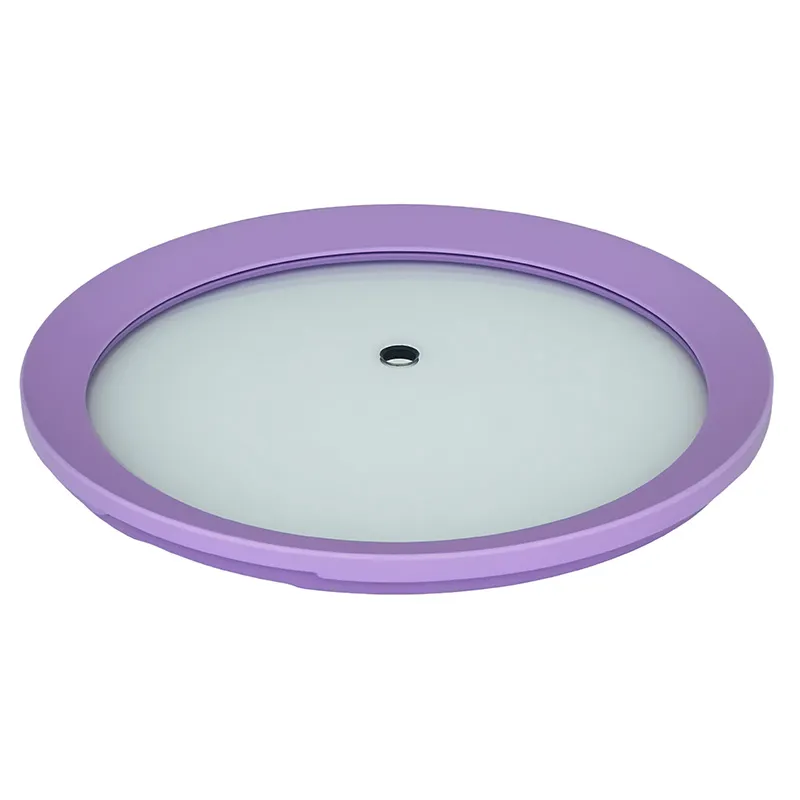
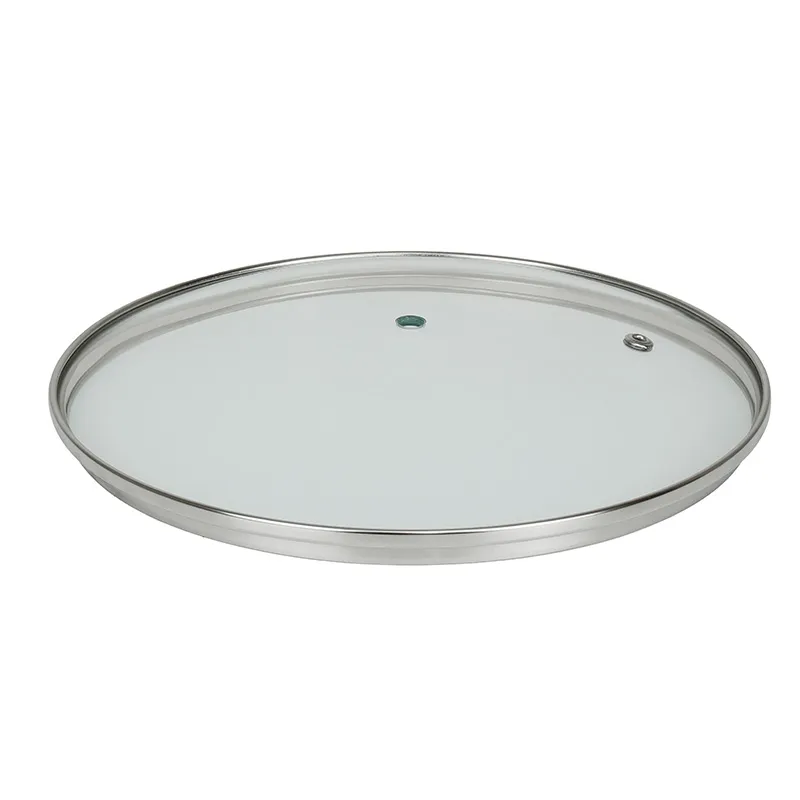
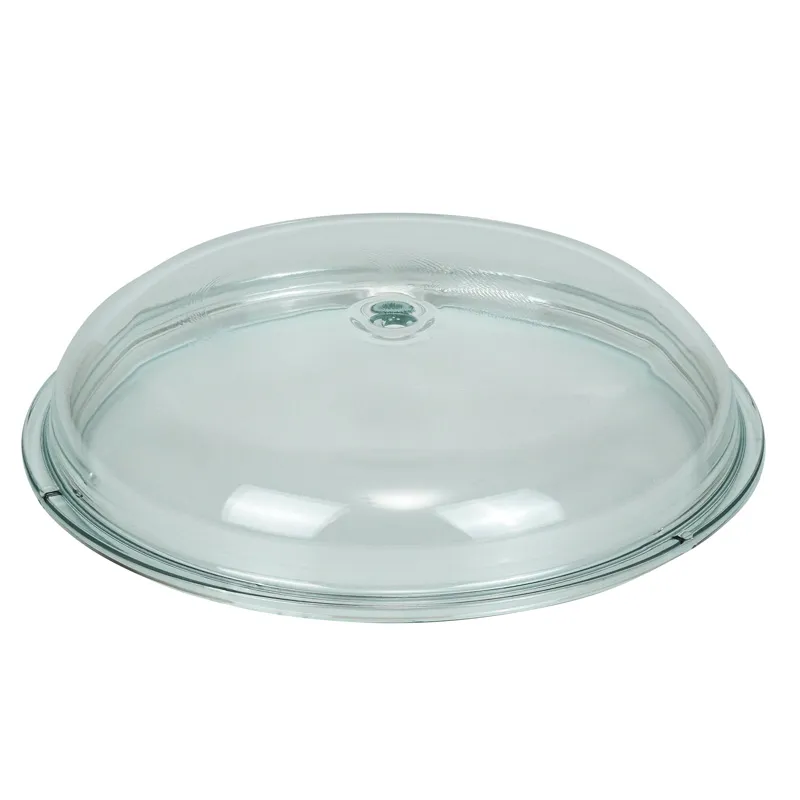

About Us
First, let's get to know ourselves.
EUR-ASIA COOKWARE CO.,LTD. is specialized in producing and selling of low- medium- high level household glass products and other kitchen accessories. Company production base is located in Taian City, Shandong Province, China National High-tech Development Zone, covers an area of 20000㎡, building area of 15,000 ㎡, more than 90 employees, with an annual output of various types of tempered glass lid and other glass products more than 15 million pieces. More than 90 percent of products are exported to Germany, Russia, Italy, France, Poland, Denmark, Spain, Switzerland, Brazil, Turkey, South Korea and Japan ect .
Customized production, backed by multiple authoritative certifications.
Our company can produce the high curvature, tall, flat and other special-shaped glass cover and other glass products according to customer demand, also the logo can be printed on the product according to customer requirements. Our company passed the ISO9001 certification, and the product had passed LFGB and TUV certification, welcome all friends to visit our company and negotiate cooperation.
Our product categories
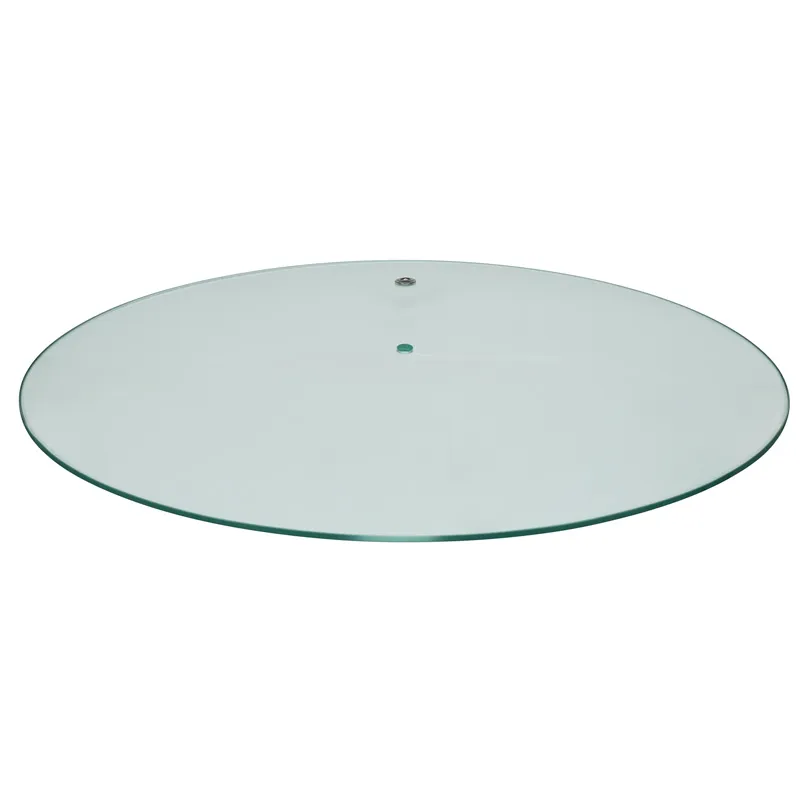
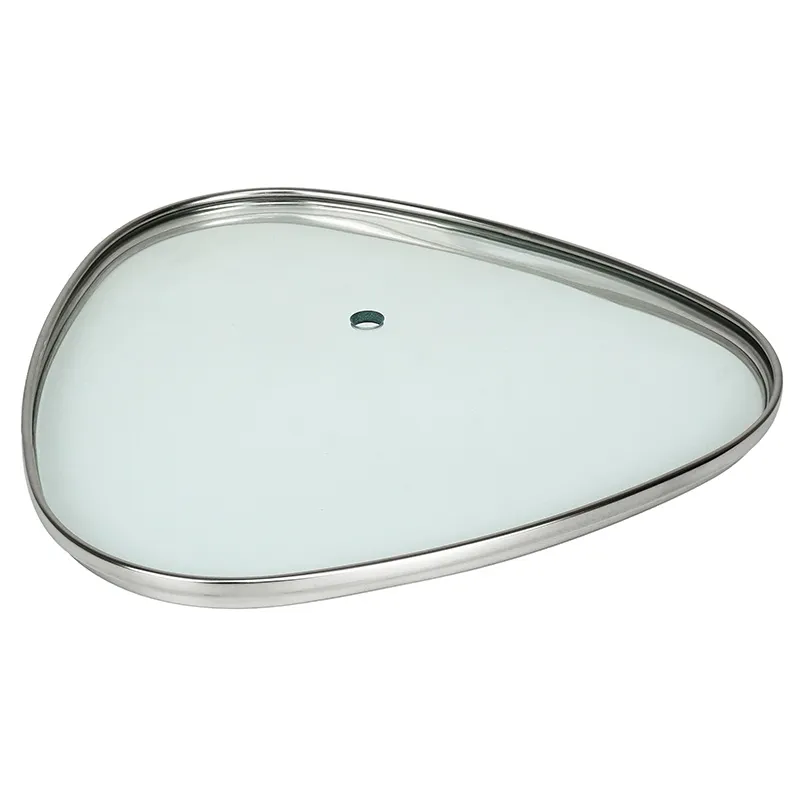
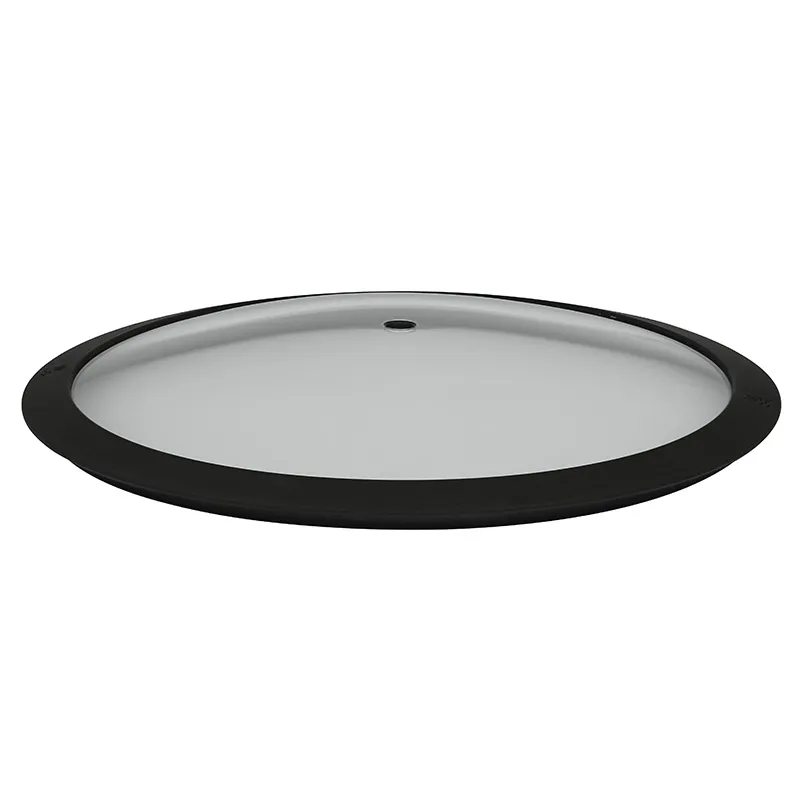
News
Where to buy wholesale beer can glass with lid?
Content The Core Challenge: It’s Not Just a Glass Sourcing Channels: Beyond the B2B Platforms Key Specifications You Must Lock Down MOQ, Logistics, and Hidden Costs Building the Relationship Wrapping It Up If you’re searching for wholesale beer can glasses with lids, you’re likely in the beverage or promotional industry, and you’ve probably already hit the usual suspects: Alibaba, Thomasnet, maybe even some trade shows. But here’s the thing most sourcing articles don’t tell you—finding a reliable supplier for this specific item isn’t just about the price per unit. It’s about the lid seal integrity, the glass thickness that can withstand a drop, and the supplier’s understanding that beer can style isn’t just a shape, it’s a functional design for drinking. Many first-time buyers get burned by focusing solely on FOB price, only to receive lids that don’t snap right or glass that chips in transit. I’ve been there. The Core Challenge: It’s Not Just a Glass Let’s break down the product. A beer can glass is essentially a tumbler shaped like a beer can, often with volume markings. The lid is the real make-or-break component. You need a secure, often snap-on or screw-top lid that’s leak-resistant for travel but easy to drink from. The wholesale market is flooded with options, but the quality spectrum is vast. A common pitfall is suppliers who primarily make simple kitchenware trying to adapt. The lid-to-glass fit precision for drinkware is different than for a food storage container. I recall a batch we ordered early on from a general glassware factory. The glasses were fine, decently tempered. But the lids? They were a generic one-size-fits-most design that sat loosely. A slight tip and you’d have a spill. The lesson was that you need a supplier whose core competency includes drinkware lids, not just glass pressing. This is where specialization matters. You also have to consider the packaging for wholesale. These glasses need to be nested and separated properly, or the cost of breakage will wipe out any per-unit savings. A good supplier will have that figured out in their MOQ structure. Don’t be shy to ask for packaging samples. Sourcing Channels: Beyond the B2B Platforms Alibaba and Global Sources are starting points, not endpoints. The listings are overwhelming, and verifying true manufacturing capability is tough. I’ve had better luck moving the conversation to specialized industry directories or even LinkedIn searches for glass lid manufacturer. Trade shows like Ambiente or the China Import and Export Fair (Canton Fair) are invaluable for seeing and feeling the product, testing the lid snap yourself. It’s a tactile product—you need that hands-on check. One avenue often overlooked is targeting manufacturers who supply to known brands in Europe or North America, even if they don’t brand the products themselves. Their quality standards are typically baked in. For instance, a company like EUR-ASIA COOKWARE CO.,LTD (you can find them at https://www.glass-lid.com) presents an interesting case. They specialize in household glass, particularly tempered glass lid production, with a significant export footprint in Europe. While their main focus might be on cookware lids, a factory with that level of export-grade tempering technology and lid expertise is a strong candidate to produce a high-quality beer can glass with lid. It’s about assessing if their lid R&D can translate to drinkware. Their company info shows they produce over 15 million tempered glass lids annually, exporting to Germany, Italy, Japan, etc. That tells me they’re used to stringent quality checks. For a wholesaler, this is promising. You’d need to engage them on a custom project to see if they can tool a lid for a drinking glass rather than a pan. It’s a conversation worth having. Key Specifications You Must Lock Down When requesting quotes, go beyond dimensions and material. Specify the lid material (food-grade PP, silicone gasket?), the sealing mechanism, and the tempering standard. Ask for a drop test result—can it survive a 1-meter drop onto a hard surface? For the glass, discuss the rim. A rolled, smooth rim is critical for drinking comfort, and not all factories finish it well. Weight is another subtle indicator. A flimsy, light glass feels cheap and is more prone to breaking. A good wholesale beer can glass has a substantial feel. Provide a target gram weight in your inquiry. Also, be clear about printing capabilities if you need logo decoration. Can they do silk-screen, ceramic printing, or UV printing? This affects your unit cost significantly. Always, always get physical samples—and not just one. Get a sample from their existing stock if possible, and then a pre-production sample once you’ve placed a deposit. Test the sample brutally. Put it in a dishwasher for 50 cycles. Fill it with a carbonated drink, seal it, and shake it. Leave it on its side overnight. This due diligence saves thousands later. MOQ, Logistics, and Hidden Costs Minimum Order Quantity is the first hurdle. For a custom beer can glass with lid, expect MOQs to start at 5,000 to 10,000 units, sometimes per SKU (if you have multiple colors). A factory like EUR-ASIA COOKWARE, with its scale, might have flexible but substantial MOQs. Don’t just accept the MOQ; understand what it’s based on. Is it the lid mold cost? The glass color batch? Negotiate. Then comes logistics. Glass is heavy and fragile. You need to factor in shipping costs, which are volumetric. A supplier with export experience will know how to pack efficiently into a 20ft or 40ft container. Ask for their packing diagram. Incoterms are crucial—FOB is standard, but if you’re new, consider CIF to a port near you to let them handle the main freight. Just be ready for port fees. Hidden cost: tooling. If no existing mold fits your exact lid design, you’ll pay a one-time mold fee. This can range from a few hundred to several thousand dollars. Ensure you own the mold design if you pay for it. Building the Relationship This isn’t a one-off Amazon purchase. You’re building a supply chain. Communication is everything. Can your contact at the factory understand technical adjustments? Do they respond proactively to problems? I’ve had suppliers go silent when a quality issue arose, and others who sent replacement parts before I even finished explaining. Consider visiting the factory if your order volume justifies it. Seeing the production line, the quality control station, and the raw material storage tells you more than a hundred emails. For a company based in Taian, Shandong—a major glass-producing region in China—a visit could solidify a long-term partnership. Start with a smaller trial order before committing to your full volume. It’s an insurance policy. Pay the slightly higher unit cost for the peace of mind. A reliable supplier will understand this practice. Wrapping It Up So, where to buy wholesale? It’s less about a single destination and more about a process. Start with specialized manufacturers, not trading companies. Vet them on lid-specific expertise and export history. Use platforms to discover, but move quickly to direct communication and sampling. Companies with a solid foundation in glass products and lid manufacturing, like the aforementioned EUR-ASIA COOKWARE, are worth a deep dive because their core skill—making durable, precision-fit tempered glass lids—is 80% of the battle for a good beer can glass. Be prepared to be deeply involved in the specification phase. Your final source won’t just be a vendor; they’ll be a production partner. The goal is to find that partner who gets why the lid snap sound matters, who understands that a glass isn’t just a container but part of the drinking experience. It takes legwork, but when you unbox that first perfect container load, you’ll know it was worth it. Don’t rush the decision. The market is full of options, but the right fit, both for the product and your business, is what turns a wholesale purchase into a profitable line.
2026.03.28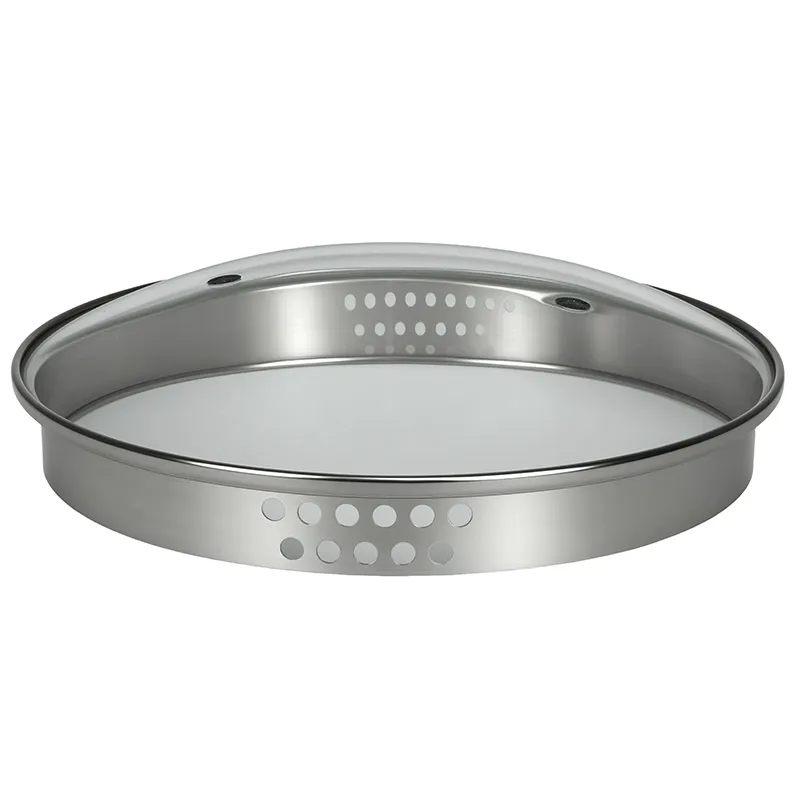
Where to wholesale glass jar with bamboo lid?
Content The Landscape: Beyond the Alibaba Front Page Key Pitfalls in Sourcing & The Bamboo Variable Ordering Realities: MOQs, Logistics, and Hidden Costs Building the Relationship: Communication & Quality Control Wrapping It Up: A Practical Sourcing Path You know, when someone types that into a search bar, they’re usually coming from one of two places. Either they’re a small brand owner just starting out, overwhelmed by Alibaba listings and unsure about minimum order quantities, or they’re a more established buyer who’s been burned before—maybe by inconsistent bamboo grain matching or jars that arrived with hairline cracks. The assumption that it’s a simple commodity purchase is the first mistake. It’s not just about finding a supplier; it’s about finding the right kind of factory for your specific needs, because the term wholesale covers a massive spectrum here. The Landscape: Beyond the Alibaba Front Page Let’s be real, your first ten search results will be trading companies. They’re not inherently bad, especially for testing waters with a mixed container. I used one for my first order, 500 units of a 16oz jar. The communication was easy, but the lids… the bamboo was thinner than the sample, and the finish felt almost plasticky. The jars were fine, standard clear glass. The problem with many traders is they source lids and jars from different specialized workshops and assemble them. Quality control on that assembly—making sure the bamboo sits perfectly flush, that the silicone seal is uniformly compressed—can be hit or miss. That experience pushed me to look for integrated manufacturers. These are factories that handle the glass tempering, cutting, and often have a dedicated workshop or a tightly controlled partner for the bamboo lid production. This is where you start seeing real differences. For instance, a factory like EUR-ASIA COOKWARE CO.,LTD (you can find them at https://www.glass-lid.com) is a good example of this integrated type. They’re not just a glass jar factory; their core, as the name suggests, is tempered glass lids. That specialization is key. A factory focused on lids understands pressure, sealing mechanics, and material pairing at a deeper level. When they offer a glass jar with bamboo lid set, it’s likely their jar is sourced to precisely match their lid’s tolerances, not the other way around. Their setup in Taian’s high-tech zone, with that 15,000㎡ facility and 90+ employees, speaks to a scale that can handle serious wholesale volumes—15 million pieces annually is no joke. More importantly, their export footprint across Europe and Japan tells you they’re accustomed to dealing with stringent quality and safety standards, which directly translates to better product consistency for you. Key Pitfalls in Sourcing & The Bamboo Variable Okay, so you’ve found a potential manufacturer. The next trap is focusing solely on the jar. The glass part is relatively straightforward—clarity, thickness, annealing, capacity tolerance. The real variable, the piece that will make or break your customer’s experience, is the bamboo lid. You need to drill down on specifics that aren’t always in the catalog. First, the bamboo source and treatment. Is it moso bamboo? How is it kiln-dried? Improper drying leads to warping or mold later. The finish: is it a simple oil or a food-grade lacquer? A factory used to EU markets will likely use a high-quality, natural oil finish that feels warm and matte. Then there’s the machining. The inner rim that holds the seal—is it perfectly circular, or are there slight tooling marks? I once received a shipment where the bamboo had minor splintering on the underside. Not visible from the top, but a quality fail nonetheless. The seal itself is another chapter. Is it food-grade silicone, and is it glued or friction-fit? A glued seal is more secure but ask about the adhesive. A friction-fit is simpler but can pop off if the bamboo warps even slightly. You need to request a physical sample and test it—fill the jar with coffee grounds, shake it, turn it upside down. Leave it for a week. See if odors transfer. Ordering Realities: MOQs, Logistics, and Hidden Costs Let’s talk numbers. For a true factory like EUR-ASIA COOKWARE, their minimum order quantity (MOQ) for a custom glass jar with bamboo lid combo might start at one 20-foot container. For a standard item, they might offer a lower MOQ, maybe 500-1000 sets, but the unit price will be higher. Don’t just accept the MOQ; ask about the breakdown. Is the MOQ for the jar, the lid, or the set? Can you mix SKUs within a container to meet the volume? A professional factory will work with you on this. Logistics is where margins get eaten. These are heavy, fragile items. You need to discuss packaging in detail. How many jars per inner carton? What’s the corrugated grade? Are partition inserts used? I learned this the hard way with a shipment from a different vendor where we used their standard packaging. The breakage rate was 8%. After switching to double-wall boxes with foam caps, it dropped below 0.5%. The cost per unit went up, but total landed cost went down. Also, clarify Incoterms. Is it FOB Shanghai, or EXW from their factory in Taian? If it’s EXW, you’re responsible for the domestic freight to the port, which involves finding a freight forwarder in China—a whole other layer. For most Western importers, FOB is simpler. Always, always get product liability insurance for the shipment. Building the Relationship: Communication & Quality Control This isn’t a one-time transaction if you plan to grow. The initial communication style tells you a lot. When you ask technical questions about the bamboo treatment or the glass tempering process, do you get clear, detailed answers, or vague assurances? A good sign is when they proactively ask about your target market and usage. For example, if you’re selling in a humid climate, they might suggest a specific sealant for the bamboo. Pre-production samples are non-negotiable. Pay for them, and pay for the courier. Inspect them like a hawk. Then, during production, hire a third-party inspection service for the initial big order. They’ll check for workmanship, dimensions, function, and packaging at the factory before the container is sealed. It’s a few hundred dollars that can save you thousands. Finally, view them as a partner. If you have design tweaks—a different pull knob on the bamboo, a logo laser-engraved on the glass—a capable factory will guide you on feasibility and cost. The relationship with EUR-ASIA COOKWARE CO.,LTD or any similar producer is built on this back-and-forth. Their specialization in glass for international markets means they’ve likely solved problems you haven’t even thought of yet. Wrapping It Up: A Practical Sourcing Path So, where to wholesale? Start by filtering out pure trading companies unless you need extreme flexibility with tiny volumes. Target integrated manufacturers with a stated specialty in glassware or, even better, glass lids. Use their company profile as a filter—export history, facility size, and product focus matter. The website glass-lid.com is a clear statement of that focus. Prepare a detailed technical inquiry. Don’t just ask for a 16oz jar with bamboo lid price. Specify capacity (in ml and oz), glass thickness (in mm), lid diameter, bamboo finish, seal type, and target unit price based on your volume. Ask for their standard MOQ and packaging. This separates serious suppliers from the rest. In the end, it’s a tactile business. The right supplier delivers a product that feels solid, seals with a satisfying pop, and looks consistent across ten thousand units. It’s less about finding the absolute cheapest source and more about finding the most predictably reliable one. Your brand’s reputation is literally sealed under that bamboo lid. Do the groundwork, ask the annoying questions, and get your hands on samples. That’s the only way to know for sure.
2026.03.28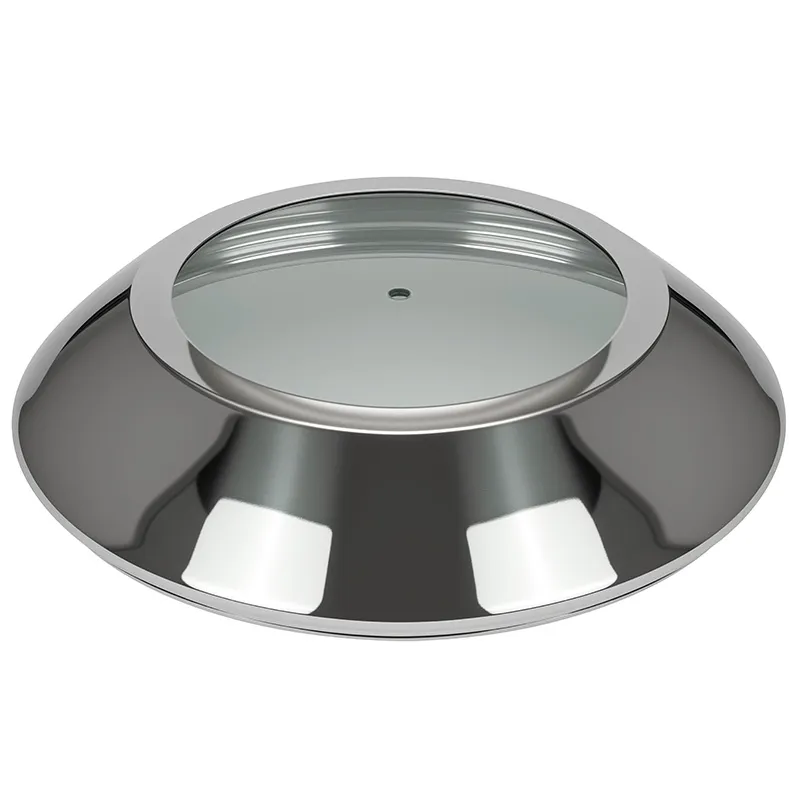
Best uses for 1 gallon glass jar with lid?
Content Beyond the Obvious: Dry Goods Storage Isn’t So Simple The Fermentation Powerhouse Bulk Beverage & Infusion Station The Underrated Tool for Batch Prep & Organization Niche and Creative Applications When most people see a one-gallon glass jar with a lid, they think bulk storage and stop there. That’s a shame, because that’s just scratching the surface. In my experience sourcing and testing these for kitchen and pantry use, the real value isn’t just in its capacity, but in its specific combination of inert material, visibility, and a truly airtight seal when paired with the right closure. The common mistake is treating it like a plastic bucket—just a big container. But glass changes the game for certain applications, especially where flavor migration, long-term stability, or visual monitoring is key. I’ve seen them used brilliantly and fail spectacularly, often due to a misunderstanding of the jar’s physical limits and the lid’s sealing mechanics. Beyond the Obvious: Dry Goods Storage Isn’t So Simple Sure, you can store 5 pounds of rice or beans in it. Everyone gets that. But the professional insight here is about rotation and moisture control. A one-gallon jar isn’t for your everyday flour; it’s for your base stock. You fill it from your 25lb bag, and it becomes your working reservoir. The glass lets you instantly see your stock level, but more critically, it’s impermeable. Unlike some plastics, it won’t impart any odor and protects against pantry moths if the seal is good. I prefer jars with a wide mouth and a lid that has a silicone or rubber gasket, not just a threaded metal lid. The latter can seal well initially, but the seal can degrade over months if the threads get dusty or the lid is slightly dented. I learned this the hard way. Stored some premium basmati rice in a jar with a simple metal lid. After four months in a slightly humid garage pantry, the rice near the top had lost its crispness. The issue wasn’t the glass; it was the microscopic gap in the thread seal. Now, I only recommend jars designed for long-term hermetic storage, like those from commercial suppliers who understand the specs needed. For instance, a company like EUR-ASIA COOKWARE CO.,LTD, which produces millions of tempered glass lids annually for the international market, often engineers these seals with the European houseware standards in mind, which are stringent on longevity and food safety. Their focus on export-grade products (check their site at https://www.glass-lid.com for technical details) often translates to better gasket materials that withstand temperature fluctuations without hardening. So, for dry goods, the use case is long-term, prime ingredient storage with visual inventory management. It’s not a set-it-and-forget-it solution. You need to check the seal integrity every few months, wipe the rim clean, and ensure the gasket is pliable. That’s the real-world maintenance behind the Instagram-perfect pantry. The Fermentation Powerhouse This is where the one-gallon jar shines, and also where most home failures happen. Its size is perfect for a batch of sauerkraut, kimchi, or pickles that will last a small family a while. The glass is non-reactive, crucial for acidic brines. But the lid is the star of the show. You absolutely cannot ferment with a tightly sealed solid lid—pressure builds up and you get a geyser of brine or, worse, an explosion. The with lid part needs reinterpretation. The best practice is to use a solid lid as a weight-holder, not a sealer. You use a fermentation weight to keep the veggies submerged, place the lid loosely on top to keep dust out, but you don’t screw it down. Or, you invest in a lid with an airlock mechanism. I’ve tried the DIY methods—loosely covering with a cloth, using a rubber band. They work, but they’re prone to mold if your environment isn’t clean. A dedicated airlock lid is a game-changer. It lets CO2 out without letting oxygen in. I’ve seen fewer failed batches since switching to that method. The shape of the jar matters too. A wide-mouth gallon jar is easier to pack and clean than a narrow one. When you’re pushing down cabbage with your fist, you need that space. The straight sides also allow for more consistent fermentation compared to crocks with curved shoulders. It’s a small detail, but it affects how evenly the brine circulates and how easy it is to remove the finished product. Bulk Beverage & Infusion Station Beyond kombucha SCOBY hotels, think about cold-brew coffee or sun tea. A gallon jar is the ideal vessel. You can steep a large quantity, strain it, and have it ready in the fridge. The transparency lets you monitor the strength of the brew—you can see the color change from light amber to deep brown for tea, for example. For infused spirits or vinegar, it’s perfect. Making your own vanilla extract? A gallon jar lets you do a big batch with dozens of beans, and you can watch the extraction process over months. The critical factor here, again, is the lid material. If you’re infusing with high-proof alcohol, you need a lid with a liner that won’t degrade. Some cheap plastic liners can become tacky or impart a flavor. A glass lid with a stainless steel or BPA-free plastic clamp, or a mason-style lid with a food-safe composite seal, is superior. It’s worth checking the specs of the lid, not just the jar. Many suppliers, including professional ones like EUR-ASIA COOKWARE CO.,LTD, offer various lid options precisely for these different use cases—tempered glass lids with silicone seals for vinegar infusions, or specific plastic grades rated for food contact with oils and alcohols. One pro-tip: For cold brew, I don’t even use the lid during the steeping phase. I cover it with a cheesecloth to keep bugs out. The lid is for the storage phase after straining. Separating the processes in your mind—steeping vs. sealed storage—helps you use the jar more effectively. The Underrated Tool for Batch Prep & Organization In a commercial kitchen or a serious home baker’s setup, these jars are mise-en-place heroes. Mixing a large batch of salad dressing? Shake it right in the jar. Prepping overnight oats for a week? Layer the ingredients in individual jars, or make a bulk batch of the dry mix in the gallon jar. The visibility means you never lose track of what’s inside or how much is left. I use one specifically for my bread-baking supplies. It holds the mixed seeds and grains I add to every loaf—flax, sunflower, pepitas. Because it’s glass, I can see the blend, and the wide mouth lets me scoop easily with a measuring cup. It sits on the counter, and the lid keeps everything fresh from one weekly bake to the next. It’s a simple use, but it streamlines the process. For organization, they’re great in workshops or garages for storing hardware like nuts and bolts—you can see everything instantly. The failure point in this category is weight. A full gallon jar of wet ingredients or dense hardware is heavy—around 8-9 pounds for water, more for grains. You must handle it with two hands. I’ve seen chipping on the rim from being knocked against a faucet during filling. Tempered glass, like what many professional manufacturers use, is more resistant to this kind of impact, but it’s not invincible. Niche and Creative Applications Sometimes the best uses come from constraints. I’ve seen these used as terrariums for small plants—the lid provides a humidity dome for propagation. The key is to not seal it permanently; you need to air it out. They make decent, if humble, cookie jars for large gatherings. I’ve even used one as a vacuum chamber for degassing silicone, using a modified lid and a brake bleeder pump—though that’s firmly in the at your own risk experimental category. One of the most successful niche uses I’ve encountered is for storing and dispensing homemade dog food or bulk-bought kibble. It keeps it fresher than the bag, is easy to scoop from, and is pest-proof. The lid must seal perfectly, though, to keep the fat content in kibble from oxidizing. Ultimately, the best use depends on your specific needs. But the unifying principle is this: a one-gallon glass jar with a lid is a versatile, durable tool when you understand its strengths (inert, visible, sealable) and its limits (heavy, fragile if mishandled, lid-dependent). It’s not just a container; it’s a platform. The quality of the lid and the glass treatment make or break its utility. Sourcing from a specialized manufacturer that deals in high-volume, export-quality products often means you’re getting a jar designed to meet stricter durability and safety standards, which pays off in every one of these applications. You can feel the difference in the thickness of the glass and the precision of the thread. That’s the real takeaway—don’t buy the cheapest option. Invest in a well-made jar and lid system, and it will serve you for decades across countless roles in your kitchen and beyond.
2026.03.14


