
- English
- French
- German
- Portuguese
- Spanish
- Russian
- Japanese
- Korean
- Arabic
- Irish
- Greek
- Turkish
- Italian
- Danish
- Romanian
- Indonesian
- Czech
- Afrikaans
- Swedish
- Polish
- Basque
- Catalan
- Esperanto
- Hindi
- Lao
- Albanian
- Amharic
- Armenian
- Azerbaijani
- Belarusian
- Bengali
- Bosnian
- Bulgarian
- Cebuano
- Chichewa
- Corsican
- Croatian
- Dutch
- Estonian
- Filipino
- Finnish
- Frisian
- Galician
- Georgian
- Gujarati
- Haitian
- Hausa
- Hawaiian
- Hebrew
- Hmong
- Hungarian
- Icelandic
- Igbo
- Javanese
- Kannada
- Kazakh
- Khmer
- Kurdish
- Kyrgyz
- Latin
- Latvian
- Lithuanian
- Luxembou..
- Macedonian
- Malagasy
- Malay
- Malayalam
- Maltese
- Maori
- Marathi
- Mongolian
- Burmese
- Nepali
- Norwegian
- Pashto
- Persian
- Punjabi
- Serbian
- Sesotho
- Sinhala
- Slovak
- Slovenian
- Somali
- Samoan
- Scots Gaelic
- Shona
- Sindhi
- Sundanese
- Swahili
- Tajik
- Tamil
- Telugu
- Thai
- Ukrainian
- Urdu
- Uzbek
- Vietnamese
- Welsh
- Xhosa
- Yiddish
- Yoruba
- Zulu
- Kinyarwanda
- Tatar
- Oriya
- Turkmen
- Uyghur


中国玻璃盖制造商和供应商:OEM、批发价格和定制解决方案
2026-10-16
选择合适的玻璃盖制造商 对于炊具品牌、厨具经销商、批发商、进口商和零售商来说,这是一个重要的决定。合适的供应商应该提供的不仅仅是有竞争力的价格。产品一致性、材料质量、尺寸精度、定制选项、生产能力和可靠的沟通也是建立长期供应关系的重要因素。
中国是多种厨具产品的重要采购目的地。寻找中国玻璃盖制造商的买家通常希望比较工厂能力、评估 OEM 服务、获得批发报价并找到能够满足其特定产品要求的供应商。无论采购要求涉及标准玻璃盖、24 厘米玻璃盖、Z 型玻璃盖设计还是定制玻璃盖,了解可用选项都有助于企业做出更好的采购决策。
作为玻璃盖制造商和供应商,为国际买家提供服务的公司应该能够解释其产品规格、可用配置、质量检验程序、包装选项和出口安排。这些细节可以帮助买家评估特定的玻璃盖工厂是否适合他们的目标市场和商业模式。
本指南解释了如何在中国选择玻璃盖供应商、批发购买玻璃盖时要考虑的因素、OEM 玻璃盖制造的工作原理以及影响玻璃盖价格的因素。它还讨论了产品尺寸、设计变化、质量要求和国际采购考虑因素。
无论您计划购买用于炊具生产、批发分销、自有品牌产品还是替代应用的玻璃盖,以下信息都可以帮助您准备更清晰的采购规格,并与潜在供应商更有效地沟通。
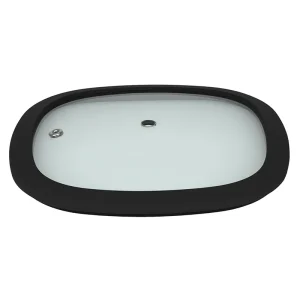
1. 了解玻璃盖及其应用
玻璃盖通常用于炊具和厨房用具,因为它们允许用户在烹饪过程中观察食物而无需打开盖子。根据产品设计,玻璃盖可与兼容的锅、平底锅、平底锅、烹饪容器或其他厨具产品一起使用。
对于制造商、进口商和分销商来说,选择合适的玻璃盖需要考虑的不仅仅是其整体直径。边缘的形状、手柄配置、安装方法、厚度、材料特性以及与预期炊具的兼容性都会影响产品的适用性。
1.1 什么是玻璃盖?
玻璃盖是主要由玻璃制成的盖子,设计用于兼容的容器或炊具产品。许多炊具盖都配有边缘或边缘组件、手柄或其他配件,可帮助用户提起和定位盖子。
不同的玻璃盖产品在形状、边缘处理、透明度、厚度和配件配置方面可能有所不同。一些设计是针对特定炊具模型开发的,而另一些设计则是按照标准化尺寸制造的,以适应更广泛的应用。
对于寻找中国玻璃盖供应商的买家来说,第一步是确定预期的应用。如果边缘结构不同,则为特定煎锅设计的盖子可能无法适合具有相同标称直径的锅。因此,买家应尽可能提供尺寸图纸、样品或详细的产品规格。
1.2 玻璃盖产品常见应用
玻璃盖用于多种厨具类别,包括:
- 煎锅和煎锅
- 烹饪锅和平底锅
- 精选砂锅和炊具产品
- 定制厨具系列
- 兼容炊具的替换盖
- 自有品牌炊具系列
玻璃盖的适用性取决于其实际设计和技术规格。买家应确认该产品是否适用于特定炊具系列、通用用途或定制应用。
专业的玻璃盖制造商应该能够审查买方的要求并确定在生产前需要确认哪些规格。
1.3 为什么产品兼容性很重要
兼容性是购买玻璃盖时最重要的因素之一。具有相同直径的两个盖子可能具有不同的边缘轮廓、底座尺寸或手柄间隙。
在下批量订单之前,买家应确认:
- 公称直径和实际安装尺寸
- 边缘或边缘设计
- 玻璃厚度和材料规格
- 手柄形状及安装方法
- 与预期炊具的兼容性
- 运输、储存的包装要求
这些检查有助于减少装配问题、产品退货以及交付后不必要的成本。
2.中国玻璃盖制造商:买家应该寻找什么
在寻找中国玻璃盖制造商时,国际买家应评估供应商的实际制造能力,而不是仅仅依赖营销描述。工厂是否适合取决于其设备、产品经验、质量管理、定制能力以及满足买家订单要求的能力。
2.1 制造经验和产品知识
具有相关玻璃盖经验的制造商可能会更好地讨论产品尺寸、边缘精加工、手柄组装、包装和质量检验。买家应索取与其需求直接相关的产品目录、技术图纸、样品或生产参考。
制造经验对于定制项目尤其重要。标准玻璃盖可能需要相对简单的规格,而定制设计可能涉及额外的工具、尺寸验证、样品批准和生产测试。
在比较供应商时,询问所提议的产品是现有型号还是需要开发的新设计。
2.2 产能及订单计划
生产能力应与买方的预期订单量和交货时间表相匹配。购买有限数量的小型经销商可能与为季节性产品发布订购多种尺寸的炊具品牌有不同的要求。
中国玻璃盖工厂应明确其可用的生产安排、最低订购量、样品交货时间、预计生产计划和旺季产能。
买家还应确认不同尺寸或配置是否可以组合在一个订单中。当推出新产品系列或测试多个炊具型号的需求时,这尤其有用。
2.3 质量管理与检验
质量管理应涵盖生产的相关阶段,从进料和加工到最终检验和包装。
根据产品和制造工艺,检查可能包括尺寸检查、目视检查、轮辋状况、手柄附件、外观一致性和包装验证。任何与耐热性、食品接触适用性或适用的市场法规相关的测试要求都应得到适当文件的同意和支持。
可靠的玻璃盖制造商应解释其执行哪些检查以及可以向买方提供哪些记录或报告。
2.4 沟通与技术支持
清晰的沟通有助于防止对规格、公差、包装和交付要求的误解。
在确认订单之前,买家应制定一份书面规格,涵盖产品型号、尺寸、材料要求、配件、标志或品牌、包装和验收标准。如果样品获得批准,生产订单应明确标识批准的样品或规格修订。
对于国际采购来说,在打样或生产过程中需要调整时,及时沟通尤为重要。
3. OEM玻璃盖制造商:为您的品牌定制产品
OEM 玻璃盖制造允许炊具品牌和厨具企业根据自己的规格采购产品。根据工厂的能力,定制可能涉及尺寸、轮辋配置、手柄、品牌、包装或其他产品功能。
对于开发自有品牌炊具系列的企业来说,与 OEM 玻璃盖制造商合作可以帮助使产品符合现有炊具设计和品牌要求。
3.1 什么是 OEM 玻璃盖制造?
OEM,即原始设备制造,通常是指根据客户的设计、规格或商定的产品要求生产商品。
在玻璃盖项目中,买方可以提供现有样品、技术图纸、尺寸规格或产品概念。然后制造商评估生产所需设计的可行性。
OEM 服务的具体范围因供应商而异。一些制造商可能会根据现有模具和标准组件提供定制服务,而其他制造商可能会支持更广泛的产品开发。在假设每种设计都可以生产之前,买家应确认可以提供哪些服务。
3.2 定制尺寸和尺寸
当炊具品牌需要适合不同锅和平底锅直径的盖子时,尺寸定制可能很重要。常见的标称尺寸可能包括 20 厘米、24 厘米、26 厘米、28 厘米和其他尺寸,具体取决于供应商的产品范围。
不应仅仅因为中国玻璃盖制造商列出了特定的标称尺寸而选择该制造商。买家还应确认实际装配尺寸和公差要求。
例如,24 厘米的玻璃盖可能指的是标称产品直径,但用于确定兼容性的尺寸可能取决于边缘设计和炊具结构。
提供技术图纸或物理样品通常是确认兼容性的最有效方法。
3.3 定制手柄和配件
手柄影响可用性、外观、组装要求和整体产品定位。根据设计,玻璃盖可以使用旋钮式手柄、不同的手柄轮廓或定制配件。
在请求 OEM 报价时,买家应指定首选的手柄材料、形状、颜色、安装方法和品牌要求。
如果手柄包含金属部件或其他材料,供应商应明确相关材料规格和任何适用的测试要求。
3.4 自有品牌和标志定制
自有品牌项目可能涉及徽标放置、品牌包装、产品标签或其他展示要求。
在批准定制订单之前,买家应确认徽标图案、印刷方法、包装设计、最小订购量以及任何额外的设置费用。供应商还应明确在重复订单期间如何控制已批准的艺术品和产品规格。
对于计划扩大炊具系列的品牌来说,不同玻璃盖尺寸的一致品牌可以改善产品展示并简化目录管理。
3.5 OEM 抽样和产品批准
打样是定制制造的重要阶段。它允许买家评估提议的产品是否符合预期的尺寸、外观、手柄配置和炊具兼容性。
典型的 OEM 流程可能包括:
- 提交产品图纸或参考样品。
- 确认技术要求和生产可行性。
- 审查报价、工具要求和样品成本。
- 评估样本并要求进行必要的调整。
- 在批量生产前批准最终规格。
买方和制造商应以书面形式就批准标准达成一致。这降低了最终生产批次交付时发生争议的风险。
4.批发玻璃盖供应商:批量采购
批发玻璃盖供应商为需要大量产品进行分销、零售、制造或其他商业应用的企业提供服务。批量采购可能会提供成本优势,但实际收益取决于订单量、规格、包装、物流和供应商的定价结构。
4.1 批发购买玻璃盖的好处
批发购买玻璃盖可以帮助进口商和分销商建立更稳定的产品供应。当可以从一个合格的供应商处采购多种尺寸或产品型号时,它还可以简化采购管理。
潜在优势包括:
- 更可预测的补货计划
- 协商基于数量的定价的机会
- 重复订单的产品规格保持一致
- 更有效地协调包装和运输
- 自有品牌产品的潜在定制
这些好处不是自动的。买方应比较总交付成本,并验证供应商能否维持约定的产品质量和交付时间表。
4.2 最小订购量
最小订购量,通常缩写为MOQ,是供应商在特定条件下愿意接受的最小订单。
最小起订量可能会有所不同,具体取决于产品型号、玻璃尺寸、边缘组件、手柄配置、包装和定制要求。标准产品的订购条件可能与新开发的 OEM 产品不同。
联系玻璃盖供应商时,询问每个型号的最小起订量以及是否可以在同一订单中包含混合尺寸。
对于新业务,试订单可能有助于评估需求和产品质量。对于老牌经销商来说,在考虑库存周转和仓储成本的情况下,较大的订单可能会提高采购效率。
4.3 混合尺寸批发订单
炊具经销商可能需要多种玻璃盖尺寸,而不是单一型号。混合尺寸订单有助于构建更完整的产品系列,并为具有不同炊具要求的客户提供支持。
在下订单之前,请确认每个尺寸是否有单独的最小起订量,供应商是否可以跨多个型号协调生产,以及产品是否可以单独包装和贴标签。
当多个盖子外观相似但安装尺寸不同时,准确的型号识别尤为重要。
4.4 批发包装要求
玻璃产品需要包装来帮助在处理、储存和运输过程中保护它们。包装要求取决于产品尺寸、重量、运输条件和买方的分销模式。
买家应与供应商讨论个别产品的保护、分隔物、纸箱强度、标签、托盘以及任何特殊处理说明。
对于出口订单,应在生产前商定包装计划。买方还应明确报价是否包括指定的包装材料。
5. 玻璃盖价格:成本由什么决定?
玻璃盖价格受到多个变量的影响,包括产品尺寸、材料规格、边缘处理、手柄配置、订单数量、包装、定制和运输安排。
有用的报价应清楚地表明所定价的产品以及价格适用的条件。比较两个价格而不比较规格可能会导致不准确的购买决策。
5.1 产品尺寸及材料要求
玻璃盖的尺寸会影响材料消耗、加工要求、包装尺寸和运输成本。
材料选择和所需的性能特征也可能影响制造过程。买家应指定预期应用和任何相关技术要求,而不是仅根据通用术语“玻璃盖”索取价格。
如果需要特定的材料标准或测试程序,应在报价请求中注明。
5.2 手柄和边缘配置
具有标准配置的玻璃盖可能具有与需要定制手柄、特殊边缘部件或额外组装操作的玻璃盖不同的成本结构。
当询问 Z 型玻璃盖或 C 型玻璃盖设计的价格时,如果术语描述了特定的产品几何形状,买家应提供参考图像或图纸。
这有助于供应商确定所请求的产品是否对应于现有型号或需要额外开发。
5.3 订购数量和批量定价
批发定价通常取决于订购数量。较大的订单可能会在更多的单位中分配某些设置或包装成本,尽管实际节省取决于制造工艺和供应商条款。
如果买家希望扩大采购规模,则应按几个实际数量索取报价。例如,将试用数量与计划的重复订单量进行比较可能有助于阐明供应商的定价结构如何变化。
任何基于数量的折扣都应在正式报价中确认,而不是假设。
5.4 定制和模具成本
OEM 项目可能涉及样品费用、模具、标志设置、定制组件或特殊包装。这些费用可以与单价分开报价。
在批准项目之前,请供应商区分一次性开发成本和经常性生产成本。还要确认协议是否涵盖工具所有权、存储、维护和未来使用。
当买家打算长期订购相同的定制玻璃盖时,这一点尤其重要。
5.5 运输、包装和进口成本
出厂价只是总采购成本的一部分。国际买家还应考虑包装、内陆运输、出口装卸、货运、保险(如适用)、关税、税款和目的地费用。
最终成本取决于运输方式、目的地、订单量、商定的贸易条款和适用的进口要求。
为了准确比较报价,请根据相同的产品规格、数量、包装要求、交货目的地和贸易条件请求报价。
5.6 如何索取准确的玻璃盖报价
详细的询价有助于制造商提供更相关的报价。
尽可能包含以下信息:
- 产品类型和预期应用
- 公称直径和所需的安装尺寸
- 玻璃和边缘规格
- 处理设计和材料要求
- 预计订单数量
- OEM 品牌和包装要求
- 目的地国家和首选运输条款
- 所需的交货时间表
- 测试或合规性文档(如果适用)
规格越齐全,就越容易比较不同玻璃盖制造商的报价。
6.中国玻璃盖厂:评估生产和供应能力
中国玻璃盖工厂可以提供标准产品、定制制造或两者的组合。合适的供应商取决于买方的技术要求、订单规模、交付期望以及持续产品开发的需求。
6.1 标准产品与定制产品
标准玻璃盖可能适合需要既定尺寸和配置的买家。当现有模型与预期应用相匹配时,这些产品可以降低开发要求。
当炊具设计需要特定的边缘轮廓、手柄布置、品牌处理或尺寸规格时,可能需要定制玻璃盖。
在评估工厂时,询问哪些所需的模型已经可用,哪些需要样品开发或工具。
6.2 设备及工艺能力
制造工艺取决于具体的玻璃盖设计和供应商的生产安排。买家应要求工厂解释哪些生产和精加工操作是在内部进行的,哪些(如果有)是由外部合作伙伴处理的。
这种区别有助于明确生产提前期、质量责任和协调要求。
如果项目需要特定的工艺、材料或检验方法,买方应在下订单之前验证供应商是否能够满足该要求。
6.3 重复顺序一致性
重复订单的一致性对于分销商和炊具品牌来说非常重要。尺寸、配件、外观或包装的差异可能会使库存管理变得复杂并引起客户投诉。
买方应建立受控产品规格并保留经批准的样品或参考图。除非正式同意变更,否则重复订单应参考相同的批准要求。
处理产品变更的记录流程可以帮助双方在采购量增加时保持一致性。
6.4 交货时间和生产排程
生产提前期取决于产品可用性、订单数量、定制、材料供应、包装要求和工厂的工作量。
对于标准产品,时间表可能与新 OEM 设计的时间表不同。买家应要求对样品开发、样品批准、批量生产和装运准备进行单独估算。
实际的生产计划应包括检查和包装的时间,而不是仅考虑制造时间。
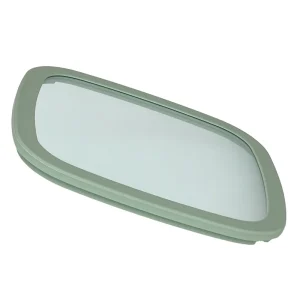
7. Z型玻璃盖和C型玻璃盖:设计注意事项
一些买家使用 Z 型玻璃盖和 C 型玻璃盖等术语来识别特定的产品设计。然而,这些表达方式可能不具有跨制造商的通用技术含义。应使用产品图纸、参考照片、样品或供应商型号来确认其准确解释。
7.1 了解 Z 型玻璃盖要求
在寻找 Z 型玻璃盖时,买家应首先确定字母“Z”描述的是产品的哪个部分。它可能指特定的配置文件、组件排列或客户特定的名称,具体取决于产品目录。
采购规格应确定相关的几何形状和尺寸,而不是仅仅依赖于型号名称。
如果产品用于现有炊具,提供样品或尺寸图可以帮助供应商确认兼容性。
7.2 了解 C 型玻璃盖要求
同样的原理也适用于C型玻璃盖产品。买家应明确“C 型”是指轮辋、边缘轮廓、手柄布置还是其他设计特征。
供应商应确认型号名称并解释 C 型和其他可用配置之间的任何相关差异。
如果同时需要 Z 型和 C 型盖,请为每个型号索取单独的规格和报价,以避免取样和生产过程中出现混乱。
7.3 比较不同的玻璃盖设计
比较两种设计时,评估影响实际使用和制造的因素:
- 外形尺寸及安装直径
- 轮辋轮廓和接触面积
- 玻璃厚度及边缘处理
- 手柄位置和间隙
- 与预期炊具的兼容性
- 可用的定制选项
- 包装及标识要求
清晰的比较有助于采购团队确定一种设计是否可以替代另一种设计,或者每个模型是否必须作为单独的产品进行维护。
7.4 批发订单的型号识别
当批发订单包含多种相似设计时,产品标识变得越来越重要。
每个型号都应有明确的产品代码、规格表和批准的参考。如果需要产品标签或纸箱标记,标签系统应与买方的库存和分销流程相匹配。
这些措施可以降低在生产、运输、仓储或转售过程中混合不同玻璃盖型号的风险。
8. 中国 24 厘米玻璃盖:尺寸、配合和采购要求
中国 24 厘米玻璃盖可能适合采购特定锅或平底锅尺寸的炊具盖的买家。然而,仅规定的直径并不能证明盖子适合所有标记为 24 厘米的炊具产品。
订购前,买家应确认公称直径的测量方法,并确定确定实际配合的尺寸。
8.1 确认正确的直径
产品的标称直径可能与其轮辋或配件结构中使用的每个测量值都相同。
例如,外径、内开口和底座尺寸可能不同。正确的测量取决于产品的设计及其适用的炊具。
当配件尺寸很关键时,买方应向供应商提供图纸或样品。
8.2 材料和结构规格
购买 24 厘米玻璃盖时,买家应指定所需的材料、厚度、边缘结构、手柄配置和其他相关功能。
任何有关热性能、耐温度变化或与特定烹饪方法的兼容性的声明都应得到适当的产品规格和测试的支持。
不要仅仅因为所有玻璃盖具有相同的标称直径就认为它们具有相同的性能特征。
8.3 批量订购 24 厘米玻璃盖
对于批发采购,买家应确认可用型号、最小起订量、生产提前期、包装安排和报价有效性。
如果 24 厘米玻璃盖将作为更大炊具系列的一部分出售,请检查供应商是否可以提供具有一致外观和规格的兼容尺寸。
对于自有品牌订单,买家还应确认所选型号是否可以进行品牌、包装或配件定制。
8.4 量产前样品测试
样品可以帮助验证实际配合、外观、手柄位置以及与预期炊具的兼容性。
如果需要,可能需要进行额外检查以确认尺寸、装配或相关性能特征。在批准样品之前,买方和供应商应就评估标准达成一致。
此流程有助于确保生产订单基于已确认的产品,而不是仅基于尺寸描述。
9. 玻璃盖出口商:从中国采购产品
与玻璃盖出口商合作可以帮助海外买家协调产品报价、出口文件、包装和装运安排。然而,买家应区分直接出口的制造商、贸易公司和使用外部制造合作伙伴的供应商。
只要职责明确,每种业务模式都可能适合不同的采购需求。
9.1 制造商还是贸易供应商?
制造商可以根据其业务结构提供对生产信息和技术讨论的直接访问。贸易供应商可以提供更广泛的产品范围或协调多个工厂的产品。
买家不应假设一种型号总是更好。相反,评估产品知识、质量控制、沟通、定价透明度以及供应商满足特定订单要求的能力。
询问谁负责产品检验、规格批准、包装以及处理交货后的任何质量问题。
9.2 出口文件和运输准备
国际运输可能需要商业发票、装箱单、运输文件和其他文件,具体取决于目的地、交易结构和适用的法规。
买家应在发货前与供应商及其货运代理或报关行确认所需的文件。
产品描述、数量、包装信息和其他装运详细信息应在相关文件中保持一致。
9.3 国际运输的包装玻璃盖
由于玻璃盖容易受到撞击和边缘损坏,因此应根据产品设计和运输条件选择出口包装。
包装计划可能包括个人保护、分隔物、加固纸箱、托盘和清晰的处理说明。适当的解决方案取决于发货尺寸、运输方式和买方的收货安排。
如果可能,买家应在批量生产前检查包装规格,并讨论仓库搬运或零售展示的任何特殊要求。
9.4 交货条款和责任
买方和供应商应就交货期限、指定目的地、运输责任和适用费用达成一致。
不同的贸易术语对责任的分配不同。因此,报价应明确说明包含哪些成本和服务,而不是简单地将报价描述为出厂价或交货价。
对于重复订单,保持一致的交货要求可以帮助采购团队更有效地比较成本并计划库存。
10. 优质玻璃盖供应商:质量控制和产品可靠性
高质量的玻璃盖供应商应该能够解释如何将产品要求转化为检验标准。质量应该通过可测量的规范和相关证据来评估,而不是仅仅通过一般描述。
适当的质量要求取决于预期的炊具应用以及产品的材料和结构。
10.1 目视检查
目视检查可以识别划痕、缺口、裂纹、不规则边缘状况、外观不一致或与产品规格相关的其他缺陷。
验收标准应定义哪些条件可以接受,哪些条件需要拒绝或采取纠正措施。当玻璃盖以零售品牌销售时,这一点尤其重要。
检验方法和抽样频率应根据产品的风险等级和订单要求商定。
10.2 尺寸检验
尺寸检查有助于验证产品是否符合批准的图纸或规格。
相关测量可包括标称直径、配件尺寸、轮辋几何形状、厚度和其他设计特定特征。
对于定制订单,买方应在生产前建立适当的公差。当关键测量和允许的变化尚未定义时,供应商无法可靠地评估尺寸一致性。
10.3 手柄和装配检查
If a glass lid includes a handle or other assembled components, the relevant inspection requirements should be documented.
Depending on the design, checks may cover attachment, alignment, appearance, and the ability to meet specified functional requirements.
Any load, durability, or performance test should use an agreed method and acceptance criteria appropriate to the actual product.
10.4 Material and Performance Documentation
Some buyers may require documentation concerning material composition, food-contact suitability, thermal performance, or compliance with destination-market requirements.
The applicable requirements depend on the product design and intended market. Buyers should identify the specific regulations or standards relevant to their business and ask the supplier to provide suitable supporting documents.
General quality statements should not be treated as substitutes for product-specific test reports or compliance documentation.
10.5 Managing Defects and Corrective Actions
Before placing a significant order, buyers should clarify how nonconforming products will be documented and handled.
An agreed process may cover defect reporting, photographs, inspection records, investigation, corrective action, replacement arrangements, and responsibility for associated costs.
Clear procedures are useful for both parties because they reduce uncertainty when a quality issue occurs.
11. How to Buy Glass Lids from China: A Step-by-Step Guide
For importers and distributors, the process of buying glass lids from China begins with defining the product requirement and ends with verifying the delivered goods. A structured purchasing process can reduce misunderstandings and help buyers compare suppliers more accurately.
Step 1: Define Your Product Requirements
Start by identifying the intended cookware application, required diameter, rim configuration, handle design, material requirements, and target quantity.
If the product is based on an existing model, provide photographs, a sample, a drawing, or the original model number. This is particularly important for products described as Z type glass lid, C type glass lid, or other model-specific designs.
Step 2: Identify Suitable Manufacturers and Suppliers
Search for suppliers whose product range and capabilities match your requirements.
Review product catalogs, technical information, available customization options, and the supplier’s explanation of its manufacturing or sourcing arrangements.
Avoid relying exclusively on a website description. Request evidence relevant to the product and order you intend to purchase.
Step 3: Request Comparable Quotations
Send the same specification to each candidate supplier. Ask for unit prices at the relevant quantities, MOQ, sample charges, tooling costs if applicable, packaging details, production lead time, and shipping terms.
A standardized request makes it easier to compare offers without confusing differences in product scope or delivery conditions.
Step 4: Evaluate Samples
If the product is important to fit or appearance, request a sample before confirming mass production.
Check the sample against the agreed requirements, including dimensions, rim structure, handle arrangement, and compatibility with the cookware.
Record any approved adjustments in the final specification.
Step 5: Confirm the Order in Writing
The purchase order should identify the product model, specifications, quantity, price, packaging, delivery schedule, and applicable terms.
For OEM products, also confirm artwork approval, tooling arrangements, and the version of the approved drawing or sample.
Step 6: Arrange Inspection and Shipment
Before shipment, verify that the agreed inspection and packaging requirements have been completed. Confirm the shipping documents, carton information, and delivery arrangements.
For large or customized orders, consider whether an agreed pre-shipment inspection is appropriate.
Step 7: Review the Delivered Products
After receiving the shipment, inspect the goods according to the agreed acceptance criteria. Document any discrepancies and communicate them to the supplier promptly.
Maintaining inspection records can help improve subsequent orders and support a more consistent long-term purchasing relationship.
12. How to Choose the Right Glass Lid Manufacturer for Your Business
The best glass lid manufacturer is not necessarily the supplier offering the lowest quoted price. Buyers should evaluate the overall suitability of the product, the reliability of the supply arrangement, and the total cost of ownership.
12.1 Match the Supplier to Your Business Model
A retailer purchasing standard replacement lids may prioritize available sizes, order flexibility, and packaging. A cookware brand developing a private-label collection may prioritize OEM customization, design control, and repeat-order consistency.
An importer handling large wholesale volumes may place greater emphasis on production planning, shipment coordination, and quality documentation.
Defining your business priorities helps narrow the supplier selection process.
12.2 Compare Total Cost Instead of Unit Price Alone
A lower unit price may not represent better value if the product requires additional packaging, has a longer lead time, or does not meet the required specification.
Compare quotations using the same dimensions, material requirements, accessories, order quantity, inspection standards, and delivery terms.
Where relevant, include freight, import charges, inspection costs, and potential inventory expenses in the comparison.
12.3 Evaluate Long-Term Supply Stability
For repeat purchases, consider whether the supplier can maintain consistent specifications, provide clear communication, and manage future changes.
Discuss how product revisions will be documented, how approved samples will be retained, and how the supplier will communicate changes to materials or components.
A well-defined process can be more valuable over time than a small initial price difference.
12.4 Confirm Customization Limits
Not every supplier can accommodate every design. Before selecting an OEM glass lid manufacturer, confirm the actual customization options, tooling requirements, development schedule, and technical limitations.
A supplier that clearly explains what is feasible can help the buyer make better decisions and avoid unnecessary development costs.
13. Product Planning for Glass Lid Distributors and Retailers
Businesses building a glass lid product range should consider how individual models fit into their overall catalog. A structured product range can make purchasing, storage, sales, and replenishment more efficient.
13.1 Organizing Products by Size
A size-based catalog helps customers identify products that match their cookware. Each model should have clearly documented nominal dimensions and fitting specifications.
If the range includes a 24 cm glass lid and other sizes, use consistent product naming and measurement conventions across the catalog.
Avoid describing two models as interchangeable unless their compatibility has been verified.
13.2 Organizing Products by Design
If the product range includes Z type glass lid and C type glass lid models, document the difference between the designs using clear photographs and technical specifications.
Where the model names are customer-specific, explain the relevant geometry instead of assuming that every buyer understands the same terminology.
This is especially important for wholesale catalogs that serve customers in multiple countries.
13.3 Planning Inventory and Replenishment
Inventory planning should reflect demand, supplier lead times, minimum order quantities, and the number of product variations.
Ordering every available model in large quantities may increase storage costs and create slow-moving inventory. A phased purchasing strategy can help businesses evaluate demand before expanding the product range.
For repeat orders, maintaining accurate sales and stock records can improve forecasting and supplier coordination.
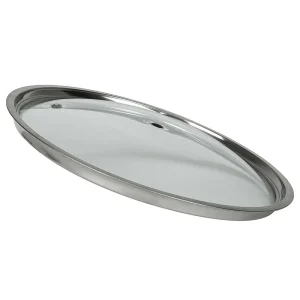
14. Why Clear Specifications Improve Glass Lid Purchasing
A detailed product specification is one of the most effective tools for improving communication between a buyer and a manufacturer. It provides a shared reference for quotations, sampling, production, inspection, and repeat orders.
14.1 Avoiding Ambiguous Product Names
Terms such as China glass lid cover, China glass cover lid, and glass lid product may describe similar product categories, but they do not always identify a precise model.
When contacting a supplier, use a model number or technical drawing whenever possible. Product names can support search and catalog organization, but they should not replace critical dimensions and design details.
14.2 Establishing Acceptance Criteria
The specification should identify the measurements and product characteristics that determine whether the goods are acceptable.
Depending on the design, this may include dimensions, permitted tolerances, appearance standards, handle assembly, packaging, and required documentation.
Clearly defined acceptance criteria help prevent disagreements after production.
14.3 Maintaining Specification Records
Keep the approved specification, sample reference, quotation, and purchase order together. If a product changes, record the revision and confirm the change with the relevant parties.
This is particularly useful for OEM products and recurring wholesale orders, where the same model may be purchased several times over an extended period.
15. Frequently Asked Questions About China Glass Lid Manufacturers and Suppliers
Q1. How do I find a reliable China glass lid manufacturer?
Start by identifying suppliers with relevant products and technical capabilities. Request product specifications, samples, quotations, and information about inspection procedures. Confirm the supplier’s manufacturing or sourcing arrangements and compare offers using the same product requirements.
Q2。 Can I buy glass lids wholesale from China?
Wholesale purchasing may be available for standard and customized products, depending on the supplier. Buyers should confirm MOQ, quantity-based pricing, packaging requirements, lead time, and shipment terms before placing an order.
Q3。 What factors affect glass lid price?
The main factors include product size, material requirements, rim design, handle configuration, order quantity, customization, packaging, and shipping arrangements. For an accurate quotation, provide a detailed specification and the expected purchasing quantity.
Q4。 Does a glass lid manufacturer offer OEM services?
Some manufacturers offer OEM services such as customized dimensions, handle configurations, branding, or packaging. The available options vary by supplier. Confirm whether the required design is an existing model or needs new tooling and sample development.
Q5. How do I select a 24 cm glass lid?
Confirm the nominal diameter and the actual fitting dimensions required by the cookware. Check the rim profile, handle arrangement, and other relevant specifications. If compatibility is important, provide a sample or drawing and evaluate a production sample before placing a bulk order.
Q6. What is the difference between Z type glass lid and C type glass lid?
The meaning of these terms depends on the supplier’s product classification. Buyers should request drawings or photographs that identify the relevant design differences. Do not assume that the labels describe standardized geometries across all manufacturers.
Q7. How can I compare glass lid suppliers?
Compare product specifications, quality controls, customization capabilities, MOQ, unit pricing, lead time, packaging, communication, and delivery terms. A supplier comparison is meaningful only when the offers cover equivalent products and purchasing conditions.
Q8. Can I order glass lids with custom branding?
Some suppliers support private-label projects involving logos, labels, or customized packaging. Confirm the available methods, artwork requirements, minimum quantities, setup costs, and approval process before production.
Q9. What information should I provide when requesting a quotation?
Provide the product type, dimensions, drawing or reference sample, material requirements, handle specifications, order quantity, packaging preferences, destination country, delivery expectations, and any required compliance documentation.
Q10. How should glass lids be packaged for export?
Packaging should be appropriate for the product’s dimensions, edge structure, shipping conditions, and handling requirements. Discuss individual protection, separators, carton specifications, and palletization with the supplier before mass production.
Q11. Should I request samples before buying glass lids wholesale?
Samples are particularly useful when the lid must fit specific cookware or meet customized appearance and dimensional requirements. Agree on the evaluation criteria before approving the sample for mass production.
Q12. How can I reduce purchasing costs when sourcing glass lids from China?
Provide complete specifications, compare quotations at realistic order quantities, evaluate standard models before commissioning custom designs, and plan packaging and shipping early. Consider total delivered cost rather than unit price alone.
Conclusion: Choose the Right China Glass Lid Manufacturer and Supplier
Finding a suitable China glass lid manufacturer and supplier requires a balanced evaluation of product specifications, manufacturing or sourcing capabilities, customization options, quality management, wholesale pricing, and export arrangements.
For buyers seeking standard glass lids, the priority is to confirm dimensions, compatibility, availability, and order conditions. For OEM projects, a clear technical specification, approved sample, and documented production requirements are essential. For wholesale buyers and importers, MOQ, packaging, lead time, and total delivered cost should be considered alongside the quoted unit price.
Whether you are sourcing a 24 cm glass lid, comparing Z type and C type designs, developing a private-label cookware collection, or looking for a long-term glass lid exporter, a structured purchasing process can help reduce uncertainty and improve supplier coordination.
Before placing an order, prepare your product requirements, request comparable quotations, verify the relevant specifications, and agree on inspection and delivery conditions. These steps provide a stronger basis for selecting a supplier that matches your business needs and supports consistent purchasing over time.
Looking for a glass lid supplier for your next project? Prepare your product drawings or reference samples, required quantities, customization details, and destination information to request a quotation tailored to your purchasing requirements.







