- Chinese
- French
- German
- Portuguese
- Spanish
- Russian
- Japanese
- Korean
- Arabic
- Irish
- Greek
- Turkish
- Italian
- Danish
- Romanian
- Indonesian
- Czech
- Afrikaans
- Swedish
- Polish
- Basque
- Catalan
- Esperanto
- Hindi
- Lao
- Albanian
- Amharic
- Armenian
- Azerbaijani
- Belarusian
- Bengali
- Bosnian
- Bulgarian
- Cebuano
- Chichewa
- Corsican
- Croatian
- Dutch
- Estonian
- Filipino
- Finnish
- Frisian
- Galician
- Georgian
- Gujarati
- Haitian
- Hausa
- Hawaiian
- Hebrew
- Hmong
- Hungarian
- Icelandic
- Igbo
- Javanese
- Kannada
- Kazakh
- Khmer
- Kurdish
- Kyrgyz
- Latin
- Latvian
- Lithuanian
- Luxembou..
- Macedonian
- Malagasy
- Malay
- Malayalam
- Maltese
- Maori
- Marathi
- Mongolian
- Burmese
- Nepali
- Norwegian
- Pashto
- Persian
- Punjabi
- Serbian
- Sesotho
- Sinhala
- Slovak
- Slovenian
- Somali
- Samoan
- Scots Gaelic
- Shona
- Sindhi
- Sundanese
- Swahili
- Tajik
- Tamil
- Telugu
- Thai
- Ukrainian
- Urdu
- Uzbek
- Vietnamese
- Welsh
- Xhosa
- Yiddish
- Yoruba
- Zulu
- Kinyarwanda
- Tatar
- Oriya
- Turkmen
- Uyghur


1 gallon glass jar with lid
When you hear '1 gallon glass jar with lid', most people picture a simple, bulky jar for pickles or bulk storage. That's the common trap – thinking it's just a commodity item. In reality, the spec sheet for a proper one-gallon jar, especially for commercial or serious home use, tells a different story. The thickness of the glass, the sealing mechanism of the lid, the annealing process to prevent stress points – these aren't just details, they're what separate a jar that lasts for years from one that cracks under thermal shock or fails to seal. I've seen too many operations, from small-batch kombucha brewers to delis, get this wrong initially, opting for the cheapest option only to face product loss later. It's a foundational piece of equipment, not an afterthought.
The Anatomy of a Reliable Gallon Jar
Let's break down what you're actually looking at. The glass itself should be soda-lime glass, typically tempered for strength. But 'tempered' isn't a binary yes/no. It's about the cooling cycle. A jar that cools too quickly might have internal stresses that show up only when you pour hot liquid into it. I recall a batch from a supplier years ago that had a 5% failure rate upon first hot-fill – not obvious at inspection, but catastrophic in use. The ideal wall thickness for a 1 gallon glass jar with lid meant for food storage is around 4-5mm. Thinner feels cheap and risks breakage; thicker becomes prohibitively heavy and expensive without real benefit for most applications.
The mouth opening is another critical, often overlooked, dimension. A wide mouth (around 100mm or more) is versatile for filling and cleaning, but a narrower mouth can be better for liquids you pour, reducing spillage. The finish – that's the top rim where the lid seats – needs to be perfectly smooth and even. Any tiny chip or irregularity there is a guaranteed leak path. I've run my finger around the rim of countless jars, and you'd be surprised how many fail this simple test.
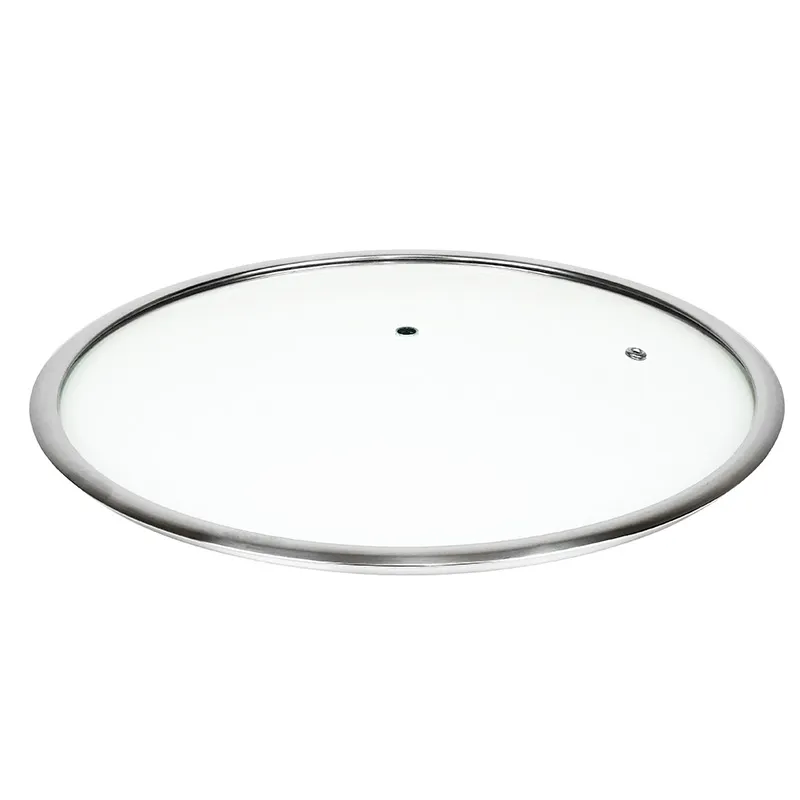
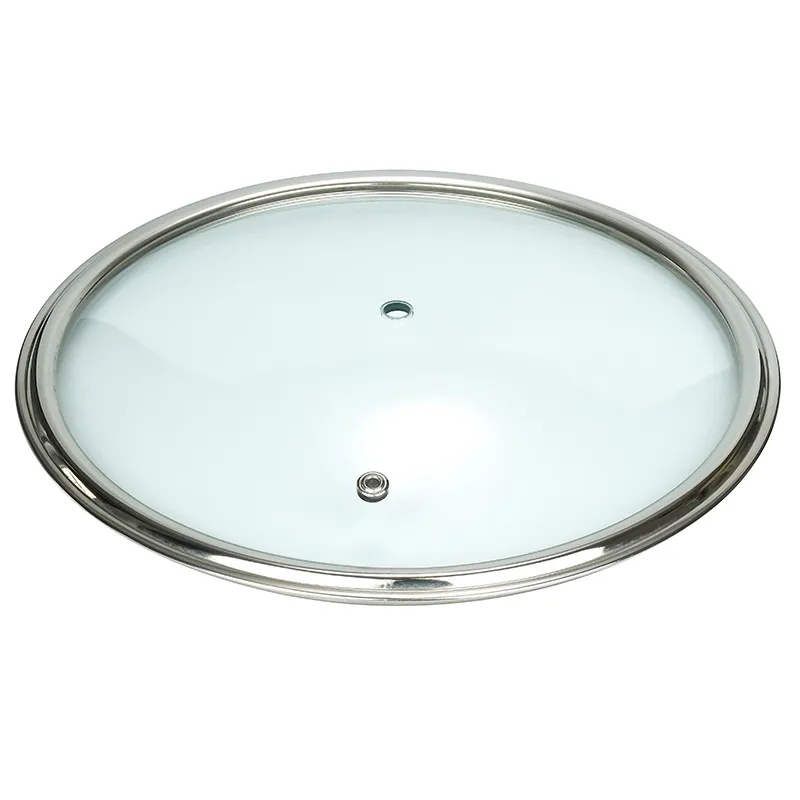
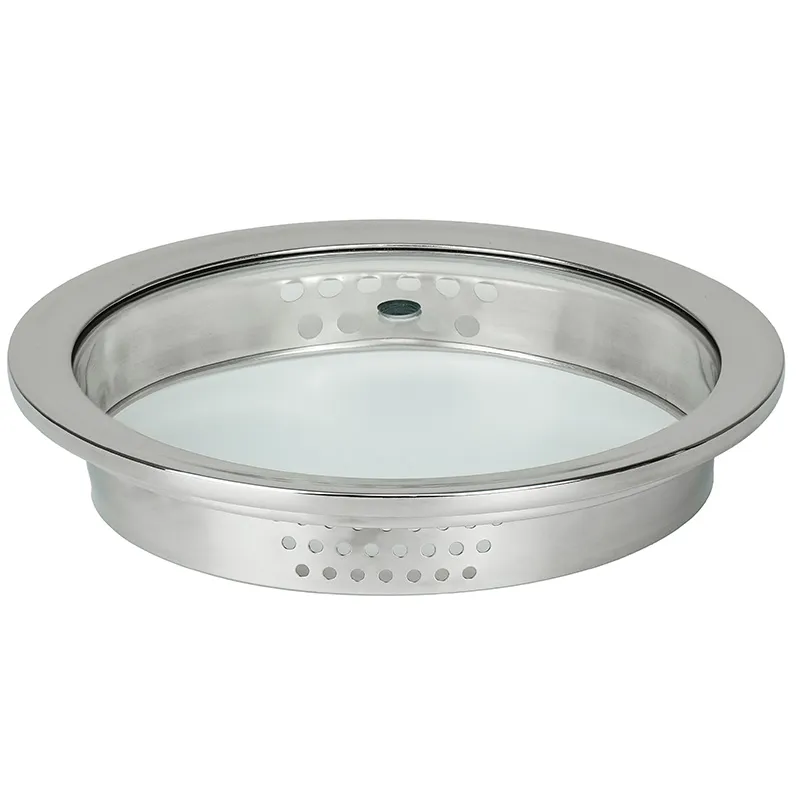
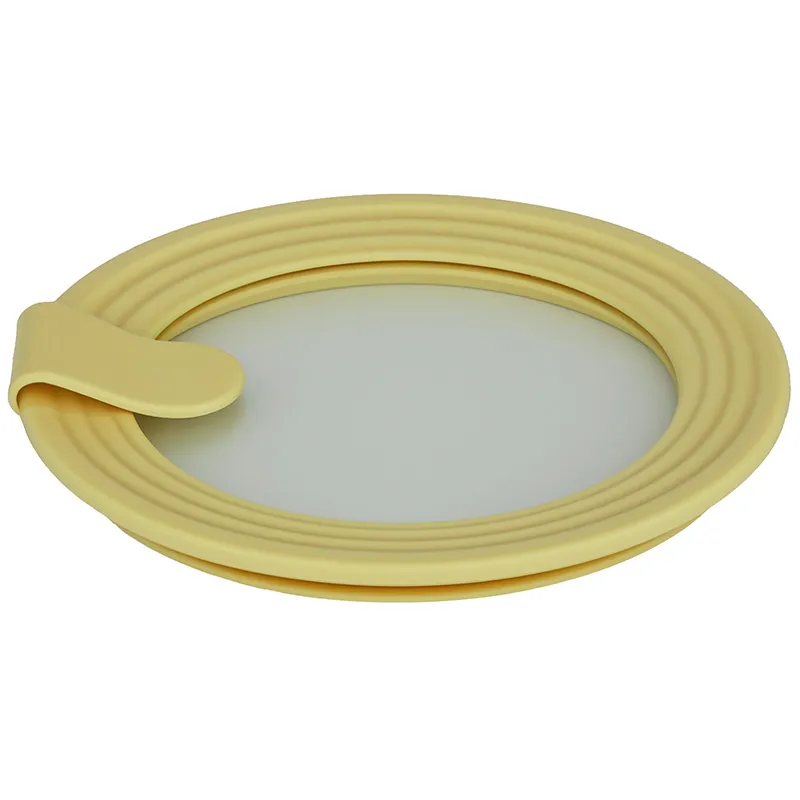
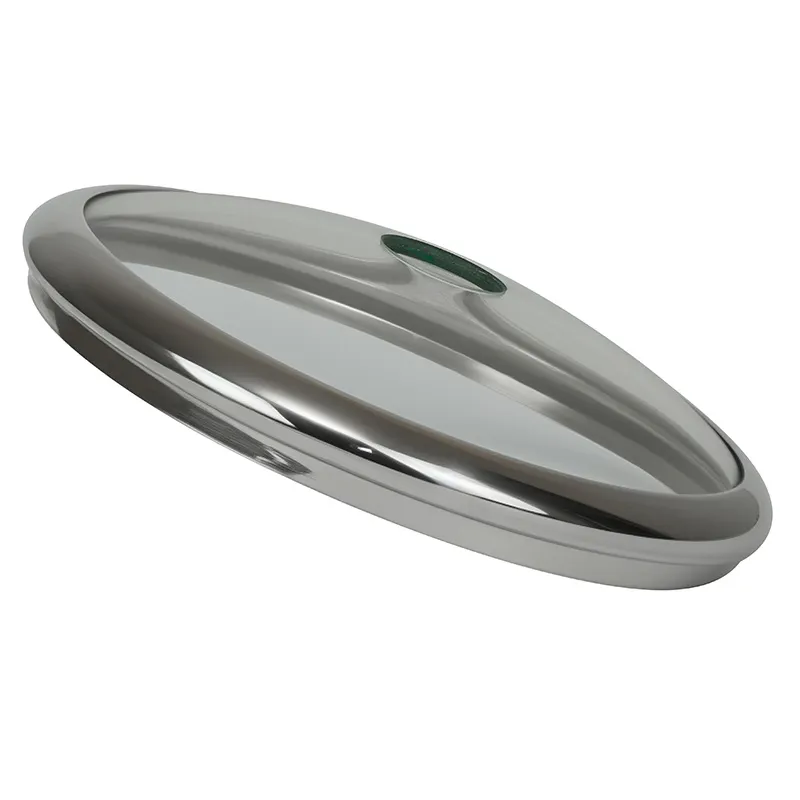
Then there's the lid. The classic two-piece Mason-style lid with a separate flat disc and screw band is the gold standard for canning because it allows for a vacuum seal. But for dry storage or fermenting, a single-piece plastic or stainless steel lid with a silicone gasket is often more practical. The gasket material matters – pure silicone is food-safe and durable, while cheaper PVC or rubber compounds can degrade and impart odors. A company like EUR-ASIA COOKWARE CO.,LTD, which specializes in glass and lid systems, understands this interplay. Their production of over 15 million tempered glass lids annually suggests they've dialed in the consistency needed for the lid to mate perfectly with the jar's finish, a non-negotiable for leak-proof performance.
From Factory Floor to Practical Use
Seeing these made gives you respect for the process. In a facility like the one EUR-ASIA COOKWARE CO.,LTD operates in Taian, the glass is cut, formed, and then goes through a lehr – a long, temperature-controlled annealing oven. This step is crucial to relieve the stresses from molding. Rushing this step is where quality fails. The lids, especially the metal screw bands or plastic caps, are manufactured to tight tolerances. The threading must match the jar's glass threads precisely; cross-threading a glass jar is a quick way to ruin it. Their export focus to markets like Germany and Japan, known for stringent quality checks, implies their specs have to be on point.
In practical terms, what does this mean for you? If you're using it for fermenting sauerkraut or kimchi, you need a lid that can handle off-gassing. A solid seal will blow up your jar. You need an airlock lid or at least a lid you can burp. For storing dry goods like flour or beans, the seal just needs to be pest-proof and airtight. For decorative or retail display, clarity and lack of visual defects (bubbles, streaks) become paramount. One project involved using 1 gallon glass jar with lid units as bulk dispensers for granola in a cafe. The failure point wasn't the jar, but the plastic pour spout lid we sourced separately – it didn't seal well, letting the granola go stale. Lesson: consider the entire system, not just the jar.
Weight is a real factor. A full gallon jar weighs over 10 pounds. Handling it, especially when wet or slippery, demands a good grip. Some designs incorporate molded-in handles or a pronounced shoulder to grip. Others don't. This is a design choice that affects utility. For a commercial kitchen where staff are moving these frequently, a handle or at least a textured surface is a safety and ergonomics feature, not a luxury.
Common Pitfalls and Misapplications
The biggest mistake is assuming all gallon jars are created equal. They're not. The cheap ones you find in big-box stores are often made from thinner, non-tempered glass. They're fine for holding pens on a desk or storing cold water in the fridge. But try using one for sun tea (thermal shock from hot sun on cool glass) or for a vigorous ferment, and you're asking for trouble. I've cleaned up more than one sticky, glass-laden mess from a failed fermentation jar.
Another pitfall is cleaning. These are large, heavy, and hard to fit in most home dishwashers. If you use them for anything oily or with residue (like honey or vinegar), hand-washing with a bottle brush is a must. And if you use metal utensils to scoop contents, you risk scratching the interior glass. While glass is non-porous, deep scratches can harbor bacteria. It's a small thing, but it matters for food safety.
Compatibility is a hidden issue. Not all lids fit all jars, even if they're both labeled one gallon. Thread patterns can differ slightly between manufacturers. If you're buying jars and lids separately, you're rolling the dice. This is where sourcing from a integrated manufacturer makes sense. If you look at a supplier's portfolio like the one at https://www.glass-lid.com, you see they produce the lids and, presumably, partner with jar producers or produce the jars themselves. This vertical integration is what ensures a reliable seal. It's why their products can meet the export standards for European and Asian markets where such mismatches would be immediate grounds for rejection.
Sourcing and the Value of a Specialized Supplier
Where you get these jars dictates what you get. For small quantities, retail is your only option, and you take what's available. For larger volumes – say, for a small food business needing 50 or 100 units – going directly to a manufacturer or a specialized distributor changes the game. You can specify glass thickness, mouth diameter, and lid type. You can request samples to test for your specific application (hot fill, cold fill, pressure, etc.).
A company like EUR-ASIA COOKWARE CO.,LTD isn't just selling a jar; they're selling a precision component. Their specialization in low- medium- high level household glass products means they have the capability to produce to different quality and price tiers. A high-level jar for them would be one with impeccable clarity, perfect annealing, and a lid with a high-grade silicone gasket and durable, food-grade plastic or stainless steel. Their massive annual output capacity means they're set up for large, consistent orders, which is why they serve export markets. For a buyer, this scale often translates to better consistency unit-to-unit, which is vital if you're packaging a product for sale.
When evaluating, don't just look at the product photo. Ask for the technical data sheet: weight, dimensions, glass type, lid material, gasket material, thermal shock resistance rating. A reputable supplier will have this. If they don't, that's a red flag. The fact that over 90% of EUR-ASIA's output is exported tells me they are likely accustomed to providing such specs to buyers who demand them.
Wrapping It Up: Thought Before Purchase
So, before you just search for '1 gallon glass jar with lid' and buy the top result, pause. Define the use case. Is it for storage, fermentation, display, or packaging? Will it handle thermal changes? How important is absolute clarity? What's your cleaning process? Your answers will point you to the right tier of product.
Investing in a well-made jar from a specialized producer isn't about being fancy; it's about risk mitigation. A broken jar means lost product, a cleanup hazard, and potential downtime. A poor seal means spoiled ingredients. In the long run, the cost difference between a mediocre jar and a good one is negligible, but the performance difference is enormous.
It comes down to treating the humble 1 gallon glass jar with lid as a piece of equipment. When you do that, you start to appreciate the engineering and material science that goes into a good one. You start looking at suppliers not as commodity vendors, but as partners who understand that the lid must seal, the glass must not fail, and the whole unit must perform a job, day in and day out. That's the professional mindset, and it saves a lot of headache down the line.
Related Products
Related Products