- Chinese
- French
- German
- Portuguese
- Spanish
- Russian
- Japanese
- Korean
- Arabic
- Irish
- Greek
- Turkish
- Italian
- Danish
- Romanian
- Indonesian
- Czech
- Afrikaans
- Swedish
- Polish
- Basque
- Catalan
- Esperanto
- Hindi
- Lao
- Albanian
- Amharic
- Armenian
- Azerbaijani
- Belarusian
- Bengali
- Bosnian
- Bulgarian
- Cebuano
- Chichewa
- Corsican
- Croatian
- Dutch
- Estonian
- Filipino
- Finnish
- Frisian
- Galician
- Georgian
- Gujarati
- Haitian
- Hausa
- Hawaiian
- Hebrew
- Hmong
- Hungarian
- Icelandic
- Igbo
- Javanese
- Kannada
- Kazakh
- Khmer
- Kurdish
- Kyrgyz
- Latin
- Latvian
- Lithuanian
- Luxembou..
- Macedonian
- Malagasy
- Malay
- Malayalam
- Maltese
- Maori
- Marathi
- Mongolian
- Burmese
- Nepali
- Norwegian
- Pashto
- Persian
- Punjabi
- Serbian
- Sesotho
- Sinhala
- Slovak
- Slovenian
- Somali
- Samoan
- Scots Gaelic
- Shona
- Sindhi
- Sundanese
- Swahili
- Tajik
- Tamil
- Telugu
- Thai
- Ukrainian
- Urdu
- Uzbek
- Vietnamese
- Welsh
- Xhosa
- Yiddish
- Yoruba
- Zulu
- Kinyarwanda
- Tatar
- Oriya
- Turkmen
- Uyghur


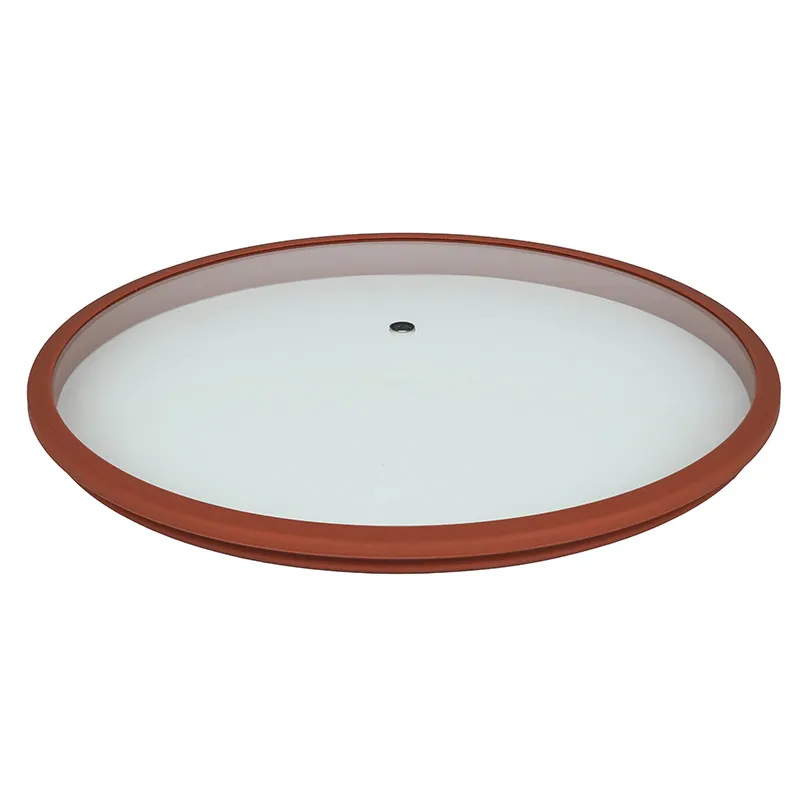
10 inch frying pan with glass lid
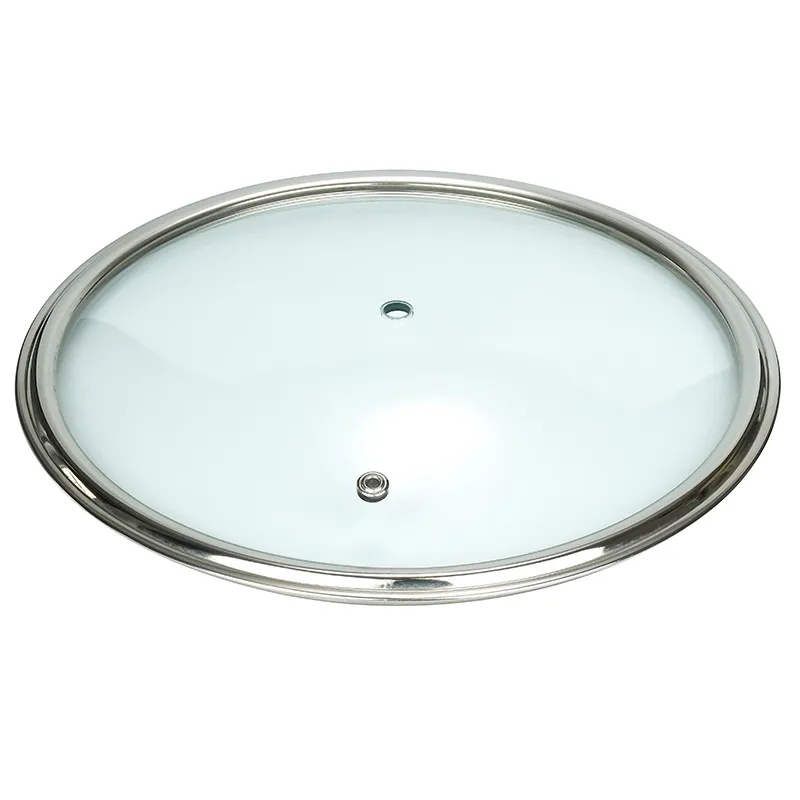
When you hear '10 inch frying pan with glass lid', most folks picture a neat kitchen set. But in the trade, that phrase often glosses over the real nuances. It's not just a pan and a see-through top; it's a specific balance of thermal dynamics, safety margins, and user habit that most marketing copy gets wrong. I've seen too many designs that look good on a shelf but fail on a domestic stove, usually because someone prioritized aesthetics over the physics of cooking.
The Core Misconception About Glass Lids
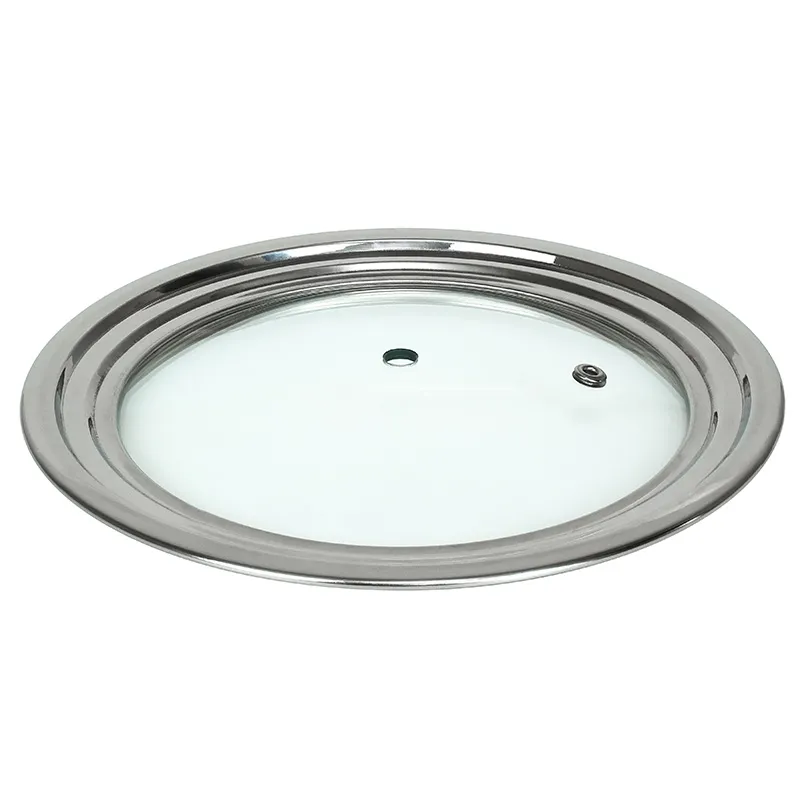
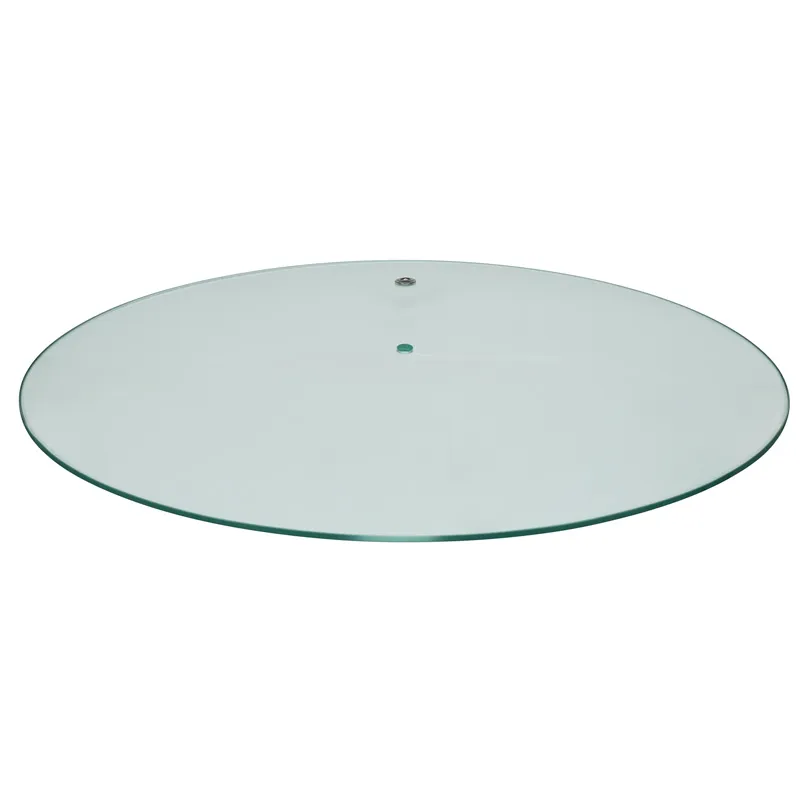
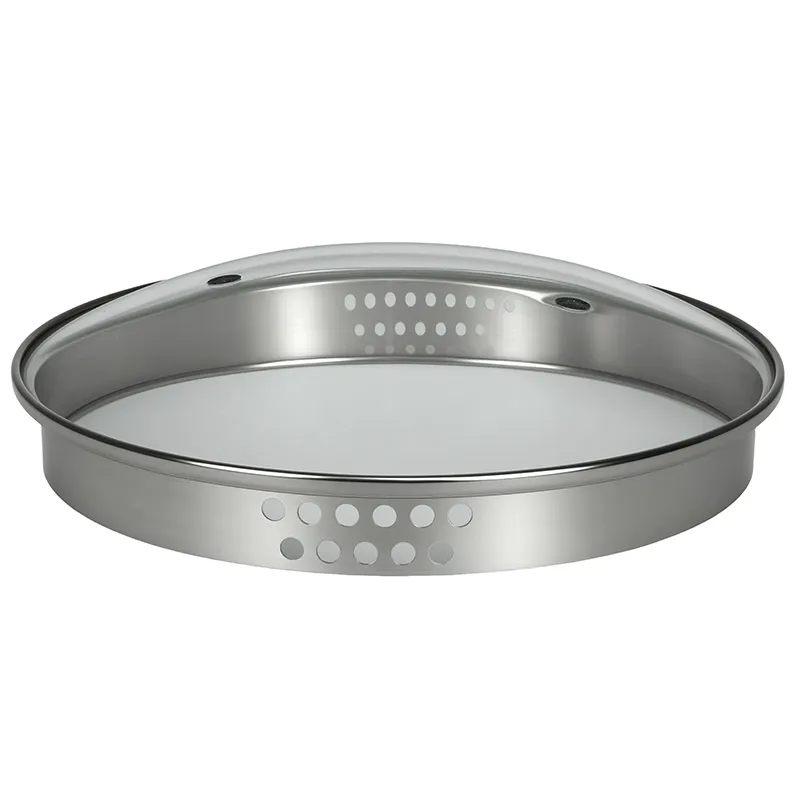
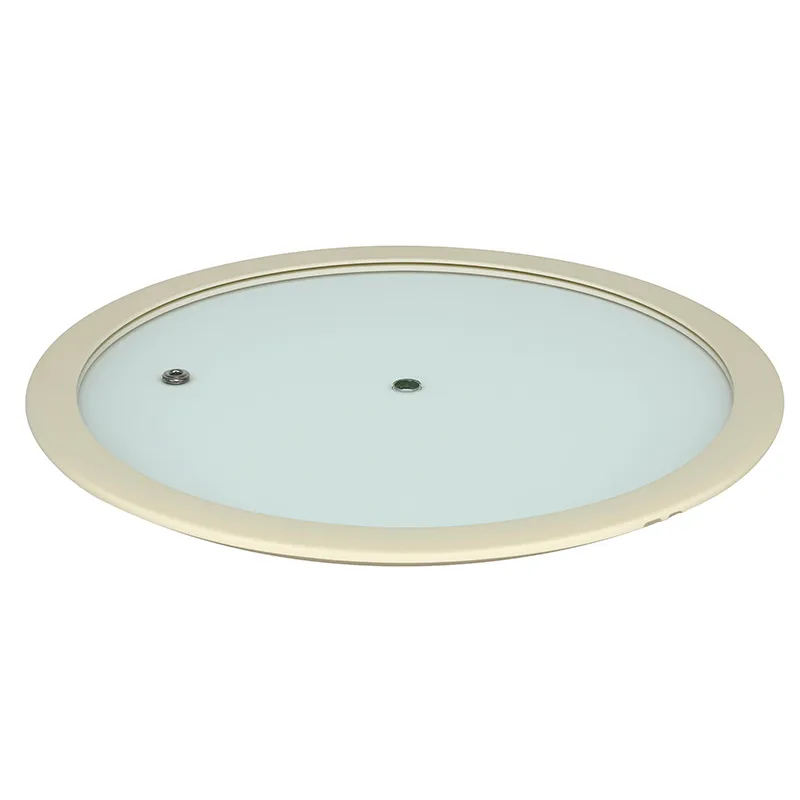
The biggest mistake? Assuming any tempered glass will do. For a 10 inch frying pan, the lid isn't just a cover; it's a heat management tool. The glass needs to withstand direct, high heat from below and sudden temperature shocks—like when someone adds a splash of cold wine to a hot pan. I've witnessed test batches where the glass, though technically 'tempered', developed micro-fractures after a few rapid cooling cycles. That's often a result of improper annealing or a mismatch between the glass's coefficient of expansion and the metal pan's rim.
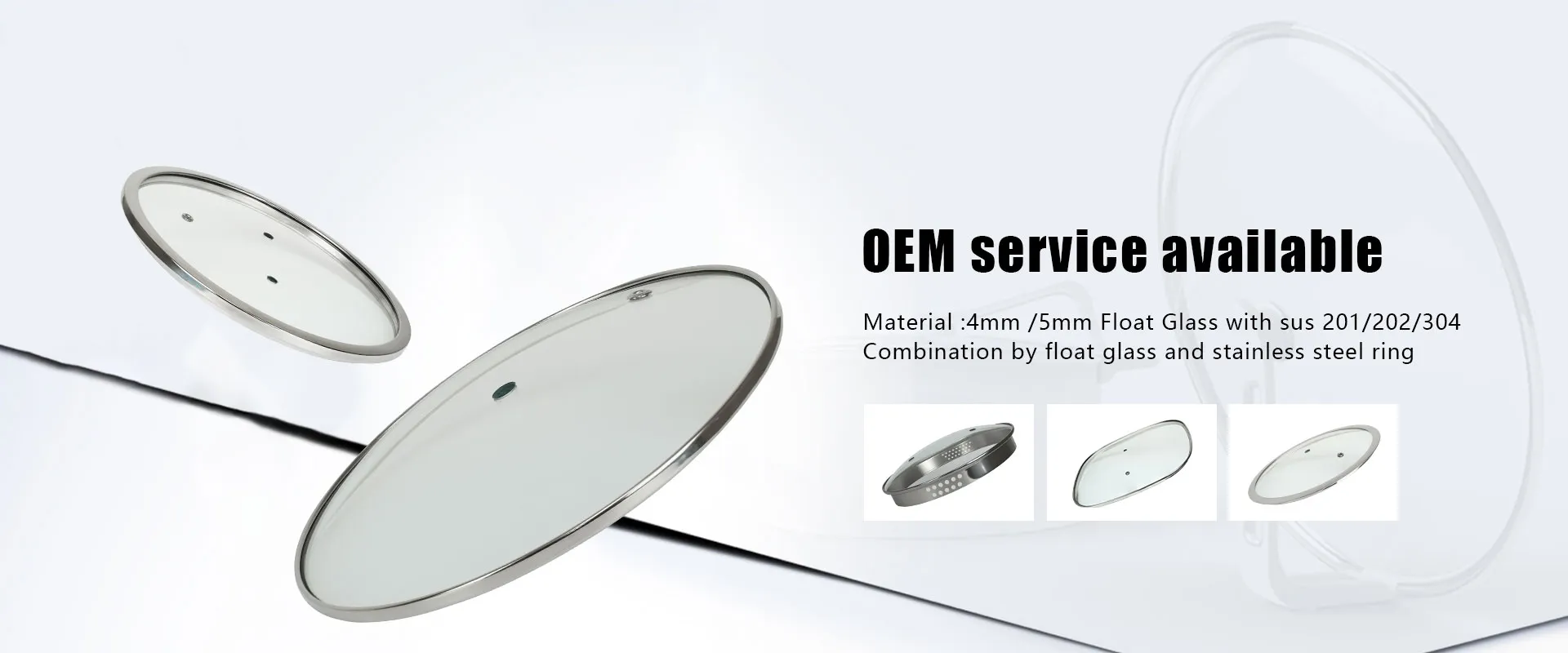
This is where the specs from a serious manufacturer matter. A company like EUR-ASIA COOKWARE CO.,LTD, which runs a dedicated production base in Taian, typically focuses on this engineering challenge. Their operation, churning out over 15 million pieces annually, has to get it right for markets like Germany and Japan, where safety standards are brutal. It's not about making a pretty lid; it's about ensuring the glass lid can handle the thermal shock of a 10-inch pan's concentrated heat zone without failing.
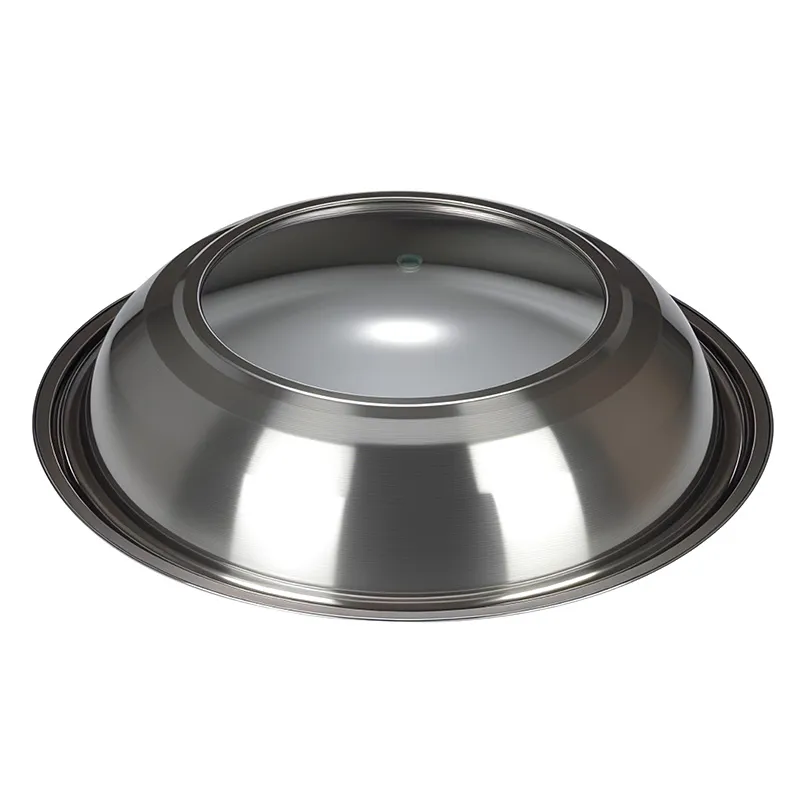
I recall a sample from a few years back where the glass was too thick. It felt premium, but it trapped too much steam, turning crispy sauté into a braise. The fix wasn't thinner glass, but a redesign of the steam vents and the curvature of the dome. That's the kind of detail you learn on the production line, not from a catalog.
Why the 10-Inch Size is a Critical Benchmark
A 10-inch pan is a workhorse. It's the size for cooking for two, or doing a single protein portion right. The lid for it has to be just as versatile. Too small a dome, and it dips into food; too large, and it becomes unstable. The diameter tolerance for the lid's fit is tighter than people think. A gap of even a couple of millimeters can let out too much steam, defeating the purpose of having a lid for tasks like melting cheese or gently cooking down onions.
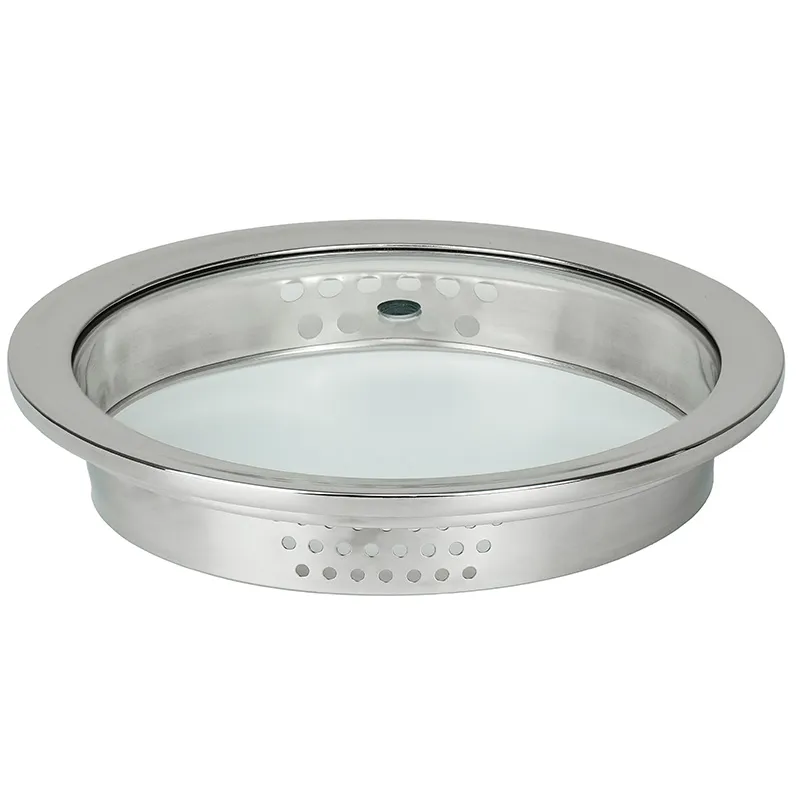
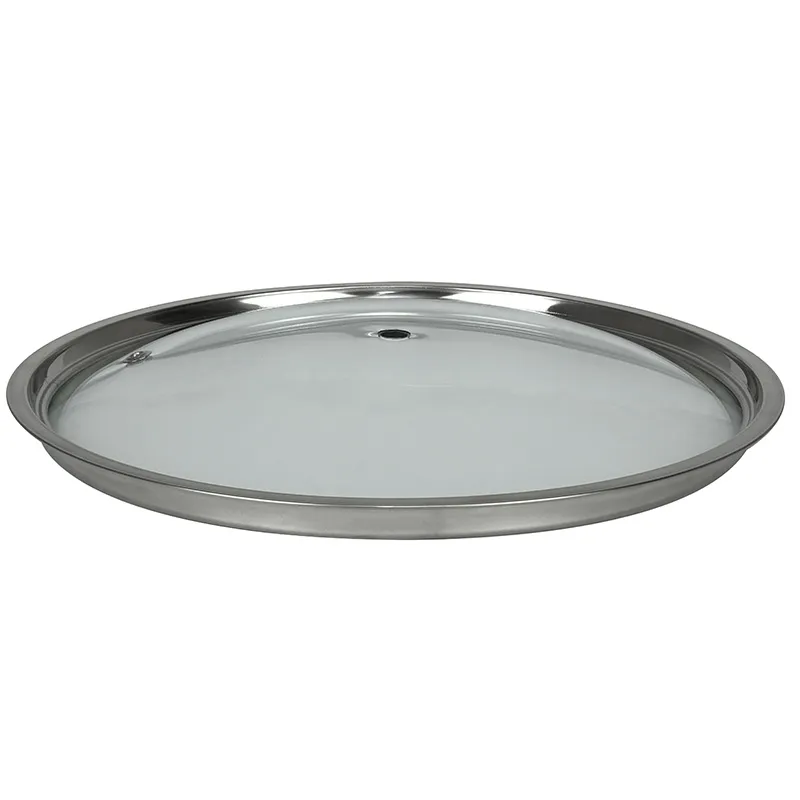
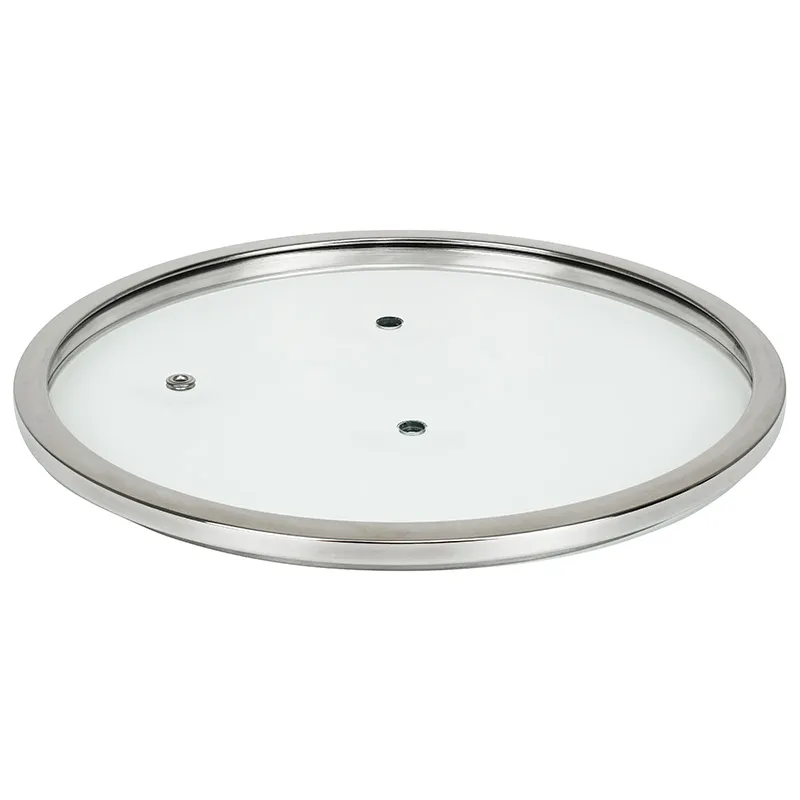
In practice, the rim of the pan—whether it's rolled steel or a clad edge—dictates the lid's fit. We've had returns where customers complained about 'rattling lids.' Nine times out of ten, it was a pan problem, not a lid problem. The pan's rim had warped slightly from uneven heating. A good glass lid from a specialized producer will have a reinforced, often stainless-steel, rim that can maintain its shape and create a consistent seal, even if the pan distorts a little over time.
This is a key reason companies like EUR-ASIA COOKWARE export globally. Their product page at glass-lid.com doesn't just sell a component; they're selling a solution to a common manufacturing headache for cookware brands. They produce the lid as a system that accounts for real-world pan behavior.
The Reality of Production and Export Standards
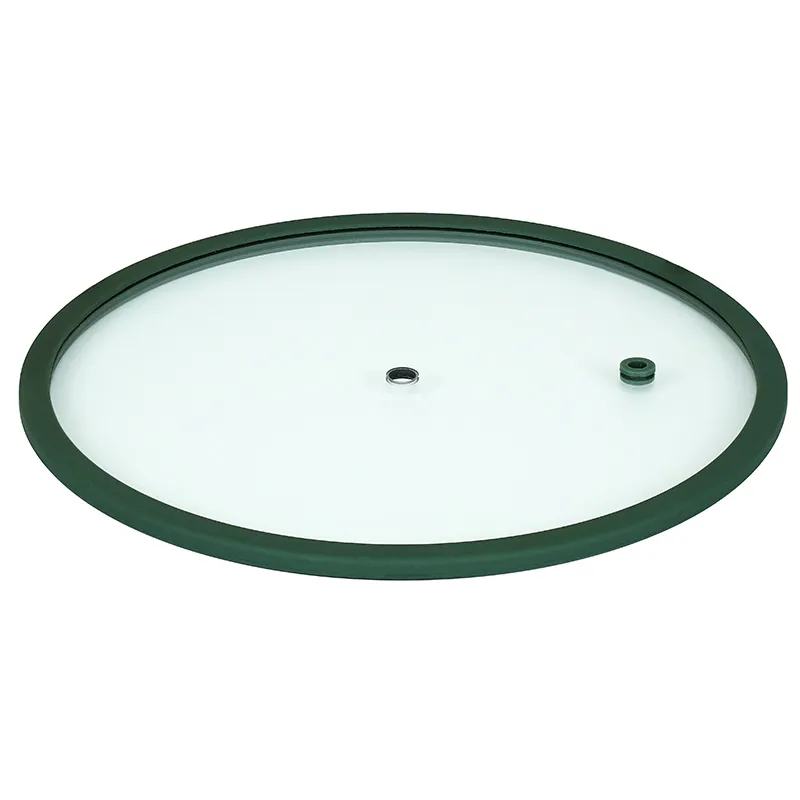
Let's talk about the 'low- medium- high level' mention in their intro. That's industry shorthand. A 'low level' lid might go on a non-stick discount pan, using thinner glass and a simpler rim. The 'high level' version, destined for EU markets, will have passed specific impact tests and have a silicone gasket for a near-perfect seal. The 10 inch frying pan with glass lid you buy in Denmark likely has a different pedigree than one sold in a less regulated market, even if they look identical.
The export focus (over 90% for EUR-ASIA) forces a certain discipline. A batch for Switzerland will have different packaging and documentation than one for Brazil, due to local compliance. The product itself, the core tempered glass lid, is built to a universal high standard because it's more efficient to run one quality line. The variance is in the finishing touches—the handle material, the branding, the accessory kit.
Walking a factory floor with 15,000 ㎡ of space, you see the pallets labeled for different destinations. It drives home that this isn't a generic commodity. A lid for a high-end Italian brand might be packed individually in foam, while the ones for OEM bulk orders are stacked in custom dividers. The glass is the same, but the value-add is in the handling and the certainty of specification.
Common Failures and What They Teach Us
Not every experiment works. Early on, there was a push for 'ultra-clear' glass with minimal green tint. The chemistry changed, making the glass slightly more brittle. In field reports, we saw more chips on the rim from casual knocks against the sink. The lesson was that the classic slight green hue from iron oxide isn't a flaw; it often correlates with a tougher material structure. Purity isn't always the goal; durability is.
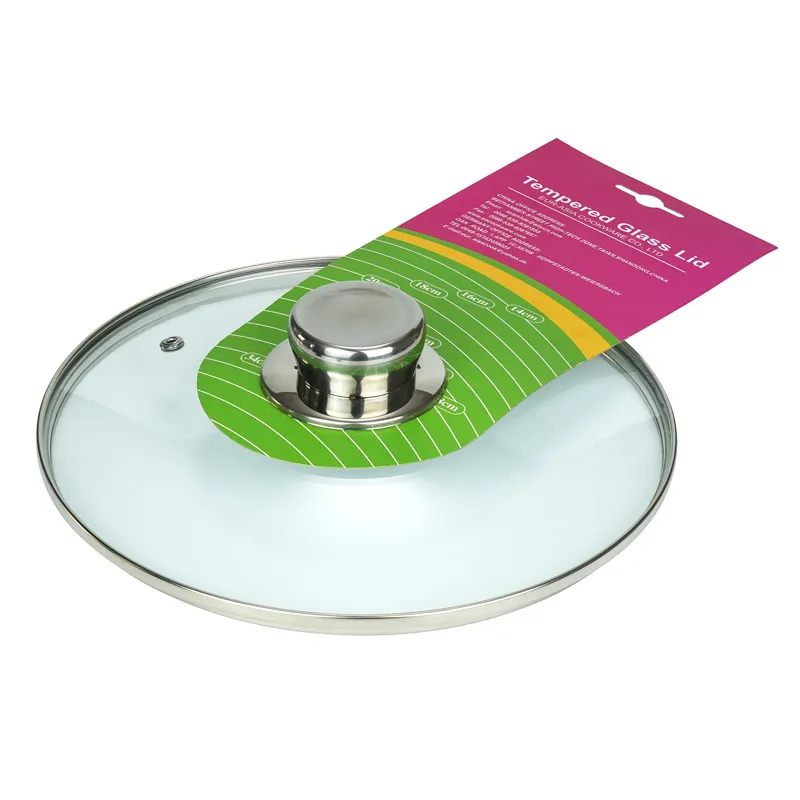
Another failure point is the handle. Bolting a plastic or phenolic handle onto the glass seems straightforward. But if the metal bracket underneath conducts too much heat up from the lid, the handle becomes uncomfortably warm. I've seen designs where the solution was a longer stainless steel stem acting as a heat break. It's a small part, but its design is pure applied thermodynamics. A good lid feels balanced in the hand and stays cool enough to lift mid-simmer.
These are the details that separate a component from a integrated product. When a company specializes in this, as their company intro suggests, they're not just pressing and tempering glass. They're solving these micro-problems so the cookware brand doesn't have to.
The Unspoken Value of a Specialized Supplier
Finally, the real value of sourcing from a specialist like EUR-ASIA COOKWARE isn't just volume. It's problem-solving. A cookware company can design a fantastic 10 inch frying pan, but the lid is a different discipline. Having a partner who understands that the lid's knob must be oven-safe to the same temperature as the pan's handle, that the steam vents must be positioned to not drip condensation back onto food, and that the entire assembly must survive a drop onto a ceramic tile floor—that's huge.
Their location in a National High-tech Development Zone isn't just an address. It often means better infrastructure, more consistent power for the tempering furnaces, and access to a skilled technician pool. That translates to fewer defects per million pieces, which is the holy grail for any brand importing these lids.
So, when you next see or specify a 10 inch frying pan with glass lid, look past the surface. The clarity of the glass is nice, but the real quality is in the unseen engineering: the tempering curve, the rim construction, the heat-resistant handle assembly. That's what turns a simple cover into a reliable piece of kitchen equipment. It's the difference between a lid that lasts a season and one that lasts a decade, quietly doing its job on countless stovetops from Seoul to Zurich.
Related Products
Related Products