- Chinese
- French
- German
- Portuguese
- Spanish
- Russian
- Japanese
- Korean
- Arabic
- Irish
- Greek
- Turkish
- Italian
- Danish
- Romanian
- Indonesian
- Czech
- Afrikaans
- Swedish
- Polish
- Basque
- Catalan
- Esperanto
- Hindi
- Lao
- Albanian
- Amharic
- Armenian
- Azerbaijani
- Belarusian
- Bengali
- Bosnian
- Bulgarian
- Cebuano
- Chichewa
- Corsican
- Croatian
- Dutch
- Estonian
- Filipino
- Finnish
- Frisian
- Galician
- Georgian
- Gujarati
- Haitian
- Hausa
- Hawaiian
- Hebrew
- Hmong
- Hungarian
- Icelandic
- Igbo
- Javanese
- Kannada
- Kazakh
- Khmer
- Kurdish
- Kyrgyz
- Latin
- Latvian
- Lithuanian
- Luxembou..
- Macedonian
- Malagasy
- Malay
- Malayalam
- Maltese
- Maori
- Marathi
- Mongolian
- Burmese
- Nepali
- Norwegian
- Pashto
- Persian
- Punjabi
- Serbian
- Sesotho
- Sinhala
- Slovak
- Slovenian
- Somali
- Samoan
- Scots Gaelic
- Shona
- Sindhi
- Sundanese
- Swahili
- Tajik
- Tamil
- Telugu
- Thai
- Ukrainian
- Urdu
- Uzbek
- Vietnamese
- Welsh
- Xhosa
- Yiddish
- Yoruba
- Zulu
- Kinyarwanda
- Tatar
- Oriya
- Turkmen
- Uyghur


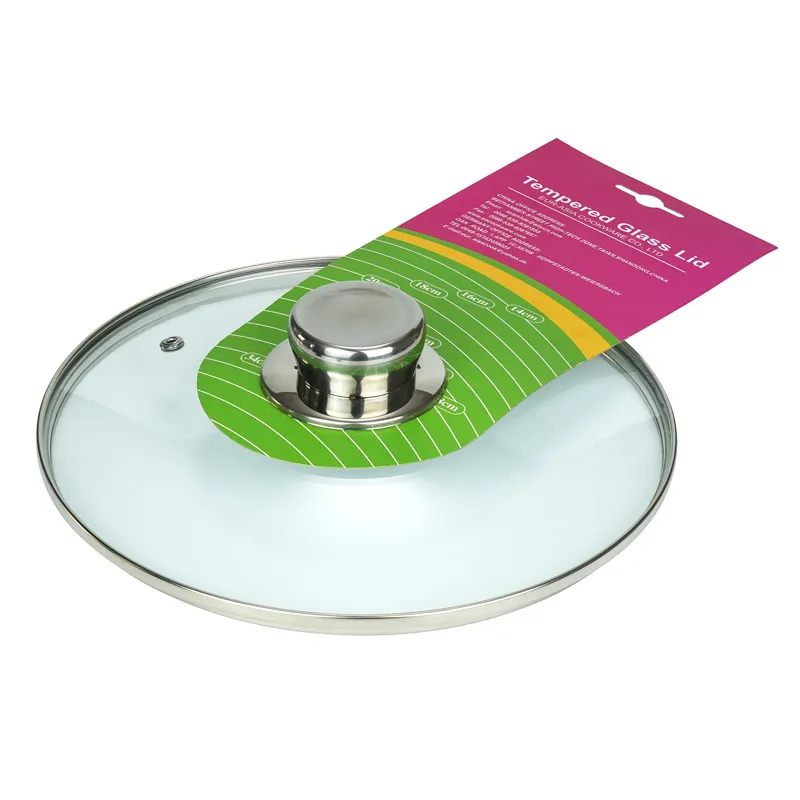
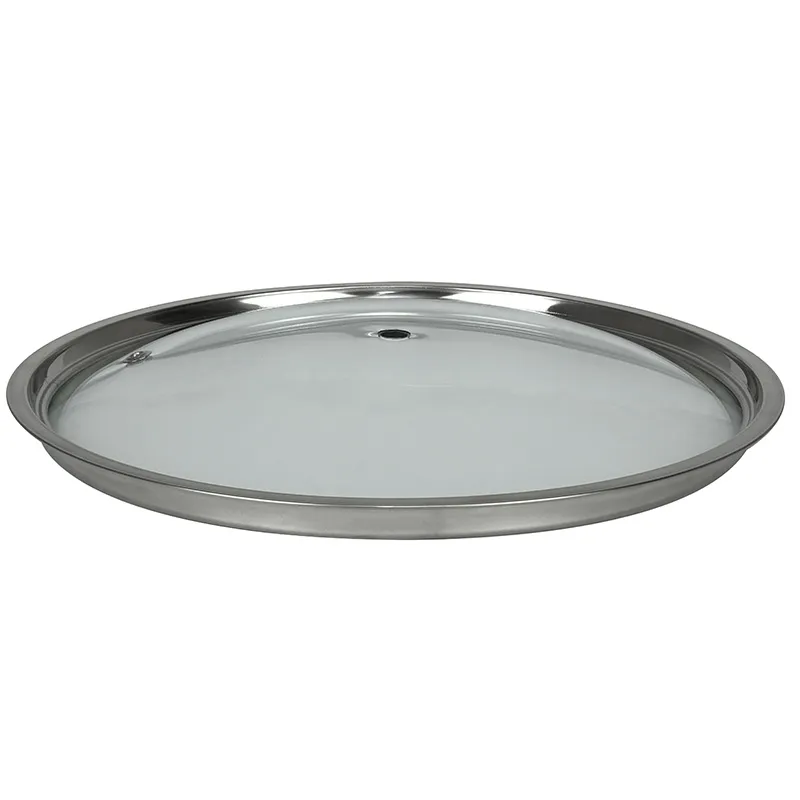
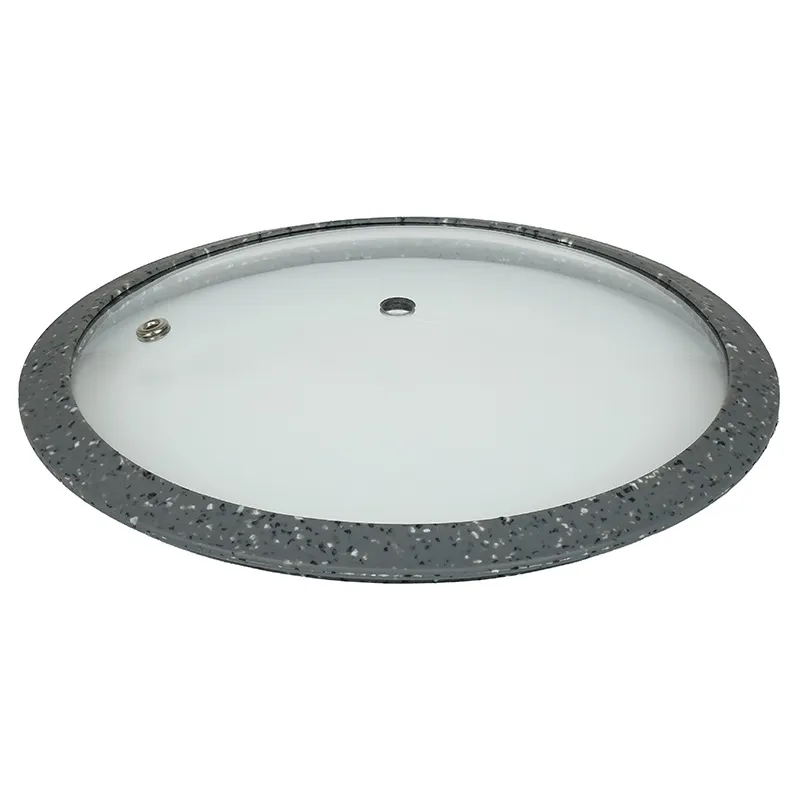
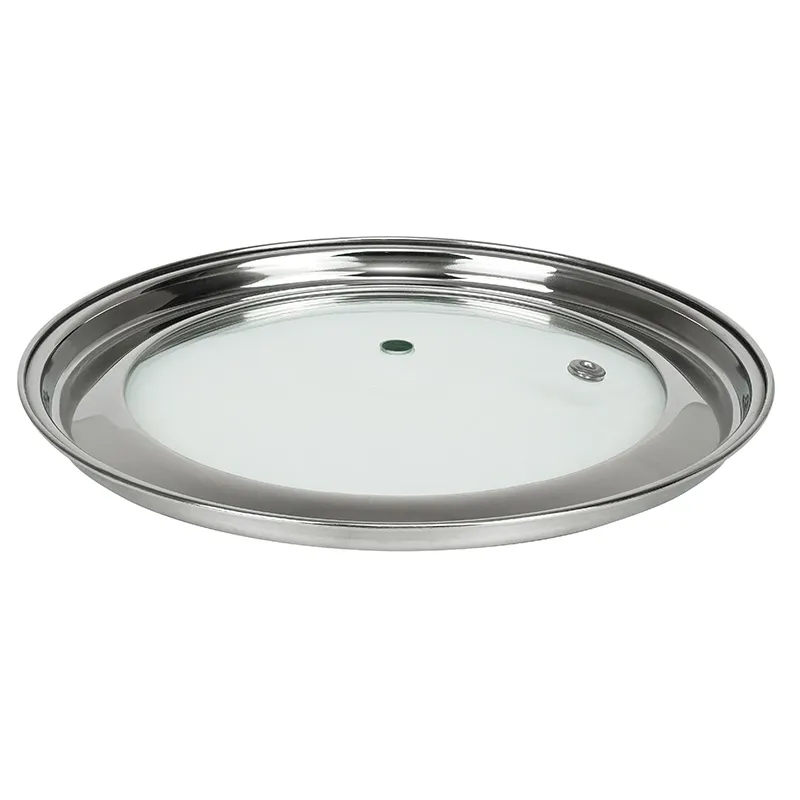
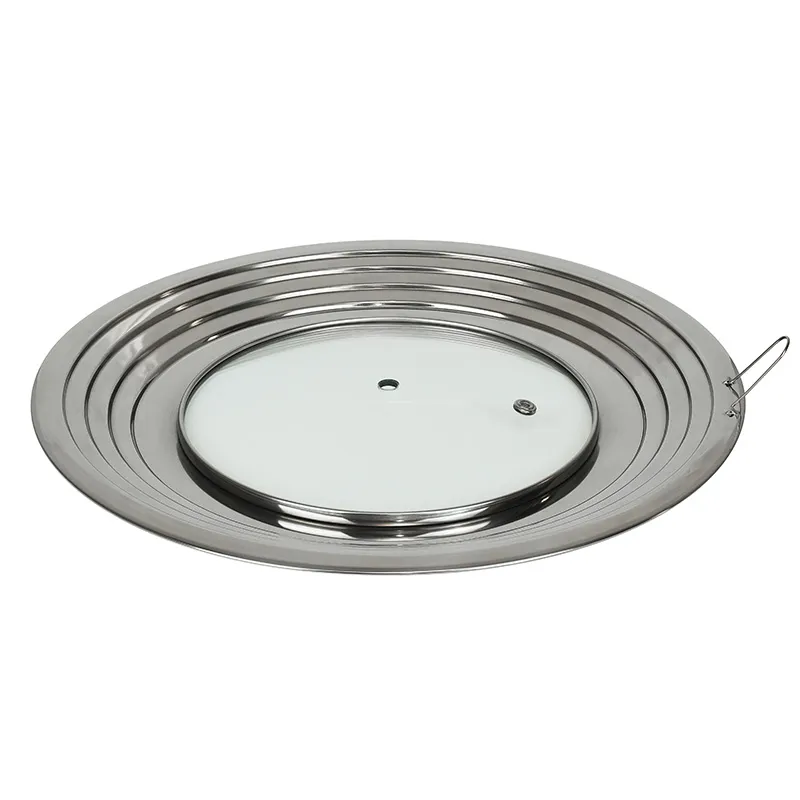
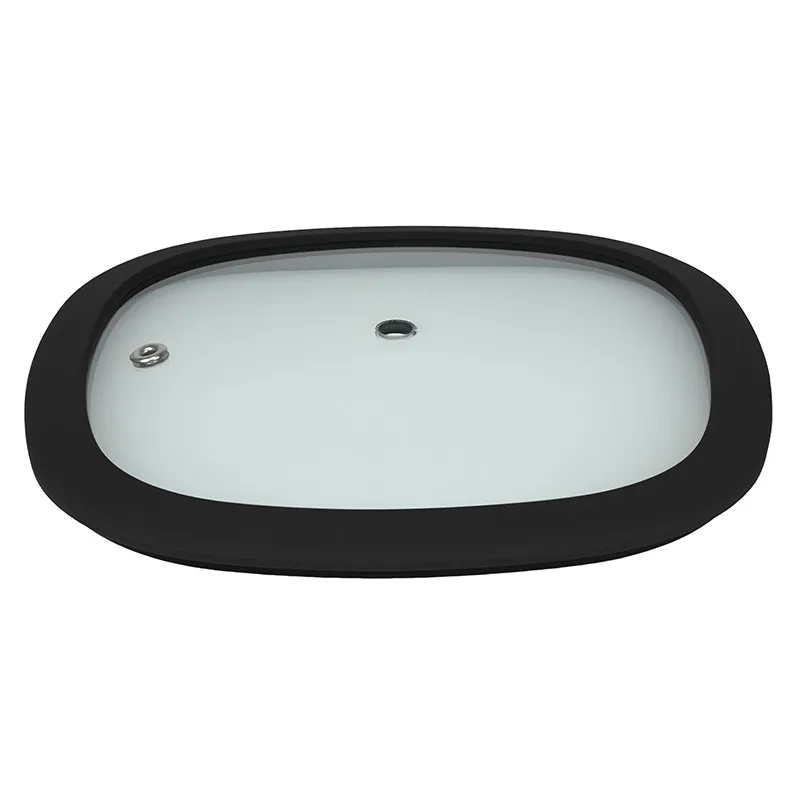
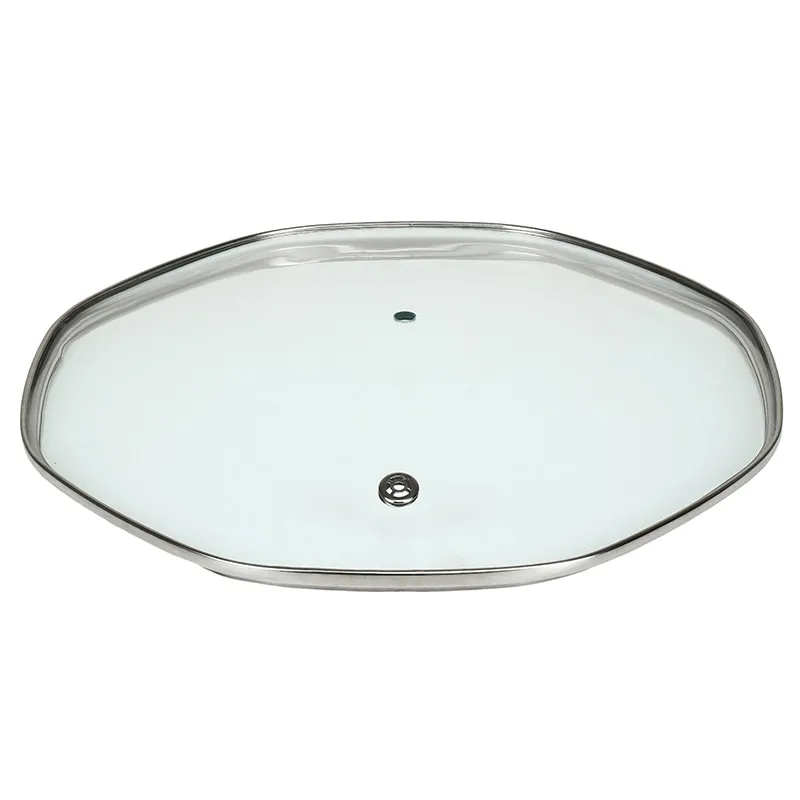
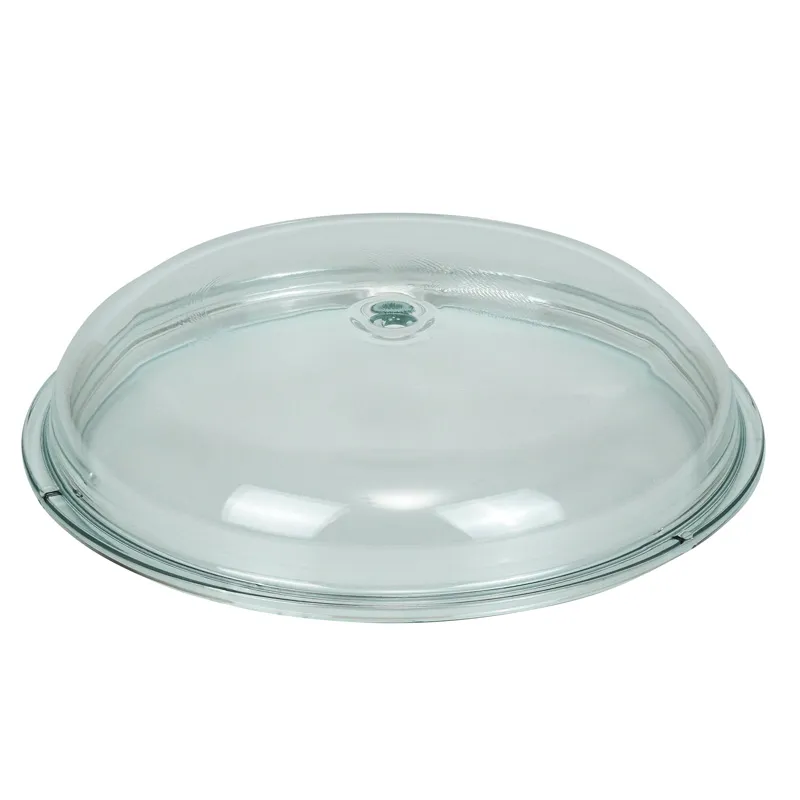
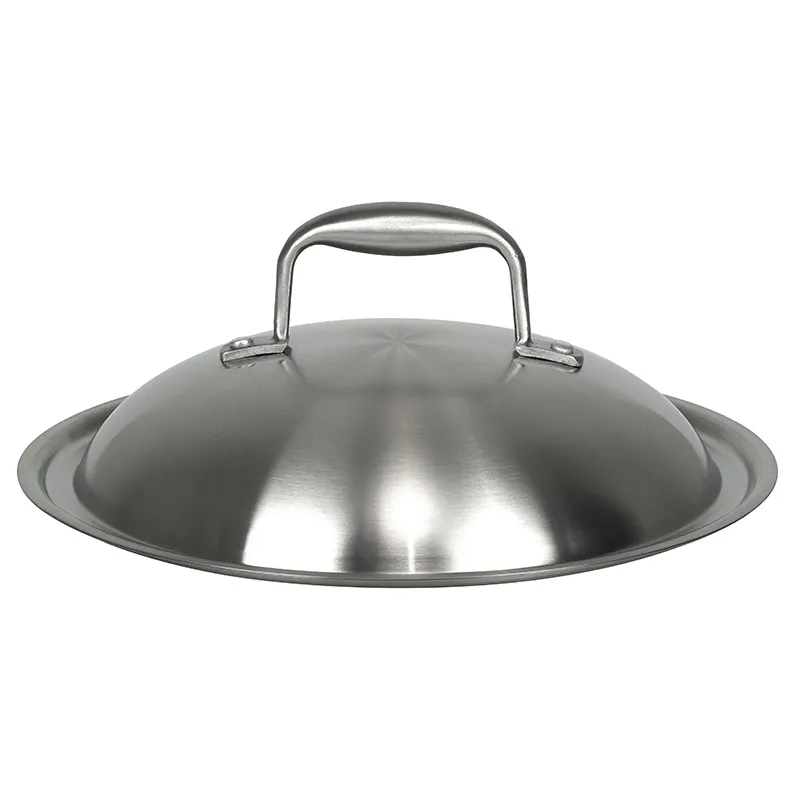
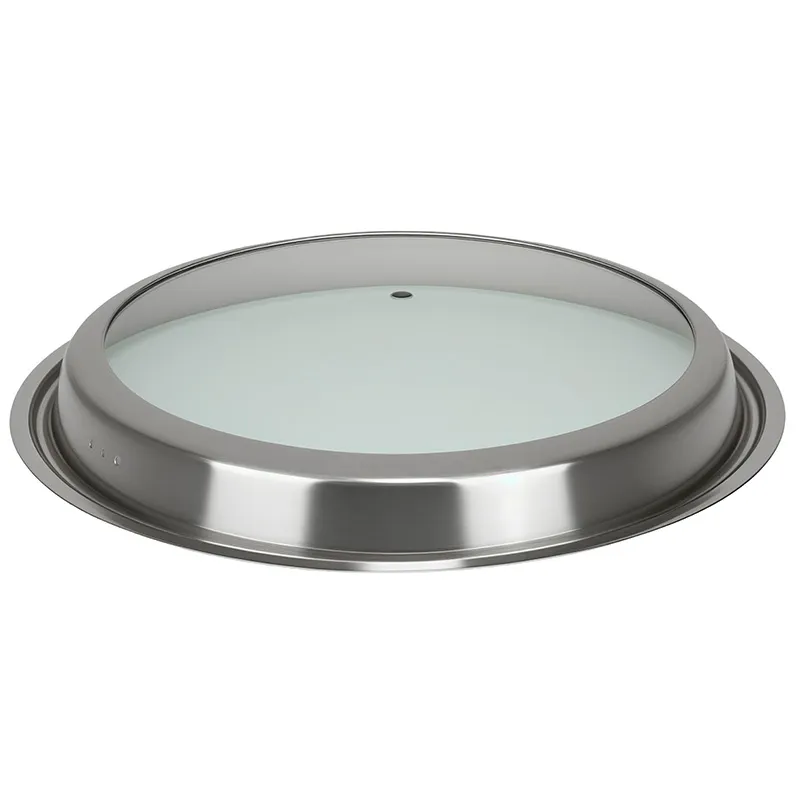
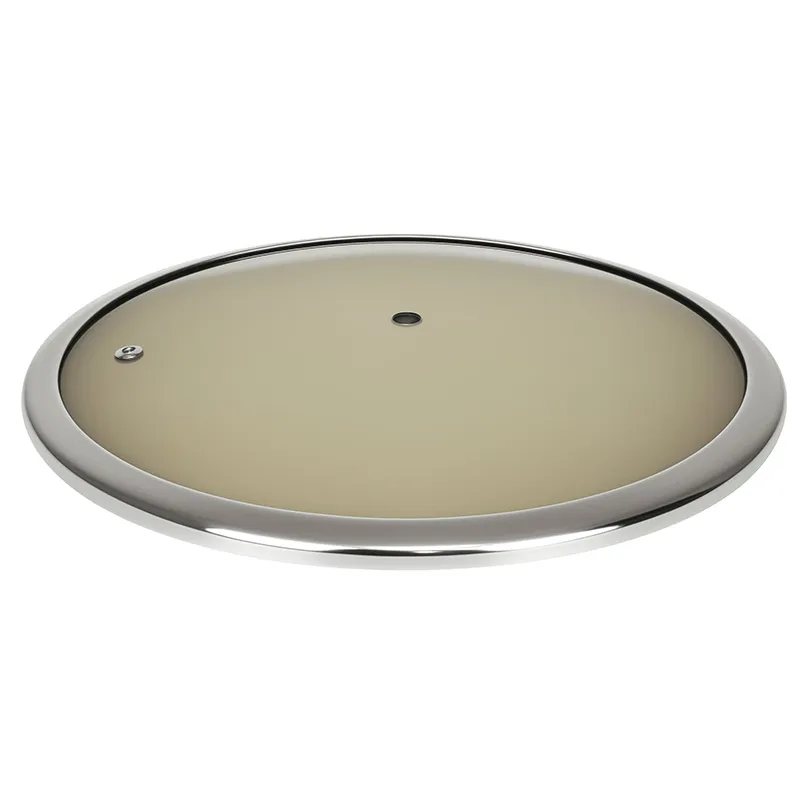
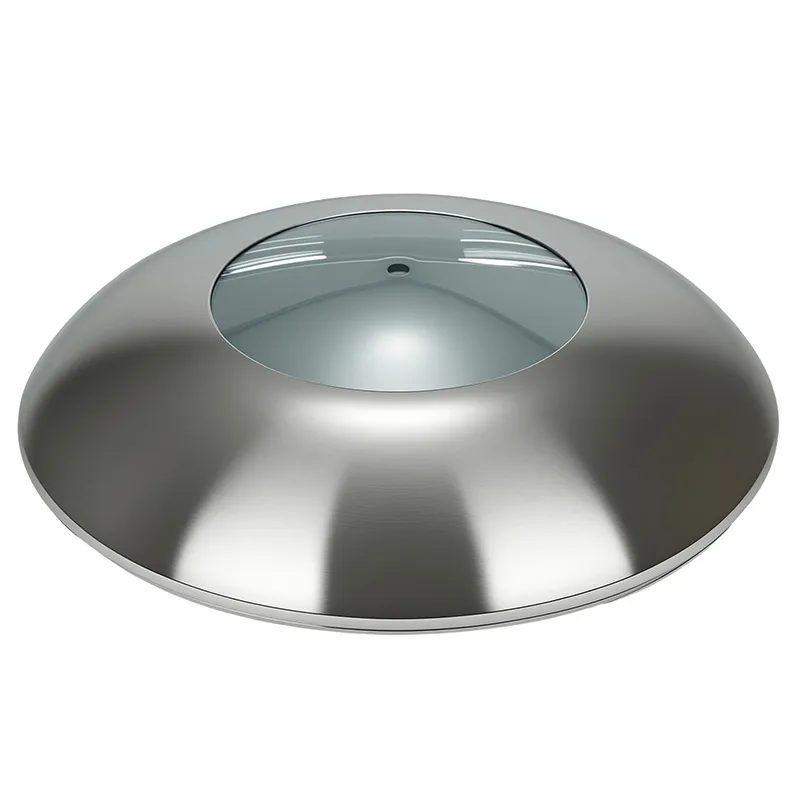
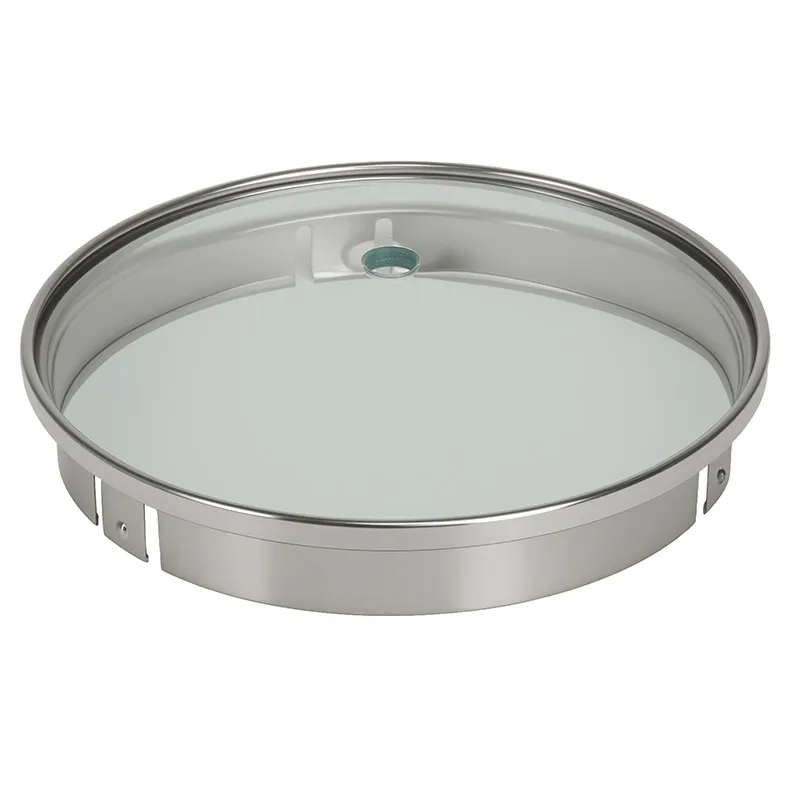
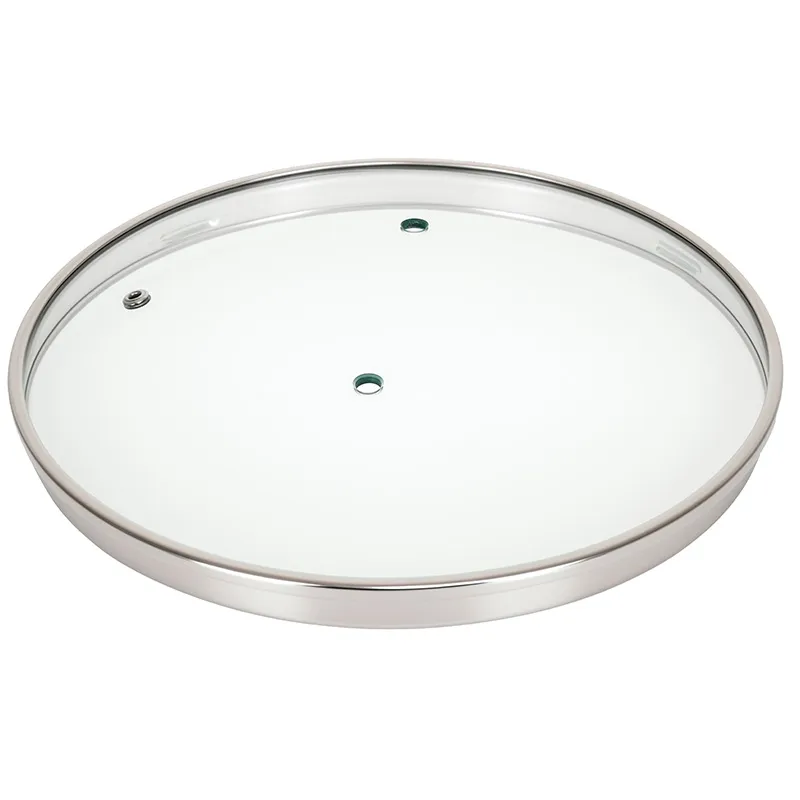
10 inch glass lid
When you hear '10 inch glass lid', most people, even some buyers, just think diameter. That's the first mistake. In reality, the spec is a starting point for a dozen more critical questions. Is it truly 10 inches measured to the outer rim or the inner sealing edge? Is it for a skillet, a saucepan, or a casserole? The curvature, the handle type, the tempering process—these are what separate a lid that lasts from one that shatters or warps in six months. I've seen too many orders get messed up because someone assumed a 10-inch lid is a universal fit. It's not.
The Manufacturing Nuances Most Catalogs Don't Show
Take tempering. It's not just a checkbox. For a 10 inch glass lid, the heating and rapid cooling cycle has to be perfectly calibrated for that specific diameter and thickness. Too aggressive, and you get stress points that can pop from a minor thermal shock—like placing a hot lid on a cold granite countertop. I recall a batch from a factory that shall remain nameless where the stress pattern was visibly uneven under a polariscope. They shipped it anyway. The return rate from Europe was brutal. That's why I pay attention to producers who are transparent about their process, like EUR-ASIA COOKWARE CO.,LTD. They've built their operation in Taian on handling volume without, from what I've seen, cutting corners on the core thermal treatment. Their annual output of 15 million pieces isn't impressive if the failure rate is high, but their consistent presence in markets like Germany and Switzerland suggests they've got the formula down.
Then there's the bevel. The subtle grinding around the edge. A sharp, unfinished bevel is a fingerprint magnet and chips easily. A well-rounded, polished bevel feels premium and is safer to handle. It's a small detail that adds cost, maybe $0.10 per lid, but it's one of those things that buyers in Italy or France will notice immediately. It signals care. Looking at the product range on their site, glass-lid.com, you can see that focus on tiered quality—low, medium, high level—which directly translates to details like edge finishing. The high-level ones destined for Japan or Denmark likely have a bevel you could run your finger over without a catch.
Another point is the handle attachment. The metal bracket and the screw. Will it rust? Is the screw stainless steel or just plated? I've had samples where the screw corroded after a dozen dishwasher cycles, staining the glass and locking the handle in place. A proper supplier uses materials that match the lid's lifespan. EUR-ASIA's specialization in household glass products for export suggests they're familiar with the stringent durability tests European retailers impose, which often include repeated dishwasher corrosion checks.
Fit and Function: Where Theory Meets the Stove
Okay, so you have a perfectly tempered, beautifully beveled lid. Now, does it fit? The '10 inch' claim is useless if it doesn't account for pan flare. A standard 10-inch skillet often has a top outer diameter closer to 10.5 or even 11 inches. A lid meant for a straight-sided saucepan will sit awkwardly or not at all. We learned this the hard way early on, sourcing what we thought were generic lids for a skillet line. They sat on top like a wobbling hat. The solution? Knowing the exact target cookware. A good supplier will ask for the pan profile, not just the diameter.
Heat resistance is another silent killer. Borosilicate is the gold standard, but many 'tempered glass' lids are soda-lime. Soda-lime is fine for gradual heating, but a sudden temperature change—like adding cold liquid to a hot pan covered with the lid—can cause it to crack. Borosilicate handles this delta much better. For a 10 inch glass lid meant for high-heat searing or deglazing, the material spec is non-negotiable. I tend to advise clients that if their cookware line is for serious cooking, they need to specify the material and test it. EUR-ASIA's mention of producing various types of tempered glass lid indicates they likely work with different glass compositions, which is key for matching the right product to the right market segment.
The handle's heat resistance is a related, often overlooked, issue. That plastic or phenolic knob needs to stay cool enough to grip. I've tested lids where the knob got uncomfortably hot within 10 minutes on a rolling boil. A well-designed lid has an air gap or uses a material with low thermal conductivity for the handle. It's a simple user experience fail that generates returns. When you're exporting to countries with strong consumer protection laws, like those in the EU which they list (Germany, France, Poland, etc.), these practical failures are costly.
The Export Reality: Logistics and Market Specifics
Working with a manufacturer like EUR-ASIA, whose business is over 90% export, brings a different set of considerations. It's not just about making a good lid. It's about packaging it to survive a container shipment to Brazil without getting scratched, boxing it to the retailer's exact barcode and labeling specs for South Korea, and ensuring every unit meets the relevant safety standards for Japan (which are different from EU norms). Their experience here is a tangible asset. A factory only serving the domestic market often doesn't grasp the complexity of a Polish retailer's packaging manual.
Lead times and minimum order quantities (MOQs) are also shaped by this export focus. A 15-million-piece annual output facility is set up for sizable orders. For a standard 10 inch glass lid, the MOQ might be a single 20-foot container, not a few hundred pieces. This is a business of scale. The upside is consistency and the ability to handle complex, mixed container loads for clients needing lids for multiple pan lines.
Communication is another layer. When you're dealing with technical adjustments—say, modifying the bracket to fit a new pan design—having a responsive engineering team is crucial. The fact that they have a dedicated site, glass-lid.com, for their products suggests a level of professionalism and direct client engagement that many pure OEM factories lack. It's a point of contact, a showcase. For a buyer, it's reassuring to see the company present its specialization and scope upfront.
Cost vs. Value: The Real Price of a Lid
It's tempting to source the cheapest 10-inch lid you can find. The price spread can be significant. But the real cost is hidden in the failure rate, the customer complaints, and the brand damage. A lid that clouds after dishwasher use or develops micro-cracks around the handle bracket will flood your customer service. I've been through that cleanup. It's not worth the few cents saved per unit.
Value comes from durability, precise fit, and consistent finish. A company like EUR-ASIA COOKWARE, with its stated specialization, is positioning itself in that mid-to-high tier where value is the proposition. They're not the cheapest, but they're likely not the most expensive either. They're targeting the segment where retailers need reliable, presentable products that won't trigger a recall. Their export list reads like a who's who of quality-conscious markets: Germany, Switzerland, Denmark, Japan. You don't keep those clients with subpar goods.
Finally, think beyond the lid. It's a component in a system—the cookware set. Its weight, its clarity, how it sits on the pan, the sound it makes when placed down—all these contribute to the perceived quality of the entire product. A flimsy, ill-fitting lid downgrades a great pan. A solid, well-engineered 10 inch glass lid completes it. That's the judgment call you're really making: are you buying a commodity or a component that enhances your core product? For most serious brands, the choice is clear.
Concluding Thoughts: It's in the Details
So, no, a 10 inch glass lid isn't just a circle of glass. It's a lesson in materials science, manufacturing tolerance, ergonomics, and international logistics. The successful suppliers are the ones who sweat these details across millions of pieces. From the tempering oven in Taian to a kitchen in Turin, every step has to hold up.
When evaluating, ask the detailed questions: material type, tempering standard, handle assembly specs, fit radius, packaging, and compliance certifications. The answers will tell you more than any catalog image. Look for manufacturers whose business model is built on serving demanding export markets, as their processes are already stress-tested.
In the end, the goal is invisibility—the lid should perform its function so seamlessly that the user never has to think about it. That reliability is the hardest thing to manufacture, and it's what separates a simple product from a professional one. It's what you're really sourcing.
Related Products
Related Products