- Chinese
- French
- German
- Portuguese
- Spanish
- Russian
- Japanese
- Korean
- Arabic
- Irish
- Greek
- Turkish
- Italian
- Danish
- Romanian
- Indonesian
- Czech
- Afrikaans
- Swedish
- Polish
- Basque
- Catalan
- Esperanto
- Hindi
- Lao
- Albanian
- Amharic
- Armenian
- Azerbaijani
- Belarusian
- Bengali
- Bosnian
- Bulgarian
- Cebuano
- Chichewa
- Corsican
- Croatian
- Dutch
- Estonian
- Filipino
- Finnish
- Frisian
- Galician
- Georgian
- Gujarati
- Haitian
- Hausa
- Hawaiian
- Hebrew
- Hmong
- Hungarian
- Icelandic
- Igbo
- Javanese
- Kannada
- Kazakh
- Khmer
- Kurdish
- Kyrgyz
- Latin
- Latvian
- Lithuanian
- Luxembou..
- Macedonian
- Malagasy
- Malay
- Malayalam
- Maltese
- Maori
- Marathi
- Mongolian
- Burmese
- Nepali
- Norwegian
- Pashto
- Persian
- Punjabi
- Serbian
- Sesotho
- Sinhala
- Slovak
- Slovenian
- Somali
- Samoan
- Scots Gaelic
- Shona
- Sindhi
- Sundanese
- Swahili
- Tajik
- Tamil
- Telugu
- Thai
- Ukrainian
- Urdu
- Uzbek
- Vietnamese
- Welsh
- Xhosa
- Yiddish
- Yoruba
- Zulu
- Kinyarwanda
- Tatar
- Oriya
- Turkmen
- Uyghur


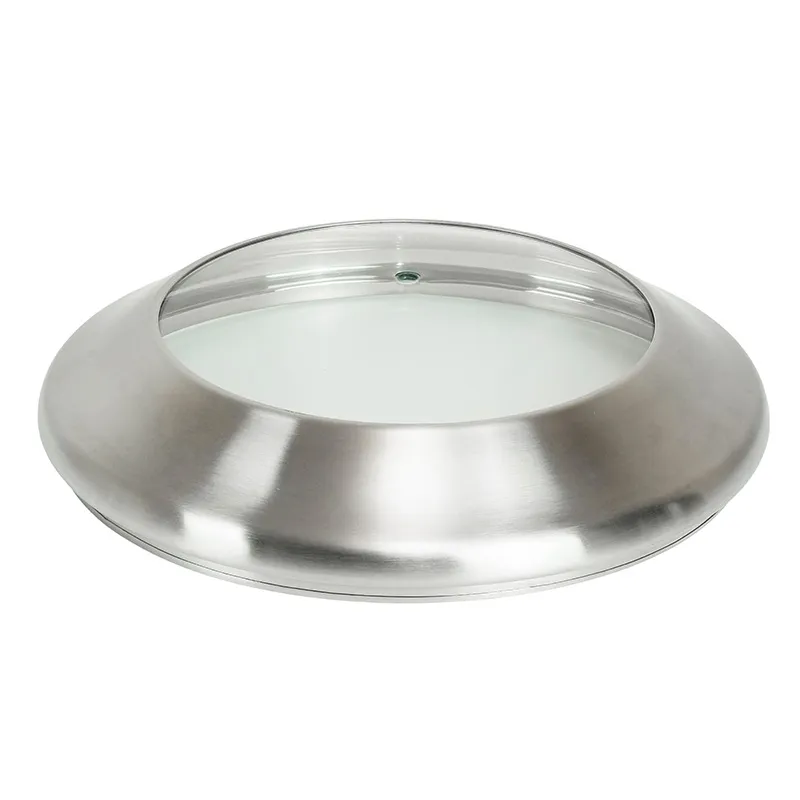
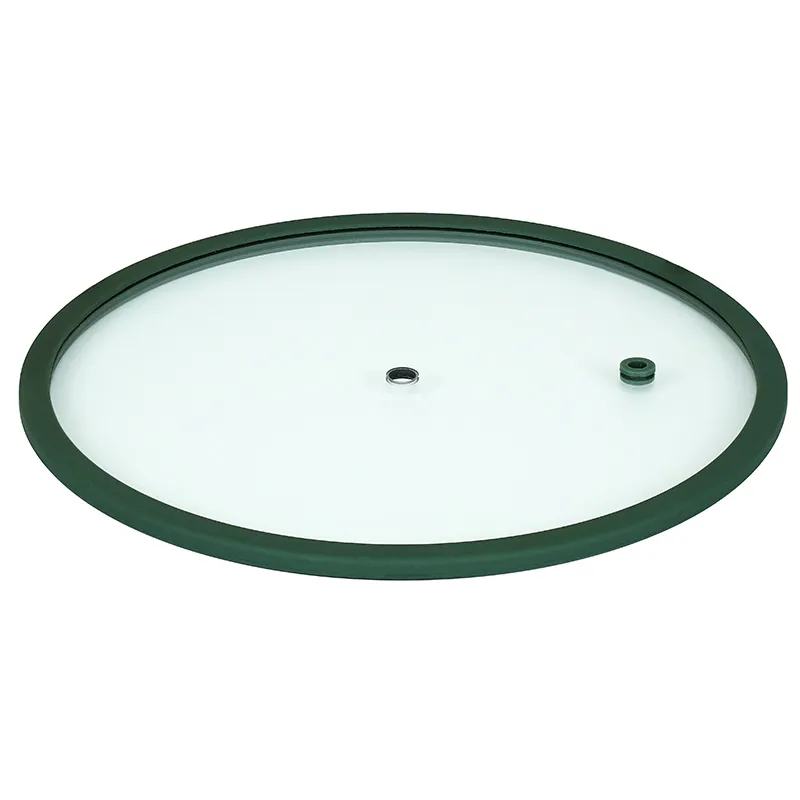
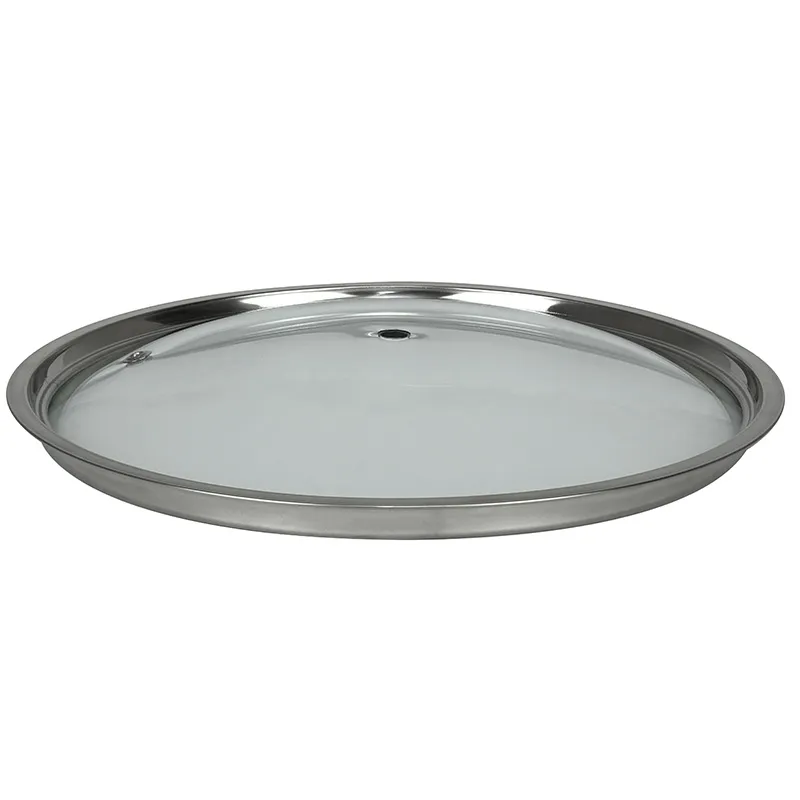
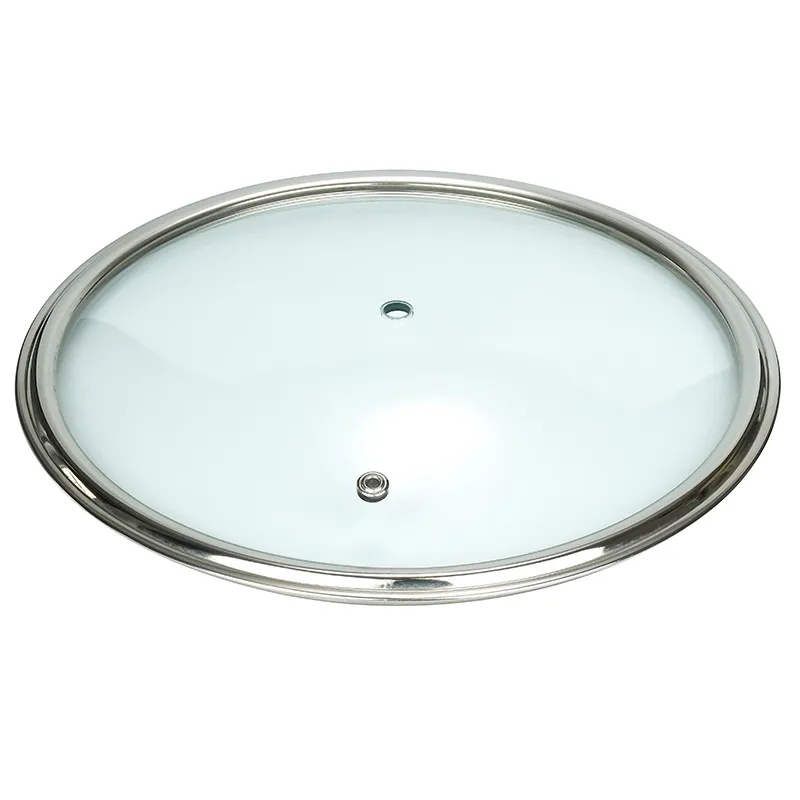
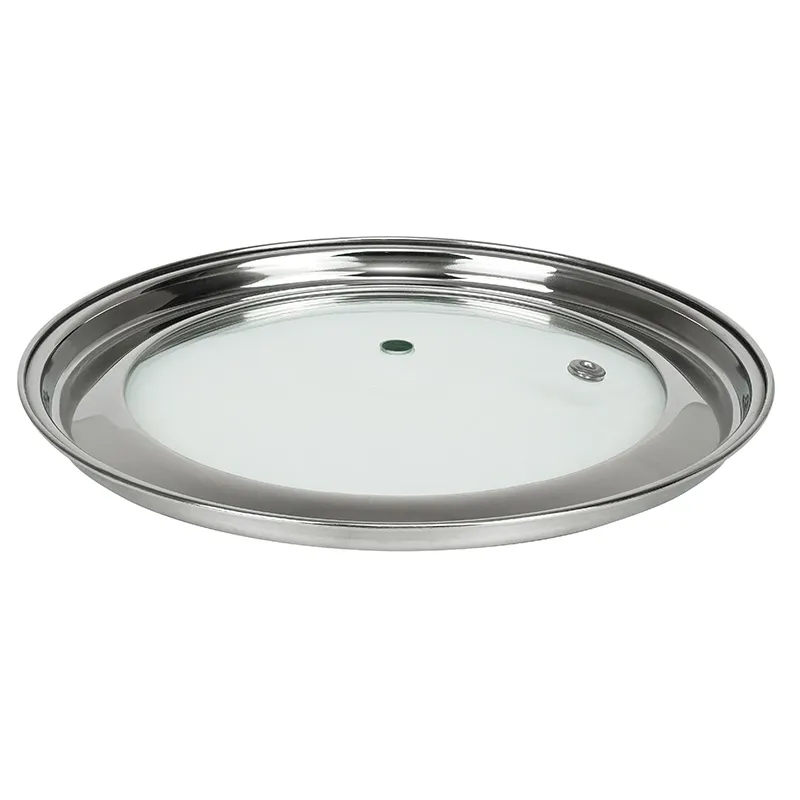
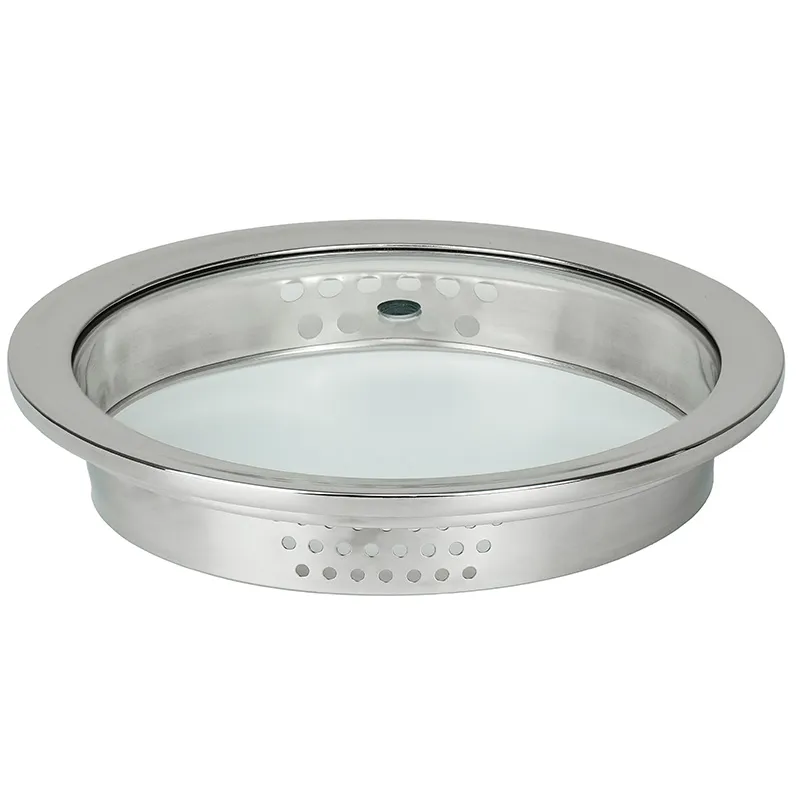
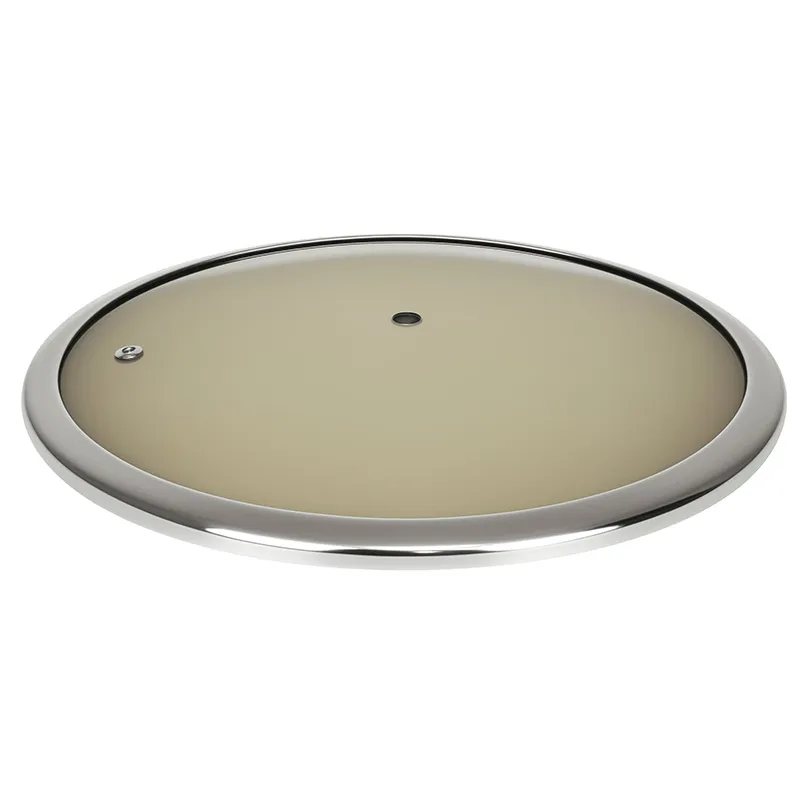
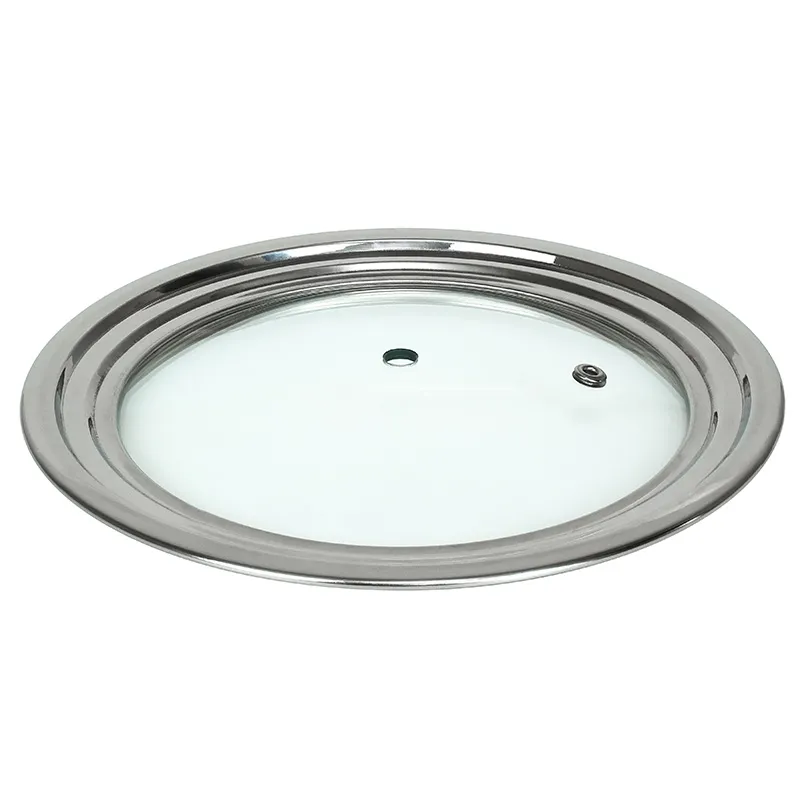
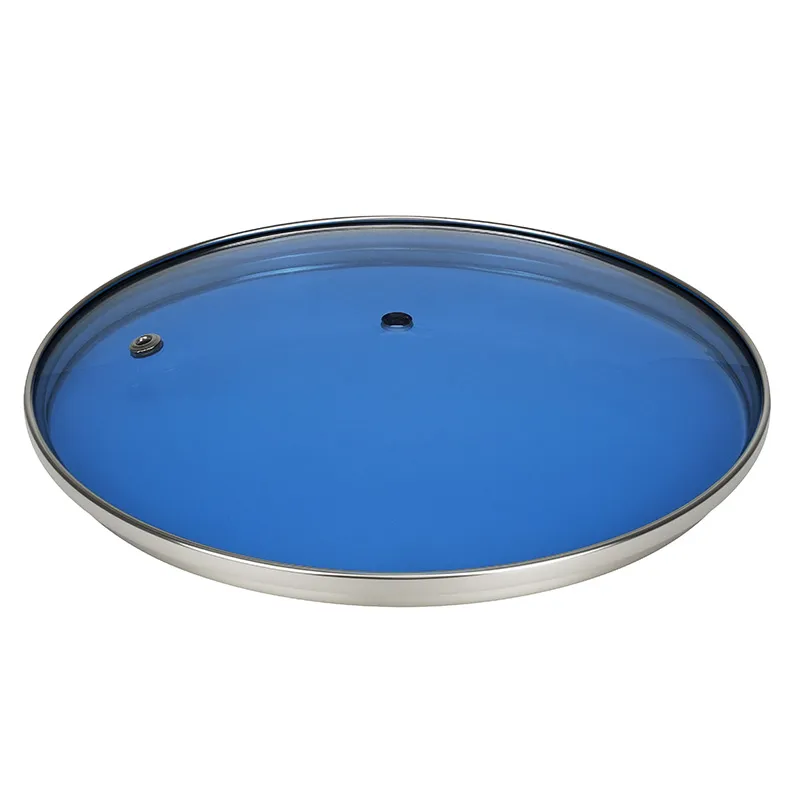
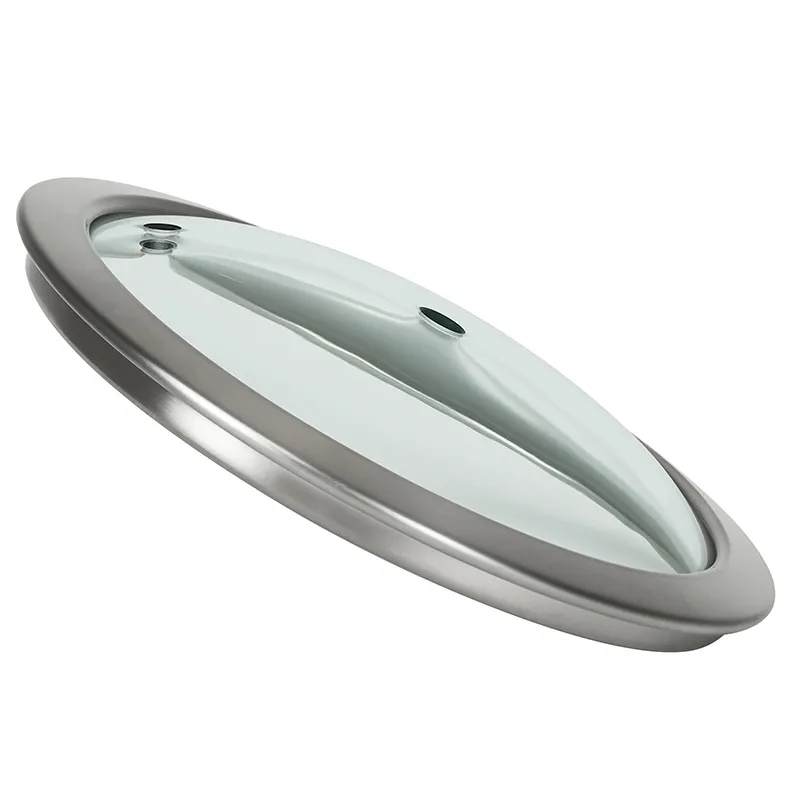
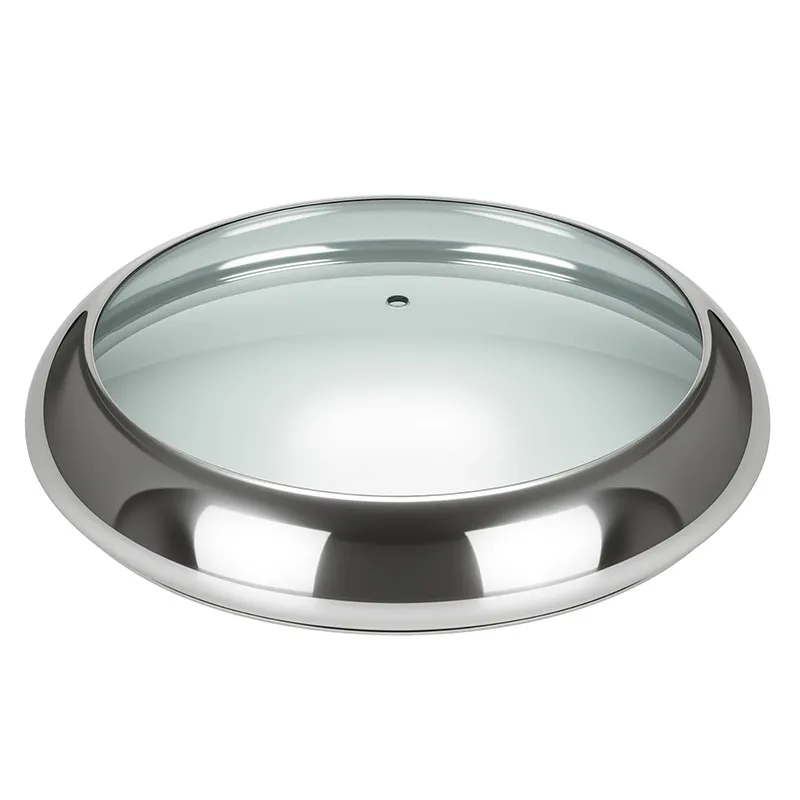
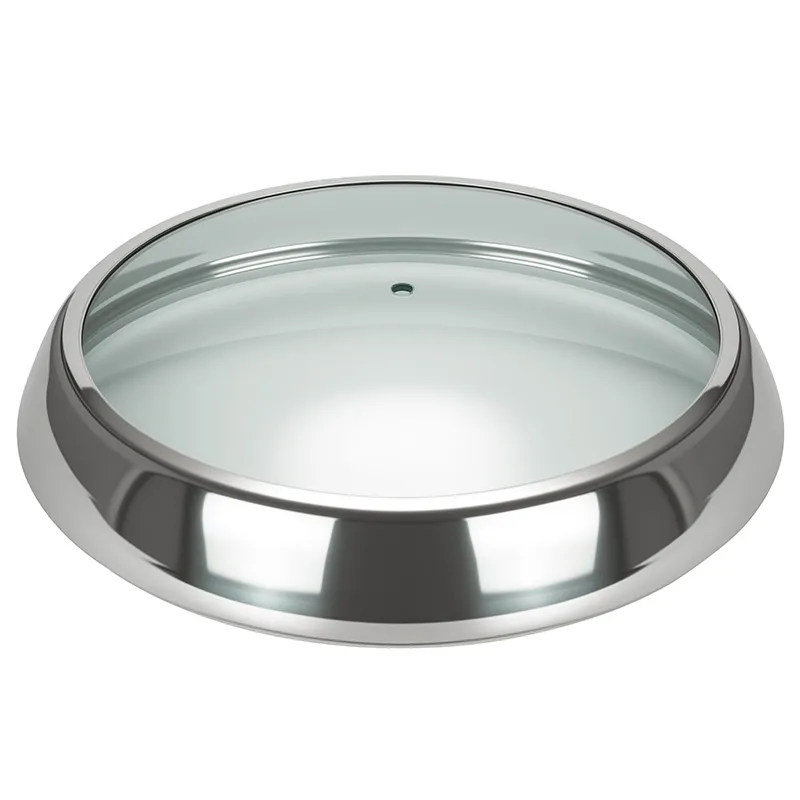
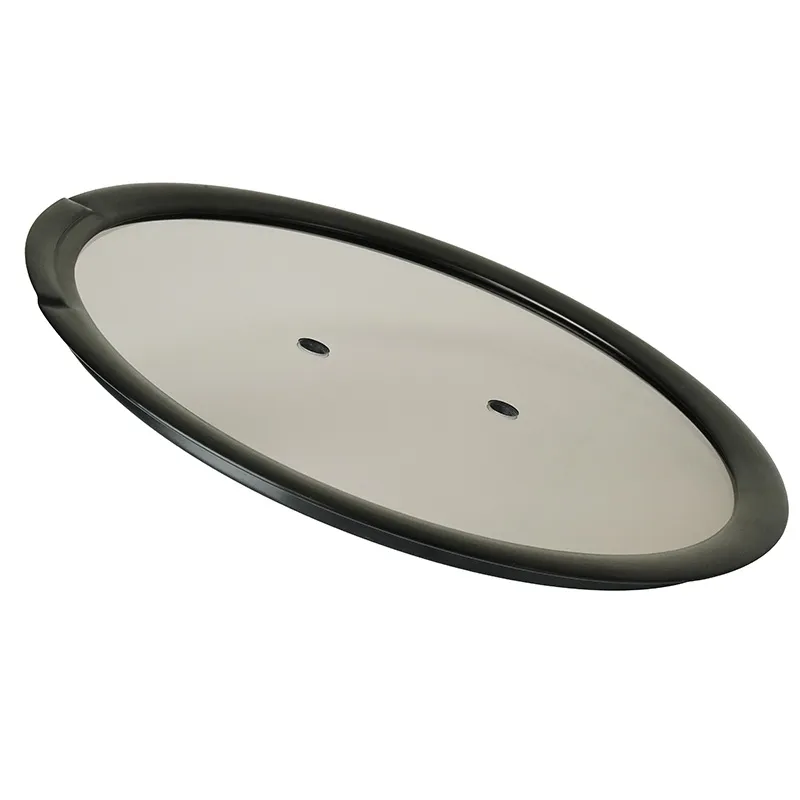
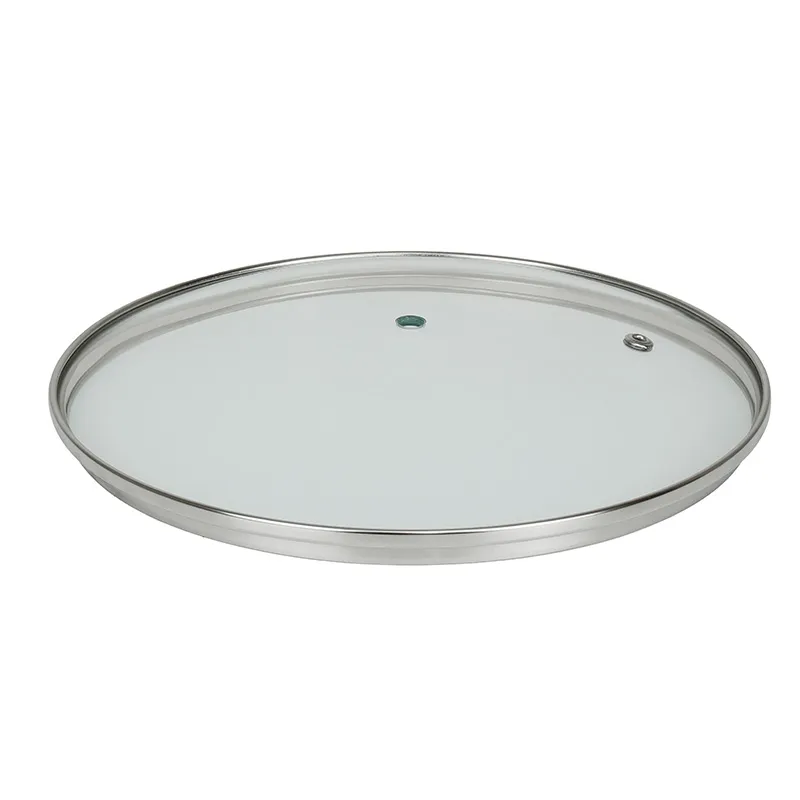
10 inch glass lid for frying pan
When you hear 10 inch glass lid for frying pan, most folks just think it's a piece of tempered glass that fits a pan. That's the first mistake. In reality, it's a critical interface between you and your cooking process. The right lid isn't just about containment; it's about moisture management, heat control, and visual monitoring. I've seen too many kitchens, both home and pro setups, treat the lid as an afterthought, grabbing whatever fits. But a poorly fitting or low-quality lid can ruin a good sear or turn a braise into a boil. Let's talk about why the specifics matter.
The Fit: Where Most Generic Lids Fail
The diameter is just the starting point. A true 10-inch lid must account for the pan's flange or lip. I've measured dozens of 10-inch pans from different brands, and the top opening can vary by nearly a centimeter. A lid from one brand might sit loosely on another, letting all your precious steam escape. That's a common frustration. The ideal lid has a slight, consistent bevel on the underside of its rim. This creates a kind of seal, not airtight, but enough to keep condensation cycling properly. If you see steam consistently billowing from one side, that's a fit issue, not a boiling problem.
Then there's the knob. A lot of cheap imports use a plastic knob that's simply glued on. The first time that lid goes into a hot oven, or even sits too long on a steaming pan, that glue fails. I've had knobs pop off in the middle of service. It's a small part, but it renders the lid useless. You want a glass lid with a stainless steel or heat-resistant phenolic knob that's secured with a mechanical fastener, like a nut and bolt, not just adhesive. It seems obvious, but you'd be surprised how many skip this.
I remember sourcing a batch for a client who needed lids for a line of commercial sauté pans. We specified the exact inner diameter. The first sample batch arrived, and they fit... if you didn't touch the pan. The moment you moved it, they'd slide and clatter. The supplier had polished the bevel too much. We had to go back, ask for a rougher finish on the grinding wheel for the bevel edge. That tiny adjustment in the manufacturing spec made all the difference. It's these minutiae that separate a product from a part.
Glass Quality: Tempering Isn't a Magic Word
Everyone says tempered glass lid. It's the bare minimum for safety. But the quality of tempering varies wildly. Good tempering creates uniform internal stress, so if it does break (and all glass can), it crumbles into small, blunt pieces. Bad tempering can leave weak spots. I've conducted informal thermal shock tests—taking a lid from a 400°F oven and placing it on a damp cloth. A well-tempered lid handles it. A poorly tempered one might develop a hairline crack or, worse, pop later. It's not a standard test, but it tells you about the stability of the material.
The thickness is another spec people glance over. For a 10 inch glass lid, you typically see 3mm or 4mm. Thicker isn't always better; 4mm is heavier and holds more heat, which can be great for retaining warmth but also means it gets hotter to handle. For a home kitchen, 3mm is often sufficient. For a restaurant where it's being slammed on and off a pan hundreds of times a night, the extra durability of 4mm might be worth the weight. You have to match it to the use case.
Clarity matters more than you'd think. A hazy or greenish tint in the glass isn't just cosmetic. It can distort the color of your food, making it harder to judge doneness by sight. High-quality soda-lime glass should have a neutral, clear appearance. I once rejected a shipment from a new factory because the glass had a slight wave in it, like looking through old window glass. The supplier argued it was within tolerance, but for a product meant for visual monitoring, it failed its primary function.
The Manufacturing Reality and a Reliable Source
This is where you separate marketing from capability. Producing consistent, high-quality glass lids requires precise control over cutting, edging, tempering, and assembly. It's a volume game with tight margins, so corners are often cut on finishing. A company that specializes in this, like EUR-ASIA COOKWARE CO.,LTD, operates on a different scale. Their focus on household glass products and kitchen accessories means their processes are built around these specific items. A factory sprawling over 20,000㎡ and pumping out over 15 million pieces annually isn't tinkering; it's refining.
Their export focus—over 90% to markets like Germany, Italy, Japan—is a telling quality signal. European buyers, in particular, have brutal standards for finish, safety, and packaging. If a company like EUR-ASIA can consistently meet those demands, it speaks to a mature quality control system. It's not just about making a lid; it's about making the same lid, a million times over, with the same fit and clarity. You can find their catalog and specs directly at their portal, https://www.glass-lid.com, which is useful for checking technical drawings and material certifications.
Working with a specialized manufacturer versus a general glass goods supplier is night and day. The former understands that the hole for the knob must be drilled before tempering, and the edges need a specific smoothness to prevent chipping against the pan. The latter might just cut a circle of tempered glass and glue a handle on. The end product looks similar on a shelf, but the performance and longevity are worlds apart.
Practical Scenarios and Common Pitfalls
Let's get practical. You buy a nice 10-inch stainless steel frying pan. It comes with a metal lid. You can't see a thing. So you go looking for a glass lid for frying pan. The first pitfall is assuming universal fit. Always check the manufacturer's recommended lid part number, if available. If not, measure the inner diameter of the pan's top opening at its narrowest point.
Second pitfall: oven safety. Many glass lids are oven-safe to around 350°F or 400°F. But if you're doing a braise that starts on the stovetop and goes into a 450°F oven, you need to know the limit. That phenolic knob might be the weak link. I've seen lids where the glass was fine, but the knob material degraded. Always check the specs for both glass and handle components.
Cleaning is another thing. The best lids have smooth, polished edges that don't trap grease or food residue at the rim. Avoid lids with a sandblasted or frosted edge finish; they look nice but become impossible to clean if gravy or starch bubbles over and bakes on. A simple, clear, fire-polished edge is the most functional. It's the kind of detail you only learn from cleaning a hundred of them.
Beyond the Lid: The System It Completes
A glass lid isn't a standalone product. It's part of a cooking system. Its job is to work in harmony with the pan's material and your heat source. On a thin, conductive pan over high heat, a lid can help distribute heat more evenly and prevent scorching in the center. On a heavy cast iron or clad pan, it's more about moisture retention for slow cooking.
I experimented with using a slightly smaller 9.5-inch lid on a 10-inch pan to create a deliberate gap for reducing sauces faster while still containing splatter. It worked, but it was a niche hack. For most people, the correct fit is paramount. The value of a good lid is in its reliability—you shouldn't have to think about it. It should sit snugly, let you see your onions sweating or your chicken braising, and come off easily without sticking from the vacuum seal that sometimes forms.
In the end, sourcing something as seemingly simple as a 10 inch glass lid points you toward the larger ecosystem of kitchenware manufacturing. Companies that have invested in the infrastructure, like EUR-ASIA with its dedicated production base in Taian, are set up to solve these precise engineering problems at scale. For a chef, a restaurateur, or even a serious home cook, finding that reliable source—where the product details are considered, and the specs are consistent—is half the battle won. The lid stops being a cover and starts being a tool.
Related Products
Related Products