- Chinese
- French
- German
- Portuguese
- Spanish
- Russian
- Japanese
- Korean
- Arabic
- Irish
- Greek
- Turkish
- Italian
- Danish
- Romanian
- Indonesian
- Czech
- Afrikaans
- Swedish
- Polish
- Basque
- Catalan
- Esperanto
- Hindi
- Lao
- Albanian
- Amharic
- Armenian
- Azerbaijani
- Belarusian
- Bengali
- Bosnian
- Bulgarian
- Cebuano
- Chichewa
- Corsican
- Croatian
- Dutch
- Estonian
- Filipino
- Finnish
- Frisian
- Galician
- Georgian
- Gujarati
- Haitian
- Hausa
- Hawaiian
- Hebrew
- Hmong
- Hungarian
- Icelandic
- Igbo
- Javanese
- Kannada
- Kazakh
- Khmer
- Kurdish
- Kyrgyz
- Latin
- Latvian
- Lithuanian
- Luxembou..
- Macedonian
- Malagasy
- Malay
- Malayalam
- Maltese
- Maori
- Marathi
- Mongolian
- Burmese
- Nepali
- Norwegian
- Pashto
- Persian
- Punjabi
- Serbian
- Sesotho
- Sinhala
- Slovak
- Slovenian
- Somali
- Samoan
- Scots Gaelic
- Shona
- Sindhi
- Sundanese
- Swahili
- Tajik
- Tamil
- Telugu
- Thai
- Ukrainian
- Urdu
- Uzbek
- Vietnamese
- Welsh
- Xhosa
- Yiddish
- Yoruba
- Zulu
- Kinyarwanda
- Tatar
- Oriya
- Turkmen
- Uyghur


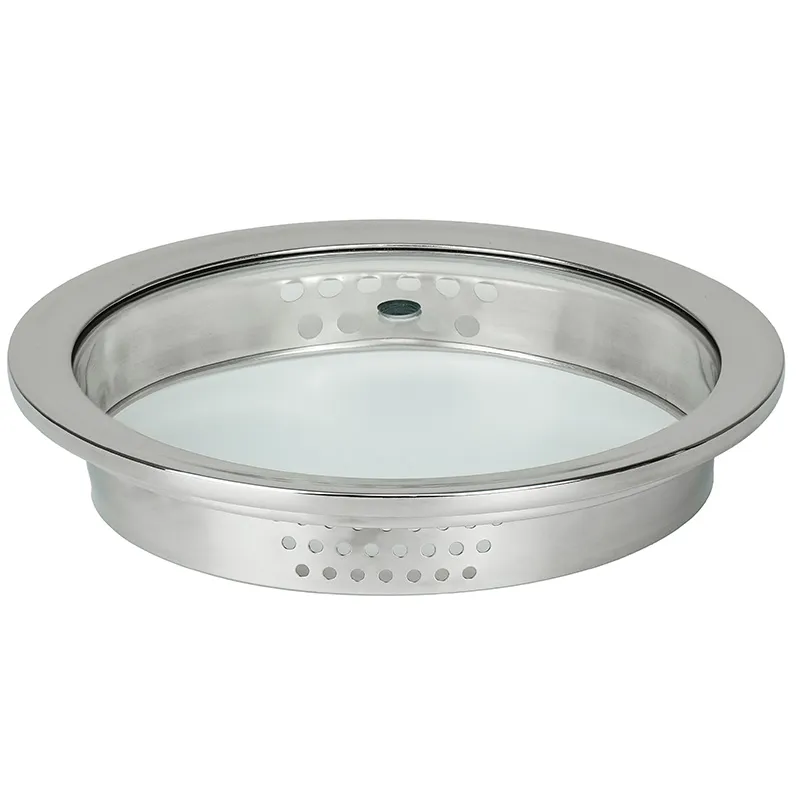
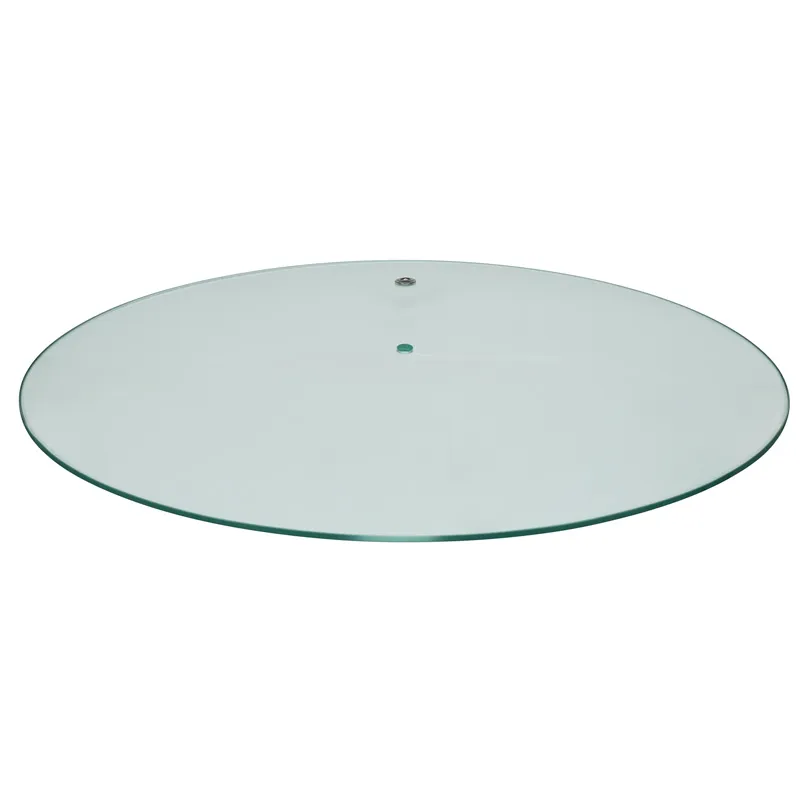
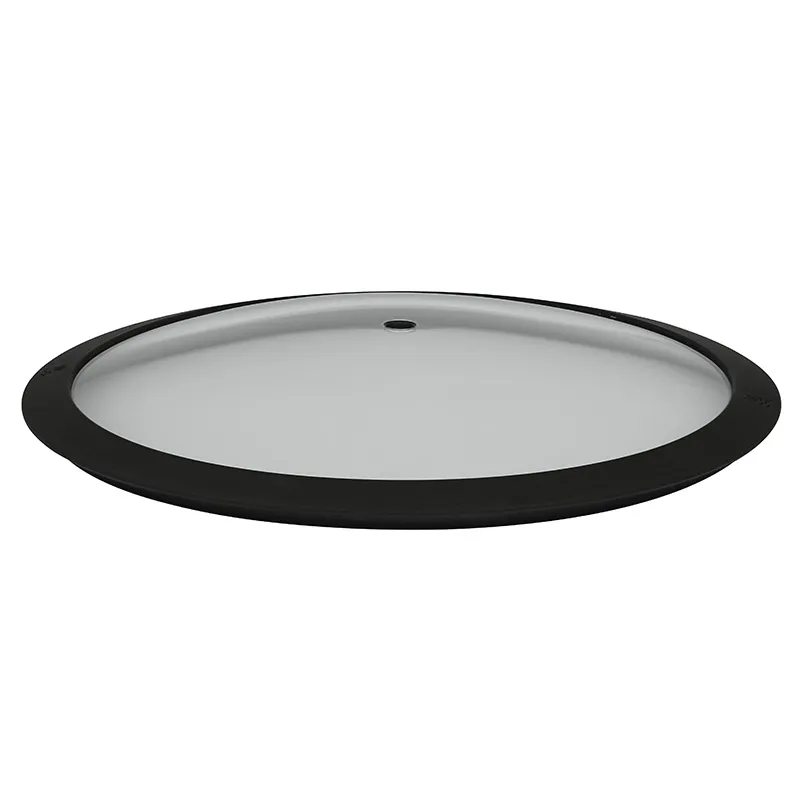
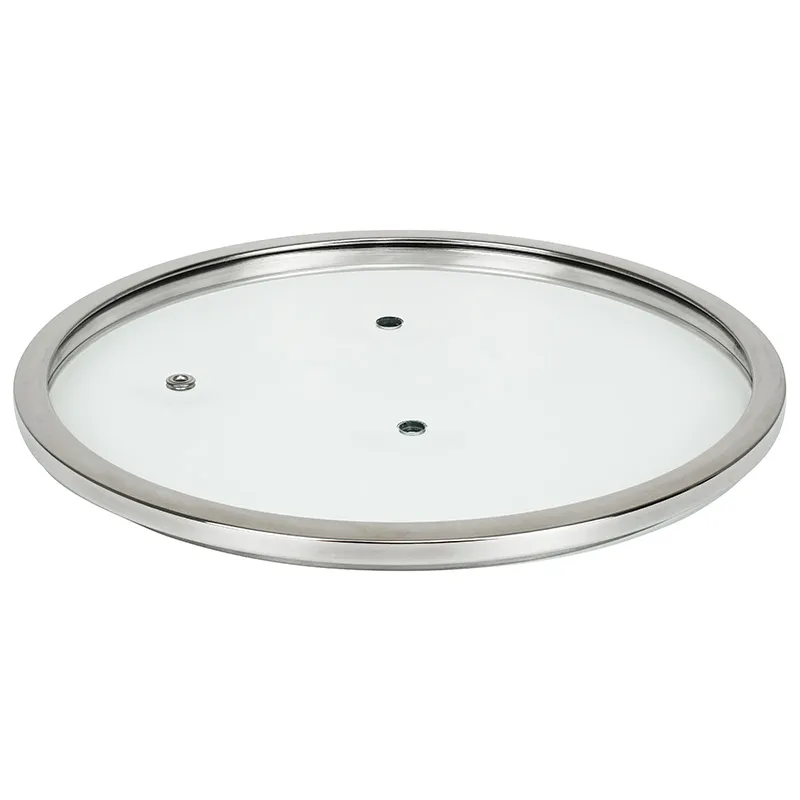
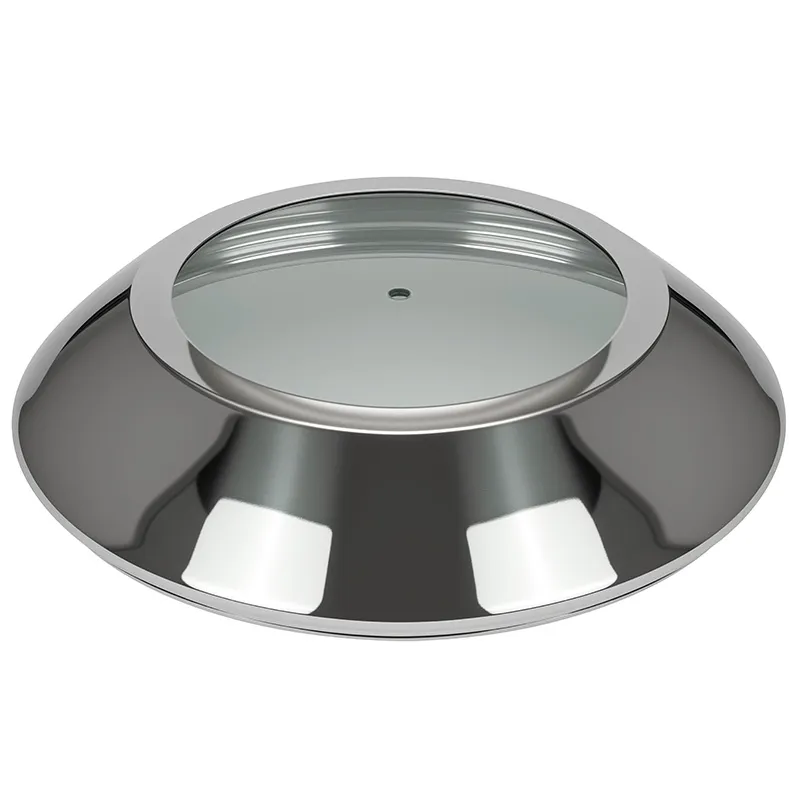
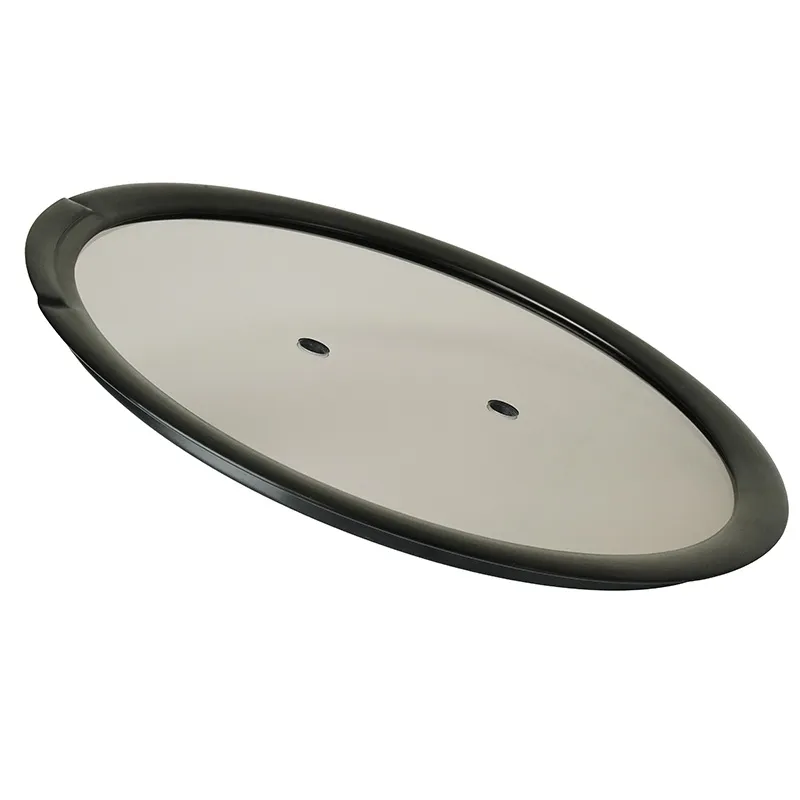
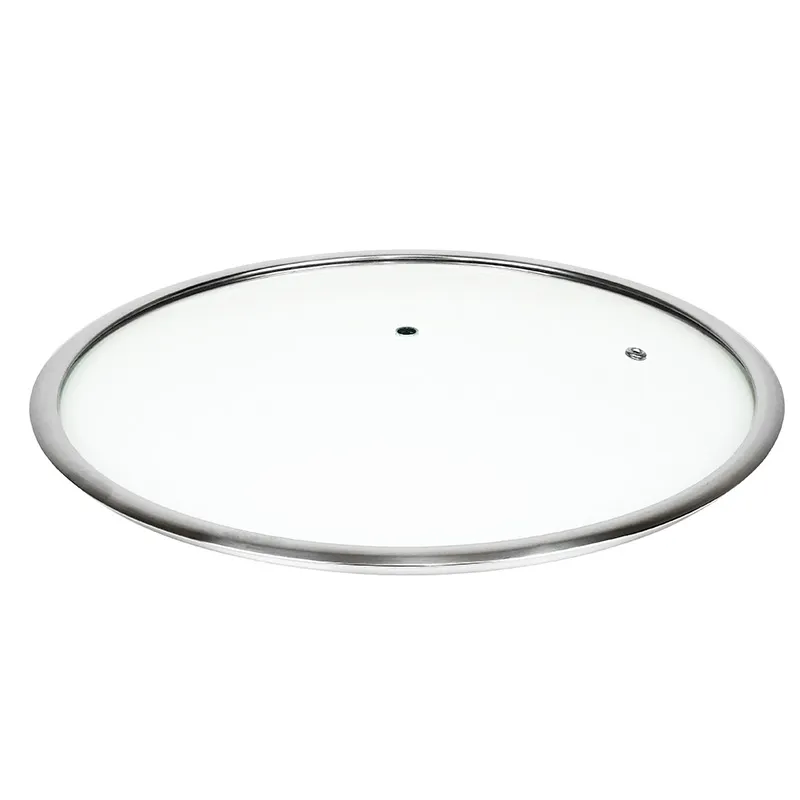
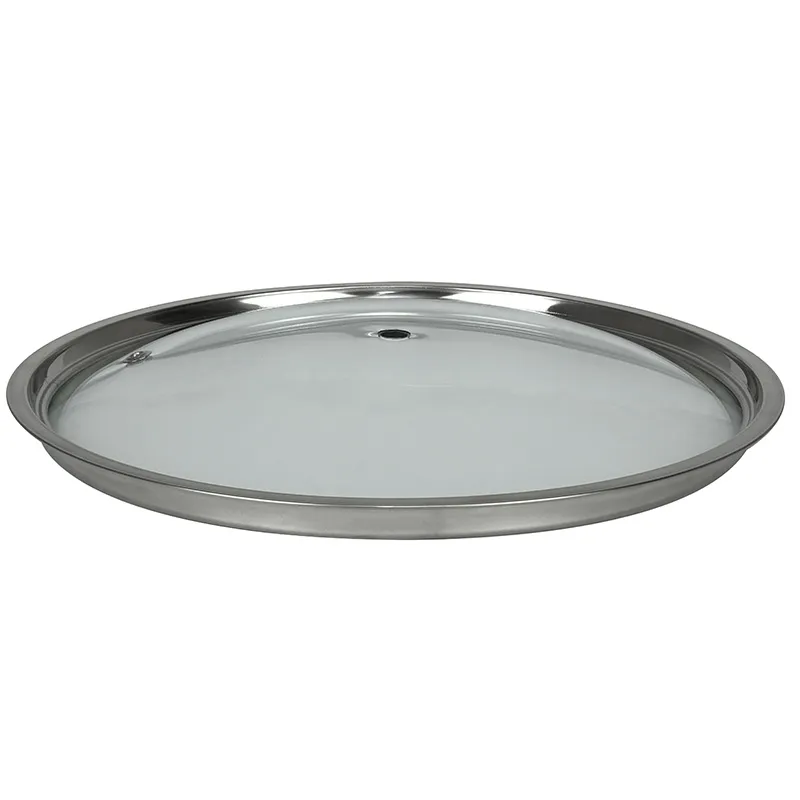
10 inch tempered glass lid
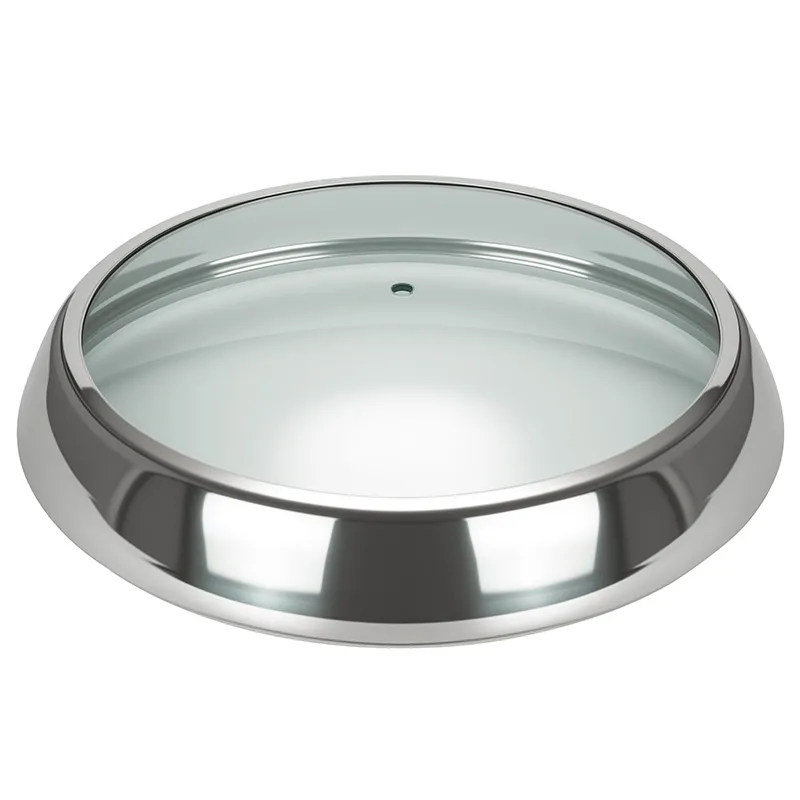
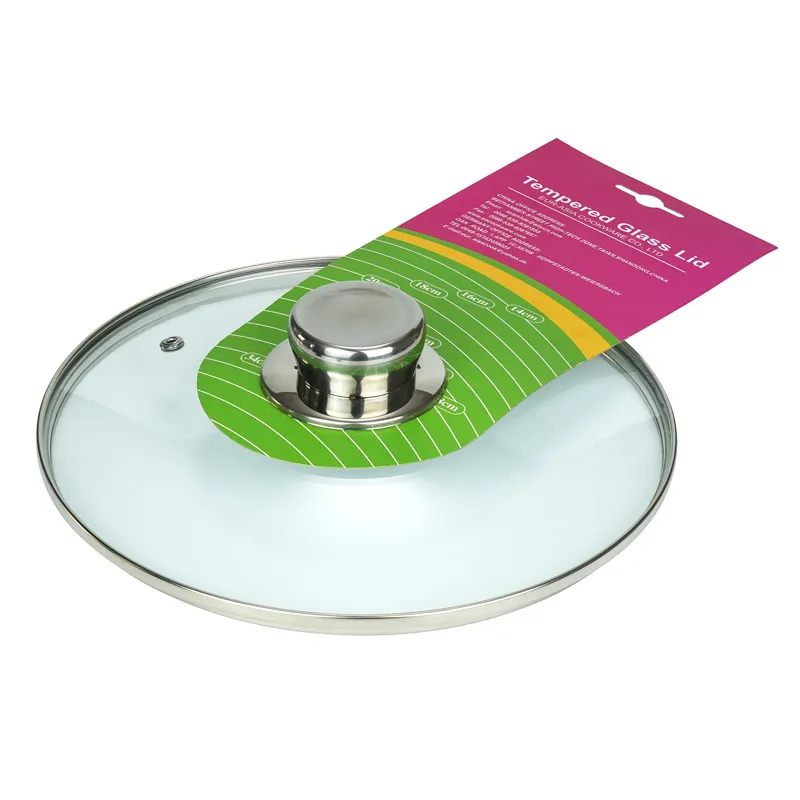
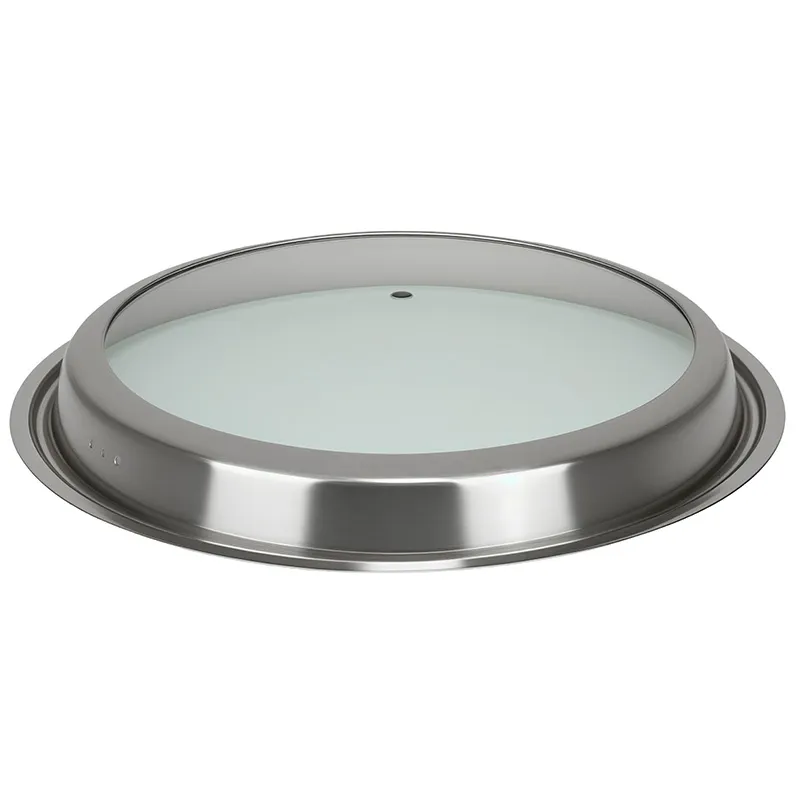
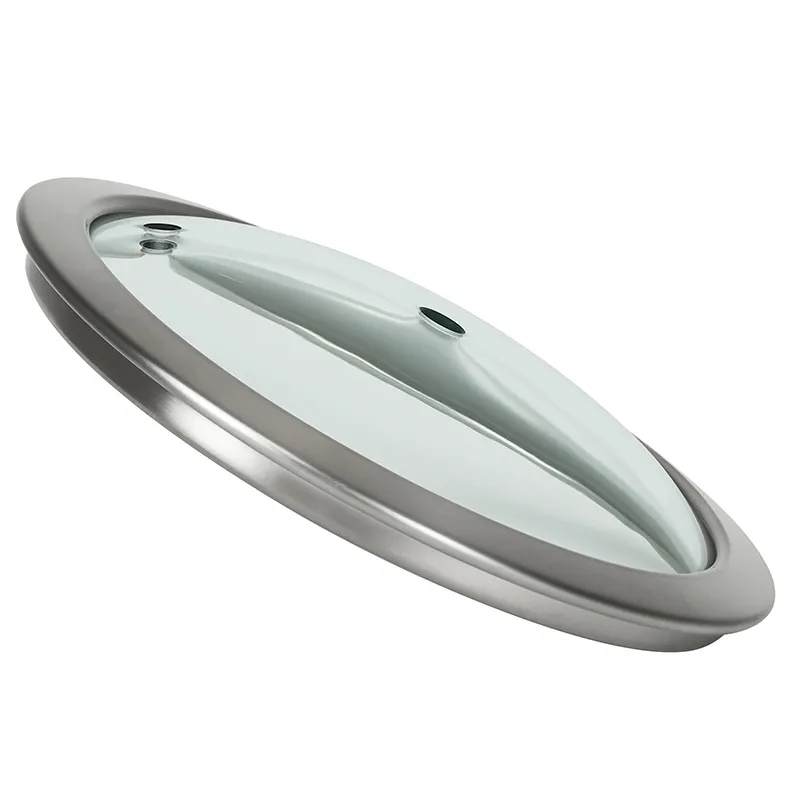
When you hear '10 inch tempered glass lid', the immediate thought is often just dimensions and safety glass. But in reality, that spec is the starting point for a dozen practical headaches and quality judgments that don't show up in a catalog description. The 10-inch size, common for Dutch ovens and large skillets, sits in a tricky spot—it's large enough that thermal stress during cooking is a real factor, yet often treated with the same manufacturing assumptions as an 8-inch lid. I've seen too many buyers, even some importers, fixate on the 'tempered' part as a magic bullet, forgetting that how it's tempered, the rim finishing, and the handle's thermal management are what actually determine if it cracks in a year or lasts a decade.
The Manufacturing Reality Check
Visiting factories like EUR-ASIA COOKWARE CO.,LTD's facility in Taian drives this home. You see the scale—15,000 square meters of production space dedicated to glass. Their stated output of over 15 million pieces annually isn't just a boast; it means their processes are tuned for volume. But volume manufacturing of tempered glass lid units creates its own challenges. Consistency is king. For a 10-inch lid, the glass blank must be cut with minimal edge flaws before it even hits the tempering furnace. A tiny chip at this stage can become a stress focal point later. At EUR-ASIA, I watched their QC team spot-check blanks under angled lights, a simple but critical step many smaller shops skip.
The tempering process itself is where the real science lies. It's not just about heating and quenching. For a lid, the curvature—often a very slight dome—affects how the compressive stress layer forms. An improperly calibrated furnace can leave the center of a 10 inch tempered glass lid with weaker tension than the edges. I recall a batch from a different supplier years ago where lids would spontaneously shatter when placed on a cold granite countertop straight from the dishwasher. The culprit? Inconsistent quenching air pressure across the lid surface, creating unstable internal stress. The failure mode was spectacular and total.
This is where a specialized producer's focus matters. A company like EUR-ASIA, exporting over 90% of its output to markets like Germany and Japan, faces stringent buyer audits. These buyers test for thermal shock by cycling lids from a 450°F oven to an ice water bath. A lid that survives might still fail a 'sandbag impact test' where a weight is dropped on its center. Passing both requires a precise tempering recipe. It's not just about making glass strong; it's about making it predictably strong.
The Handle and the Rim: Where Good Lids Go Bad
If the glass itself is 70% of the battle, the remaining 30% is all about the attachments. The handle and the rim finishing are the most common points of failure in real-world use. For a 10 inch tempered glass lid, the handle is a critical heat sink. A cheap, solid metal knob will get scorching hot faster than a design with some air insulation or a larger thermal mass. I've preferred designs where the knob uses a stainless steel sleeve over a phenolic resin core, screwed into a bonded metal bracket. The bracket itself is the tricky part.
The bonding method—usually a high-temperature silicone adhesive—must accommodate the different thermal expansion rates of glass and metal. I've seen lids where the bracket adhesive failed after repeated high-heat searing, causing the handle to loosen. The best practice is a combination of mechanical retention (like a small metal clip molded into the bracket) and adhesive. On EUR-ASIA's site, you can see some of their lid variants feature this reinforced bracket design, though they don't advertise the engineering behind it. It's a detail you only look for after dealing with returns.
Then there's the rim. A ground and polished smooth rim isn't just for aesthetics; it's for sealing and safety. A rough, sharp edge can chip against a cast iron pot, and it won't sit flush, letting steam escape. The polishing process adds cost. Some manufacturers will fire-polish the edge, which is faster but can round the edge too much, affecting the seal. A properly machine-polished flat rim is a sign of a higher-tier product. It's one of the first things I check when evaluating a sample.
Thermal Shock and the Wobble Test
Thermal shock resistance is the holy grail for glass lids. The theory is simple: tempered glass can handle it. The reality is messier. The most common failure scenario isn't moving from oven to ice bath; it's a home cook adding a splash of cool liquid to a screaming hot pan covered with a tempered glass lid. The sudden, localized cooling on one spot of the lid creates intense stress. A good lid can handle this. A marginal one will develop a small, often invisible, surface crack (a check) that later propagates.
There's an informal test we use in the industry, which I call the wobble test. Take a finished 10 inch tempered glass lid and place it on a perfectly flat surface, like a granite slab. Gently press down on opposite edges. You'll see a slight flex. Now, rotate it and do the same. The flex should be uniform. If one axis flexes noticeably more than another, it indicates an asymmetry in the tempered stress layer. That lid is more likely to fail under uneven thermal load. It's not in any official spec sheet, but it's a quick, telling check.
I remember a shipment for a client in Poland where a batch failed in the field exactly this way. The lids passed the standard laboratory thermal shock test (a controlled, full-body quench) but cracked when users deglazed pans. Our investigation traced it back to a batch of glass that had slightly uneven thickness before tempering, leading to that asymmetric stress profile. The factory had to recalibrate their glass cutting and grinding line. It's a reminder that quality control needs to happen at multiple stages, not just on the final product.
Logistics and the Packaging Problem
An often-overlooked aspect of a 10 inch tempered glass lid is getting it to the customer intact. A 10-inch lid is a large, fragile disc. Packaging is a major cost and design challenge. Standard corrugated cardboard with foam end caps is often insufficient for long-distance sea freight, where containers can experience significant G-forces. Vibration can cause the lid to rub against the packaging, leading to frosting or micro-scratches on the surface.
Successful exporters invest in custom molded pulp or EPS foam trays that cradle the lid's entire circumference, not just the edges. The packaging for the handle is equally important—it must prevent any lateral force on the bonded bracket during drops. EUR-ASIA's volume suggests they've likely optimized this, as damage in transit would cripple their relationships with major European retailers. I've seen packaging so good it's almost harder to open without a knife than it is to break the lid inside.
This logistics chain also dictates design choices. A very pronounced, high-dome lid might be great for accommodating a large roast, but it's a nightmare to stack and pack efficiently, driving up shipping costs per unit. The most common 10-inch lids you see have a relatively low profile dome as a compromise between functionality and logistical efficiency. It's a practical constraint that shapes the product on your shelf.
The Future: Coatings and Smart Features?
Where does the humble glass lid go from here? The trend I'm seeing, particularly from European buyers, is toward applied coatings. A hydrophobic coating on the exterior makes it easier to clean grease splatter. Some are experimenting with very thin, durable metallic coatings around the rim to improve the seal against specific pot materials, though adhesion to tempered glass is tricky.
The idea of a smart lid with embedded sensors for temperature or steam pressure gets floated occasionally, but it's largely a gimmick at this stage. The thermal and mechanical environment is too hostile for most electronics, and it solves a problem most cooks don't have. The real innovation is in incremental improvements: more consistent tempering, more durable handle bonds, and smarter packaging. For a company focused on production like EUR-ASIA COOKWARE, the next five years will likely be about refining these fundamentals to even higher levels of reliability, driven by the relentless quality demands of their export markets. The 10 inch tempered glass lid won't become a gadget; it will just become almost indestructibly good at its one job: covering a pot.
Related Products
Related Products