- Chinese
- French
- German
- Portuguese
- Spanish
- Russian
- Japanese
- Korean
- Arabic
- Irish
- Greek
- Turkish
- Italian
- Danish
- Romanian
- Indonesian
- Czech
- Afrikaans
- Swedish
- Polish
- Basque
- Catalan
- Esperanto
- Hindi
- Lao
- Albanian
- Amharic
- Armenian
- Azerbaijani
- Belarusian
- Bengali
- Bosnian
- Bulgarian
- Cebuano
- Chichewa
- Corsican
- Croatian
- Dutch
- Estonian
- Filipino
- Finnish
- Frisian
- Galician
- Georgian
- Gujarati
- Haitian
- Hausa
- Hawaiian
- Hebrew
- Hmong
- Hungarian
- Icelandic
- Igbo
- Javanese
- Kannada
- Kazakh
- Khmer
- Kurdish
- Kyrgyz
- Latin
- Latvian
- Lithuanian
- Luxembou..
- Macedonian
- Malagasy
- Malay
- Malayalam
- Maltese
- Maori
- Marathi
- Mongolian
- Burmese
- Nepali
- Norwegian
- Pashto
- Persian
- Punjabi
- Serbian
- Sesotho
- Sinhala
- Slovak
- Slovenian
- Somali
- Samoan
- Scots Gaelic
- Shona
- Sindhi
- Sundanese
- Swahili
- Tajik
- Tamil
- Telugu
- Thai
- Ukrainian
- Urdu
- Uzbek
- Vietnamese
- Welsh
- Xhosa
- Yiddish
- Yoruba
- Zulu
- Kinyarwanda
- Tatar
- Oriya
- Turkmen
- Uyghur


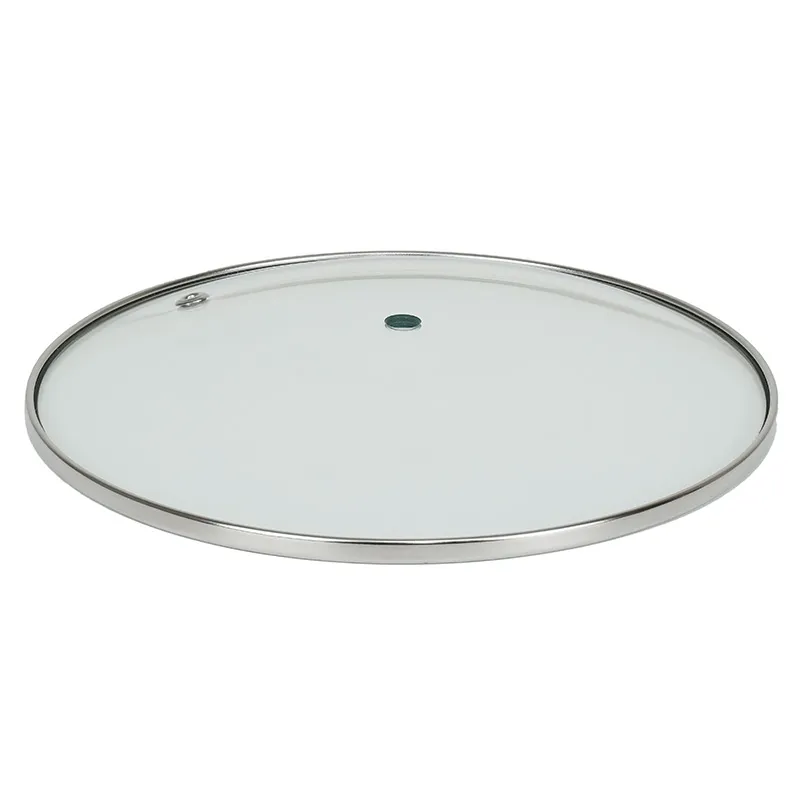
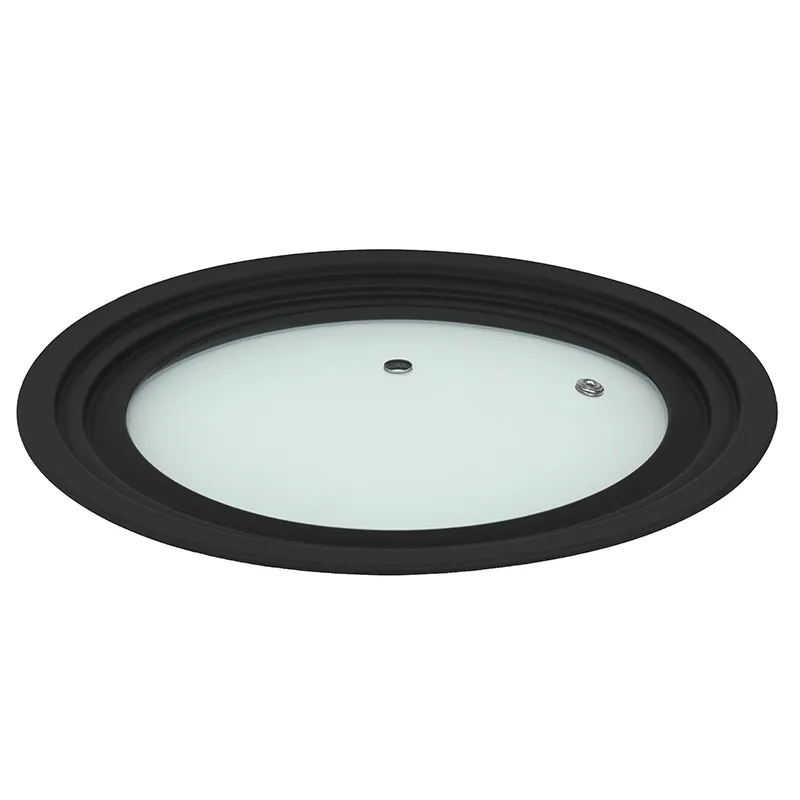
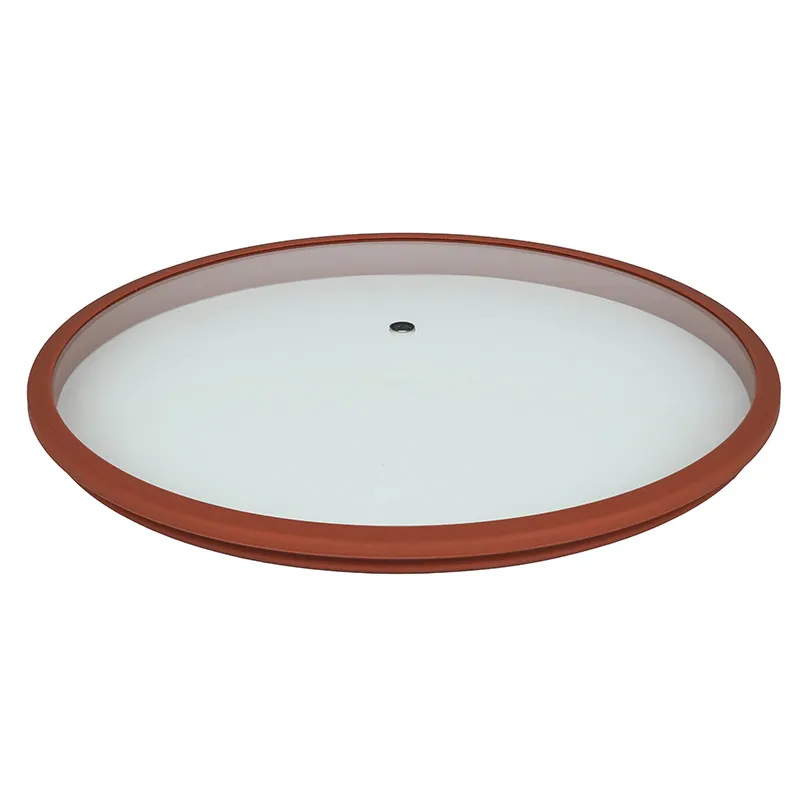
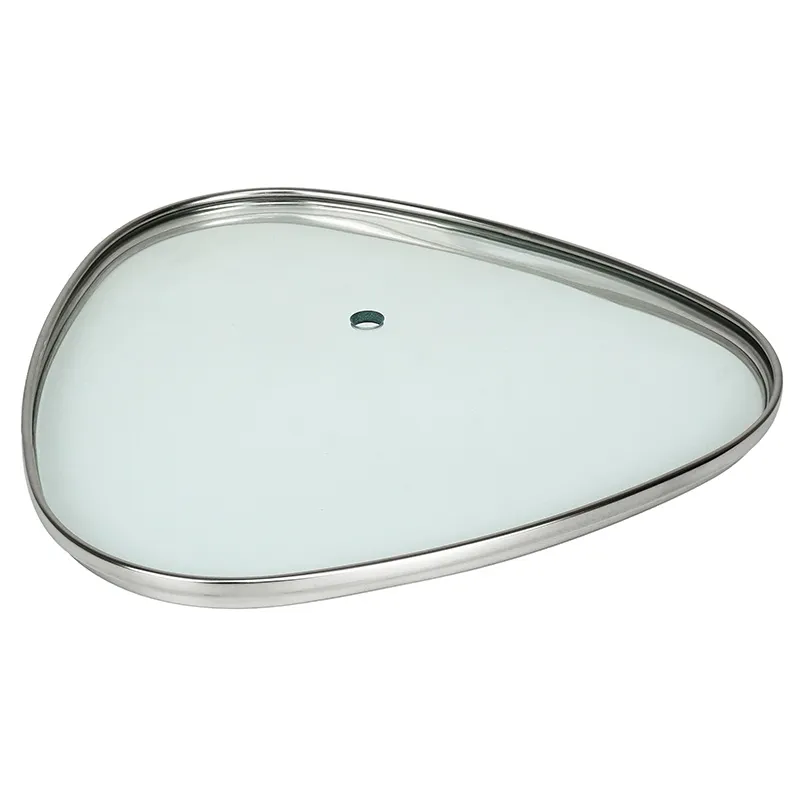
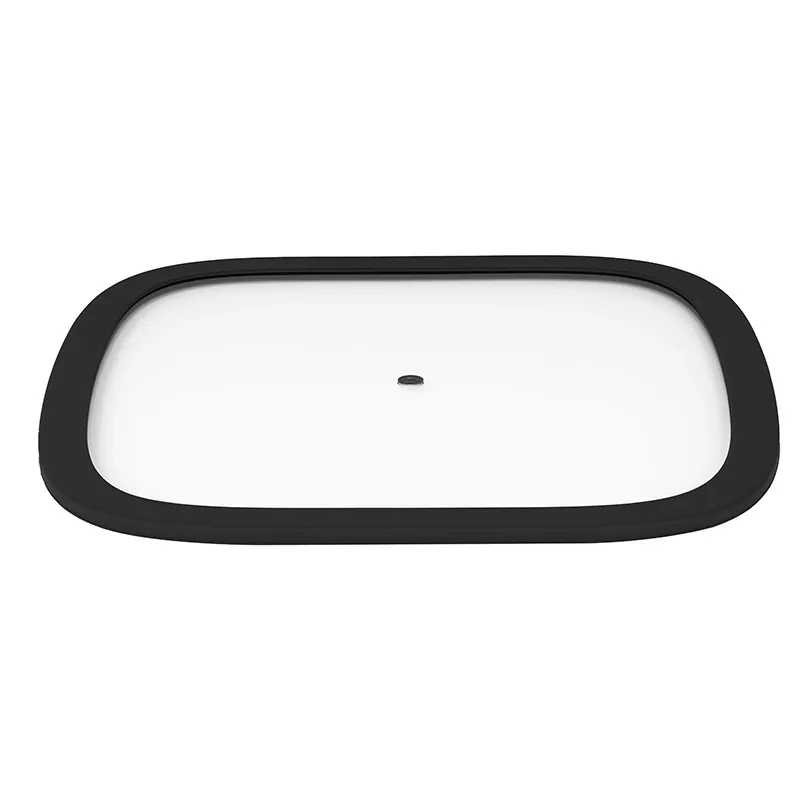
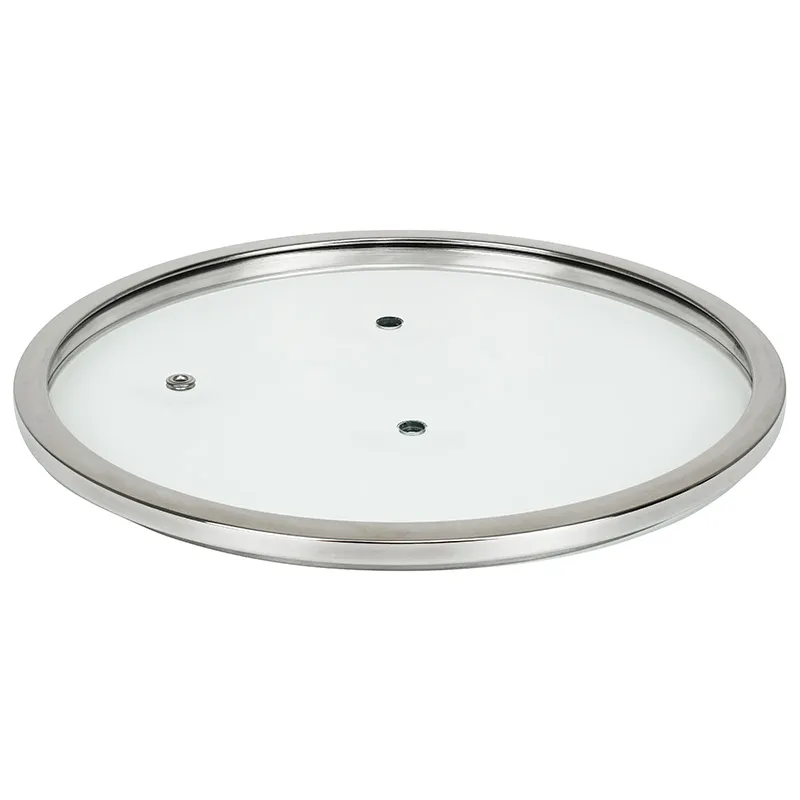
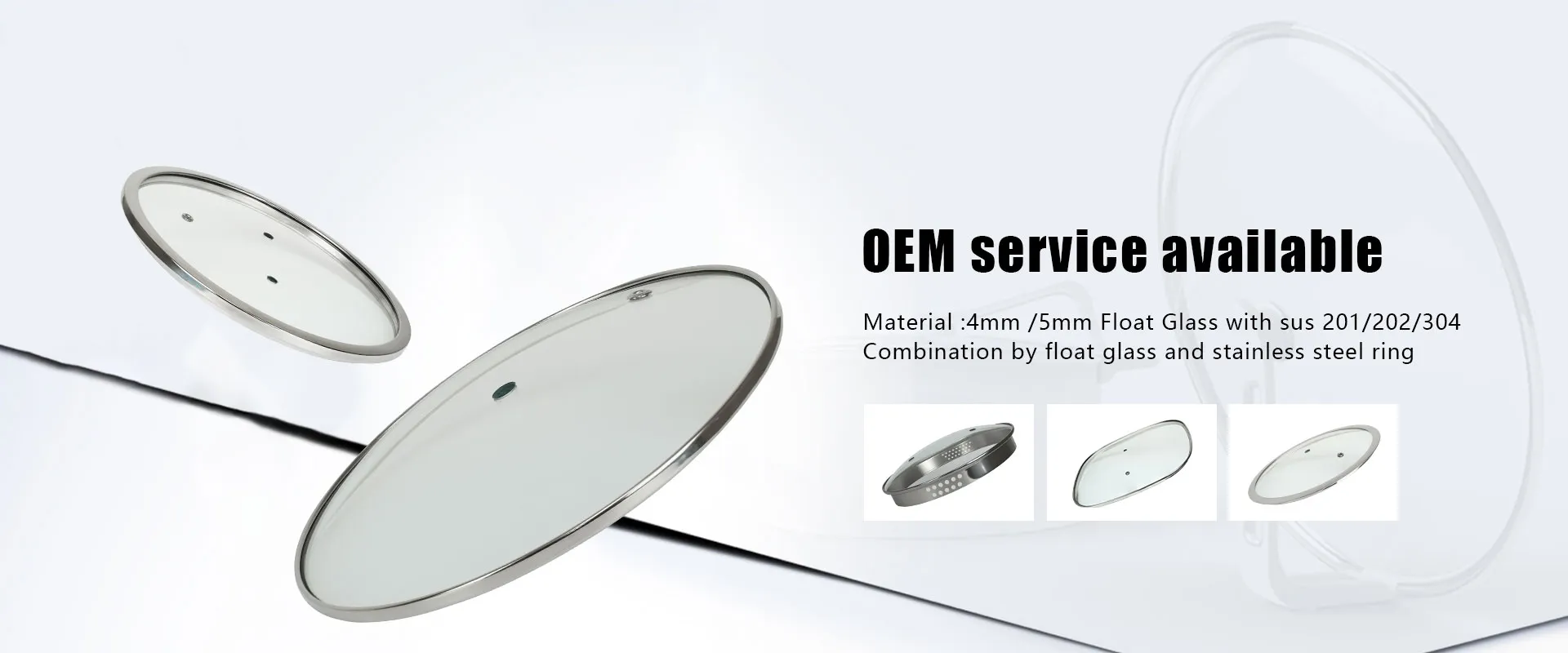
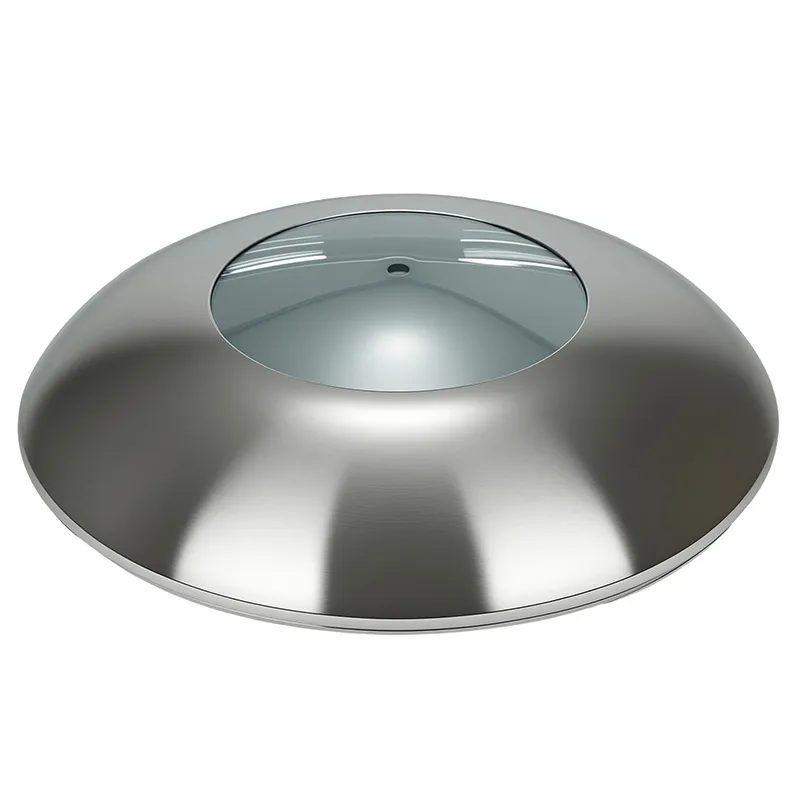
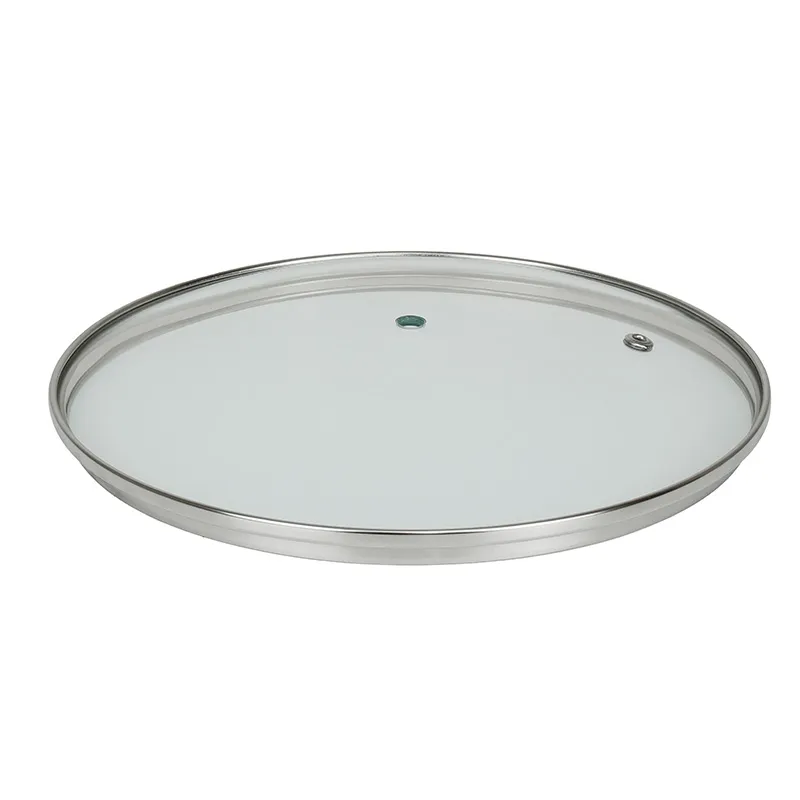
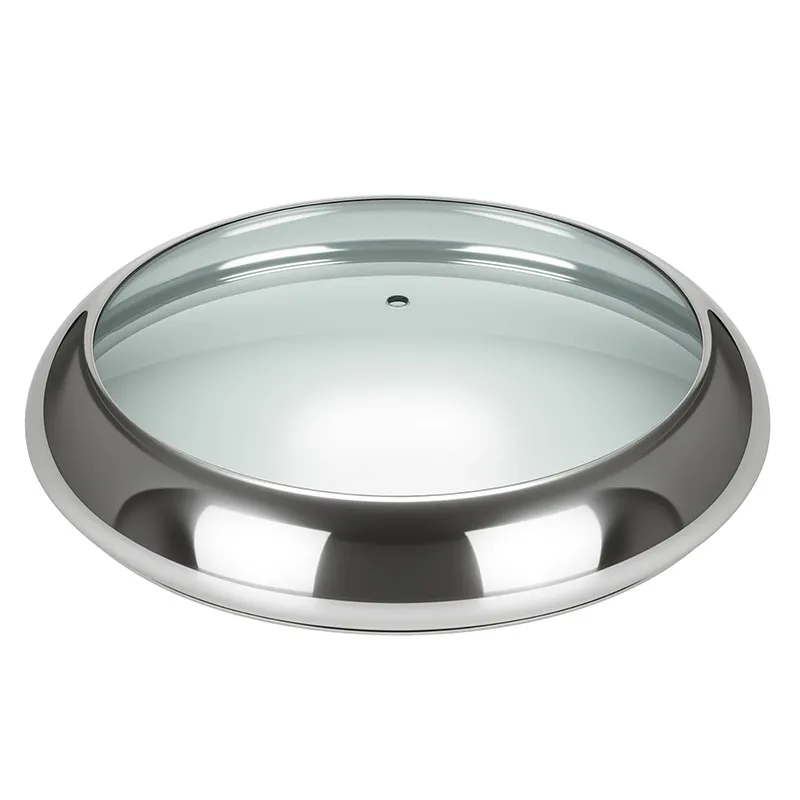
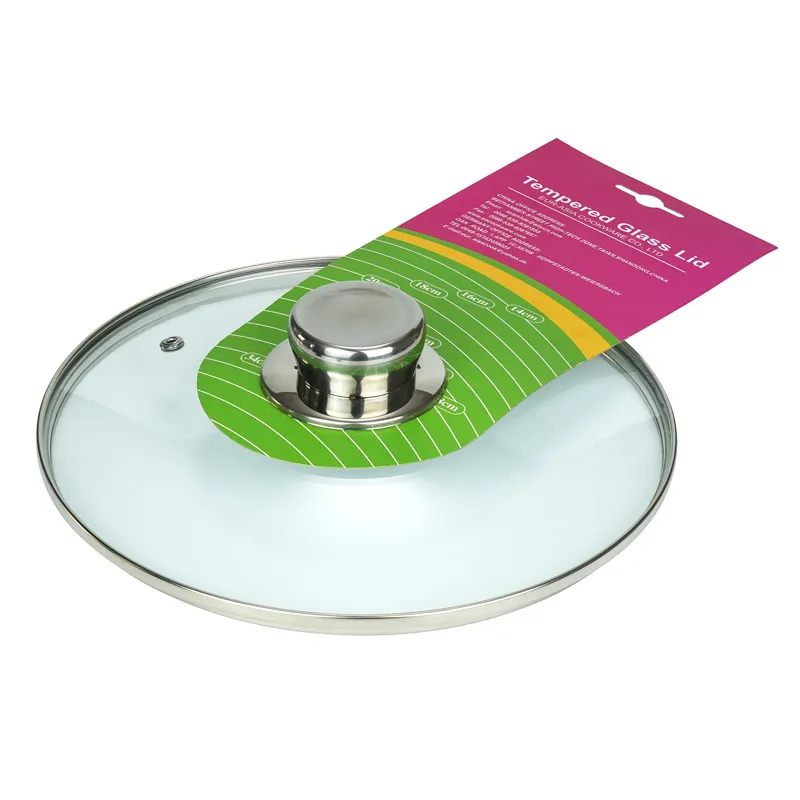
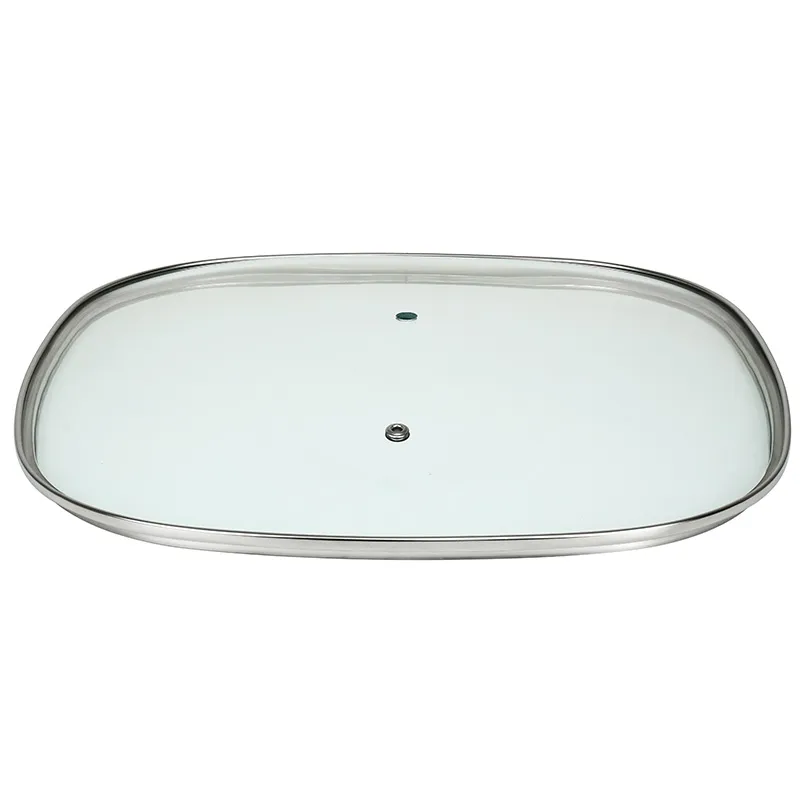
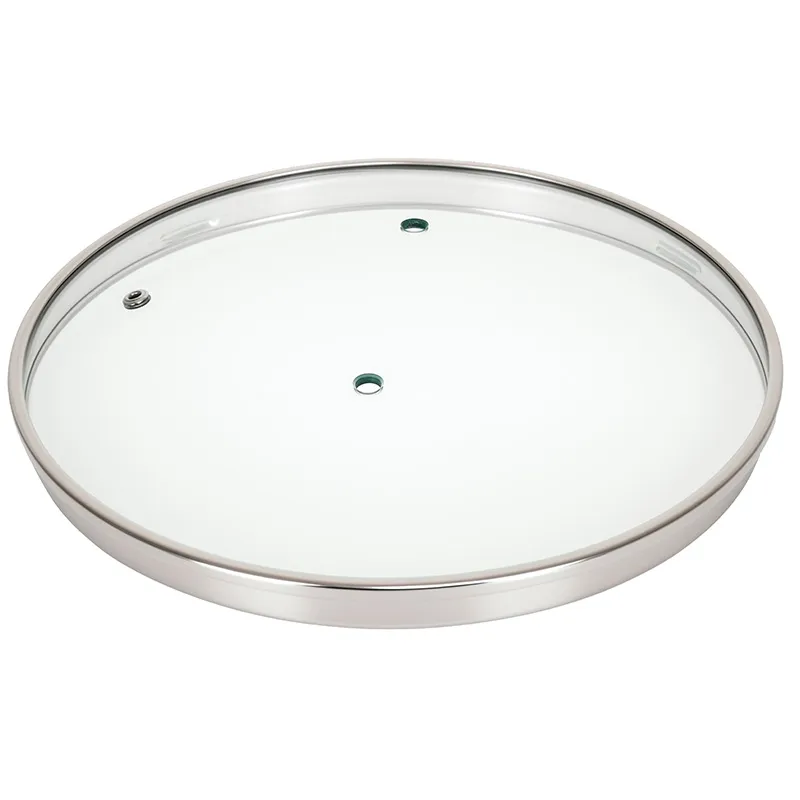
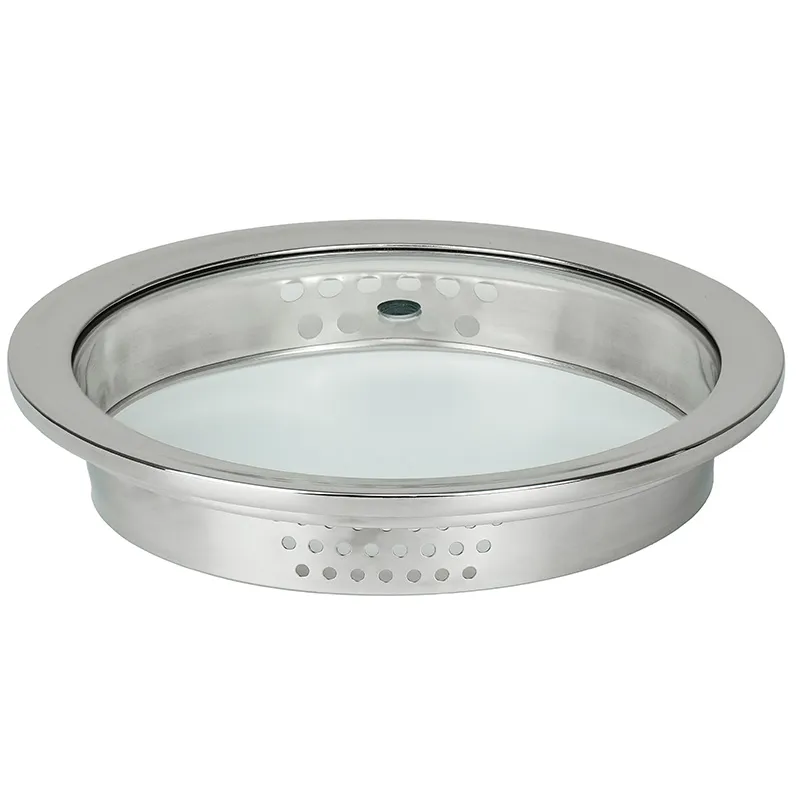
10 tempered glass lid
When you see a spec like '10 tempered glass lid', it's easy to just think about quantity. Ten lids. But in this business, that number often masks the real conversation—it's rarely about needing exactly ten identical pieces. It's usually a starting point for a custom order, a sample run, or a specific replacement program for a cookware set. The immediate assumption many make is that all ten will be identical in every dimension, which is the first place things get tricky. Thickness, handle material, edge finishing, and the curvature radius all come into play, and a batch of ten is where you start seeing if your drawings and their production line are speaking the same language.
Why Tempered, and Why It's Not Just Stronger Glass
The 'tempered' part is non-negotiable for safety, but the degree of tempering and the resulting stress pattern can vary wildly between manufacturers. I've seen lids that passed a basic impact test but would shatter into larger, dangerous shards under specific thermal shock—like going from a hot stove directly into a sink of cold water. A proper lid should granulate into small, blunt pieces. I recall a batch from a few years back, not from our usual partners, where two out of a test run of ten lids developed internal stress cracks just sitting in the warehouse after a temperature change. That was a lesson in not just checking the certificate, but understanding the cooling process used in the quench oven.
This is where the scale of a manufacturer matters. A facility like EUR-ASIA COOKWARE CO.,LTD, which lists an annual output in the millions, has the volume to justify and maintain consistent tempering parameters. Their production base in Taian's high-tech zone suggests an investment in controlled environment manufacturing, which is critical for consistent glass quality. When you're dealing with a run of ten, you're essentially tapping into that large-scale, calibrated process for a micro-order, which is a benefit if they accommodate it.
The handle attachment is the other 50% of the problem. A glass lid can be perfectly tempered, but if the metal or phenolic handle bracket is attached with an adhesive that can't handle the differential expansion rate between metal and glass, it will fail. It might not pop off in the first week, but after 50 thermal cycles, you'll get a wobble. For any order, even a small one, the bonding method is a key spec point that needs to be locked down visually and with a performance standard.
The 10-Piece Order: Prototype, Sample, or Small Batch?
In practice, an order for 10 tempered glass lid units usually falls into one of three categories. First, it's a sampling order for a new design. Here, you're not just checking the look; you're testing fit on various pot diameters, checking the clarity (can you see the food simmering without lifting it?), and verifying the steam vent hole placement. Second, it could be for replacement parts for a high-end cookware line. This is tricky because the dimensions must be historical-match perfect. Third, it's a small batch for a niche product, like a specialty baking cloche.
Each category has different pain points. For samples, the lead time is often longer per unit than for mass production because the line needs to be set up. I've worked with EUR-ASIA on sample batches before, and the communication typically revolves around confirming the minutiae: the exact inner diameter of the rolled edge, the color of the silk-screen printing on the glass (which affects heat absorption slightly), and the packaging for each individual lid to prevent transit scratches.
For replacement parts, the challenge is legacy tooling. A lid designed five years ago might have used a handle bracket that's no longer common. Sourcing 10 pieces means either the factory has kept the mold (which companies with large export volumes like EUR-ASIA, serving markets from Germany to Japan, are more likely to do for past designs) or you need to pay for a new mold, which makes a 10-piece order economically nonsensical. This is a common commercial hurdle.
Critical Measurements Beyond Diameter
Everyone asks for the outer diameter. That's basic. The more telling measurements are the vertical height (or dome height) and the radius of the curvature. A flatter lid might fit more pans generically but can lead to condensation dripping around the edges instead of rolling back into the pot. A taller dome is better for braising but might not fit in a standard oven. For a set of 10, you need to confirm the consistency of this curvature across all pieces.
Then there's the fit. The industry talks about drop-in fit versus over-the-rim fit. A true drop-in fit, where the glass rests on a inner ledge of the pot, requires a much tighter tolerance on the outer diameter—we're talking +/- 0.5mm. An over-the-rim fit is more forgiving. You must specify which one you need. I've had a project fail because the samples were perfect for an over-the-rim pot, but the production run was for a drop-in application. The entire batch was unusable. The takeaway? Never assume the fit type; it must be on the technical drawing.
The thickness is usually stated, say, 3mm or 4mm. But you need to ask if that's the nominal thickness or the minimum thickness. Glass grinding can lead to slight variations. A reputable spec sheet will state 3mm ±0.2mm or similar. This tolerance affects both the weight and the thermal mass of the tempered glass lid.
Logistics and the Reality of International Supply
Ordering 10 pieces from a manufacturer in Shandong, China, who primarily exports to Europe and South America, involves logistical considerations that outweigh the product cost. The minimum charge for an air freight shipment might be more than the lids themselves. Sea freight is cheaper but impractical for 10 pieces unless consolidated. Often, for such small quantities, the lids are packed in heavy-duty cardboard partitions and shipped via express courier as samples.
This is where a company's export experience shows. A manufacturer like EUR-ASIA COOKWARE, with over 90% export to strict markets, will be familiar with the documentation (like detailed packing lists and material declarations) needed for smooth customs clearance, even for a sample box. They understand that for a German or Japanese client, the packaging cannot be an afterthought.
Another often-overlooked detail is shelf life or storage advice for the lids. Tempered glass, while strong, shouldn't be stored stacked directly on top of each other without separators, as point pressure on the surface can, over very long periods, induce spontaneous breakage. Good manufacturers will include simple foam pads between lids even in a sample shipment.
When 10 Lids Are Worth a Thousand Tests
Ultimately, a request for 10 tempered glass lids is a probe into a manufacturer's capability, flexibility, and attention to detail. It's a test run of the relationship as much as the product. Can they deliver ten perfectly identical, well-finished, and safely packaged lids? Does their communication clarify the ambiguous points? Do they ask about the application or just take the order?
From my experience, the process of securing a reliable small batch is more valuable than the lids themselves. It builds the foundation for a larger order. You learn who the engineering contact is, how they handle a minor revision, and what their failure analysis looks like if (when) something isn't perfect.
So, the next time you type '10 tempered glass lid' into an inquiry, think of it as the start of a technical dialogue. The number is just the entry point. The real value is in the specs behind it, the questions that follow, and the manufacturer's ability to turn a simple quantity into ten perfect, functional, and safe pieces of kitchenware. It's in these small batches that you see the true mettle—or should I say, the true glass—of a supplier.
Related Products
Related Products