- Chinese
- French
- German
- Portuguese
- Spanish
- Russian
- Japanese
- Korean
- Arabic
- Irish
- Greek
- Turkish
- Italian
- Danish
- Romanian
- Indonesian
- Czech
- Afrikaans
- Swedish
- Polish
- Basque
- Catalan
- Esperanto
- Hindi
- Lao
- Albanian
- Amharic
- Armenian
- Azerbaijani
- Belarusian
- Bengali
- Bosnian
- Bulgarian
- Cebuano
- Chichewa
- Corsican
- Croatian
- Dutch
- Estonian
- Filipino
- Finnish
- Frisian
- Galician
- Georgian
- Gujarati
- Haitian
- Hausa
- Hawaiian
- Hebrew
- Hmong
- Hungarian
- Icelandic
- Igbo
- Javanese
- Kannada
- Kazakh
- Khmer
- Kurdish
- Kyrgyz
- Latin
- Latvian
- Lithuanian
- Luxembou..
- Macedonian
- Malagasy
- Malay
- Malayalam
- Maltese
- Maori
- Marathi
- Mongolian
- Burmese
- Nepali
- Norwegian
- Pashto
- Persian
- Punjabi
- Serbian
- Sesotho
- Sinhala
- Slovak
- Slovenian
- Somali
- Samoan
- Scots Gaelic
- Shona
- Sindhi
- Sundanese
- Swahili
- Tajik
- Tamil
- Telugu
- Thai
- Ukrainian
- Urdu
- Uzbek
- Vietnamese
- Welsh
- Xhosa
- Yiddish
- Yoruba
- Zulu
- Kinyarwanda
- Tatar
- Oriya
- Turkmen
- Uyghur


11 inch glass lid
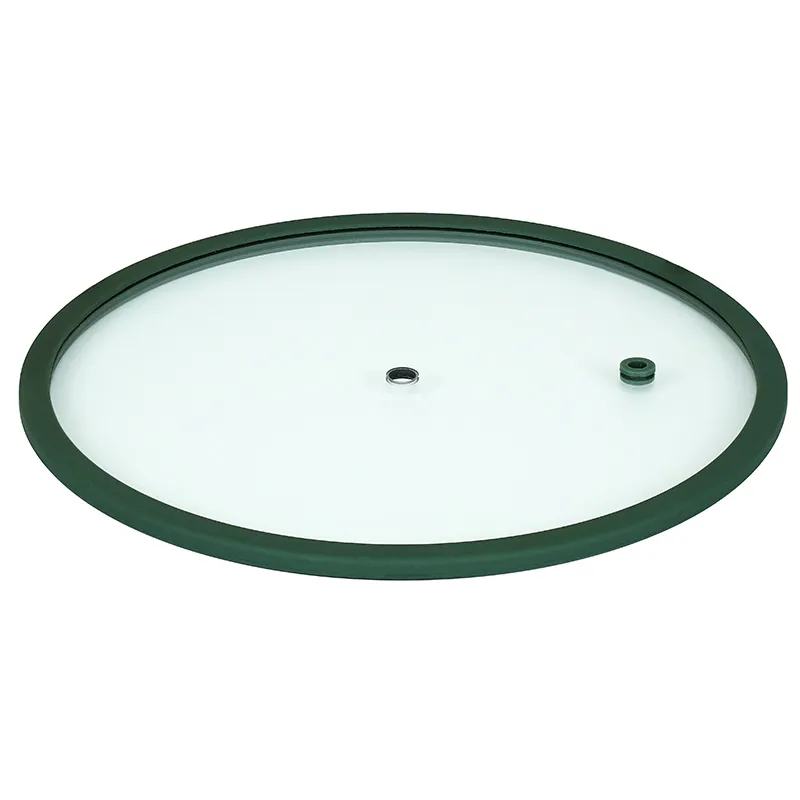
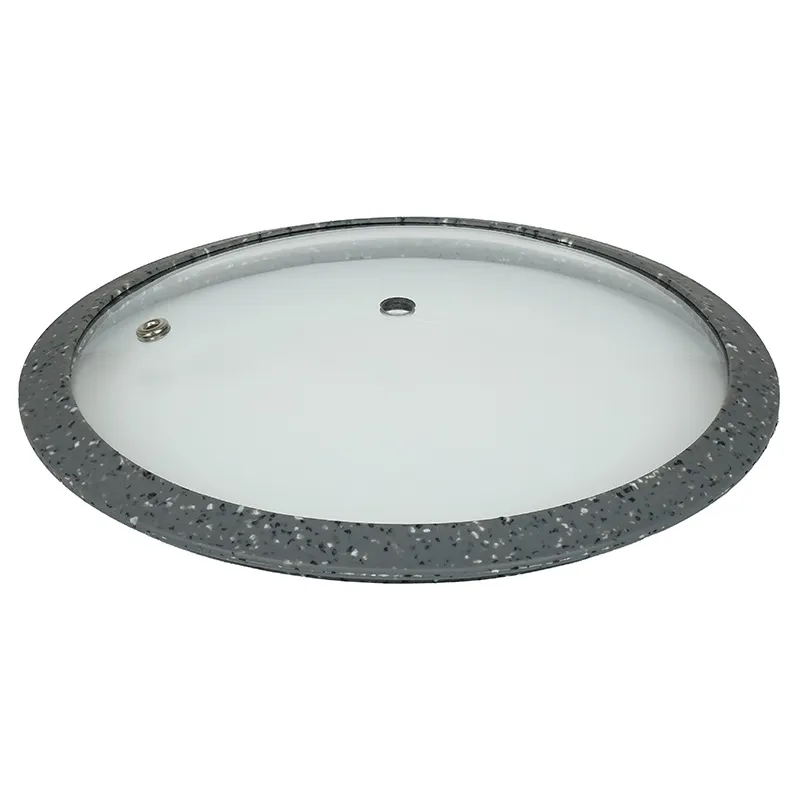
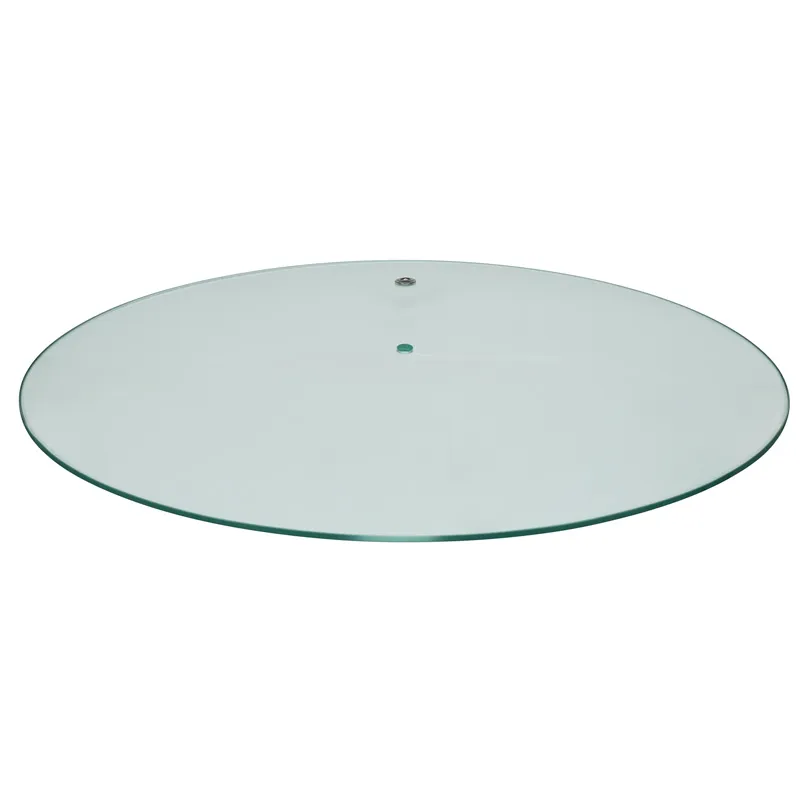
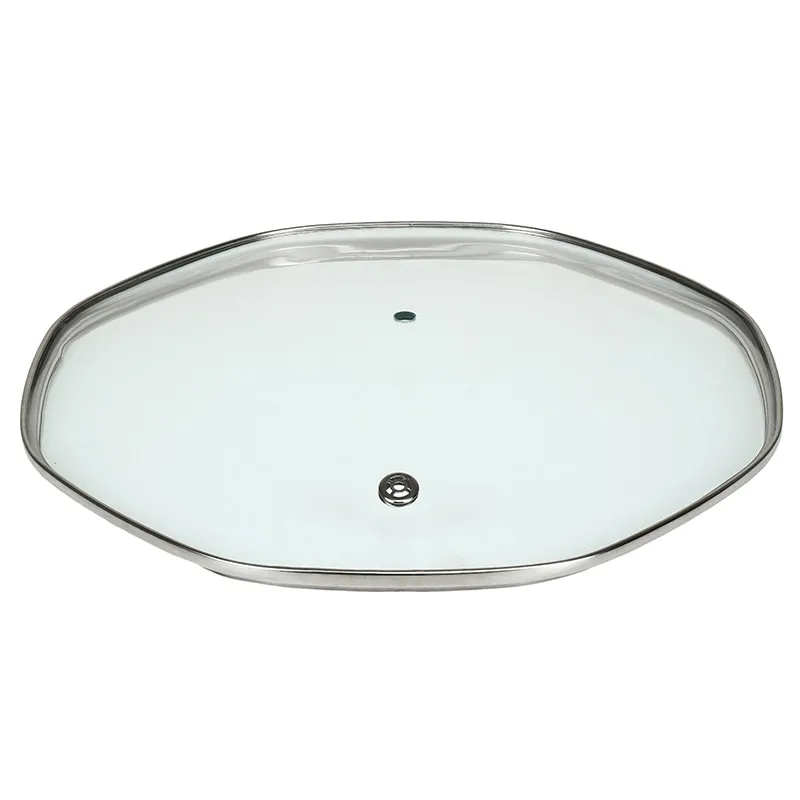
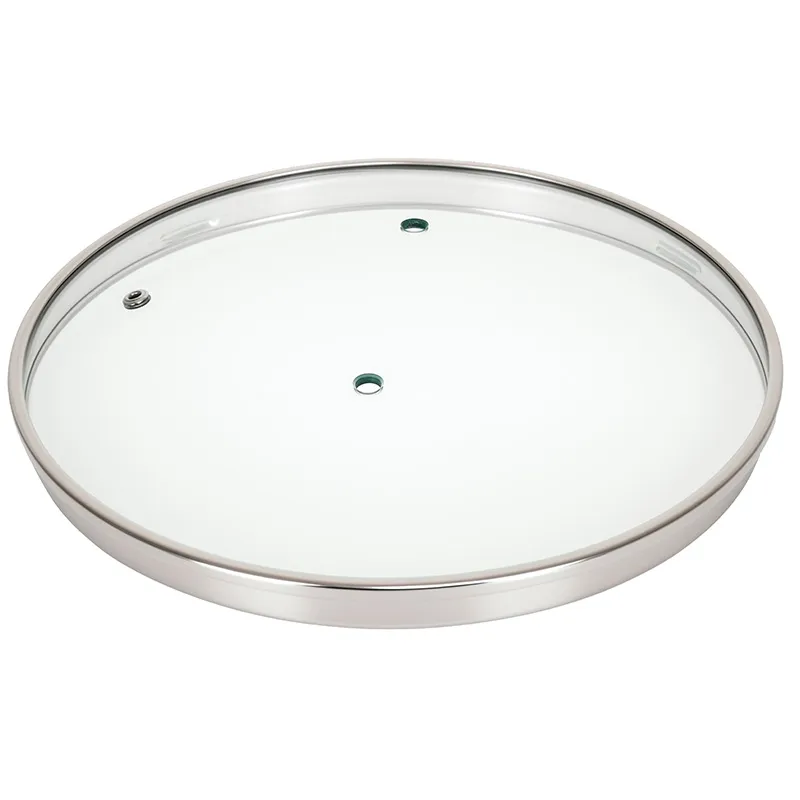
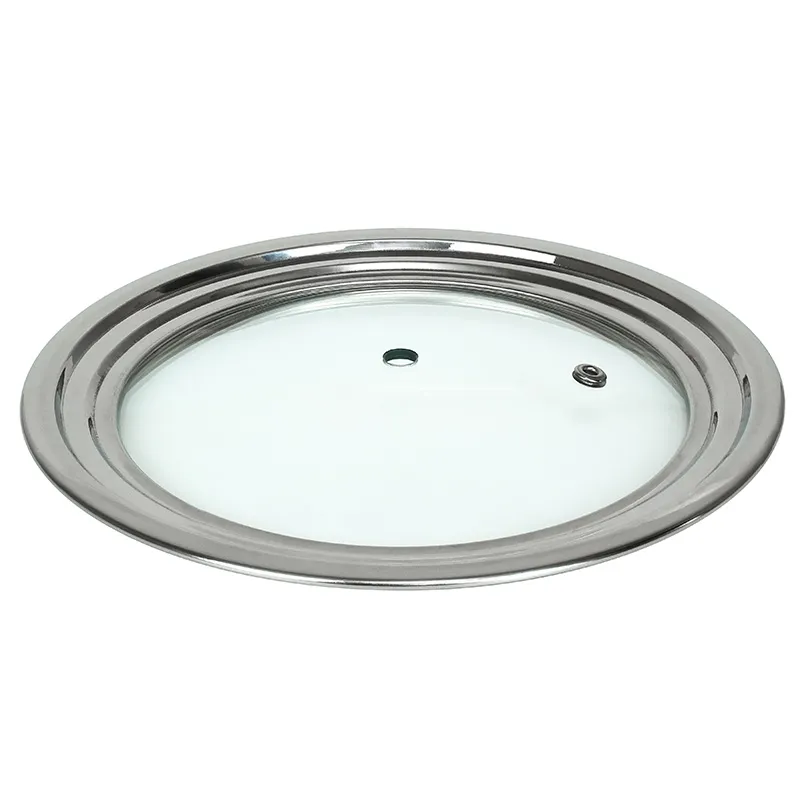
When you hear '11 inch glass lid', the immediate assumption is it's a universal fit for an 11-inch pan. That's the first pitfall. In reality, that '11 inch' refers to the outer diameter of the lid's skirt or the pan's top outer edge, not the cooking surface. The actual fit depends on the pan's flange design. I've seen too many returns because someone bought an '11 inch lid' for their 11-inch skillet, only to find it wobbles or sits too deep. The industry standard is messy, and it's the first thing you learn the hard way when sourcing or specifying these components.
Beyond the Measurement Tape: Material and Manufacturing Nuances
The core of a good lid isn't just the dimension; it's the glass. We're talking tempered soda-lime glass, heat-treated for thermal shock resistance. But 'tempered' is a spectrum. A cheap lid might survive a 150°C differential, while a high-spec one, like those from a dedicated producer such as EUR-ASIA COOKWARE CO.,LTD, is engineered for the abrupt transition from a cold countertop to a 200°C+ pot. Their production base in Shandong's high-tech zone, with an annual output exceeding 15 million pieces, speaks to a scale that usually correlates with consistent tempering ovens and quality control. That volume isn't for the local market; over 90% export to Europe and Japan means they're building to withstand rigorous international safety standards, which is a tangible marker.
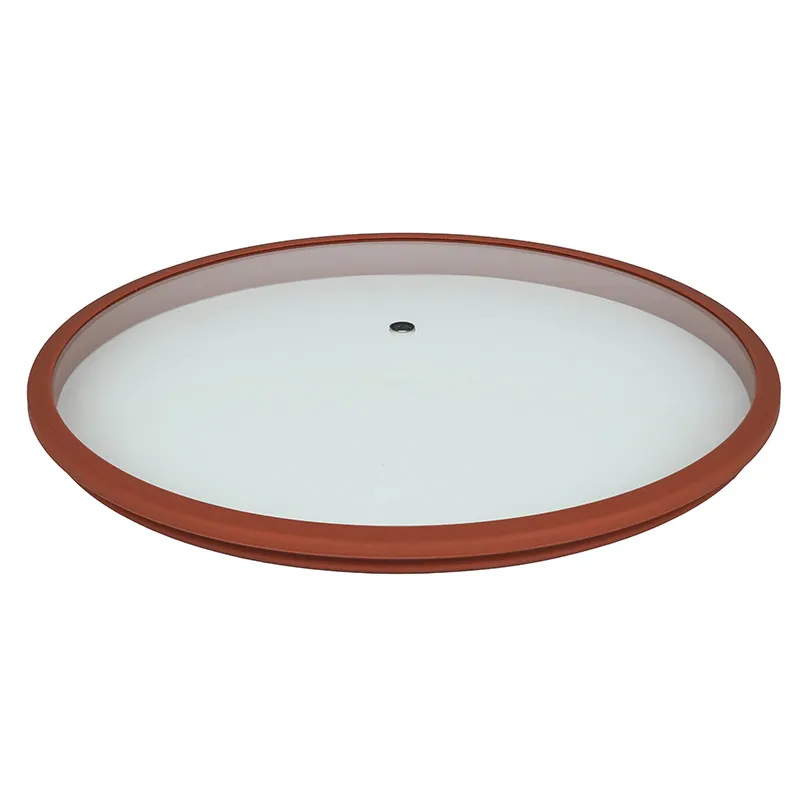
Then there's the handle. It seems trivial, but the bonding of the stainless steel or phenolic knob to the glass is a major failure point. Epoxy resins have different thermal expansion coefficients than glass. A poor bond fails not with a dramatic crack, but with a slow loosening, leading to dangerous handling. A proper lid will have the handle post molded or mechanically fastened with a high-temp silicone gasket, not just glued. You can often judge this by looking at the underside of the handle attachment—clean, finished edges versus a glob of adhesive.
The edge finishing is another tell. A ground and polished smooth edge isn't just for aesthetics; it prevents micro-cracks from starting. A rough, sharp edge from a rushed cutting process becomes a stress concentrator. When you handle hundreds of these, you start running your finger along the rim instinctively. It's a quick quality check you can't get from a product image online.
The Fit and Function Dilemma: Universal vs. Custom
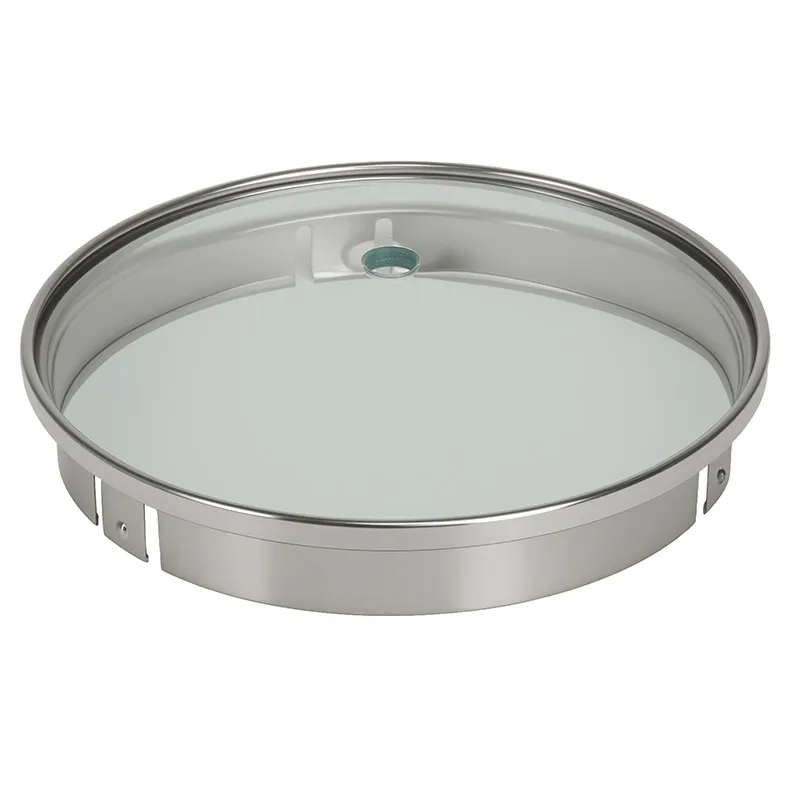
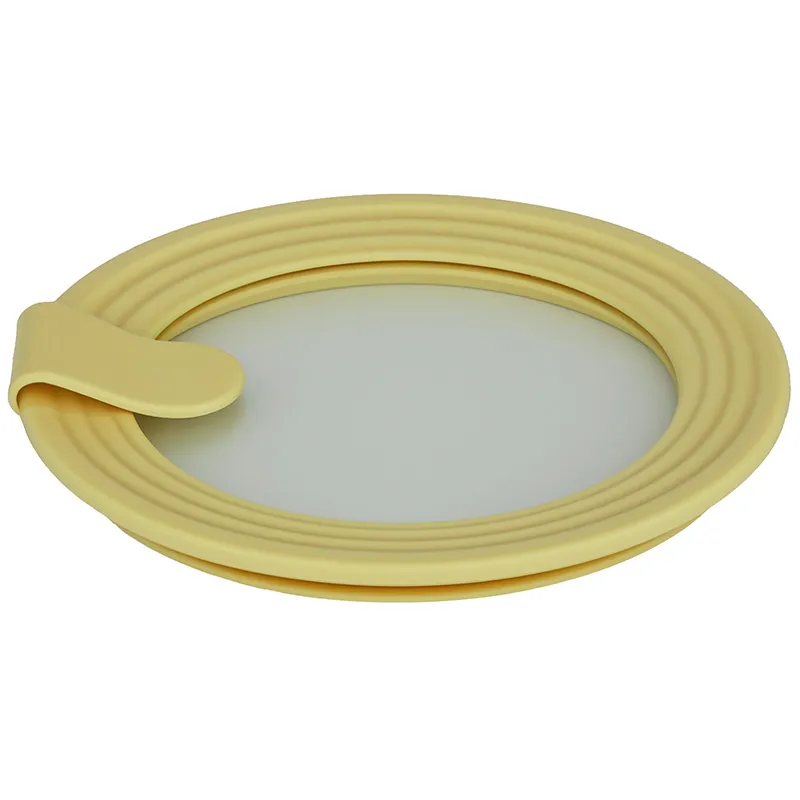
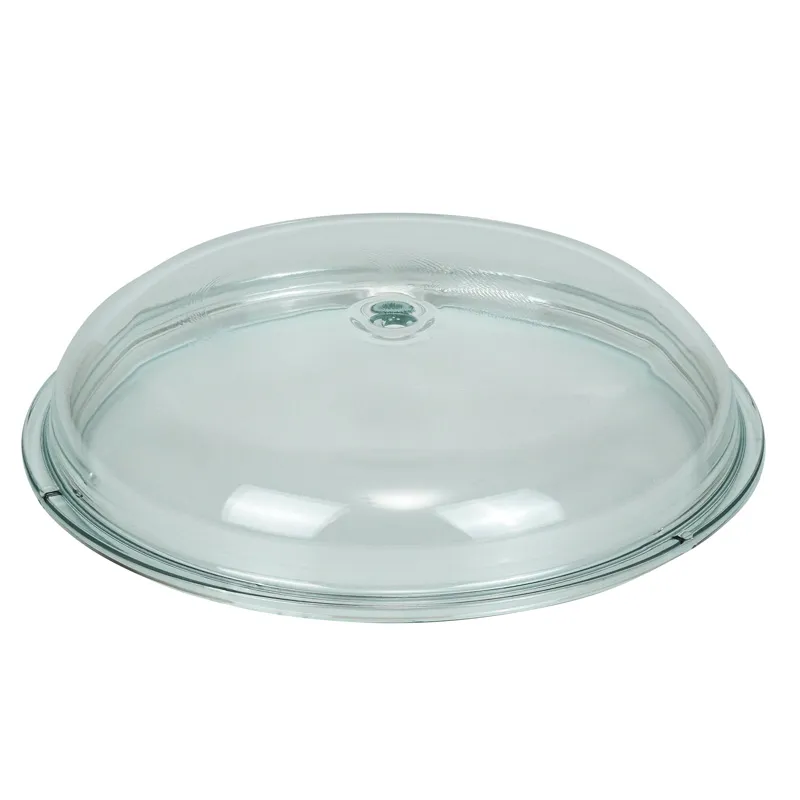
This is where the '11 inch' gets really fuzzy. Most brands want a 'universal' lid to reduce SKUs. This often means a slightly domed design with a generic stainless steel rim that's supposed to sit on various flange types. In practice, it's a compromise. It might fit a dozen pan models 'okay,' but perfect sealing? Rare. Steam will escape from one side if the pan isn't perfectly flat, which many aren't after a few uses. A true custom lid, made for a specific pan series, has a contour that matches the pan's curvature. The difference in energy efficiency and cooking performance is noticeable, but the cost and inventory complexity are why universal lids dominate the aftermarket.
I recall a project where we tried to source a single 11 inch glass lid design for three different pan lines from different factories. The prototyping phase was a nightmare of millimeters. A 1mm mismatch in the skirt's inner diameter meant the lid would either not seat or would get stuck. We ended up with two versions, not one. The takeaway? Even within a nominal size, you're dealing with tolerances. A reputable manufacturer's website, like glass-lid.com, will often specify the exact inner diameter or the compatible pan outer diameter range, which is far more useful than just '11 inch'.
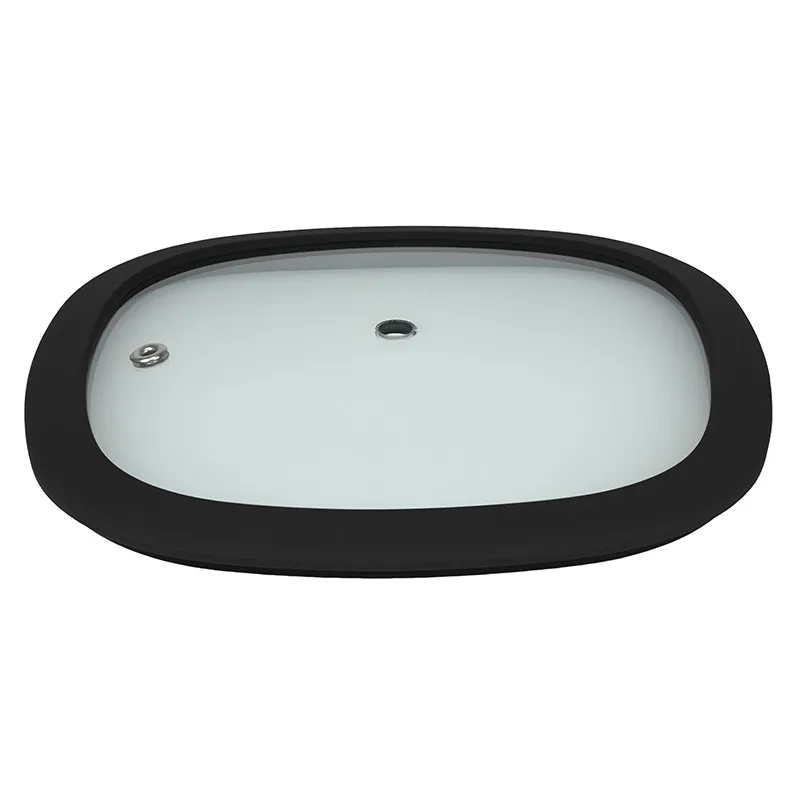
Venting is another overlooked feature. A simple hole with a stainless steel stopper is common. But the hole's placement and size matter. Too small, and pressure builds, causing the lid to chatter. Too large or poorly placed, and it defeats the purpose of a lid. Some high-end designs incorporate a built-in vent channel, but that adds significantly to the mold and manufacturing cost. For most household applications, the simple hole is sufficient, but it must be cleanly drilled and fire-polished to prevent chipping.
Thermal Shock and Real-World Failure Modes
Theoretical specs are one thing; kitchen reality is another. The classic failure isn't during steady-state cooking; it's during the 'oops' moments. Placing a hot lid on a wet granite countertop. Adding cold water to a pot and slamming the lid back on. These create localized thermal stress that the glass must dissipate. A well-tempered lid might survive, showing no immediate issue, but repeated shocks can create subsurface micro-fractures that cause a spontaneous, dramatic failure later—what the industry calls a 'thermal break'.
We conducted informal stress tests years ago, taking lids from various suppliers, heating them on a pan to 180°C, then placing them directly on a damp cloth. The failure rate was revealing. The lids that held up consistently came from facilities with automated, calibrated tempering lines, not the smaller workshops with manual ovens. This aligns with the capability of a factory like EUR-ASIA's, where the scale suggests process automation. Their specialization in low to high-level household glass products implies they have separate lines or protocols for different quality tiers—a budget lid and a premium lid from the same plant can be worlds apart in performance.
Another failure point is direct flame contact. An 11 inch glass lid for a sauté pan might occasionally be used on a wok burner. Unless specifically rated for direct flame (which requires a different, often borosilicate, glass composition), this is a recipe for disaster. The concentrated heat on the center can exceed the glass's tolerance. I've seen lids shatter from this, not into sharp shards (tempering ensures it crumbles into small, blunt pieces), but it's a hazardous mess. The product description rarely warns against this explicitly.
Sourcing and the Global Supply Chain: A View from the Ground
When you look at a company profile stating export to Germany, Italy, France, Poland, etc., it's not just a sales boast. It's a shorthand for compliance. The European market, particularly Germany, has stringent standards for materials in contact with food (like the glass composition and any coatings) and for safety testing (impact resistance, thermal shock cycles). A lid that passes TüV or LFGB testing is a different product than one made for a less regulated market. This is why the origin and export destinations listed by a company like EUR-ASIA COOKWARE are a credible proxy for a certain baseline quality.
Sourcing these isn't just about finding a supplier. It's about audit trails. Can they provide material certificates for the glass? Documentation of their tempering process parameters? A consistent failure rate analysis? For smaller buyers, getting this data is tough. You often rely on third-party inspection at the factory, focusing on the basics: checking for consistent rim finishing, handle bond strength, and packaging that actually protects the product. I've received shipments where lids were broken because the cardboard dividers were too flimsy—a mundane but critical detail.
The price pressure is immense. The market is flooded with options. But a difference of $0.50 per lid at the factory gate often reflects a difference in glass thickness (3.5mm vs. 4mm), the quality of the tempering, or the stainless steel grade in the rim. For a high-use item like a lid, that small cost saving can lead to a much higher total cost of ownership through replacements and brand damage. It's a calculation brands make constantly.
Conclusion: The Lid as a Precision Component
So, an 11 inch glass lid is never just a piece of glass. It's a thermally engineered component with precise dimensional tolerances, material specifications, and safety considerations. The '11 inch' is merely the entry point to a deeper set of questions about fit, origin, manufacturing rigor, and intended use. The most reliable products tend to come from specialized, scaled manufacturers who are transparent about their processes and compliance, as their business depends on meeting the exacting demands of global OEMs and distributors. The next time you pick one up, look past the measurement. Check the rim, feel the handle's solidity, and consider the thermal journey it's designed to endure. That's where the real quality lies.
Related Products
Related Products