- Chinese
- French
- German
- Portuguese
- Spanish
- Russian
- Japanese
- Korean
- Arabic
- Irish
- Greek
- Turkish
- Italian
- Danish
- Romanian
- Indonesian
- Czech
- Afrikaans
- Swedish
- Polish
- Basque
- Catalan
- Esperanto
- Hindi
- Lao
- Albanian
- Amharic
- Armenian
- Azerbaijani
- Belarusian
- Bengali
- Bosnian
- Bulgarian
- Cebuano
- Chichewa
- Corsican
- Croatian
- Dutch
- Estonian
- Filipino
- Finnish
- Frisian
- Galician
- Georgian
- Gujarati
- Haitian
- Hausa
- Hawaiian
- Hebrew
- Hmong
- Hungarian
- Icelandic
- Igbo
- Javanese
- Kannada
- Kazakh
- Khmer
- Kurdish
- Kyrgyz
- Latin
- Latvian
- Lithuanian
- Luxembou..
- Macedonian
- Malagasy
- Malay
- Malayalam
- Maltese
- Maori
- Marathi
- Mongolian
- Burmese
- Nepali
- Norwegian
- Pashto
- Persian
- Punjabi
- Serbian
- Sesotho
- Sinhala
- Slovak
- Slovenian
- Somali
- Samoan
- Scots Gaelic
- Shona
- Sindhi
- Sundanese
- Swahili
- Tajik
- Tamil
- Telugu
- Thai
- Ukrainian
- Urdu
- Uzbek
- Vietnamese
- Welsh
- Xhosa
- Yiddish
- Yoruba
- Zulu
- Kinyarwanda
- Tatar
- Oriya
- Turkmen
- Uyghur


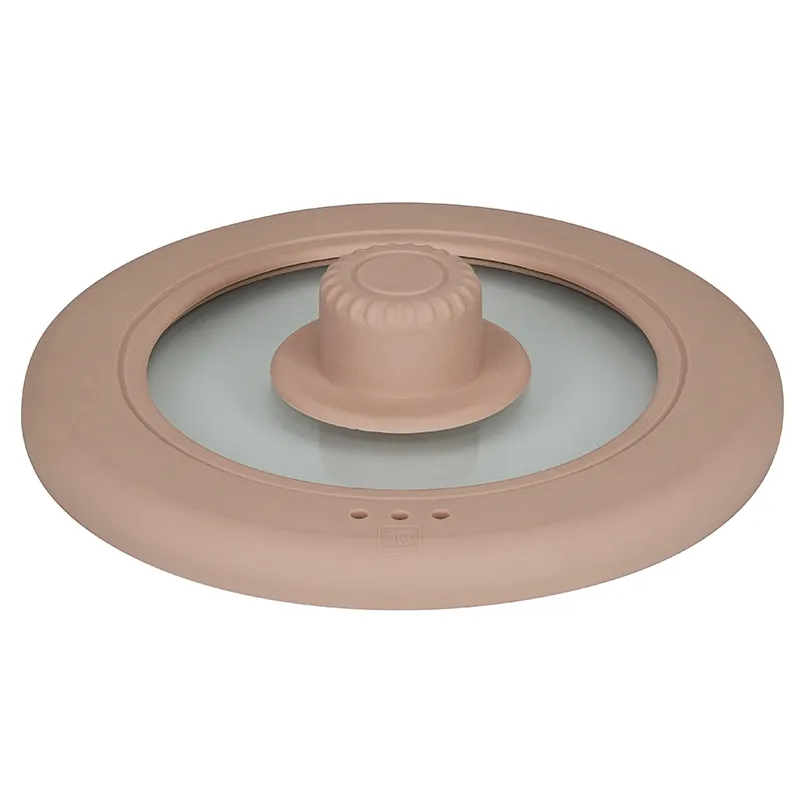
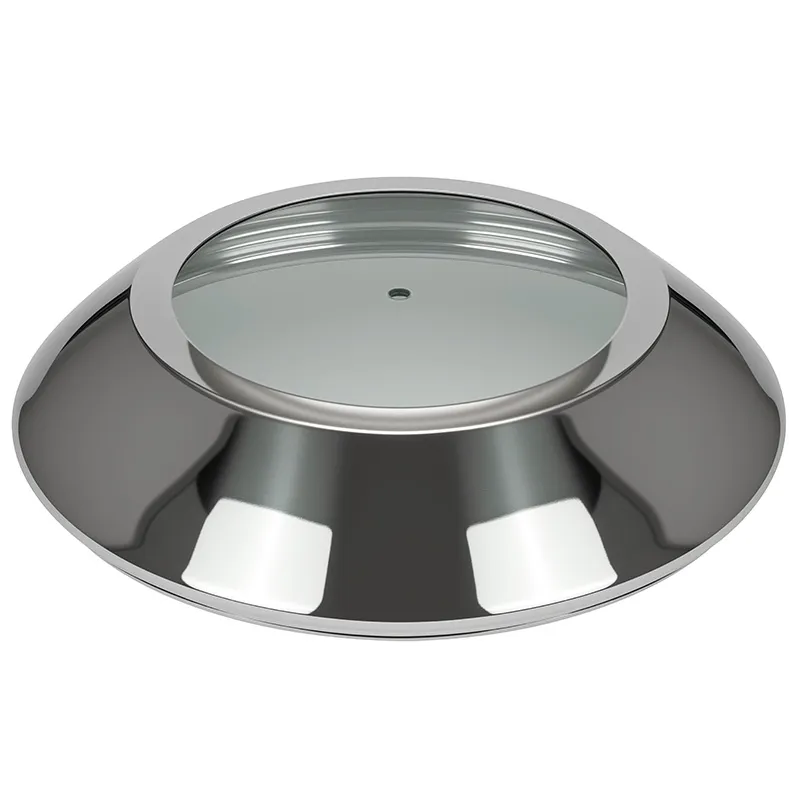
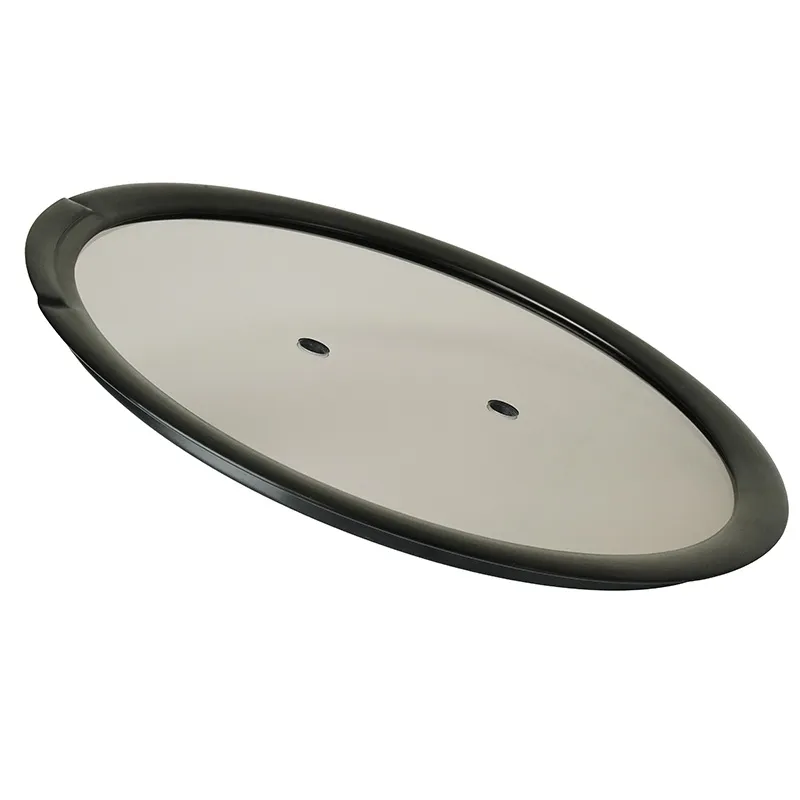
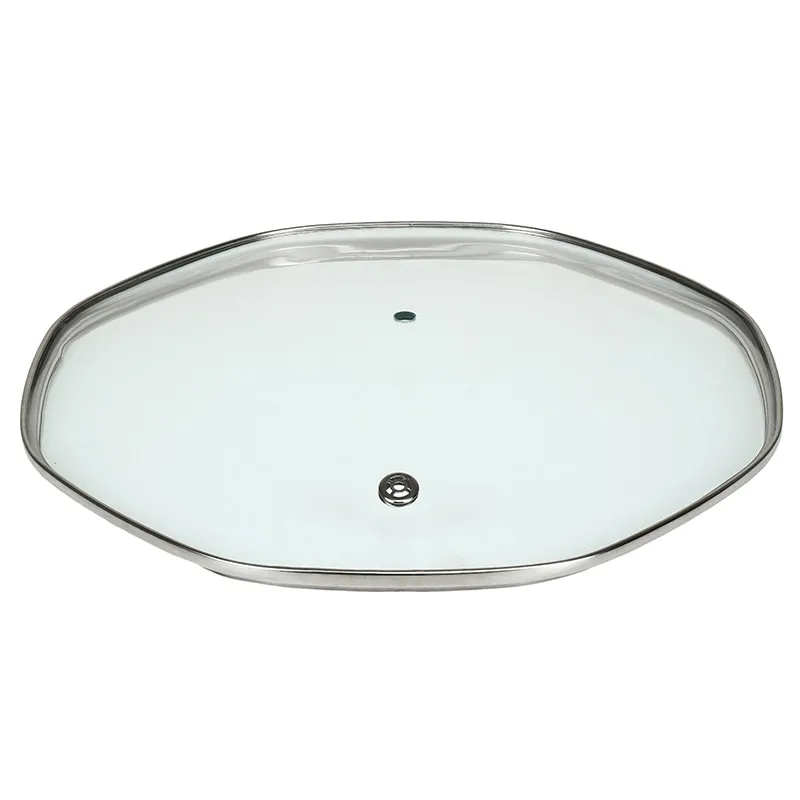
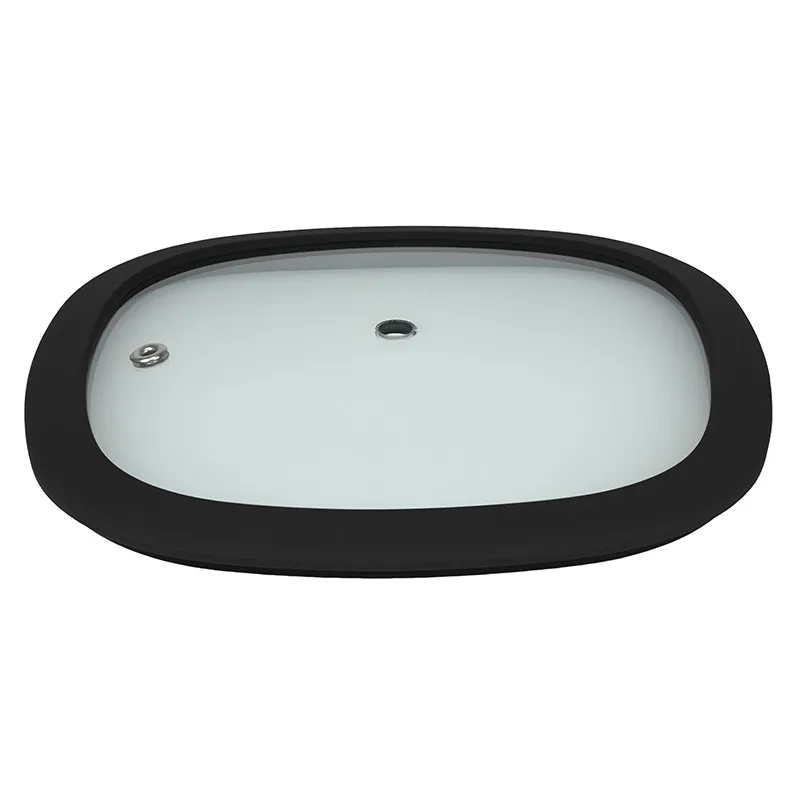
12 frying pan with glass lid
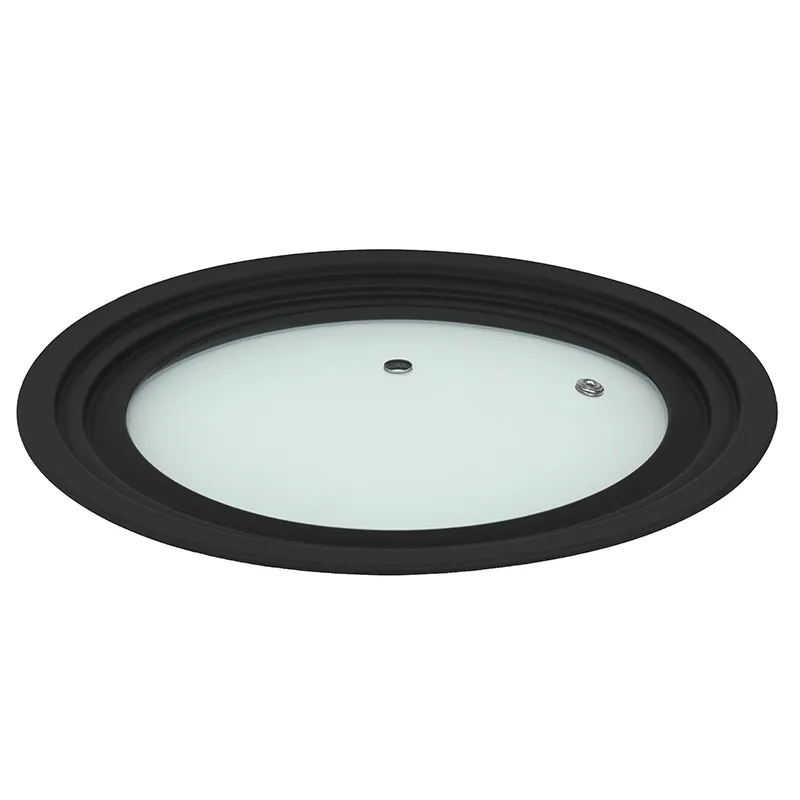
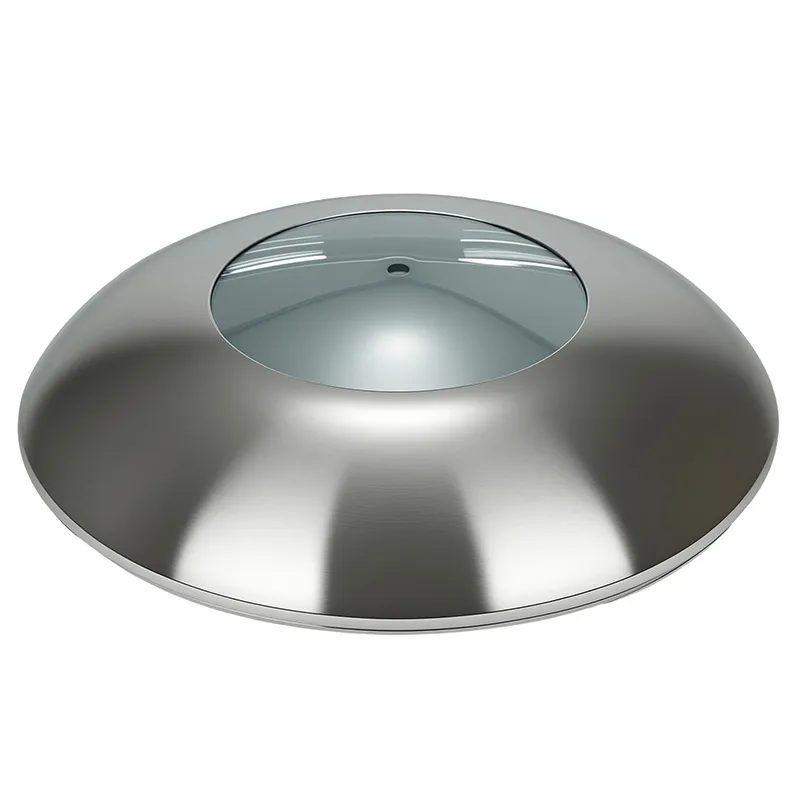
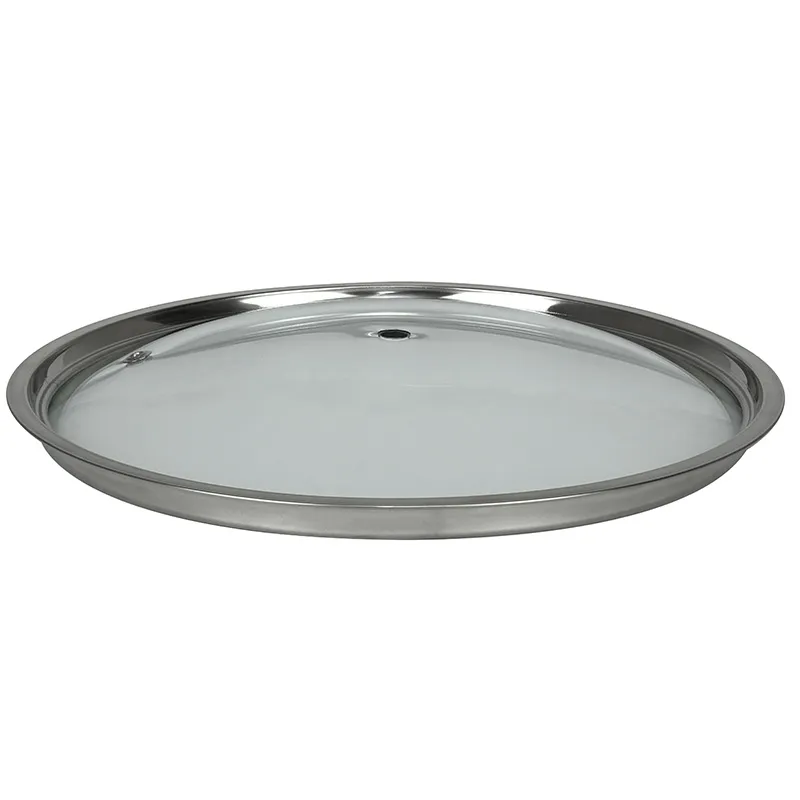
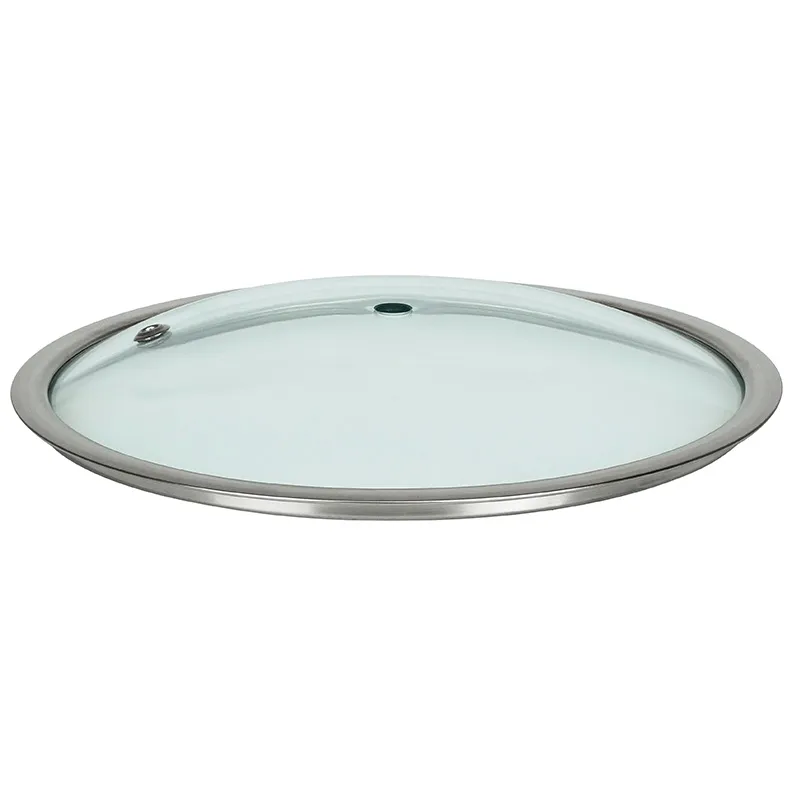
When you hear '12 frying pan with glass lid', most think it's just a pan with a see-through top. But in the cookware trade, that phrase often masks a world of nuance—material compatibility, thermal dynamics, and frankly, a lot of marketing fluff about what makes a lid truly functional versus just decorative. I've seen too many buyers get hung up on the glass alone, missing the critical points about the pan body it sits on.
The Core Misconception: It's All About the Lid
Newcomers to sourcing or even seasoned home cooks often fixate on the glass lid. The clarity is a selling point, no doubt. You can monitor your sauce reducing without losing heat and moisture. But the real test is how that lid marries to the pan. A poorly fitted lid, even if it's beautiful borosilicate, is worse than useless—it lets steam escape unevenly, defeating its primary purpose. I've had samples from factories where the lid rocked on the rim, creating a faint but constant hiss. That's a reject.
Then there's the glass itself. Not all tempered glass is equal for this application. It needs to withstand direct steam heat and the occasional careless drop onto a granite countertop. I recall a batch from a few years back where the lids developed micro-cracks after repeated cycles of going from a hot pan to a cold, wet sink. The failure wasn't in tempering, but in the cooling curve during manufacturing—a detail you only learn by breaking a few, literally.
The pan body is the unsung hero. A 12-inch pan needs a lid with proportional weight and a handle that stays cool. A heavy cast-iron pan demands a sturdier, often thicker glass lid with a robust stainless steel rim. For a lighter aluminum or carbon steel pan, a lighter lid assembly is better to maintain balance. Mismatching here is a common pitfall.
Sourcing and Manufacturing Realities
This is where you separate catalog shoppers from those with real line experience. A company like EUR-ASIA COOKWARE CO.,LTD (you can find their specifics at glass-lid.com) presents a classic case study. They specialize in glass lids and kitchen glassware, with a sizable production base in China's Shandong province. Their stated focus on low to high-level household products and an annual output in the millions of pieces tells you volume and specialization. For a buyer, this is a double-edged sword.
Their strength is obvious: specialization. When a factory's entire output is tempered glass lids and related products, their molds, tempering ovens, and quality control are dialed in for that one item. This often translates to better consistency in rim finishing and thermal shock resistance compared to a general cookware factory making lids as a side operation. I've visited similar specialized plants. The key thing to audit isn't the final product, but their process for inspecting the raw glass sheets before cutting and the tempering oven's temperature uniformity.
However, specialization in lids means they are a component supplier. A brand ordering a '12 frying pan with glass lid' set is likely sourcing the pan from one factory and the lid from EUR-ASIA or a similar specialist, then assembling and packaging. This introduces logistical friction. The lid's diameter and curvature must match the pan's rim perfectly—a tolerance of often less than 1mm. One of our failed projects involved a beautiful lid from a specialist and a pan from a reputable foundry. Individually, they were great. Together, the lid sat slightly off-center, causing condensation to drip down the outside of the pan. The fix required aligning the sourcing teams and sharing precise gauge data, which added weeks to the timeline.
The Devil in the Details: Handle, Vent, and Finishing
Let's get granular. The lid handle. Most glass lids use a stainless steel knob fixed with a screw and nut. The cheap ones use a plastic washer that degrades with heat. Better ones use a silicone or metal spacer. The knob must be attached with a torque that doesn't stress the glass. I've seen lids where overtightening during assembly created a stress point that later cracked during use. A good supplier will have a calibrated torque driver for this single operation.
The steam vent. Some glass lids have it, some don't. For a frying pan, especially a 12-inch one used for searing and then simmering, a small vent is crucial. Without it, pressure can build and cause the lid to chatter or even create a vacuum that makes it hard to lift. But the vent hole's edges must be fire-polished smooth. A rough edge collects grease and is a nightmare to clean. EUR-ASIA's product range likely includes both vented and non-vented options, and choosing the wrong one for your target market's cooking style is a common oversight.
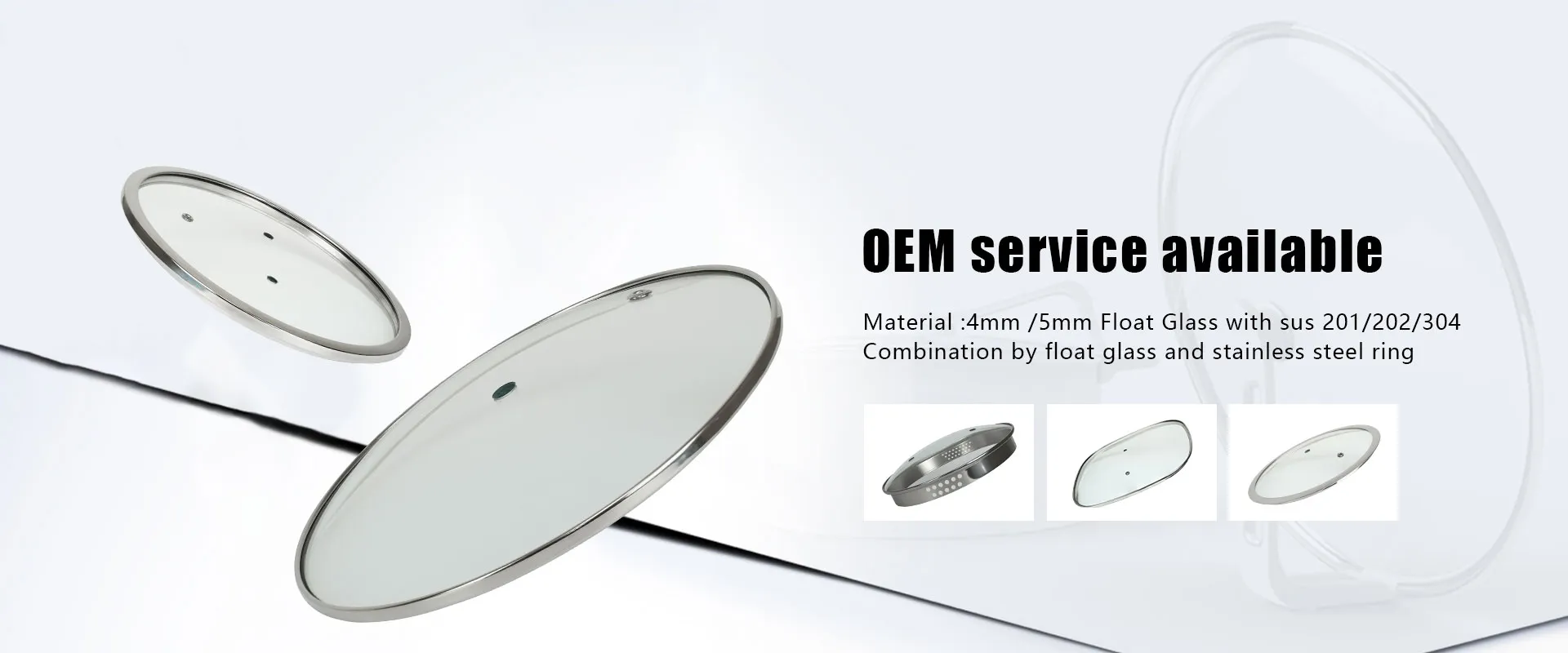
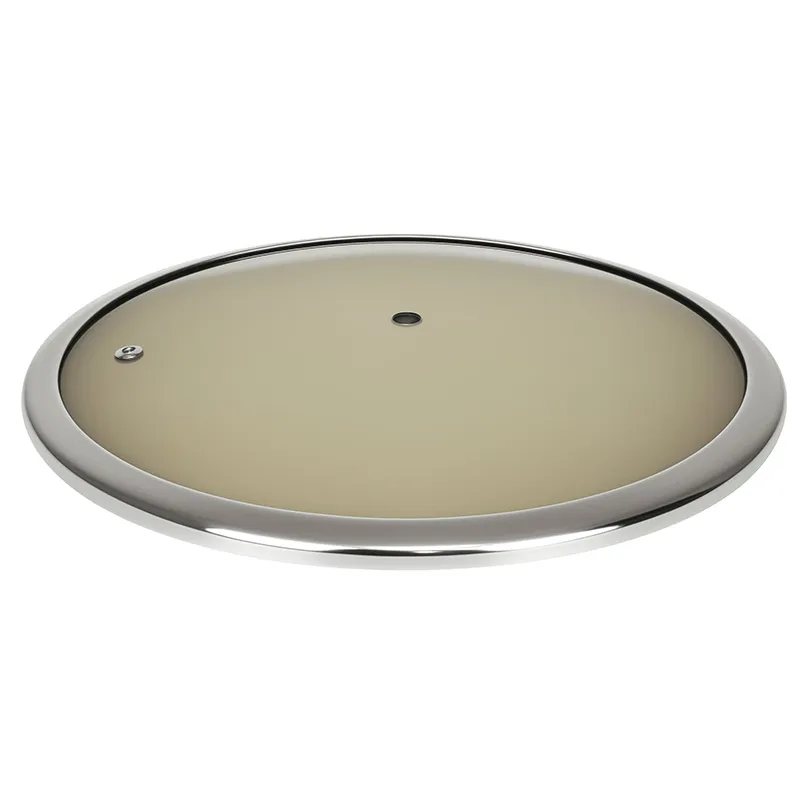
Finishing touches: the rim. The glass edge is always banded with stainless steel for safety and durability. The quality of this band is telling. Is it a full, welded ring, or a C-shaped clip that's crimped on? The former is more durable and looks premium. The latter can snag and sometimes even come loose. The finish on this metal band—whether it's mirror polish or brushed—also needs to match the pan's handle and helper handle aesthetically. This seems trivial, but it's a major point of returns in consumer goods.
Practical Application and User Scenarios
So, who is a well-executed 12-inch frying pan with a glass lid actually for? It's not for high-heat stir-frying—you'd never use the lid. Its prime use case is for techniques where you start on high heat to sear proteins, then lower the heat, add aromatics and liquid, and cover to braise or simmer. Think chicken thighs, pork chops, or a shallow pot of mussels. The glass lid lets you check liquid levels and browning without lifting the lid and dropping the temperature.
Here's a practical hiccup many don't consider: stovetop compatibility. On a gas flame, the heat licks up the sides, evenly heating the glass. On a strong induction burner, the heat is intensely focused on the flat pan bottom. The glass lid, especially if it's domed, can be significantly cooler at the top, leading to heavy, rapid condensation that drips back. This can make a pan sauce watery if you're not careful. A slightly more curved dome helps the condensate run back to the edges rather than drip.
Cleaning is another thing. Glass lids are touted as dishwasher safe, and tempered glass is. But the stainless steel rim and handle hardware aren't always. Harsh detergent can corrode lower-grade steel over time, leaving stains on the glass. The advice is often to hand-wash the lid, which defeats a key marketing point for many users. A supplier's specs should clearly state the grade of stainless used for the rim (e.g., 304 vs. 201).
Looking at the Supply Chain: From Taian to Global Kitchens
Considering EUR-ASIA COOKWARE's profile—exporting over 90% to Europe, Asia, and South America—their products are designed to meet various international safety standards (like Germany's LFGB or France's DGCCRF). This isn't trivial. It dictates the types of coatings (if any) on the metal parts, the materials used for any plastic components, and the testing protocols for thermal shock and heavy metals migration.
Their location in Taian High-tech Development Zone suggests access to consistent industrial infrastructure, which is vital for glass production requiring stable power for tempering ovens. The scale (15,000㎡ building, 90+ employees) indicates they can handle large, recurring orders from big brands, which is a different game than small-batch artisanal production. For a brand, this means reliability of supply but potentially less flexibility for customizations like unique knob designs or colored glass tints.
Ultimately, a successful 12 frying pan with glass lid product is a harmony of specialized components. The pan must have a perfectly machined rim. The lid, potentially from a specialist like EUR-ASIA, must match it in form and function. The assembler must put them together with care. When it works, it's a tool that feels intuitive. When it doesn't, it's two pieces of junk cluttering a cabinet. The key is looking past the keyword and into the seams—literally—where the glass meets the metal.
Related Products
Related Products