- Chinese
- French
- German
- Portuguese
- Spanish
- Russian
- Japanese
- Korean
- Arabic
- Irish
- Greek
- Turkish
- Italian
- Danish
- Romanian
- Indonesian
- Czech
- Afrikaans
- Swedish
- Polish
- Basque
- Catalan
- Esperanto
- Hindi
- Lao
- Albanian
- Amharic
- Armenian
- Azerbaijani
- Belarusian
- Bengali
- Bosnian
- Bulgarian
- Cebuano
- Chichewa
- Corsican
- Croatian
- Dutch
- Estonian
- Filipino
- Finnish
- Frisian
- Galician
- Georgian
- Gujarati
- Haitian
- Hausa
- Hawaiian
- Hebrew
- Hmong
- Hungarian
- Icelandic
- Igbo
- Javanese
- Kannada
- Kazakh
- Khmer
- Kurdish
- Kyrgyz
- Latin
- Latvian
- Lithuanian
- Luxembou..
- Macedonian
- Malagasy
- Malay
- Malayalam
- Maltese
- Maori
- Marathi
- Mongolian
- Burmese
- Nepali
- Norwegian
- Pashto
- Persian
- Punjabi
- Serbian
- Sesotho
- Sinhala
- Slovak
- Slovenian
- Somali
- Samoan
- Scots Gaelic
- Shona
- Sindhi
- Sundanese
- Swahili
- Tajik
- Tamil
- Telugu
- Thai
- Ukrainian
- Urdu
- Uzbek
- Vietnamese
- Welsh
- Xhosa
- Yiddish
- Yoruba
- Zulu
- Kinyarwanda
- Tatar
- Oriya
- Turkmen
- Uyghur

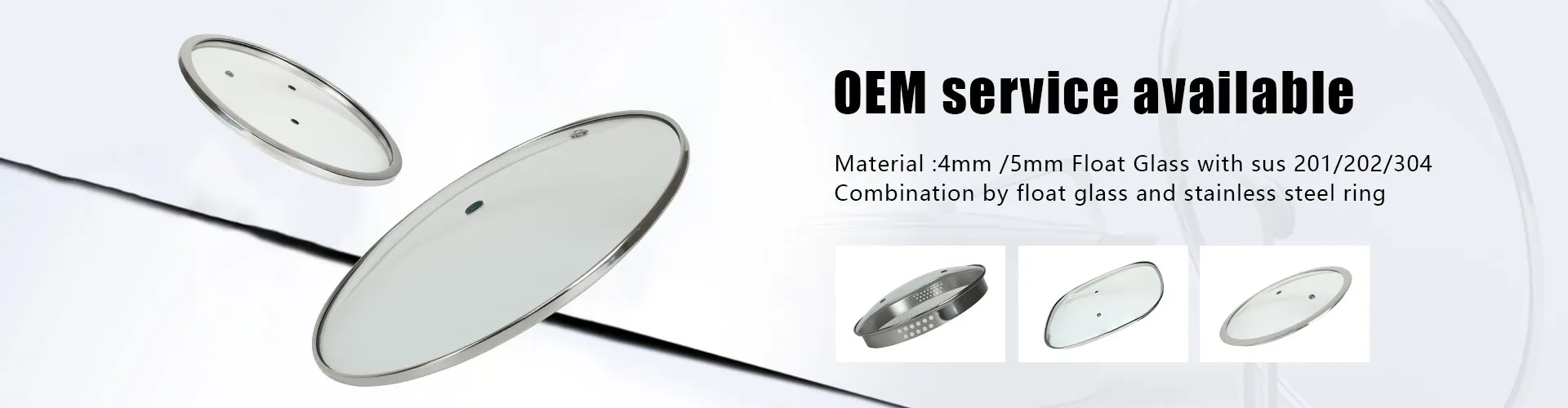
12 glass lid for frying pan
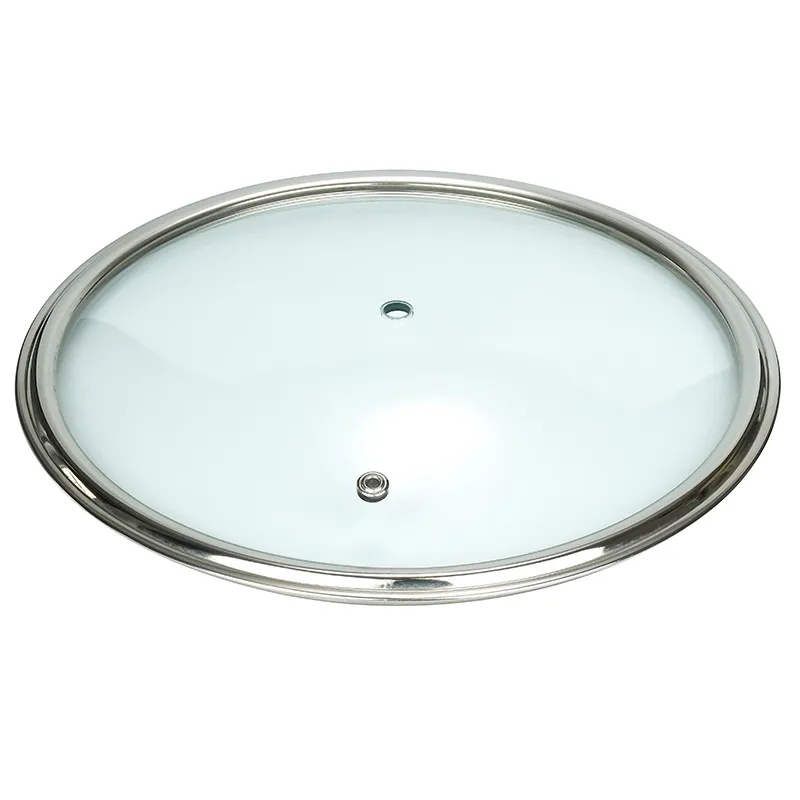
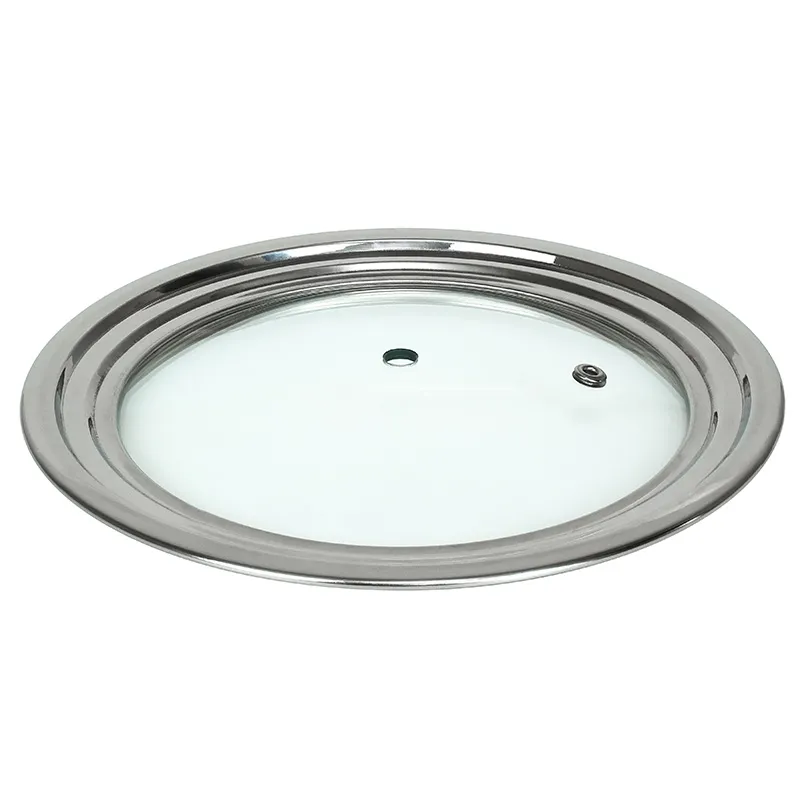
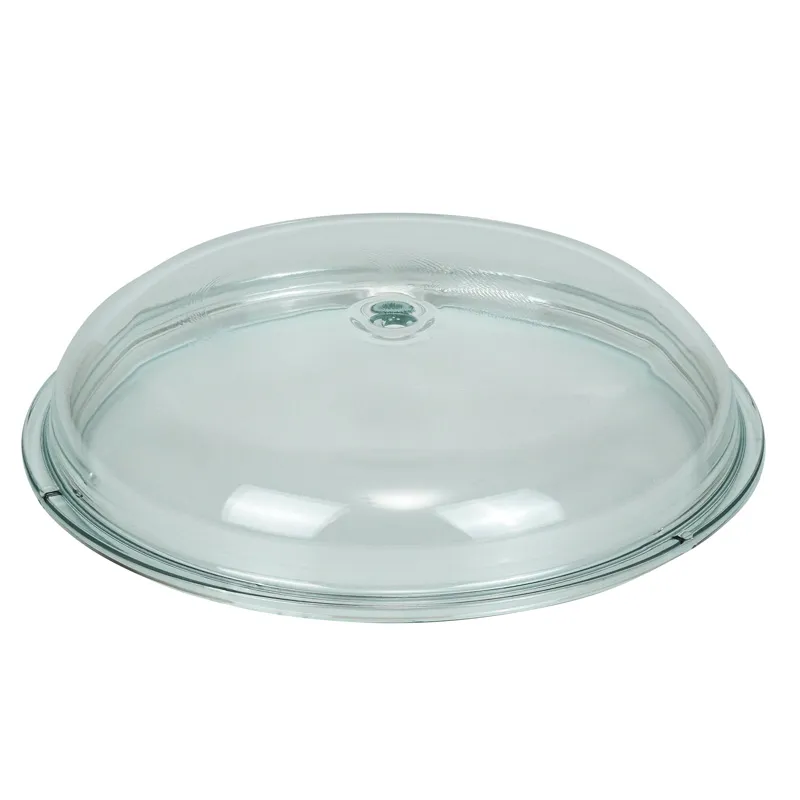
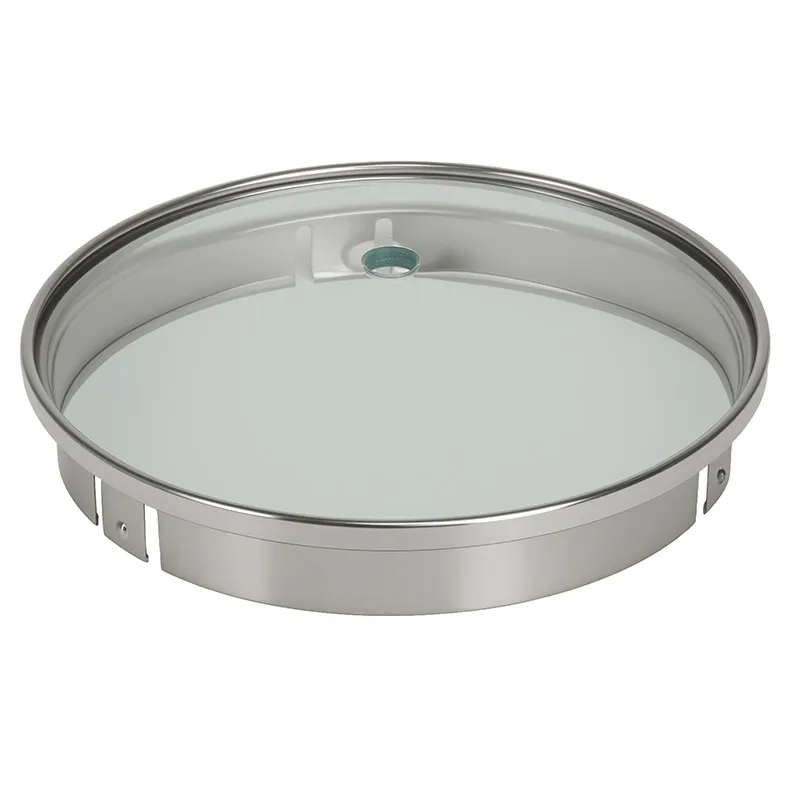
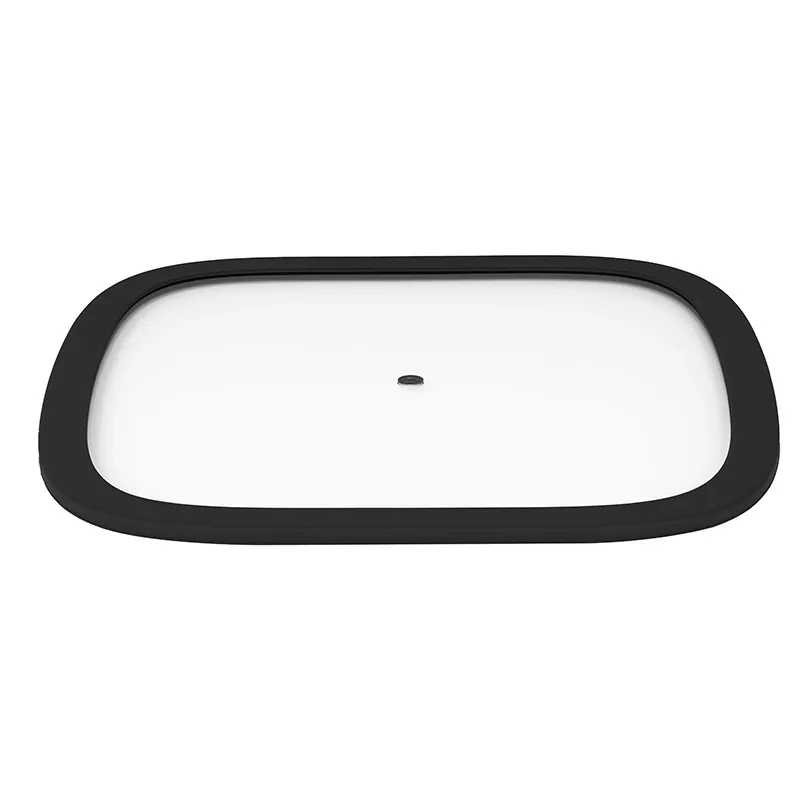
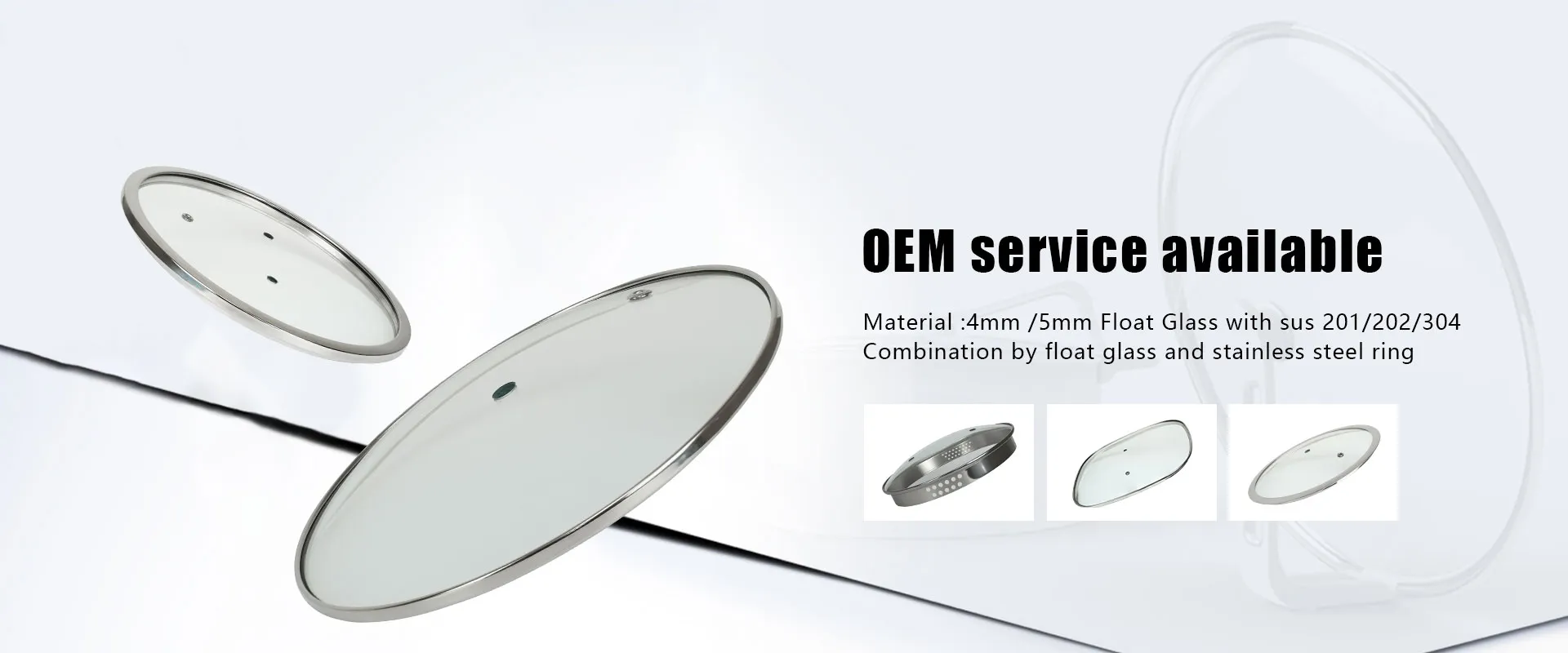
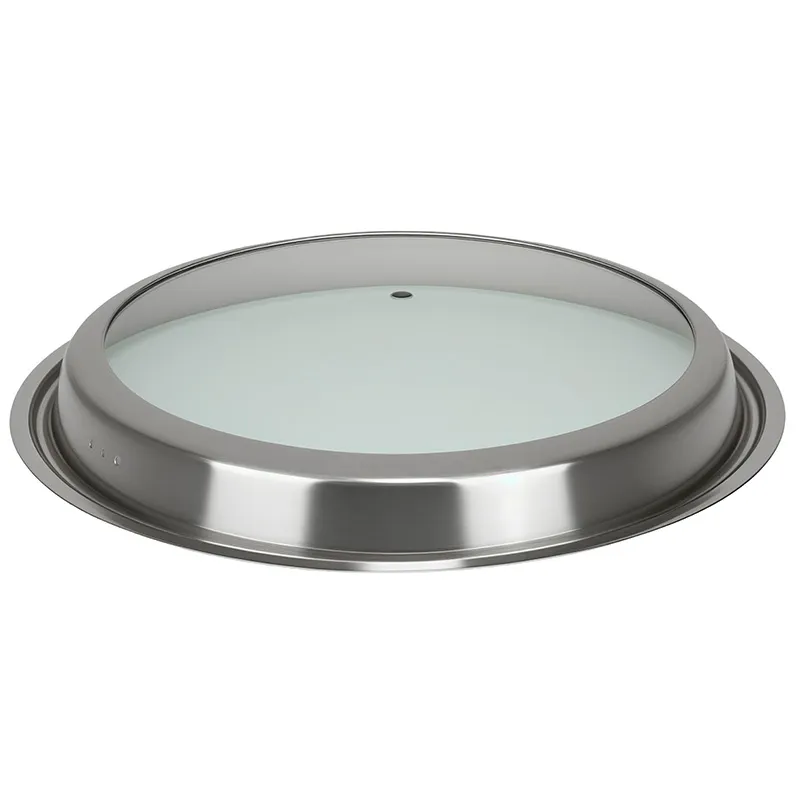
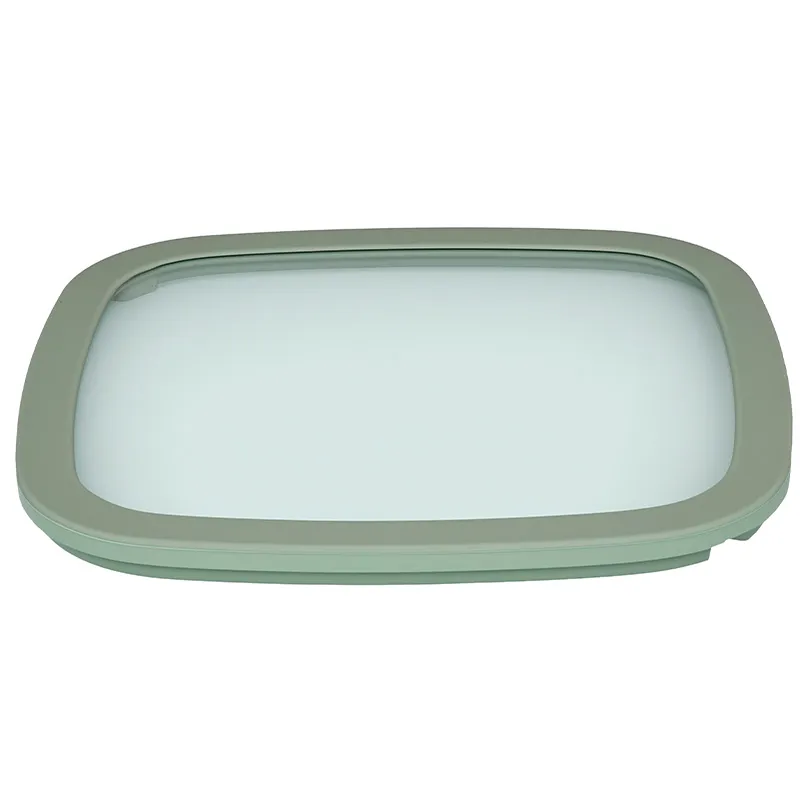
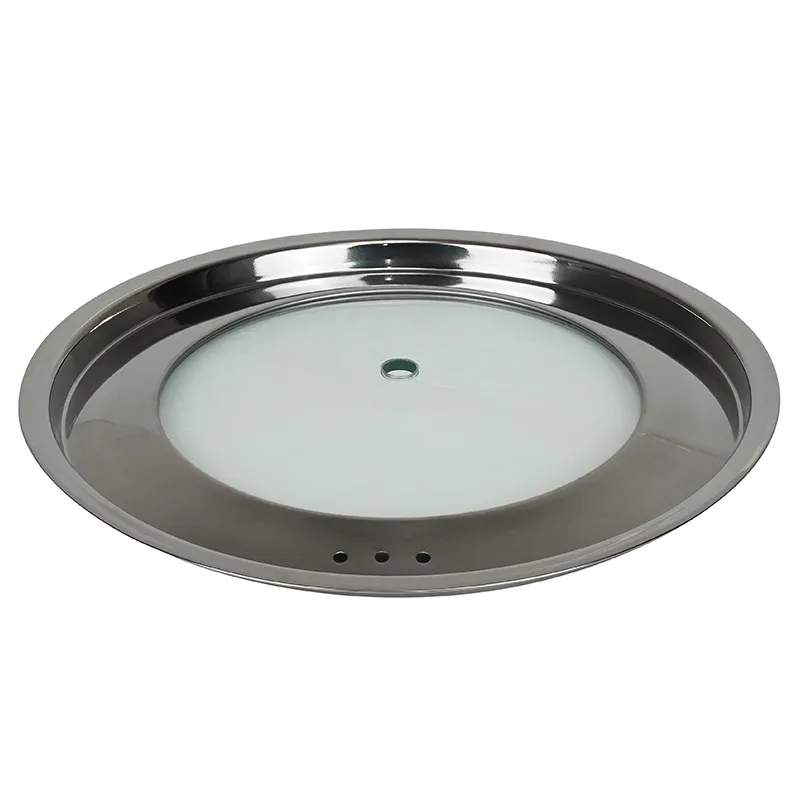
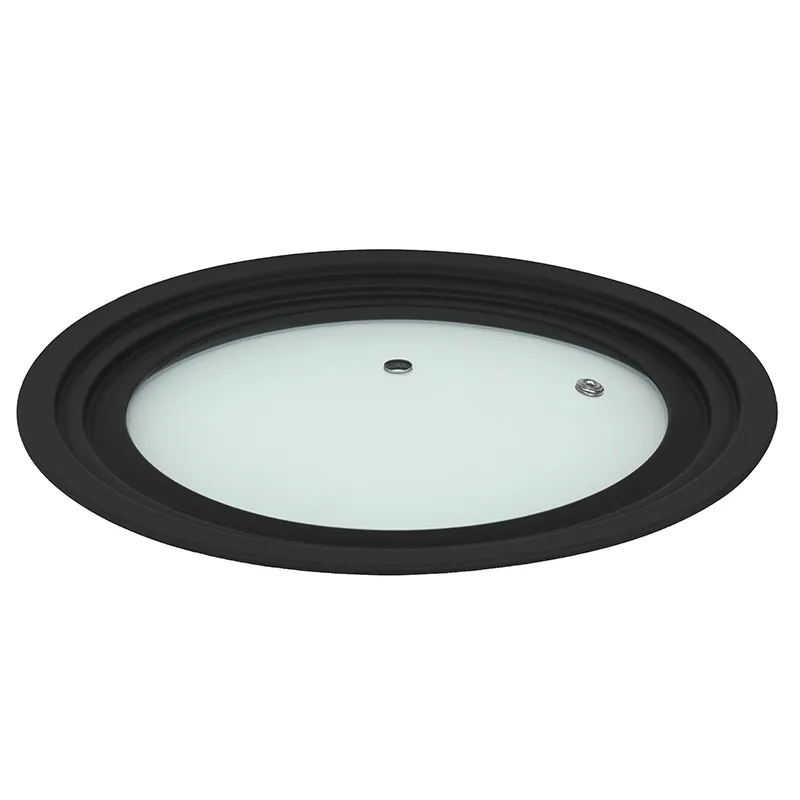
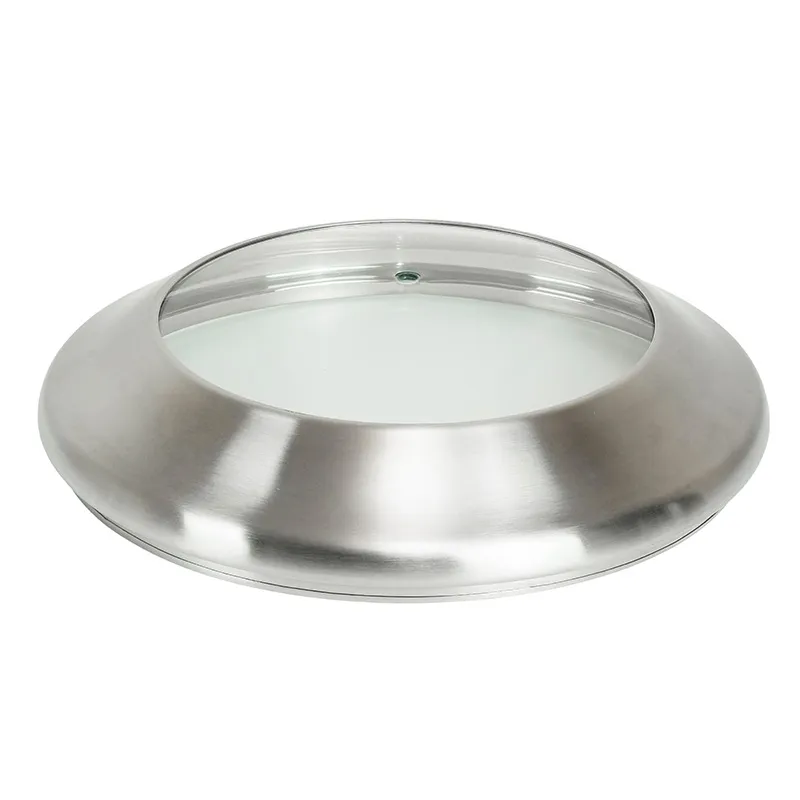
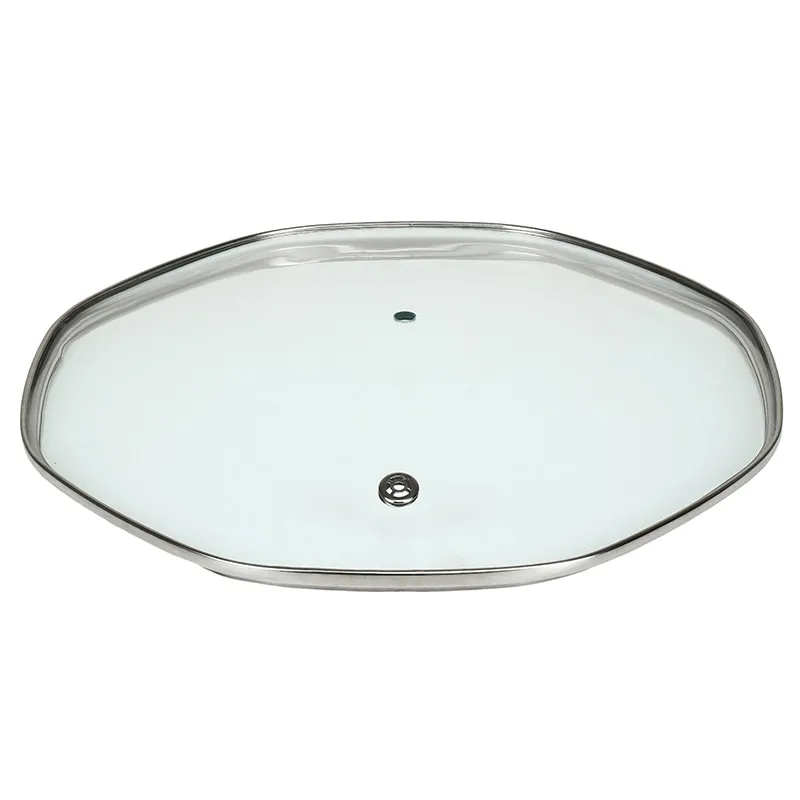
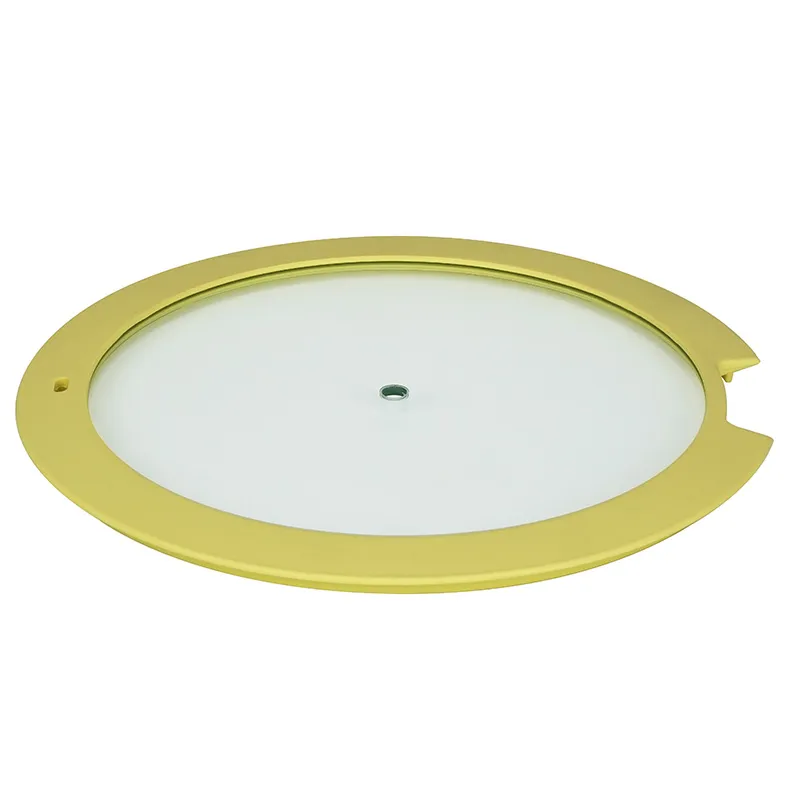
When you hear '12 glass lid for frying pan', the immediate thought is often just about size and material. But in the cookware trade, that phrase is a gateway to a dozen practical considerations most home cooks never think about. It's not just a 12-inch tempered glass cover; it's about fit, thermal shock resistance, handle ergonomics, and the often-overlooked reality that a lid is a working component, not just an accessory. Many buyers, even some retailers, get fixated on the diameter matching their pan and forget that the rim design—whether it's a straight drop or a flared skirt—can be the difference between a perfect seal and a wobbly, steam-leaking mess. I've seen too many returns because a lid didn't fit right, even though it was technically the correct size.
Beyond the Measurement: What 12-Inch Really Means
The first pitfall is assuming all 12-inch pans are created equal. They're not. A classic skillet might have an outer rim diameter of 12 inches, but the actual cooking surface where the lid needs to sit can vary. We learned this the hard way early on. A batch of lids we sourced, labeled as 12-inch, kept getting complaints from European clients. Turns out, their standard fry pan has a slightly different top curvature. The lid would sit on the very edge, unstable. Now, when we talk specs with a factory, we specify top inner diameter, not just the outer glass diameter. A company like EUR-ASIA COOKWARE CO.,LTD, which exports heavily to Europe, likely has this dialed in. Their production volume suggests they're catering to specific regional standards, which is crucial.
Then there's the glass itself. Tempered is non-negotiable, but the grade matters. For a lid, you need good thermal shock resistance—going from a cold counter to a hot, steamy pan. I've had samples shatter not from impact, but from an uneven, rapid temperature change when someone placed it on a blazing hot pan with cold condensation still on it. A quality manufacturer will cycle-test their glass. The description from glass-lid.com mentioning an annual output of over 15 million pieces of tempered glass lids indicates a scale where consistent tempering processes are a core competency, not an afterthought.
The handle is another subtle point of failure. A cheap plastic knob glued on with a low-temp epoxy will loosen over time with steam heat. The better ones use a metal bolt-through construction with a heat-resistant phenolic or stainless steel knob. It seems trivial, but a wobbly handle makes the whole lid feel cheap and unsafe to lift. You develop a feel for it—a solid, one-piece feel versus a hollow, creaky assembly.
The Manufacturing and Sourcing Landscape
Being in Shandong's High-tech Development Zone, as EUR-ASIA COOKWARE CO.,LTD is, places them in a major hub for glass and kitchenware manufacturing. That location isn't just an address; it means access to a mature supply chain for raw glass, machining, and packaging. The 20,000㎡ area they mention is significant—it speaks to vertical integration or at least very controlled production lines. For a buyer, that often translates to better consistency batch-to-batch. When you're ordering 10,000 units, you don't want the lid from container A to have a slightly different tint or rim finish than container B.
Their export focus, with over 90% going to markets like Germany, Italy, and Japan, is telling. These are markets with stringent quality expectations and specific safety standards (think BPA-free knobs, lead-free glass paints for markings). A lid that passes muster there is generally a robust product. It also means their design language is likely minimalist and functional—European buyers tend to avoid overly decorative, hard-to-clean shapes. The lid is a tool first.
Sourcing from such a factory versus a smaller workshop often comes down to documentation and reliability. Can they provide a legitimate material safety certificate? Can they handle a complex order with multiple SKUs (like 10-inch, 12-inch, and 14-inch lids in the same shipment) without mixing them up? Their employee count and output figures suggest an operation with structured QC departments, which is a relief when you're managing logistics from halfway across the world.
Common Pitfalls in Use and Retail
One recurring issue I see, even with well-made lids, is user expectation. People treat them like Pyrex dishes. They'll take a 12 glass lid for frying pan off a boiling pot and place it directly on a granite countertop. The sudden chill on one spot can cause a thermal fracture. It's not a defect, but it leads to a warranty claim. We started including simple care cards because of this. The best practice is to place it on a wooden board or a cloth trivet.
Another thing: warping of the pan. A perfectly fitting lid on a new, flat pan might not sit flush if the pan itself warps over time from high heat. This is more common with thinner gauge steel or aluminum pans. The lid gets blamed, but it's a pan issue. There's not much a lid manufacturer can do except perhaps design a slightly more flexible silicone seal (which is a whole other product category and cost point). Most standard glass lid for frying pans rely on a ground glass edge for the seal, which requires a true pan rim.
In retail, the packaging is a nightmare. Glass needs to be suspended, not just placed in a cardboard box. Poor packaging leads to transit breaks, which are a financial drain for everyone. A professional supplier understands this and invests in good foam inserts or molded pulp trays. It's a cost, but it saves headaches. The scale of a company producing 15 million pieces annually forces them to have packaging logistics figured out.
The Niche of Compatibility and Accessory Thinking
This is where the real expertise comes in. A 12 glass lid isn't always sold with a pan. It's often a replacement or an accessory sale. So, compatibility charts become vital. Does it fit Calphalon? Tramontina? A generic non-stick skillet from Target? We used to maintain massive cross-reference lists. Some lids are truly universal with a broad, flat rim; others are designed for a specific brand's profile. The ones from large export manufacturers tend to be on the universal side, sacrificing a perfect seal for broader market appeal.
We also experimented with selling lids as multi-cooker compatible – for use with a deep 12-inch frying pan that also functions as a braiser. This requires a taller dome. It's a small design tweak that adds utility. I notice the company profile mentions other kitchen accessories, which implies they might have such variations in their line. It's a smart move—catering to the multi-functional kitchen trend.
The steam vent hole. To have one or not? Most European-style lids have a small hole, sometimes with a plastic plug. It's great for controlled simmering. Many American-market lids omit it for a cleaner look. It's a cultural preference. If you're exporting to Brazil and Turkey, as EUR-ASIA COOKWARE CO.,LTD does, you probably offer both options. It's these small details that show a manufacturer is paying attention to end-use, not just pushing out generic product.
Concluding Thoughts from the Warehouse Aisle
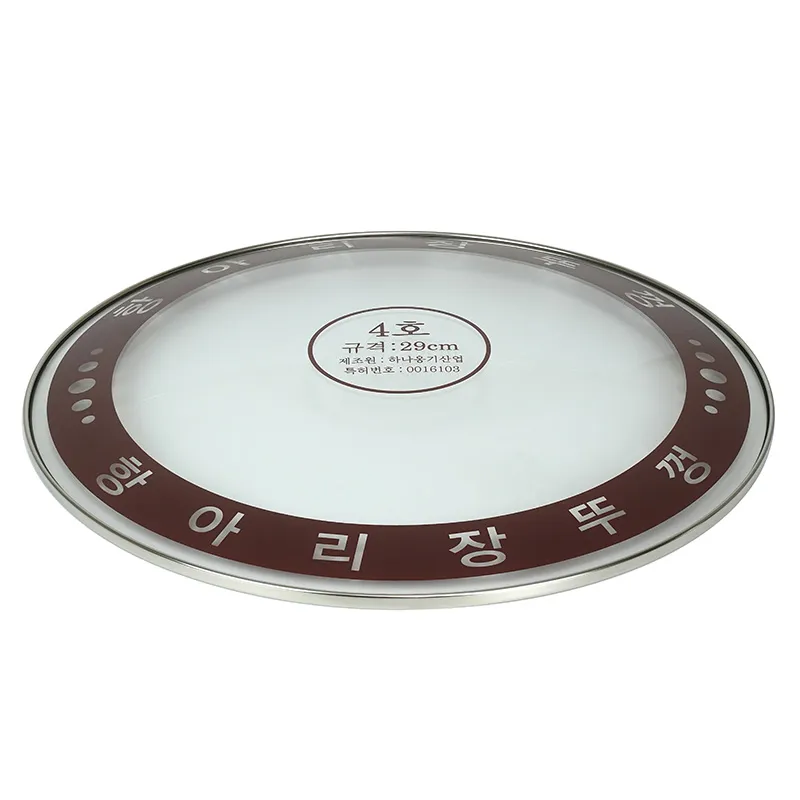
So, when you're evaluating a 12 glass lid for frying pan, whether for your own kitchen or for sourcing, look past the basic specs. Pick it up. Feel the weight of the glass—good tempered glass has a certain heft. Inspect the rim. It should be smoothly ground, not sharp. Wiggle the handle. Check for any markings—are they fired-on ceramic paint (durable) or a cheap sticker (will peel).
The value of a supplier like the one mentioned isn't just in making glass. It's in understanding these nuances across a dozen export markets and baking that knowledge into the production line. Their website, https://www.glass-lid.com, focusing solely on this product category, is a good sign of specialization. In this business, the specialists who survive are the ones who obsess over the fit of the rim, the tempering curve, and the packing foam. Because in the end, a lid is a simple thing, but making one that consistently works well and doesn't come back broken is surprisingly complex.
It's not glamorous work. It's about boxes and bolts and millimeters. But when you get it right, that lid just sits there on the pan, doing its job—trapping heat, letting you see your food, and never calling attention to itself. That's the sign of a good one.
Related Products
Related Products