- Chinese
- French
- German
- Portuguese
- Spanish
- Russian
- Japanese
- Korean
- Arabic
- Irish
- Greek
- Turkish
- Italian
- Danish
- Romanian
- Indonesian
- Czech
- Afrikaans
- Swedish
- Polish
- Basque
- Catalan
- Esperanto
- Hindi
- Lao
- Albanian
- Amharic
- Armenian
- Azerbaijani
- Belarusian
- Bengali
- Bosnian
- Bulgarian
- Cebuano
- Chichewa
- Corsican
- Croatian
- Dutch
- Estonian
- Filipino
- Finnish
- Frisian
- Galician
- Georgian
- Gujarati
- Haitian
- Hausa
- Hawaiian
- Hebrew
- Hmong
- Hungarian
- Icelandic
- Igbo
- Javanese
- Kannada
- Kazakh
- Khmer
- Kurdish
- Kyrgyz
- Latin
- Latvian
- Lithuanian
- Luxembou..
- Macedonian
- Malagasy
- Malay
- Malayalam
- Maltese
- Maori
- Marathi
- Mongolian
- Burmese
- Nepali
- Norwegian
- Pashto
- Persian
- Punjabi
- Serbian
- Sesotho
- Sinhala
- Slovak
- Slovenian
- Somali
- Samoan
- Scots Gaelic
- Shona
- Sindhi
- Sundanese
- Swahili
- Tajik
- Tamil
- Telugu
- Thai
- Ukrainian
- Urdu
- Uzbek
- Vietnamese
- Welsh
- Xhosa
- Yiddish
- Yoruba
- Zulu
- Kinyarwanda
- Tatar
- Oriya
- Turkmen
- Uyghur


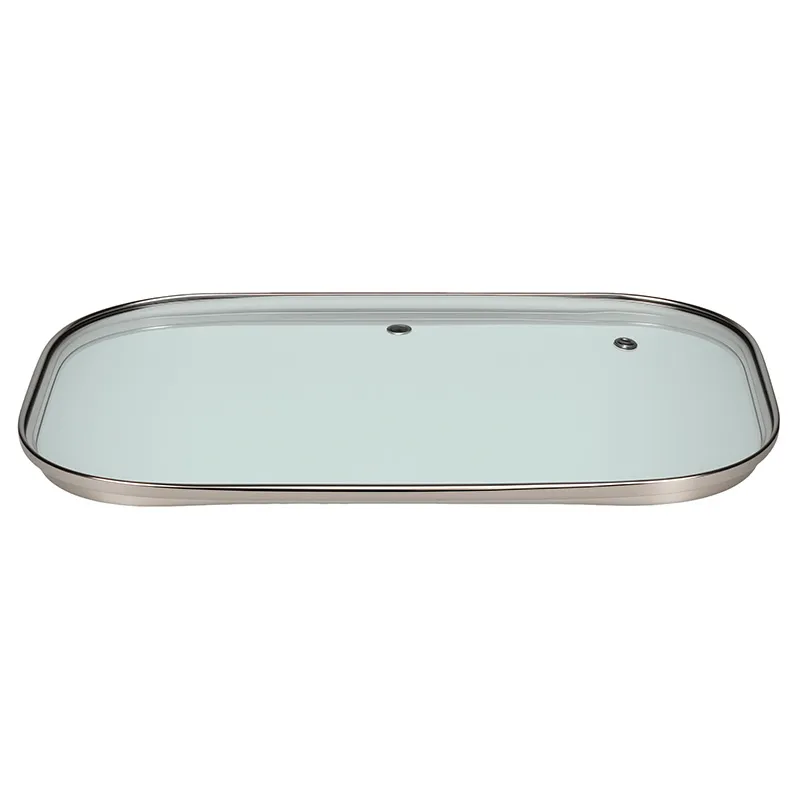
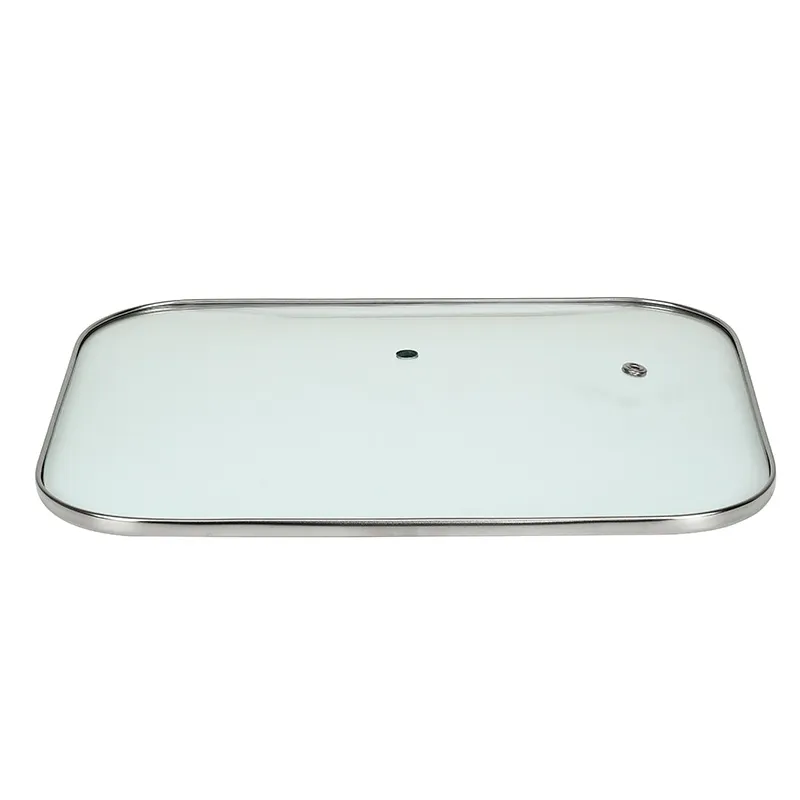
12 inch frying pan with glass lid
You see a lot of talk about 12-inch pans, and a lot of marketing around glass lids. Most of it misses the point. The real conversation isn't about having a lid; it's about having the right lid for that specific pan. A 12-inch frying pan isn't just a bigger 10-inch. The thermal dynamics change, the weight distribution shifts, and slapping on any generic glass dome creates a cascade of small failures—condensation dripping in the wrong spots, an unstable fit that rattles, or a handle that gets too hot because the lid wasn't designed to work with that particular pan's geometry. That's the core mistake: treating the lid as an accessory, not an integral component of the cooking system.
The 12-Inch Reality: It's a Different Beast
Moving from a 10-inch to a 12-inch skillet isn't a linear jump. The surface area increases by about 44%. That's huge. It means more evaporation surface, a larger thermal zone that can be uneven if the pan base is poorly made, and significantly more steam production when you're braising or covering something wet. A flimsy, ill-fitting lid here is a recipe for frustration. The steam escapes from the sides, you lose control over the braising liquid, and you're constantly peeking, which defeats the purpose.
I've tested pans where the glass lid from the manufacturer's 10-inch line was simply scaled up for the 12-inch model. The handle was the same, the vent hole was the same. It felt cheap and, crucially, it didn't sit flush. There was a slight warp, maybe half a millimeter, all around the rim. In a 10-inch, that might not be catastrophic. In a 12-inch, with that much more metal expanding and contracting, it created a noticeable gap. You could hear the hiss of steam escaping during a critical phase of reducing a pan sauce. That's a design failure, not a user error.
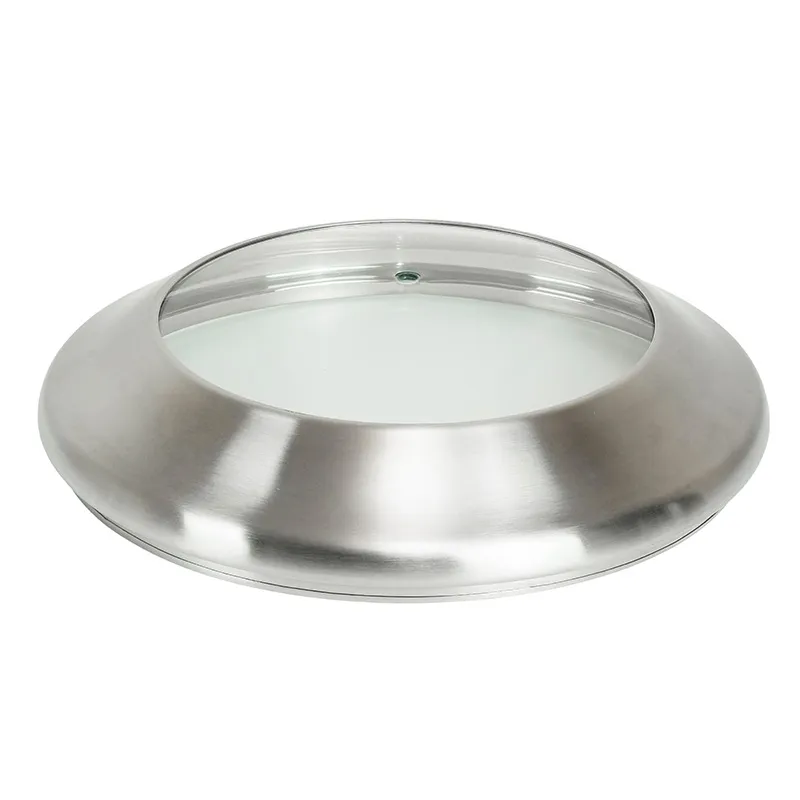
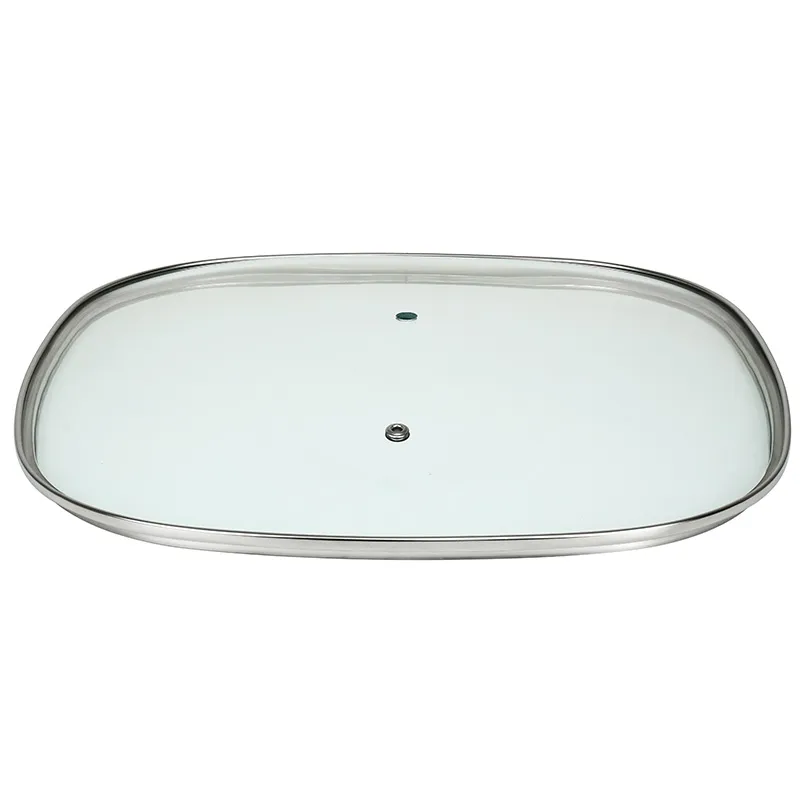
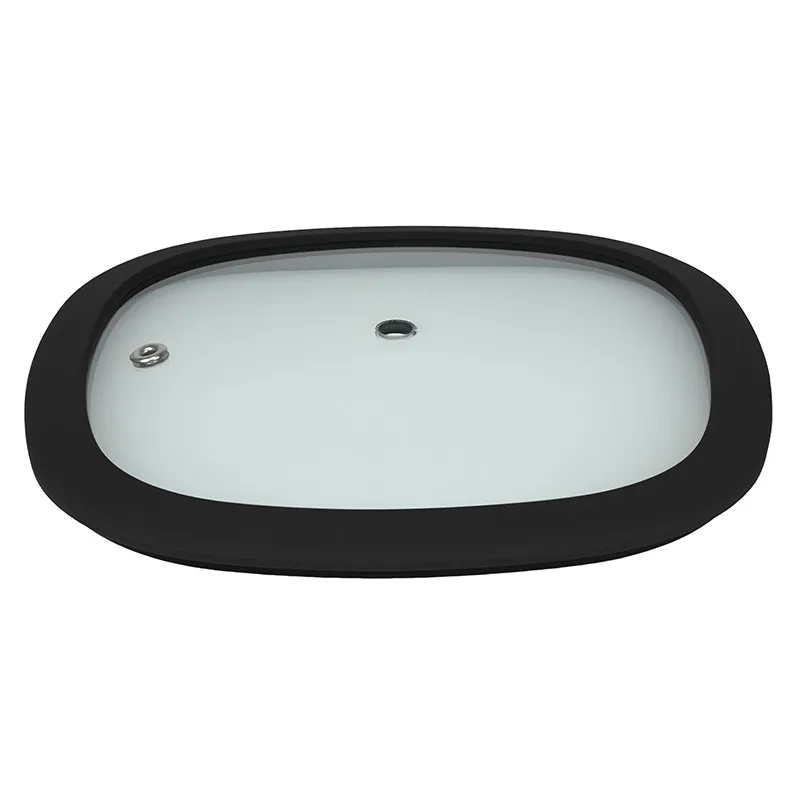
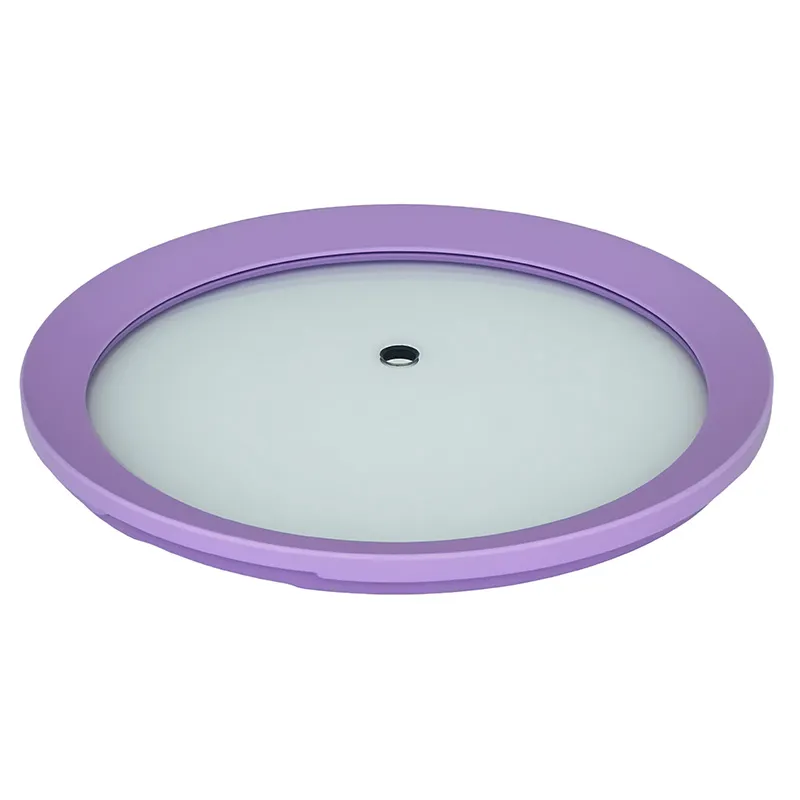
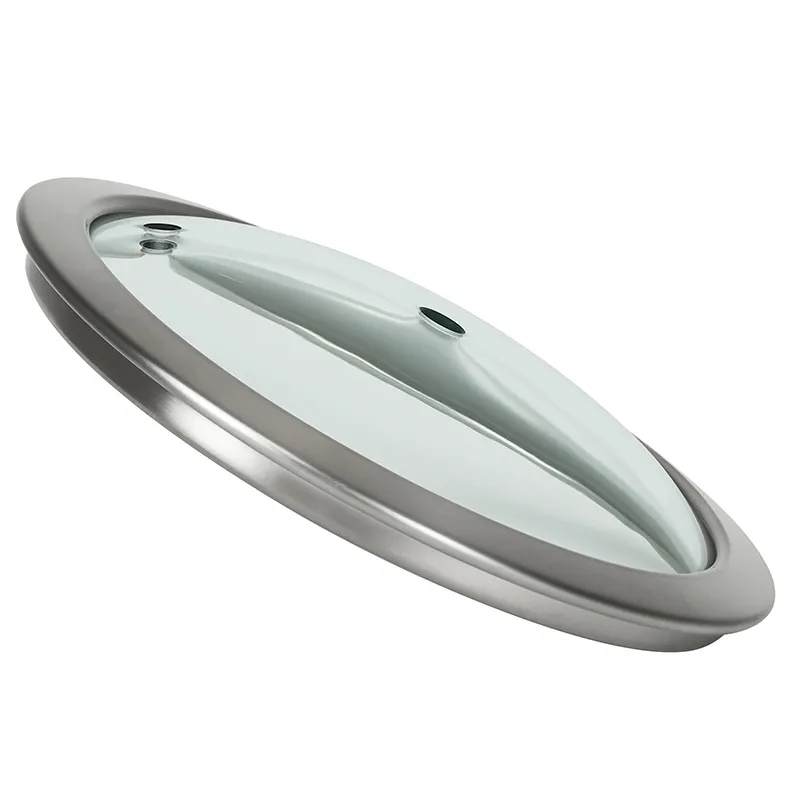
The ideal lid for a 12 inch frying pan needs a robust, heat-resistant handle (phenolic or stainless steel) placed centrally for balance. The glass must be tempered to withstand not just the heat from below, but the potential thermal shock of a cool, wet ingredient hitting its underside. I've seen lids shatter—not often, but it happens—when someone making a pan sauce deglazes with wine and a large splash hits a poorly tempered lid. It's a safety and quality control issue first.
Why Tempered Glass Isn't Just a Buzzword
Let's get specific about the glass. Tempered gets thrown around, but the process matters. Properly tempered glass for cookware is heated to around 620°C and then rapidly cooled. This creates surface compression, making it about 4-5 times stronger than annealed glass. When it does fail (and all tempered glass can), it's designed to crumble into small, granular pieces instead of sharp shards. This is non-negotiable.
I recall a batch from a supplier a few years back where the tempering was inconsistent. Visually, they were perfect. But in drop tests from counter height, about 30% didn't break into the safe, small pieces. They had large, dangerous chunks. That batch was scrapped entirely. It's a reminder that the component you're literally looking through is a critical safety item. Companies that specialize in this, like EUR-ASIA COOKWARE CO.,LTD, understand this at an industrial level. Their focus on producing over 15 million pieces of tempered glass lid annually for export markets means their processes are built around consistency and meeting stringent international safety standards. You can find their product specs and export focus at https://www.glass-lid.com.
The thickness is another spec that's often glossed over. Too thin, and it vibrates or cracks under thermal stress. Too thick, and it becomes prohibitively heavy, throwing off the pan's balance when the lid is on. For a 12-inch lid, I've found a sweet spot around 3.5mm to 4mm. It feels substantial, doesn't flex, and the weight is manageable.
The Fit: More Than Just a Drip Rim
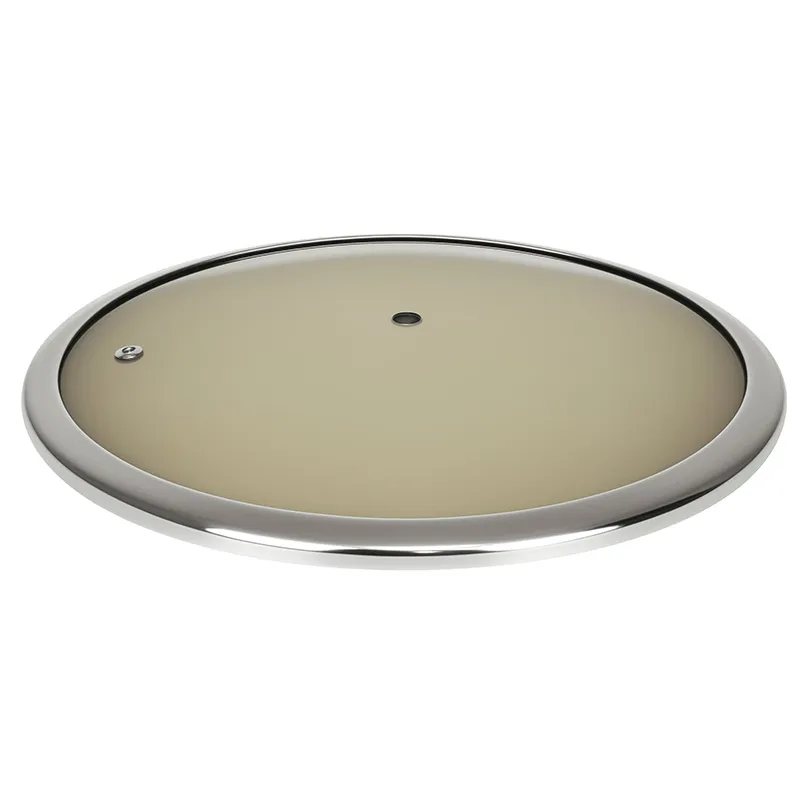
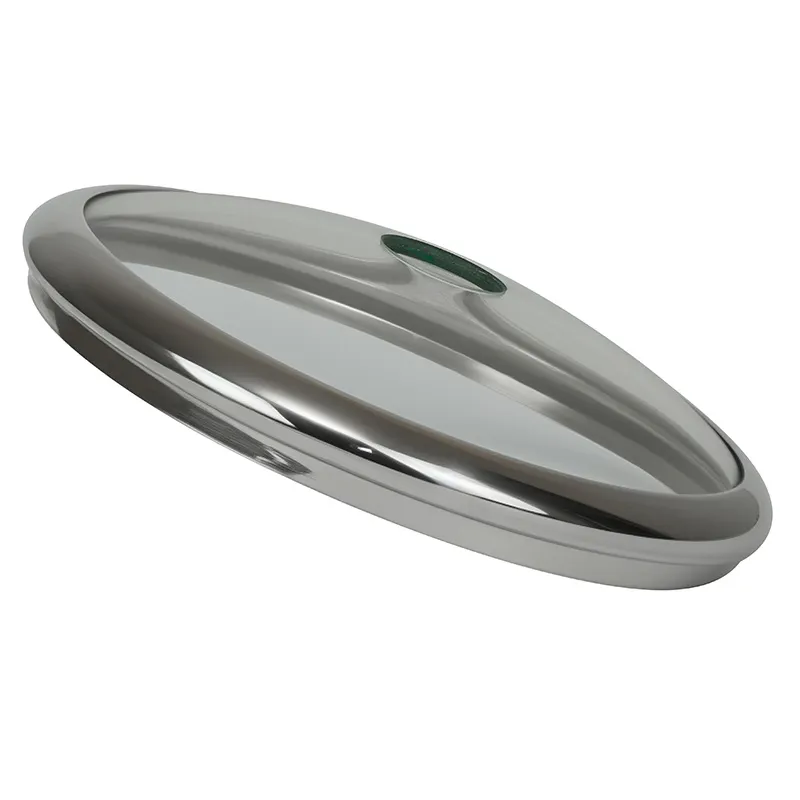
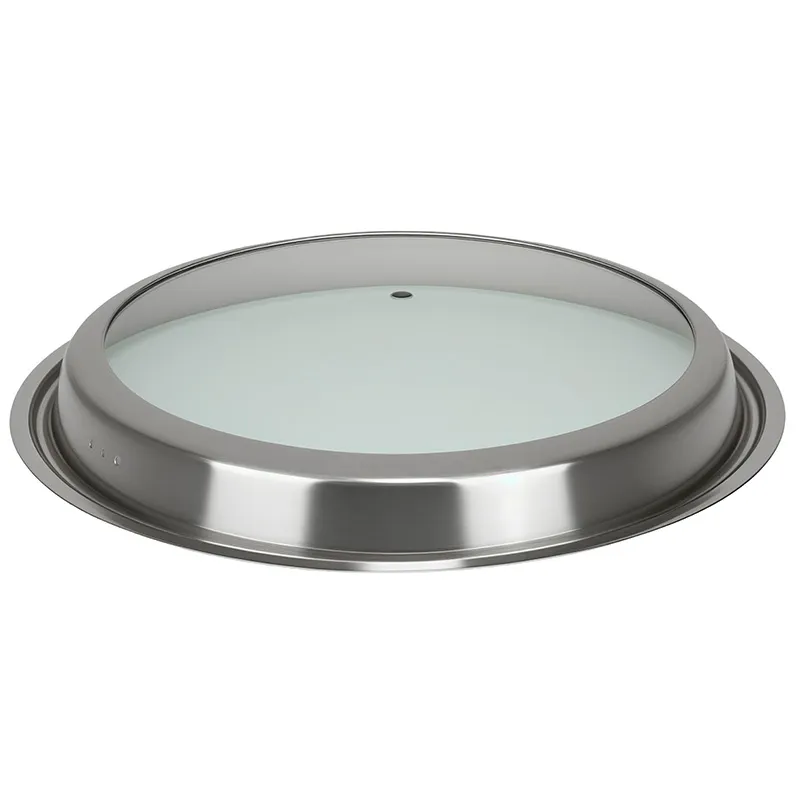
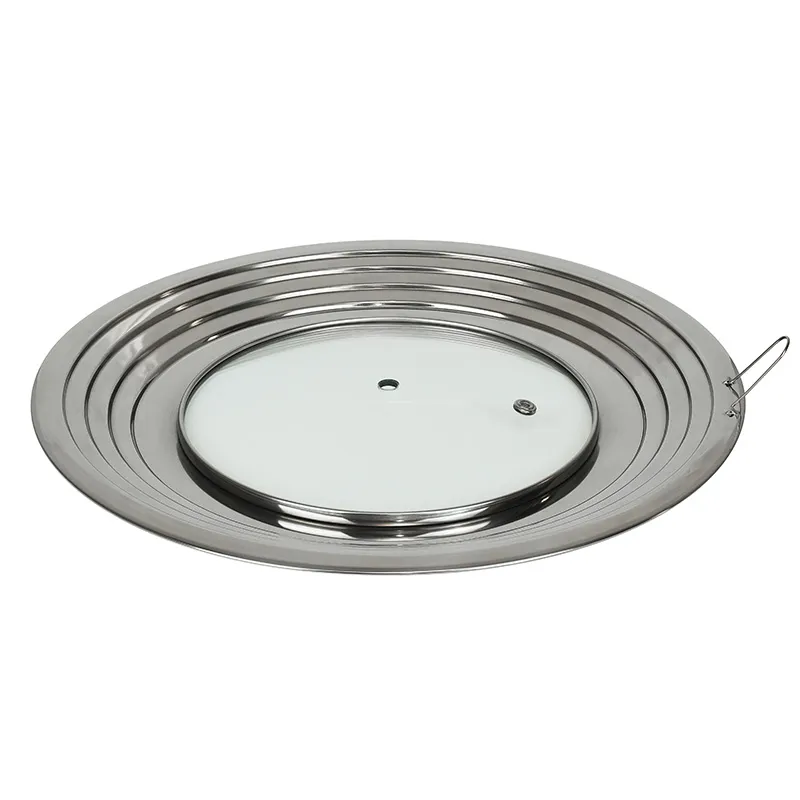
This is where the system thinking comes in. A good glass lid doesn't just sit on top; it interfaces with the pan. The best designs have a rolled stainless steel rim that's been machined or stamped to a very specific curvature to match the pan's own rim. It's not universal. The lid for a French steel skillet will have a different curvature than one for a cast iron pan or a multi-ply stainless pan.
The drip rim is crucial. It should be a continuous, pronounced channel that runs the entire circumference inside the lid's metal rim. Its job is to catch condensation and channel it back down into the pan, not let it run down the outside and rust the handle rivets or make a mess on your stovetop. I've used lids where the drip channel was shallow or incomplete at the hinge point. The water would find that weak spot every time and drip onto the handle.
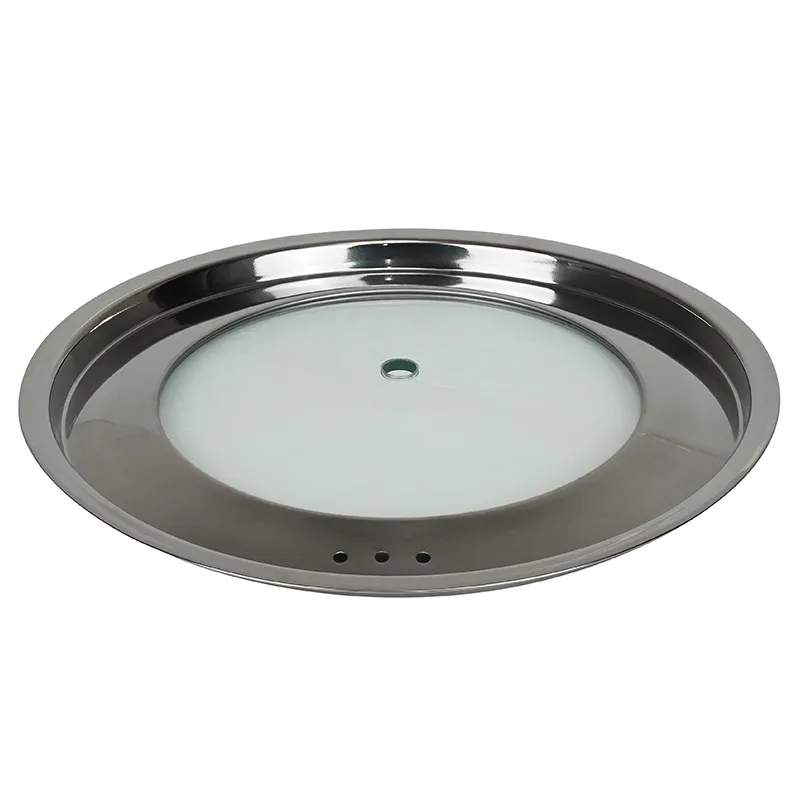
And the vent hole. It shouldn't be an afterthought. A single, small hole can get clogged with starch from potatoes or pasta water. Some of the better designs I've seen from European-focused manufacturers incorporate a multi-hole pattern or a larger, slotted opening that's less prone to clogging. It's a tiny detail that has a real impact on controlling moisture when you're trying to achieve a specific result, like crispy-skinned chicken thighs that also need to be cooked through.
Case in Point: Sourcing for a Commercial Line
A few years back, I was involved in developing a mid-tier line of clad stainless cookware. The pans were coming together well, but the lids were a problem. Our initial supplier's glass lids had a faint green tint (a sign of lower-grade silica) and the metal rims were prone to warping after a few dishwasher cycles. The fit became unreliable.
We started looking at specialized component manufacturers. This is where a company like EUR-ASIA COOKWARE CO.,LTD., with their dedicated production base in Taian and explicit focus on glass lid and kitchen glass products, becomes relevant. For a brand that doesn't want to manufacture its own glass, partnering with a specialist is often the smart move. They have the molds, the tempering ovens, and the quality control protocols for high-volume output. Their export list—Germany, Italy, Japan, etc.—tells you they're likely dealing with clients who have strict tolerances. We needed a lid that could pass thermal shock tests (going from a 450°F oven to a cold, wet surface) and physical impact tests repeatedly. It shifted our sourcing strategy from a general cookware factory to a component specialist.
The prototype they provided had a neutral, clear glass (borosilicate-like clarity), a robust and perfectly circular stainless rim, and a drip channel that was deep and continuous. The handle was a simple, riveted stainless loop that stayed cool. It wasn't fancy, but it was precisely engineered to do its job. It became the model we specified.
The Practical Verdict
So, when you're evaluating a 12 inch frying pan with glass lid, don't just look at the pan. Pick up the lid. Feel its weight. Look at the clarity and color of the glass. Inspect the rim for evenness. Check the depth of the drip channel. Look at the handle attachment—are the rivets smooth? Does the handle itself feel secure and heat-resistant?
Ask yourself: was this lid designed for this pan, or is it a generic cover? The difference manifests in those quiet moments during cooking: when you don't hear a persistent hiss of steam, when you lift the lid and condensation drips neatly back into the pan, when the lid sits perfectly stable without sliding. That's the sign of a cohesive tool.
In the end, the pan does the searing, but the lid controls the environment. For a 12-inch workhorse pan, that control is paramount. It's the difference between perfectly braised short ribs and a boiled roast, between a crisp-skinned fish and a steamed one. The right glass lid transforms the pan from a simple surface into a sealed, controllable cooking chamber. And that's where real cooking happens.
Related Products
Related Products