- Chinese
- French
- German
- Portuguese
- Spanish
- Russian
- Japanese
- Korean
- Arabic
- Irish
- Greek
- Turkish
- Italian
- Danish
- Romanian
- Indonesian
- Czech
- Afrikaans
- Swedish
- Polish
- Basque
- Catalan
- Esperanto
- Hindi
- Lao
- Albanian
- Amharic
- Armenian
- Azerbaijani
- Belarusian
- Bengali
- Bosnian
- Bulgarian
- Cebuano
- Chichewa
- Corsican
- Croatian
- Dutch
- Estonian
- Filipino
- Finnish
- Frisian
- Galician
- Georgian
- Gujarati
- Haitian
- Hausa
- Hawaiian
- Hebrew
- Hmong
- Hungarian
- Icelandic
- Igbo
- Javanese
- Kannada
- Kazakh
- Khmer
- Kurdish
- Kyrgyz
- Latin
- Latvian
- Lithuanian
- Luxembou..
- Macedonian
- Malagasy
- Malay
- Malayalam
- Maltese
- Maori
- Marathi
- Mongolian
- Burmese
- Nepali
- Norwegian
- Pashto
- Persian
- Punjabi
- Serbian
- Sesotho
- Sinhala
- Slovak
- Slovenian
- Somali
- Samoan
- Scots Gaelic
- Shona
- Sindhi
- Sundanese
- Swahili
- Tajik
- Tamil
- Telugu
- Thai
- Ukrainian
- Urdu
- Uzbek
- Vietnamese
- Welsh
- Xhosa
- Yiddish
- Yoruba
- Zulu
- Kinyarwanda
- Tatar
- Oriya
- Turkmen
- Uyghur


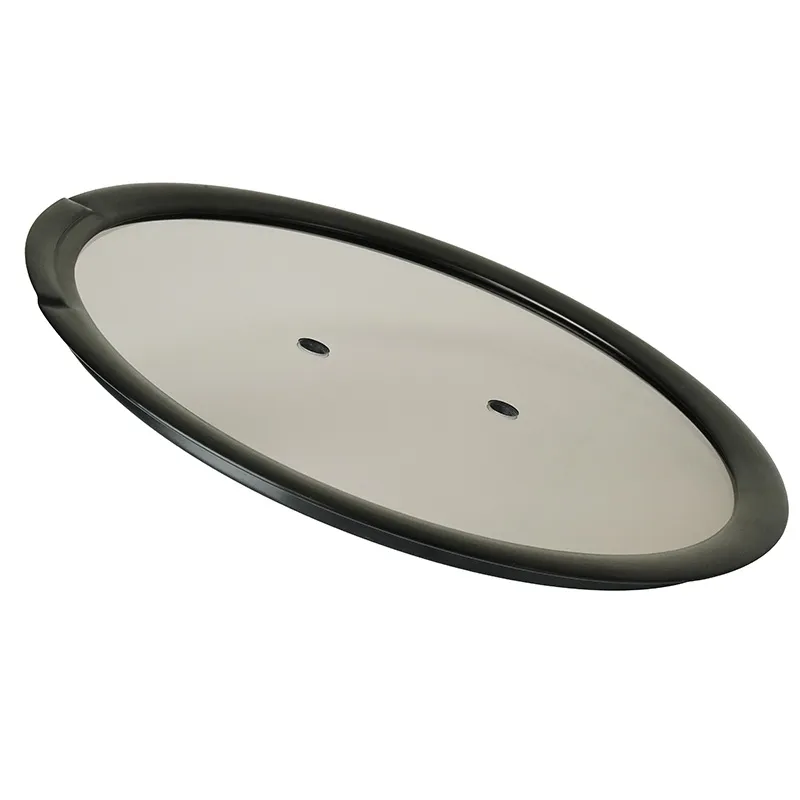
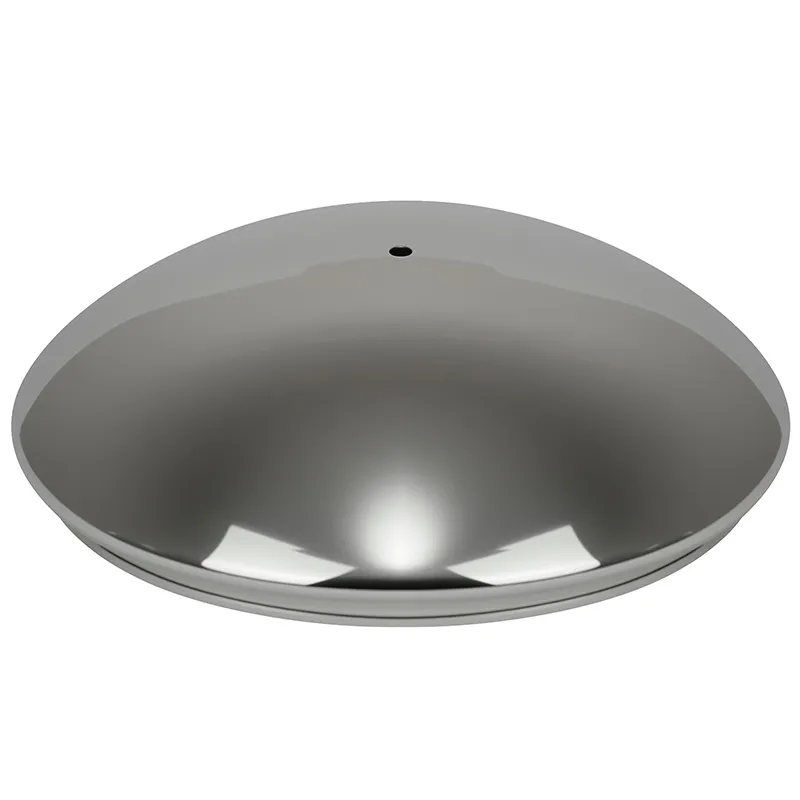
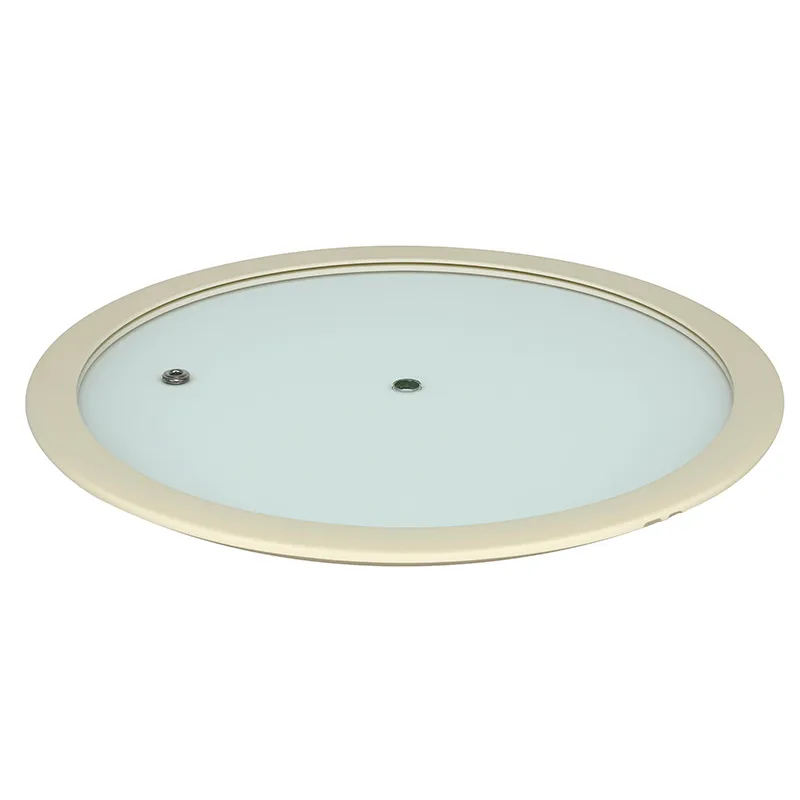
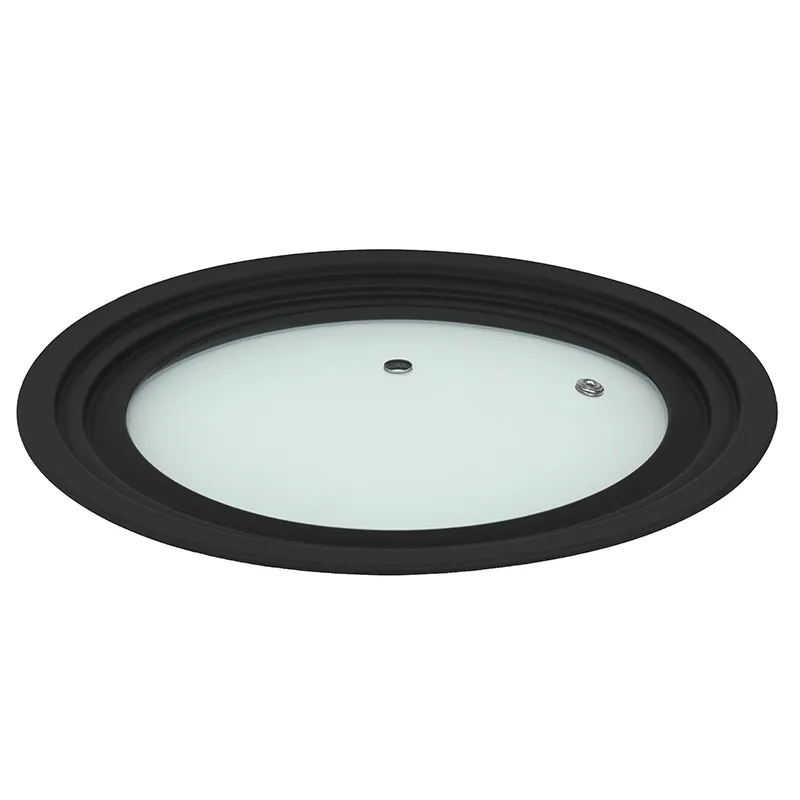
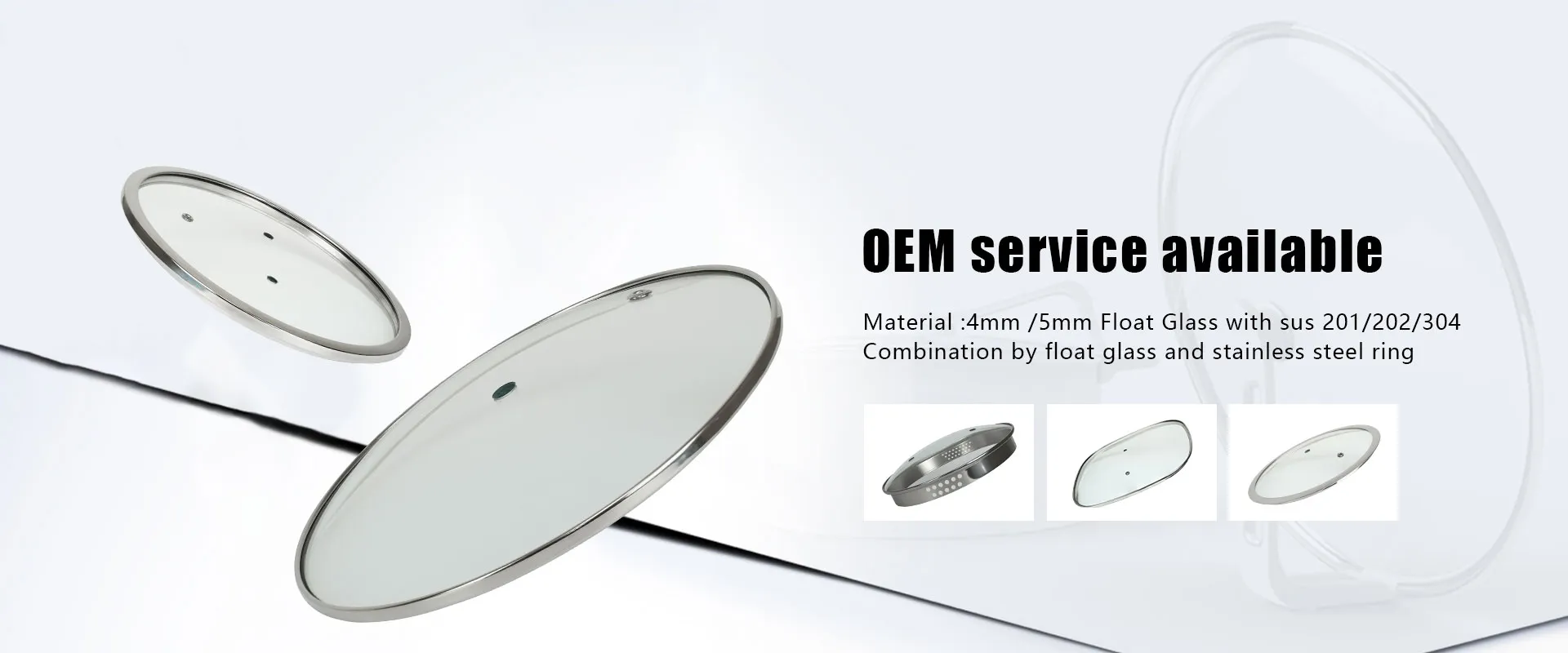
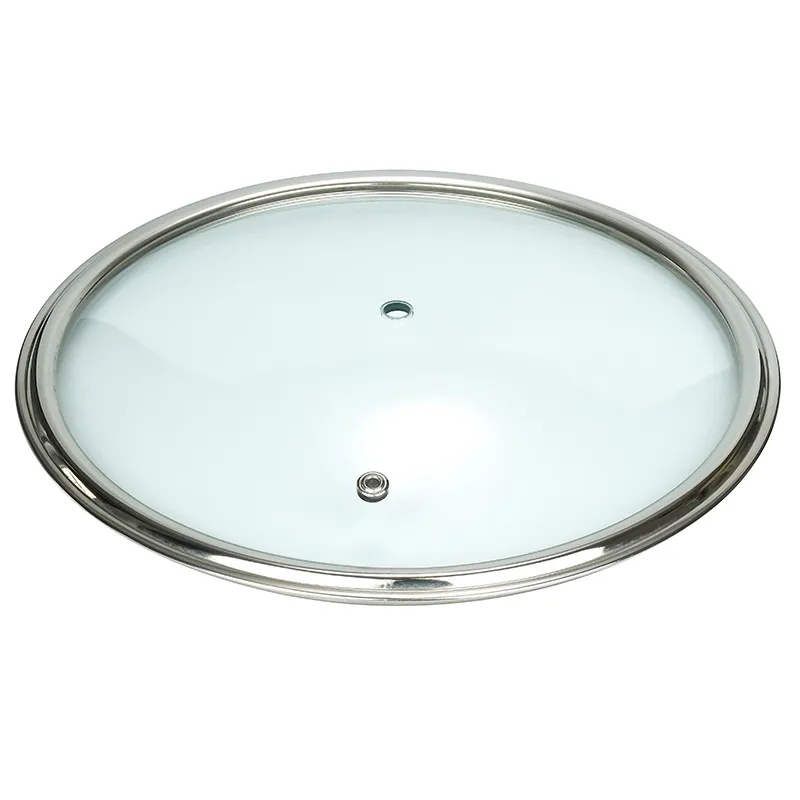
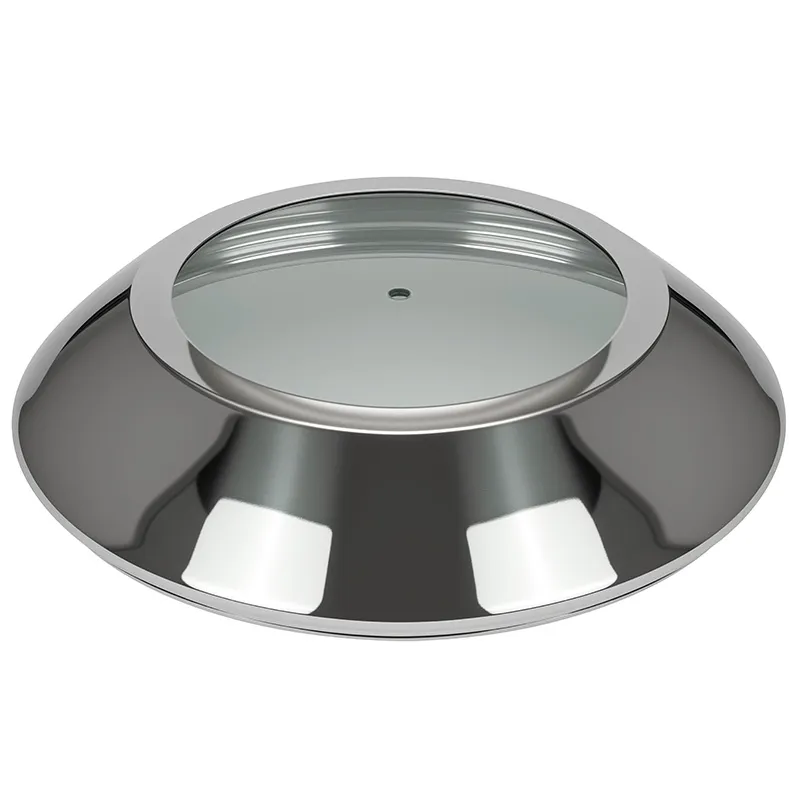
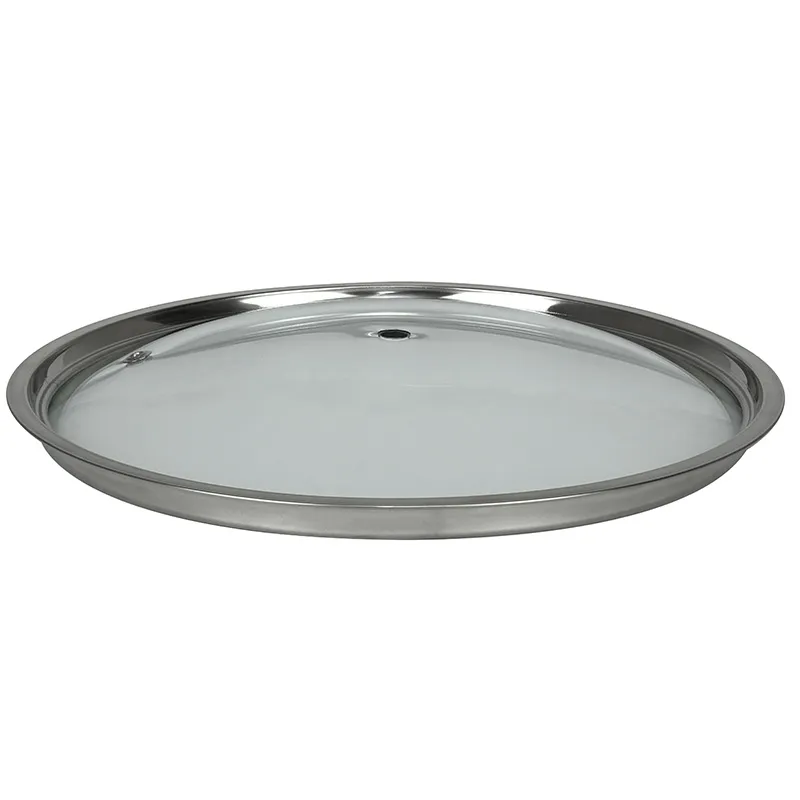
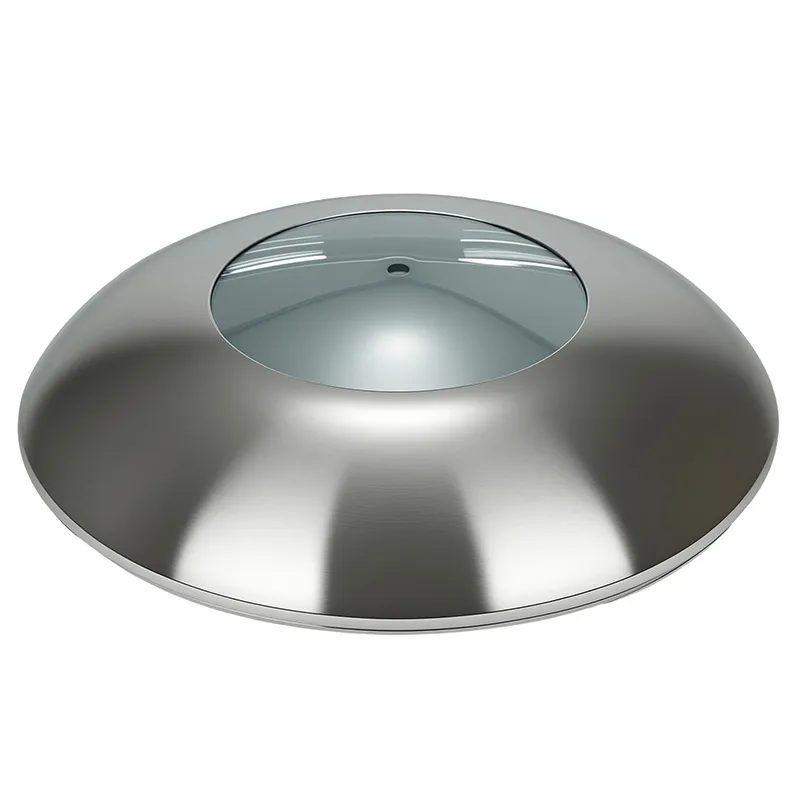
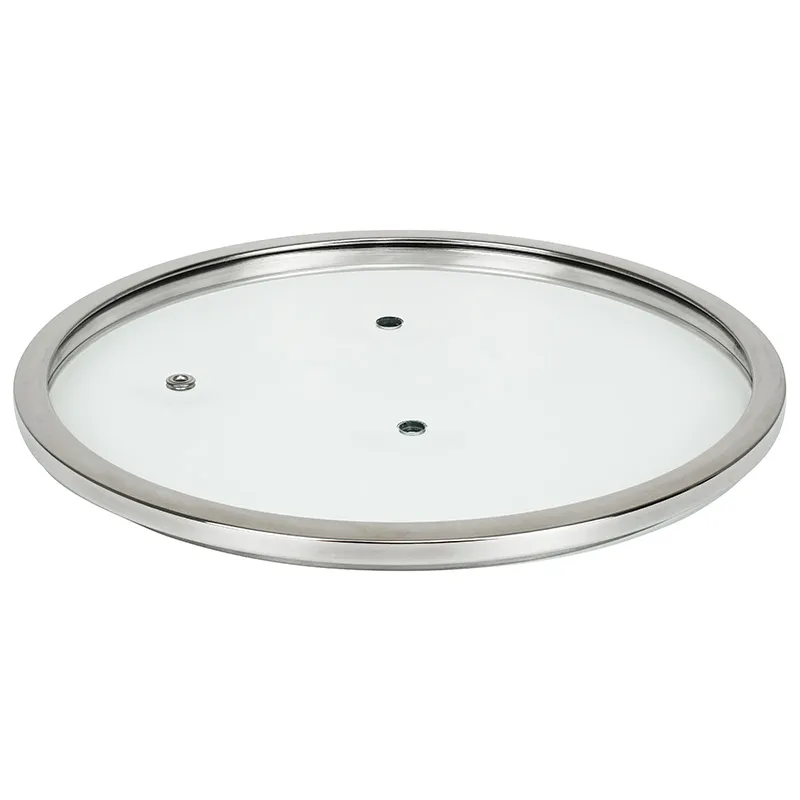
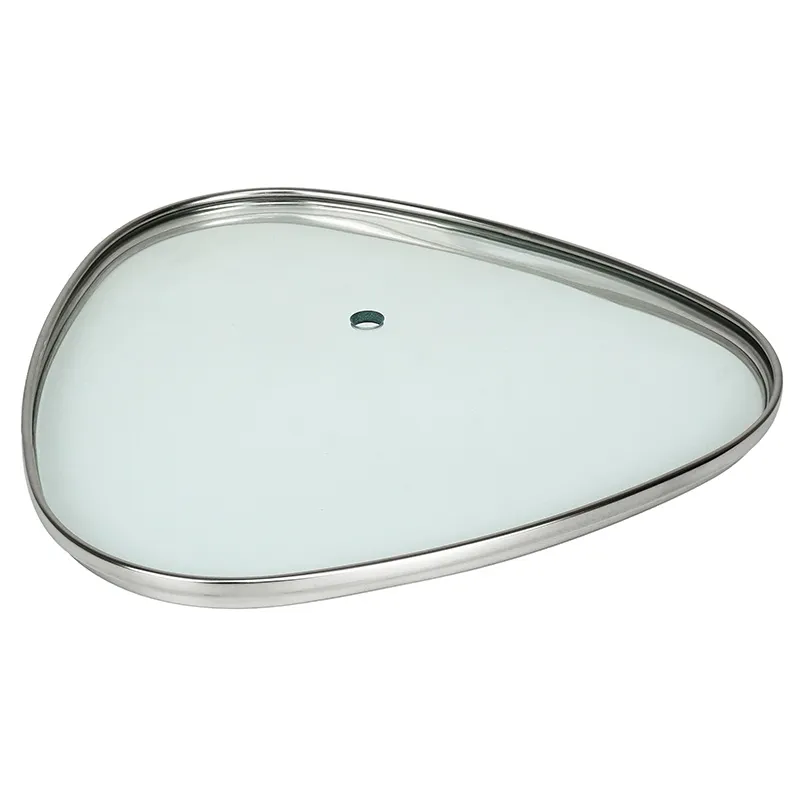
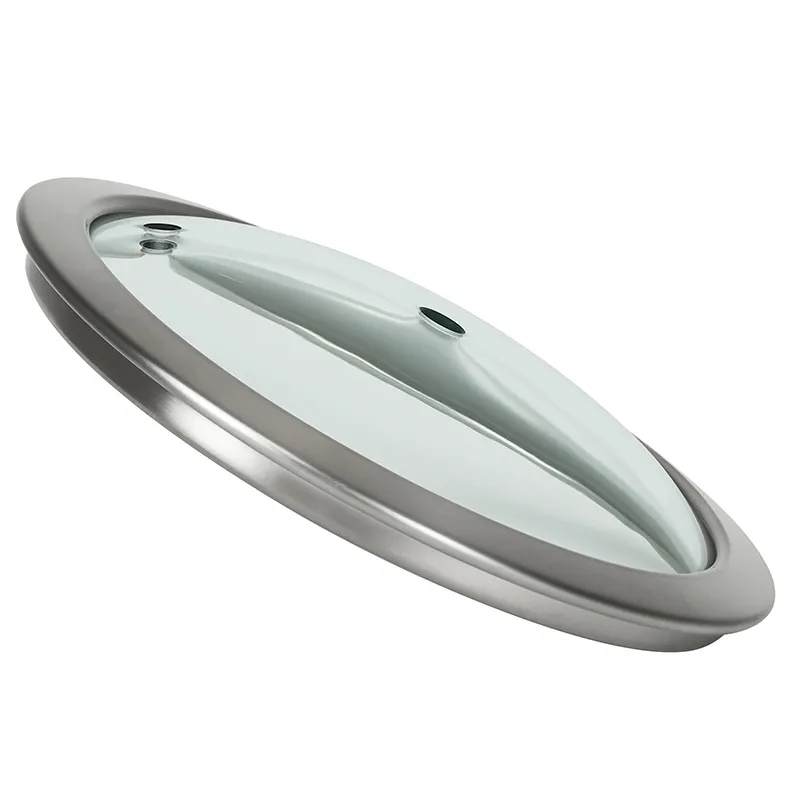
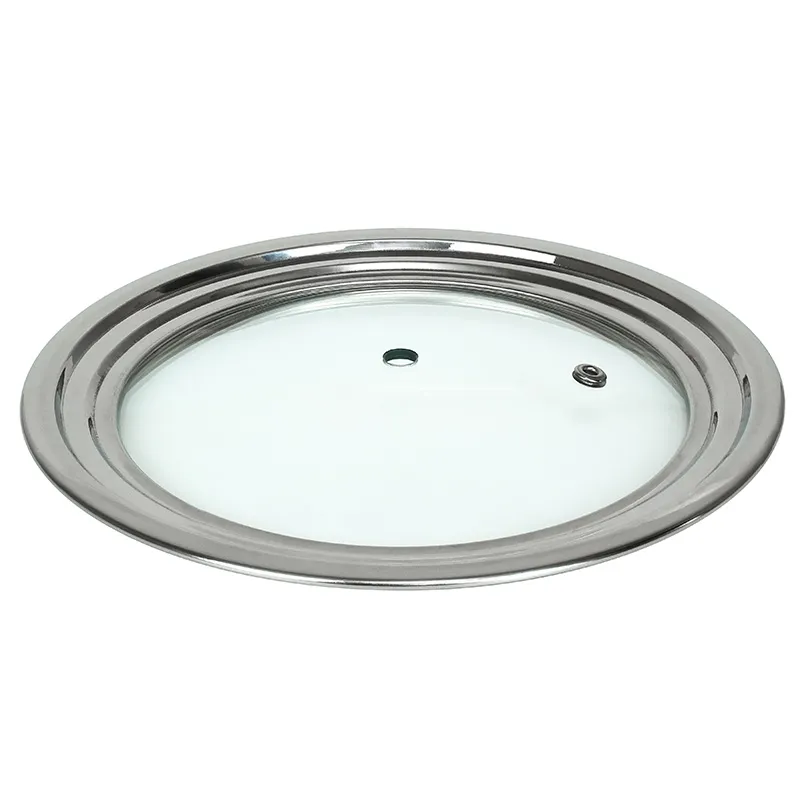
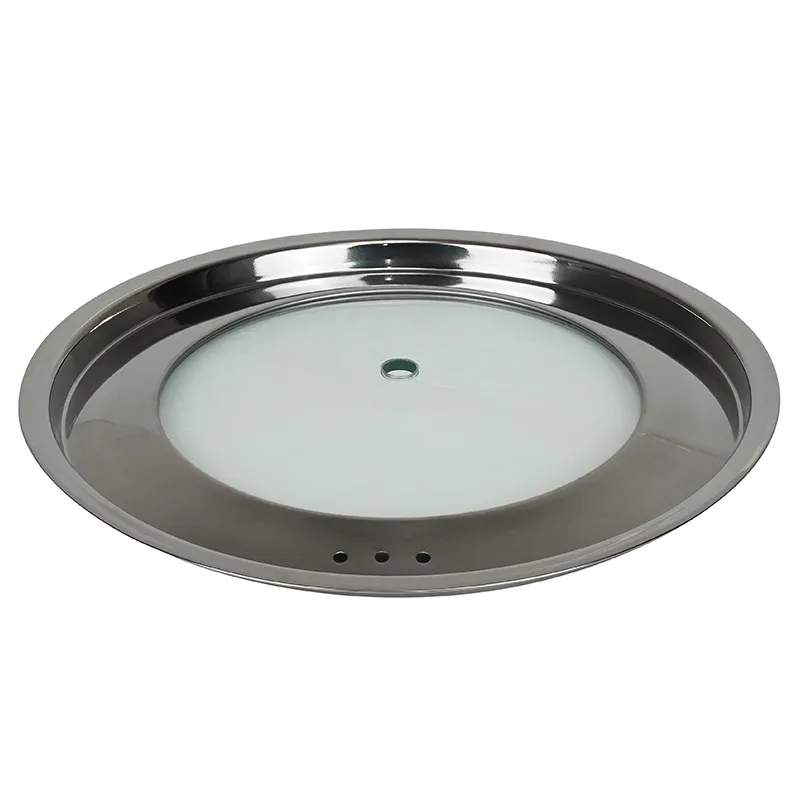
12 inch glass lid
When you hear '12 inch glass lid', the immediate thought is dimension. But in practice, that number is just the starting point of a headache, or a solution, depending on how you handle the tolerances and the actual pan it's supposed to sit on. A lot of spec sheets from general suppliers just list the outer diameter, but they rarely tell you about the crucial curvature of the flange, or the lip overhang, which determines if it seals or just rattles. I've seen too many buyers get stuck with a container of lids that are technically 12 inches but functionally useless because they assumed glass is glass and a measurement is a measurement.
The Fit and the Flange
The real game with a 12 inch glass lid is the underside. Is it a flat rim? A shallow, angled flange? Or a deeper, pronounced curvature? This isn't an aesthetic choice. A flat rim might work for a basic stockpot with a perfectly flat top edge. But most decent cookware, especially the ones from European brands, have a slightly rounded or beaded top edge. Your lid needs to mirror that. If the flange is too shallow, steam escapes from the sides. Too deep, and it sits awkwardly, creating a pivot point instead of a seal. I recall a batch we sourced early on, the lids were beautiful, pristine tempered glass, but the flange was a generic 3-degree angle. They wobbled on every single sample pan from the client. Total loss.
That's where manufacturers with actual cookware integration experience stand out. A company like EUR-ASIA COOKWARE CO.,LTD, for instance, isn't just a glass cutter. Their production base in Taian focuses on these kitchen accessories, meaning they're likely testing lids on actual pots. You can see it in the product details if you know where to look—subtle mentions of compatible with standard Euro-rims or specific curvature codes. It's this nuance that separates a commodity from a component. Their annual output of over 15 million pieces suggests they've had to solve the fit problem at scale, probably through a library of flange molds for different market segments.
Material thickness is another silent spec. A 12-inch lid needs heft to avoid warping from heat and to feel substantial, but too thick and it becomes heavy and costly. The sweet spot is usually between 3.5mm to 4mm for tempered soda-lime glass. Thinner than that, and you risk thermal shock failure—the dreaded ping and crack when placed on a boiling pot. I've had clients insist on going to 3mm to save on shipping weight, only to face a return rate spike from the German market, which is notoriously strict on durability. You can't cheat physics.
Tempering and the Export Reality
Tempering is non-negotiable. But not all tempering is equal. The quality of the oven, the evenness of the heating cycle, and the quenching process dictate the final stress pattern. A poorly tempered glass lid might pass a basic impact test but shatter into larger, dangerous pieces instead of the small, blunt granules it's supposed to. This is a major point of failure for exports to regulated markets like the EU.
Looking at EUR-ASIA COOKWARE's export footprint—over 90% to countries like Germany, France, Denmark, Switzerland—tells you something. These markets have stringent safety standards (think GS certification, LFGB). To consistently ship there, their tempering process has to be robust and auditable. It's not just about making glass; it's about making compliant safety glass. A lid that goes to Brazil might have different cost pressures than one destined for Switzerland, even at the same 12-inch size. The fact they serve both suggests a flexible but controlled production line, capable of adjusting parameters without compromising the core safety protocol.
We learned this the hard way. Switched to a cheaper vendor for a promotional line, and the lids passed our in-house drop test. But in the field, we got reports of lids spontaneously fracturing during oven use (yes, some are rated for that). The failure analysis pointed to microscopic surface flaws—nicks from handling before tempering—that became stress concentrators. The vendor's pre-tempering handling was sloppy. Now, we ask for details on handling procedures post-cutting and pre-tempering. It's the unsexy part of the spec sheet that matters most.
The Handle and the Heat
Everyone focuses on the glass, but the handle system is the failure point 40% of the time. For a 12-inch lid, you need a handle that stays cool enough to grip and is anchored securely. The common solutions are stainless steel knobs attached with a nut and washer, or phenolic resin (Bakelite) knobs with a metal screw insert. The nut-and-washer system is more serviceable but can loosen over time if the lock washer isn't high-grade. The resin knob is cheaper but can crack if the metal insert expands at a different rate than the resin.
I prefer a stainless steel knob with a wide, insulating base. The attachment should use a brass nut and a spring washer, not a standard flat washer. Brass has better thread engagement with the stainless steel screw and resists seizing from heat cycles. This is a small BOM cost increase that prevents catastrophic failure—a lid handle detaching while carrying a hot, heavy lid is a lawsuit waiting to happen. Some of EUR-ASIA's product images show this type of assembly, which aligns with the demands of their main export markets where product liability is a real concern.
Then there's the silicone gasket around the rim. Not all 12-inch lids have it, but for a true sealing lid (like for a braiser), it's essential. The key is food-grade silicone that can withstand repeated dishwasher cycles without degrading or staining. The channel it sits in must be cleanly molded—any flash or sharp edge will cut into the silicone over time. We once had a batch where the gasket popped out after a few washes because the retention channel was too shallow. A 0.5mm depth miscalculation rendered the entire feature useless.
Logistics and the Fragile Geometry
Packing a 12 inch glass lid for a container shipment to Europe is an art form. You can't just stack them. The curvature means they nest, but if you nest them directly, glass-on-glass contact during transit is a recipe for scratches and bruising (micro-fractures). You need interleaving paper or foam sheets. The carton design is critical—it needs to be a tight fit to prevent movement, but not so tight that inserting the lid requires force.
A manufacturer with high export volume has this down to a science. Their cartons are probably custom-designed, with die-cut inserts that cradle the lid's dome and protect the flange. The cost of a damaged container load—not just the product loss, but the shipping cost and delay—forces efficiency here. When I see a company consistently exporting 15 million pieces globally, I know their packaging logistics are a core competency, not an afterthought. It's a hidden cost sink if done poorly.
This also ties into minimum order quantities (MOQs). For a truly custom 12-inch lid—unique flange, thickness, handle, and packaging—the MOQ from a competent factory might be 10,000 pieces or more. That's to justify the mold setup and packaging line adjustment. For a standard design, it could be lower. The high output at EUR-ASIA's facility suggests they might carry some standard designs for common European pan styles, allowing for smaller mixed-container orders, which is a huge advantage for mid-sized importers.
Beyond the Lid: The System View
Finally, a 12 inch glass lid is never an island. It's part of a system: the pot, the cooktop (induction compatibility depends on the glass grade), the oven, and the dishwasher. Induction compatibility requires the glass to have a certain iron oxide content—low-iron glass looks clearer but may not work on induction unless specifically formulated. You need to ask.
The trend now is towards versatility: lids that can go from stovetop to oven to table. That pushes the temperature rating. Standard tempered lid is good to about 392°F (200°C). For higher oven use, you need a different glass ceramic or a clarified specification. This is where the conversation moves from a 12-inch lid to a 12-inch lid for a 5-quart braiser rated for 450°F oven use. The specificity changes everything—material, tempering curve, handle material.
It's this system thinking that separates a kitchen accessory supplier from a parts vendor. When a company's entire focus, like EUR-ASIA COOKWARE, is on household glass products and kitchen accessories, they're more likely to understand these interdependencies. They're not just selling a circle of glass; they're selling a component that must perform in a real, often demanding, kitchen environment across cultures—from the precise cooking in Japan to the robust family kitchens in Turkey. That global export list isn't just a sales achievement; it's a testament to having solved these systemic compatibility puzzles, one flange curvature and tempering cycle at a time.
Related Products
Related Products