- Chinese
- French
- German
- Portuguese
- Spanish
- Russian
- Japanese
- Korean
- Arabic
- Irish
- Greek
- Turkish
- Italian
- Danish
- Romanian
- Indonesian
- Czech
- Afrikaans
- Swedish
- Polish
- Basque
- Catalan
- Esperanto
- Hindi
- Lao
- Albanian
- Amharic
- Armenian
- Azerbaijani
- Belarusian
- Bengali
- Bosnian
- Bulgarian
- Cebuano
- Chichewa
- Corsican
- Croatian
- Dutch
- Estonian
- Filipino
- Finnish
- Frisian
- Galician
- Georgian
- Gujarati
- Haitian
- Hausa
- Hawaiian
- Hebrew
- Hmong
- Hungarian
- Icelandic
- Igbo
- Javanese
- Kannada
- Kazakh
- Khmer
- Kurdish
- Kyrgyz
- Latin
- Latvian
- Lithuanian
- Luxembou..
- Macedonian
- Malagasy
- Malay
- Malayalam
- Maltese
- Maori
- Marathi
- Mongolian
- Burmese
- Nepali
- Norwegian
- Pashto
- Persian
- Punjabi
- Serbian
- Sesotho
- Sinhala
- Slovak
- Slovenian
- Somali
- Samoan
- Scots Gaelic
- Shona
- Sindhi
- Sundanese
- Swahili
- Tajik
- Tamil
- Telugu
- Thai
- Ukrainian
- Urdu
- Uzbek
- Vietnamese
- Welsh
- Xhosa
- Yiddish
- Yoruba
- Zulu
- Kinyarwanda
- Tatar
- Oriya
- Turkmen
- Uyghur


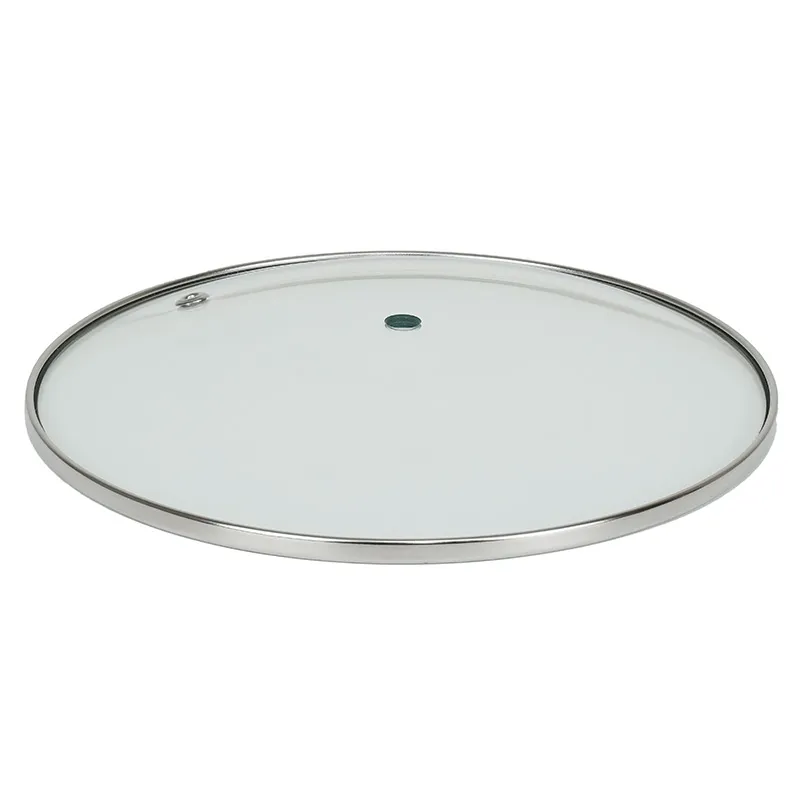
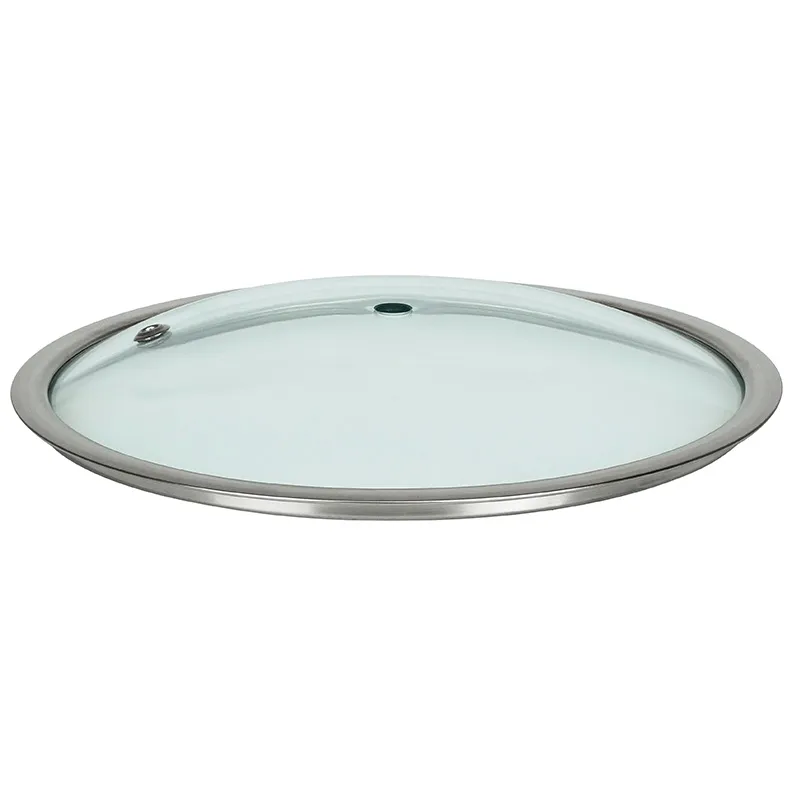
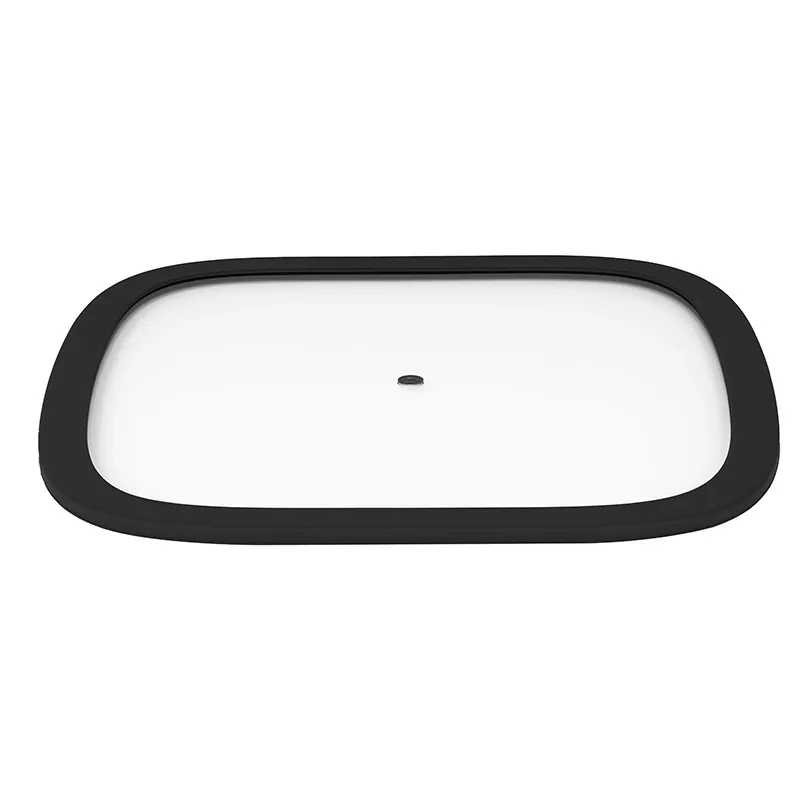
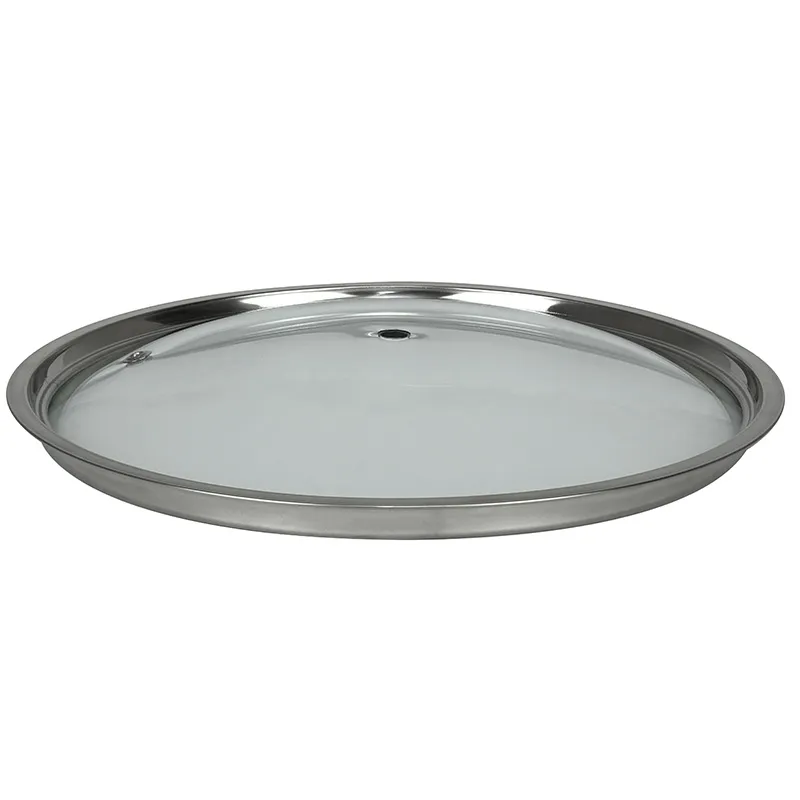
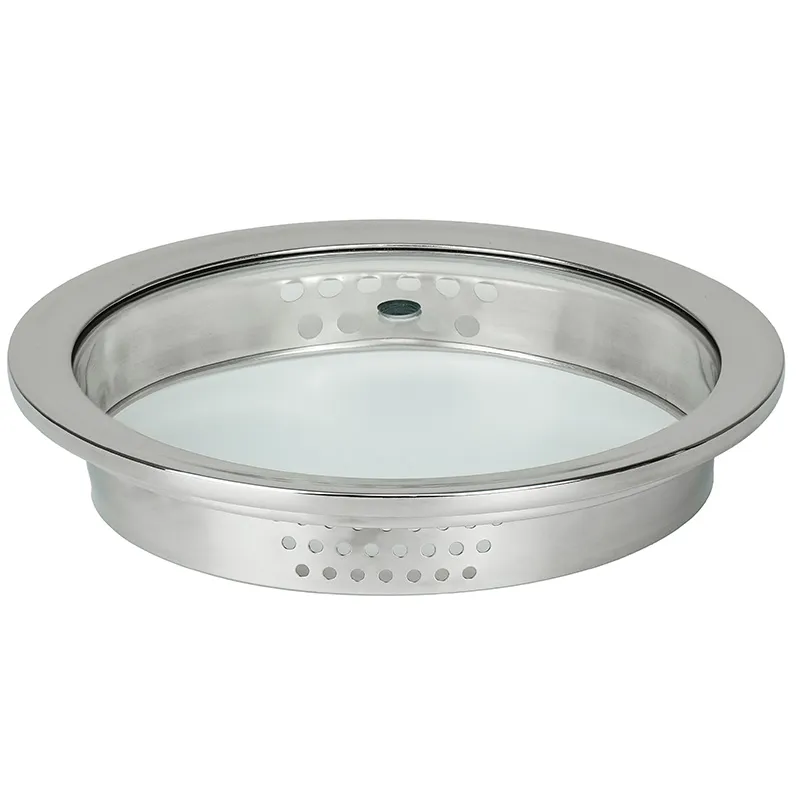
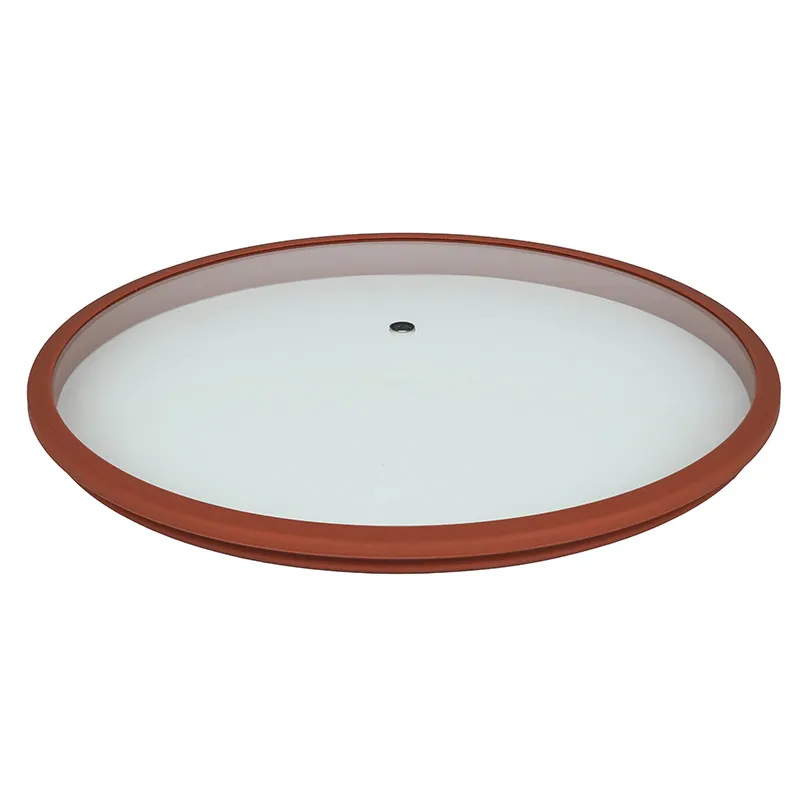
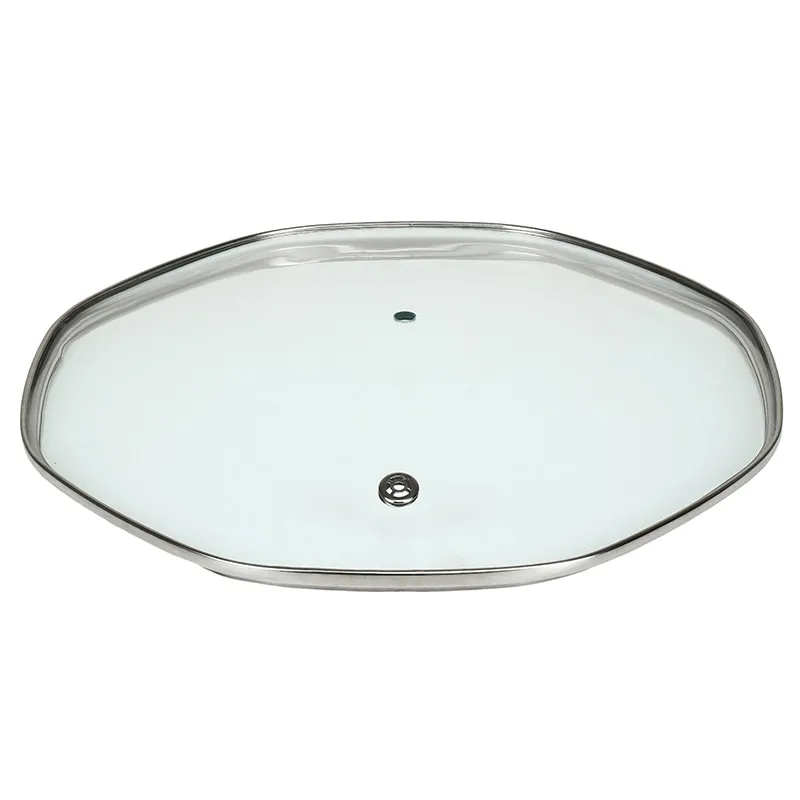
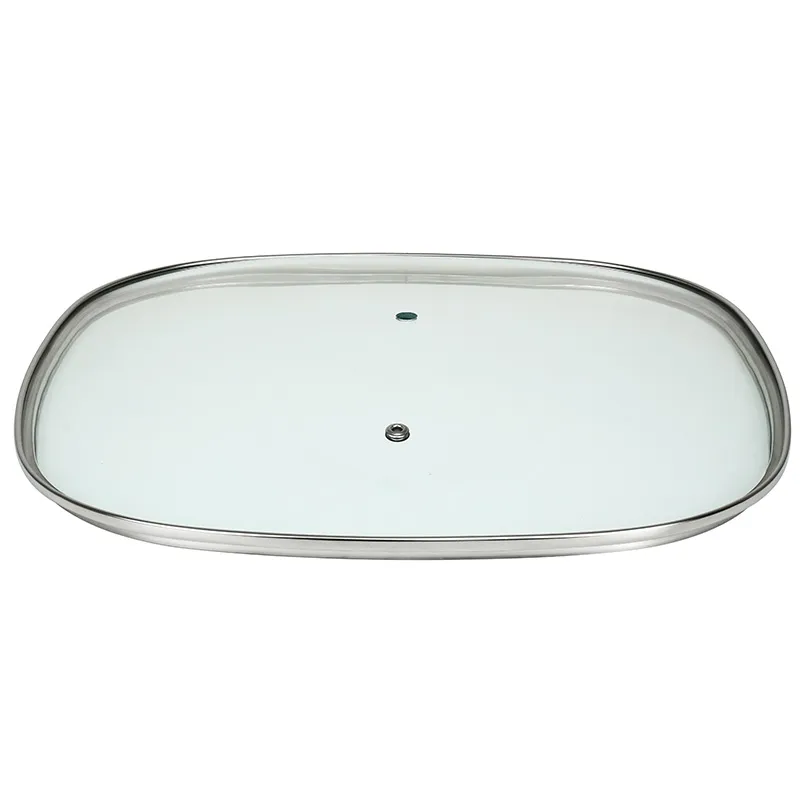
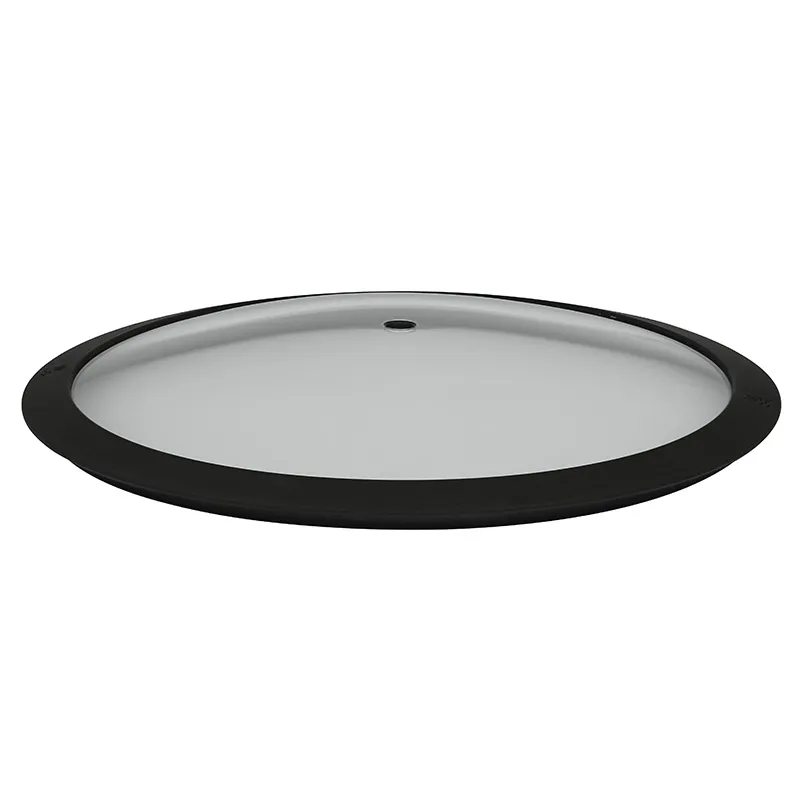
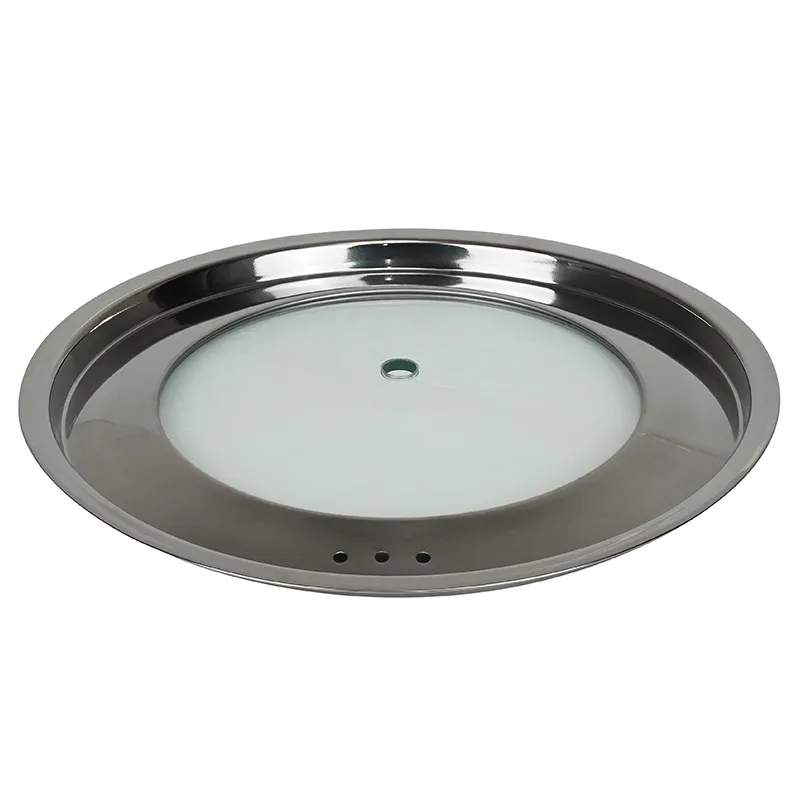
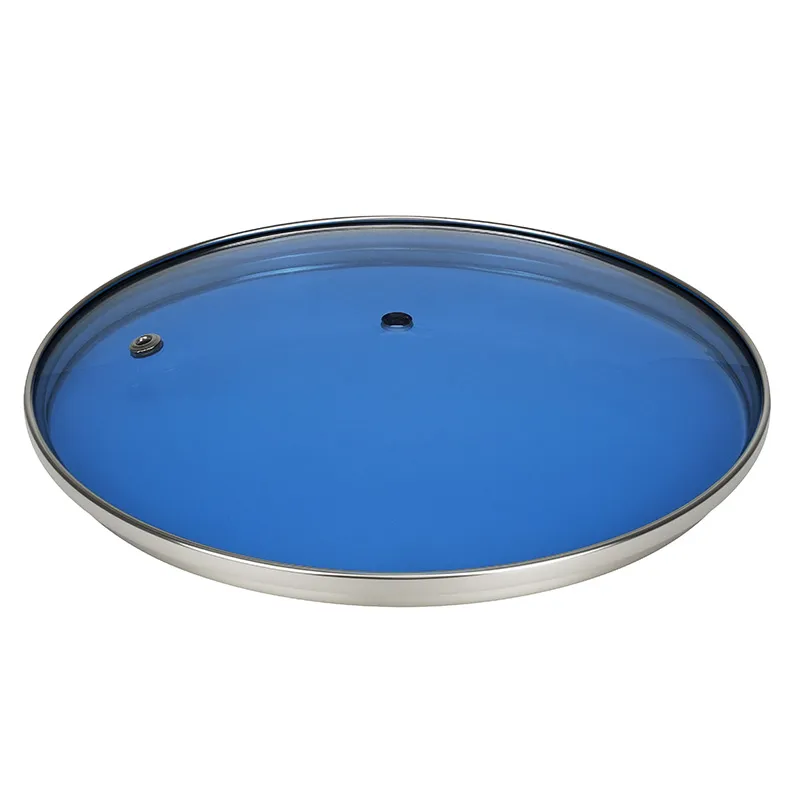
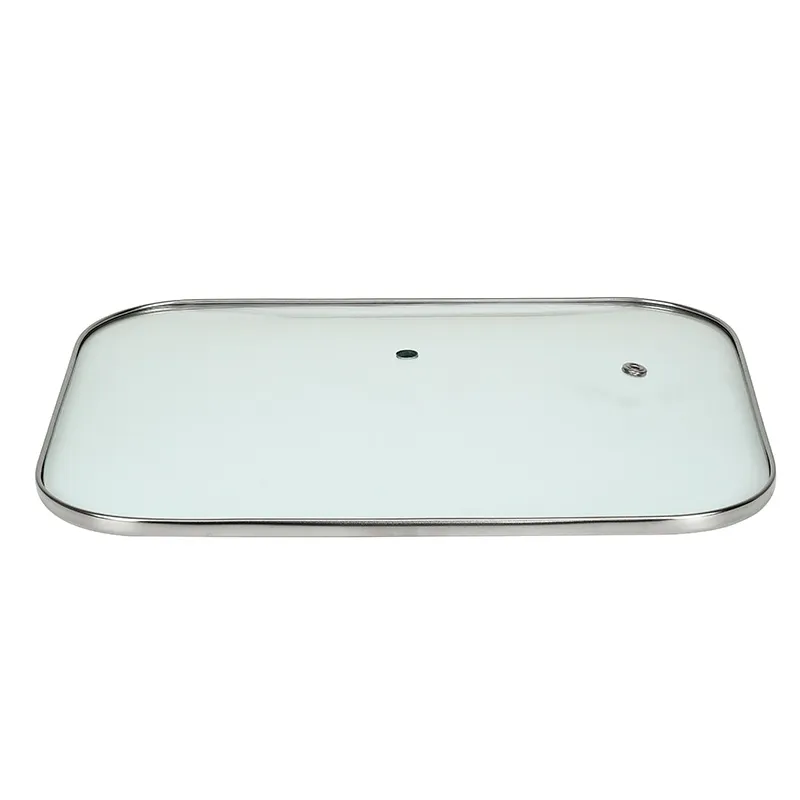
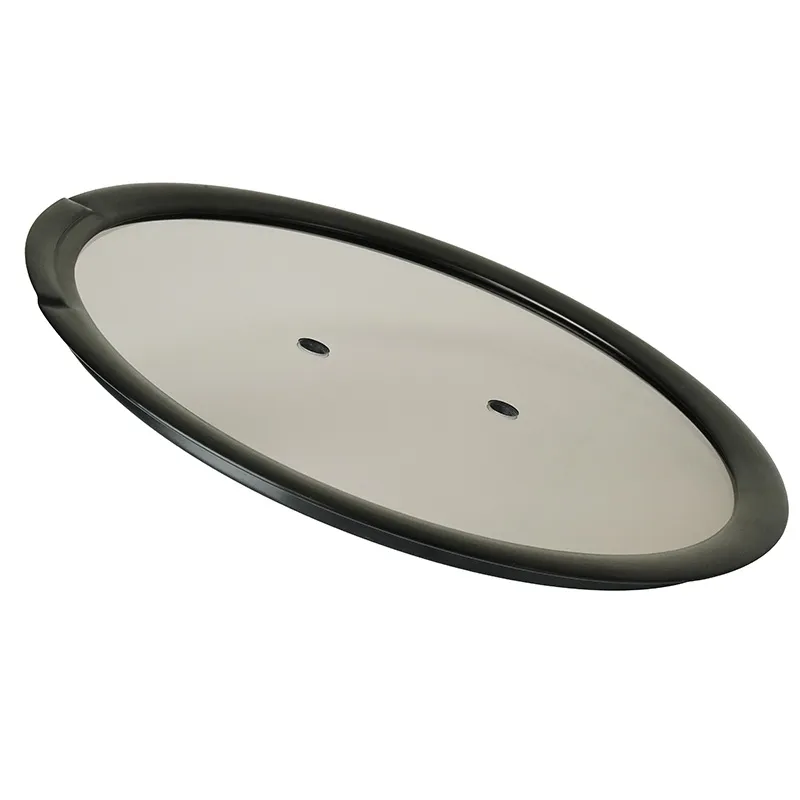
12 inch glass lid for frying pan
When you hear '12 inch glass lid for frying pan', most people just think of a piece of tempered glass that fits. That's the first mistake. In reality, it's a critical interface between the cook and the food, and getting it wrong means steamed instead of seared, or worse, a lid that shatters from thermal shock. I've seen too many buyers, even some smaller kitchenware brands, focus solely on the diameter and the 'tempered' label without understanding the nuances of edge finishing, handle ergonomics, or the actual curvature that ensures a proper seal on different pan profiles. It's not a one-size-fits-all world, even within the 12-inch category.
The Core Specs Everyone Overlooks
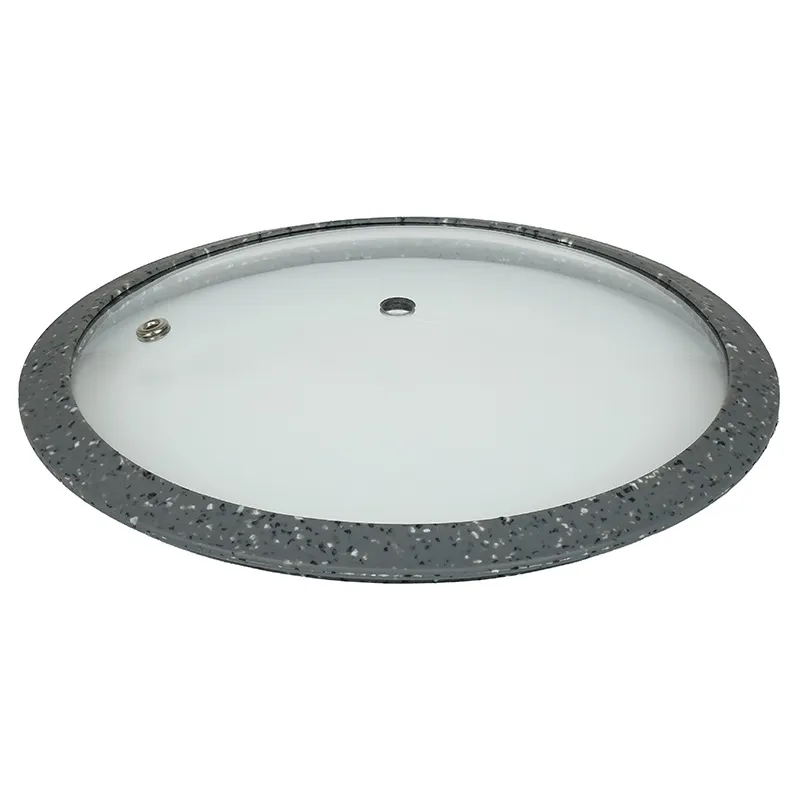
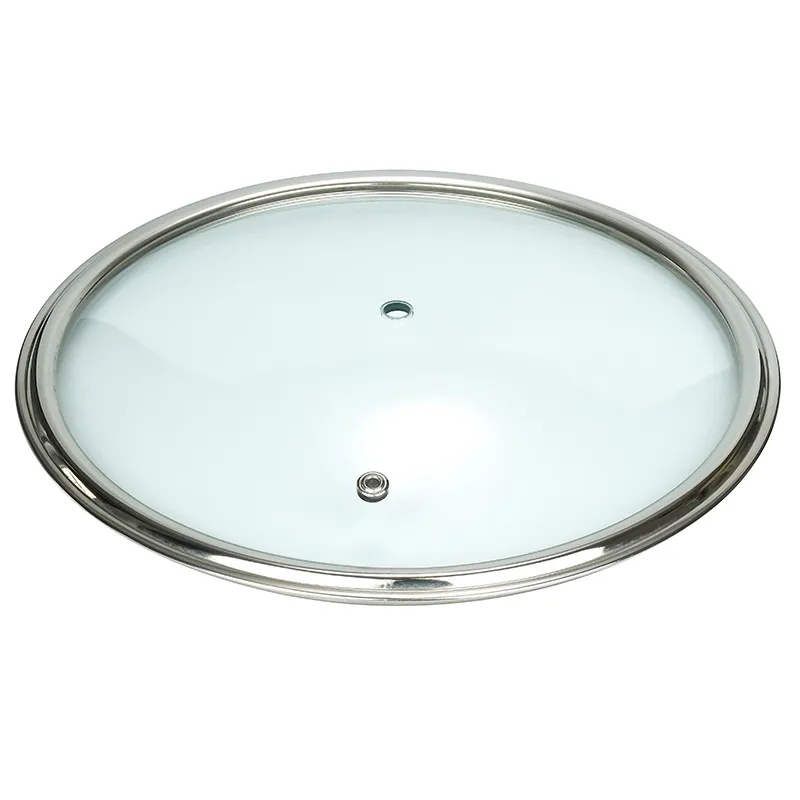
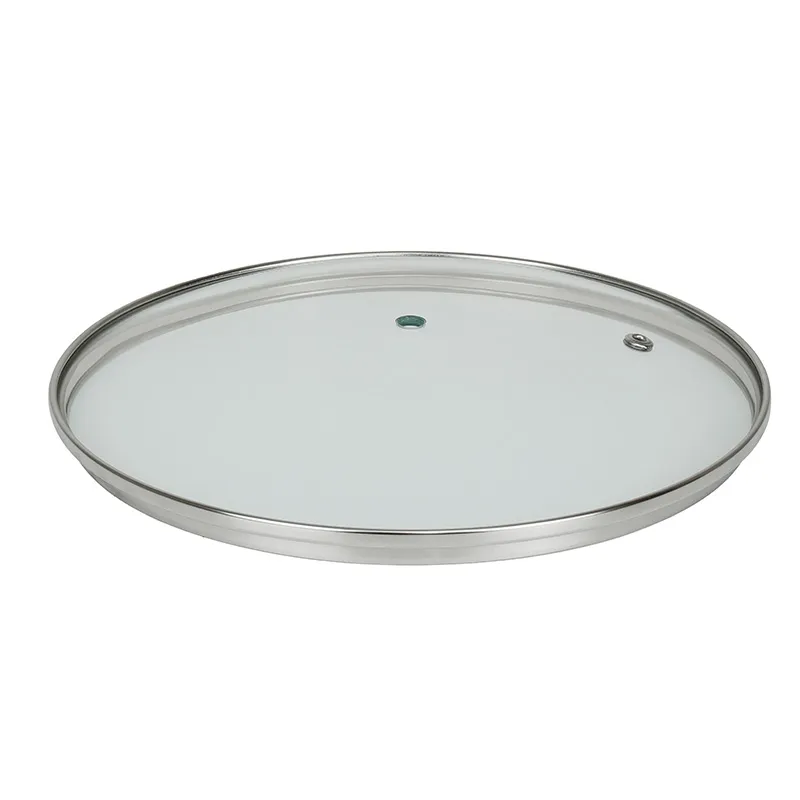
Diameter is just the start. A true 12-inch lid needs to account for the pan's flange. Is it for a classic skillet with a slight outward slope, or a modern sauté pan with straight, tall sides? The lid's own curvature—its dome height—is crucial. Too flat, and condensation drips directly back onto your food, ruining a crust. A decent dome, maybe 1.5 to 2 inches at the center, lets condensation roll to the edges. I recall a batch we tested from a supplier who shall remain nameless; the lids sat flush but had a near-flat profile. Simmering a tomato sauce became a watery mess as the droplets had nowhere to go but straight down.
Then there's the edge. A ground and polished smooth edge isn't just for safety; it prevents chipping during handling and storage. The cheap ones often have a seamed or 'arris' edge that feels rough. Over time, those micro-chips compromise the temper. The handle is another thing. That knob or handle must be rated for high heat. I've had prototypes where the phenolic resin handle started to soften and wobble after a few months of regular oven use at 400°F. It needs a solid metal core or a high-grade, heat-resistant screw attachment.
And thickness. 3mm is a common standard, but it's the consistency that matters. Inconsistent thickness, visible as optical distortion when you look through the glass, is a red flag for stress points. A company like EUR-ASIA COOKWARE CO.,LTD, with their dedicated production line, typically has this under control because they're set up for volume. Their focus on exporting to European markets like Germany and Italy means they're used to meeting stricter specs on material consistency and safety standards, which directly ties into reliable lid performance.
Thermal Shock and the Tempered Myth
It's tempered, so it's unbreakable. That's a sales line, not the truth. All tempered glass has limits. The real test for a 12 inch glass lid is thermal shock resistance—the delta T it can handle. A good lid should withstand a sudden temperature change of around 220°C (about 428°F). In practice, this means going from a cold counter to a hot pan, or vice-versa, without exploding. But here's the catch: the quality of the tempering oven and the annealing process beforehand is everything.
We did a failure analysis on a shipment that had a 5% breakage rate in transit. It wasn't the shipping. Under polarized light, we saw uneven stress patterns—a sign of poor tempering. The glass was technically tempered, but the process was rushed. The lids would pass a basic impact test but fail under real-world thermal stress, like placing a hot lid on a damp granite countertop. This is where a manufacturer's scale and process control matter. A facility with an annual output in the millions, like the one described for EUR-ASIA COOKWARE, has to have automated, calibrated ovens to maintain that consistency across 15 million pieces a year. It's a volume game that actually benefits quality if done right.
The other factor is the center of the lid. It's the hottest point. If the handle's metal stem is bonded directly there with a poor thermal interface, it creates a local stress point. Better designs use a insulating washer or a broader base to distribute the heat. It's a small detail you only notice after a lid cracks in a perfect star pattern right under the knob.
The Fit and Seal Reality
You can't talk about a lid without talking about the pan. The assumption of universal fit is a major pain point. A 12-inch lid might fit the diameter of the pan's top, but if the pan has a rolled or thickened rim, the lid might sit on it, creating a gap. Or it might sit inside, which is better for sealing but can get stuck if food boils over.
The ideal is a slight inward slope on the lid's underside, creating a landing zone that can accommodate different rim thicknesses. Some high-end lines use a silicone gasket embedded in a channel around the edge for a near-airtight seal, but that's rare for a standard glass lid for frying pan. For most, it's about the precision of the glass cutting. A laser-cut blank before tempering will have a more consistent edge than a mechanically scored and snapped one, leading to a more predictable fit.
In our sourcing, we found that manufacturers who supply to brands with strict kitchen tool certifications (think the kind that have their logos in European department stores) pay obsessive attention to this fit tolerance, often within half a millimeter. It's one reason companies that export widely, as noted in EUR-ASIA COOKWARE's profile covering markets from Germany to Japan, have to master these tolerances—different regional pan designs force them to have a adaptable yet precise standard.
Material and Sourcing Transparency
Where does the glass come from? It sounds basic, but the clarity and purity of the raw soda-lime silica glass affect everything. Impurities can create weak points. Most reputable manufacturers source from large, known glass producers. The production base location, like Taian City in Shandong, is often a hub for glass and cookware raw materials and processing, which simplifies the supply chain and quality control.
The move towards eco or green glass with higher recycled content is interesting, but it introduces variability in melting properties and potential for inclusions. For a functional item like a lid, consistency is king, so many producers stick with a known, high-purity virgin material. The description of EUR-ASIA COOKWARE's operation—with a 20,000㎡ area and focused production—suggests a vertically integrated control over this process, from raw material staging to final tempering, which is a significant advantage for defect reduction.
This control extends to the packaging, too. A lid isn't useful if it arrives cracked. Good packaging uses formed pulp or thick EPE foam that cradles the dome, not just a cardboard sleeve. It's a cost line item many try to cut, but it's the last critical step of manufacturing.
Practical Use and Longevity
So, what makes a 12-inch glass lid last? Beyond surviving the oven and dishwasher, it's about daily handling. The handle attachment is the most common point of failure. Screws can loosen with repeated heating/cooling cycles. The best ones use a locking nut or a bonded thread-locking adhesive. I prefer a one-piece metal handle that's bolted through with a broad, insulating base—it just feels more solid.
Cleaning is another thing. Cloudy film from hard water or etching from dishwasher detergent salts are common complaints. While the glass itself is resistant, the metal parts of the handle can corrode if not properly finished. A good lid should have a stainless steel screw and washer, not a plated or plain steel one. It's a spec you have to ask for; it's rarely advertised.
In the end, a reliable 12 inch glass lid becomes an extension of the pan. You stop thinking about it. It provides just enough seal to braise, enough vent to simmer, and a clear window to monitor without lifting. When you find a good source—one that understands these intersecting points of material science, thermal engineering, and practical cookware ergonomics—you stick with it. That's why operations with a clear export focus and scale, like the one at glass-lid.com, become key players. They're not just making a lid; they're solving the same set of functional problems for dozens of brands across continents, and that repetition breeds a form of practical expertise you can't get from a small workshop. The proof is in the daily use, not the spec sheet.
Related Products
Related Products