- Chinese
- French
- German
- Portuguese
- Spanish
- Russian
- Japanese
- Korean
- Arabic
- Irish
- Greek
- Turkish
- Italian
- Danish
- Romanian
- Indonesian
- Czech
- Afrikaans
- Swedish
- Polish
- Basque
- Catalan
- Esperanto
- Hindi
- Lao
- Albanian
- Amharic
- Armenian
- Azerbaijani
- Belarusian
- Bengali
- Bosnian
- Bulgarian
- Cebuano
- Chichewa
- Corsican
- Croatian
- Dutch
- Estonian
- Filipino
- Finnish
- Frisian
- Galician
- Georgian
- Gujarati
- Haitian
- Hausa
- Hawaiian
- Hebrew
- Hmong
- Hungarian
- Icelandic
- Igbo
- Javanese
- Kannada
- Kazakh
- Khmer
- Kurdish
- Kyrgyz
- Latin
- Latvian
- Lithuanian
- Luxembou..
- Macedonian
- Malagasy
- Malay
- Malayalam
- Maltese
- Maori
- Marathi
- Mongolian
- Burmese
- Nepali
- Norwegian
- Pashto
- Persian
- Punjabi
- Serbian
- Sesotho
- Sinhala
- Slovak
- Slovenian
- Somali
- Samoan
- Scots Gaelic
- Shona
- Sindhi
- Sundanese
- Swahili
- Tajik
- Tamil
- Telugu
- Thai
- Ukrainian
- Urdu
- Uzbek
- Vietnamese
- Welsh
- Xhosa
- Yiddish
- Yoruba
- Zulu
- Kinyarwanda
- Tatar
- Oriya
- Turkmen
- Uyghur


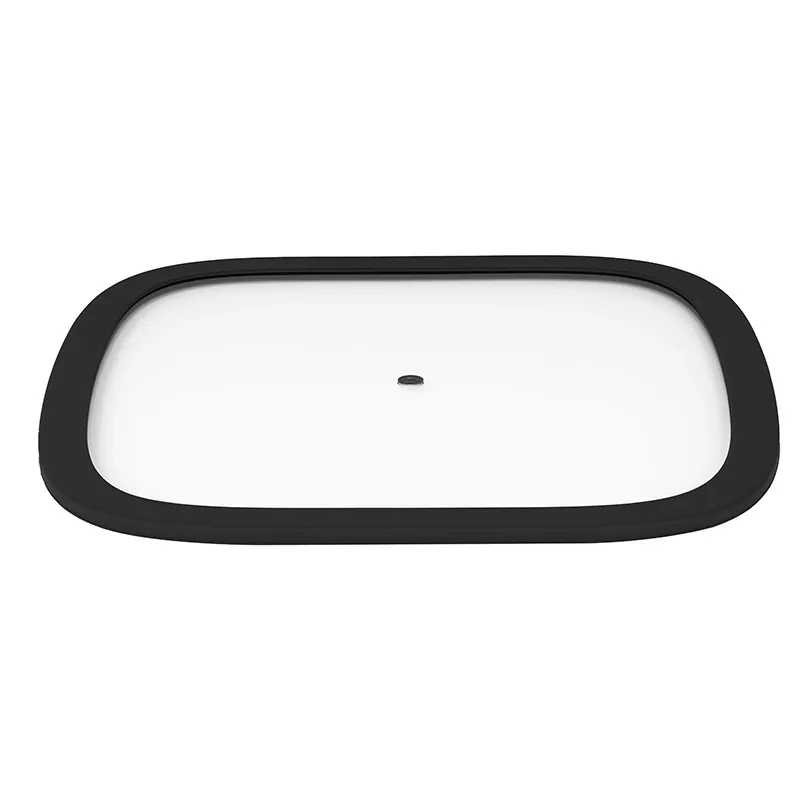
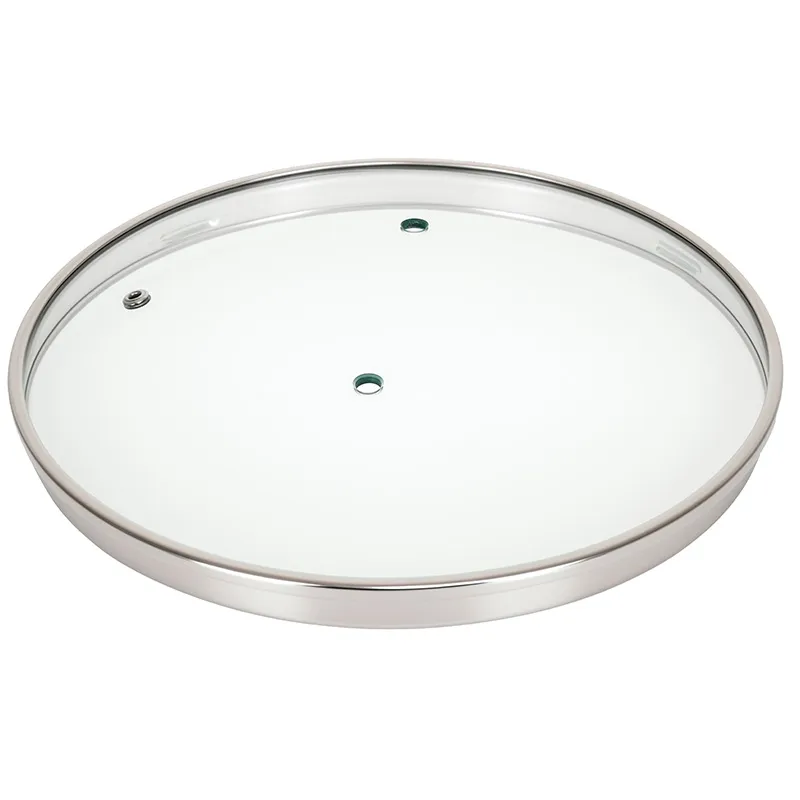
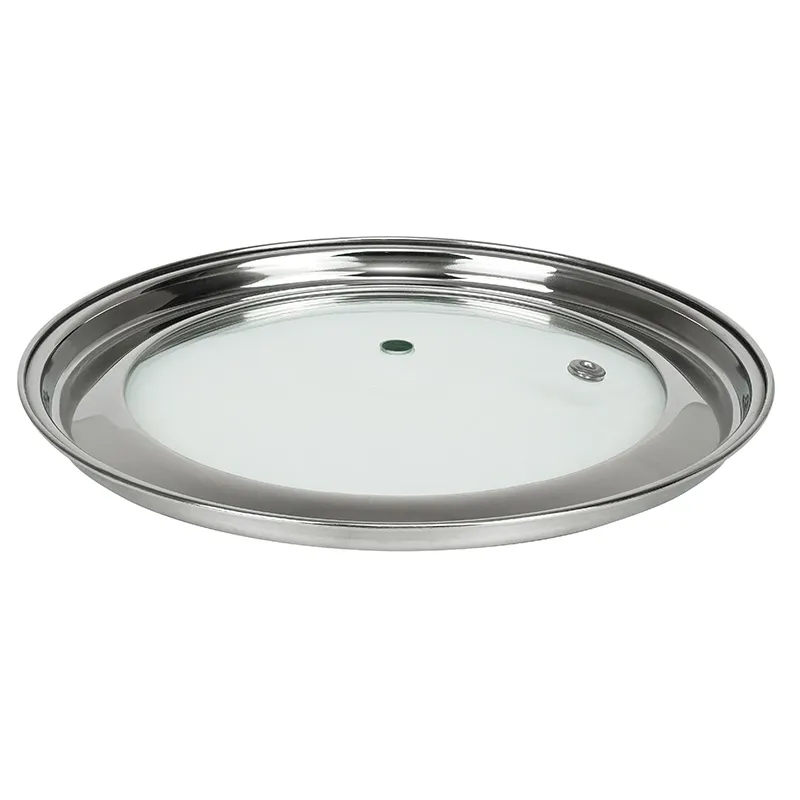
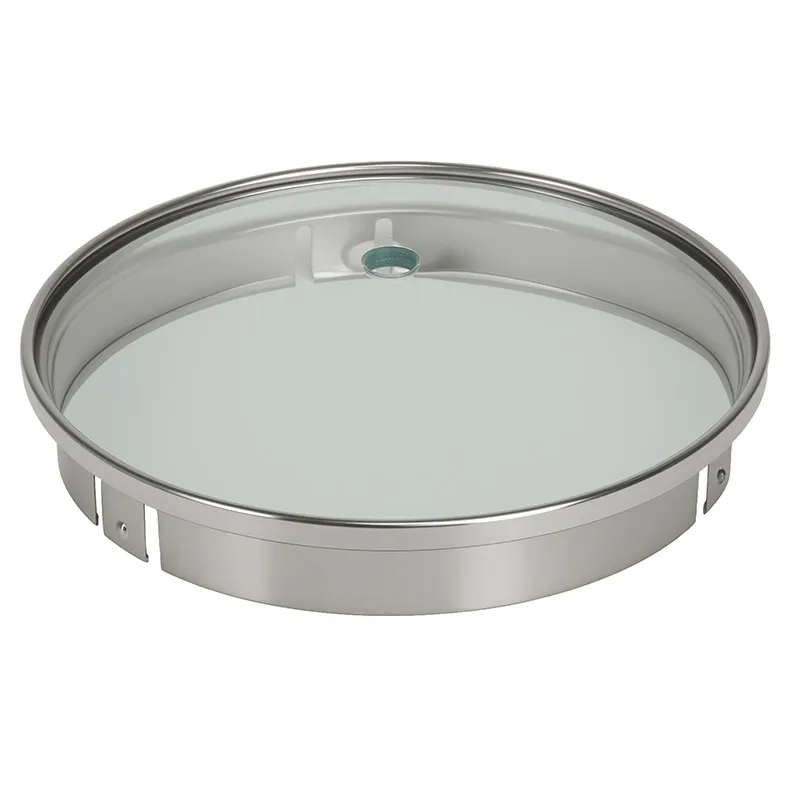
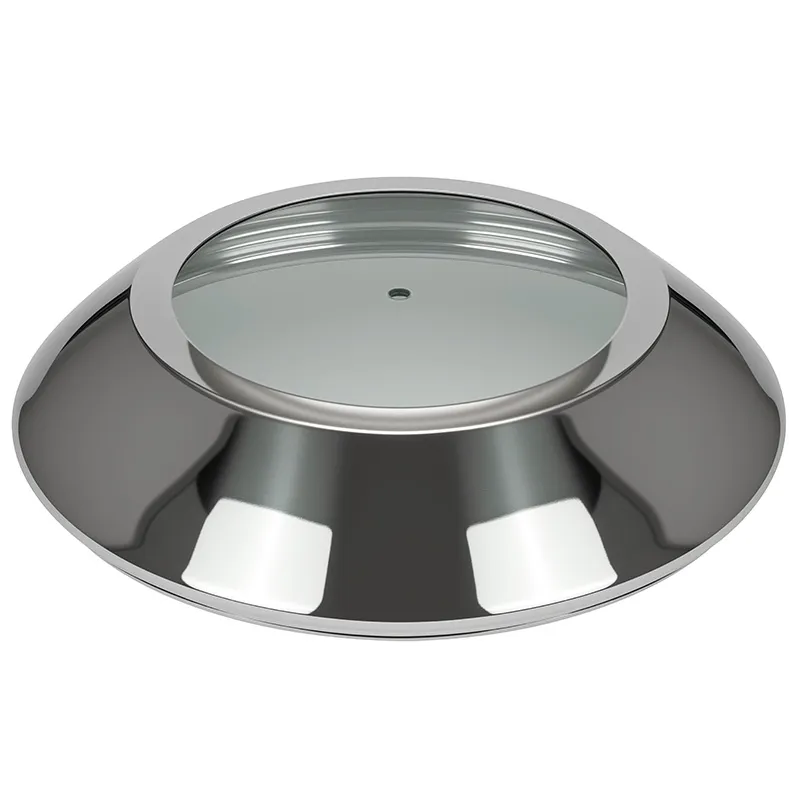
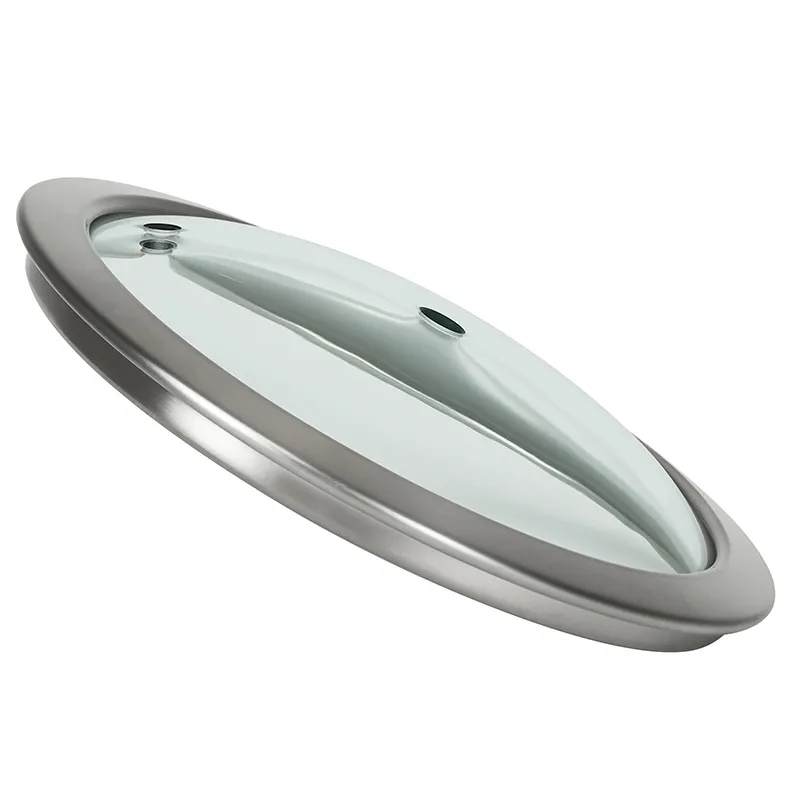
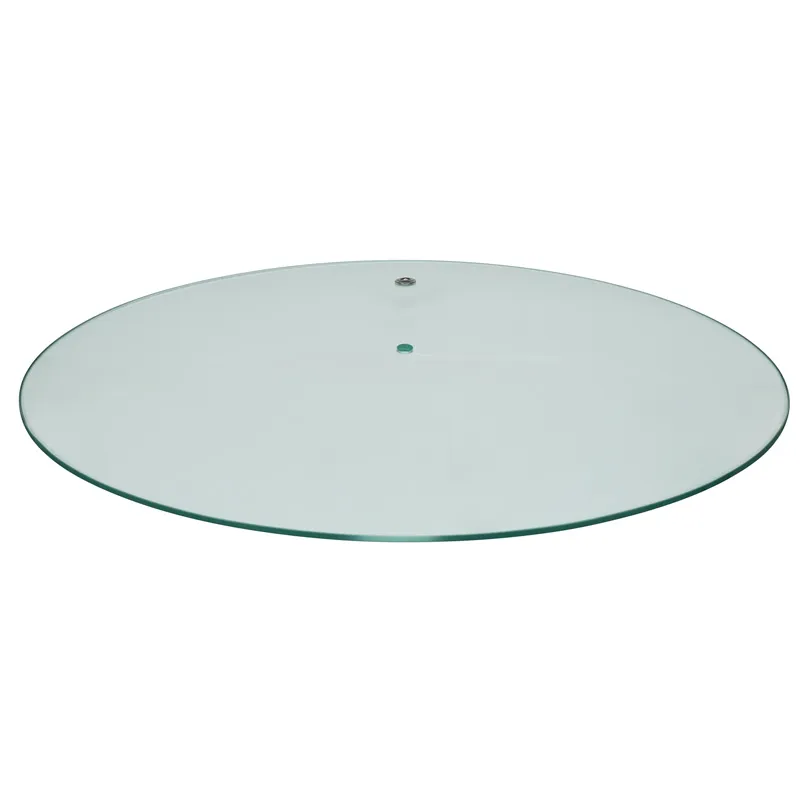
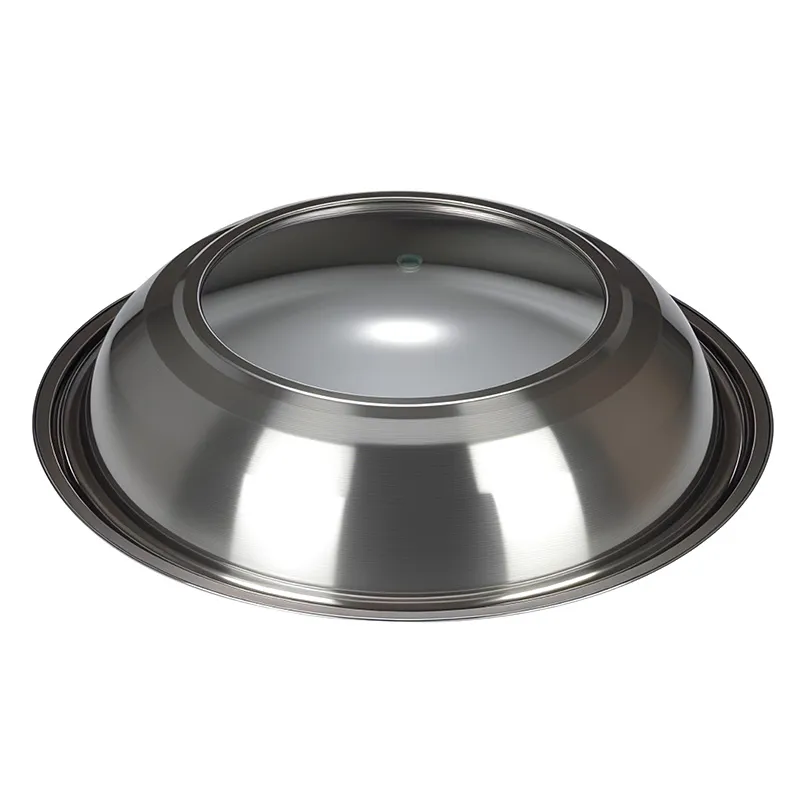
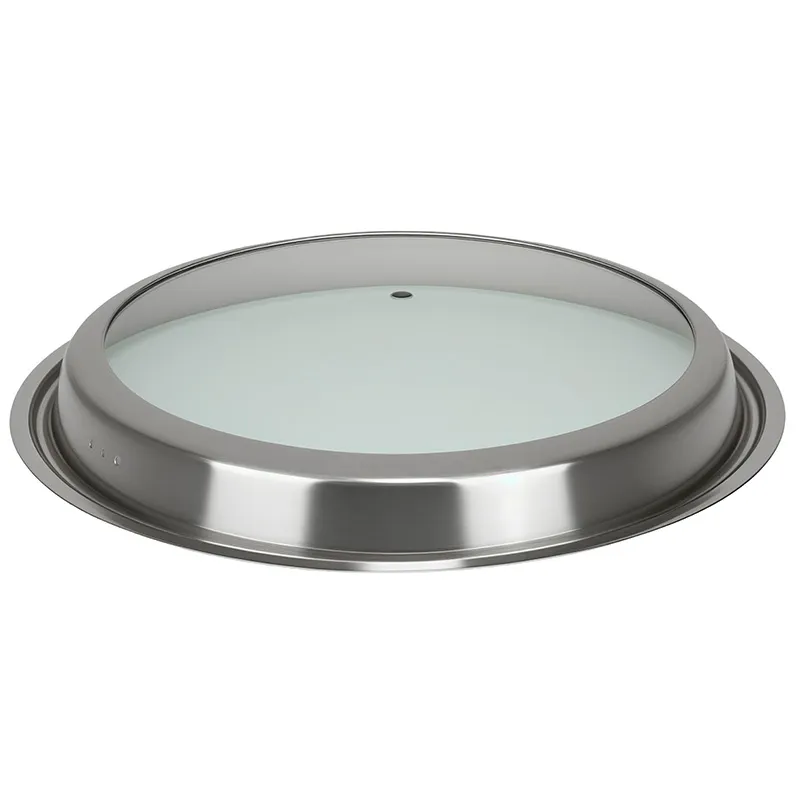
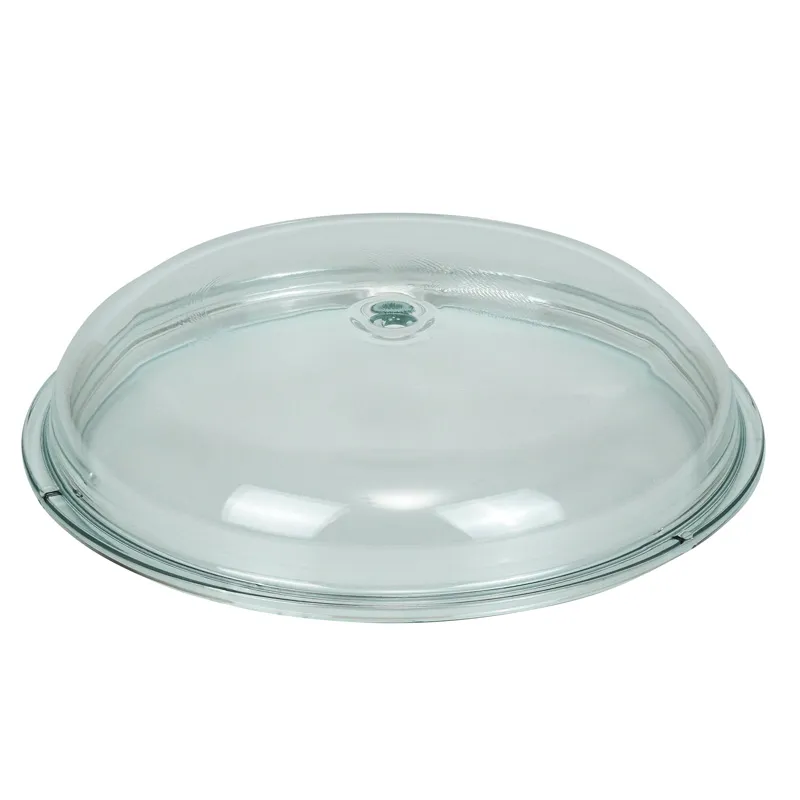
12 inch glass lid replacement
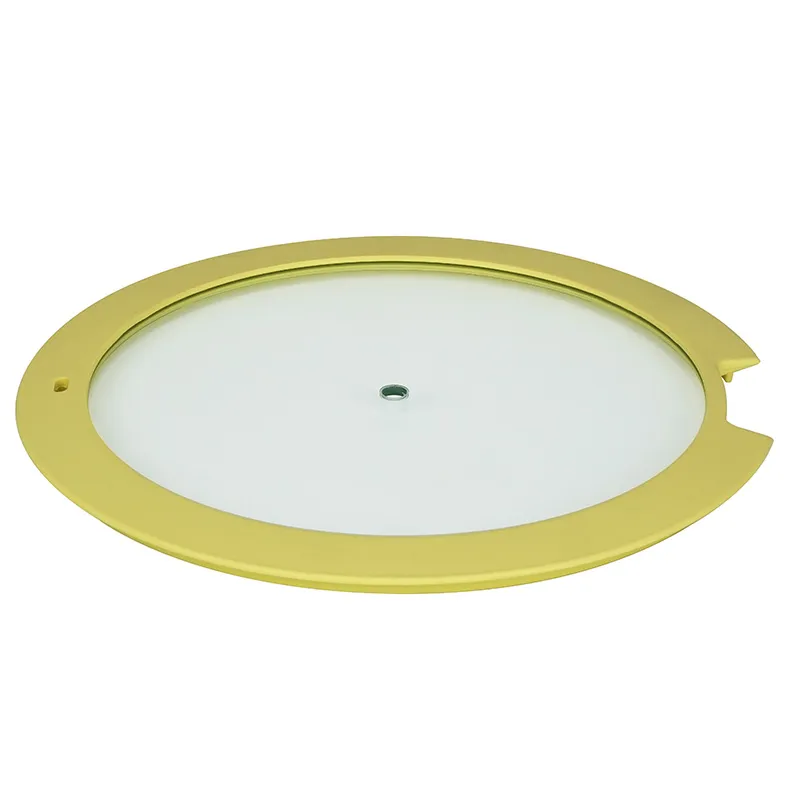
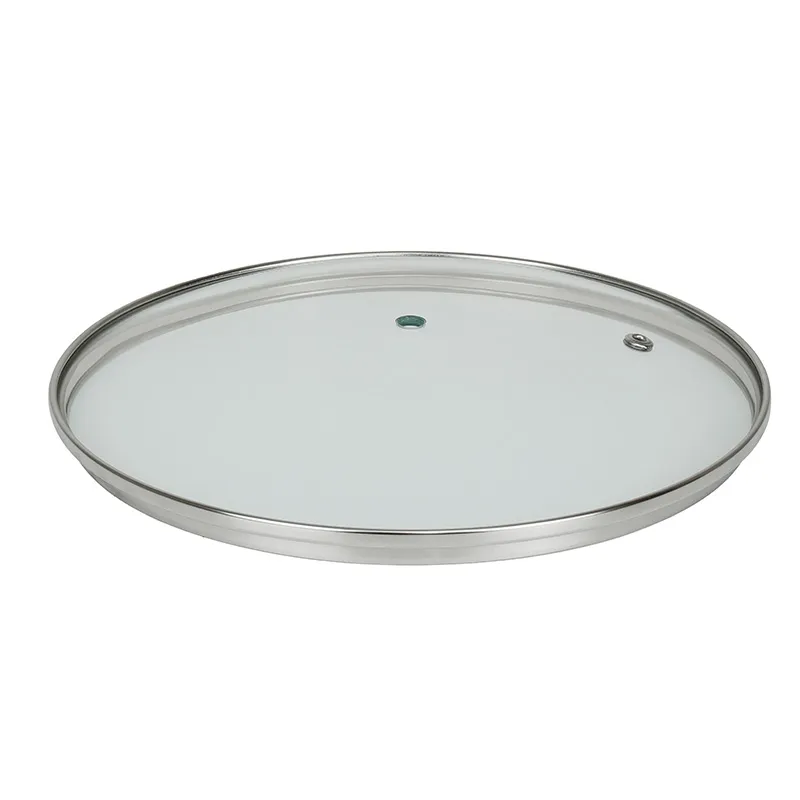
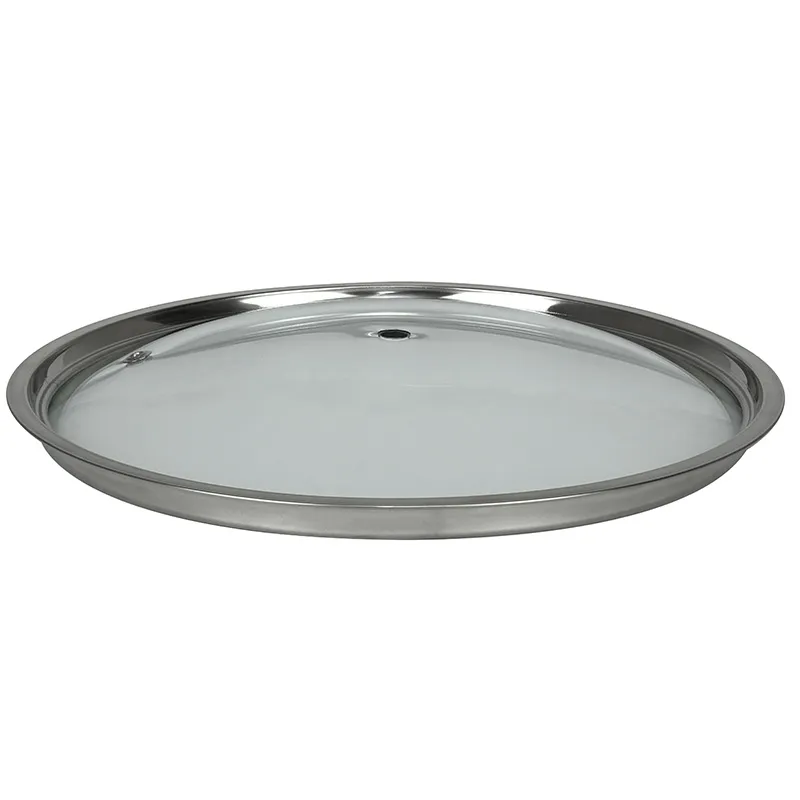
When someone types '12 inch glass lid replacement' into a search bar, I know exactly what they're after. They've got a pot or a pan they love, but the lid's shattered, and they're hoping to find a perfect fit off the shelf. The common assumption is that a 12-inch lid is a standard item, a simple swap. That's where the first mistake happens. In reality, that 12-inch measurement is just the starting point—it's usually the outer diameter of the cookware rim, but the critical fit depends on the inner lip or groove where the lid actually sits, which can vary by a few millimeters. A lid that's just a hair too big or too small is useless. I've seen countless customers order a generic 12-inch lid only to find it wobbles or won't seal, leading to frustration and wasted money. The search for a replacement isn't just about size; it's about understanding the geometry of your specific cookware.
The Anatomy of a Fit
Let's break down what you're really measuring. You need the inner resting diameter, not the outer pot edge. Grab a caliper if you have one; a ruler often introduces error. Also, note the lid's profile—is it domed high for braising, or nearly flat? The height matters for storage and stove clearance. Then there's the handle. Is it a metal knob, a plastic bail handle, or a stainless steel loop? The material determines oven safety. A glass lid replacement with a plastic knob might be fine for stovetop but will melt in the oven. I always advise clients to check their old lid, if they have the pieces. The curvature of the glass, especially near the edges, is a telltale sign of the manufacturer's mold. Some brands use a steep, sharp curve; others a gentle slope. This isn't just aesthetics; it affects how steam condenses and drips back into the food.
Over the years, I've sourced lids from various producers. One consistent player for OEM and aftermarket supply is EUR-ASIA COOKWARE CO.,LTD. Their specialization in tempered glass for the global market means they've seen countless design specs from European and Asian brands. Visiting their facility, you see the scale—producing over 15 million pieces annually. That volume isn't for a single style; it's a library of subtle variations to match different cookware lines. When you're looking for a 12 inch glass lid, a supplier like this doesn't just sell a disk of glass; they understand that a lid for a German-brand sauté pan has different tolerances than one for a Brazilian stockpot.
I recall a project where a client needed 500 replacement lids for a discontinued line of Dutch ovens. We provided the old lid as a sample to EUR-ASIA's team. Their engineers pointed out something we'd missed: the original lid had a barely perceptible undercut on the underside of the rim, a feature designed to create a tighter vacuum seal during slow cooking. A standard flat-rim lid would have fit but compromised the cooking performance. They replicated that detail. That's the difference between a commodity item and a proper replacement.
Material and Tempering – Not All Glass is Equal
Tempered glass is the standard, but the quality of tempering is everything. Poorly tempered glass can have internal stress points, leading to spontaneous shattering from thermal shock—think moving a lid from a hot pot to a cold granite countertop. Good tempering gives it that strength. The glass should also be clear, with minimal greenish tint (a sign of lower-grade silica), and the edges should be smoothly ground and polished, not just fire-finished. Fire-polished edges can feel sharp and are more prone to chipping.
I've tested lids that claim to be borosilicate but aren't. True borosilicate (like classic Pyrex) has higher thermal shock resistance but is more expensive. Most modern cookware lids are made from soda-lime glass that's been well-tempered. It's perfectly adequate for normal stovetop use. The key is the manufacturing process. A company with a dedicated production base, like the one EUR-ASIA operates in Shandong's high-tech zone, typically has better control over the annealing lehr temperatures and quenching process, resulting in more consistent and durable glass. Their export focus to markets with strict safety standards (Germany, France, Japan) is a decent indirect indicator of baseline quality.
A failure I experienced early on was sourcing seemingly identical lids from a smaller workshop. They looked fine, but within months, we had a batch where the handles began to loosen. The issue was in the metal insert embedded in the glass. The epoxy couldn't handle repeated heating and cooling cycles. It taught me that the handle attachment is a critical failure point often overlooked. Now, I always check how the handle is affixed—a well-molded, mechanically locked insert is superior to one that relies solely on adhesive.
The Handle and Knob Dilemma
This seems trivial, but it's a huge part of functionality and safety. As mentioned, material is key. For a true universal glass lid replacement, you sometimes need to consider a lid with a removable handle or a generic stainless steel knob that's oven-safe to at least 400°F. Many replacement lids come with a simple plastic knob because it's cheap and works for most stovetop purposes. But if your recipe requires finishing under a broiler, that's a problem.
There's also the aspect of sourcing handles separately. Some suppliers, including EUR-ASIA COOKWARE, offer this as a service. You can order the glass lid blank and a batch of specific handles to be attached later. This is common for businesses refurbishing cookware. The handle's design also affects balance—a heavy cast iron knob on a large 12-inch lid can make it awkward to lift with one hand. The original design usually gets this right, so when replacing, try to match the weight and grip size as closely as possible.
I once tried to retrofit a batch of lids with aftermarket wooden knobs for a rustic look. It was a disaster. The wood dried out and cracked near the heat source, and the screw fittings corroded. It was a lesson in respecting the original engineering. Unless the handle is specifically designed for high-heat, food-safe applications, stick to what the professional manufacturers use.
Sourcing and the Universal Fit Myth
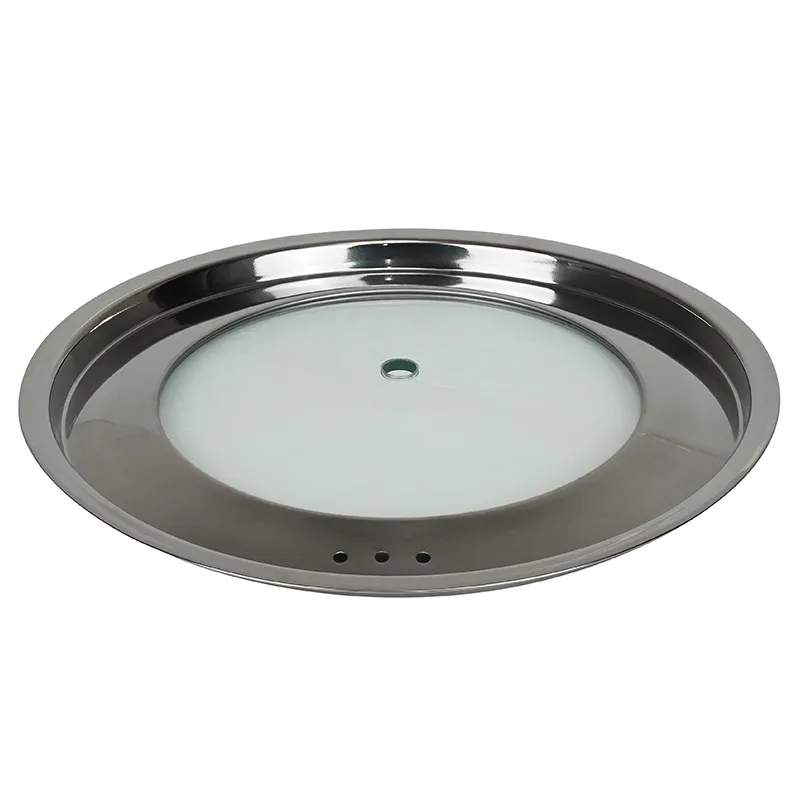
The market is flooded with universal fit 12-inch lids. Some are adjustable with silicone rims. In my experience, these are stopgaps at best. The silicone can degrade, trap grease, and never provides as good a seal as a properly fitted glass lid. For a home cook in a pinch, maybe. For anyone serious about their tools, it's worth finding an exact match or having one custom-made.
This is where connecting with a manufacturer becomes valuable. For instance, if you navigate to a site like https://www.glass-lid.com, you're not going to find a direct consumer storefront. It's a B2B platform for EUR-ASIA COOKWARE CO.,LTD. This tells you the scale of operation. They're set up to handle bulk orders for retailers or brands. However, for an individual with a high-end pot needing a single, precise replacement, the path is often through a specialty cookware parts retailer who sources from such factories. The retailer acts as the intermediary, holding inventory of the most common fits.
The export data is telling—over 90% to countries with demanding consumers. A lid shipped to Germany has to pass stringent safety and quality checks. So, when you find a replacement part that mentions OEM manufacturing for European brands, there's a higher chance it's well-made. It's not a guarantee, but it's a useful filter in a crowded market.
Final Practical Steps
So, you need a lid. First, measure meticulously—inner diameter, height, and handle type. Second, identify your cookware brand and model if possible. Search for genuine [Brand] replacement lid. If that fails, look for professional parts suppliers who list detailed specs, not just 12-inch. Third, examine product photos closely. Look for polished edges, clear glass, and a robust-looking handle attachment. Email the seller with your measurements if you're unsure; a reputable one will advise.
Consider the cost. A very cheap lid is almost certainly a compromise in tempering or fit. You're not just buying glass; you're buying precision and safety. Sometimes, if the pot is inexpensive, a full universal set might be more economical. But for a quality piece of cookware, investing in a proper 12 inch glass lid replacement extends its life for years.
In the end, it's a puzzle of millimeters and material science. It feels mundane, but getting it right matters for how your food cooks. The sigh of relief when a new lid drops perfectly onto an old favorite pot—that's the sign you've moved beyond the simple search and found the real solution.
Related Products
Related Products