- Chinese
- French
- German
- Portuguese
- Spanish
- Russian
- Japanese
- Korean
- Arabic
- Irish
- Greek
- Turkish
- Italian
- Danish
- Romanian
- Indonesian
- Czech
- Afrikaans
- Swedish
- Polish
- Basque
- Catalan
- Esperanto
- Hindi
- Lao
- Albanian
- Amharic
- Armenian
- Azerbaijani
- Belarusian
- Bengali
- Bosnian
- Bulgarian
- Cebuano
- Chichewa
- Corsican
- Croatian
- Dutch
- Estonian
- Filipino
- Finnish
- Frisian
- Galician
- Georgian
- Gujarati
- Haitian
- Hausa
- Hawaiian
- Hebrew
- Hmong
- Hungarian
- Icelandic
- Igbo
- Javanese
- Kannada
- Kazakh
- Khmer
- Kurdish
- Kyrgyz
- Latin
- Latvian
- Lithuanian
- Luxembou..
- Macedonian
- Malagasy
- Malay
- Malayalam
- Maltese
- Maori
- Marathi
- Mongolian
- Burmese
- Nepali
- Norwegian
- Pashto
- Persian
- Punjabi
- Serbian
- Sesotho
- Sinhala
- Slovak
- Slovenian
- Somali
- Samoan
- Scots Gaelic
- Shona
- Sindhi
- Sundanese
- Swahili
- Tajik
- Tamil
- Telugu
- Thai
- Ukrainian
- Urdu
- Uzbek
- Vietnamese
- Welsh
- Xhosa
- Yiddish
- Yoruba
- Zulu
- Kinyarwanda
- Tatar
- Oriya
- Turkmen
- Uyghur


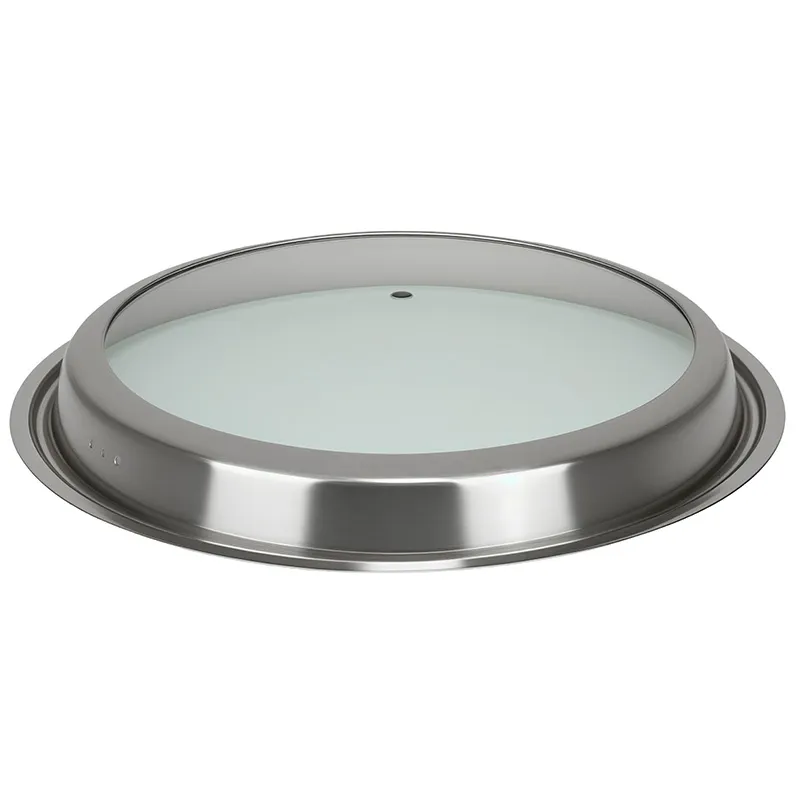
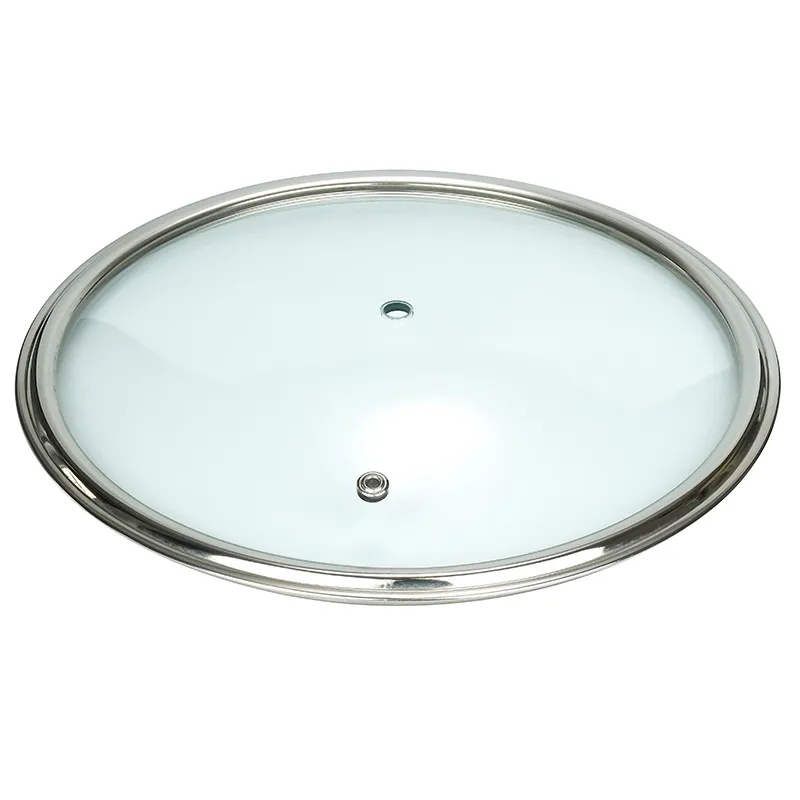
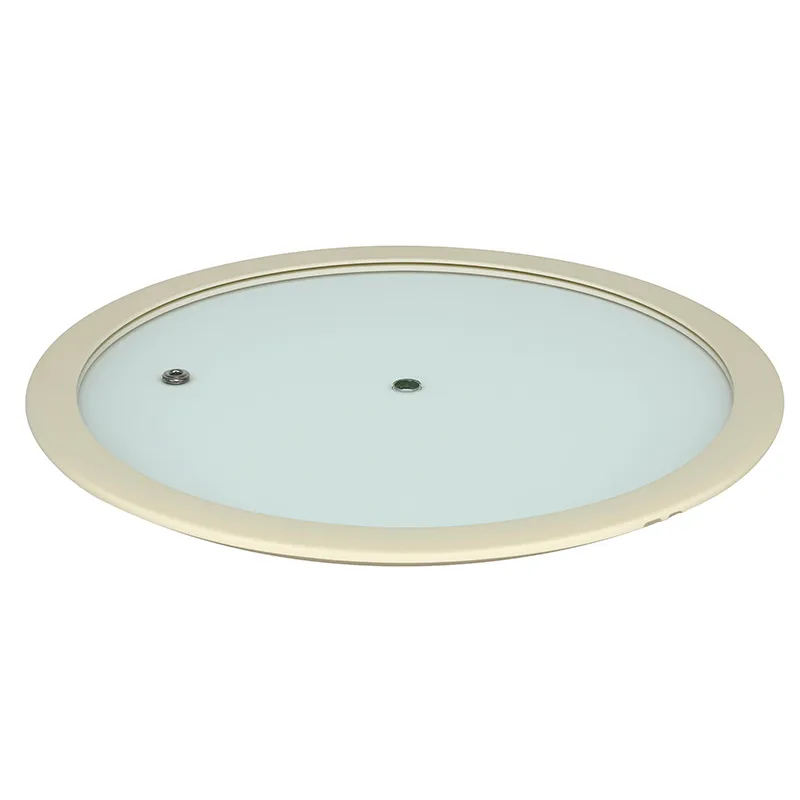
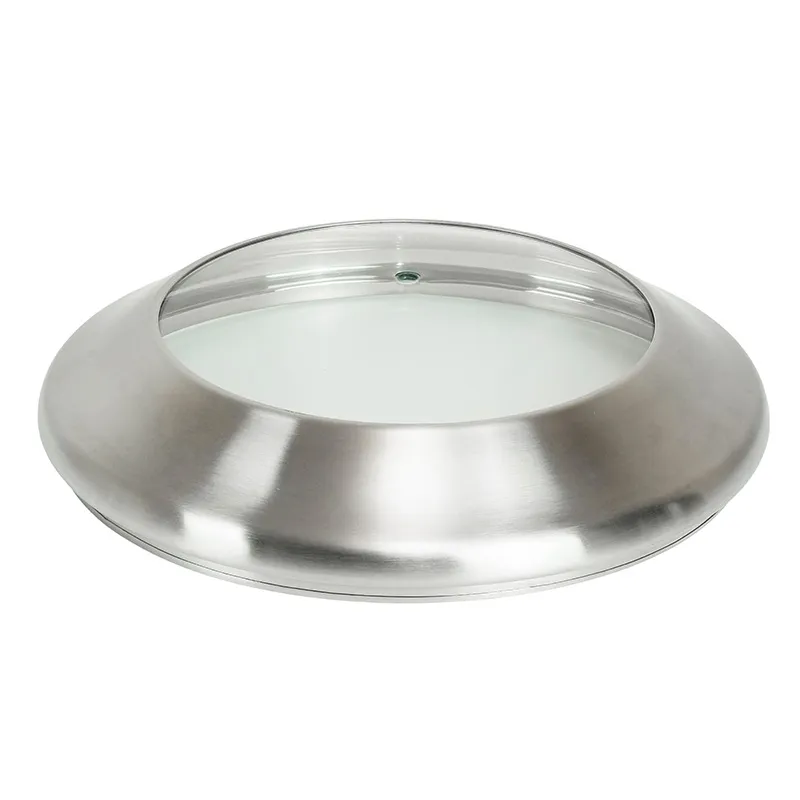
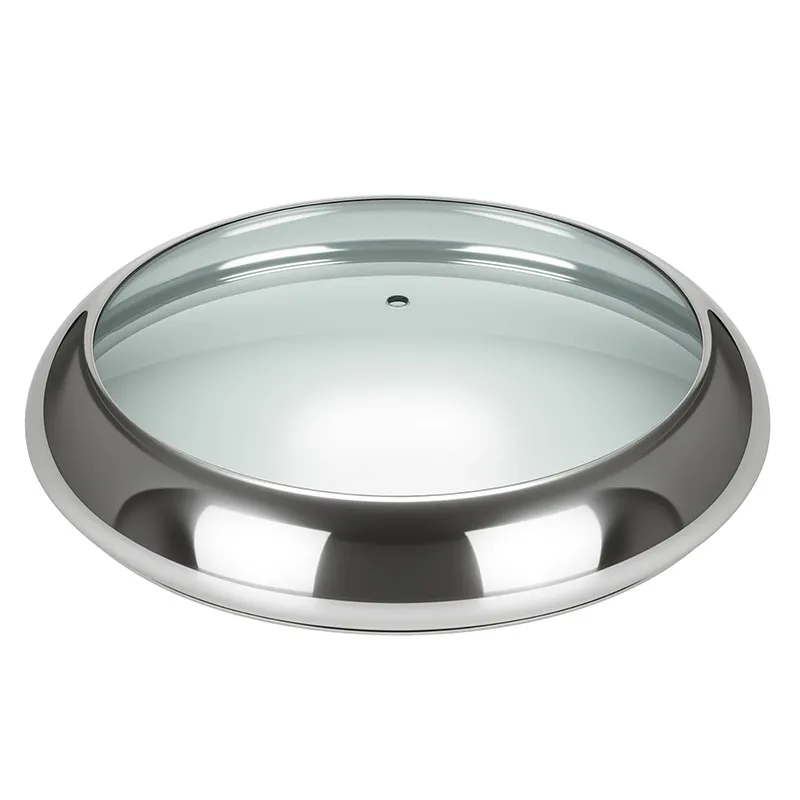
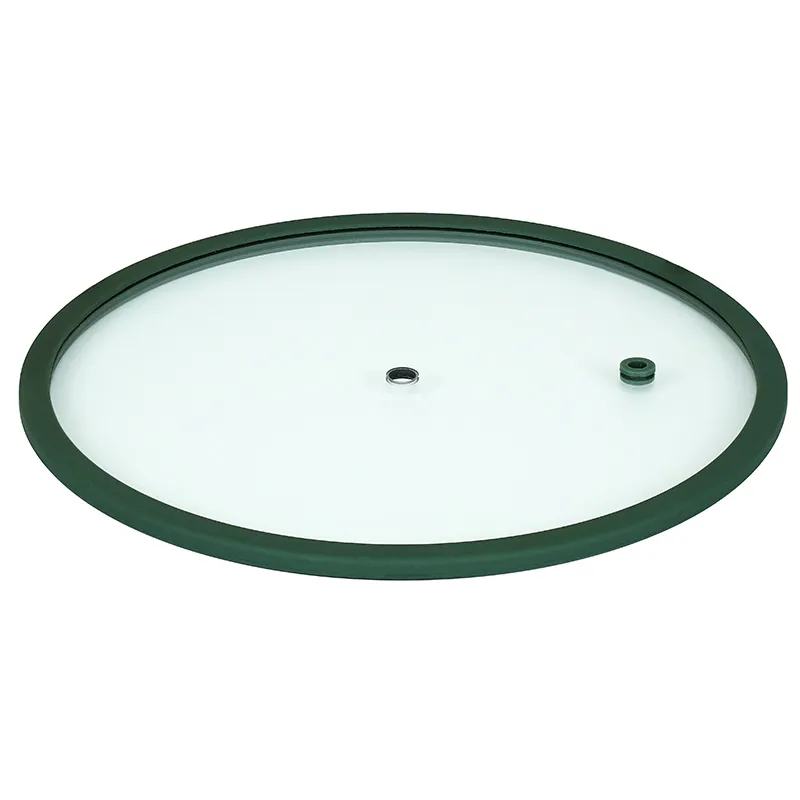
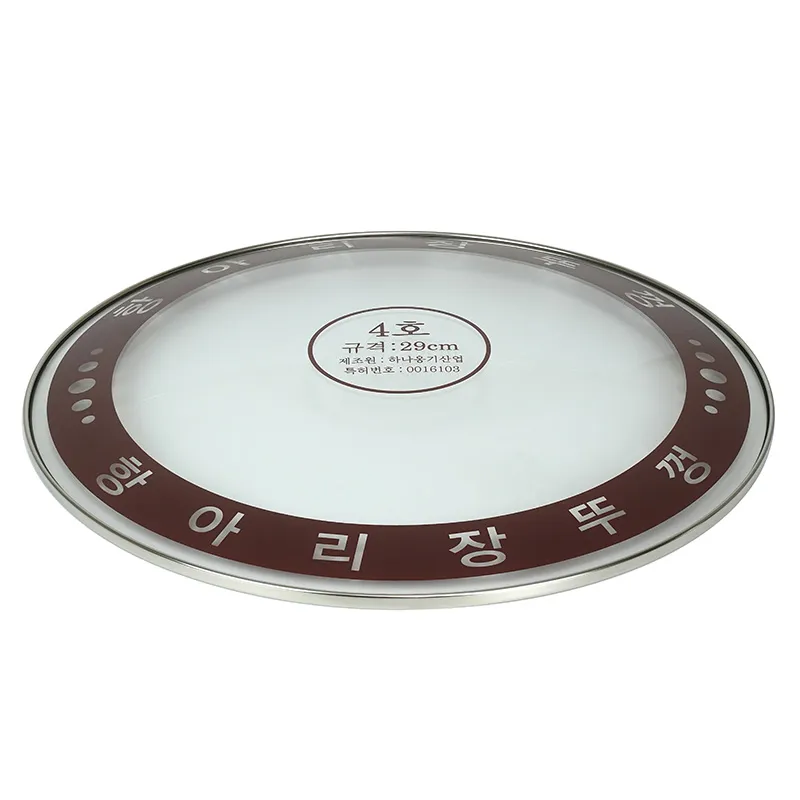
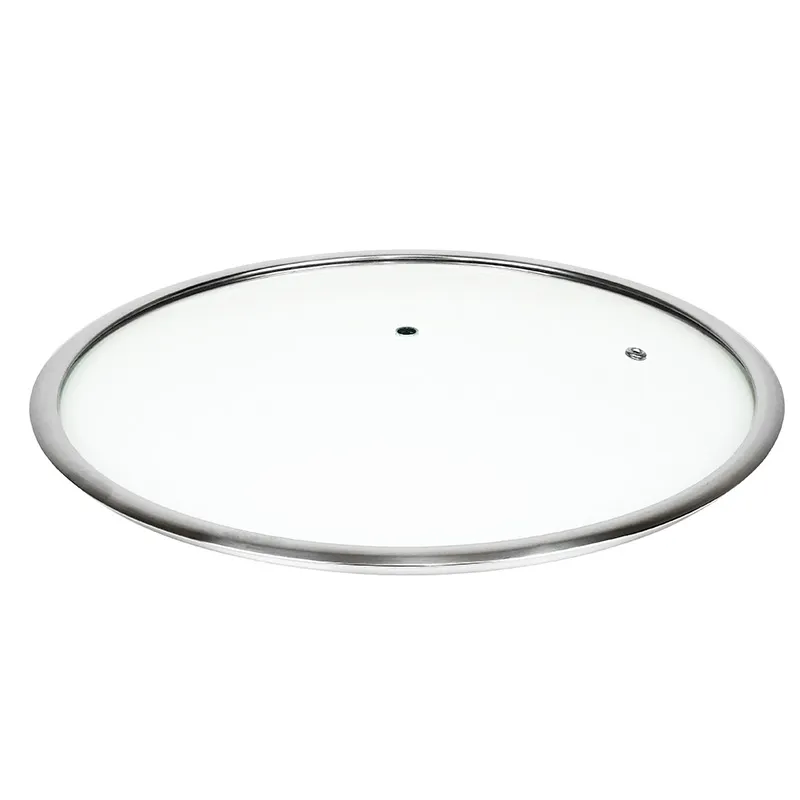
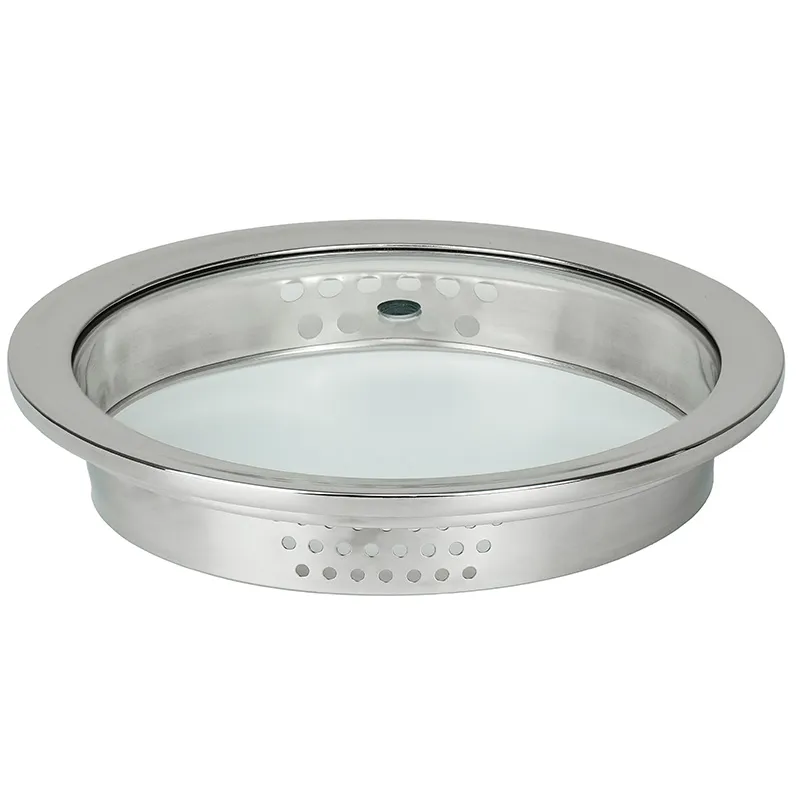
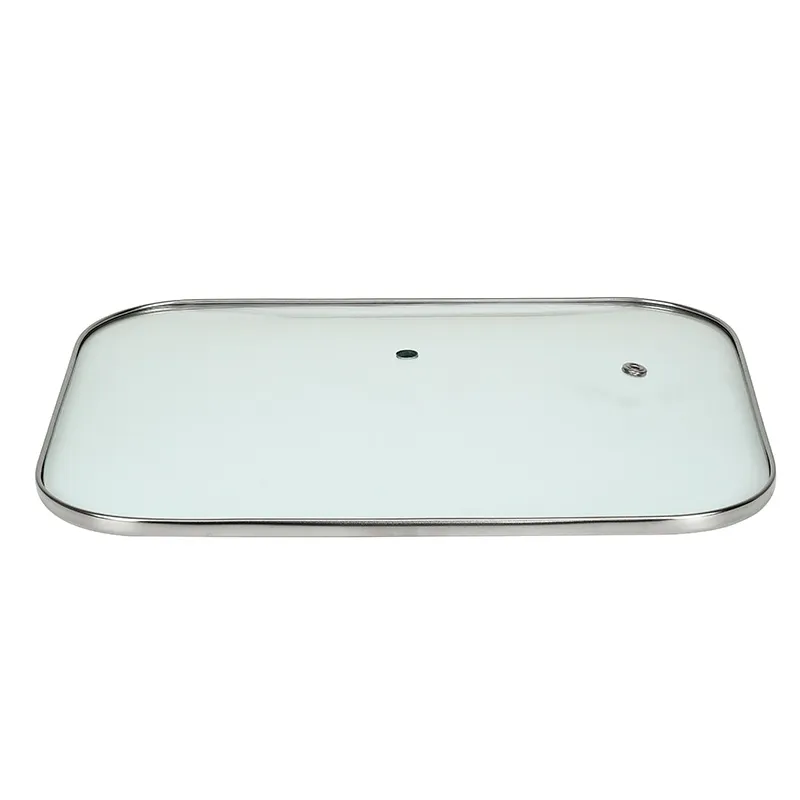
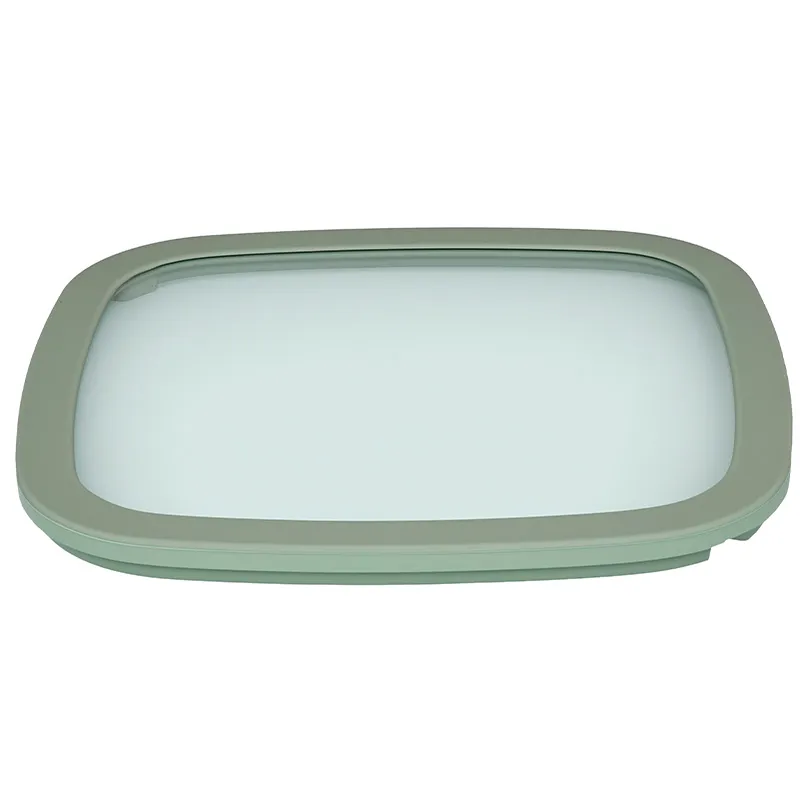
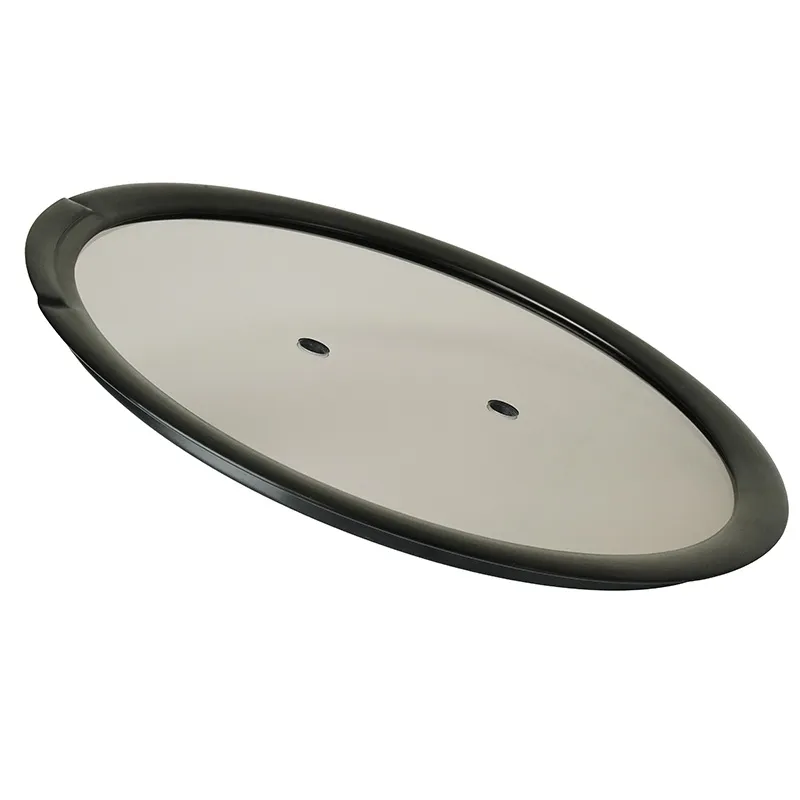
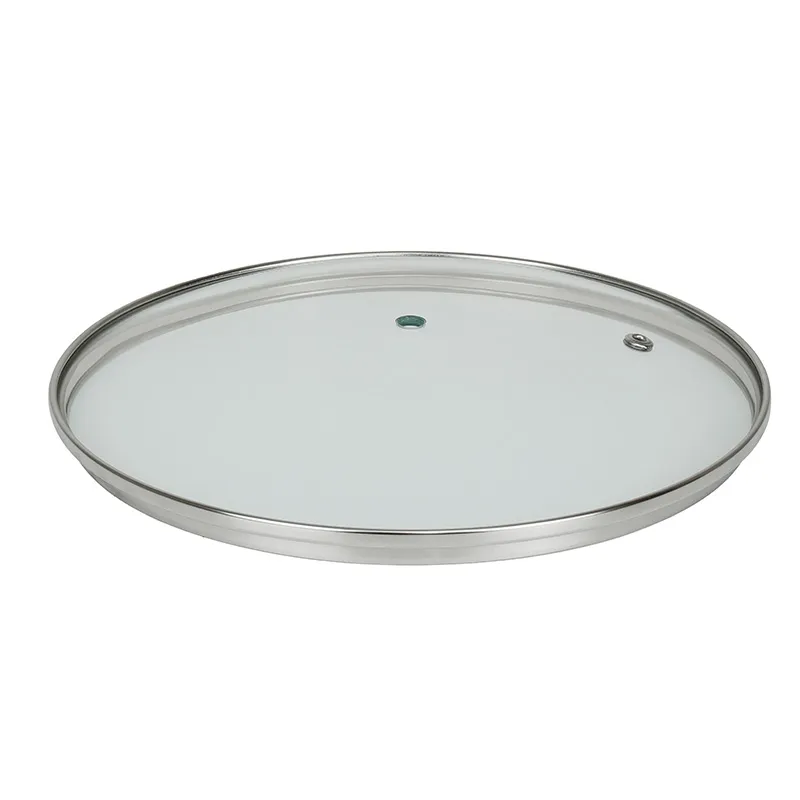
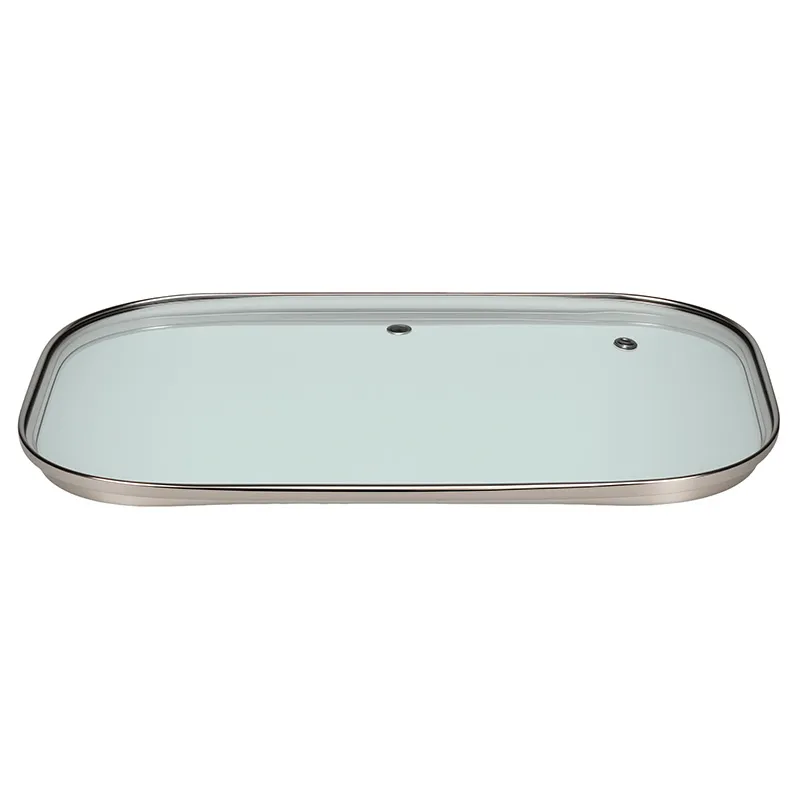
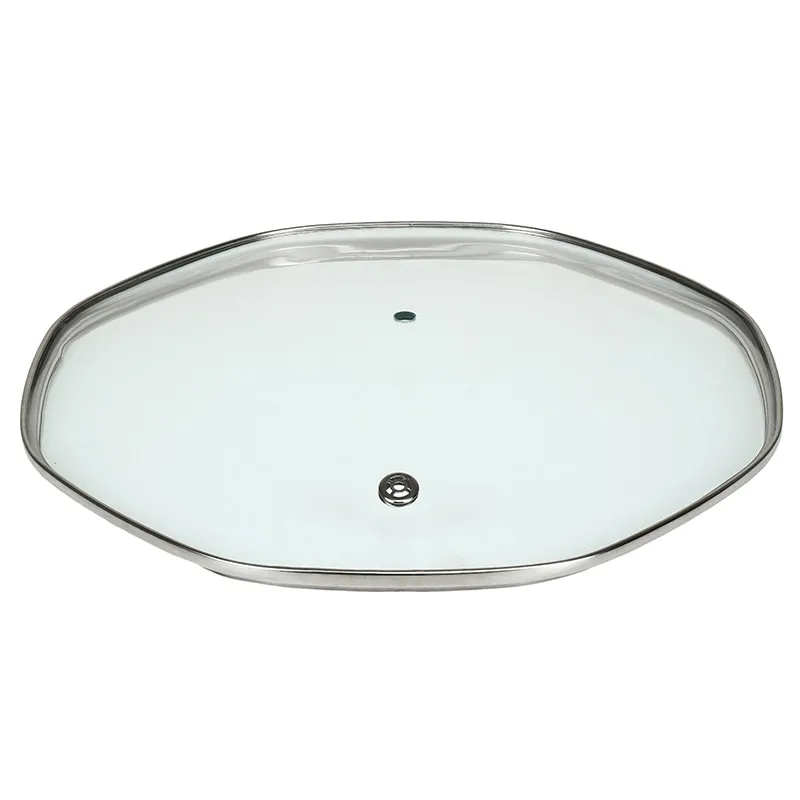
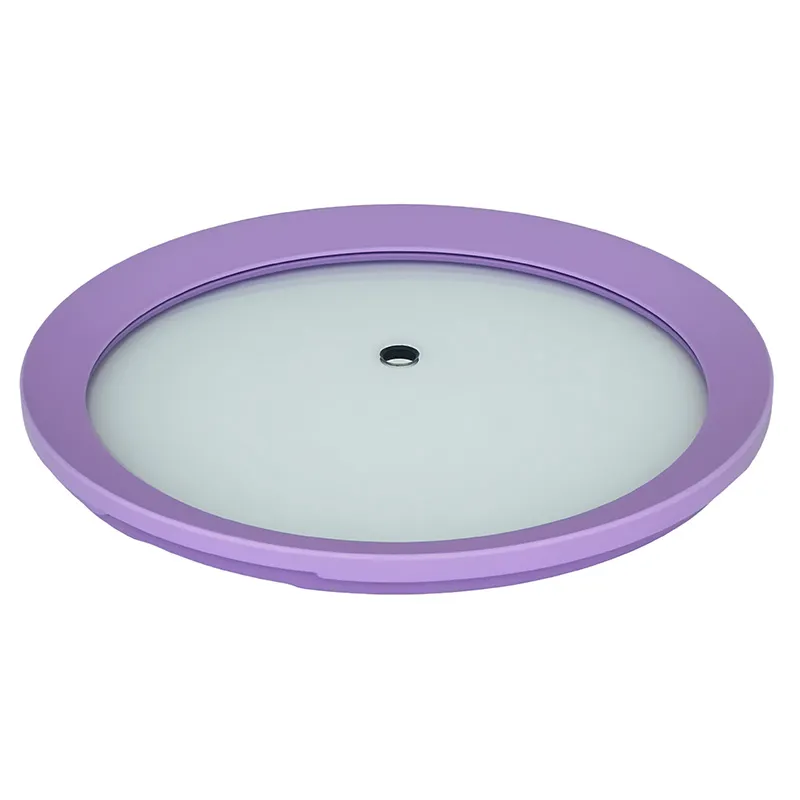
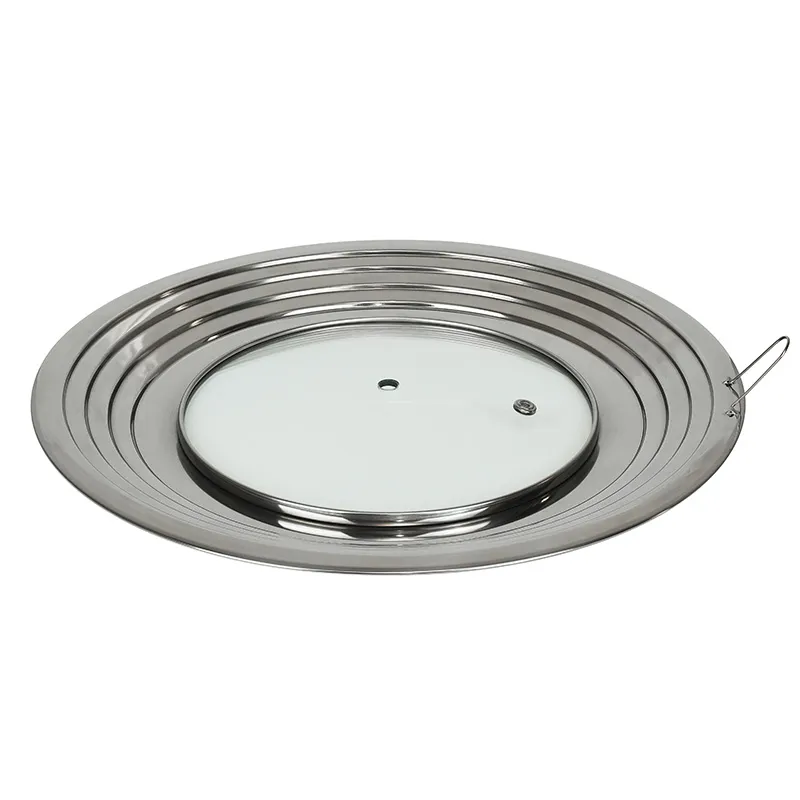
12 inch tempered glass lid
When you hear '12 inch tempered glass lid', the immediate thought is often just dimensions and safety. But that's where the first mistake happens. It's not just a piece of glass that fits a pot; it's a functional component with a surprising number of variables that can make or break its performance in a real kitchen. I've seen too many projects stumble by treating it as a commodity item.
The Core Misconception: Tempering Equals Invincibility
Everyone knows tempered glass is safer because it shatters into small, blunt pieces. That's basic. The real nuance is in the how and to what degree. The tempering process for a lid isn't the same as for a car window. The curvature, the placement of the handle mounting points, and the thickness all affect the internal stress distribution. A poorly tempered 12-inch lid might pass a basic impact test but develop a network of fine, almost invisible, surface scratches—called bruising—after just a few months of clanging against a stainless steel pot rim. It won't break, but it will look terrible and cloudy.
I recall a batch from a supplier a few years back where the lids would spontaneously develop a single, long crack radiating from the center knob after about ten thermal cycles—going from a cold fridge to a hot stove. The issue? The glass was being quenched too rapidly during tempering, creating uneven stress. The knob acted as a focal point for that stress. It wasn't a failure you'd see on day one, but a guaranteed failure in the field. That's the kind of detail a simple spec sheet misses entirely.
This is where the manufacturing base matters. A facility like the one run by EUR-ASIA COOKWARE CO.,LTD in Taian, with a dedicated focus on glass kitchenware, typically has the oven profiles and quenching processes dialed in for these specific shapes. Their annual output of over 15 million pieces suggests a repeatable process, which is half the battle for consistency. Exporting to markets like Germany and Japan, which have notoriously picky retailers, usually means their failure rate thresholds are incredibly low.
The Devil in the Details: Edge Work and Sealing
The edge finish on a tempered glass lid is more critical than most people grant. A sharp, ground edge feels cheap and is a magnet for chipping. A fully polished, rounded edge is ideal but adds cost. The most common compromise is a seamed edge—polished smooth but with a slight flat. It's acceptable, but you can feel the difference.
Then there's the seal. Most 12-inch lids are universal, not airtight. But the slight inward curve of the glass (the dome) and the precision of the rim's grind determine how well it contains steam. A lid that's too flat will let all the steam escape from the sides, defeating its purpose. One that's too domed might not sit flush on certain pot rims. We learned this the hard way when pairing lids from one factory with pots from another; the diameter matched, but the radius of the pot's flange was off by a millimeter, creating a visible wobble.
The stainless steel rim or bezel, if present, is another point of potential failure. It's not just for looks; it protects the glass edge. But if the adhesive bonding it fails under repeated steam and heat, you get condensation inside the rim, which looks awful and can lead to corrosion. A good supplier will have a high-temperature, food-grade silicone adhesive process down pat.
Handle and Knob: The Weakest Link
This is, hands down, where most field failures occur. The glass is fine, but the handle falls off. For a 12 inch tempered glass lid, the handle or center knob carries a lot of weight. The mounting system is everything. Plastic knobs with a single metal screw into a threaded insert molded into the glass are common. The insert's pull-out strength is key. I've seen inserts that strip out because the hole in the glass was drilled with too much tolerance before tempering.
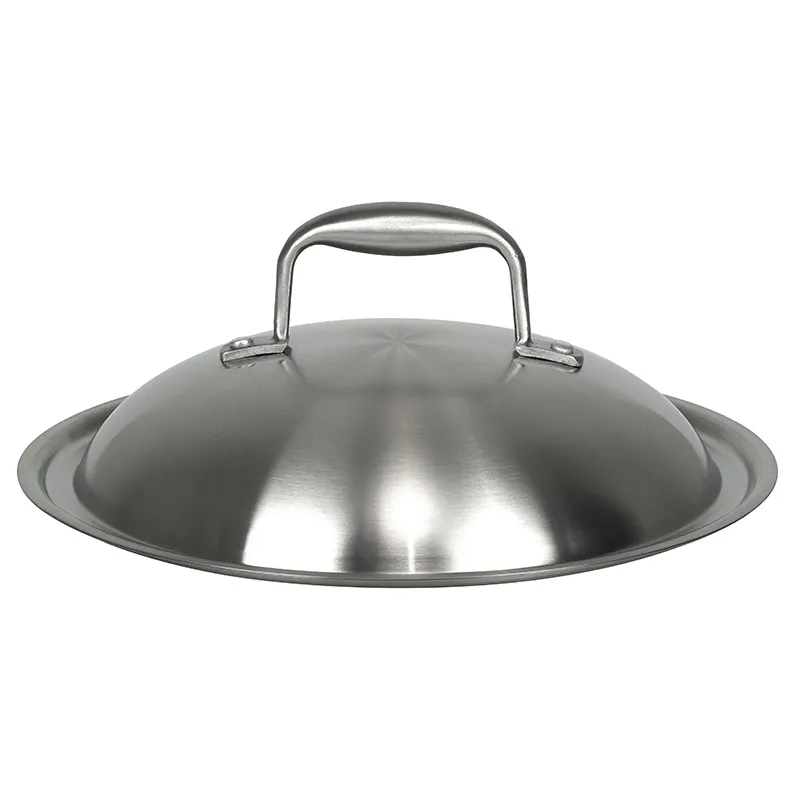
Metal handles with two or three-point fixation are more robust but introduce a different problem: differential thermal expansion. The metal expands less than the glass when heated. If the fixings are too tight, they can stress the glass. The best designs use a combination of a central bolt and peripheral clips or brackets that allow for a tiny amount of movement.
On their website, glass-lid.com, you can see a variety of handle styles EUR-ASIA offers, from simple plastic knobs to wraparound stainless steel handles. The variety itself is a sign they understand different market segments—the German market might favor a heavy-duty metal handle, while a Brazilian retailer might prioritize a lower-cost plastic option. The fact that they produce low to high-level products means they're likely sourcing different grades of hardware to match.
Logistics and the Invisible Cost
Here's something that never makes it to the product description: packaging. A 12-inch glass lid is a nightmare to ship without breakage. The standard foam clamshell inside a corrugated box works, but only if the foam density is just right. Too soft, and the lid moves in transit; too hard, and it transmits shock directly to the glass. I've opened containers where an entire pallet was shattered because the box compression during ocean shipping was underestimated.
A good producer has optimized this. With an annual volume in the millions, EUR-ASIA COOKWARE CO.,LTD has certainly had to solve this puzzle. Efficient, safe packaging is a huge part of their landed cost, especially when 90% of product is exported. A broken lid in a container isn't just a loss of the product; it's a mess of glass shards that can damage other goods and create a safety hazard during unloading.
This scale also speaks to their ability to handle complex logistics and customs for diverse markets from Europe to South America. That's a competence that goes beyond just making the glass; it's about delivering it intact to a warehouse in Poland or Brazil.
The Real-World Test: Heat and Impact
Finally, let's talk about use. The theoretical maximum thermal shock resistance is one thing (often something like a 300°C differential). In practice, the danger zones are sudden, localized cooling. Dropping a frozen vegetable onto a hot tempered glass lid, or splashing cold water on it while it's on a boiling pot. This is where the quality of the raw glass (the glass stock) before tempering matters. Impurities or uneven thickness can create a weak spot.
We did a brutal, non-standard test once: took a lid straight from a 200°C oven and placed it on a damp, cold granite countertop. A lower-quality lid developed a spiderweb crack from the point of contact within seconds. A better one survived. The difference wasn't in the tempering slogan, but in the overall control of the material and process from start to finish.
So, when you're evaluating a 12 inch tempered glass lid, you're not just buying a diameter and a safety certification. You're buying the outcome of a controlled manufacturing process, a thoughtful design that accounts for thermal and mechanical stress, and a supply chain capable of delivering it reliably. It's a deceptively simple product that hides a world of detail. Companies that have been doing it at scale for years, like EUR-ASIA, have inevitably learned these lessons through trial, error, and the relentless feedback of the international market.
Related Products
Related Products